Is balsa wood strong enough for packaging?
Yes, despite being lightweight, its cellular structure provides excellent rigidity and protection for lightweight to medium items, offering a superior strength-to-weight ratio.
Discover the benefits of ultra-lightweight, sustainable balsa wood packaging that cuts shipping costs without sacrificing a premium unboxing experience.
Balsa wood is renowned for its incredible strength-to-weight ratio, making it a unique and premium choice for custom packaging.
 BY RYAN WONG, ECO PACKAGING PROTOCOL
Concise B2B technical benchmarks designed to eliminate transit failures, regulatory penalties, and shelf-life loss.
Risk: A film that is too thin lets oxygen and moisture through before the date code.
You get the barrier numbers before you approve the quote.
Risk: Retailers and co-packers hold the order until the supplier file clears their QA.
Product specification, SDS, food-grade statement, lot code statement, PFAS statement, letter of guarantee.
Risk: Every variant needs its own cylinders, so the line-up never gets launched.
Multiple designs in one run, zero plate charges.
Preview your pouch in 3D WebGL Studio and export production-ready dielines.
For brands looking to combine the premium, organic feel of wood with practical lightweight logistics, Balsa is the perfect material. Balsa wood (Ochroma pyramidale) provides an authentic, rustic aesthetic while keeping shipping weights to an absolute minimum.
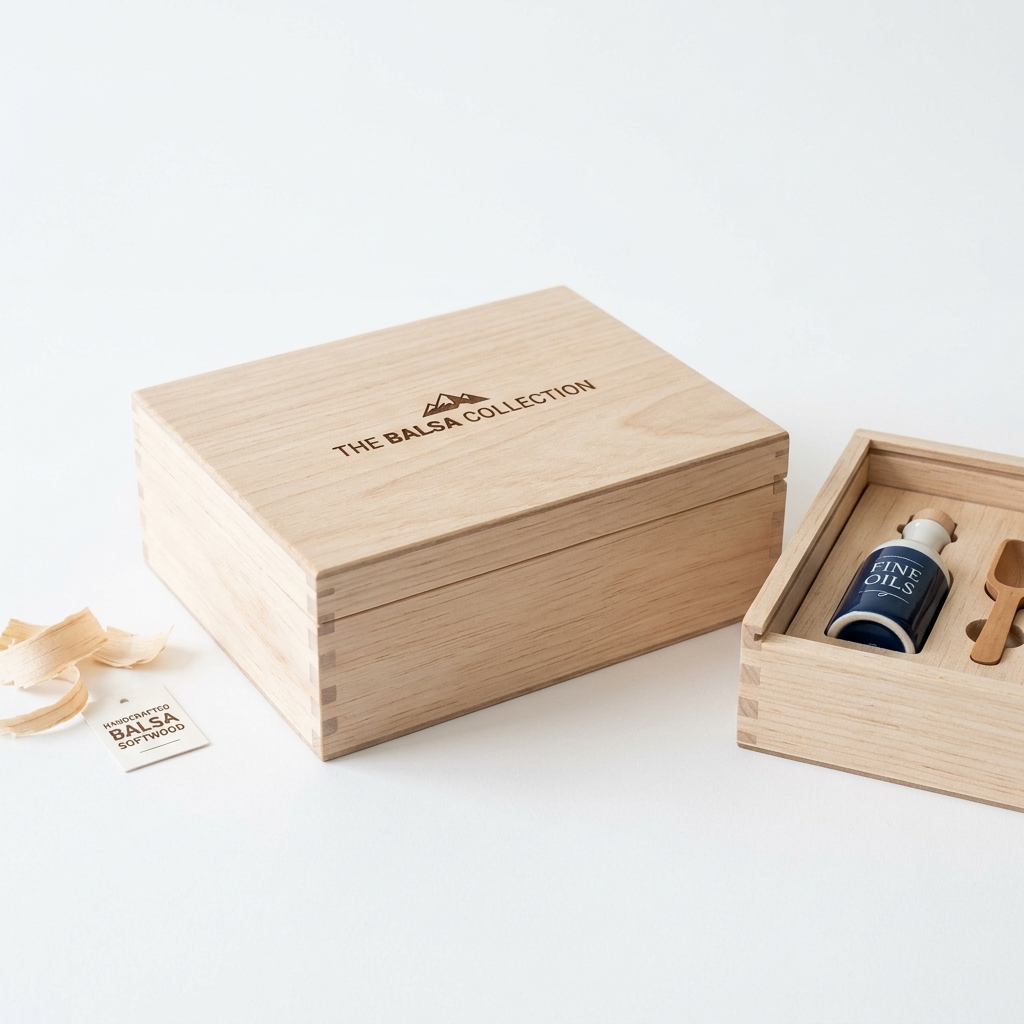
"When a boutique cosmetics brand wanted a wood-finish aesthetic for their secondary packaging, they initially tested 3mm birch plywood. The freight costs jumped by 42%. We pivoted to a 2.5mm Balsa wood substrate lined with an eco-friendly water-based coating. The result? A 55% reduction in tare weight per unit, maintaining the 400kPa crush resistance needed for transit while saving them $2.10 per shipped box." — Ryan Wong, Co-Founder
Traditional hardwood packaging looks great but presents severe logistical and manufacturing challenges. Here is how Balsa soft wood solves them:
Hardwood packaging drastically increases freight costs for e-commerce brands.
Balsa wood has a density of only 100-200 kg/m³, making it up to 60% lighter than standard pine or oak. This translates directly to lower dimensional weight shipping fees, allowing for premium unboxing without the logistics penalty.
Traditional hardwood packaging takes decades to grow and is not rapidly renewable.
Balsa trees grow incredibly fast, reaching maturity in just 5 to 7 years. This makes them a highly renewable and sustainable FSC-certified resource for eco-conscious packaging lines.
Routing custom-shaped wooden inserts for standard woods requires expensive CNC tooling and long setup times.
Balsa is exceptionally soft and easy to die-cut or stamp, allowing for precise custom fitments for your products at a fraction of the tooling cost associated with traditional hardwoods.
Hardwood surfaces often repel water-based inks and require harsh chemical treatments to brand properly.
Balsa's porous, light-colored surface provides an excellent, highly absorbent canvas for natural soy-based or water-based inks, as well as ultra-crisp laser engraving.
Rigid woods transfer shock directly to fragile internal products when dropped during transit.
Balsa's unique cellular structure is mostly composed of air, creating a natural crumple zone that absorbs impact energy, providing exceptional shock absorption for glass bottles and delicate items.
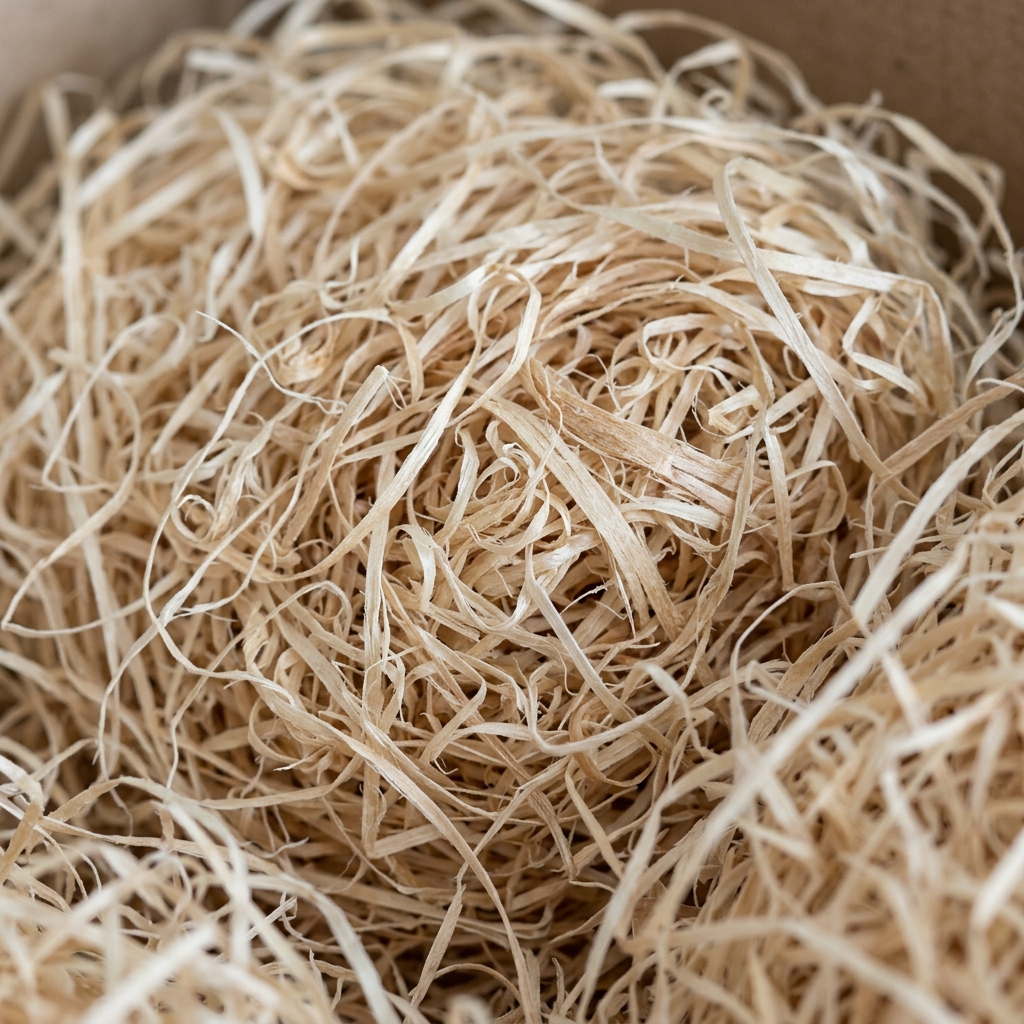
High-barrier pouches perfect for retail display.
Compostable options combining natural aesthetics with high performance.
Premium unboxing experiences built for luxury products.
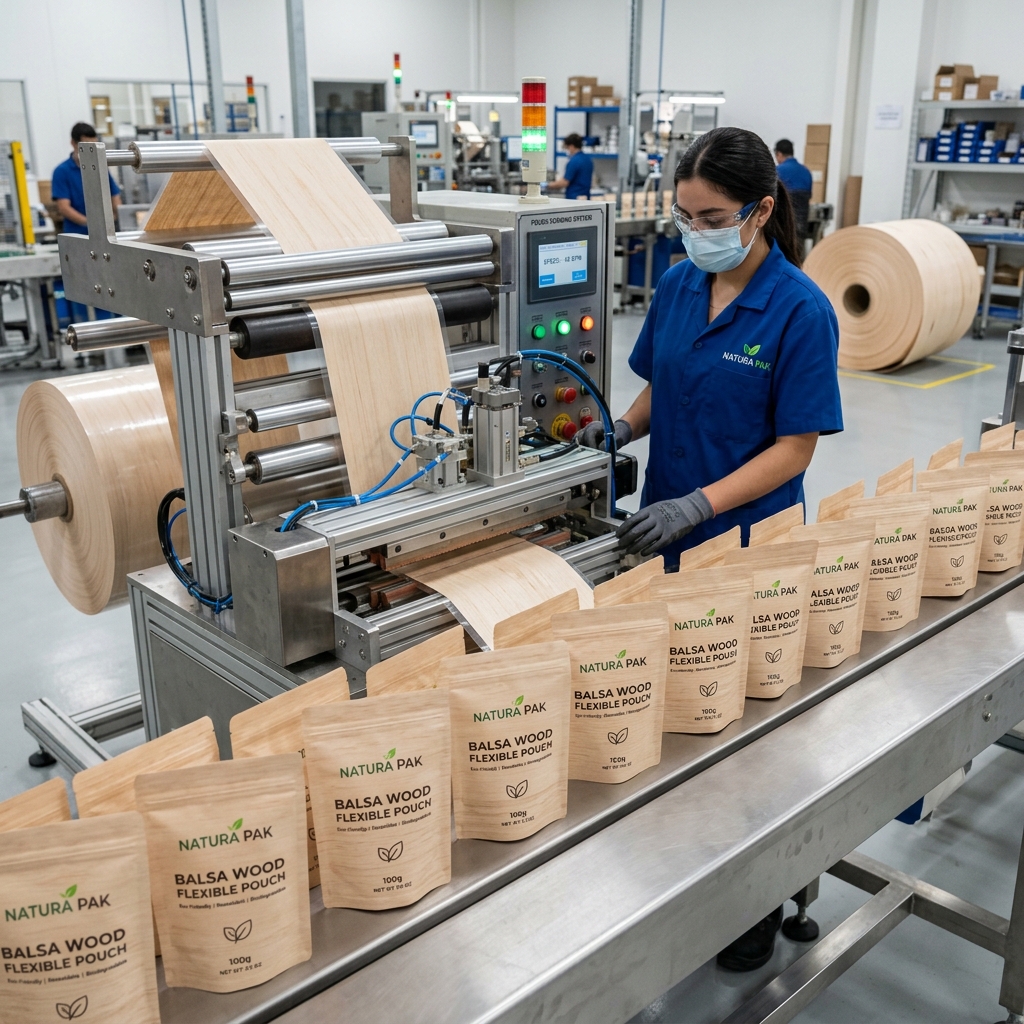
We don't just supply pouches; we validate every batch. Every raw material and finished pouch runs through our 6-step testing protocol to guarantee automatic packaging line compatibility and food-safe barrier preservation.
Tested under ASTM D3985 & ASTM F1249 to ensure fresh shelf life up to 18 months.
Gas Chromatography-Mass Spectrometry ensures zero odor transfer and absolute food safety.
Guarantees no seam burst under high pressure, perfect for VFFS automatic packing lines.
Produced in Class 100,000 dust-free cleanrooms, ensuring zero contamination.
Prevents tear or puncture from sharp, hard items like coffee beans and pet kibble.
Ensures shape retention and structural integrity when heavy bags are dropped or stacked.
See how upgrading from generic commoditized bags to precision-engineered flexible barrier packaging eliminates transport failures and boosts shelf authority.
Standard stock bags fail under transit stress and expose sensitive goods to moisture, UV light, and oxygen.
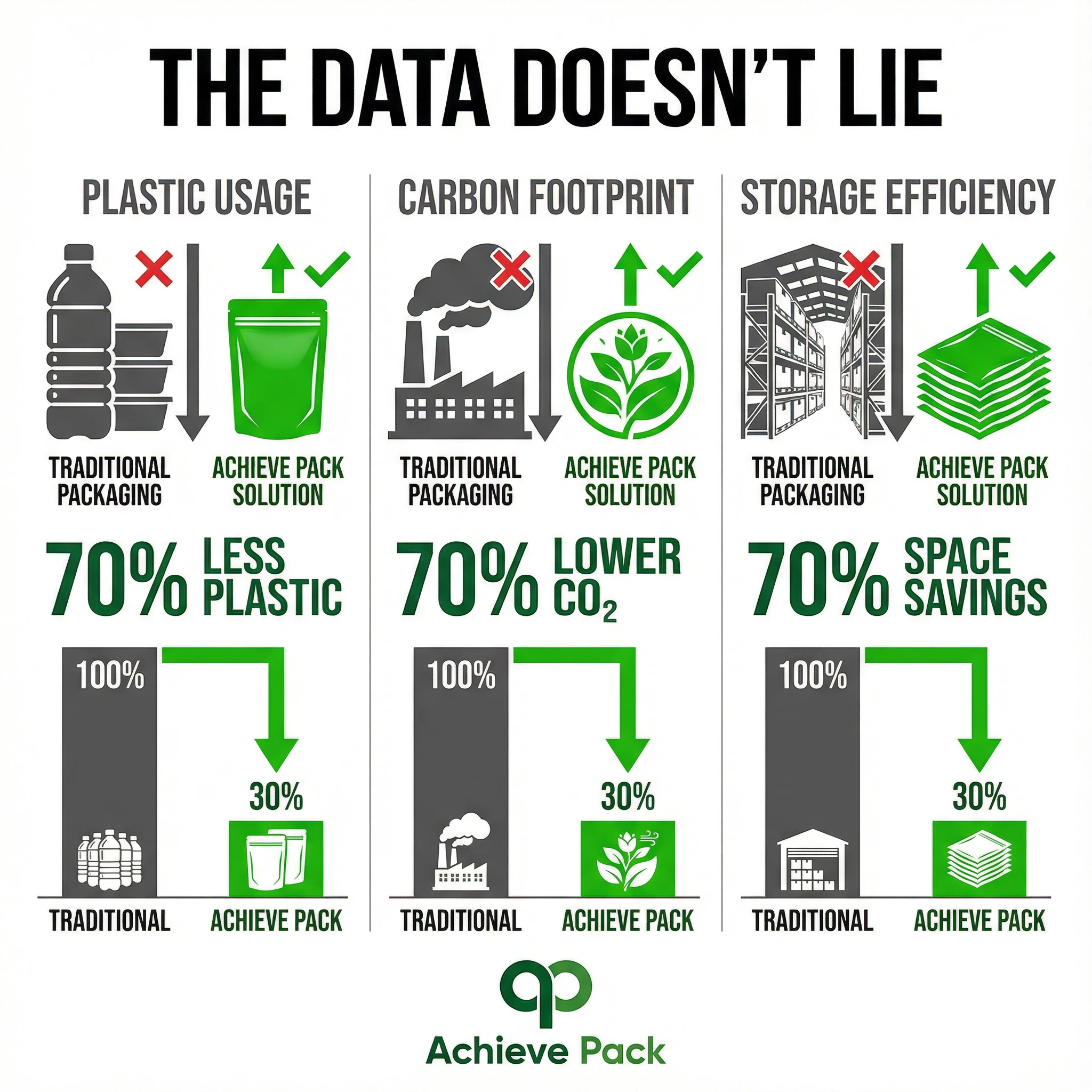
Custom engineered multi-layer pouch structure tailored to your exact moisture barrier, seal strength, and aesthetic requirements.
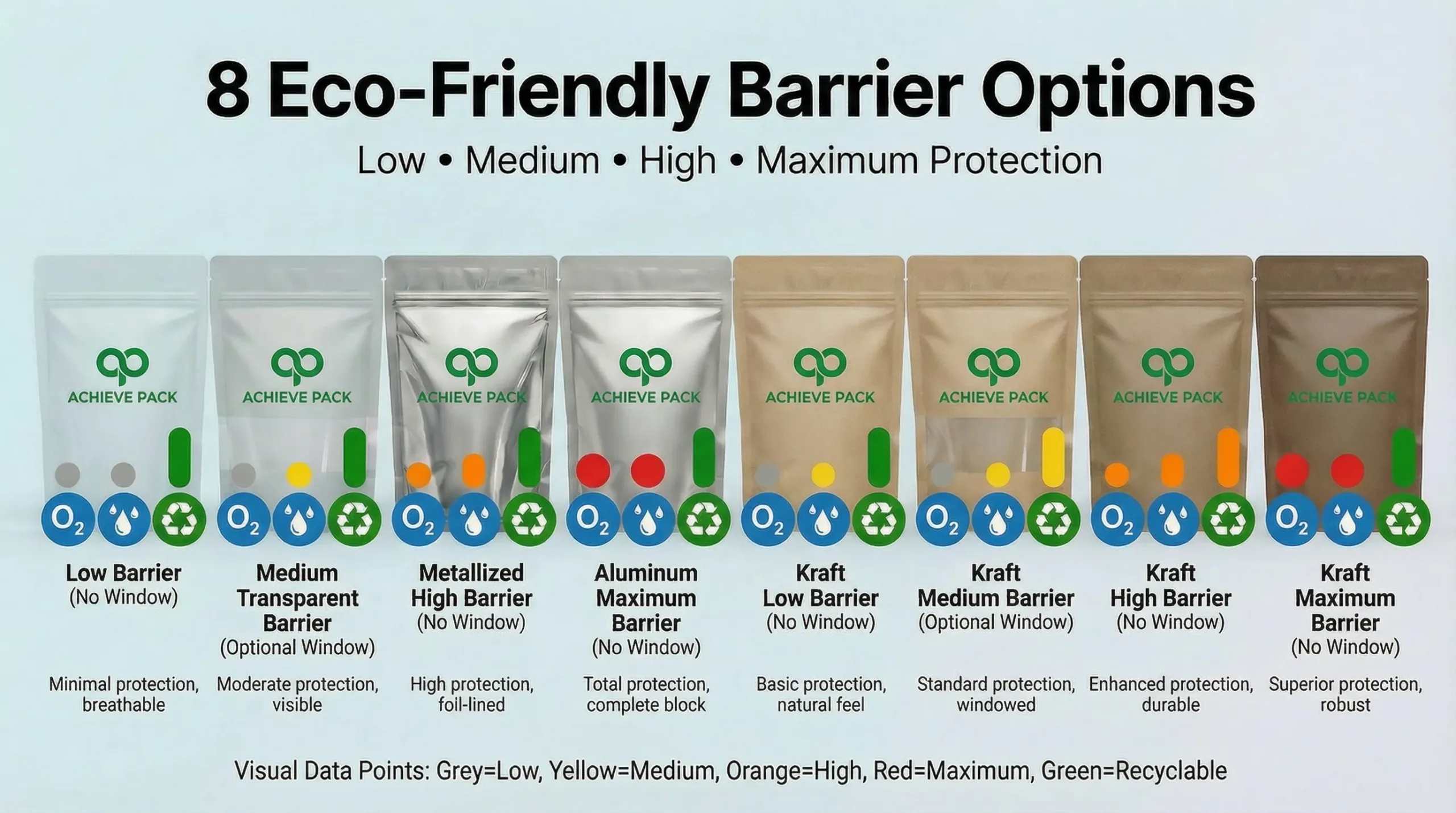
| Parameter | Balsa Wood | Standard Pine/Oak |
|---|---|---|
| Density | 100-200 kg/m³ | 400-700 kg/m³ |
| Growth Rate (Maturity) | 5-7 Years | 25-50 Years |
| Tooling Cost | Low (Die-cutable) | High (CNC Routing) |
| Shock Absorption | Excellent | Poor (Rigid) |
| Freight Impact | Minimal | High |
At Achieve Pack, sustainable packaging isn't just about printing; it's about hands-on material science. This article has been written and verified by Ryan Wong, a packaging specialist with 14+ years of experience engineering biopolymer stacks for DTC startups and Fortune 500 companies.
All research, material barrier specifications (OTR, WVTR), heat-seal values (N/15mm), and compostability timelines cited in our guides are backed by testing inside the Achieve Pack Materials Testing Lab. We cross-reference our data with official certification registries from BPI (Biodegradable Products Institute), TÜV Austria (OK Compost HOME), and FSC (Forest Stewardship Council).
Supply Chain Director
B.Eng honors degree graduate from Hong Kong Polytechnic University. Serving brands in 8 countries.
View Expert Profile →Contact our packaging experts for a free consultation and quote.
Real footage of our eco-friendly packaging structures in action.
Fully compostable flexible packaging certified under ASTM D6400 and EN 13432. Engineered to break do...
Made from high-quality post-consumer recycled plastic waste. Our PCR structures reduce carbon footpr...
Derived from sustainably-farmed Brazilian sugarcane. It captures atmospheric CO2 during growth and i...
Engineered using Mono-PE or Mono-PP structures to enable simple, circular sorting and recycling. Com...
Browse real product photos from brands we've helped launch. Your custom packaging could be next.
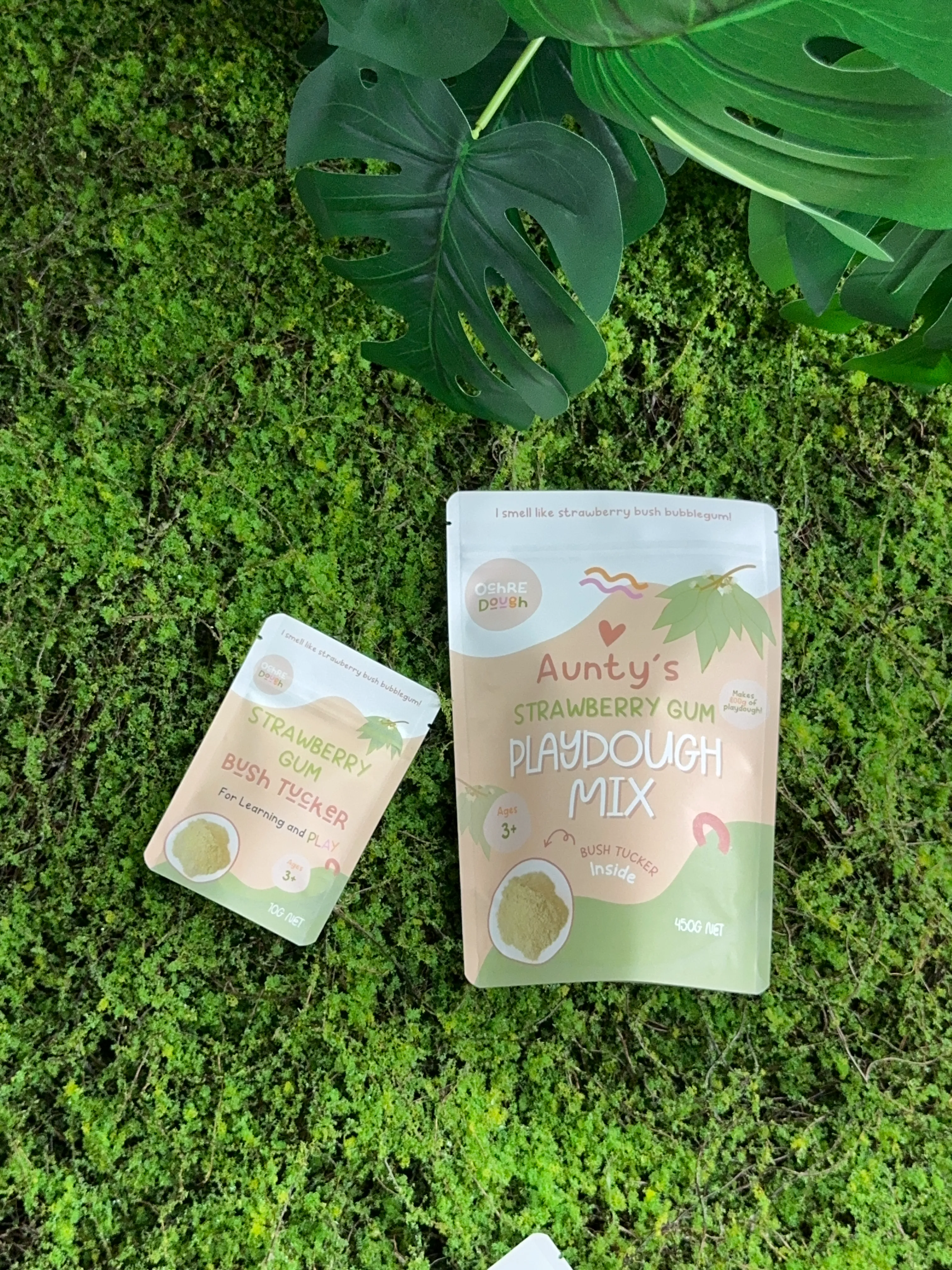
Reinforced structure preventing tears and securing freshness.
Read Guide
Heavy-duty laminated spouted pouch with tamper-evident caps for liquids and purees.
Read Guide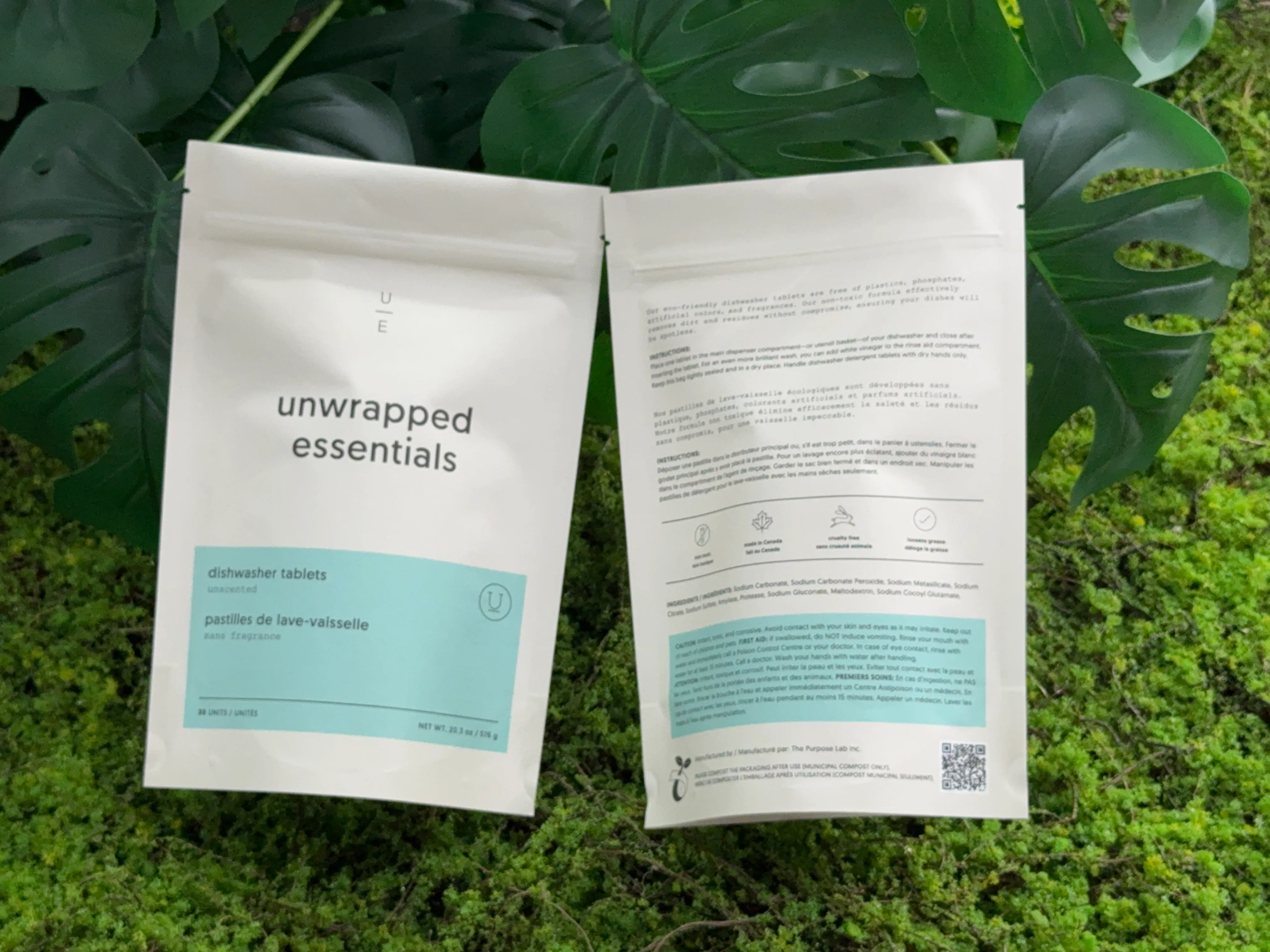
Spouted pure-PE packaging for organic baby food and purées.
Read Guide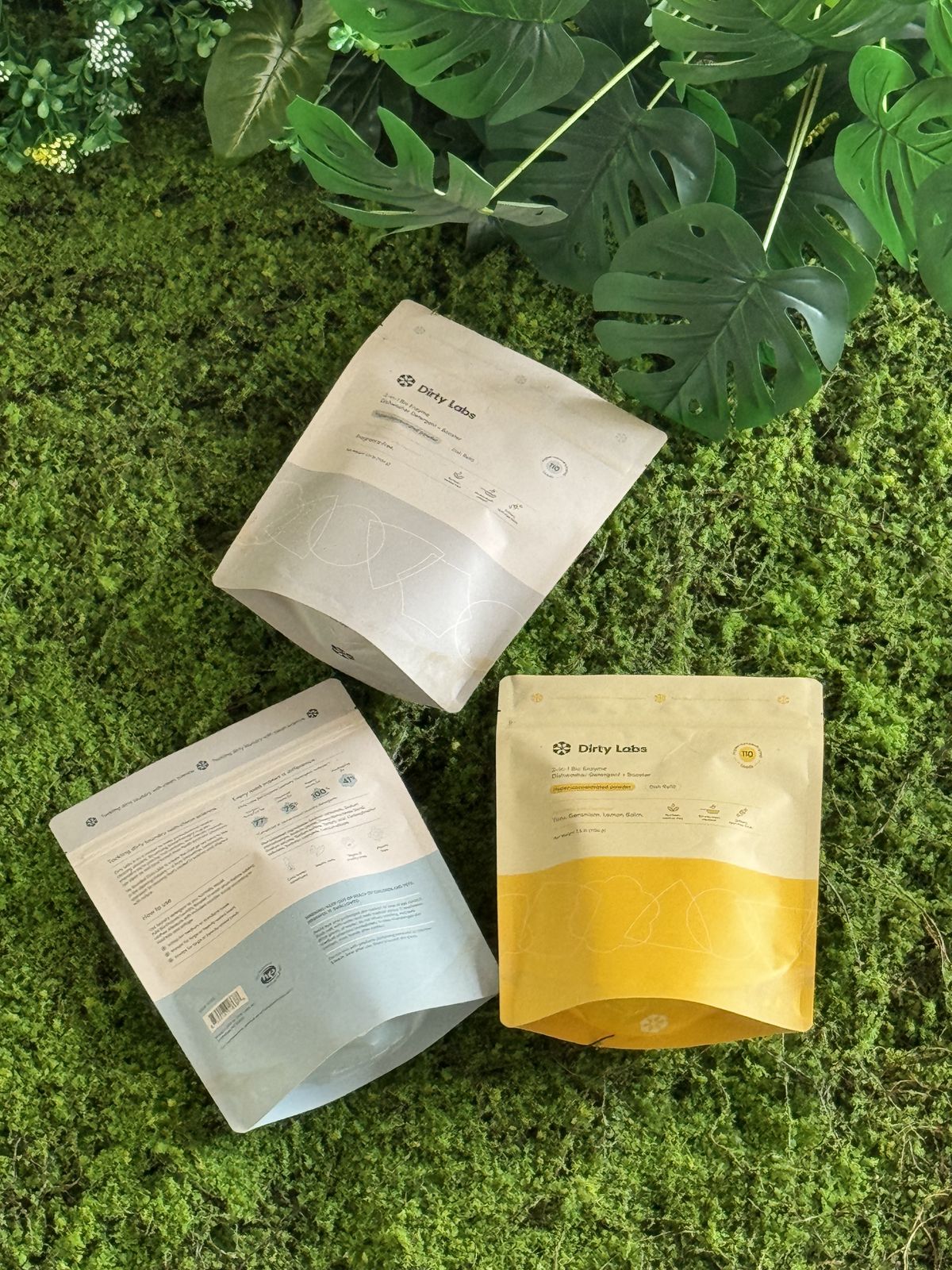
Heavy-duty laminated structures with rigid spouts for leakproof transit.
Read Guide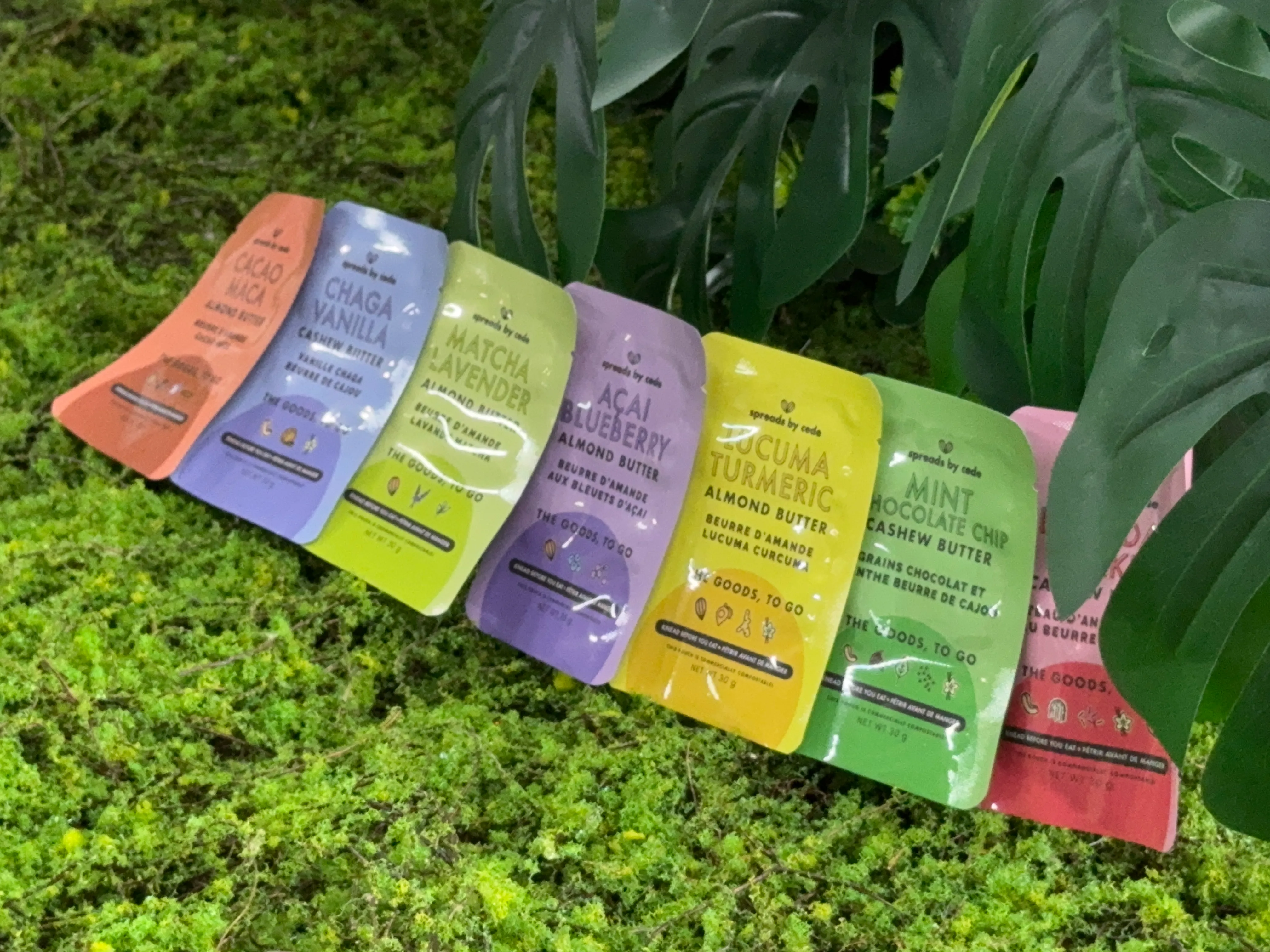
Shimmering holographic stand-up bag with premium aroma barrier.
Read Guide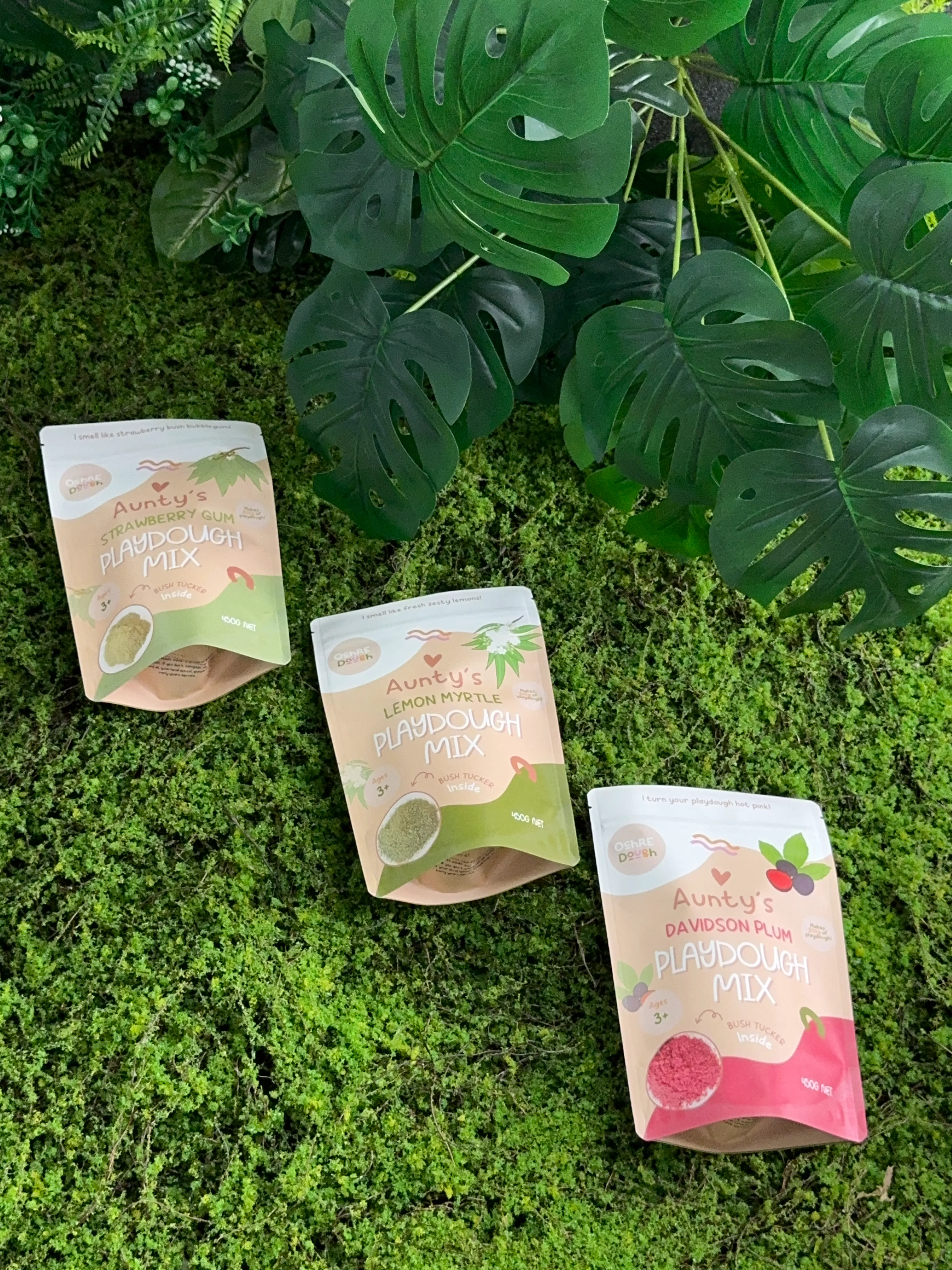
Vibrant high-gloss digital printing on recyclable barrier films.
Read Guide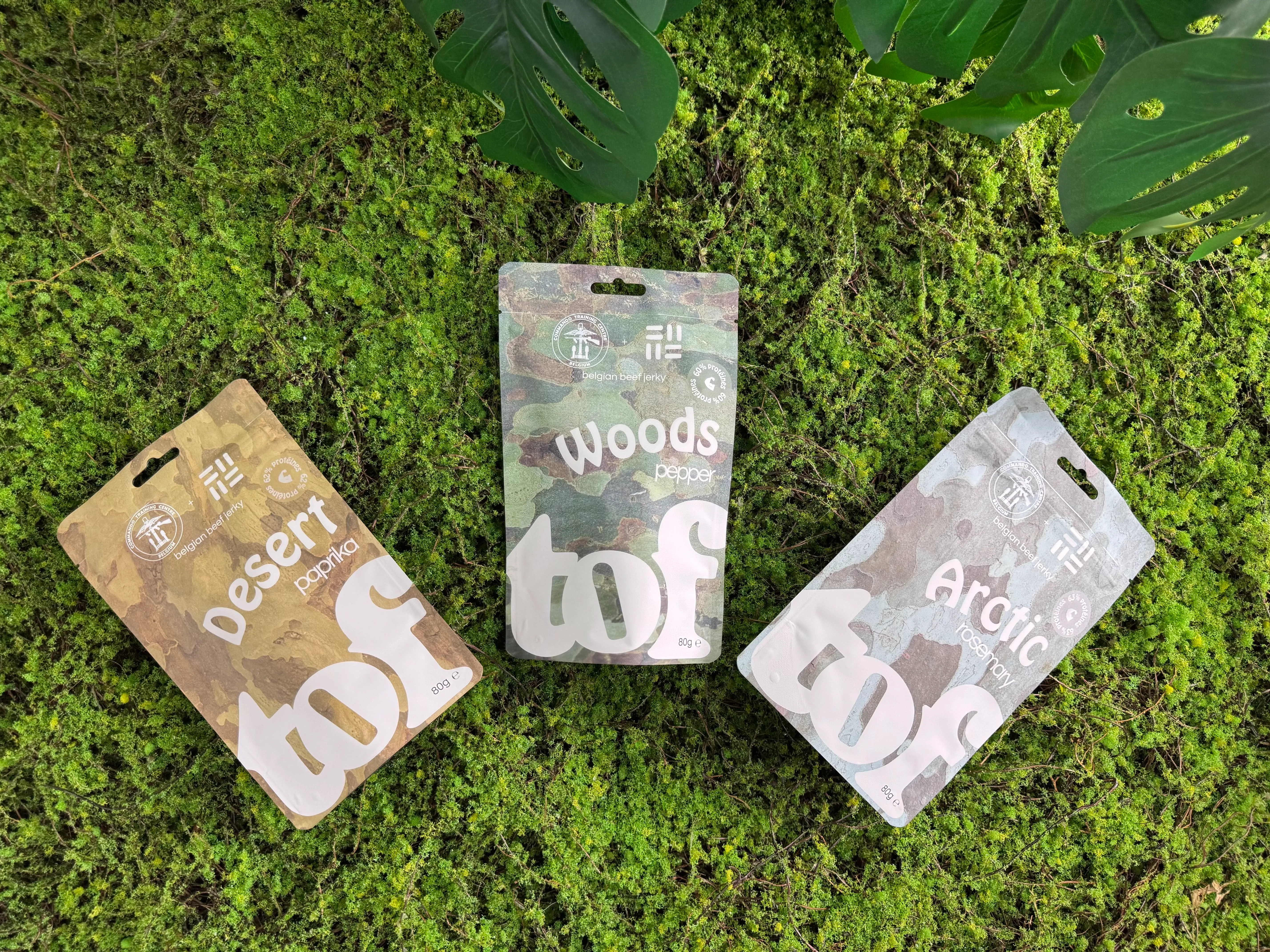
Stunning holographic foil printing on heavy supplement packaging with press-to-close zipper.
Read Guide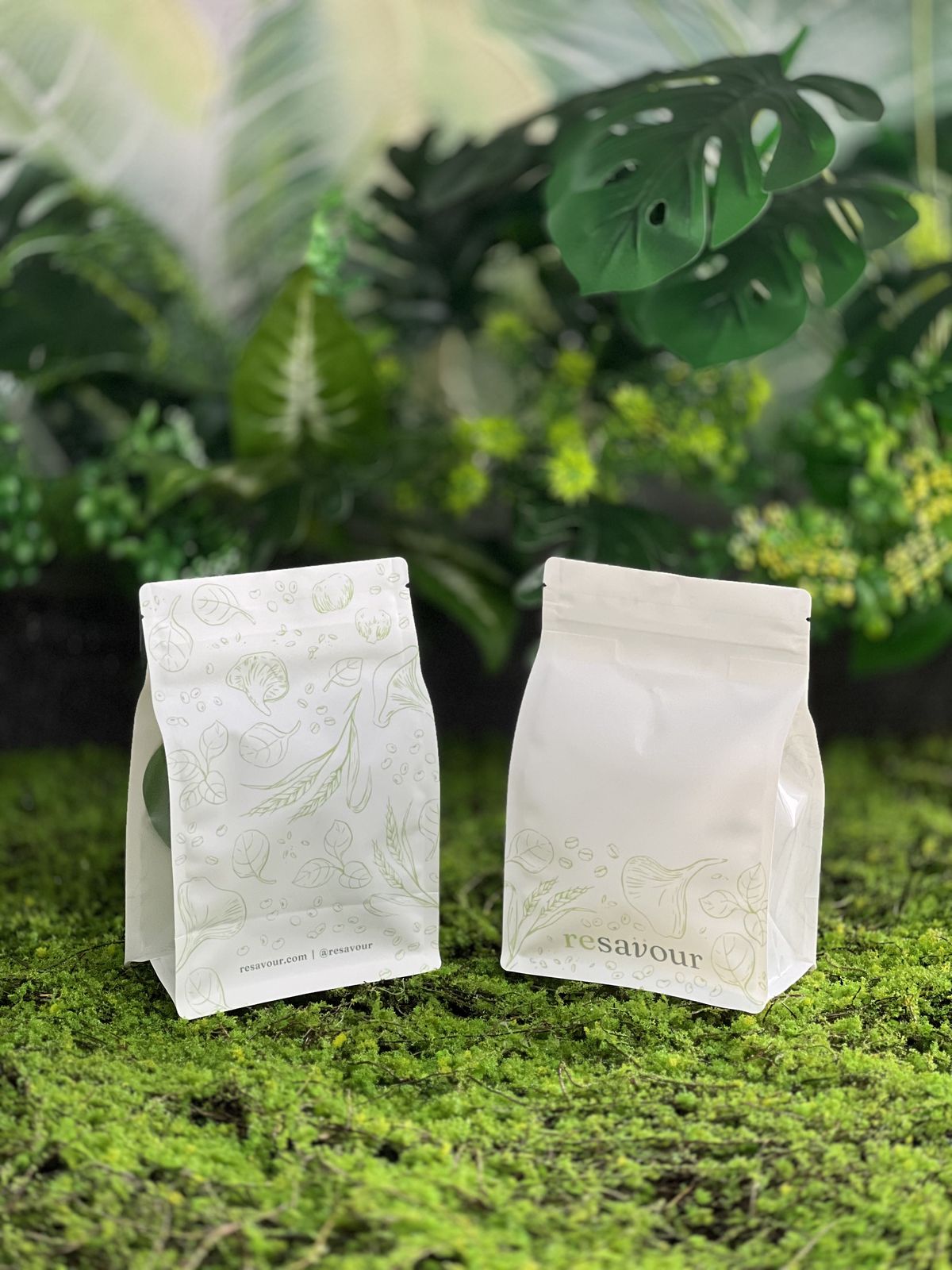
Earthy, organic kraft outer layers with certified compostable barrier lining.
Read Guide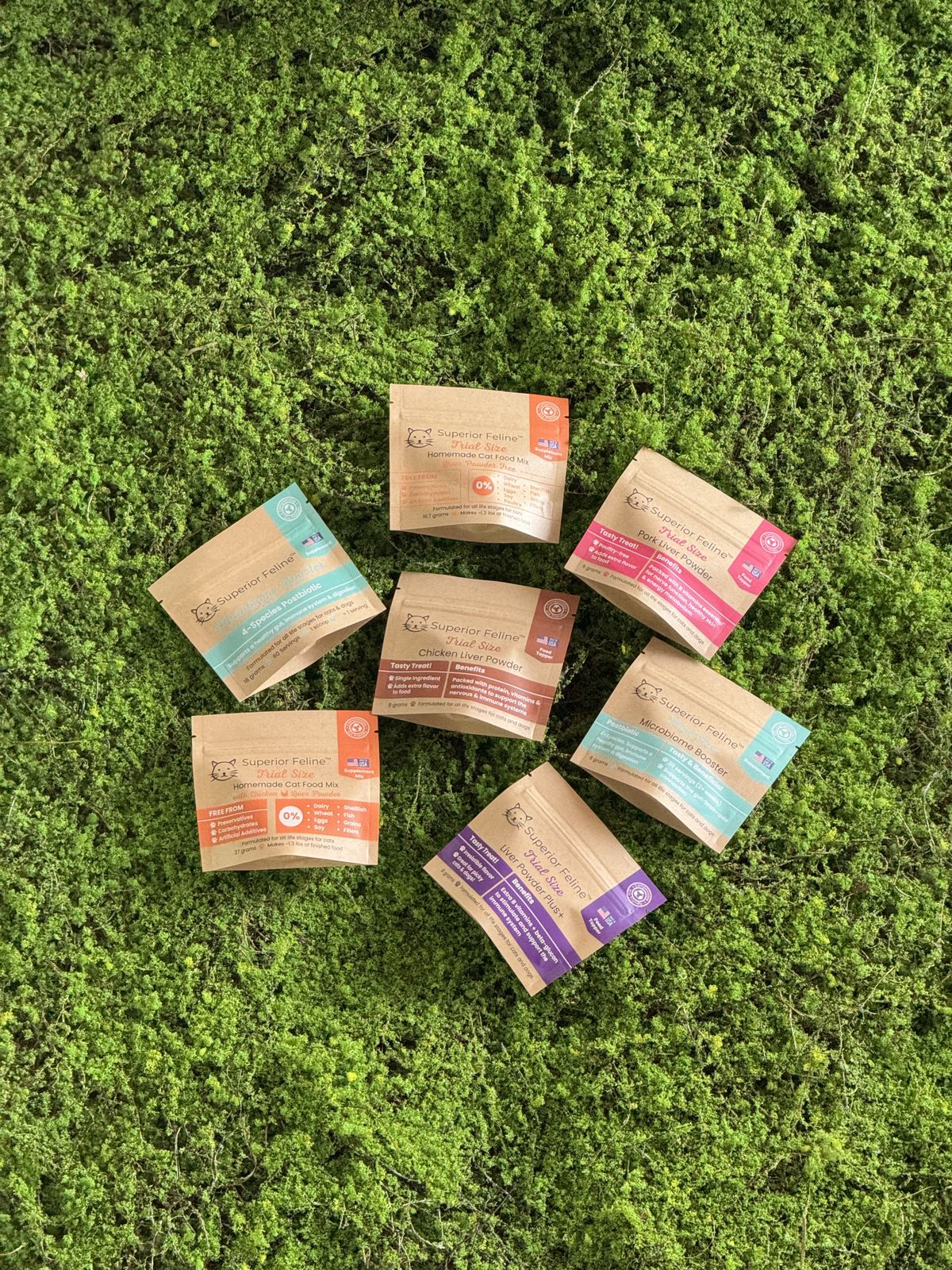
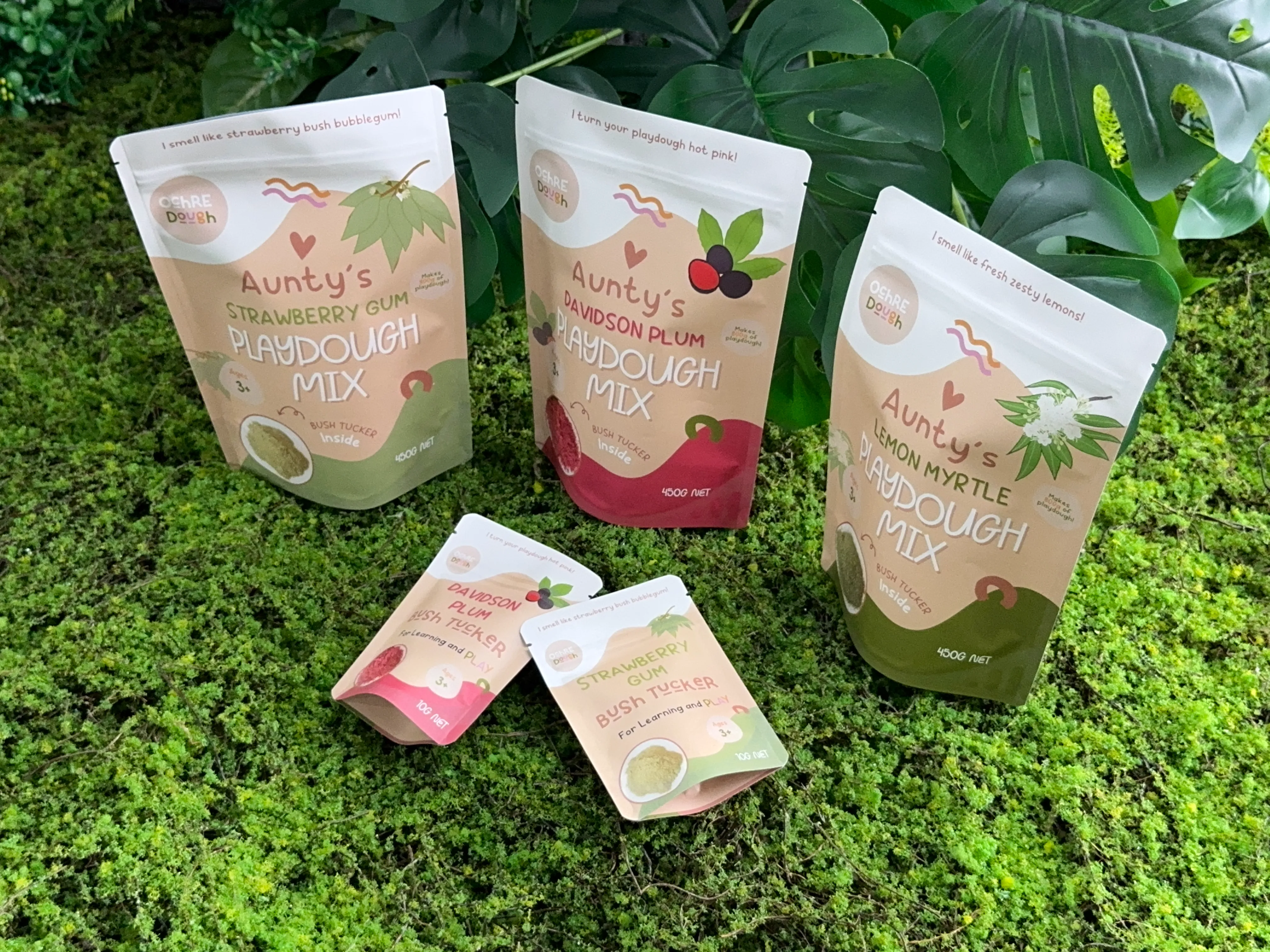
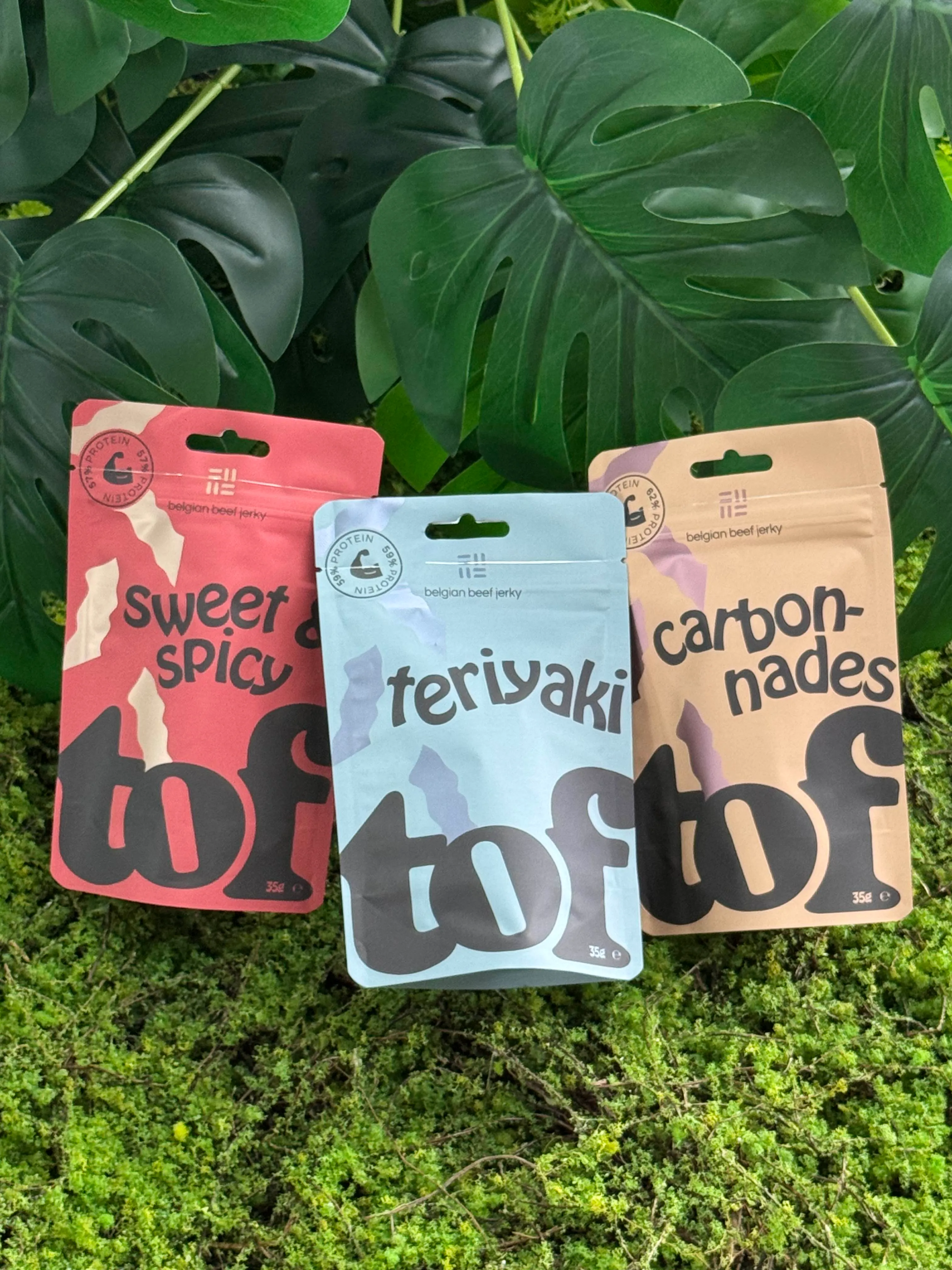
High-barrier plant-based flexible stand-up packaging for organic snacks and granola.
Read Guide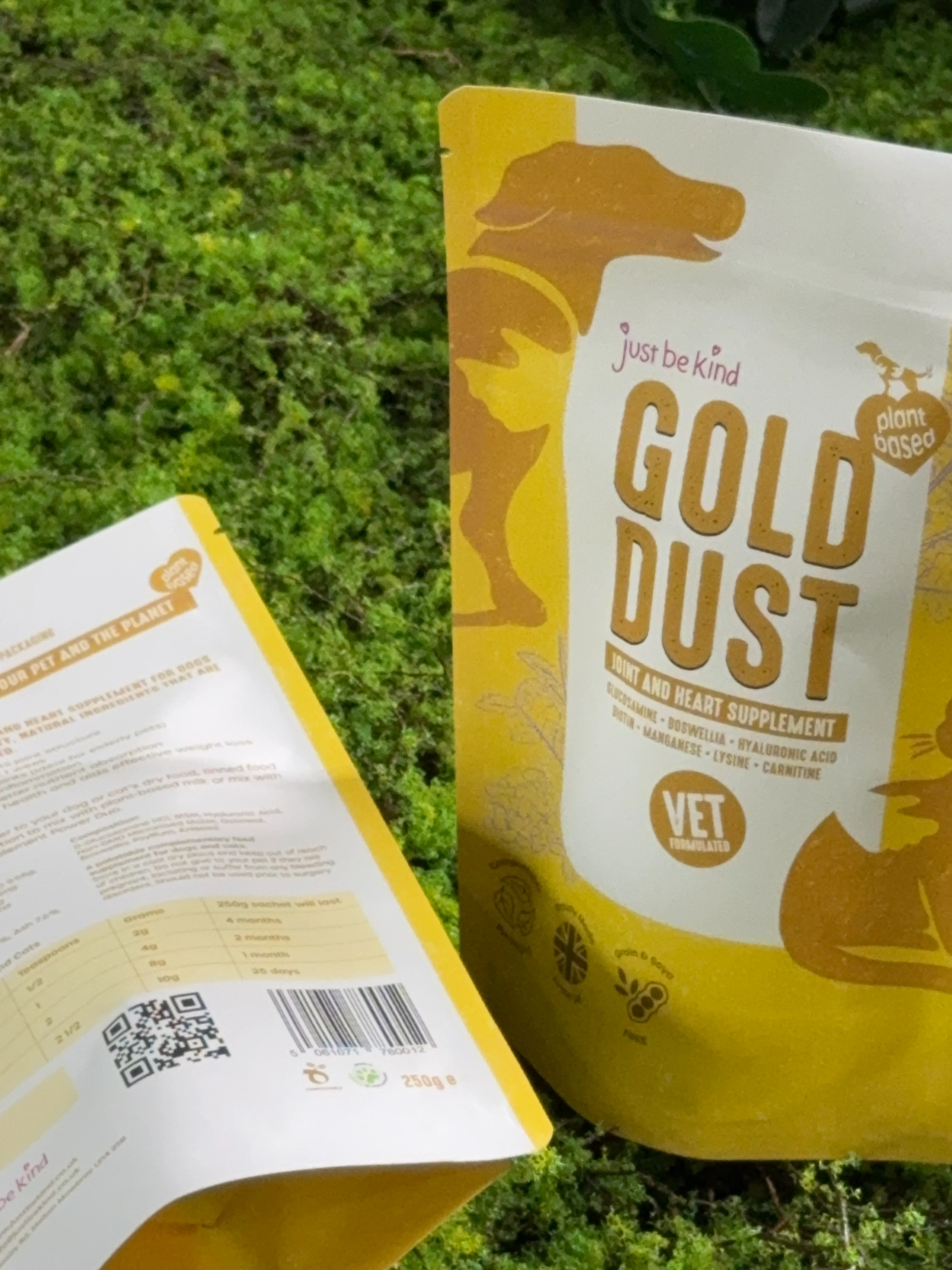
Expandable side gussets with quad seal structure for stable shelf layout.
Read Guide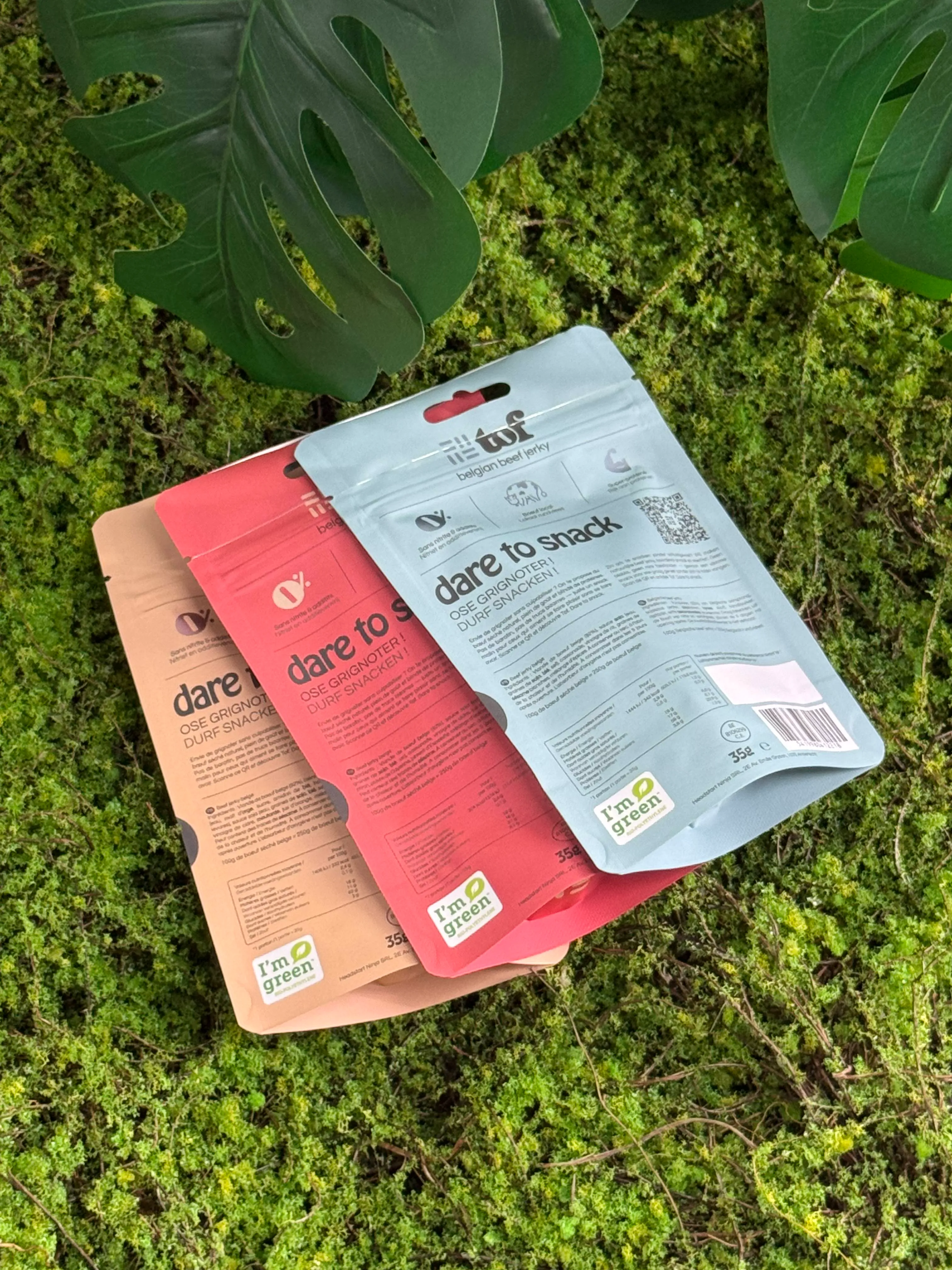
Block bottom bag with organic kraft outer layer and compostable high-barrier lining.
Read Guide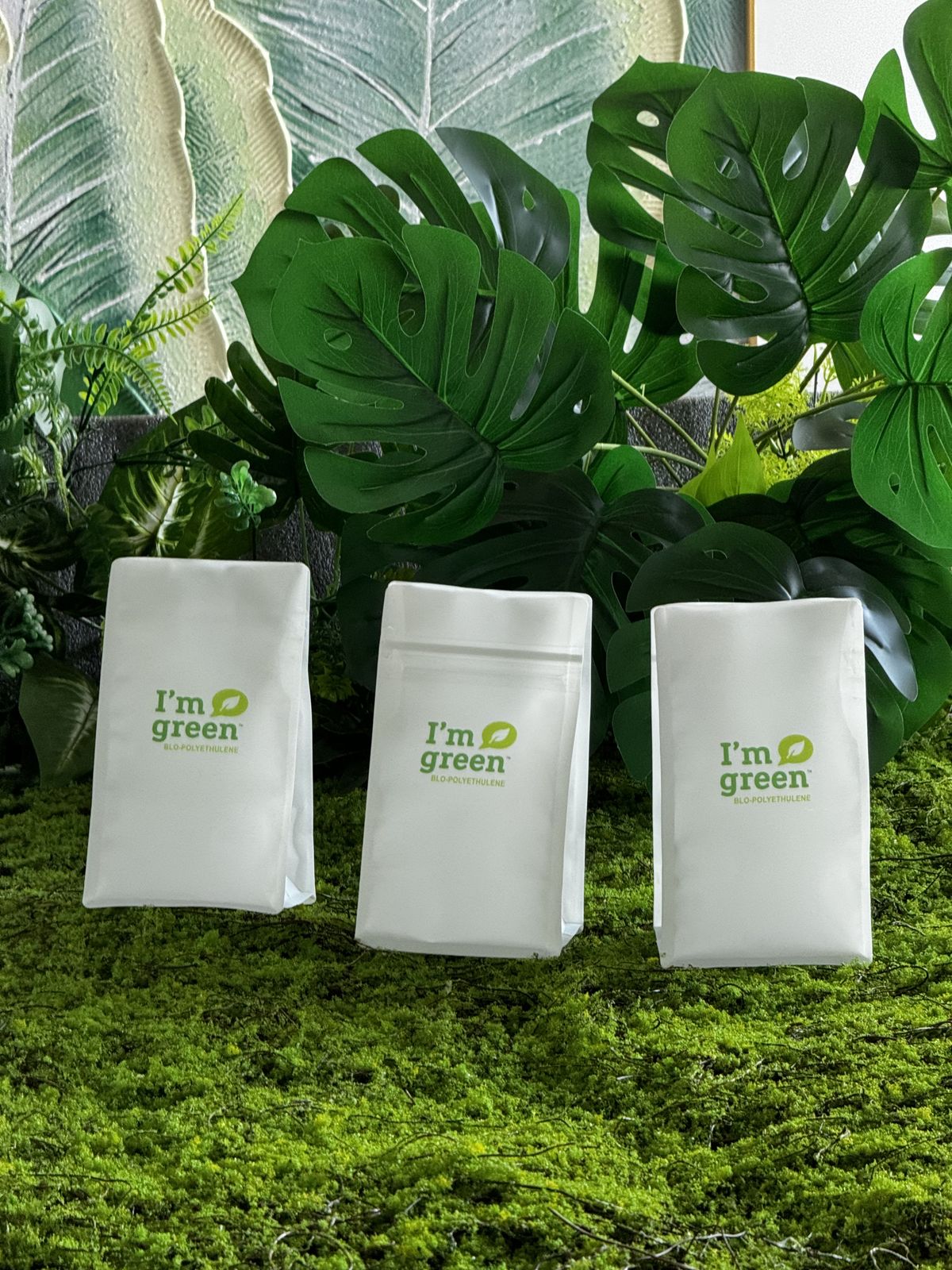
Heavy-duty recycled kraft paper mailer bags with self-sealing adhesive strips.
Read Guide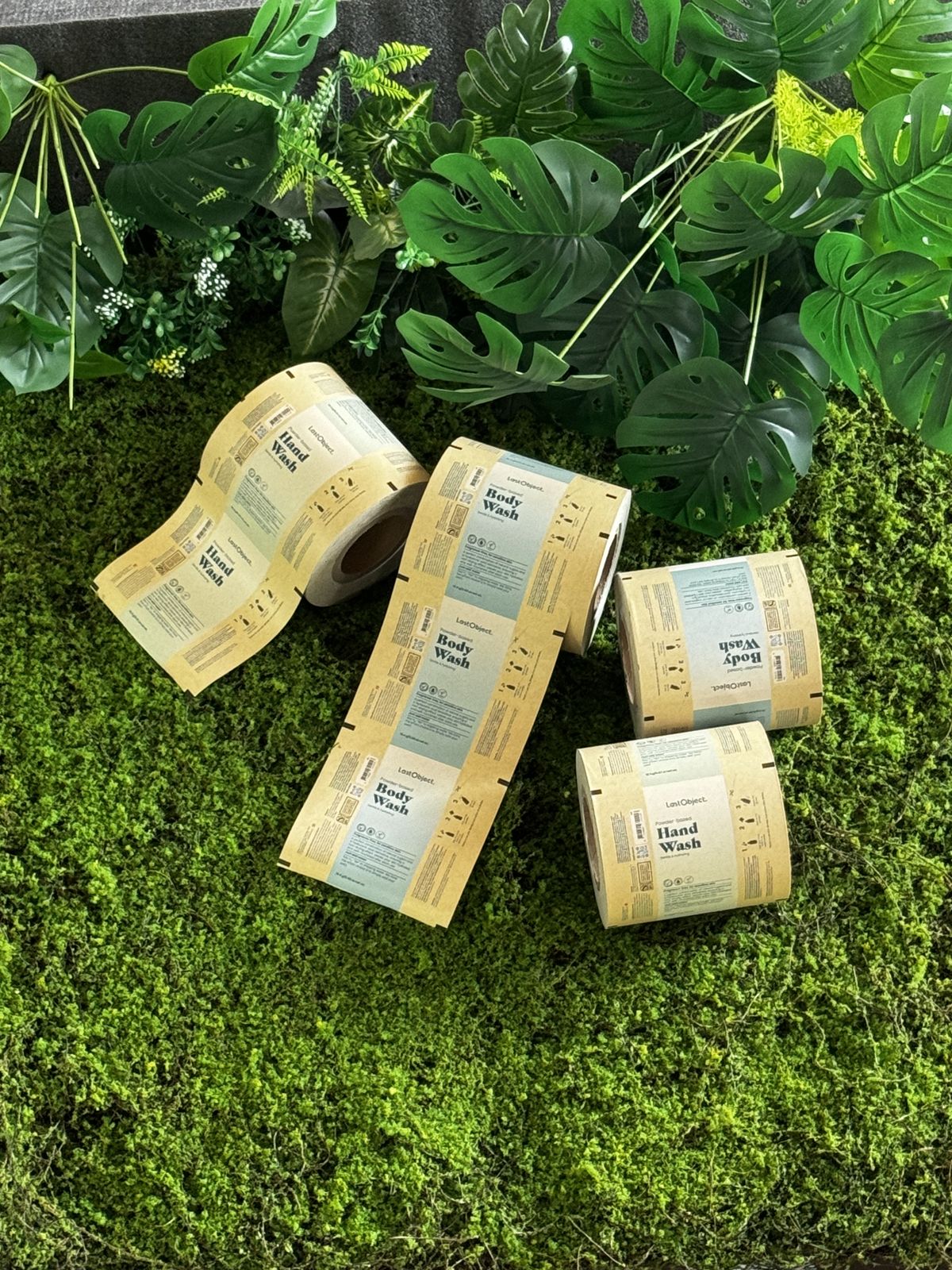
Sleek matte black flat bottom bag with integrated pocket zipper.
Read Guide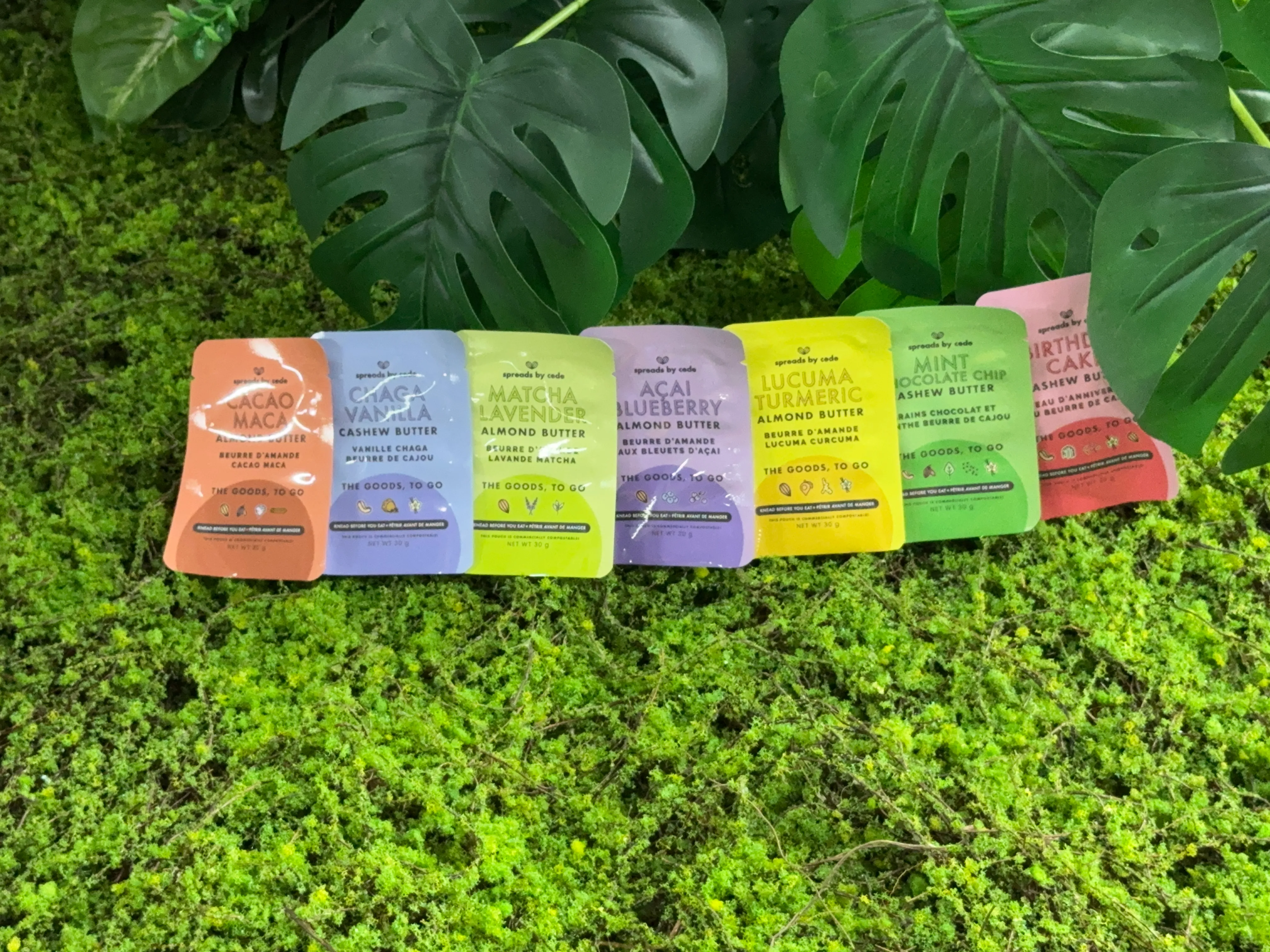
Modern matte black flat bottom bag featuring front pocket zipper.
Read Guide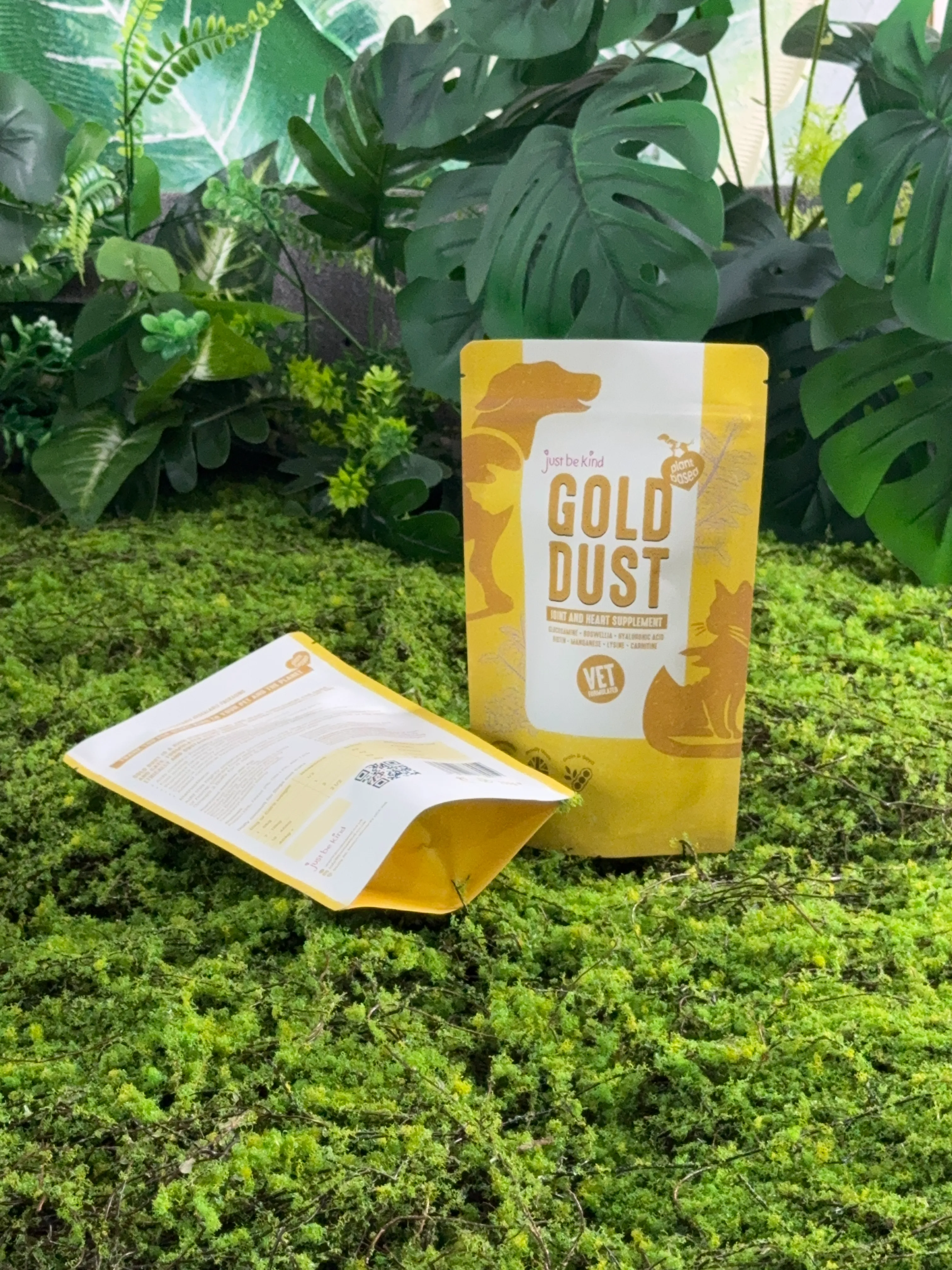
TÜV OK Compost HOME certified stand-up pouch for organic snacks.
Read Guide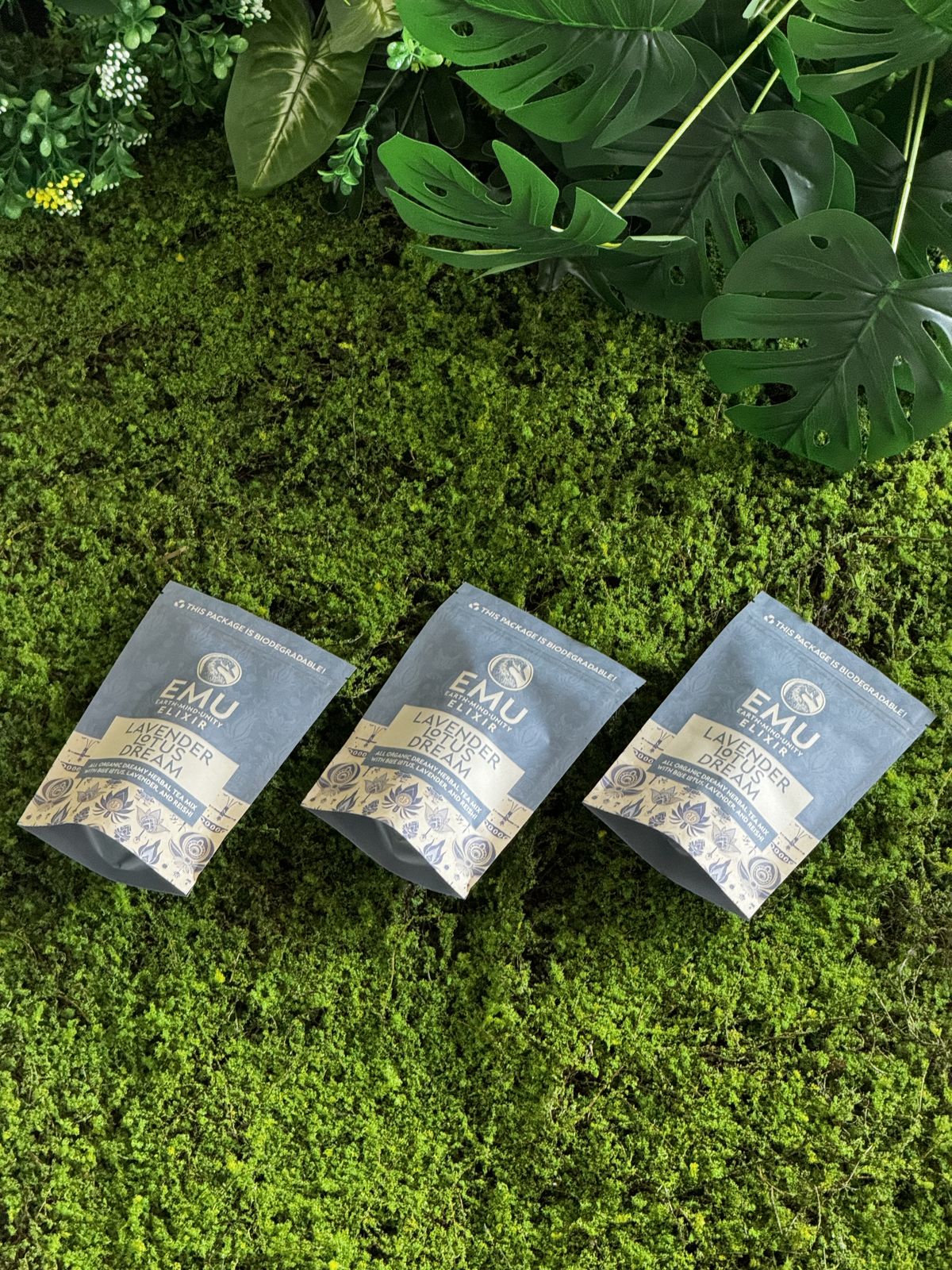
Sugarcane-derived bioplastics helping brands reduce carbon emissions.
Read Guide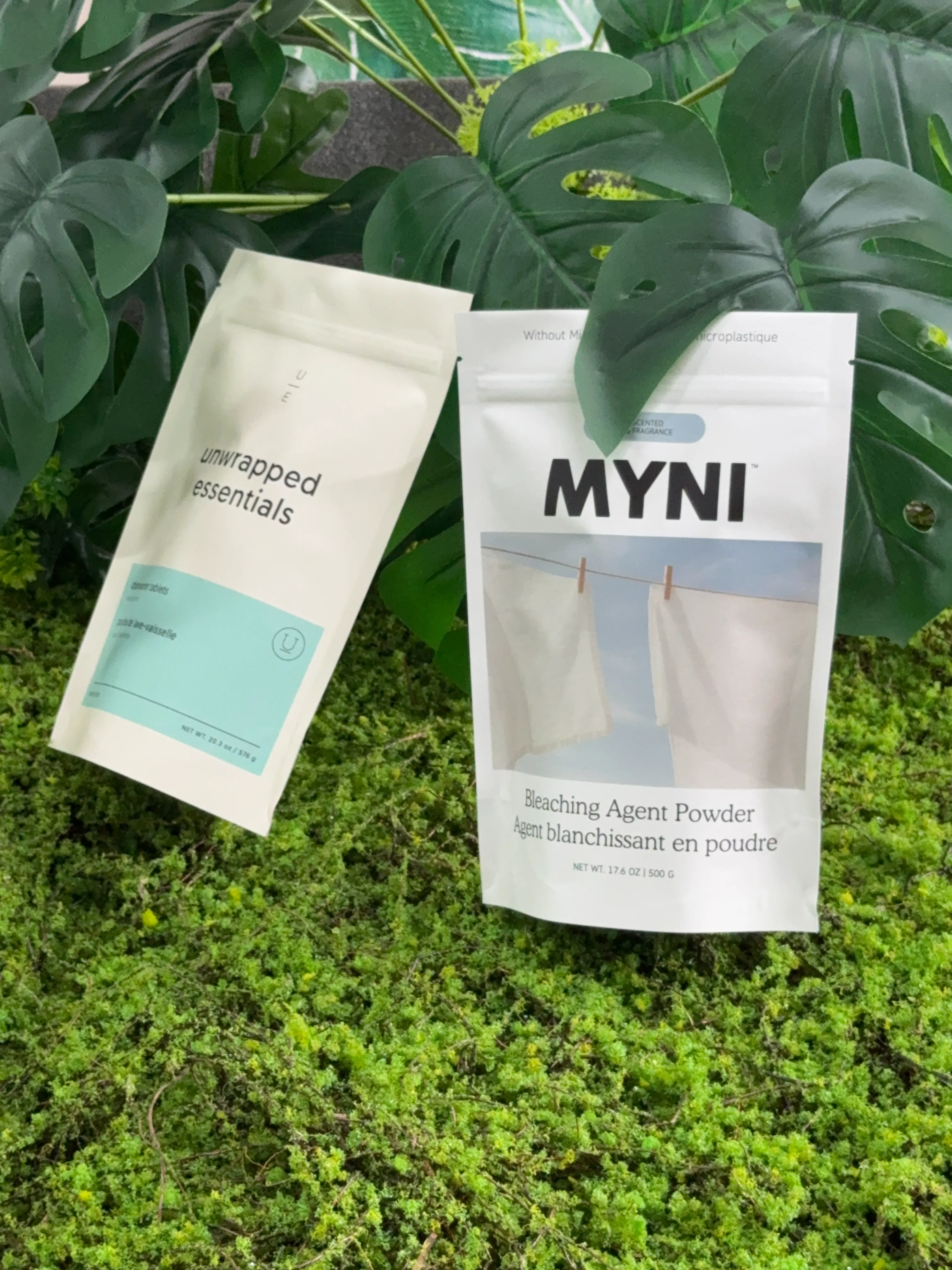
Eco-friendly matte white stand-up pouches with organic sugar cane paper styling.
Read Guide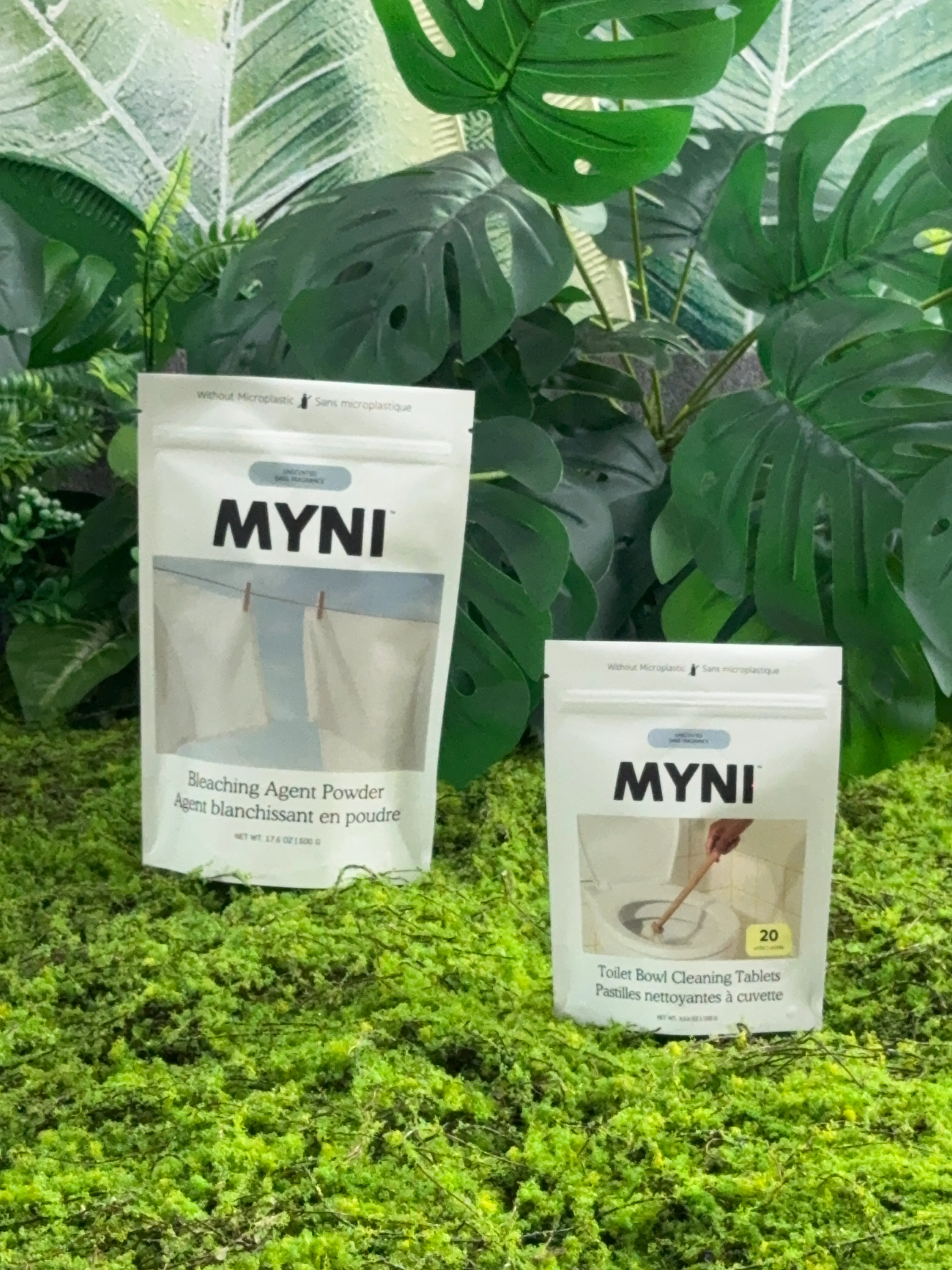
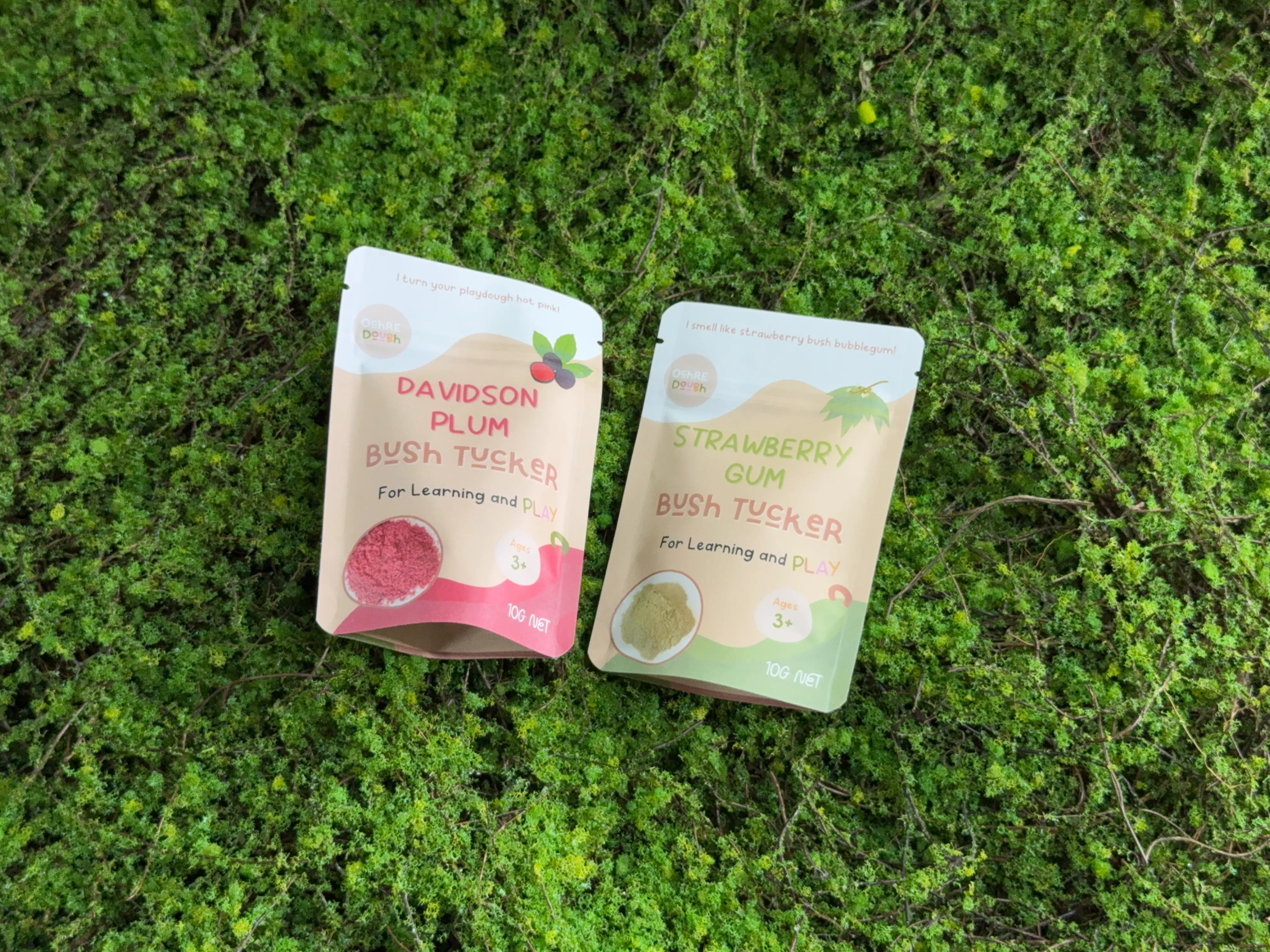
High oxygen barrier mono-PE film suitable for cured meats and jerky.
Read Guide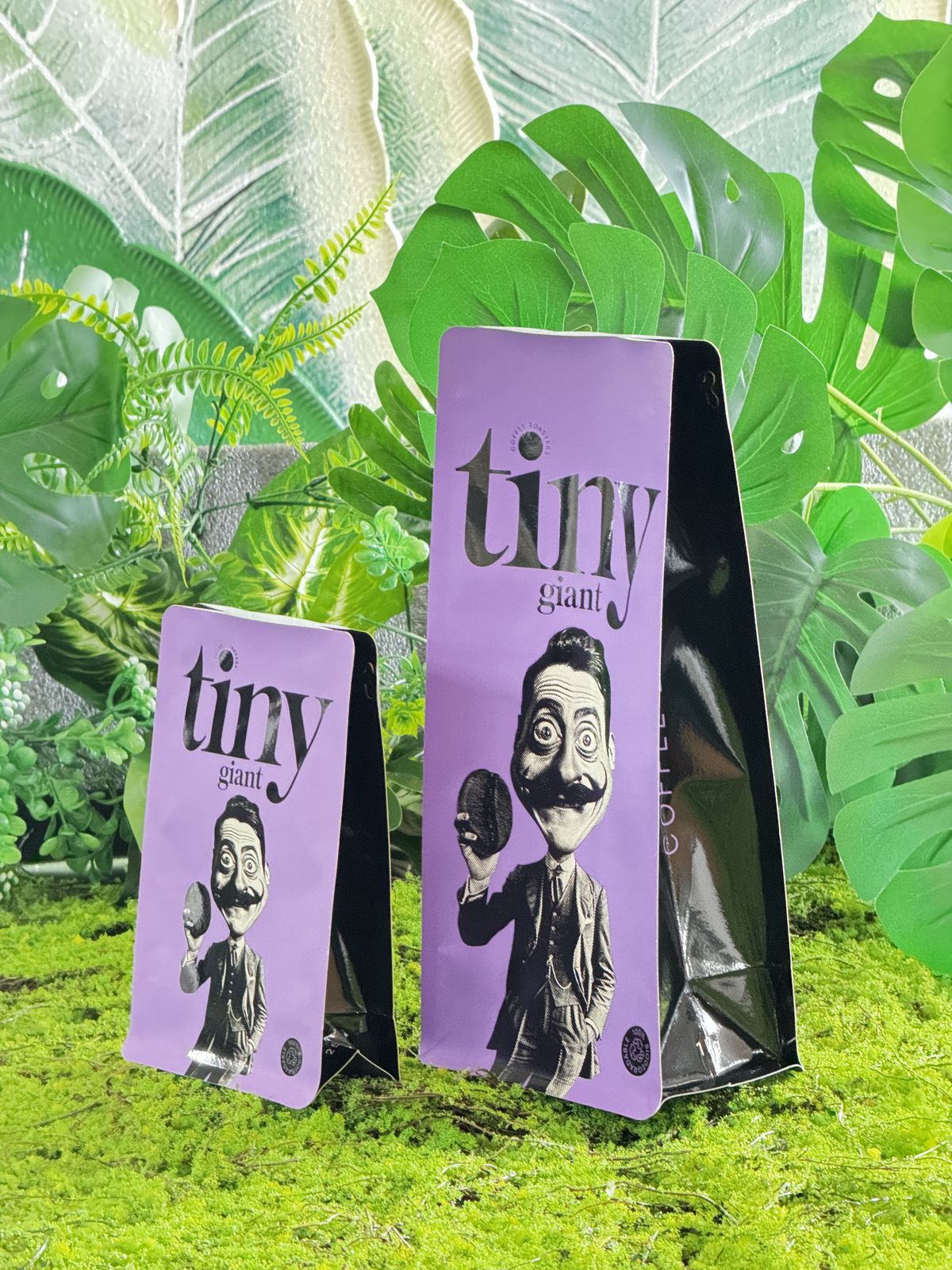
Incorporating post-consumer recycled plastics into structural layers.
Read Guide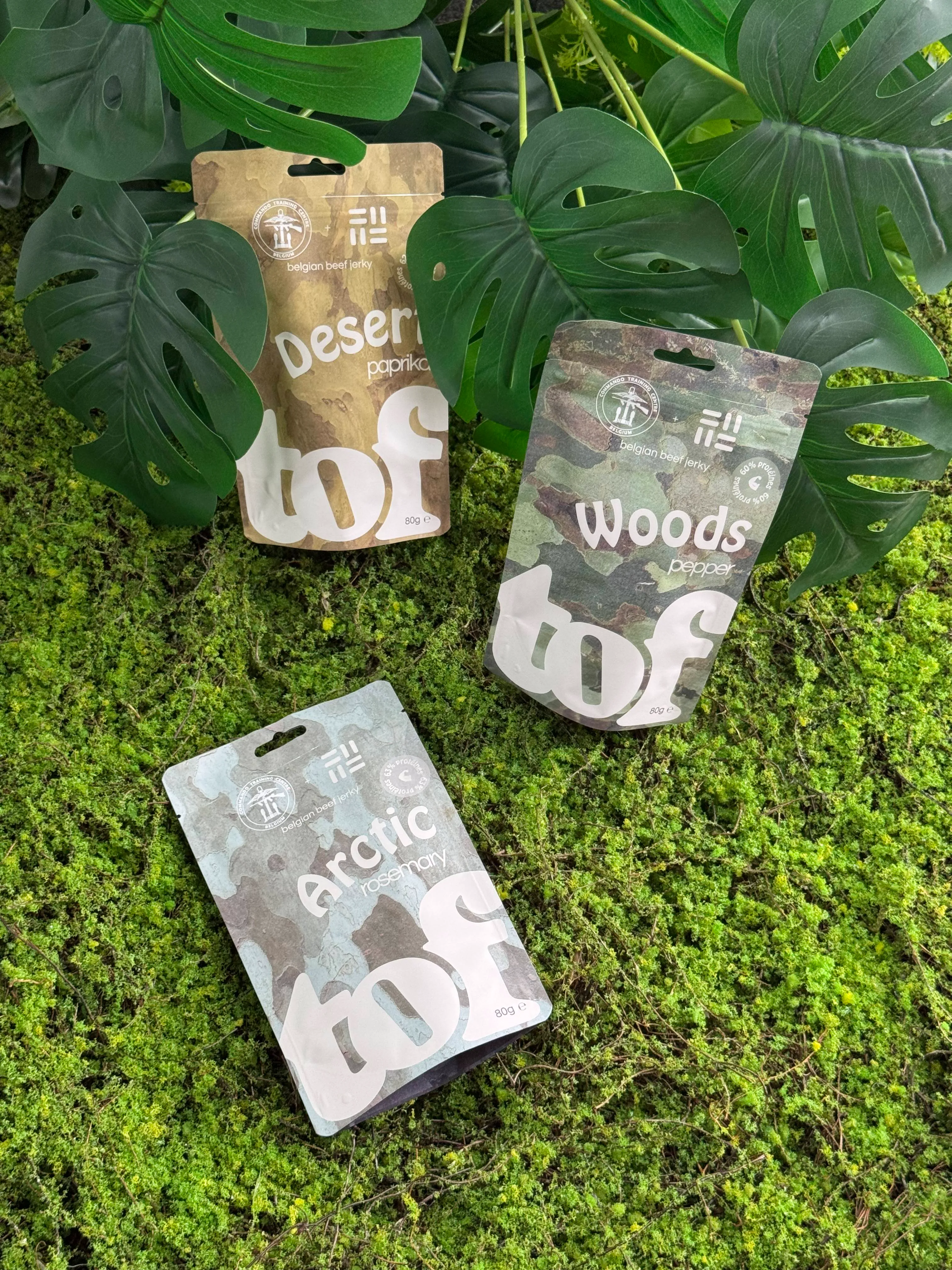
Mono-PE side-gusseted structures designed for stable retail shelving and durability.
Read Guide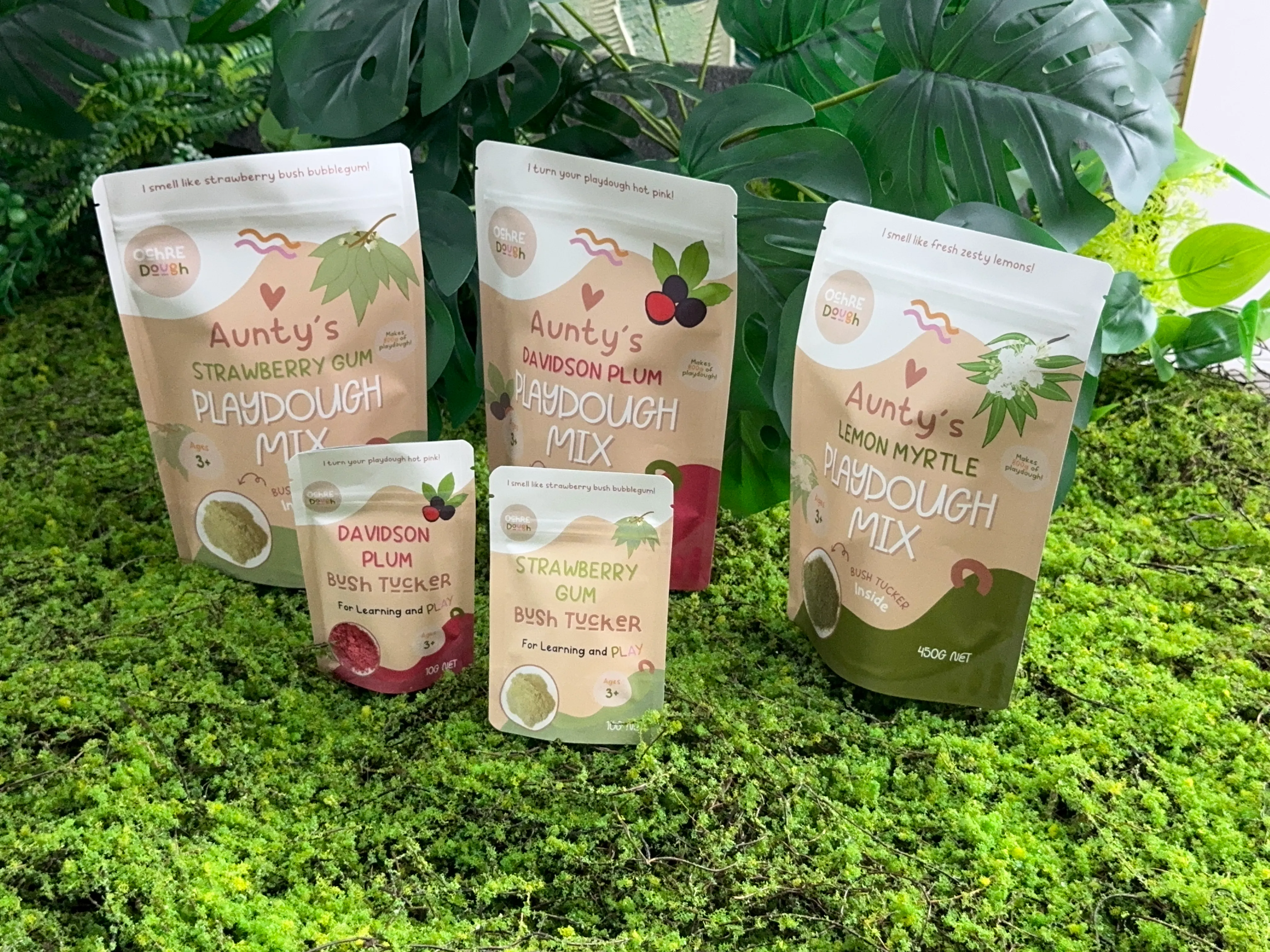
Rigid biodegradable cardboard shipping mailers with double adhesive.
Read Guide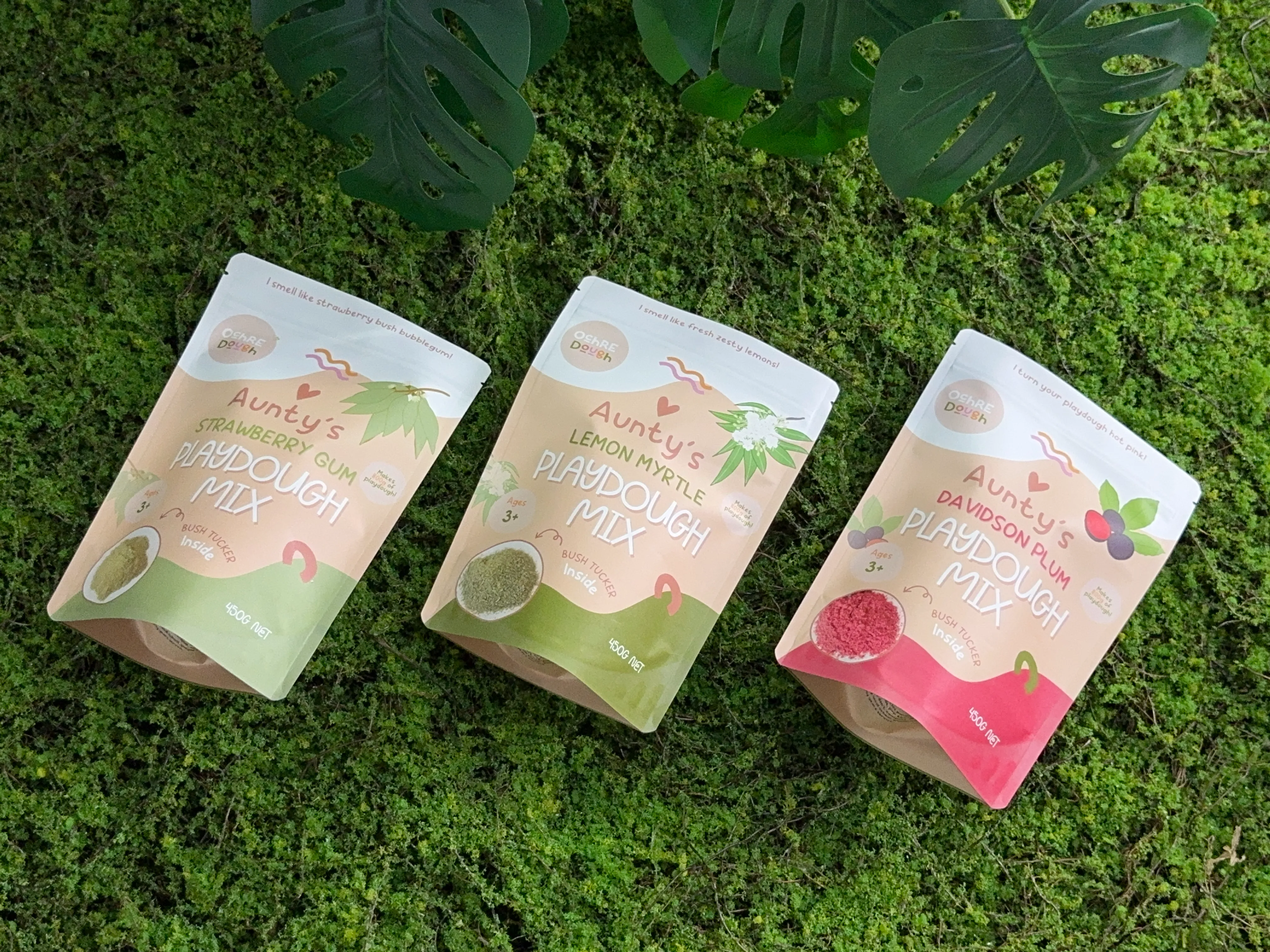
Quad seal side gusset bag with internal degassing valve.
Read Guide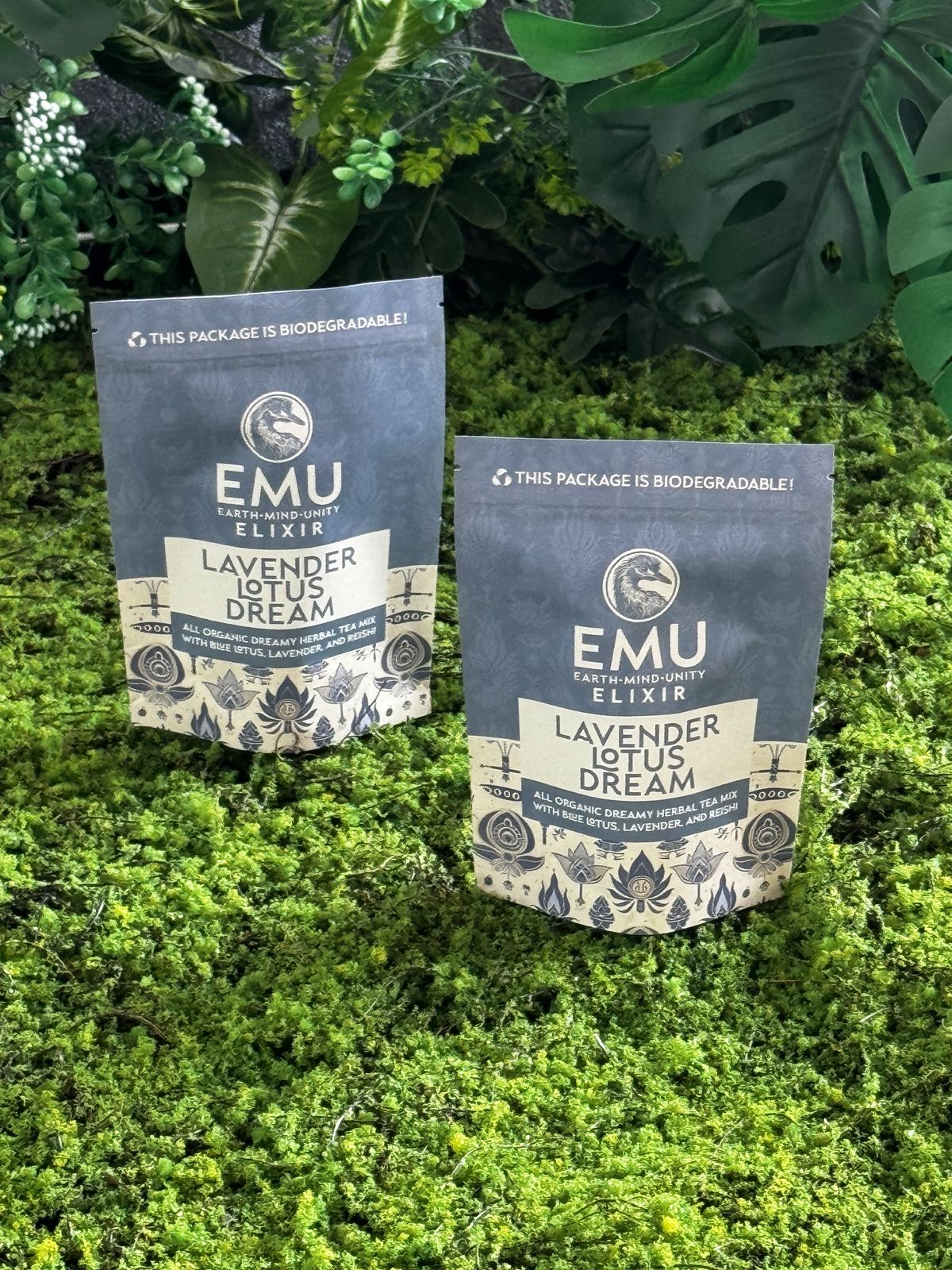
Fully circular design with recyclable press-to-close zippers.
Read Guide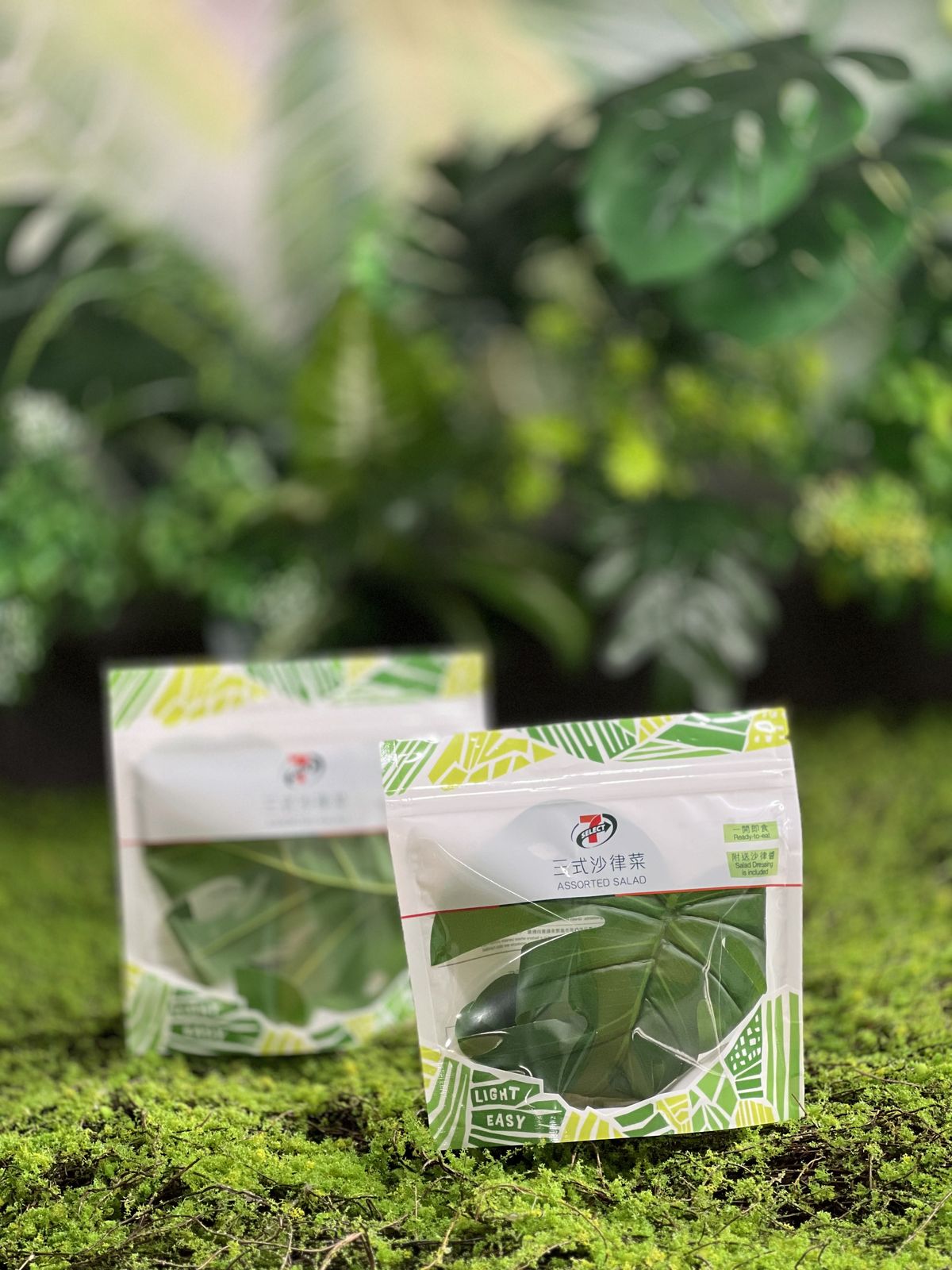
Plant-based high-barrier stand-up pouches with degassing valves.
Read Guide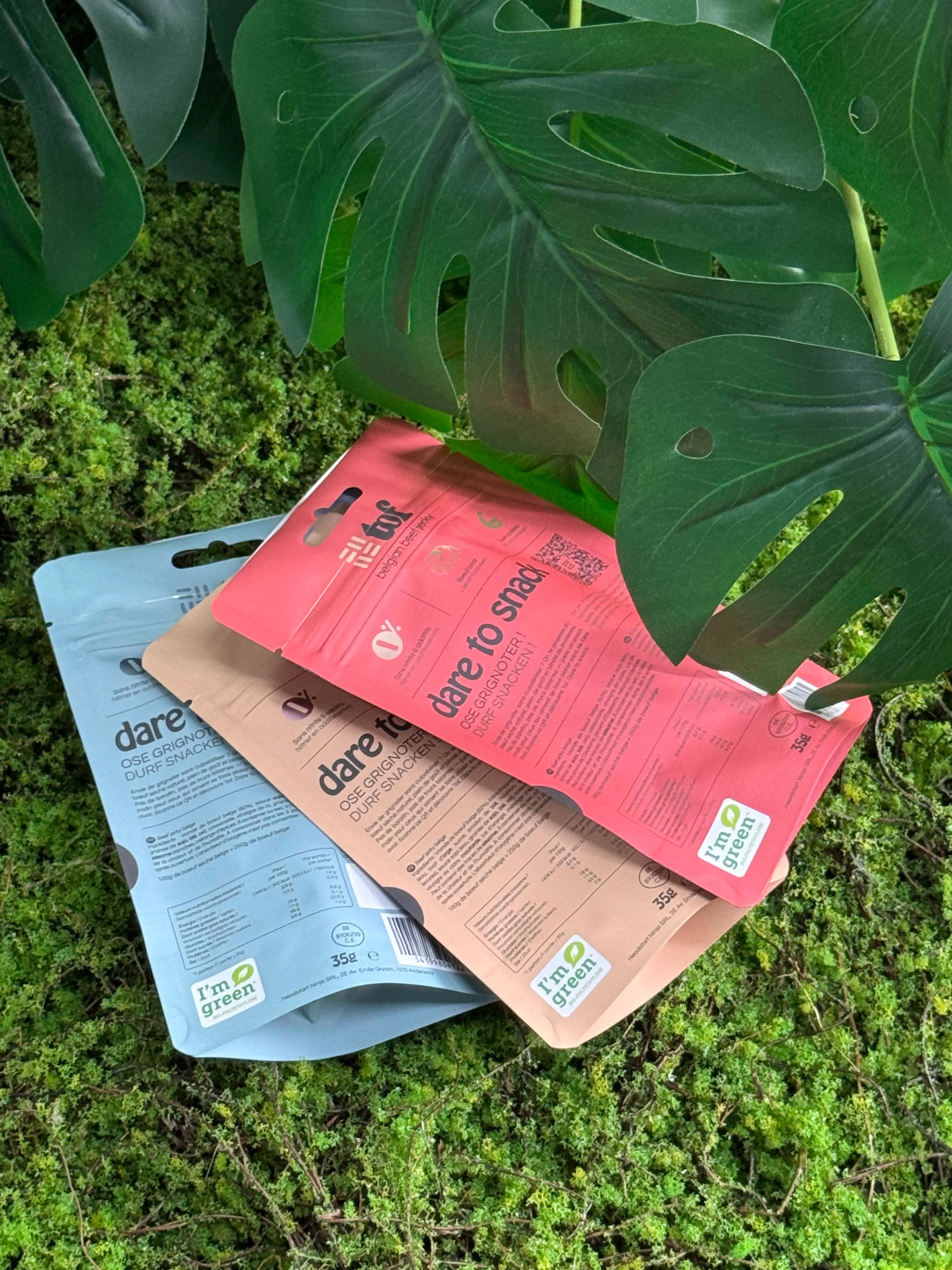
Vibrant custom-printed rigid boxes paired with matching barrier stand-up pouches.
Read Guide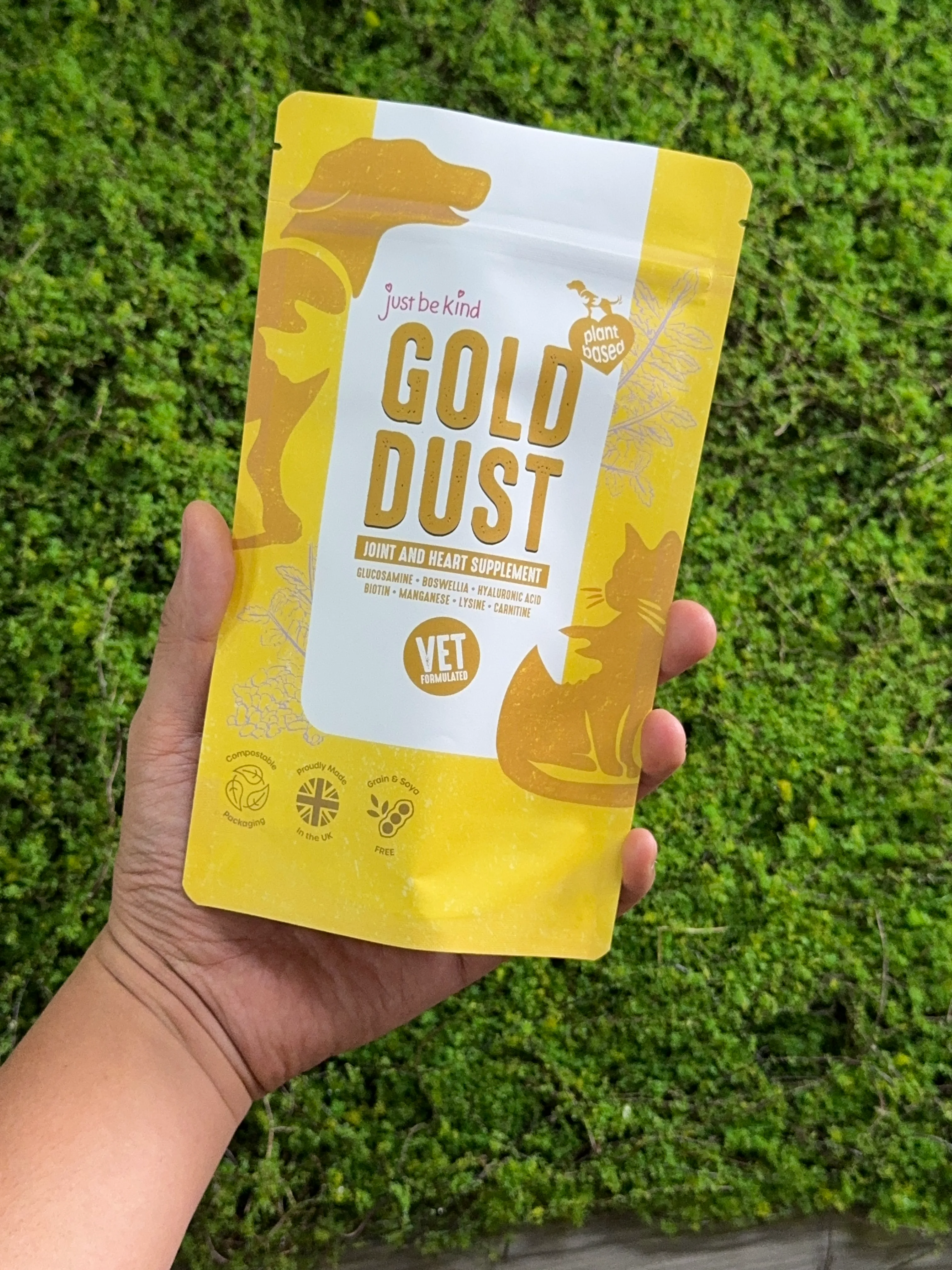
Puncture-resistant laminations designed for shelf longevity and grease-resistance.
Read Guide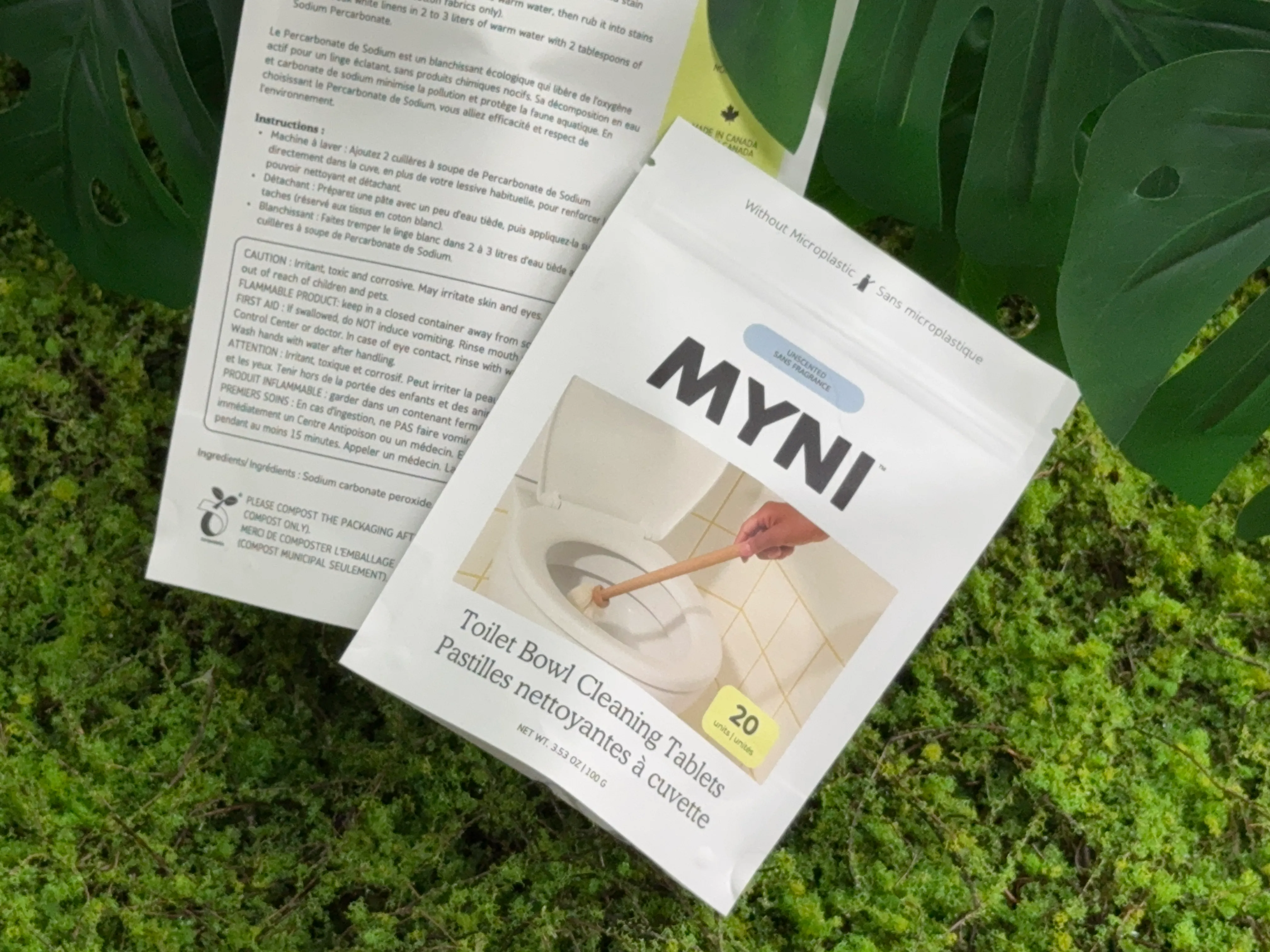
Clear barrier front structure showcasing gourmet coffee beans.
Read Guide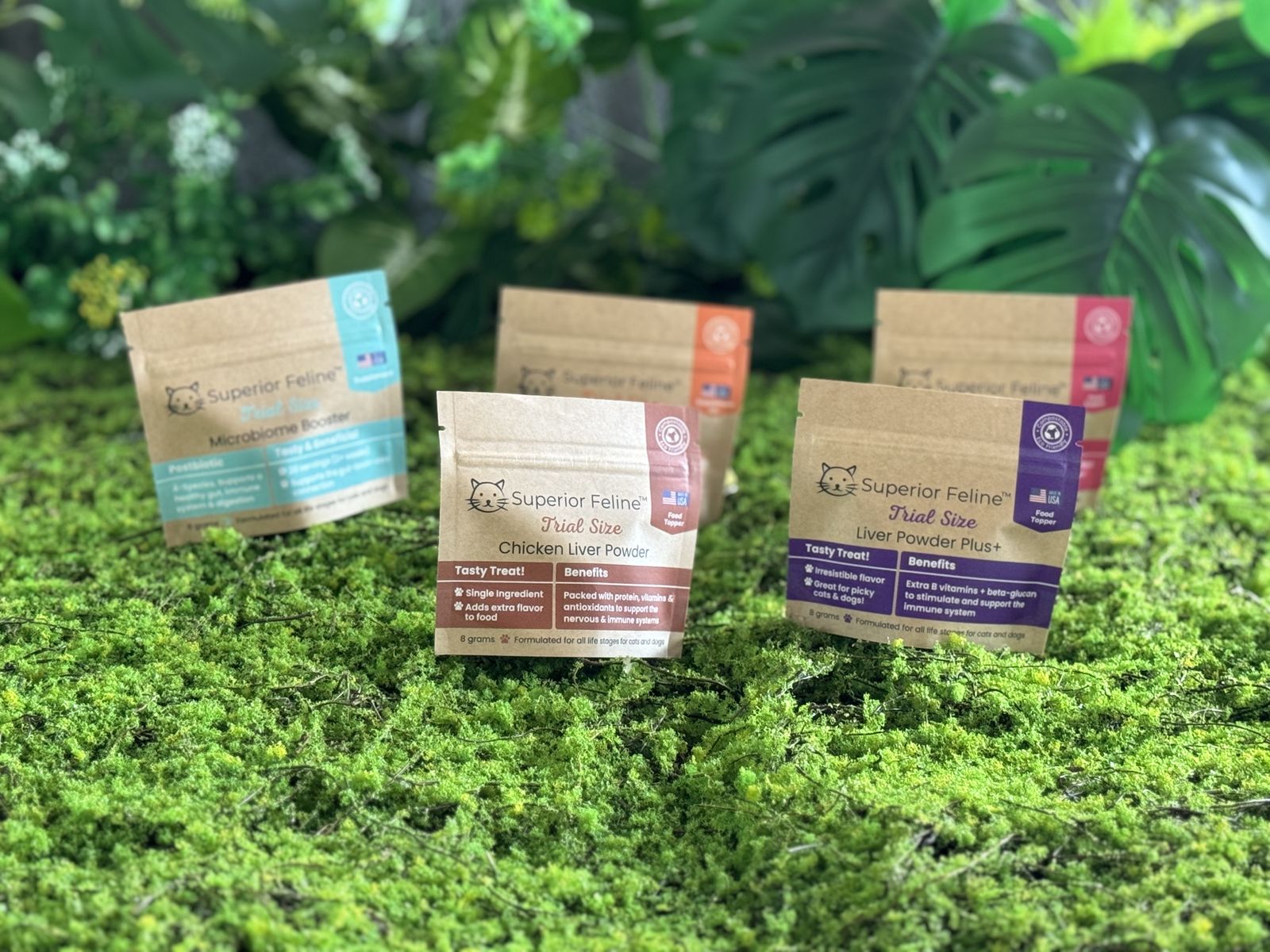
Compostable kraft stand-up pouch featuring a clear plant-based window.
Read Guide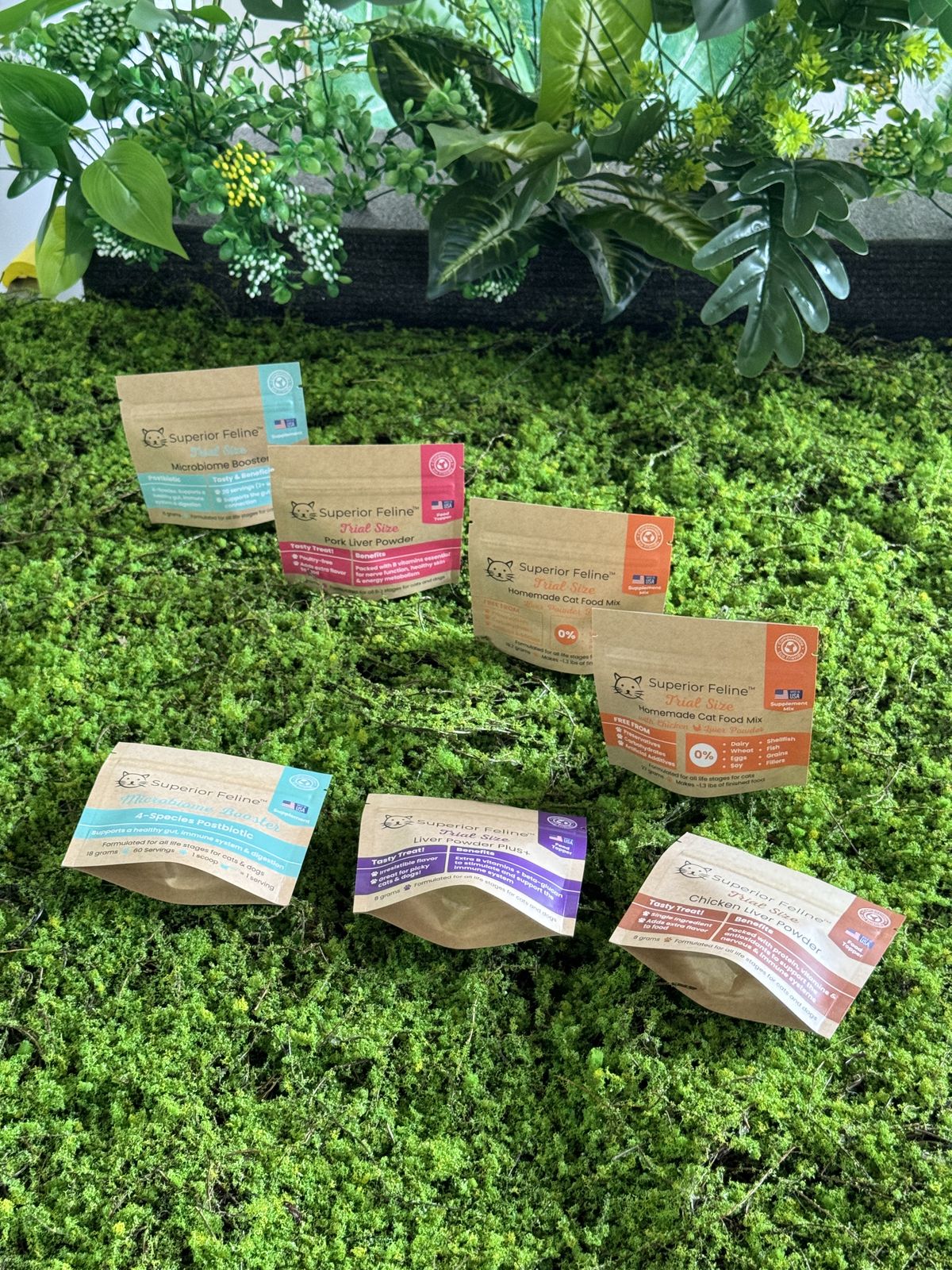
Premium metalized lining providing ultra-high moisture and oxygen barriers.
Read Guide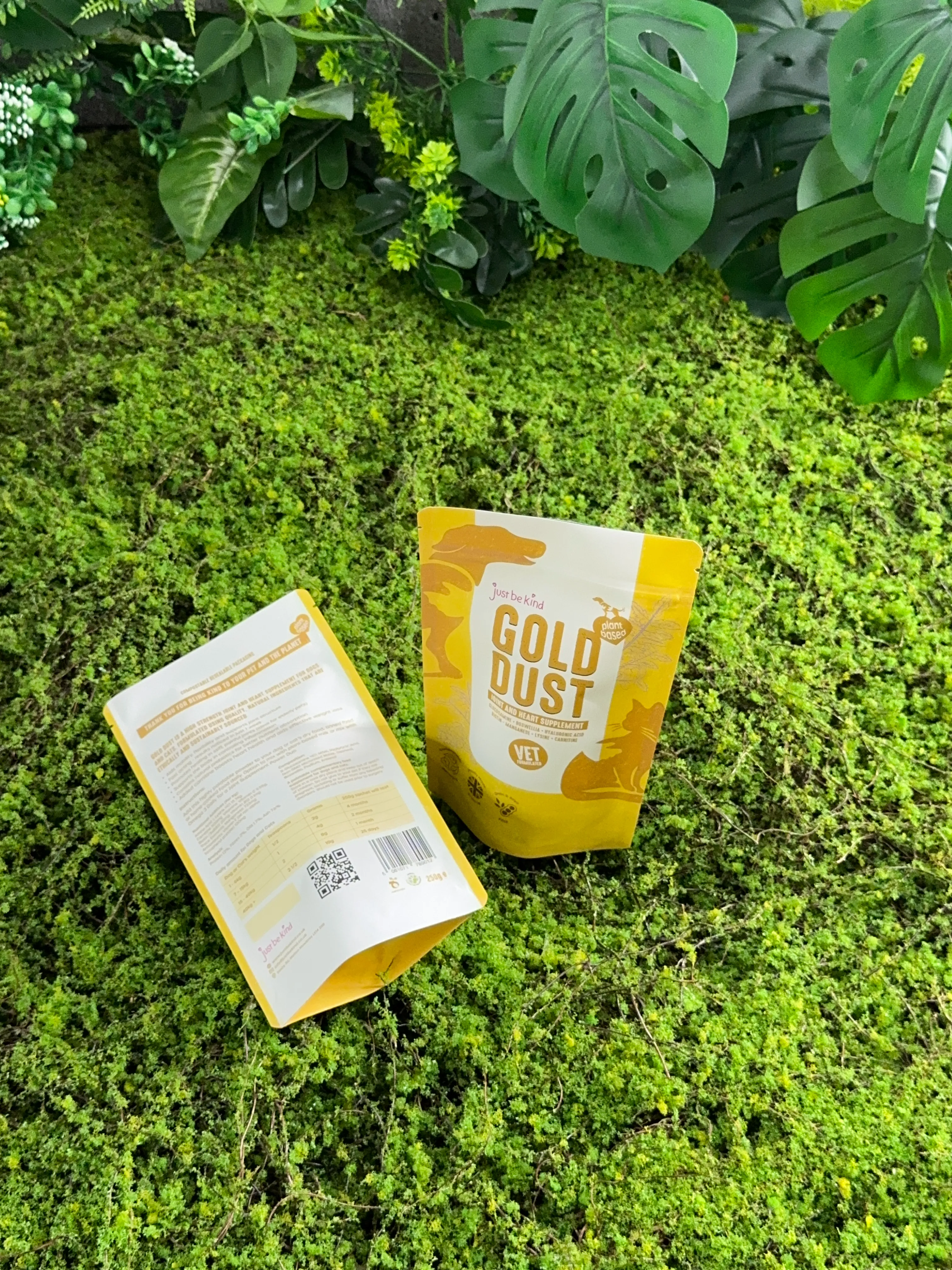
Corrugated shipping mailers with vibrant holographic foil designs.
Read Guide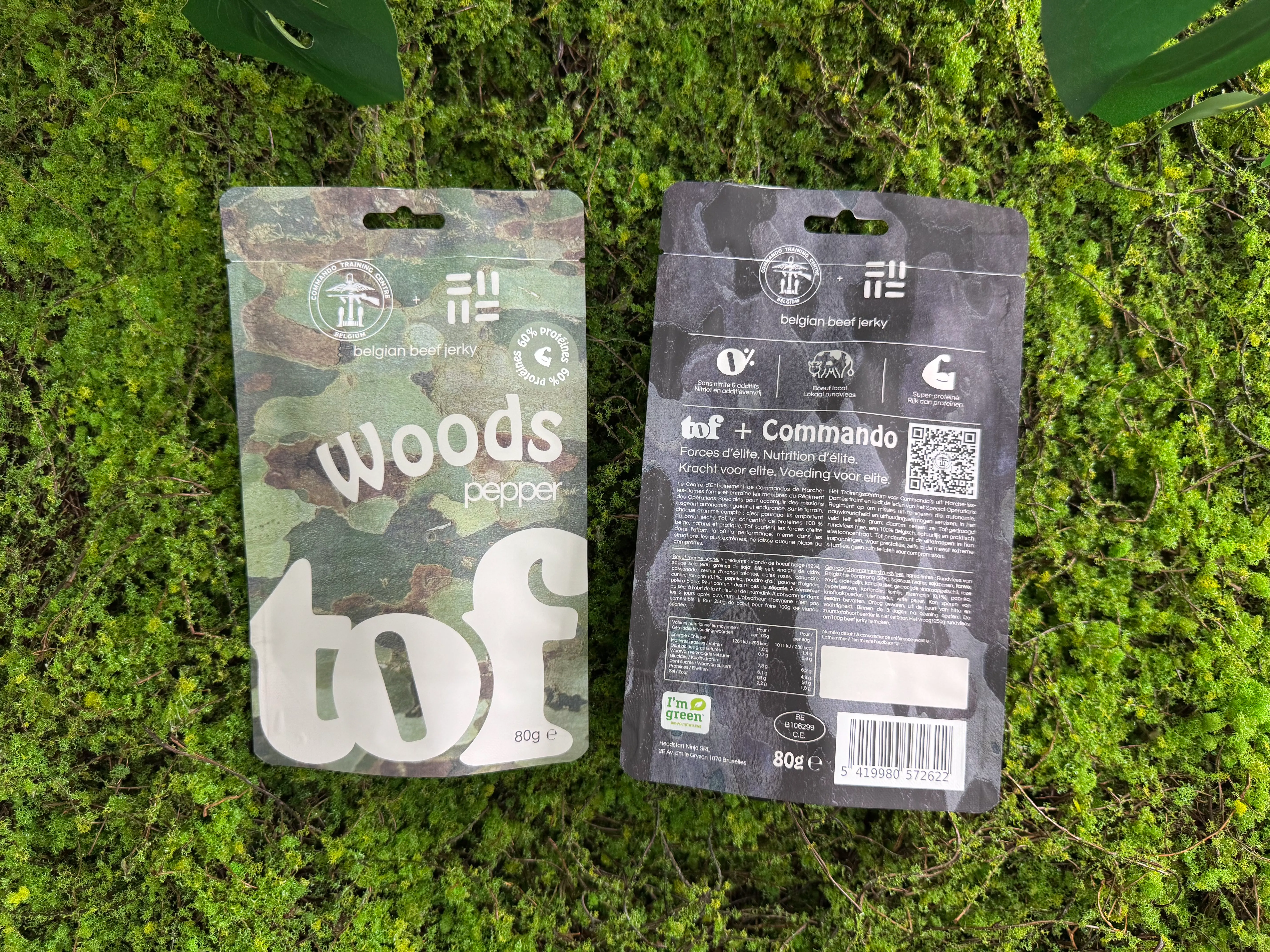
Heavy-duty recycled kraft mailing bags featuring self-sealing double adhesive strips.
Read Guide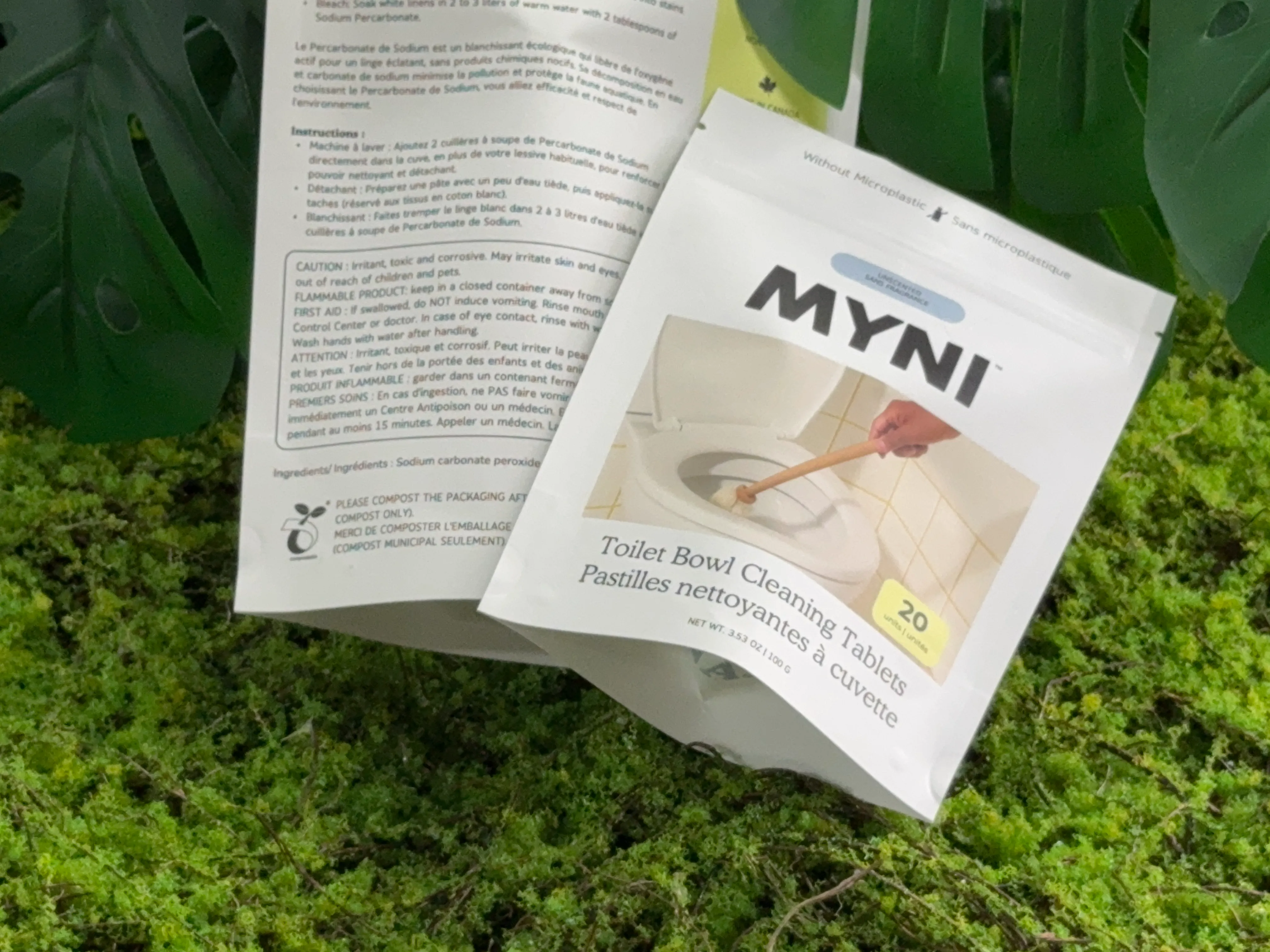
Recyclable matte mono-PE supplement bag with heavy-duty zipper.
Read Guide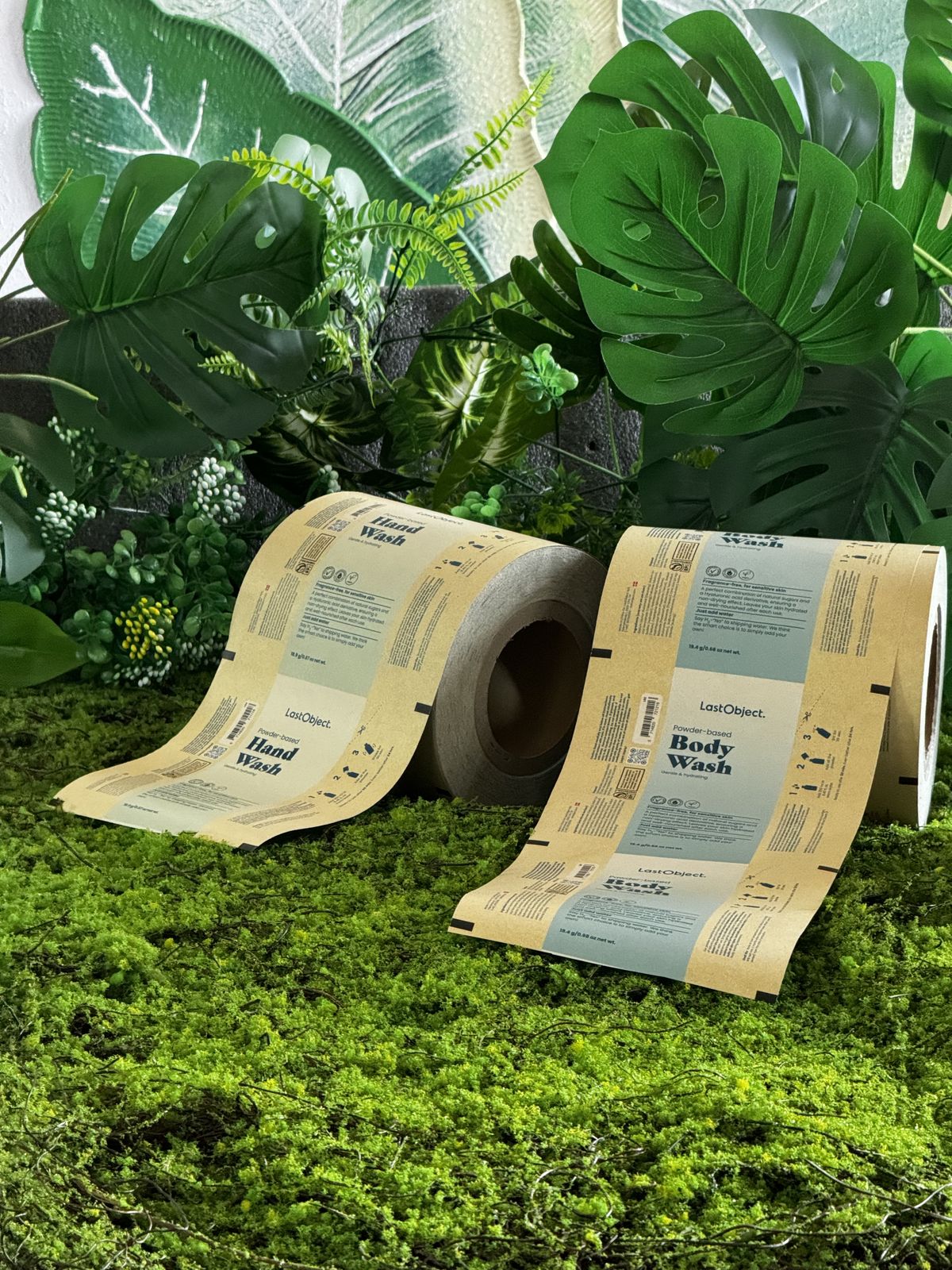
High-resolution digital print sample with low minimum order quantity.
Read GuideExplore our comprehensive knowledge base on sustainable materials, packaging specifications, cost structures, and D2C strategies.
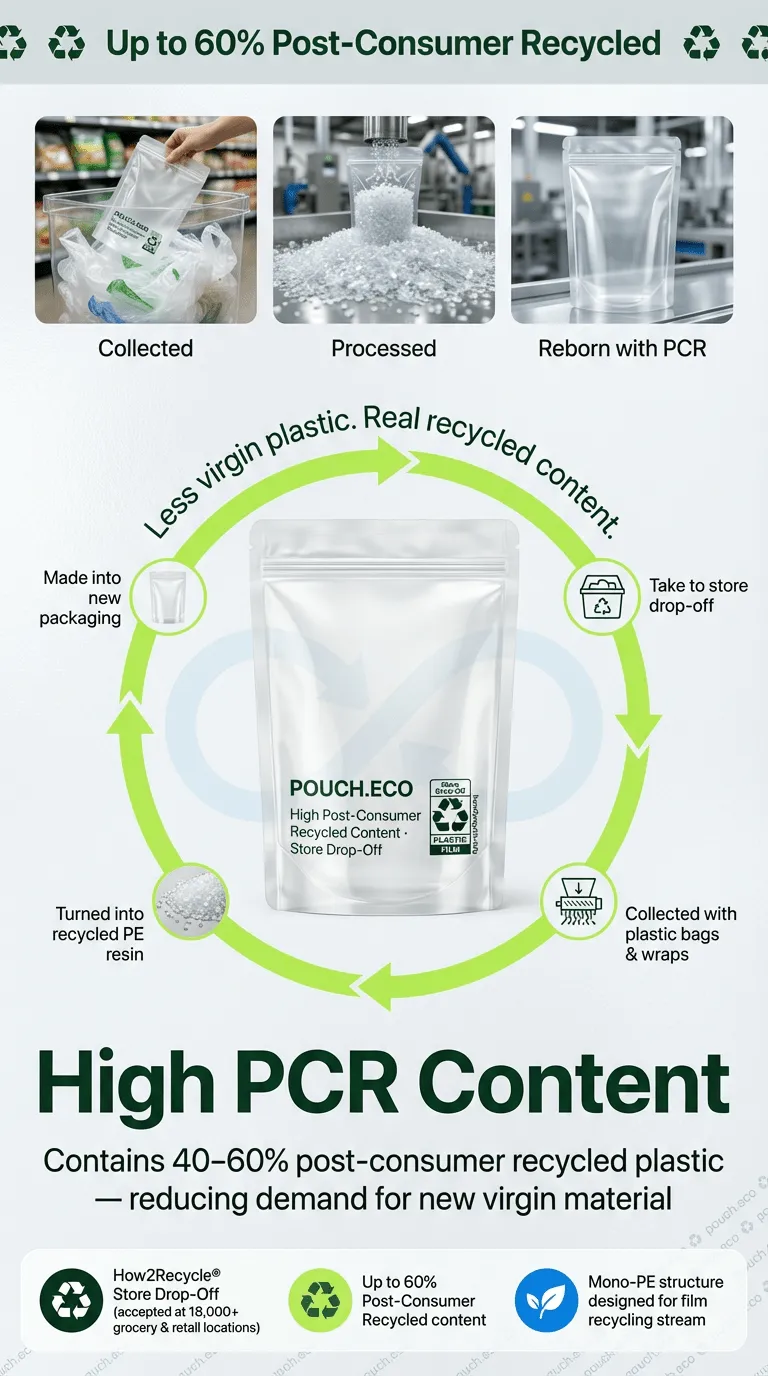
Reusing plastic ocean waste and curbside recyclables to fabricate premium composite barrier films.
Read Guide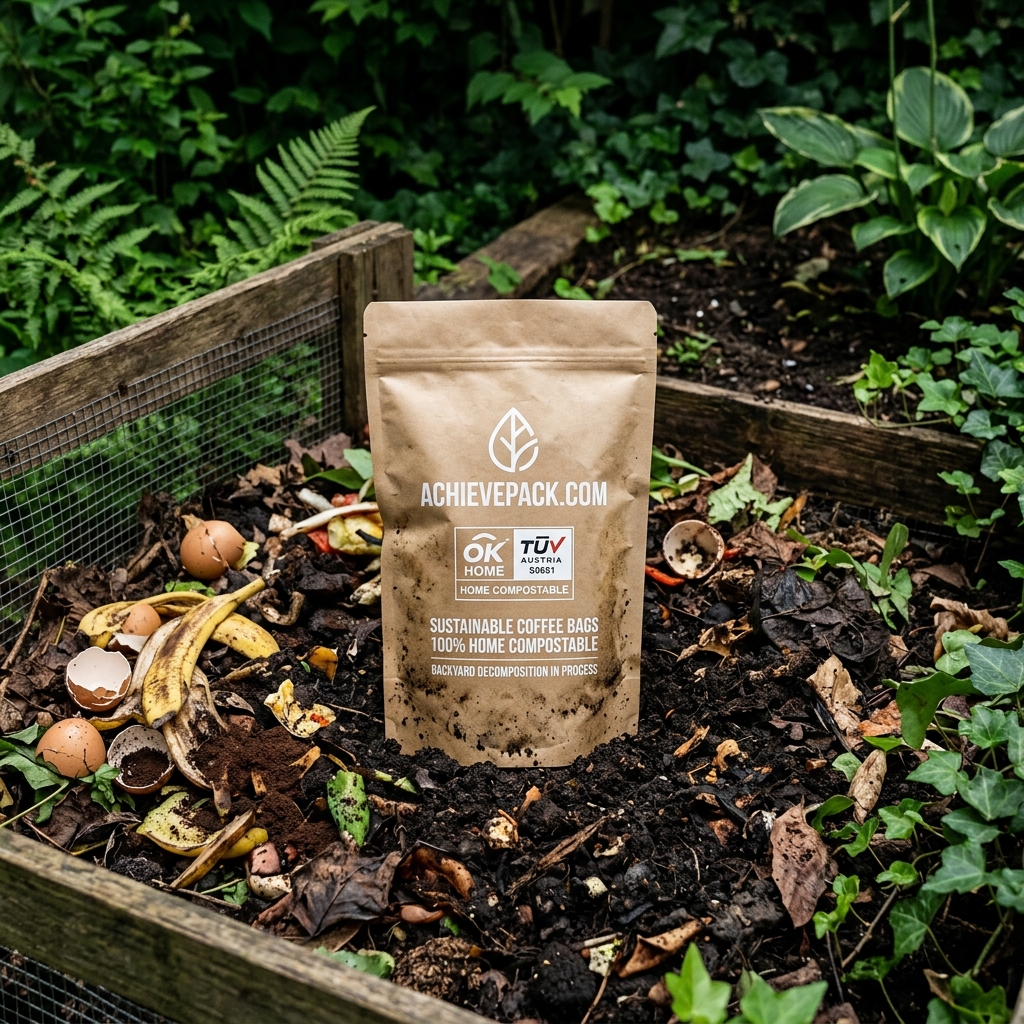
Integrating plant-based degassing valves and compostable films to create home-friendly coffee bags.
Read Guide
Guidelines on ASTM D6400 certification, BPI labels, and local state labeling mandates.
Read Guide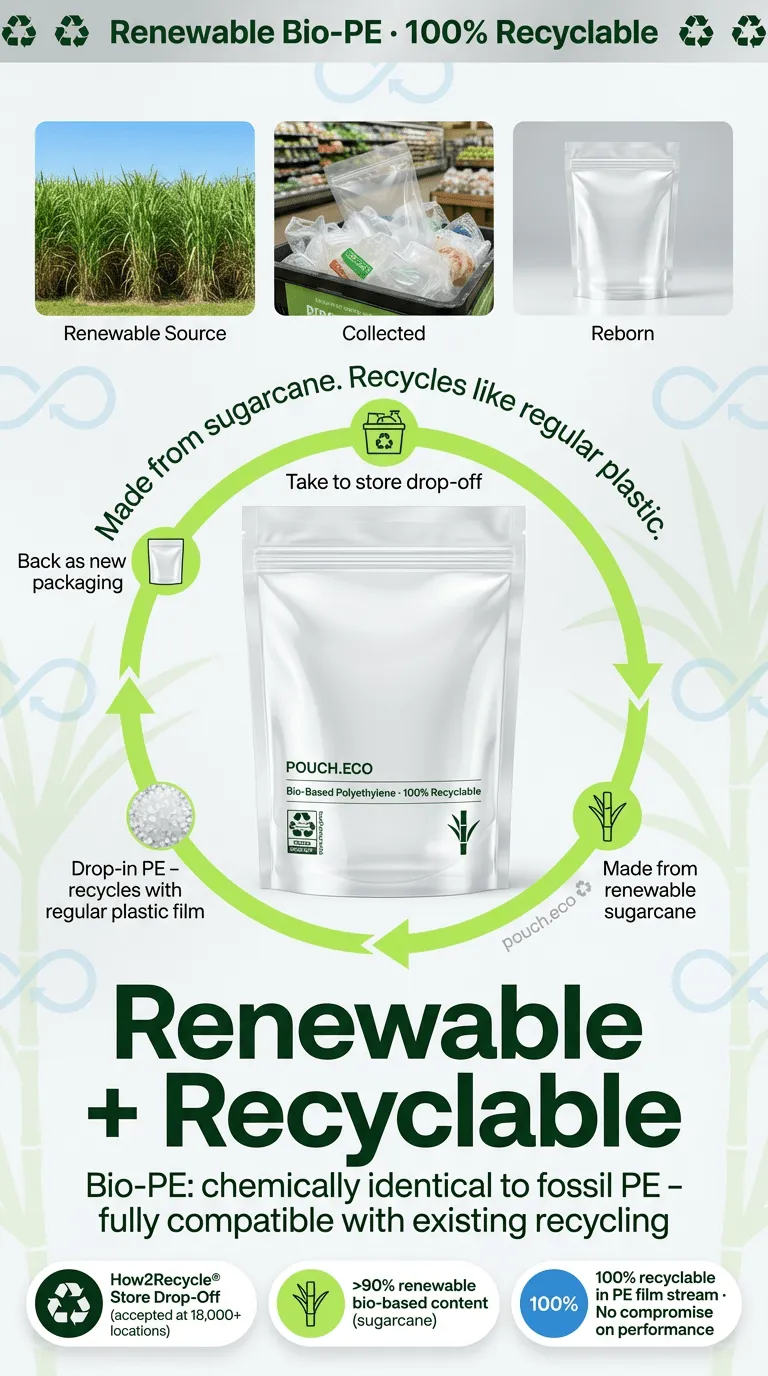
Plant-based polyethylene films derived from sugarcane that reduce carbon footprint.
Read Guide
Engineered single-polymer films with EVOH barrier that qualify for standard recycling streams.
Read Guide
Technical deep-dive on single-polymer laminates that fulfill circular economy requirements.
Read Guide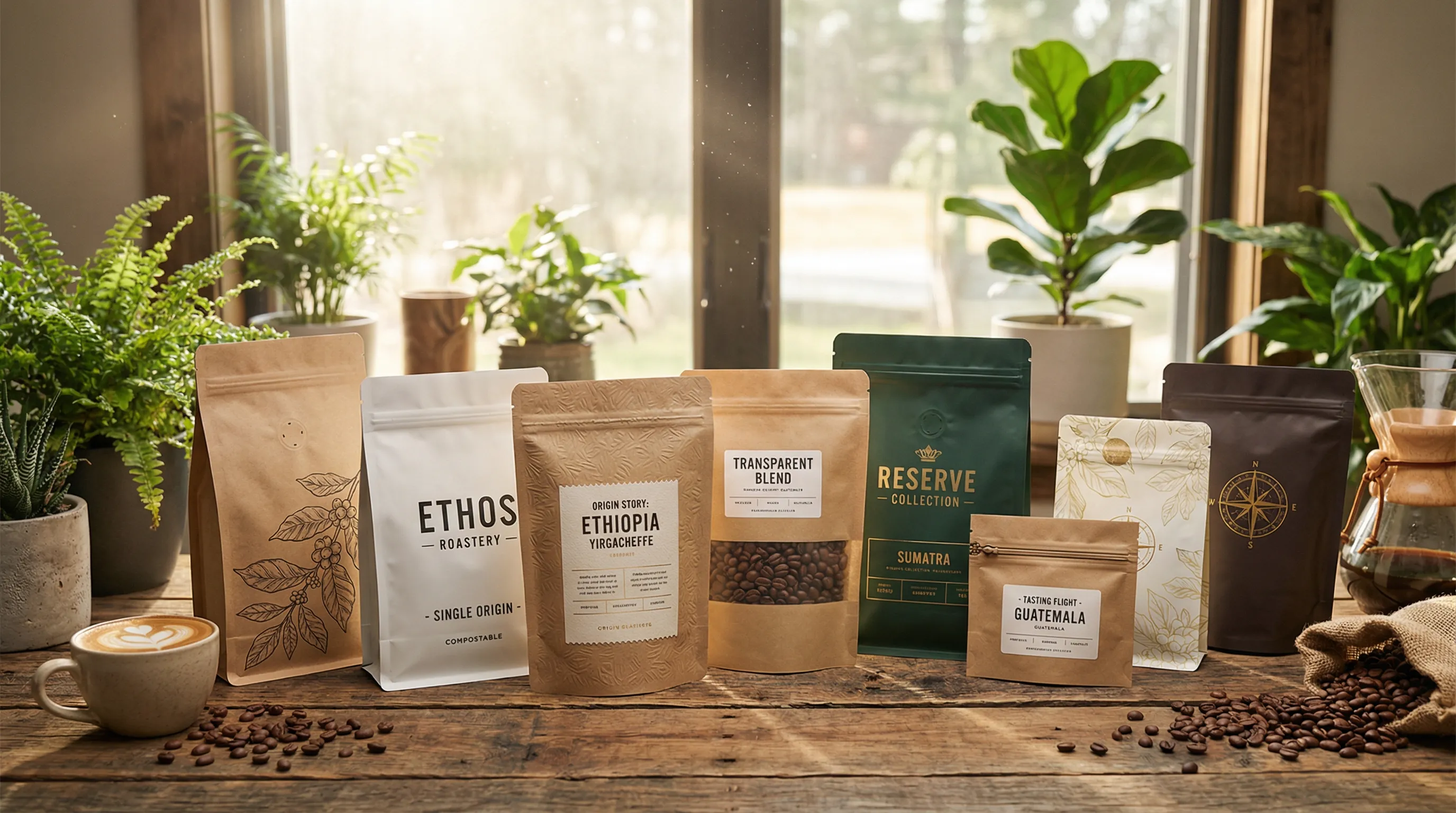
US retail trends in organic specialty coffee packaging and eco-friendly packaging rules.
Read Guide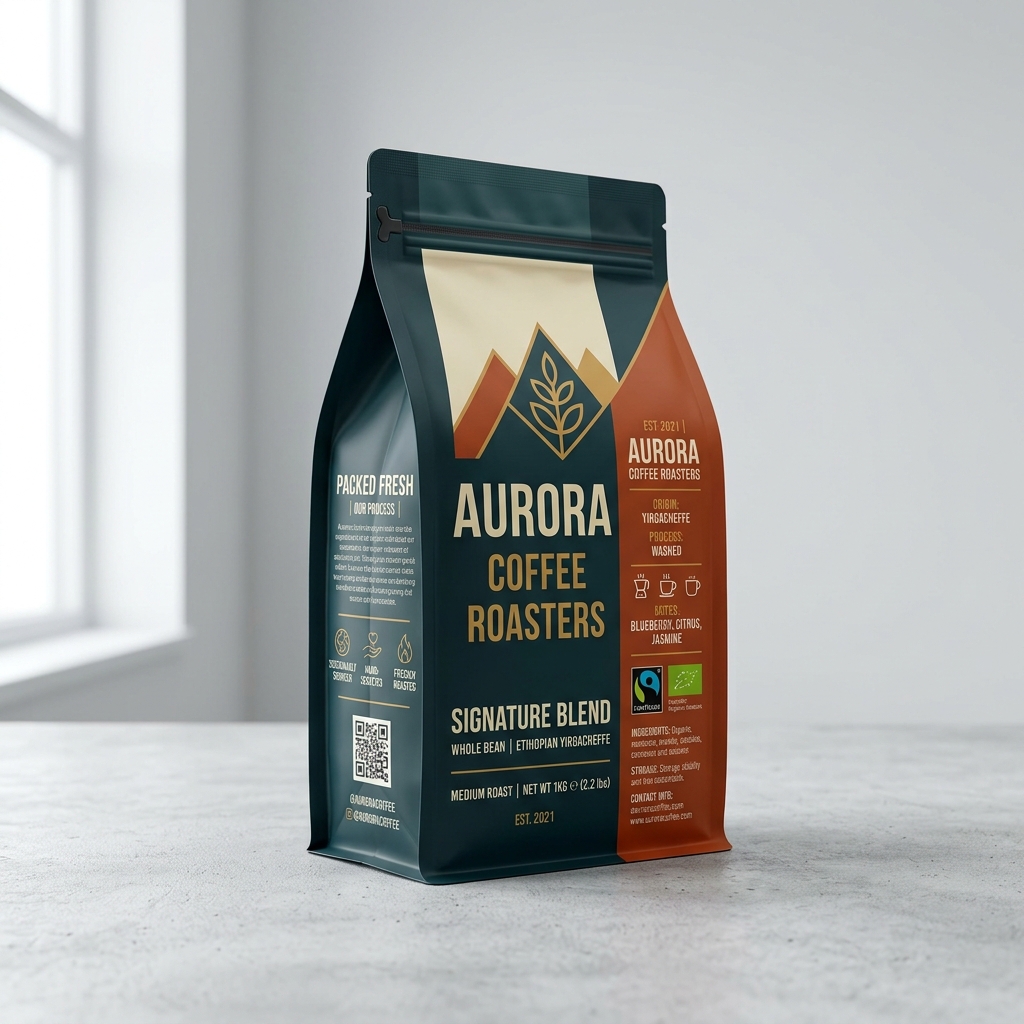
Maximum stability with five printable panels, ideal for heavy coffee beans and dry pet food.
Read Guide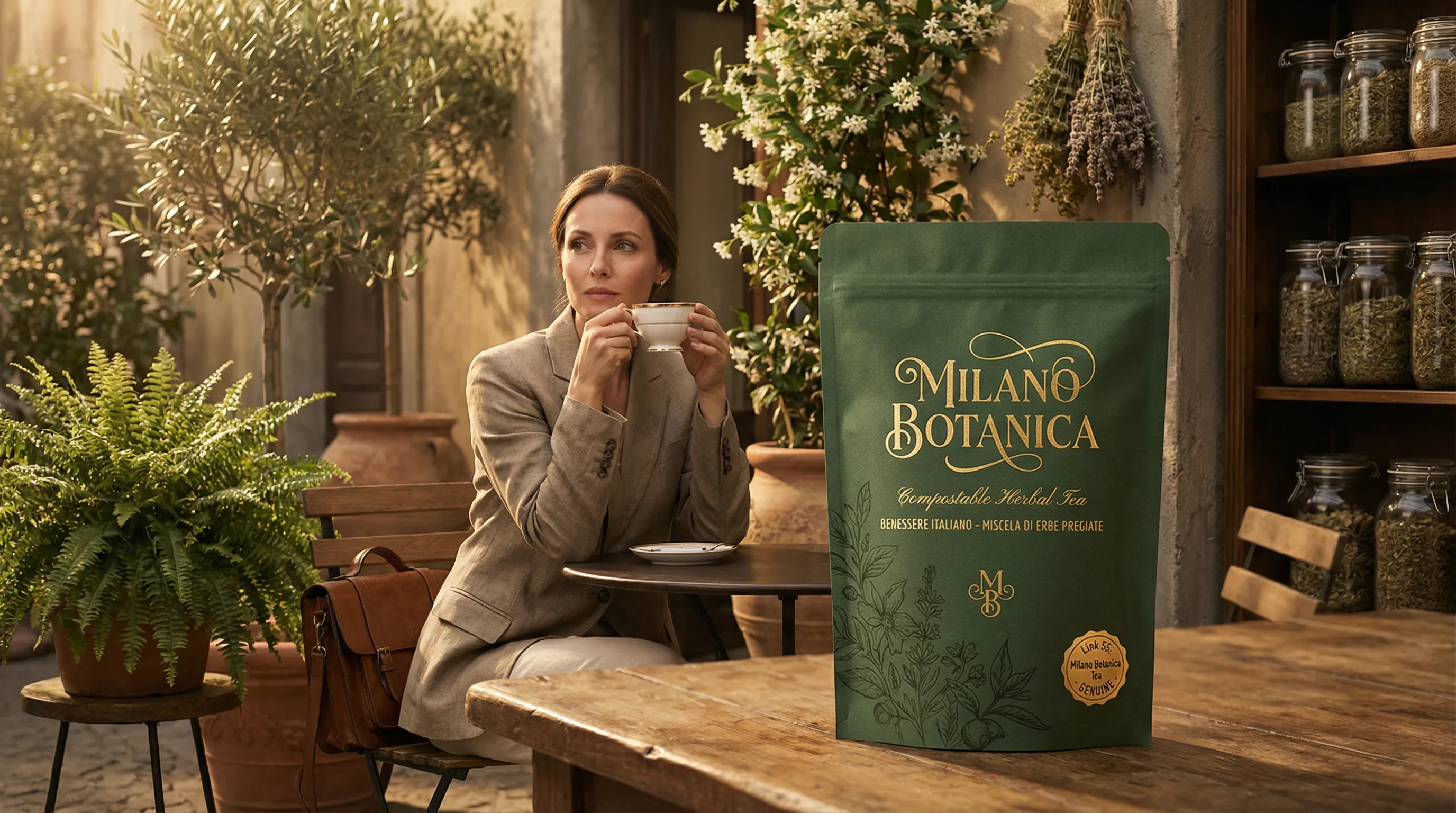
Transitioning to plastic-free kraft bags to align with clean label values.
Read Guide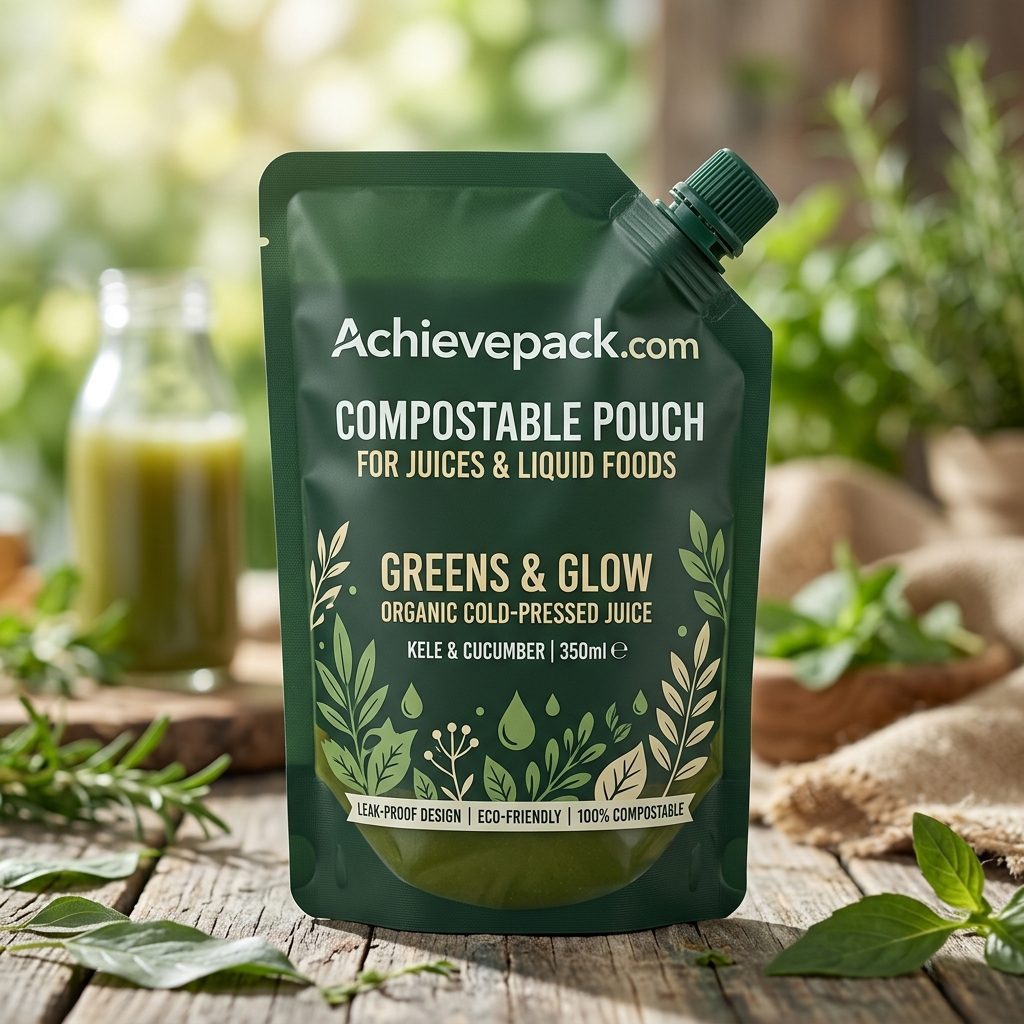
Flexible bottle-shaped pouches with fitment caps designed to hold cosmetics, drinks, and purees.
Read Guide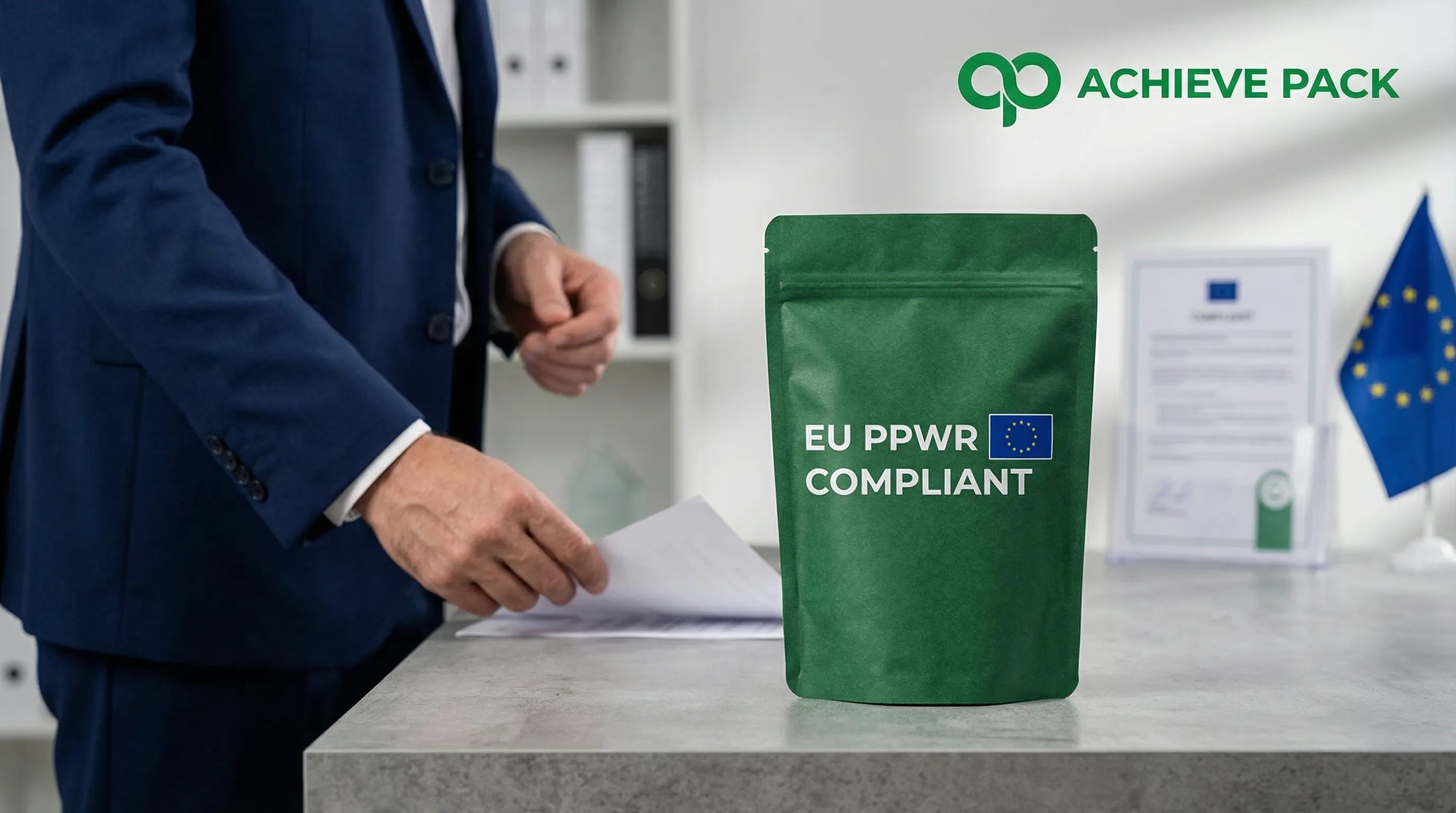
Understanding the new European Union packaging regulations and recycling requirements.
Read Guide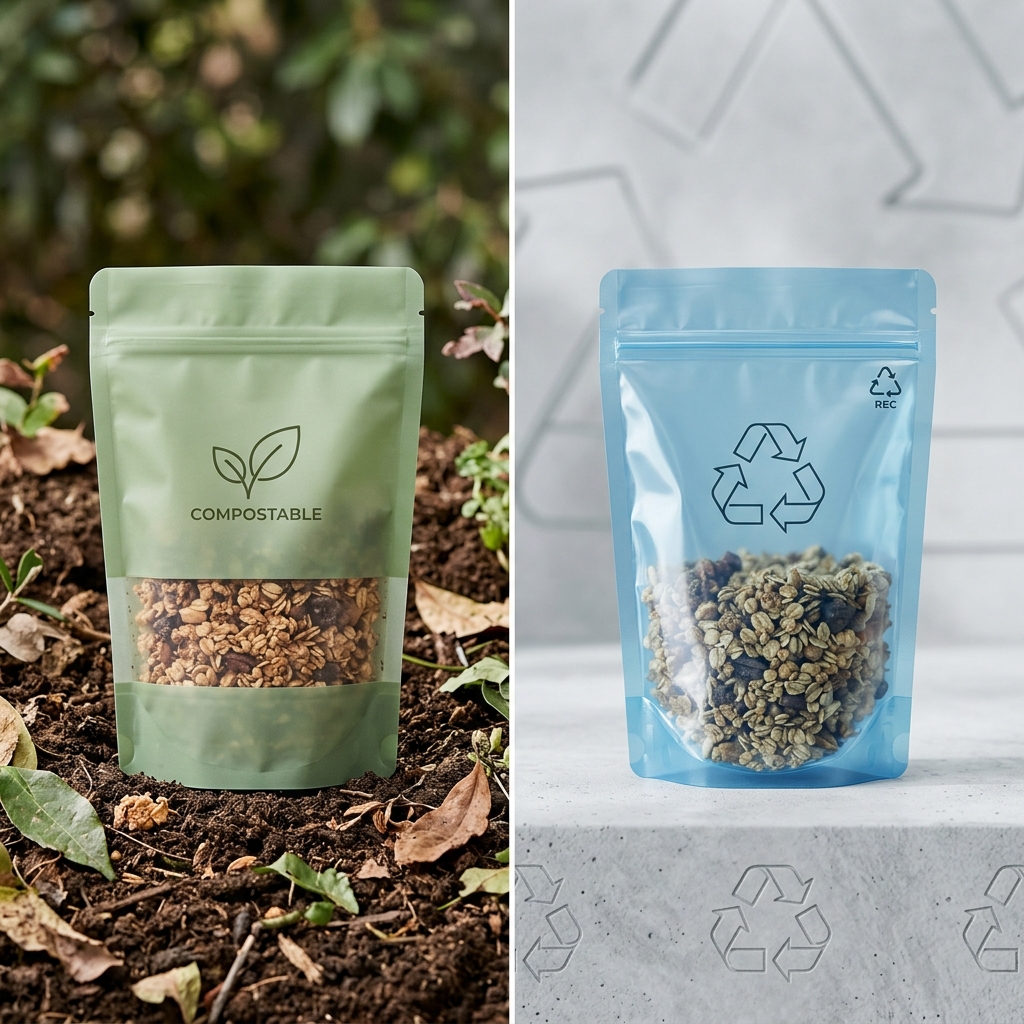
Deciding between circular plastic recovery and organic composting paths for your packaging.
Read Guide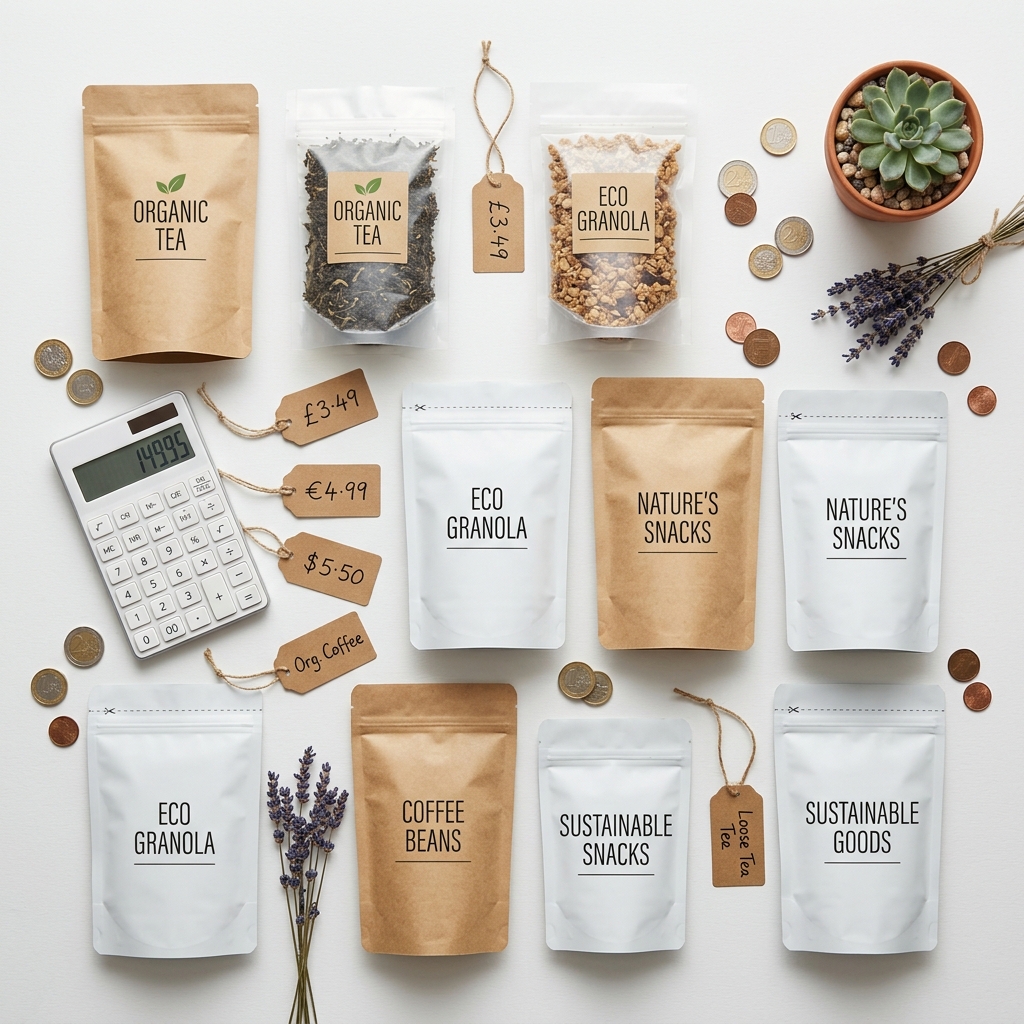
Complete breakdown of plate charges, setup fees, material costs, and wholesale volume tiers.
Read Guide
Designing clean packaging layouts that reduce ink waste and capture consumer interest.
Read Guide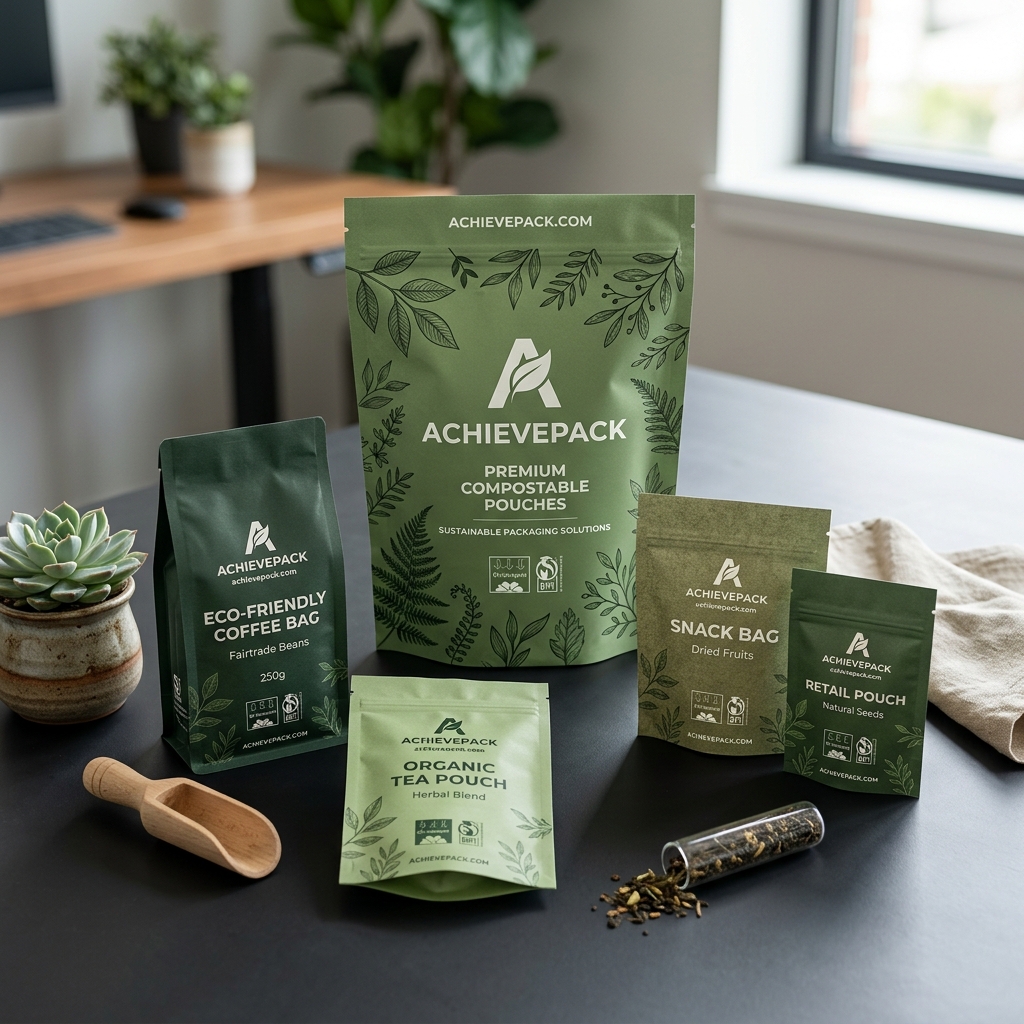
Low MOQ, design support, and rapid prototyping workflows for launching products.
Read Guide
The classic retail packaging format with bottom gusset and custom resealable zippers.
Read Guide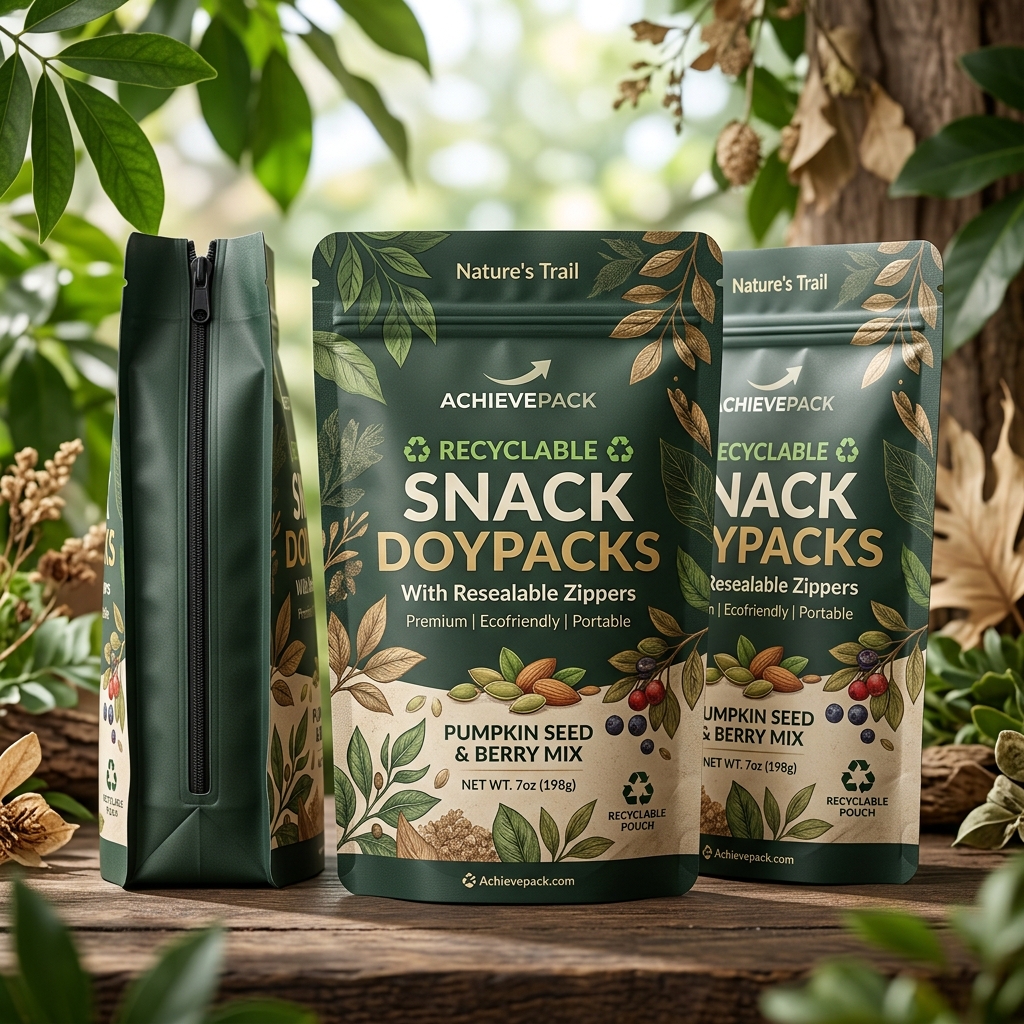
Preserving chips and granola freshness using EVOH-coated recyclable polyethylene structures.
Read Guide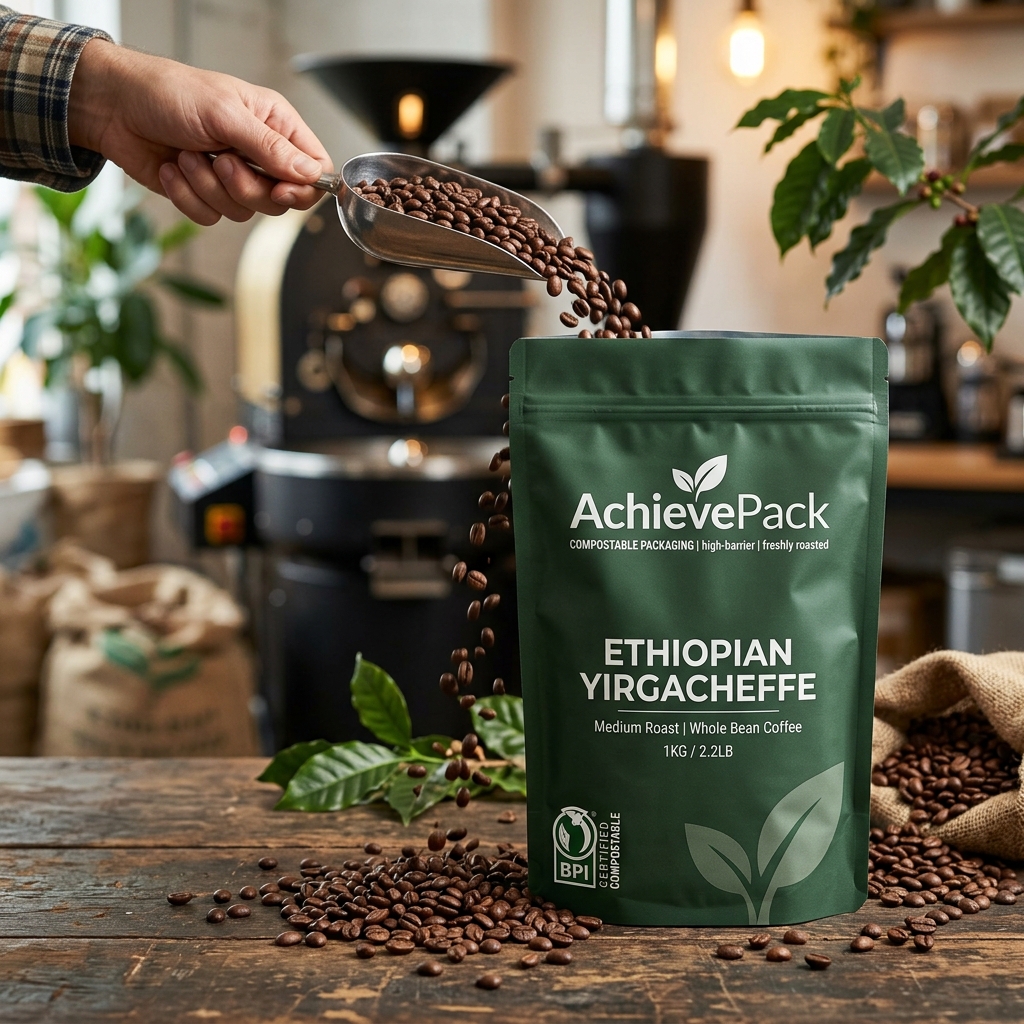
High-barrier foil stand-up and flat bottom bags equipped with degassing valves.
Read Guide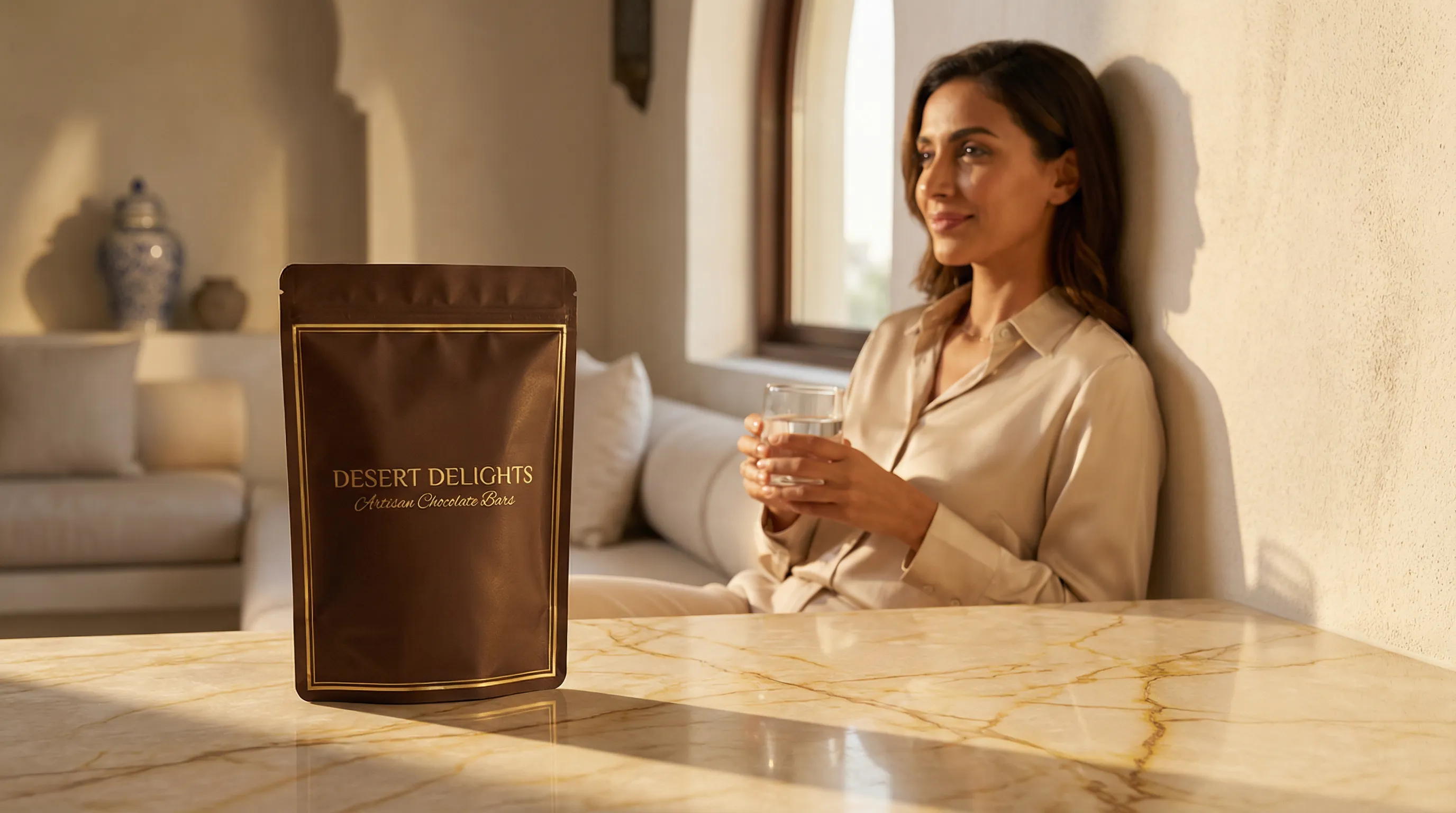
Eco-luxe chocolate brand showcases premium rigid box and compostable pouch designs.
Read Guide
Developing high-volume pet food pouches with puncture-resistant layers and durable zippers.
Read Guide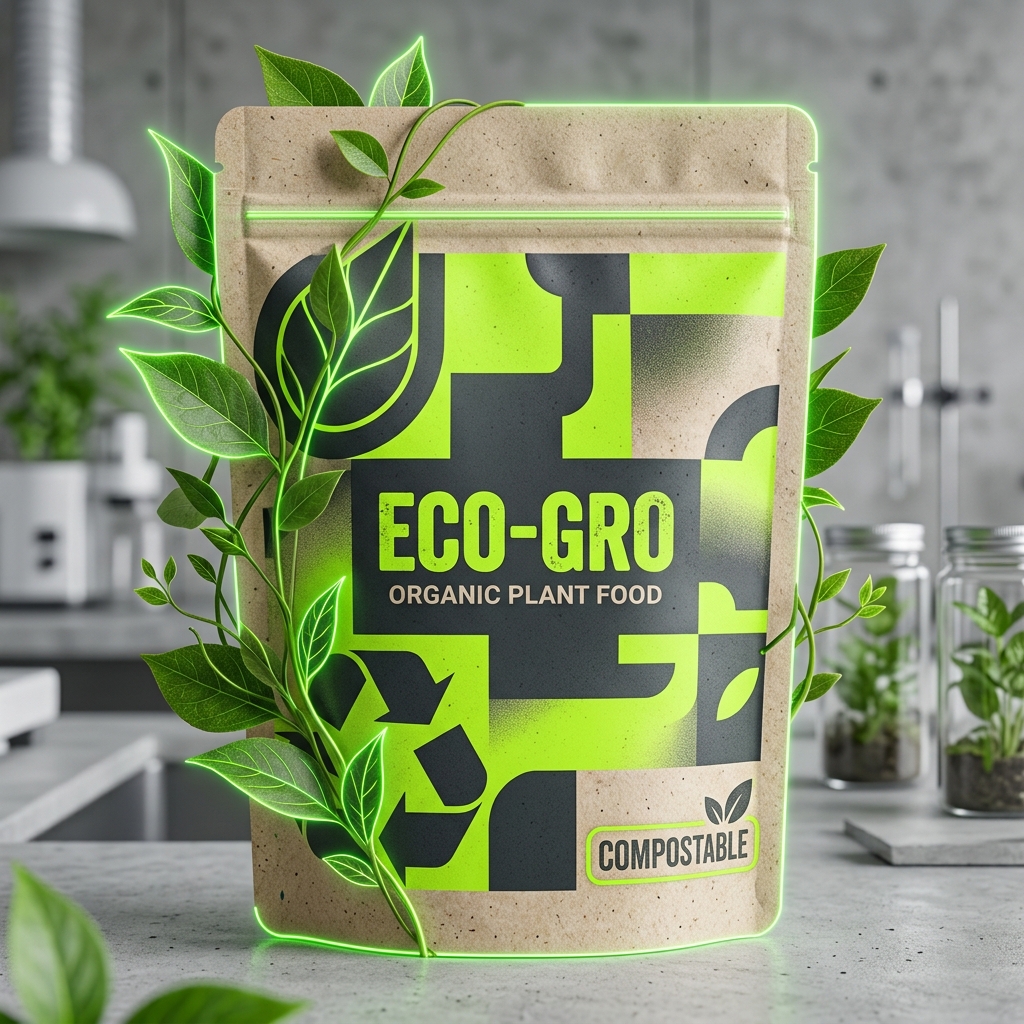
Overview of organic starch-based polymers and plant cell membranes that biodegrade safely.
Read Guide
How biodegradable press-to-close zippers preserve freshness without polluting composting streams.
Read Guide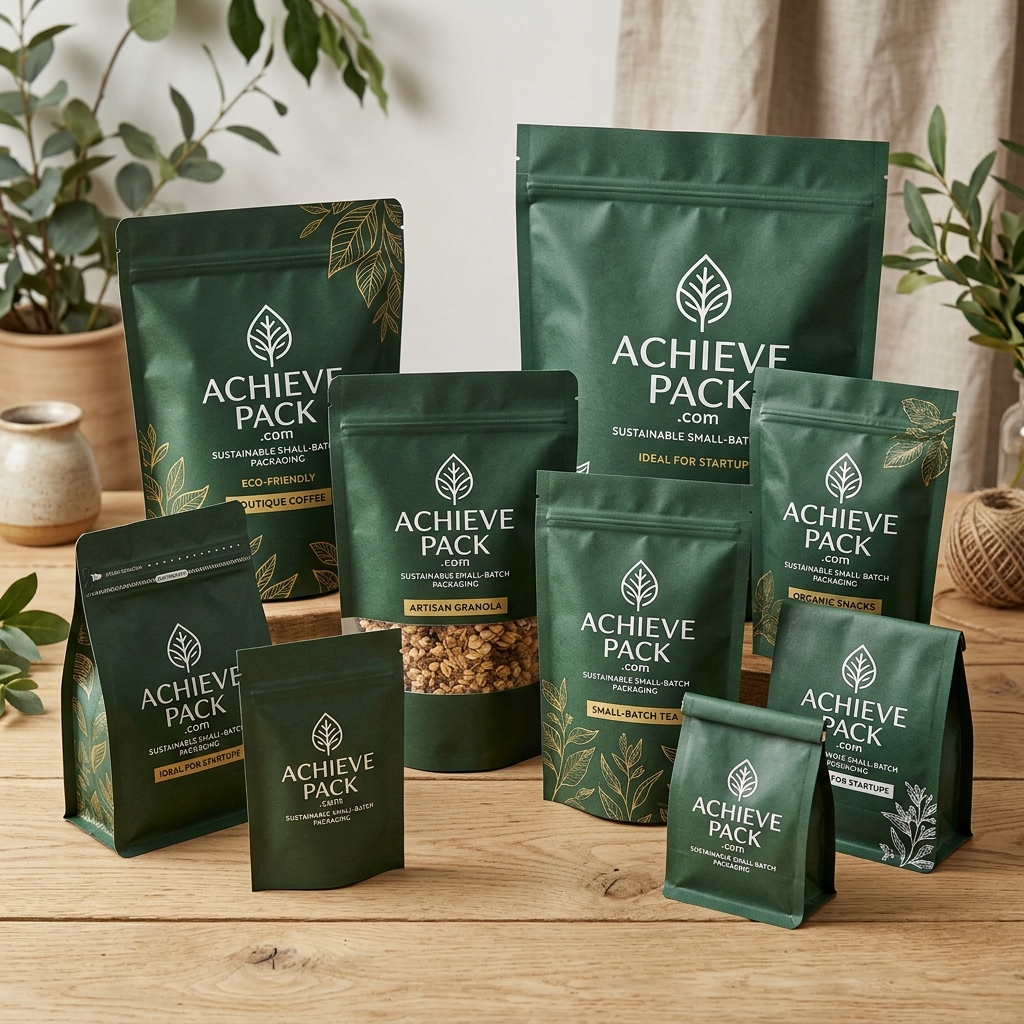
Strategic advice on split-shipping, template reuse, and digital runs for multi-SKU brands.
Read Guide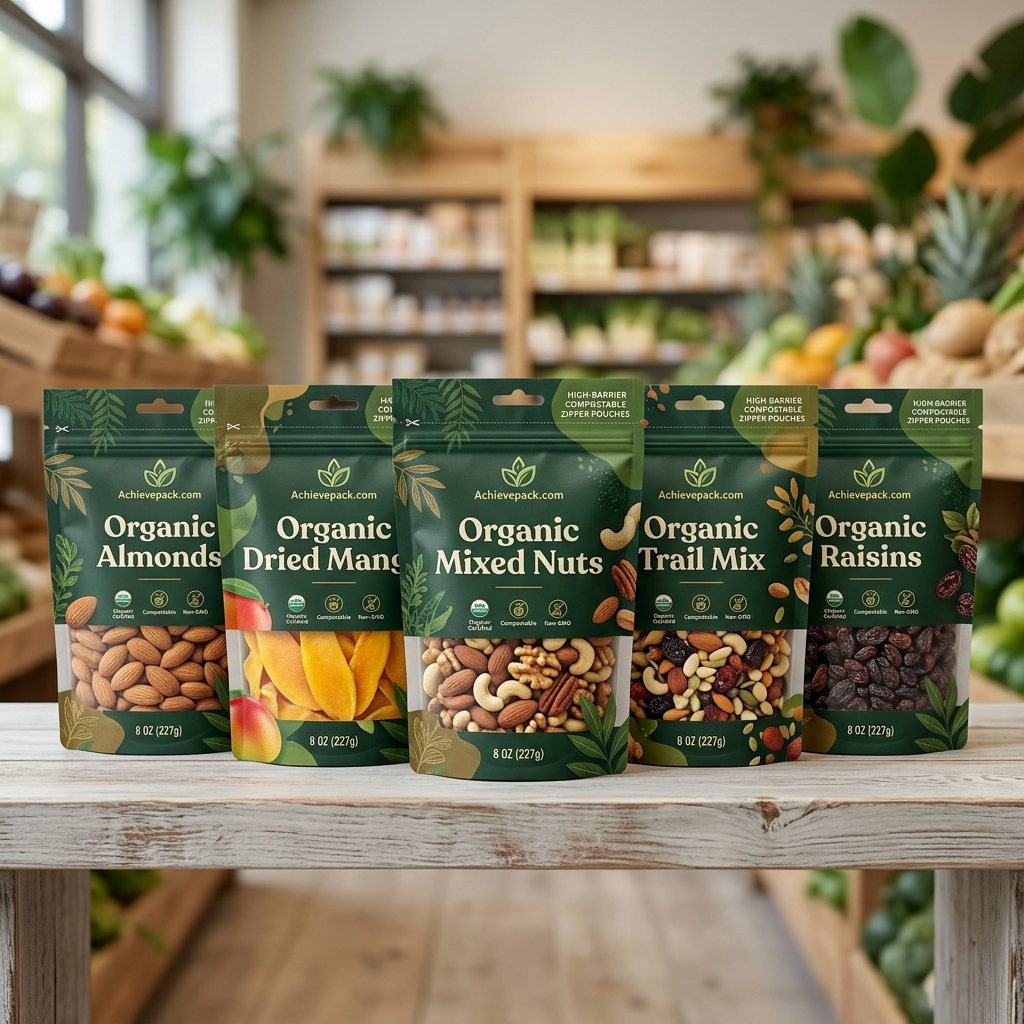
Lightproof and air-tight pouches to maintain crispness and extend retail shelf life.
Read Guide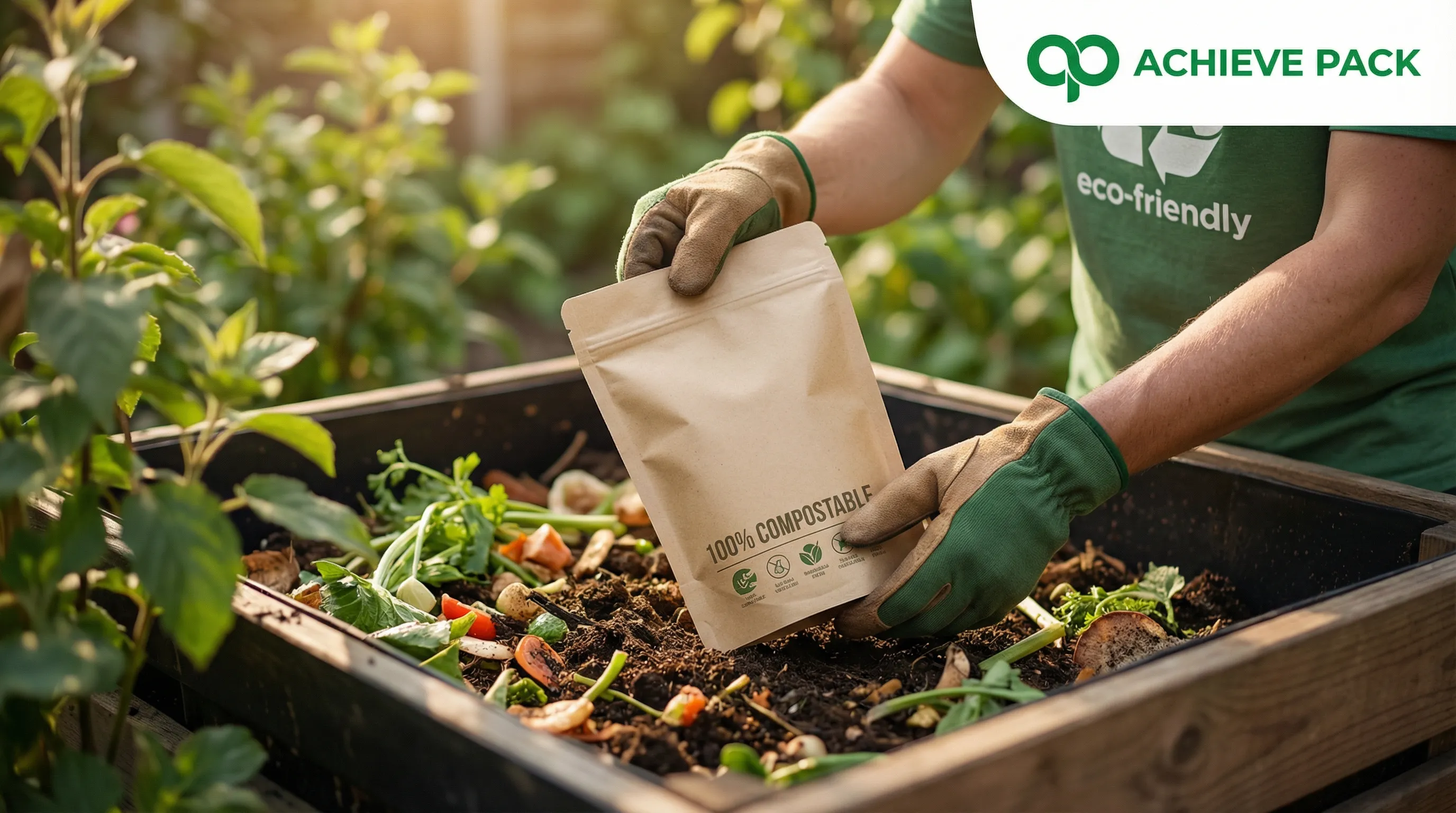
Assessing the impact of hot and cold foil stamping on paperboard and plastic recycling.
Read Guide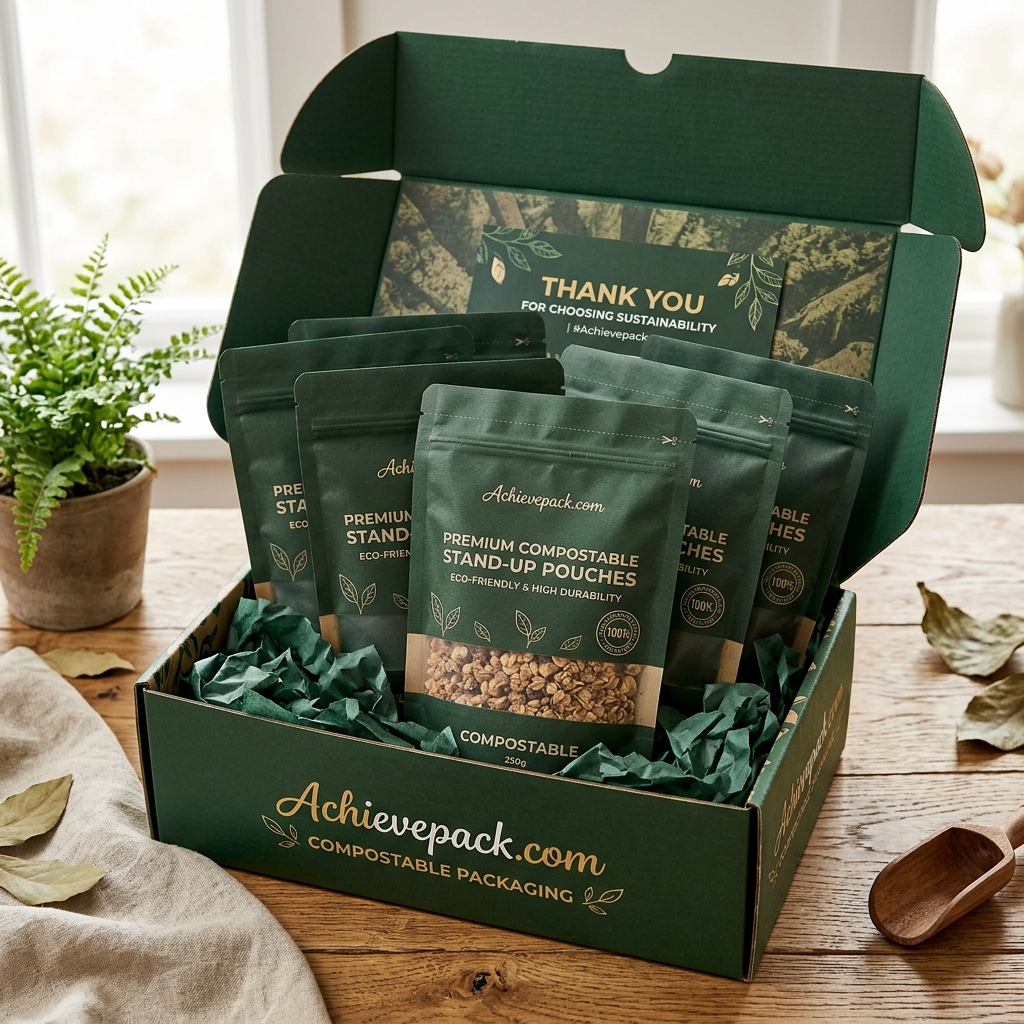
Optimizing mailers, shipping boxes, and secondary pouches for D2C transit safety.
Read Guide
Avoid common design and material selection errors that disrupt commercial supply chains.
Read Guide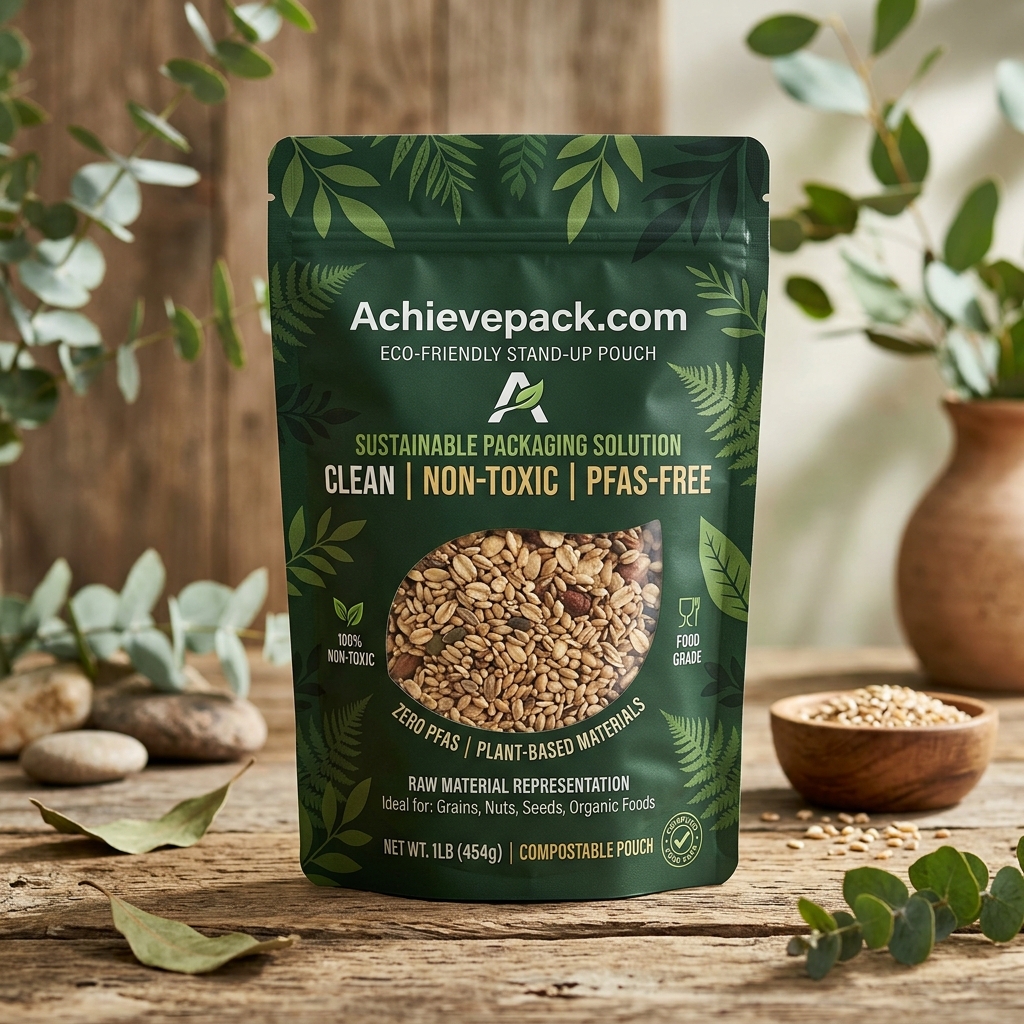
Ensuring compliance with local environmental acts by utilizing PFAS-free barriers.
Read Guide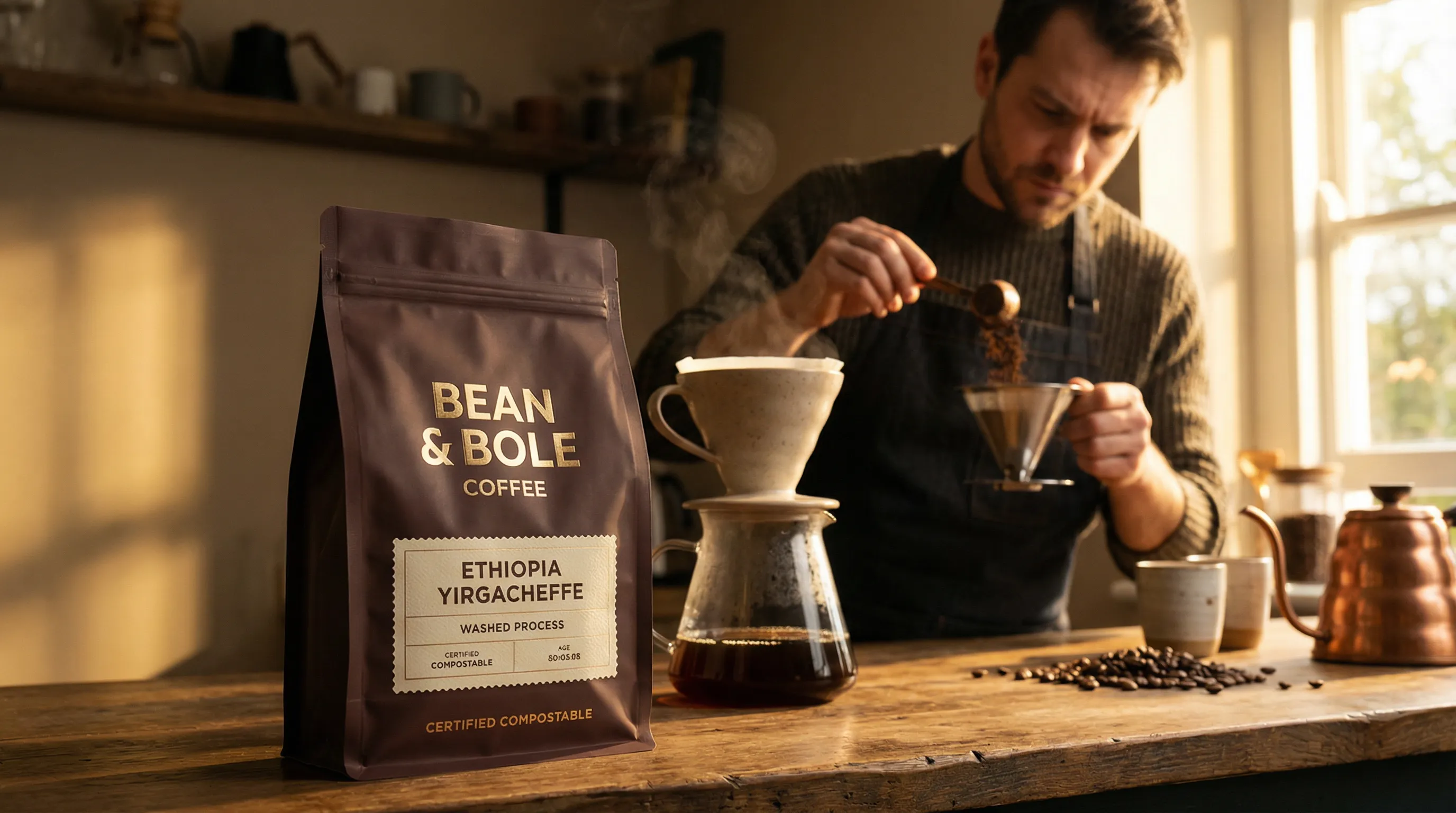
How a specialty Seattle roastery shifted to 100% compostable bags without dropping speed.
Read Guide
Sturdy corrugated cardboard boxes, mailers, and custom retail displays with custom finishes.
Read Guide