Printing Types Explained | Digital vs Plate Printing Specifications
Solving Core Packaging Challenges for Printing Types Explained | Digital vs Plate Printing
Concise B2B technical benchmarks designed to eliminate transit failures, regulatory penalties, and shelf-life loss.
Barrier Specified Wrong, Shelf Life Lost
Risk: A film that is too thin lets oxygen and moisture through before the date code.
Structure Matched to Your Product, Quoted With OTR & WVTR
You get the barrier numbers before you approve the quote.
Compliance Documents Arriving Too Late
Risk: Retailers and co-packers hold the order until the supplier file clears their QA.
Approval Pack Issued With the Quote, Not After It
Product specification, SDS, food-grade statement, lot code statement, PFAS statement, letter of guarantee.
Plate Fees and High MOQs Killing the Range
Risk: Every variant needs its own cylinders, so the line-up never gets launched.
Digital Printing from 500 Units per SKU
Multiple designs in one run, zero plate charges.
Experience 3D Packaging Design & Free Dielines
Preview your pouch in 3D WebGL Studio and export production-ready dielines.
Printing Methods Explained
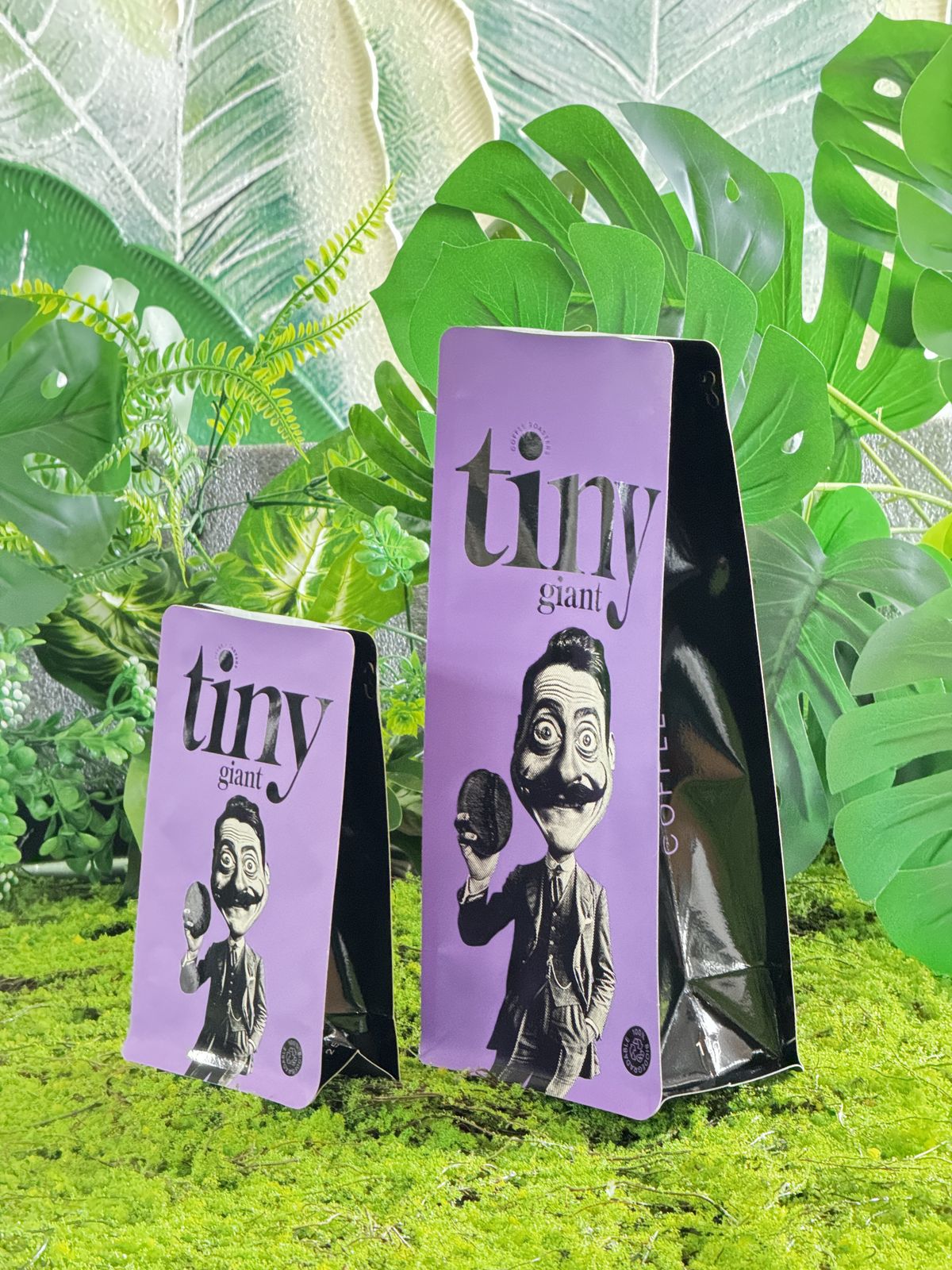
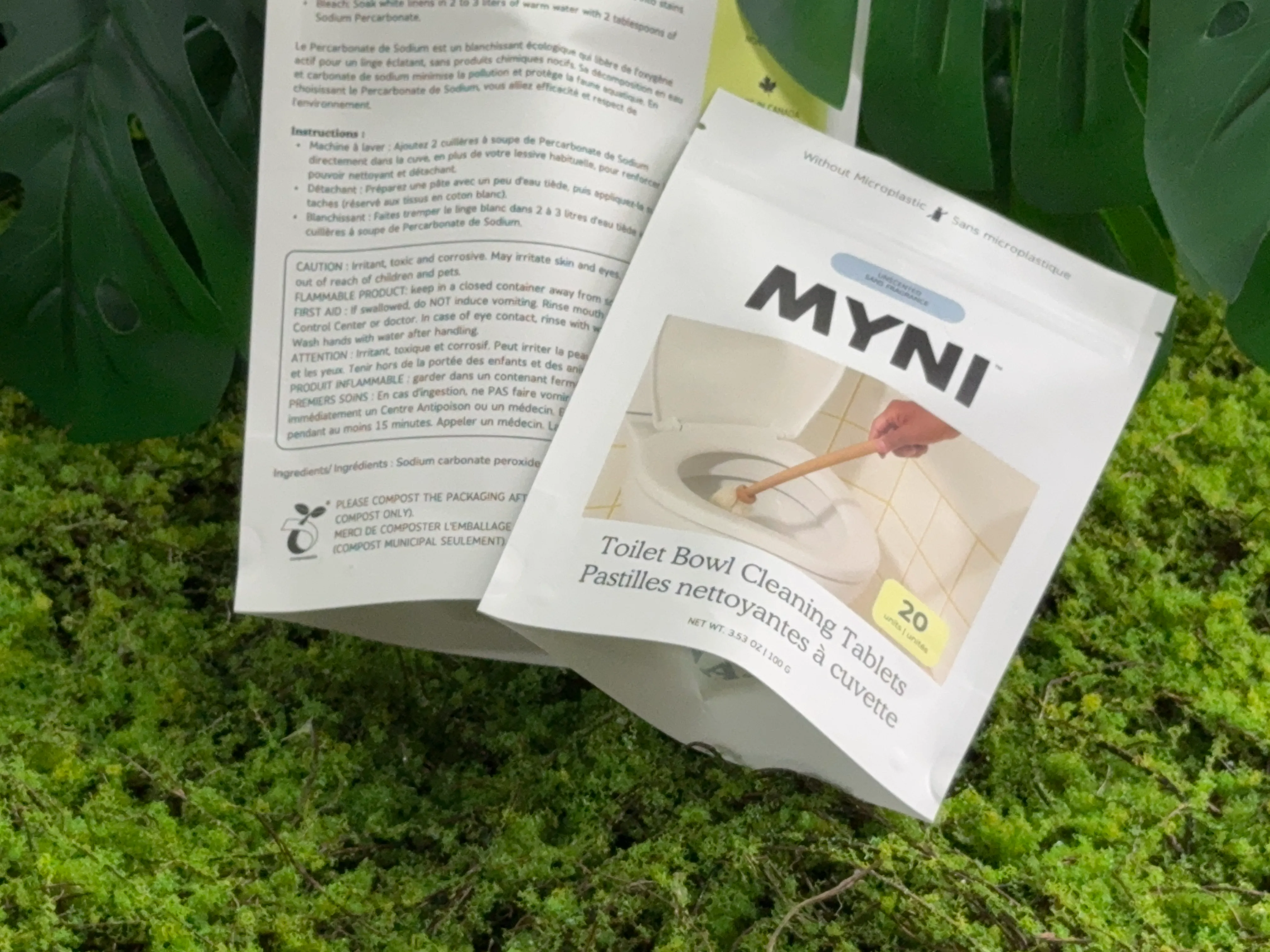
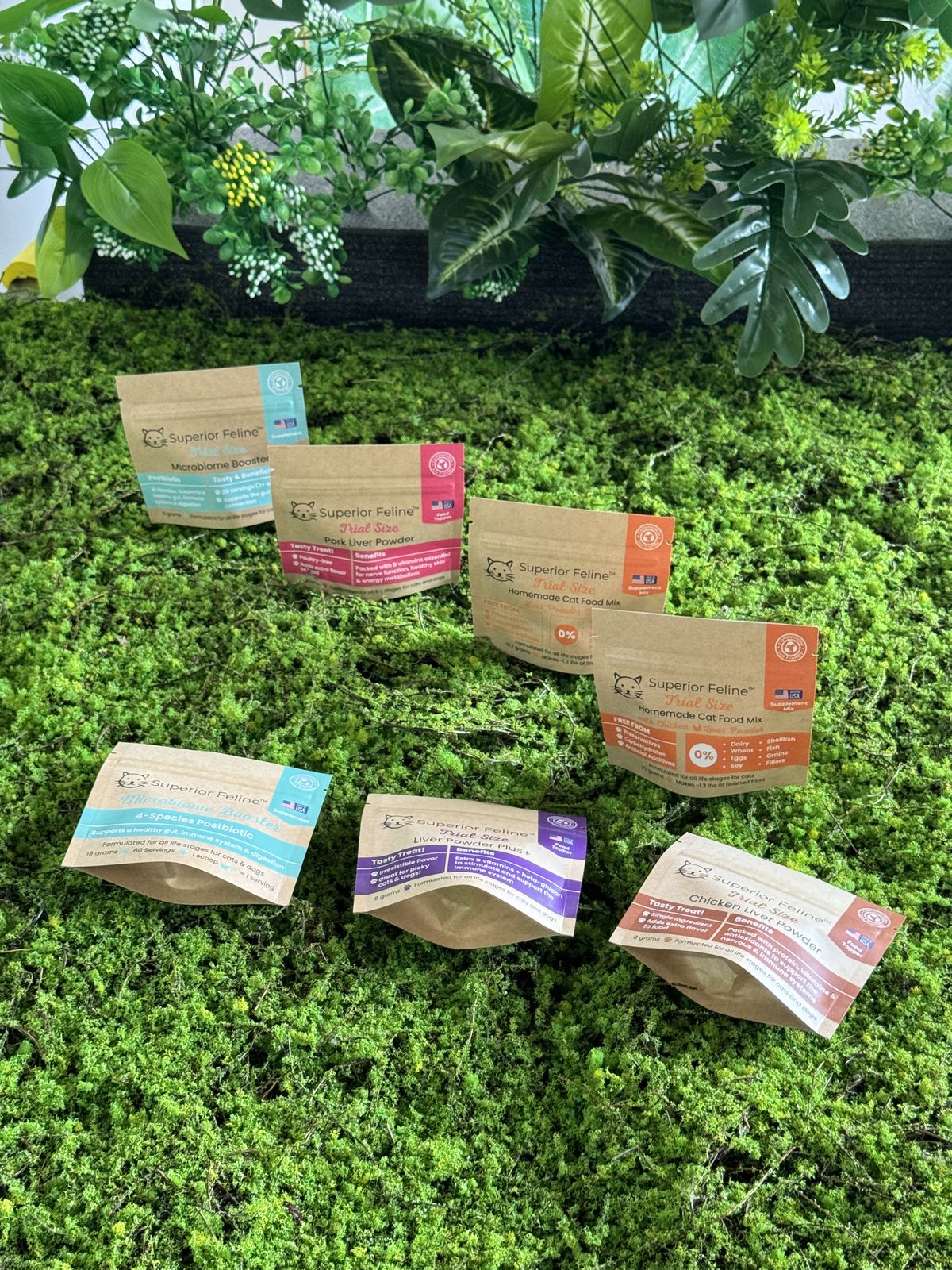
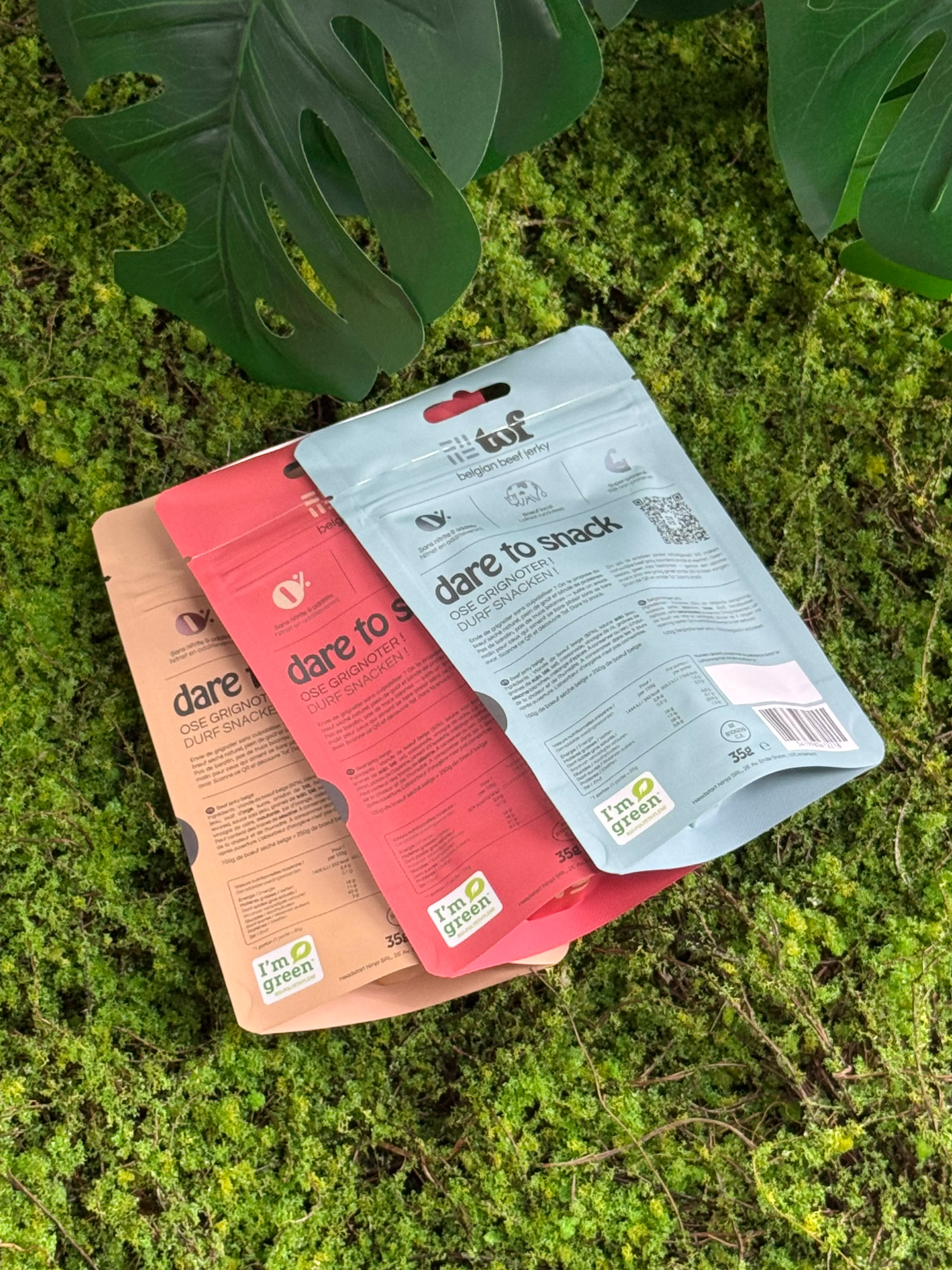
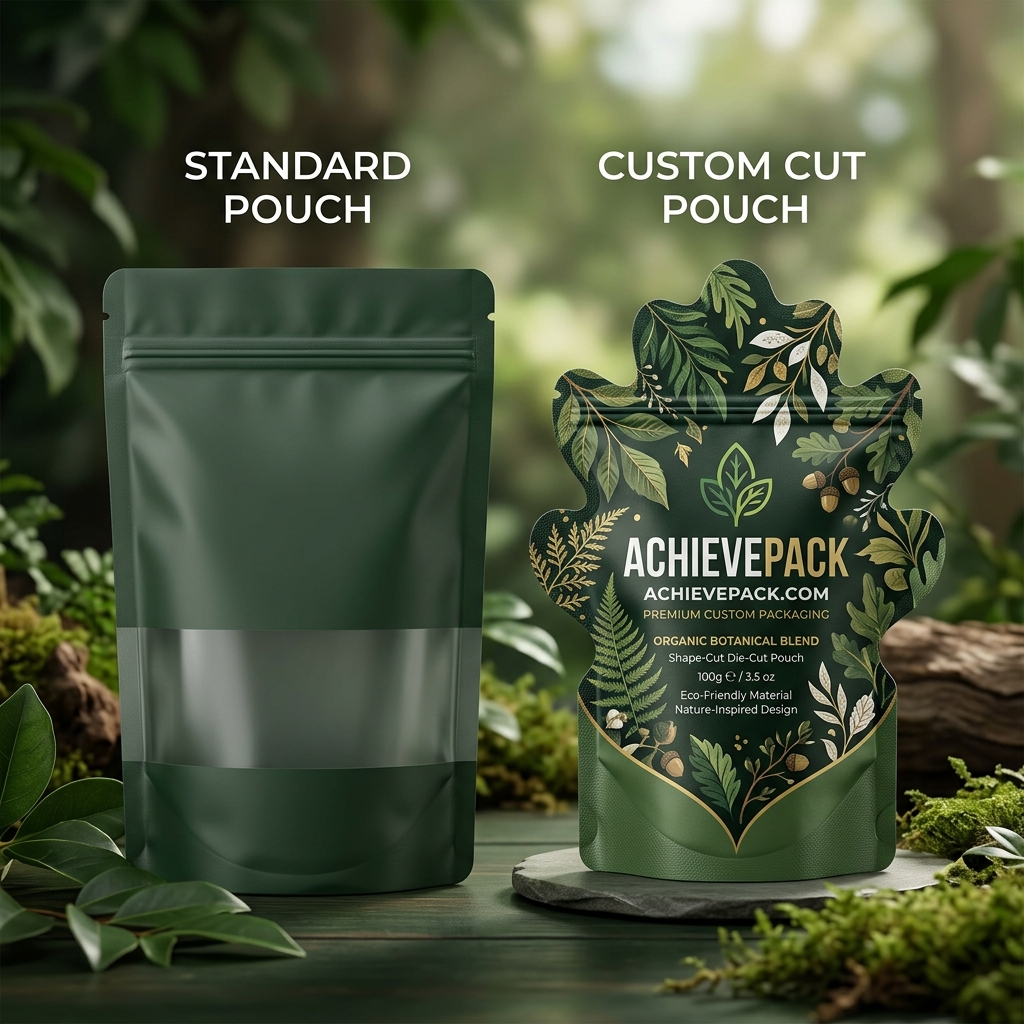
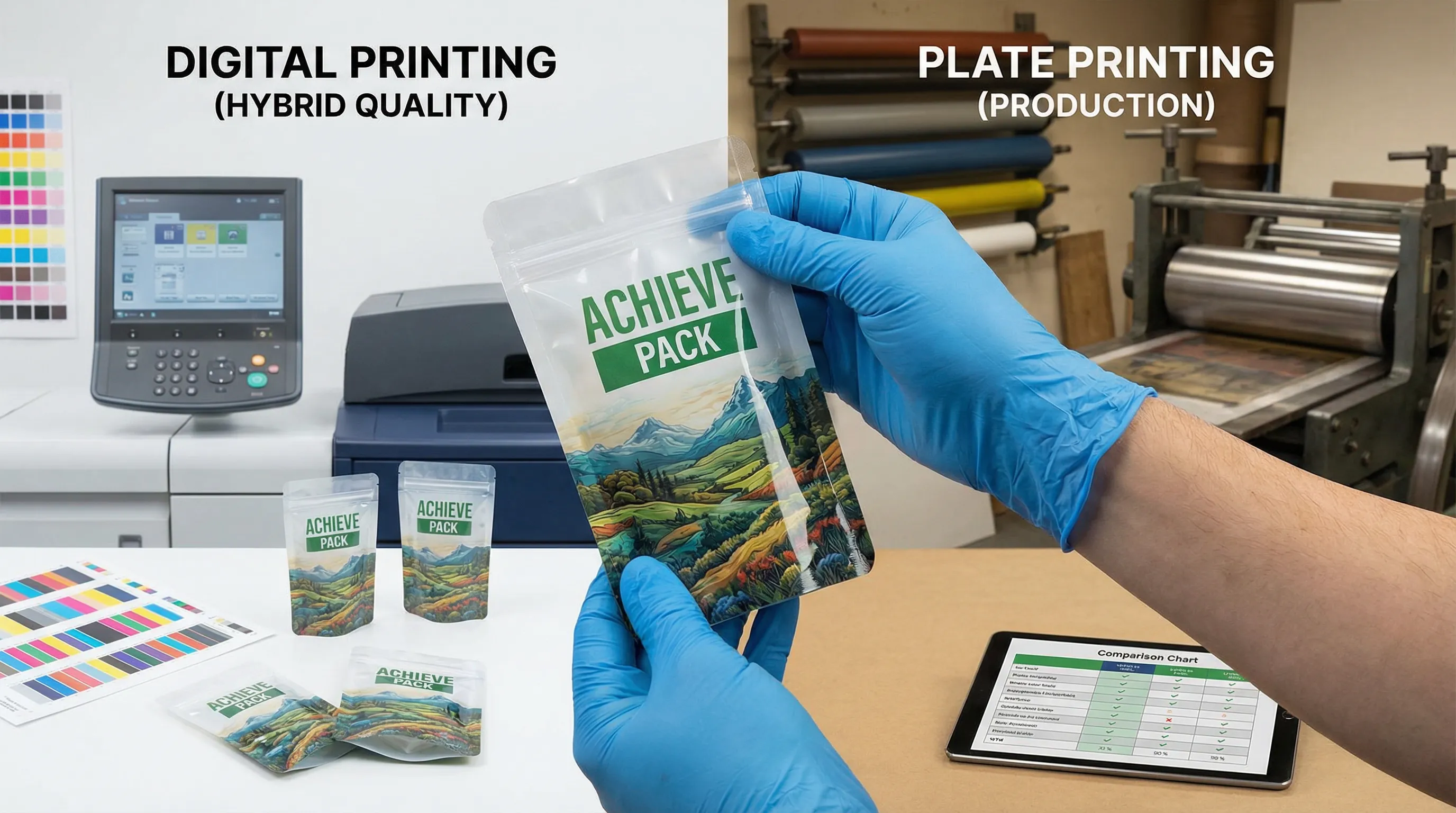
The right printing method depends on your order quantity, design complexity, and budget. Achieve Pack offers two main printing technologies, each with distinct advantages.
Understanding your options helps you make the best choice for your brand
Let us guide you through the key differences and help you decide.
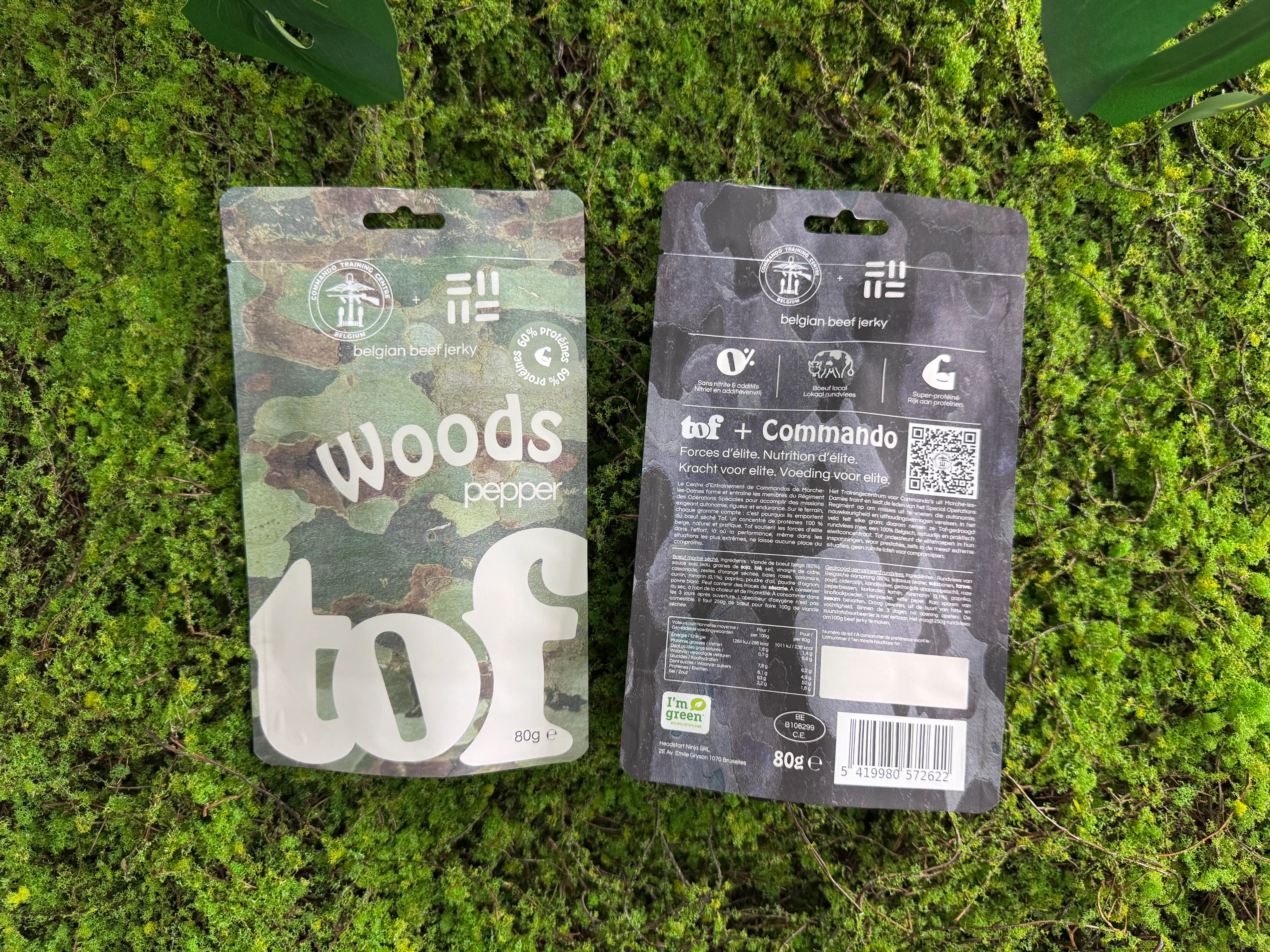
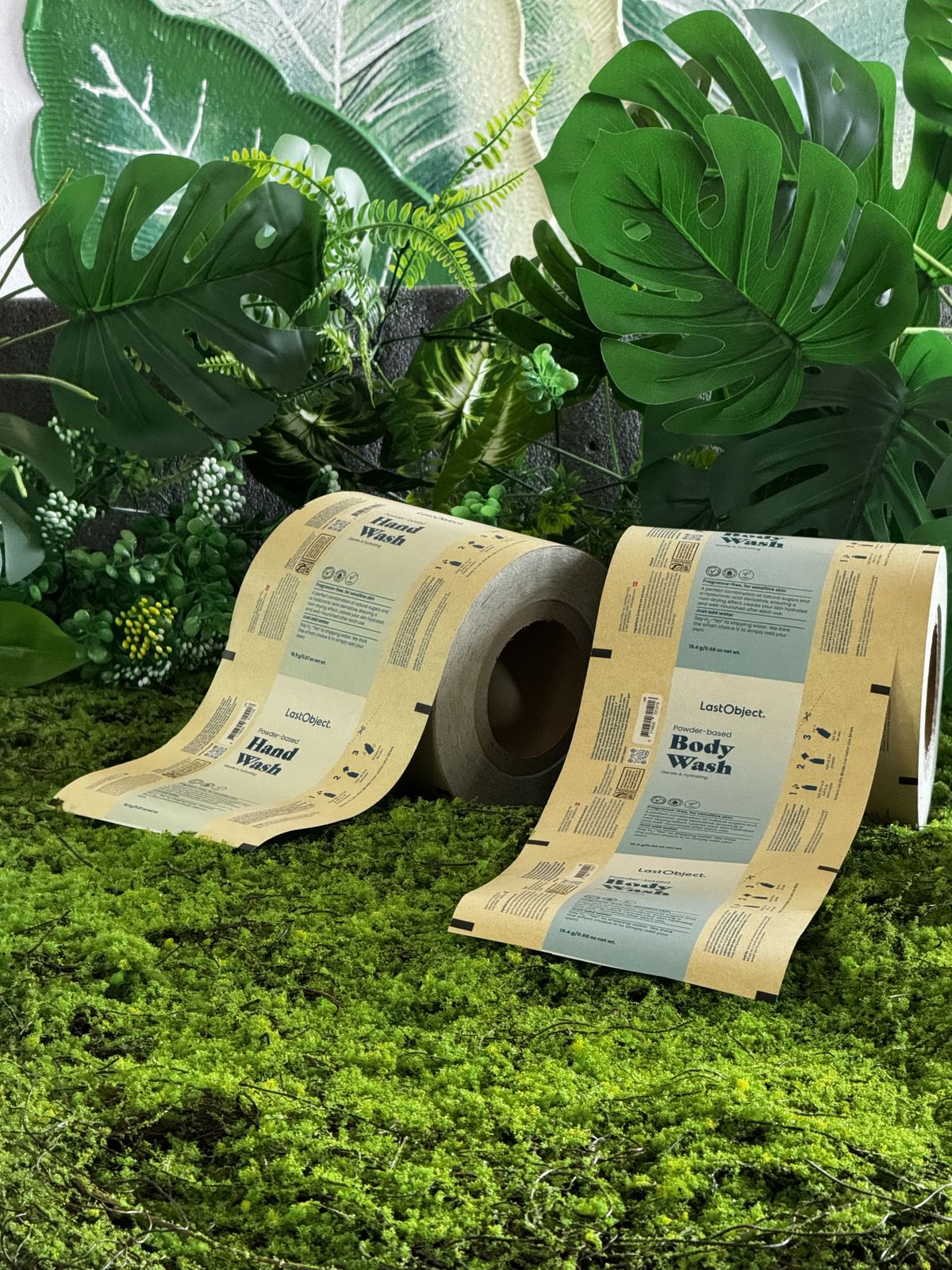
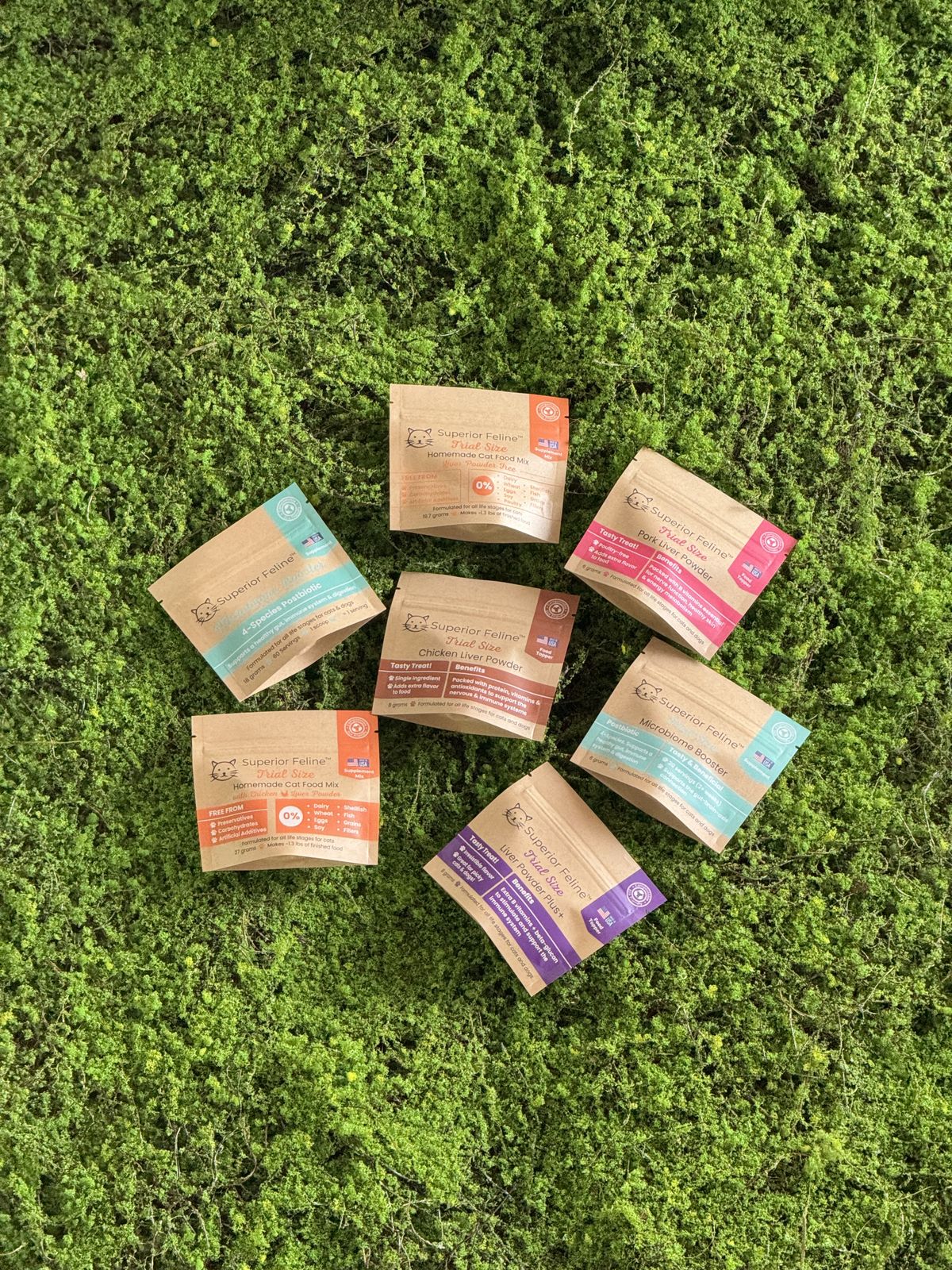
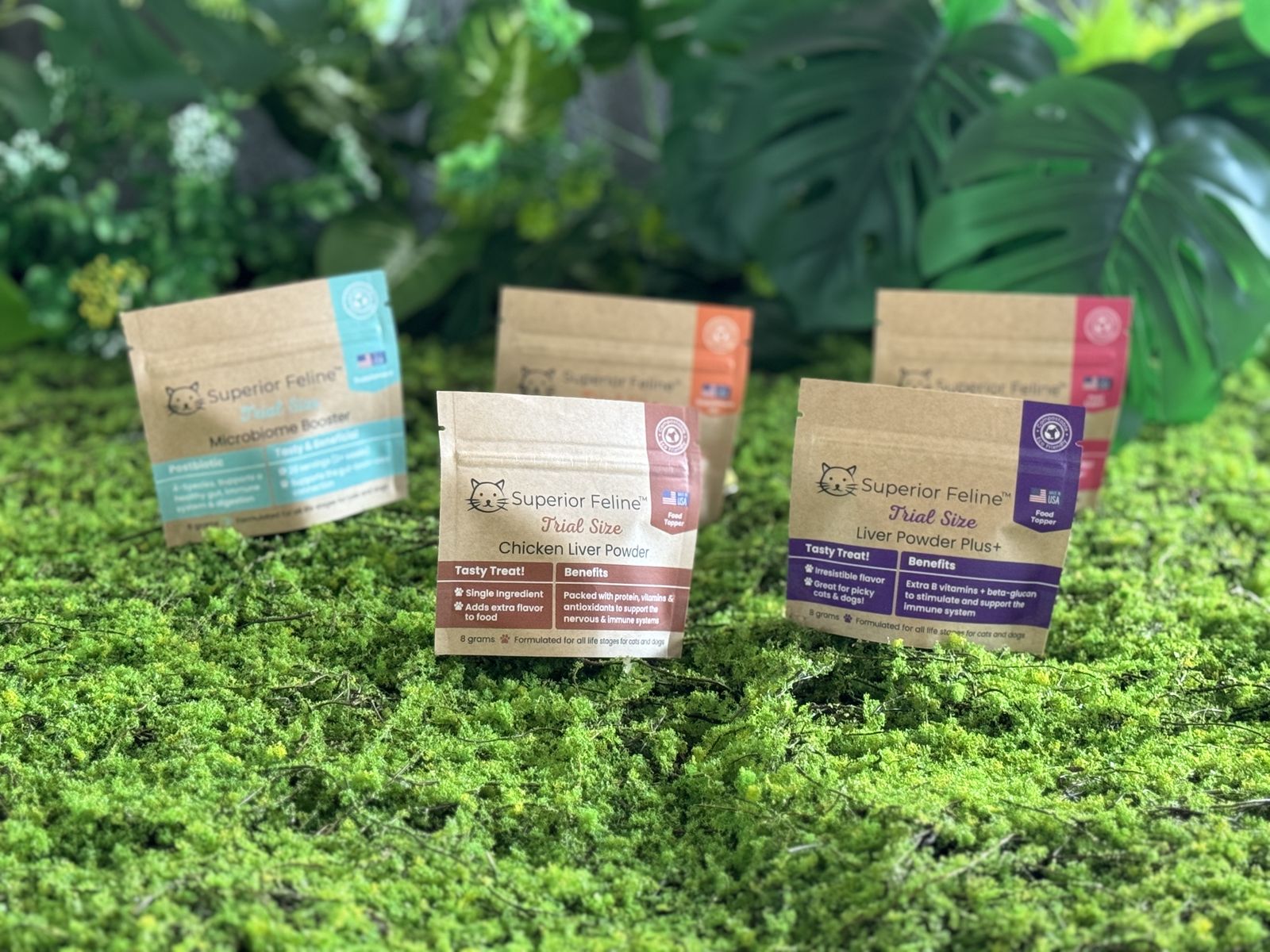
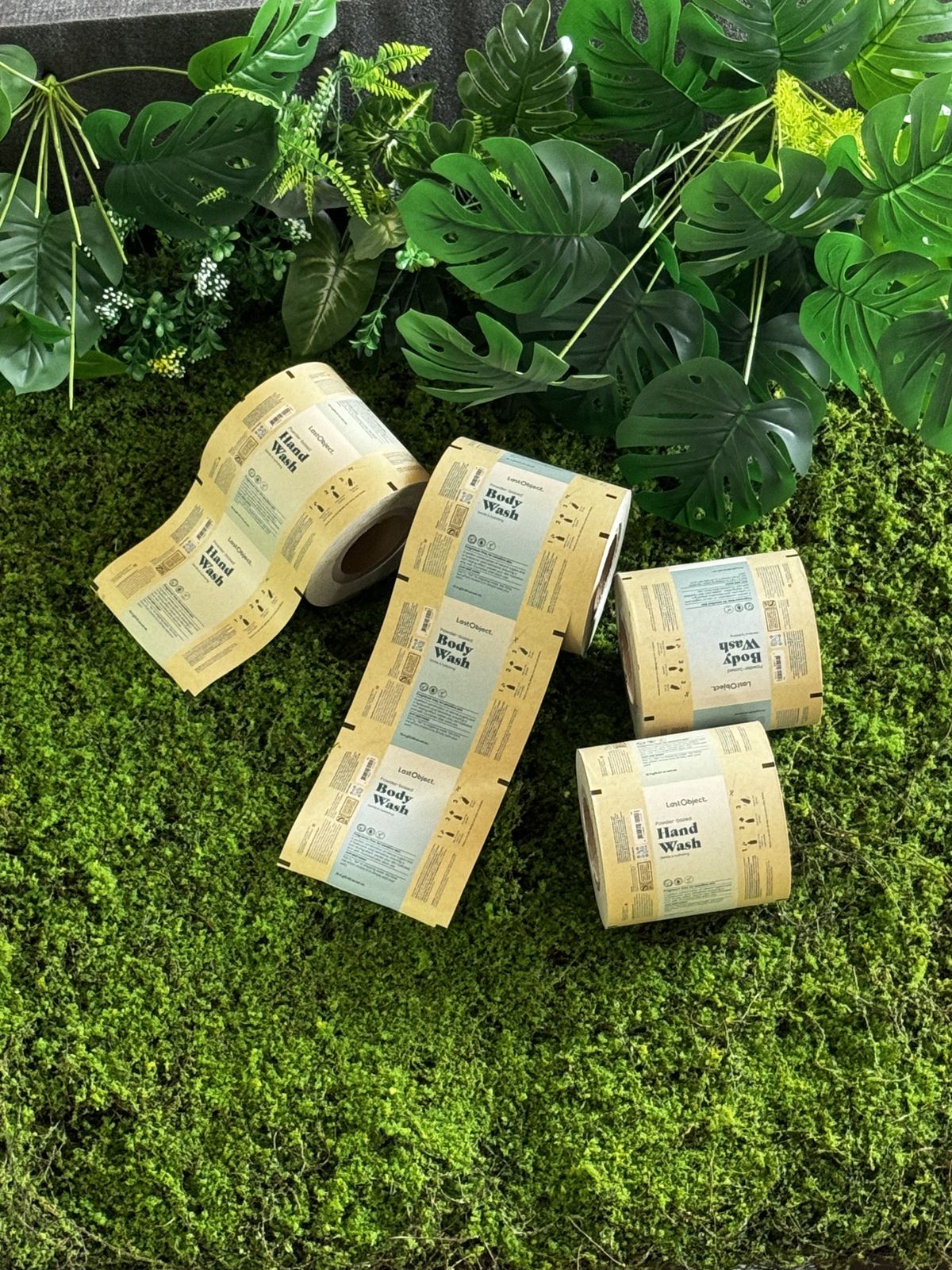
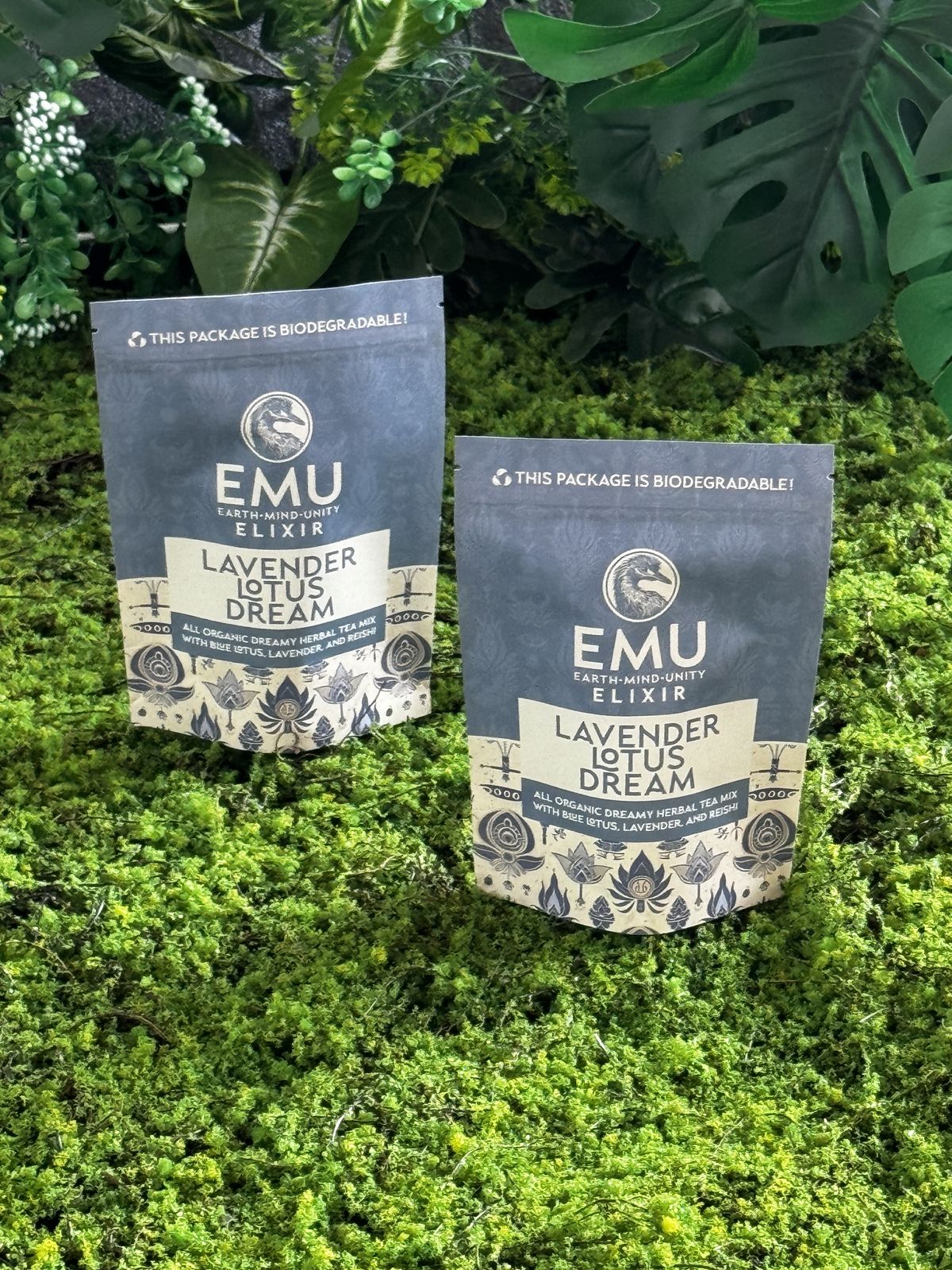
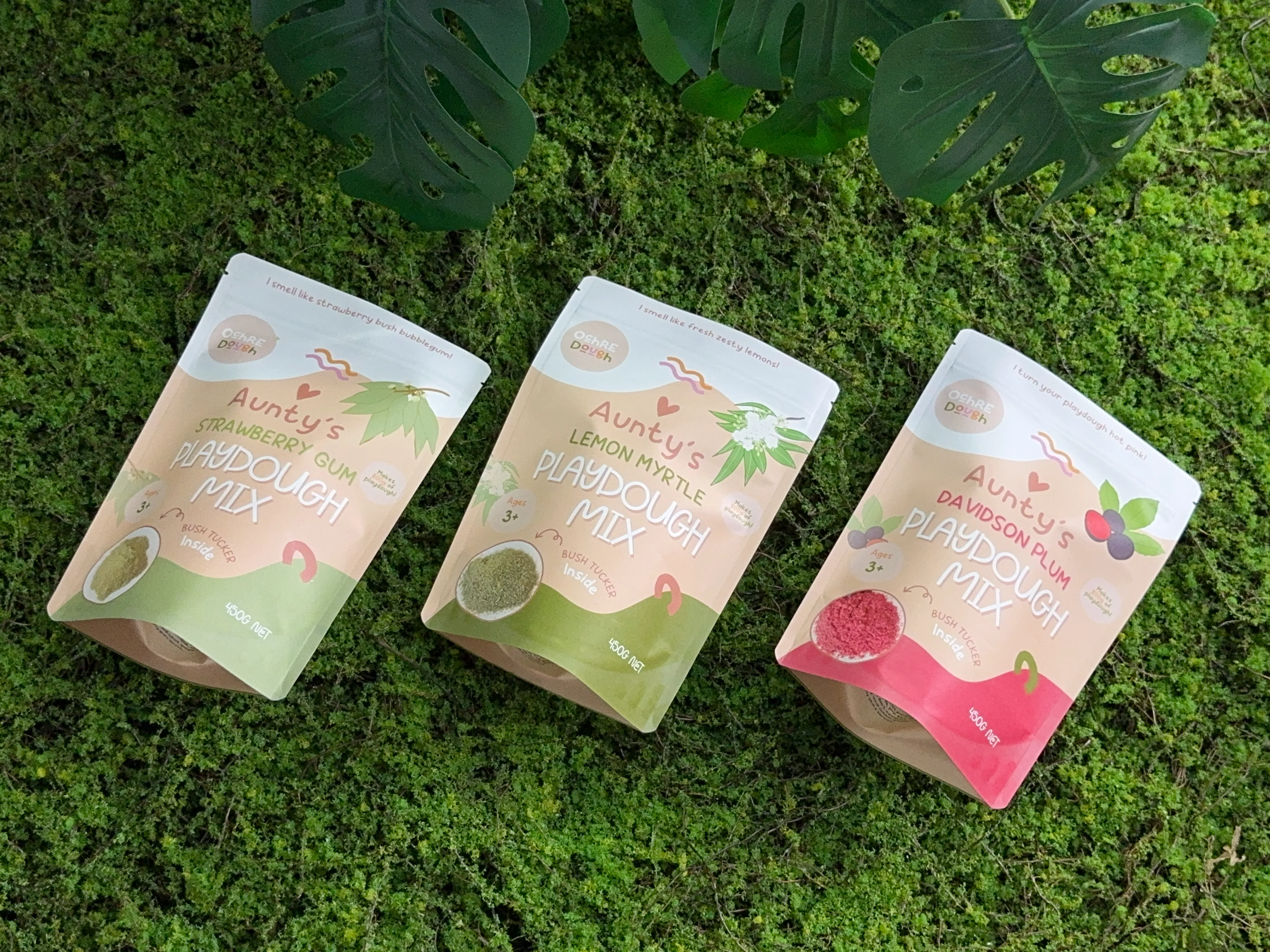
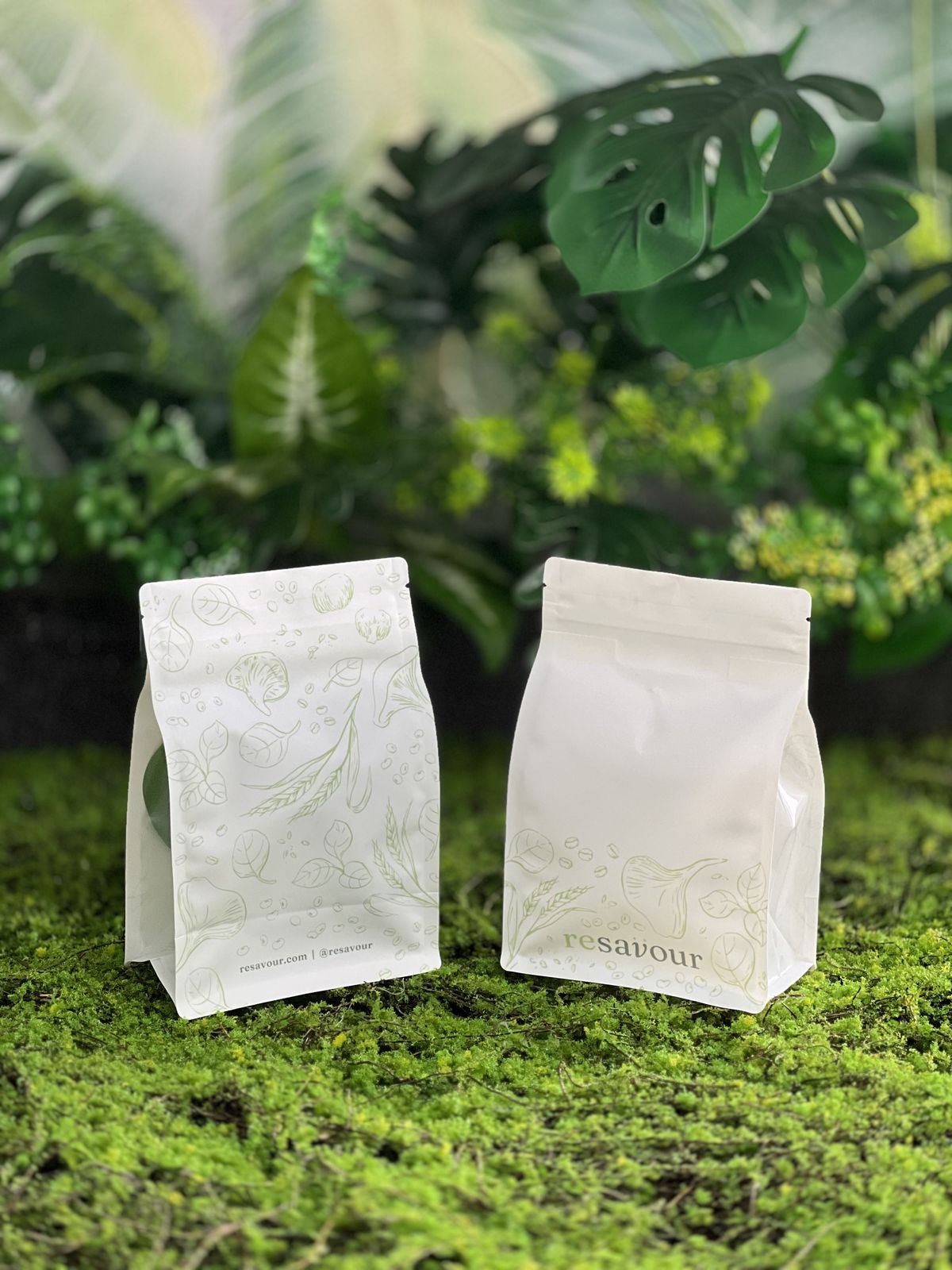
Printing & Finish Gallery
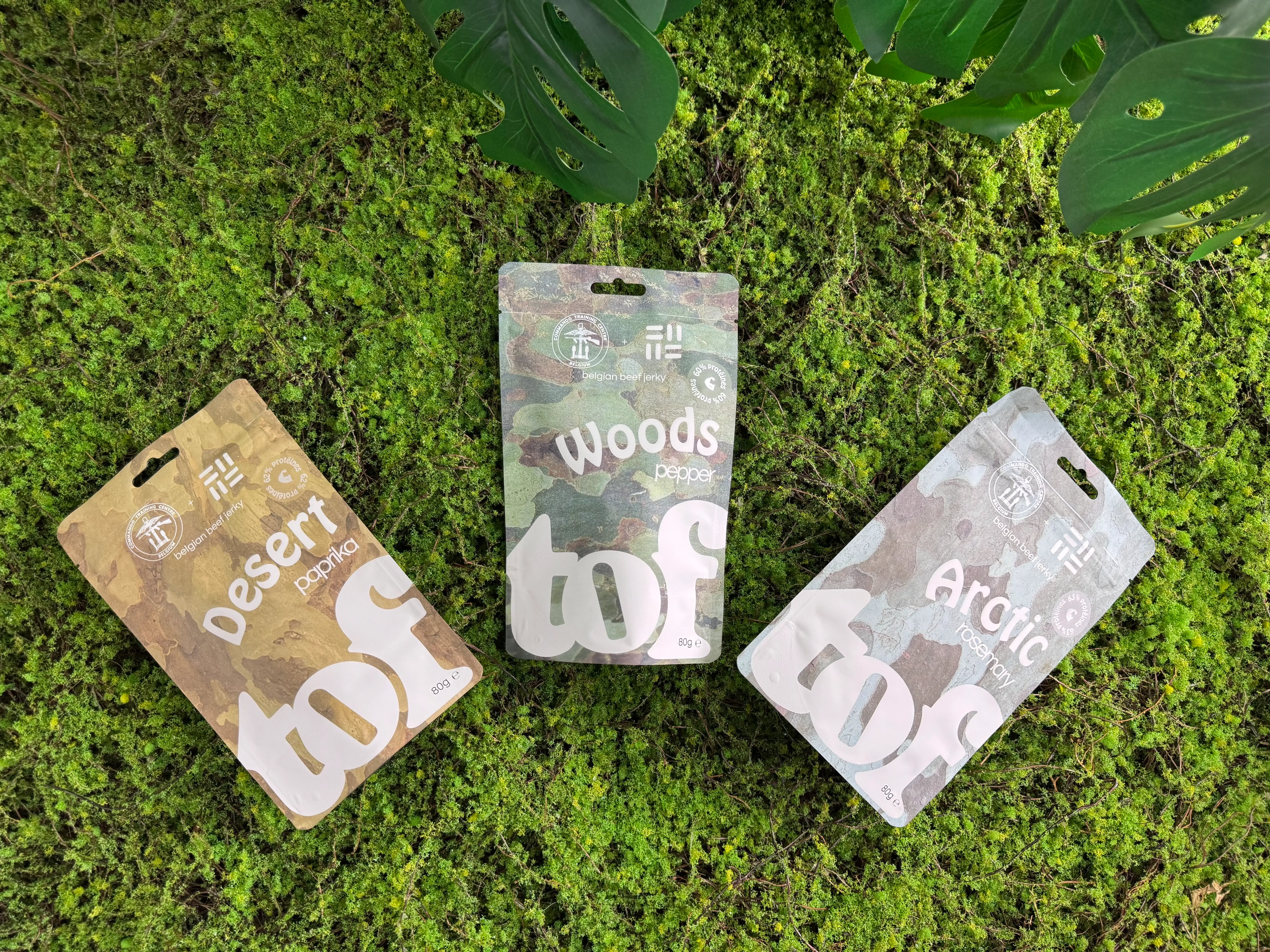
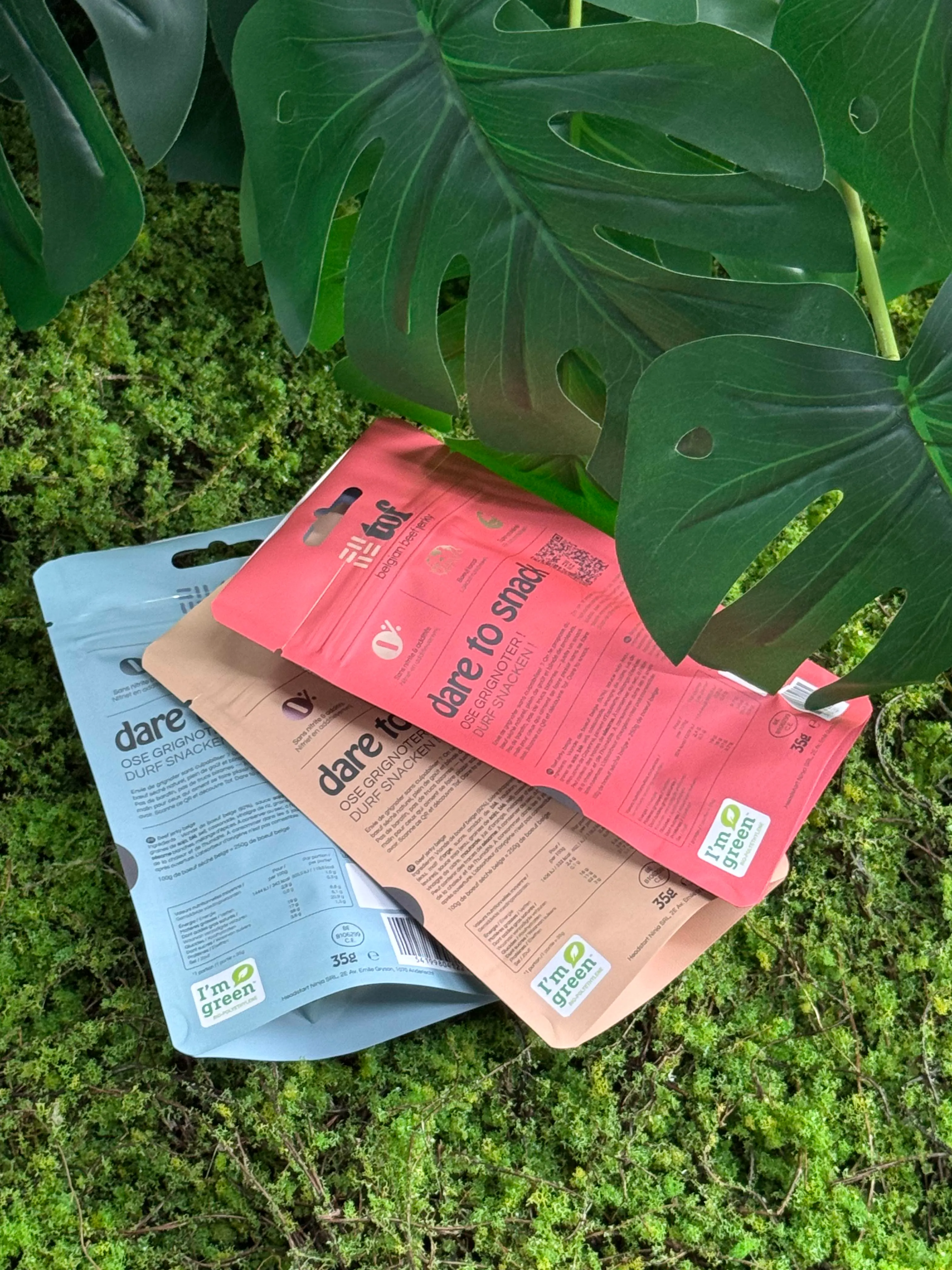
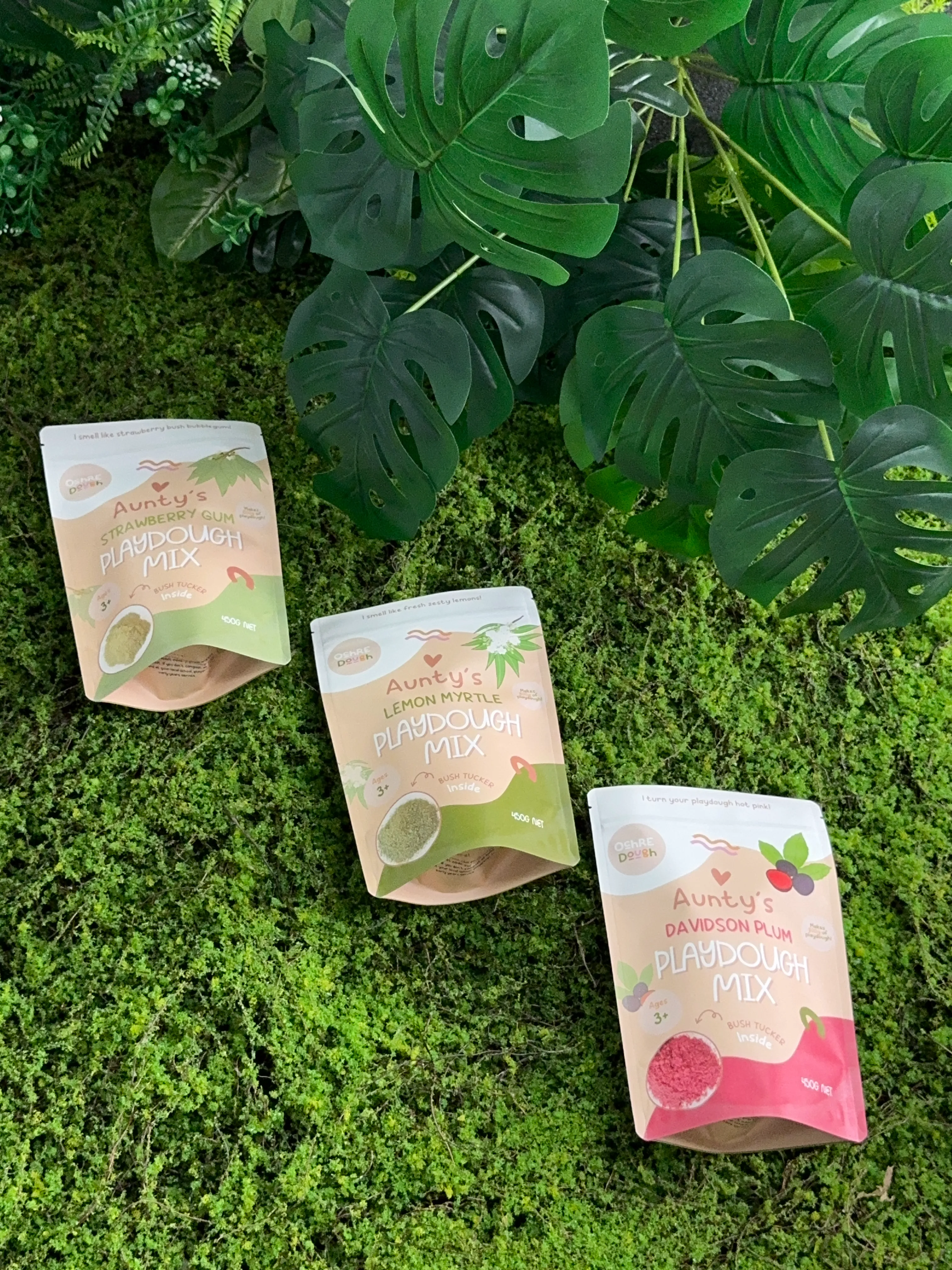
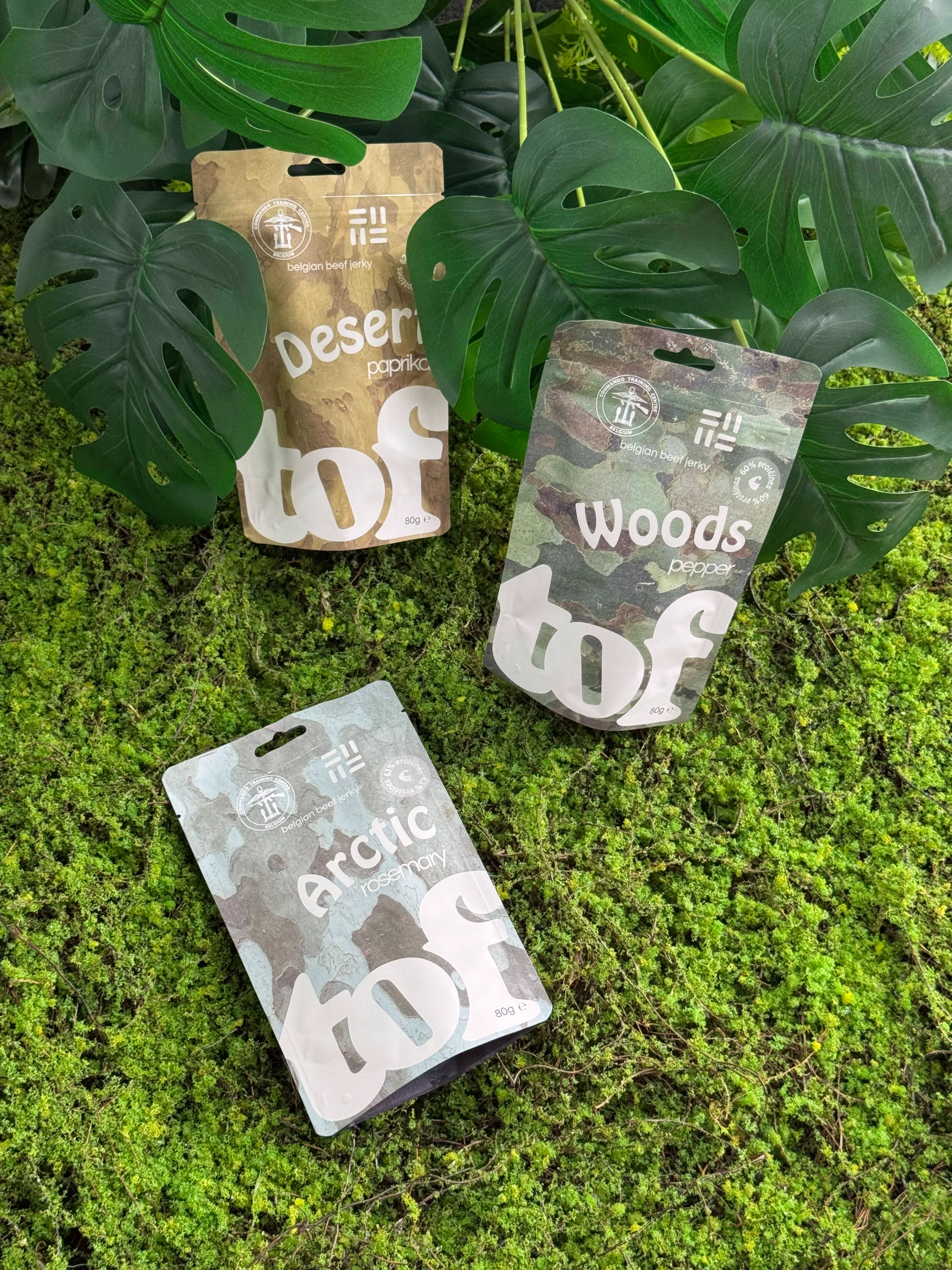
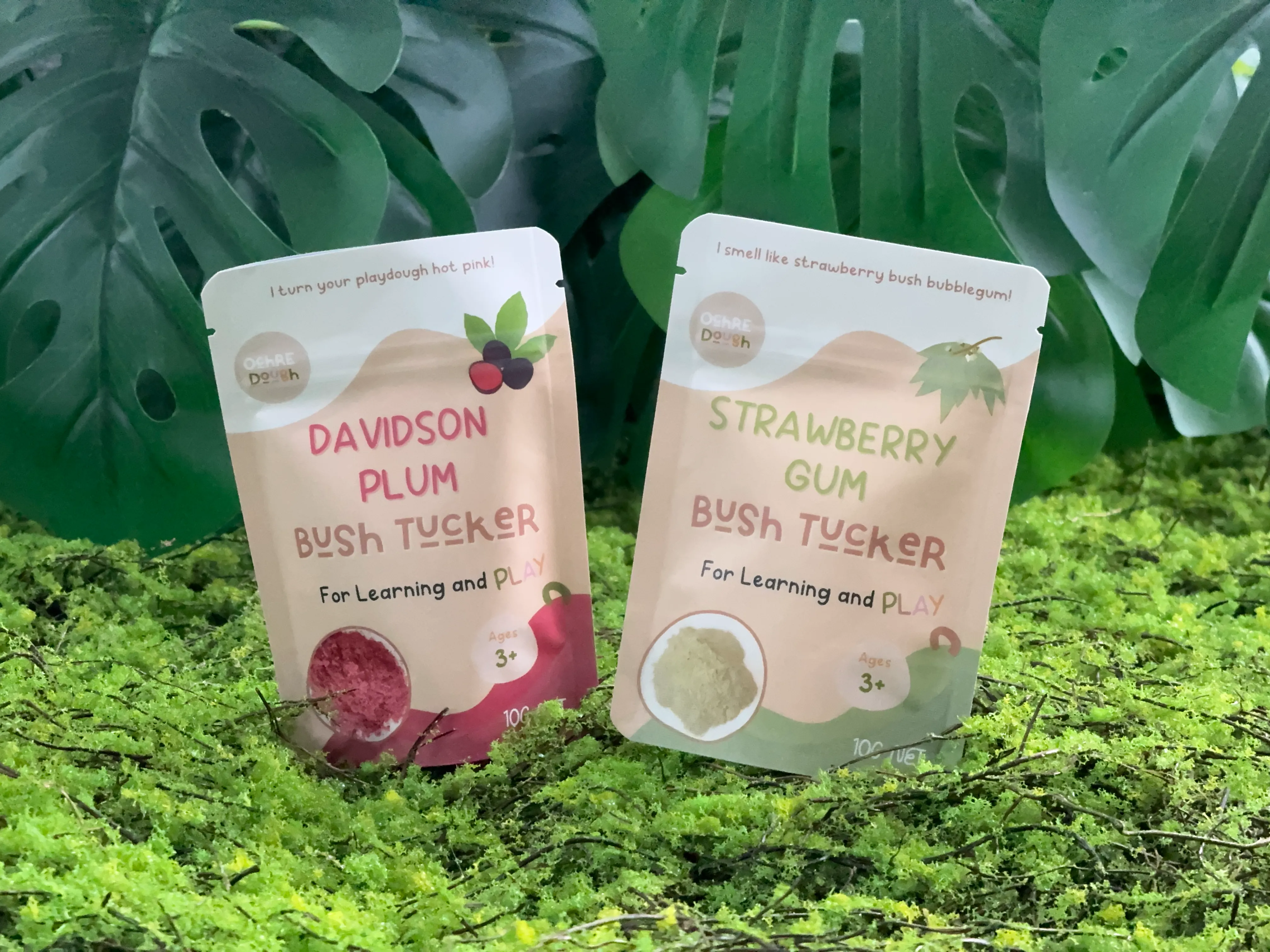
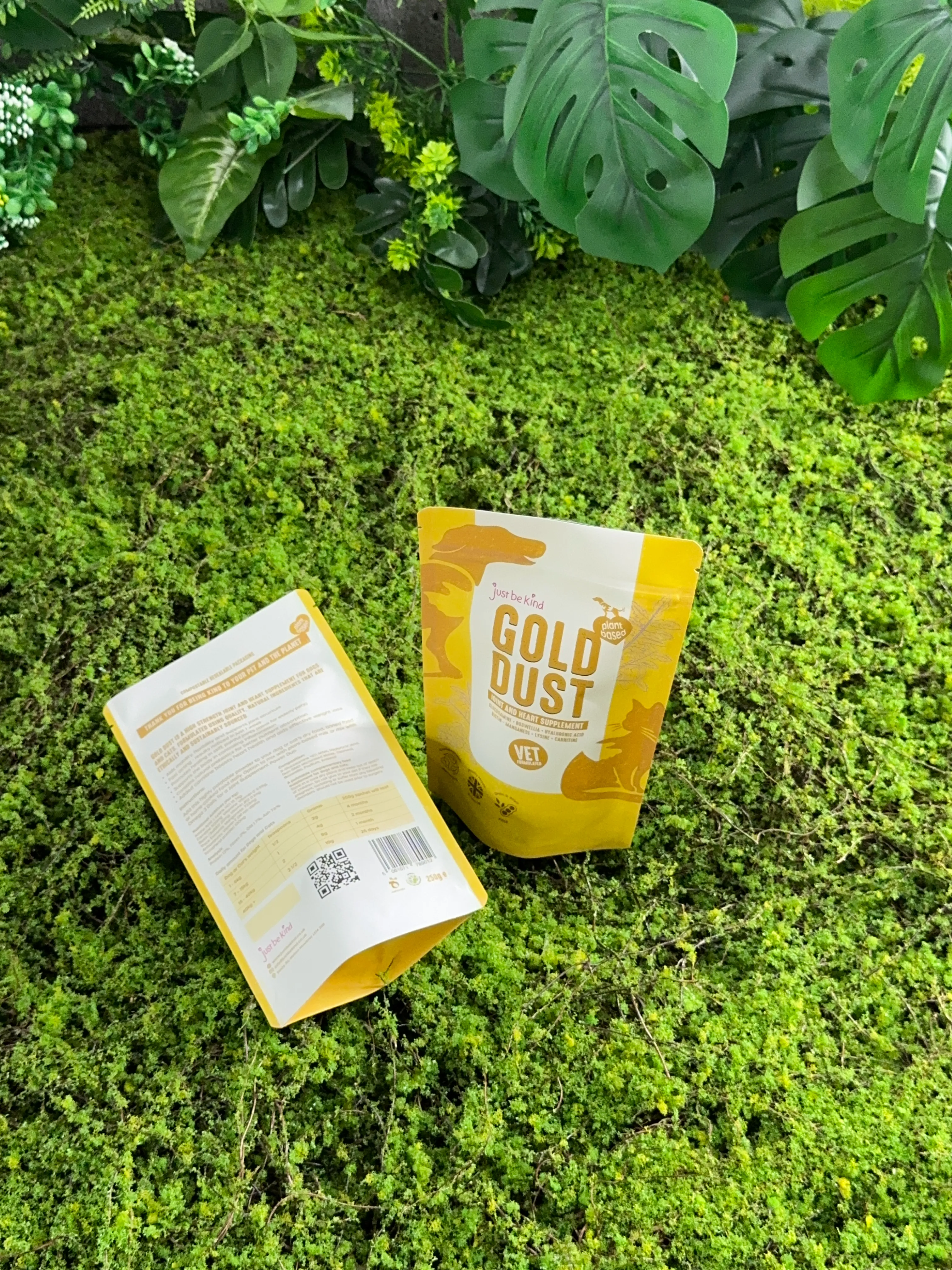
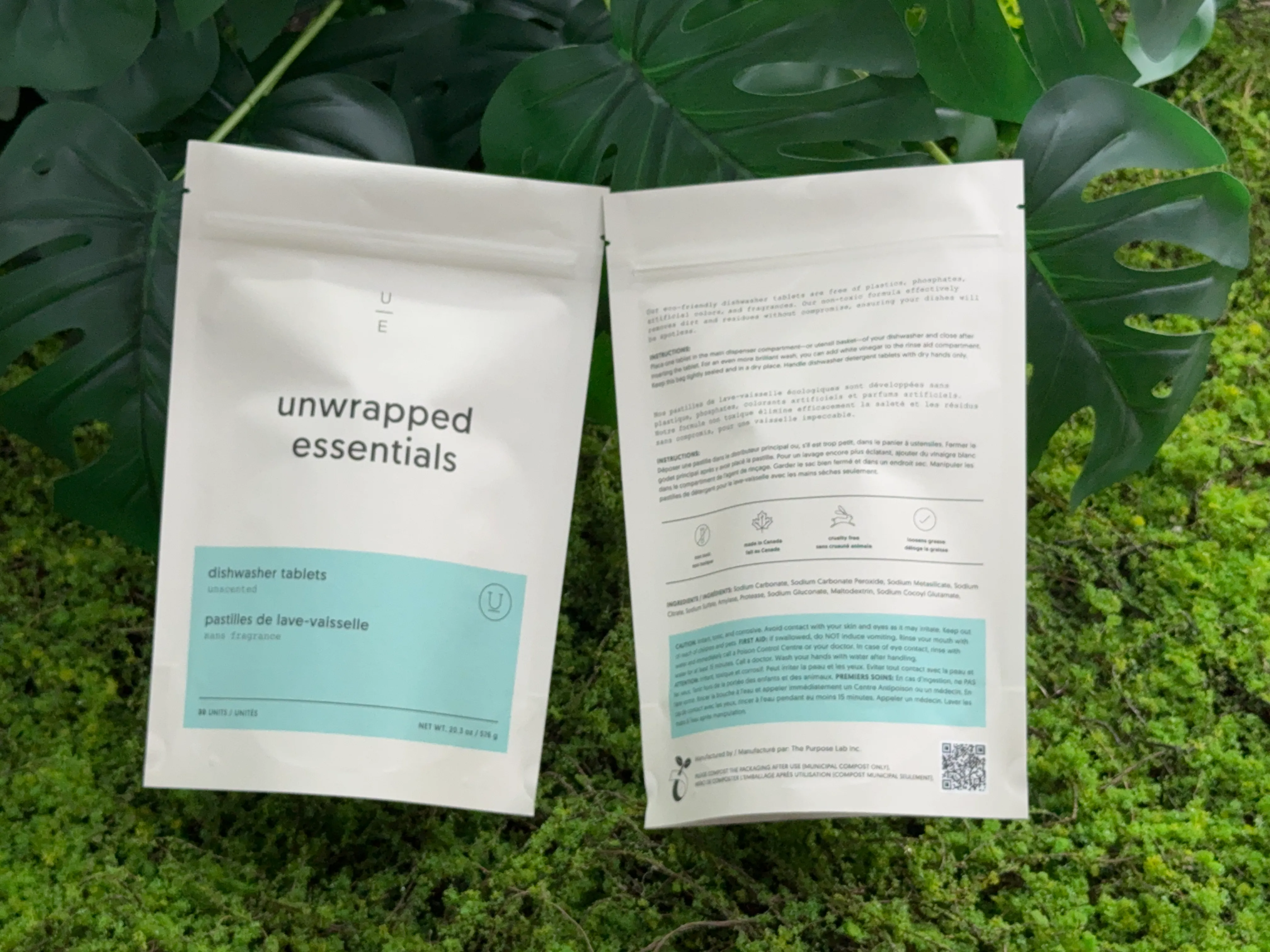
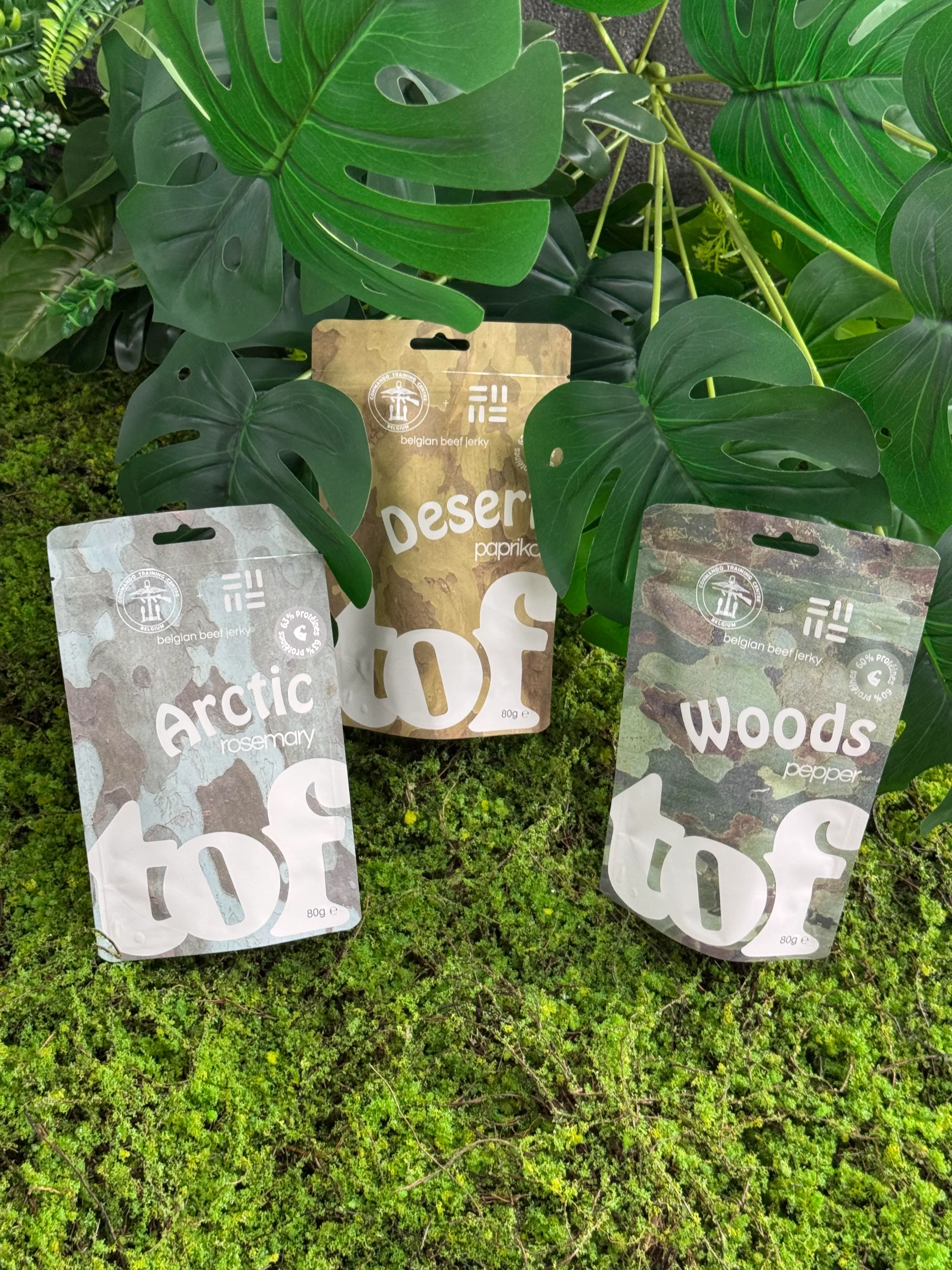
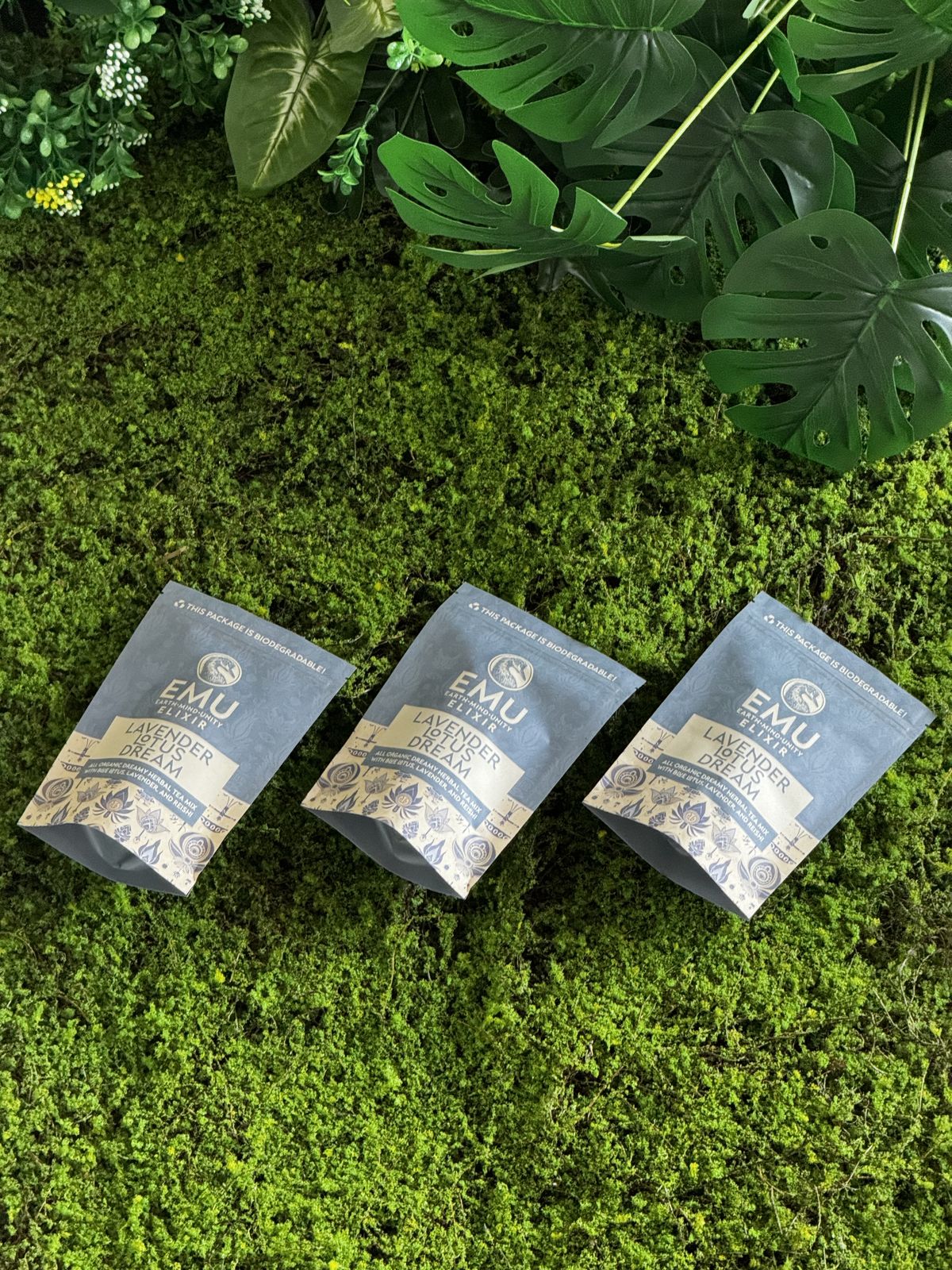
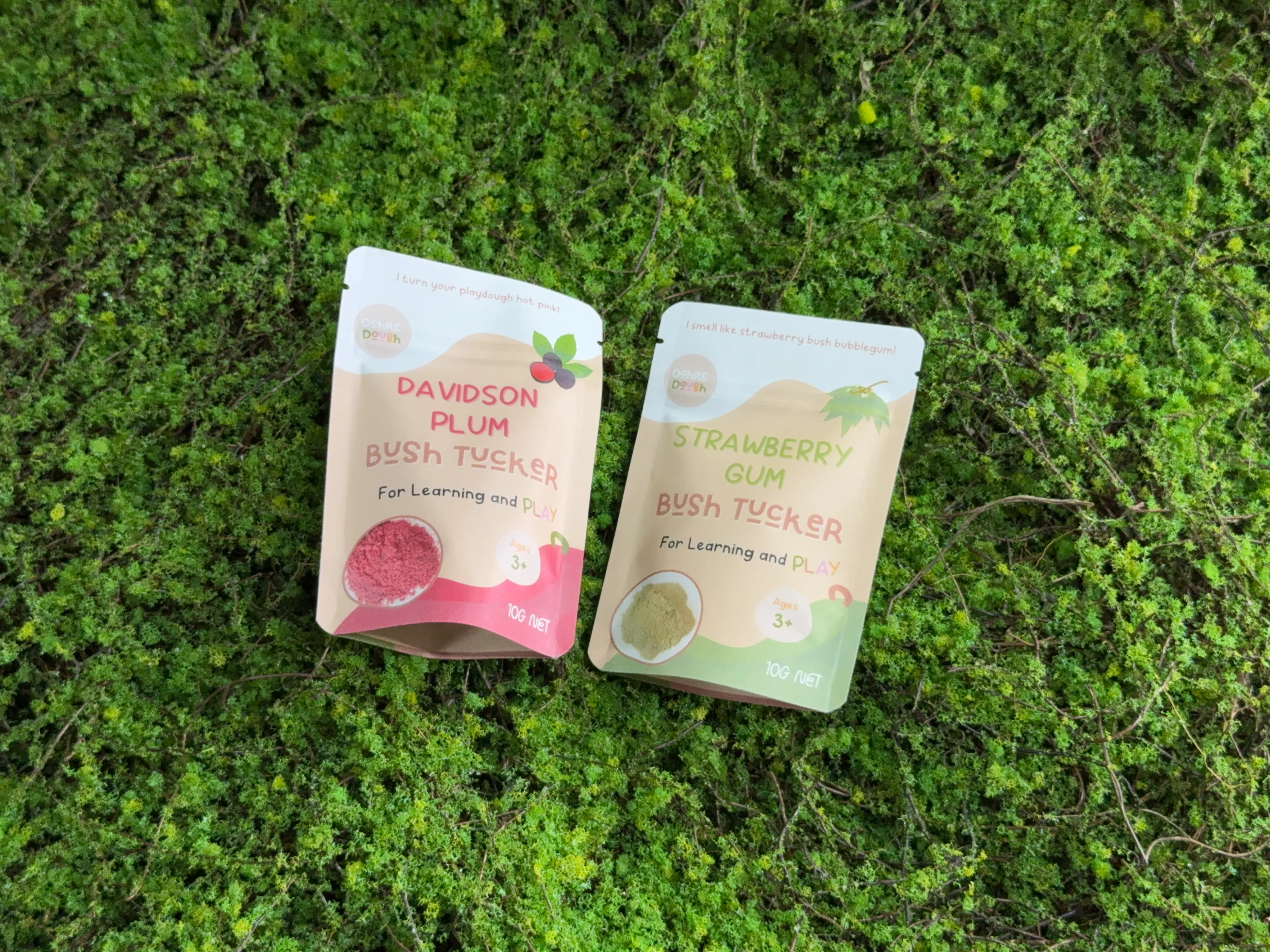
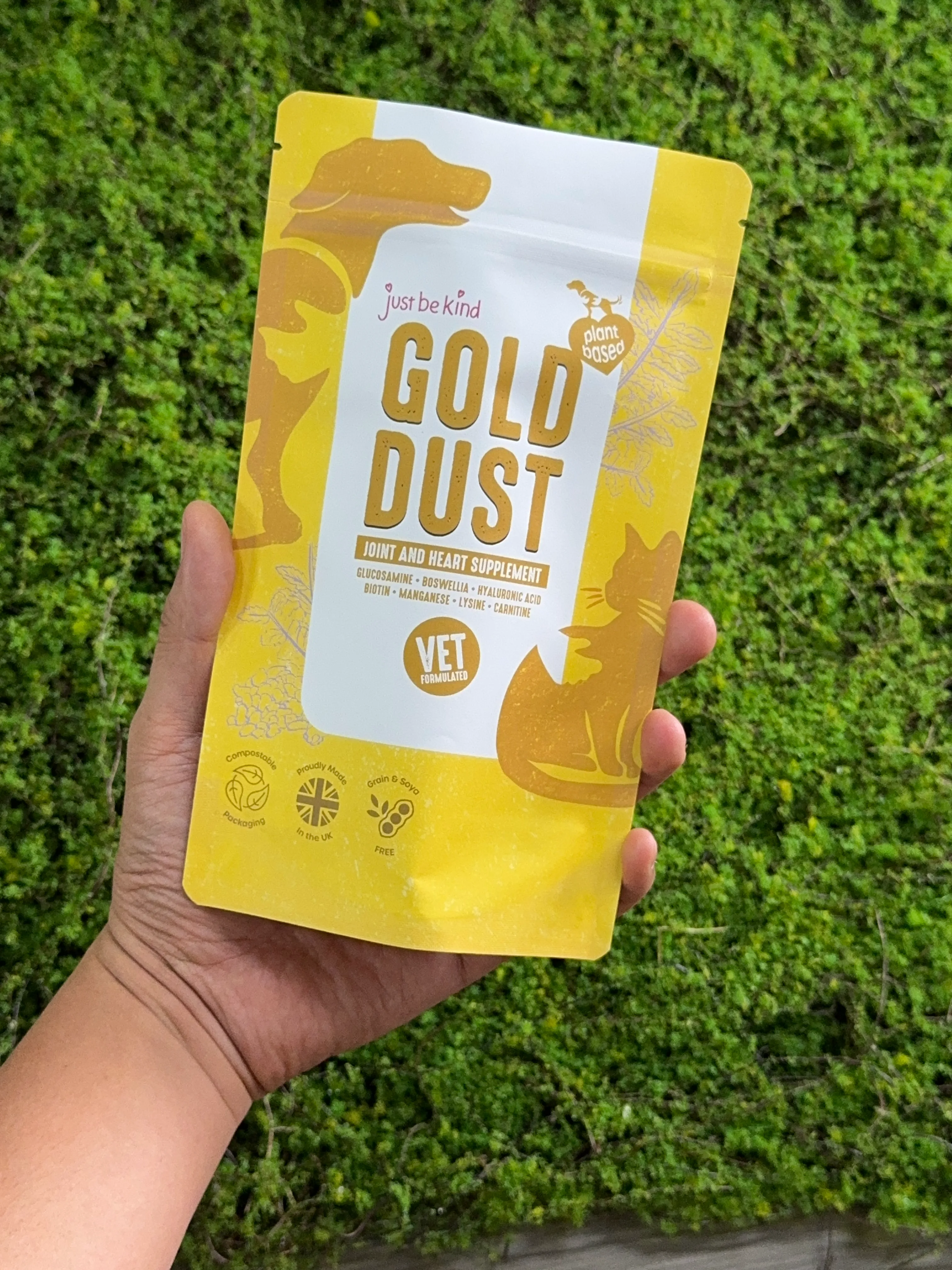
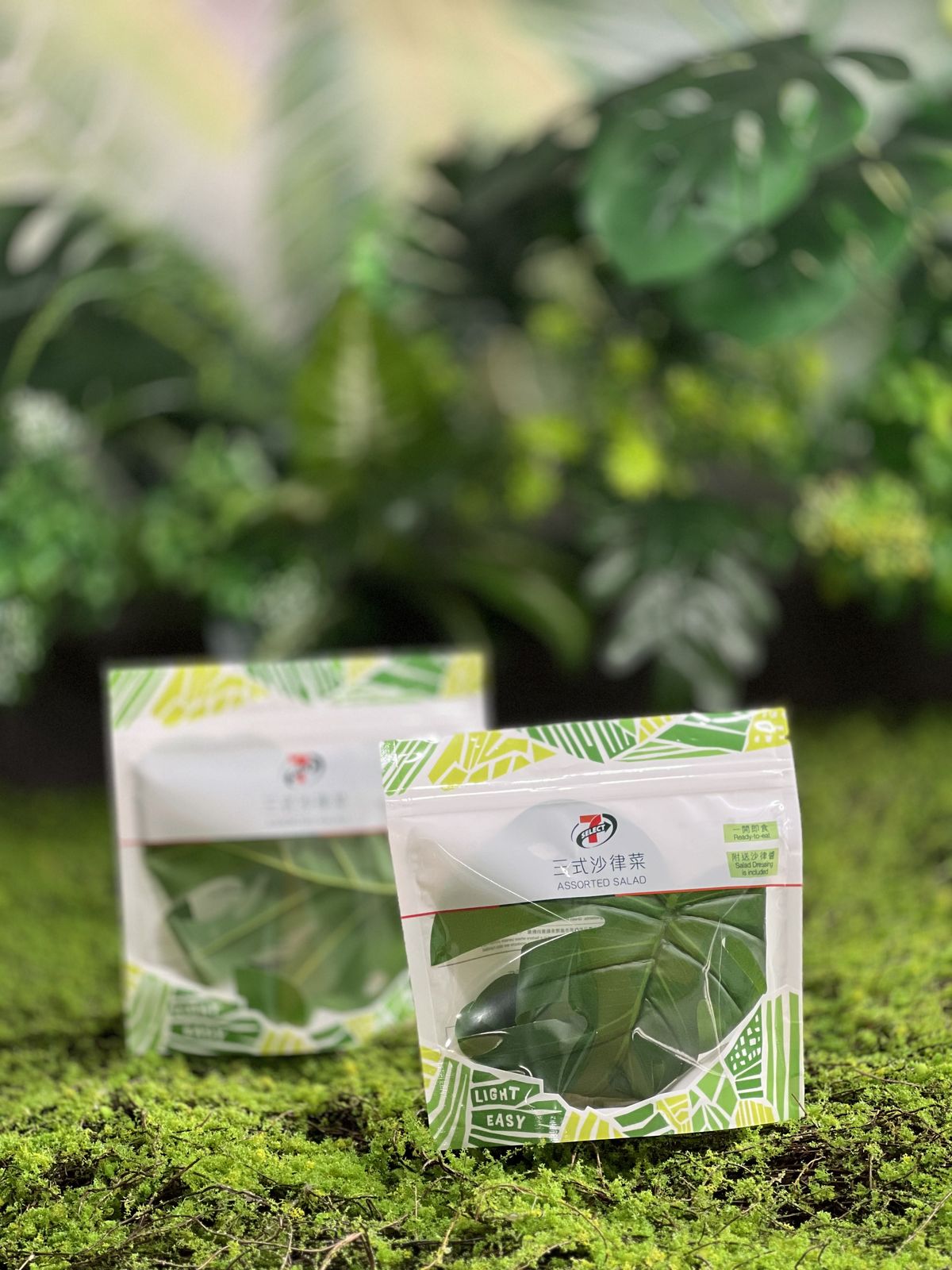
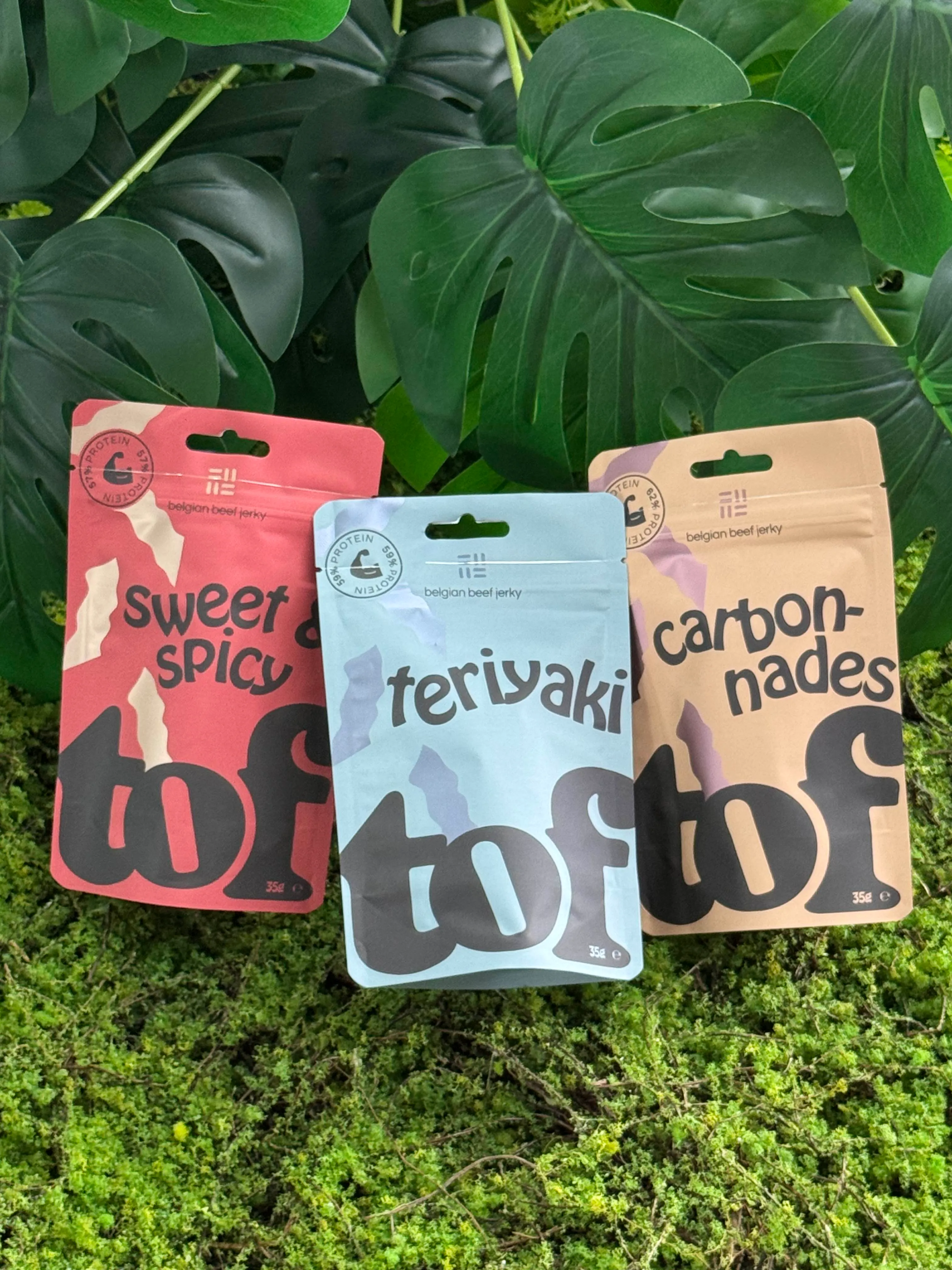
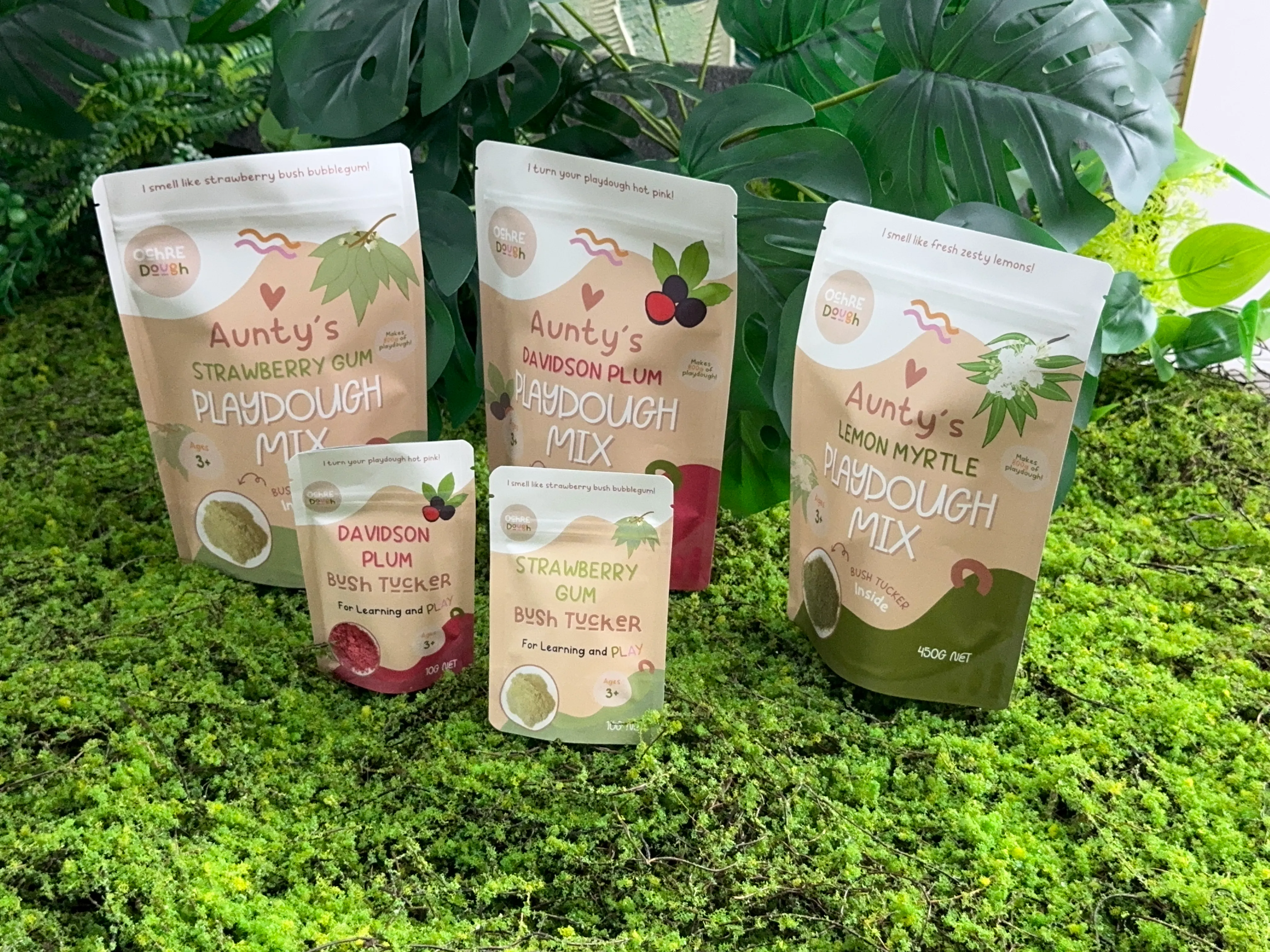
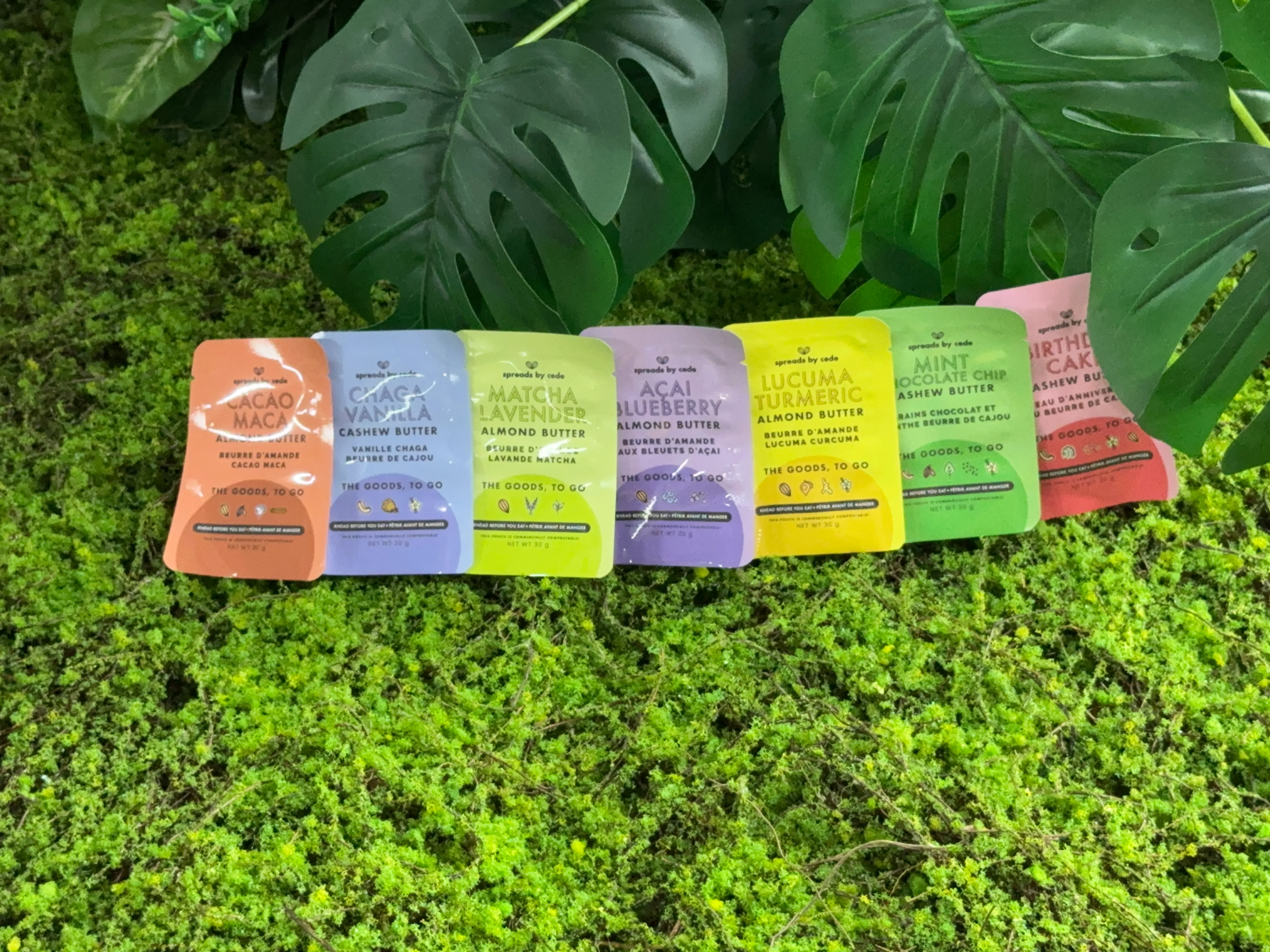
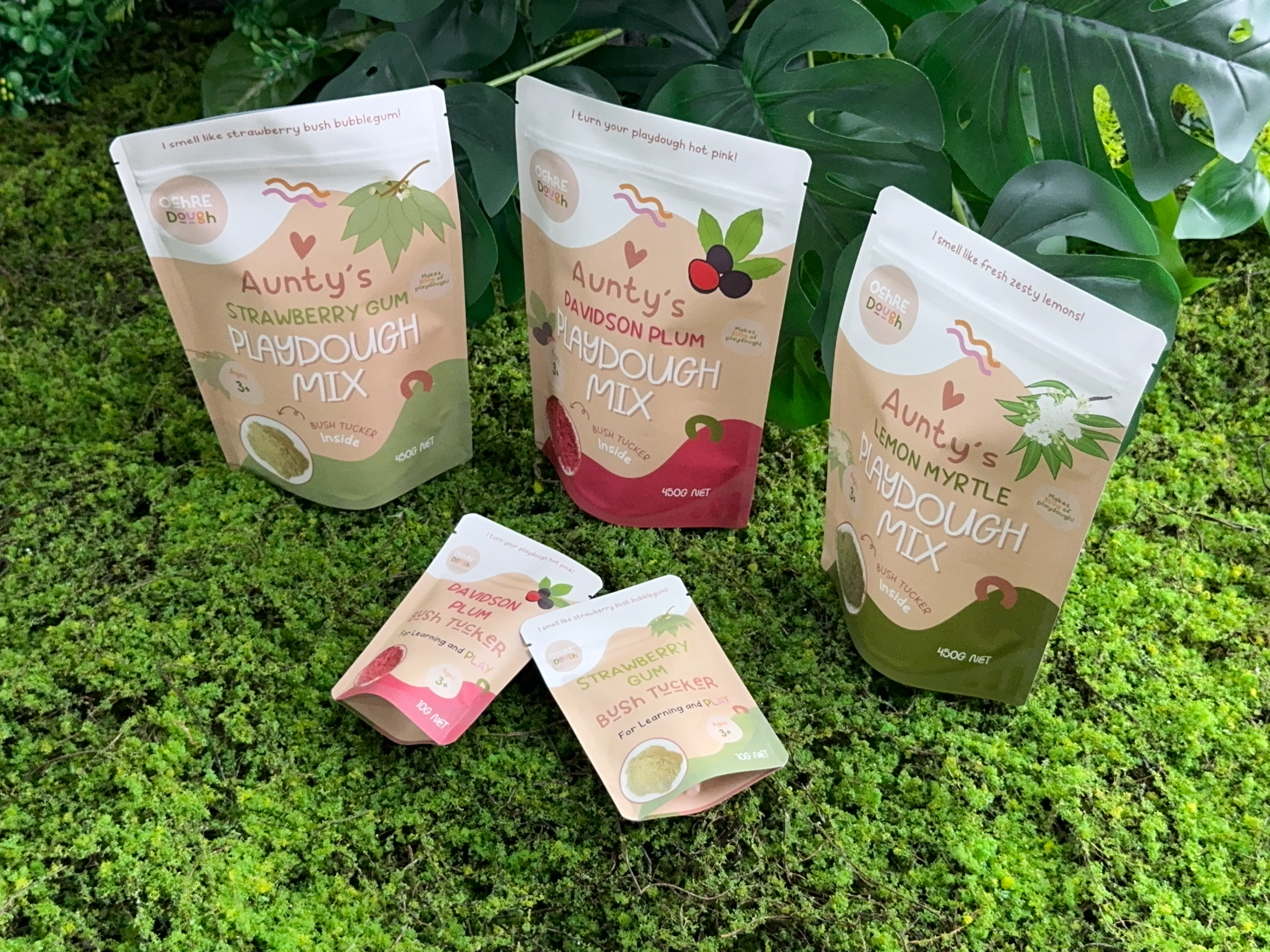
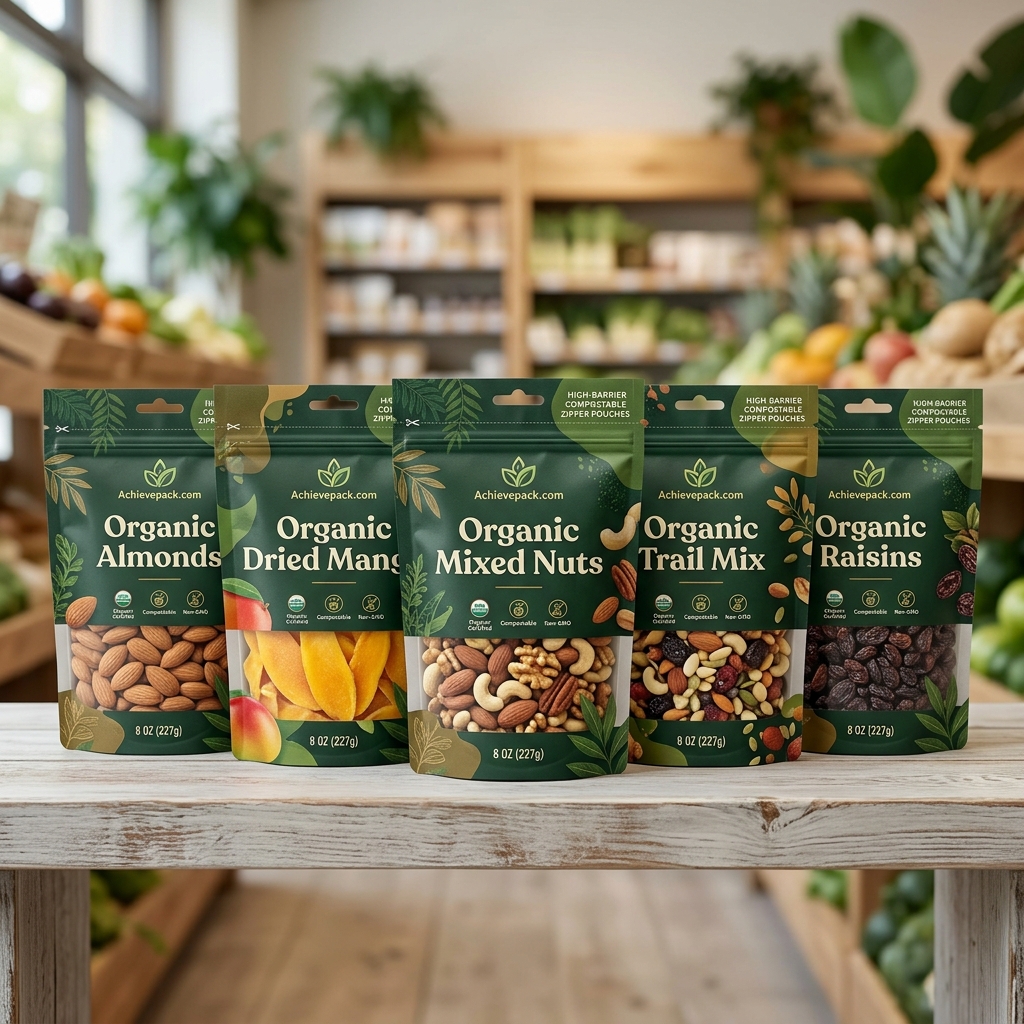
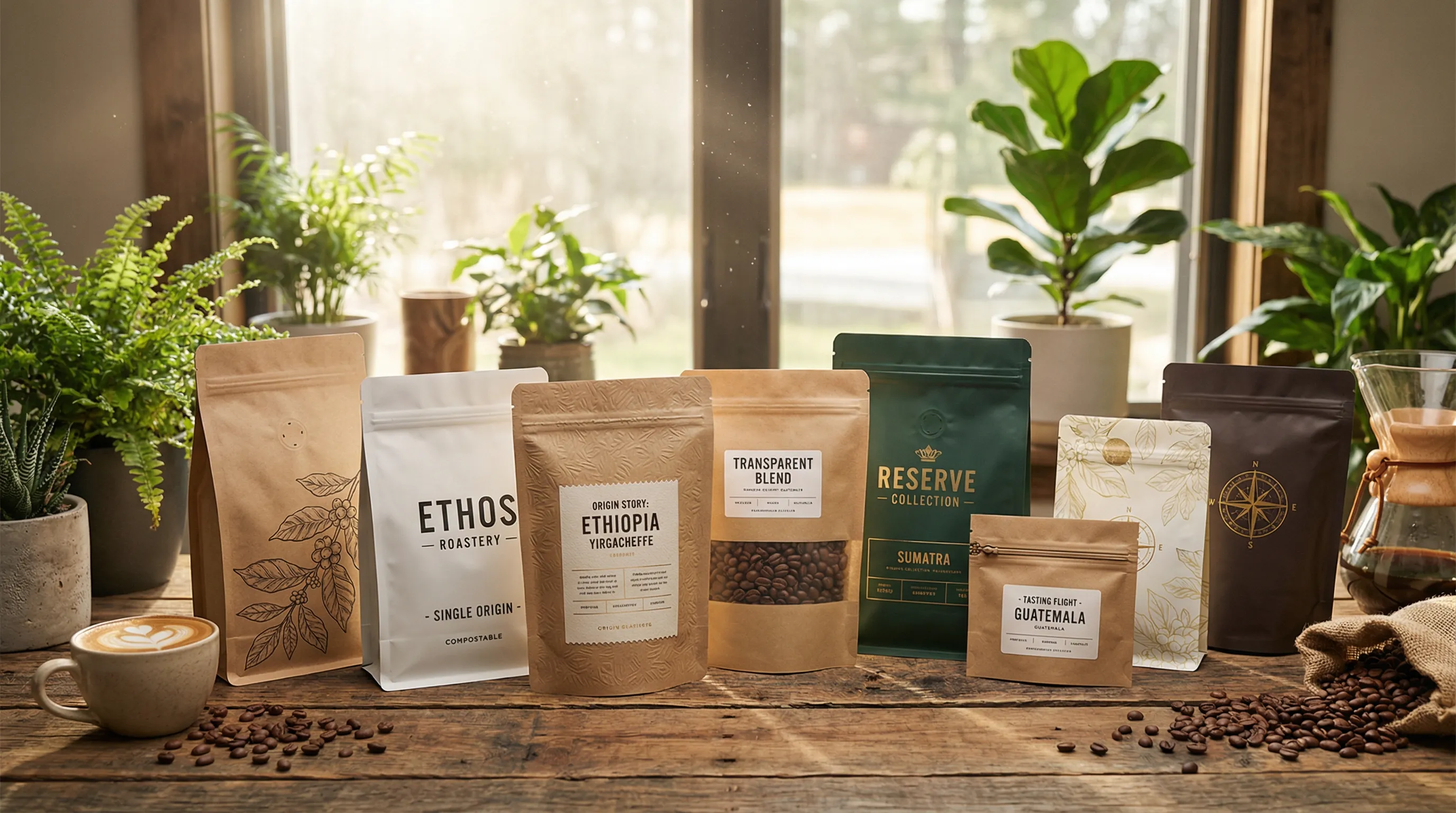
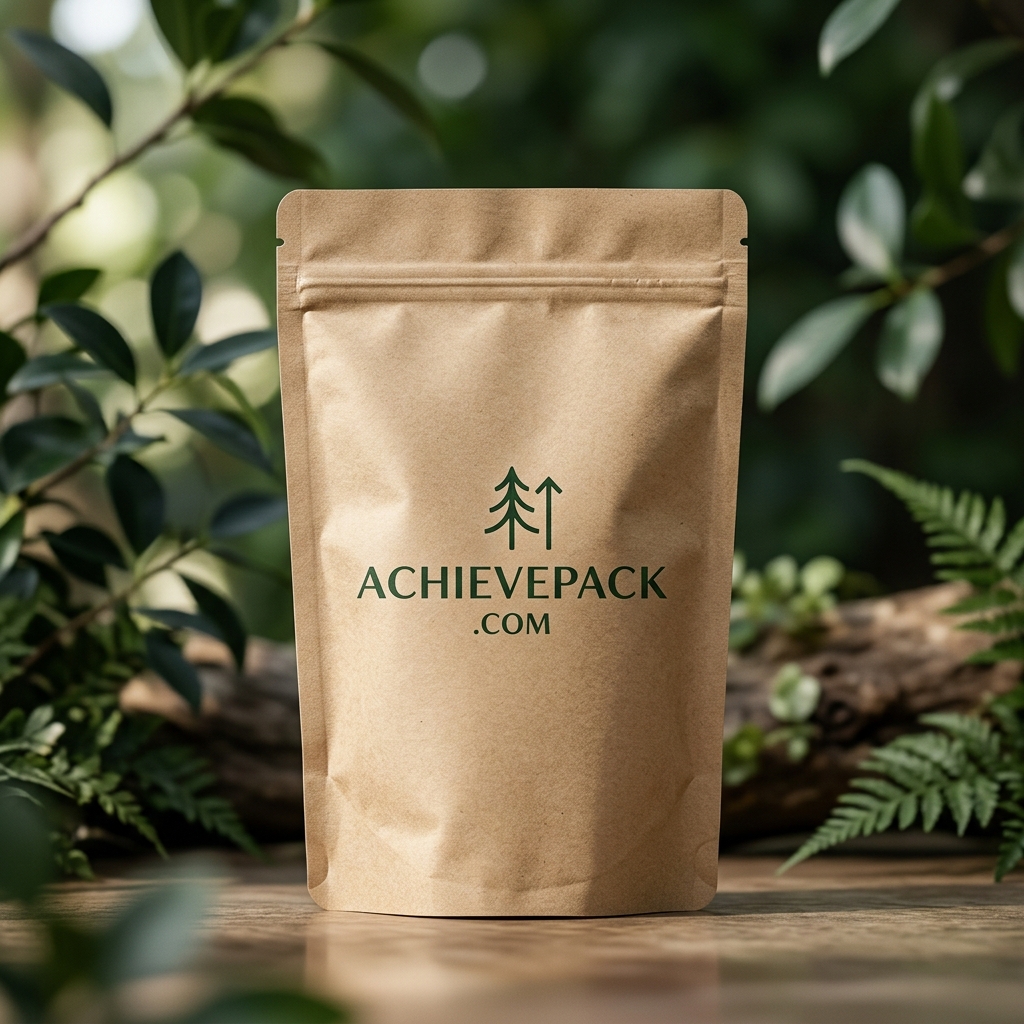
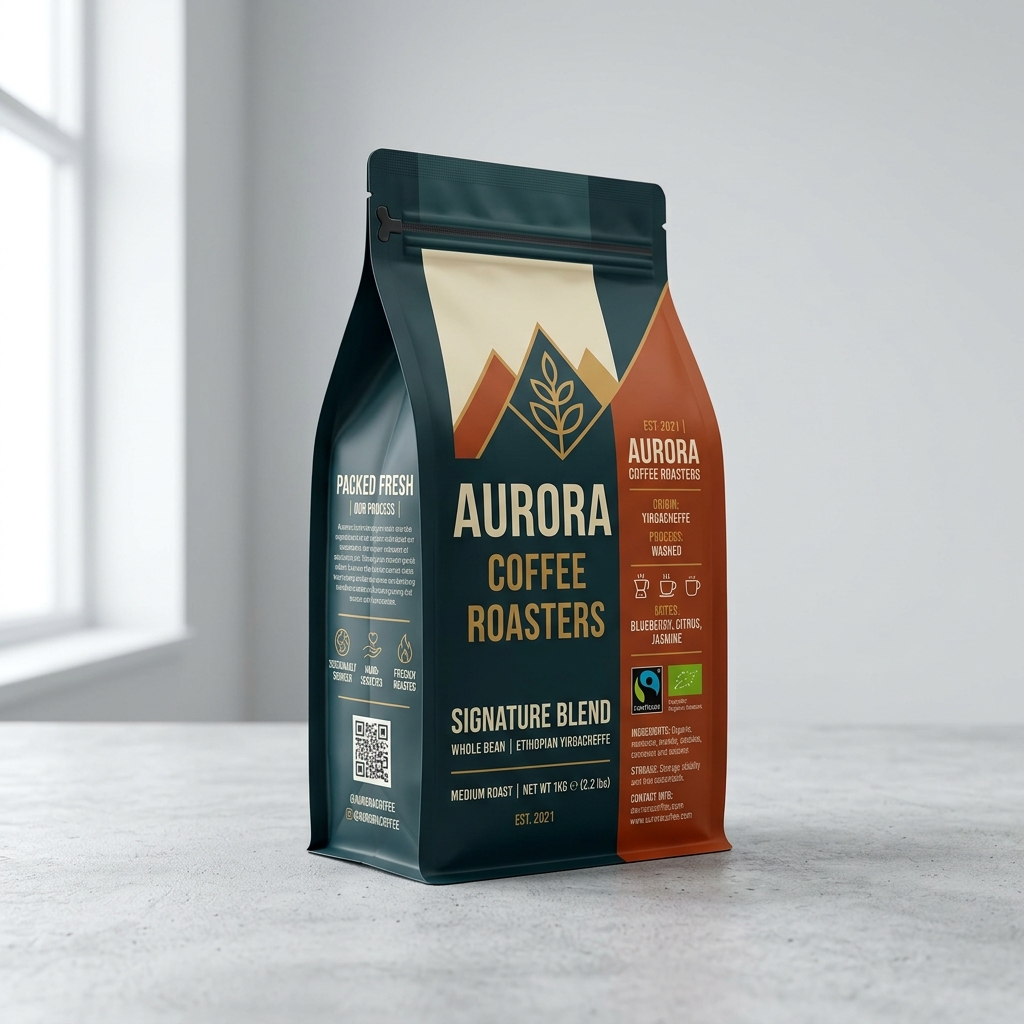
Explore different printing finishes and surface treatments. Click any image to enlarge:
Digital Printing
Best For: Small Runs & High Customization
Ideal for orders of 100-5,000 pieces, multiple SKUs, or variable data.
Advantages
- Low MOQ: Start at 100 pieces
- No plate costs (saves $500-1,500)
- Unlimited colors at no extra cost
- CMYK + White printing
- Variable data (batch codes, QR codes)
- Fast turnaround (2-3 weeks)
- Easy design updates between runs
Considerations
- △Higher per-unit cost at large volumes
- △CMYK simulation (not exact Pantone)
- △Limited to certain material types
- △Maximum print width constraints
Ideal Use Cases
Plate (Flexographic) Printing
Best For: Large Volumes & Brand Consistency
Ideal for orders of 5,000+ pieces where per-unit cost matters.
Advantages
- Lowest per-unit cost at scale
- True Pantone color matching
- Up to 10 spot colors
- Special inks (metallic, fluorescent)
- Excellent color consistency
- Works with all material types
- Ideal for long-term production
Considerations
- △Plate setup cost ($500-1,500)
- △Higher MOQ (5,000+ pieces)
- △Longer lead time (+1-2 weeks)
- △Design changes require new plates
- △Each color = separate plate
Ideal Use Cases
Side-by-Side Comparison
Quick comparison to help you decide:
Digital Printing
Plate Printing
Surface Finishes & Effects
Both printing methods can be combined with various finishes:
Standard Finishes
Soft, non-reflective. Premium feel.
Shiny, vibrant colors. Eye-catching.
Velvety texture. Luxury products.
Premium Effects
Selective glossy areas on matte
Metallic accents (gold, silver)
Raised tactile elements
Rainbow/security effects
Artwork Requirements
Prepare your files correctly for best results:
File Specifications
Need Design Help?
We offer design services to prepare your files for printing. Just send us your brand assets!
Printing Directory Cross-References
To achieve high-end printing, you should also understand the underlying material layers. See our guide on White Ink Underprint & Backing to ensure metallic layouts don't bleed, or see our Bottle Printing & Labeling Guide for rigid packaging.
HP Indigo Color Accuracy & Printing Proofs
Low-MOQ runs must deliver enterprise-level visual branding. We inspect color alignment tolerances, ink adhesion strength, and white underprint opacity using spectrophotometer color matching to ensure pixel-perfect pouch graphics.
Color Matching (X-Rite)
Spectrophotometer validation ensuring brand color consistency across batches.
Ink Adhesion Test (ASTM D3359)
Tape peel test to ensure ink does not peel or scratch during shipping and handling.
White Ink Underprint Opacity
Ensures rich, vibrant colors when printing on transparent or brown kraft films.
Digital Press Calibration
HP-validated polymer ink integration, offering excellent heat and rub resistance.
Lamination Peeling Force
Ensures the printed film layer never delaminates or separates from barrier layers.
VFFS Low-Temp Sealing
Ensures digital-printed pouches seal perfectly on standard heat-sealer jaws.
Packaging Transformation for Printing Types Explained | Digital vs Plate Printing
See how upgrading from generic commoditized bags to precision-engineered flexible barrier packaging eliminates transport failures and boosts shelf authority.
Standard / Generic Packaging (Before)
Standard stock bags fail under transit stress and expose sensitive goods to moisture, UV light, and oxygen.
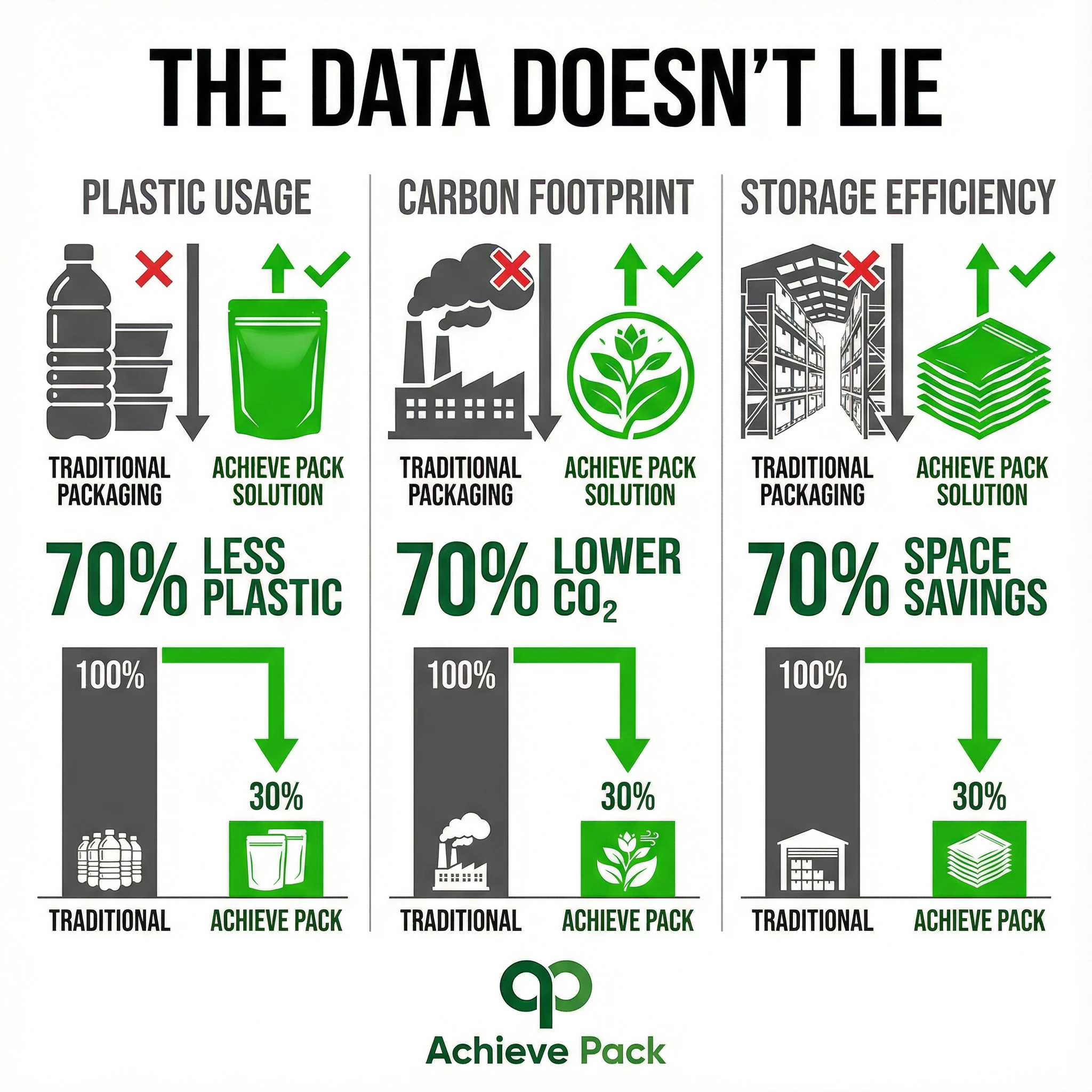
- Rapid Oxidation & Flavor DegradationCheap films allow O2 & moisture ingress, spoiling contents in < 30 days.
- High Seal Breakage in TransitThin seams fail under drop tests, leading to customer refunds & lost trust.
- Heavy Plastic Tax PenaltiesMulti-layer unrecyclable packaging incurs up to €800/ton in EU PPWR fines.
- High MOQs & Plate Cost FrictionTraditional printers force 10,000+ unit minimums and $1,500 cylinder fees.
Achieve Pack / Pouch Eco Solution (After)
Custom engineered multi-layer pouch structure tailored to your exact moisture barrier, seal strength, and aesthetic requirements.
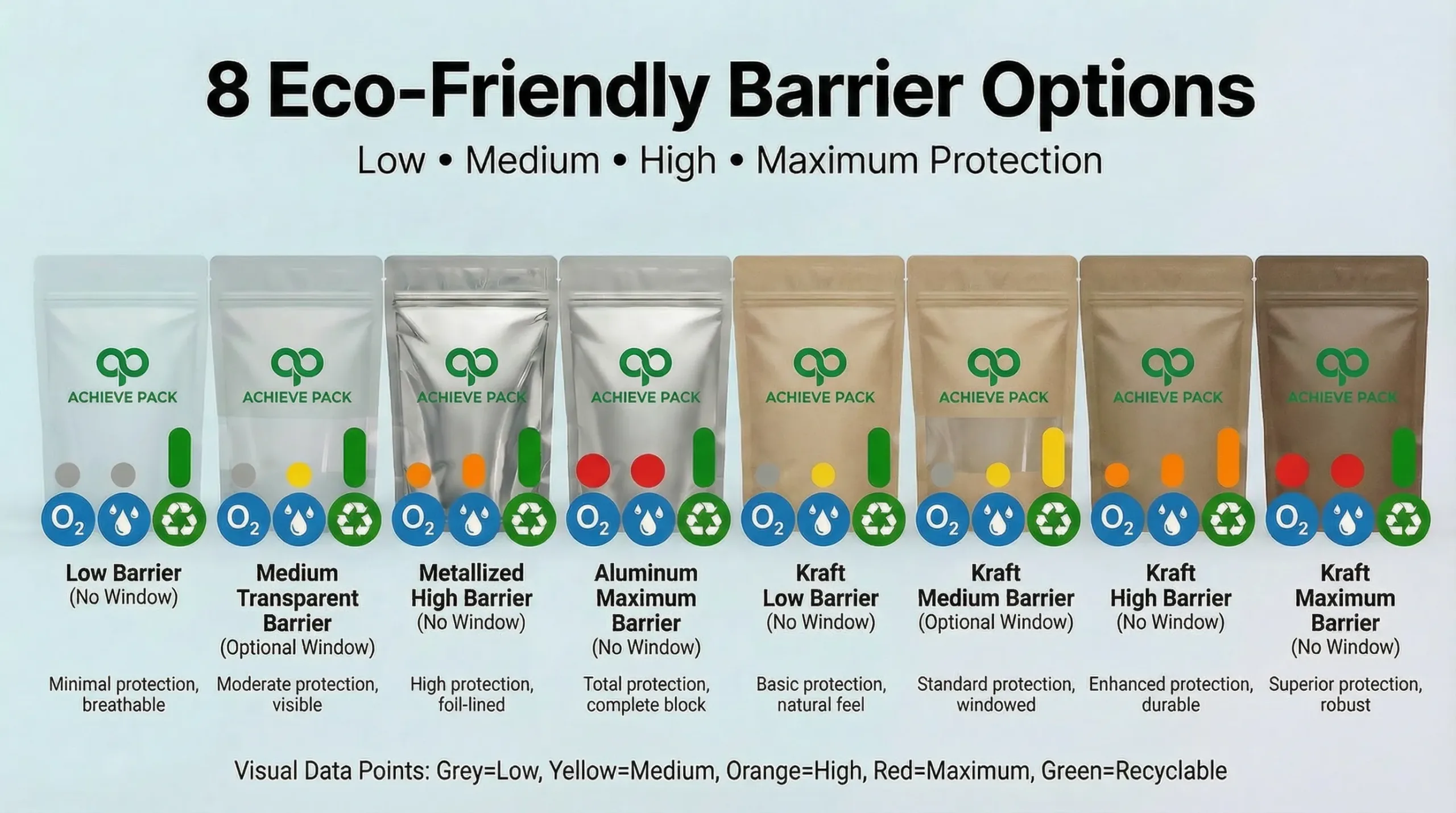
- Ultra High-Barrier Foil/EVOH CoreGuaranteed OTR < 0.1 cc/m²/day, keeping contents fresh for 18–24 months.
- Reinforced 45N/15mm Localized Heat Seal180°C precision seam dwell time prevents bursting even under 2-meter drops.
- 100% Certified Eco ComplianceTÜV OK Compost HOME (EN13432) & Mono-PE Recyclable structures (0% Tax).
- HD Digital Printing with 500-Unit Low MOQsPrint multi-SKU runs in 7 business days with zero setup plate charges.
Questions We Get Asked
Which printing method should I choose?▼
Can I switch from digital to plate printing later?▼
How accurate is digital color matching?▼
What's included in plate costs?▼
Related Stuff
How We Ensure Absolute Accuracy and Trustworthiness
At Achieve Pack, sustainable packaging isn't just about printing; it's about hands-on material science. This article has been written and verified by Ryan Wong, a packaging specialist with 14+ years of experience engineering biopolymer stacks for DTC startups and Fortune 500 companies.
All research, material barrier specifications (OTR, WVTR), heat-seal values (N/15mm), and compostability timelines cited in our guides are backed by testing inside the Achieve Pack Materials Testing Lab. We cross-reference our data with official certification registries from BPI (Biodegradable Products Institute), TÜV Austria (OK Compost HOME), and FSC (Forest Stewardship Council).

Ryan Wong
Supply Chain Director
B.Eng honors degree graduate from Hong Kong Polytechnic University. Serving brands in 8 countries.
View Expert Profile →Get a Printing Quote
Tell us about your project and we'll recommend the best printing option.
See the Material in Action
Real footage of our eco-friendly packaging structures in action.
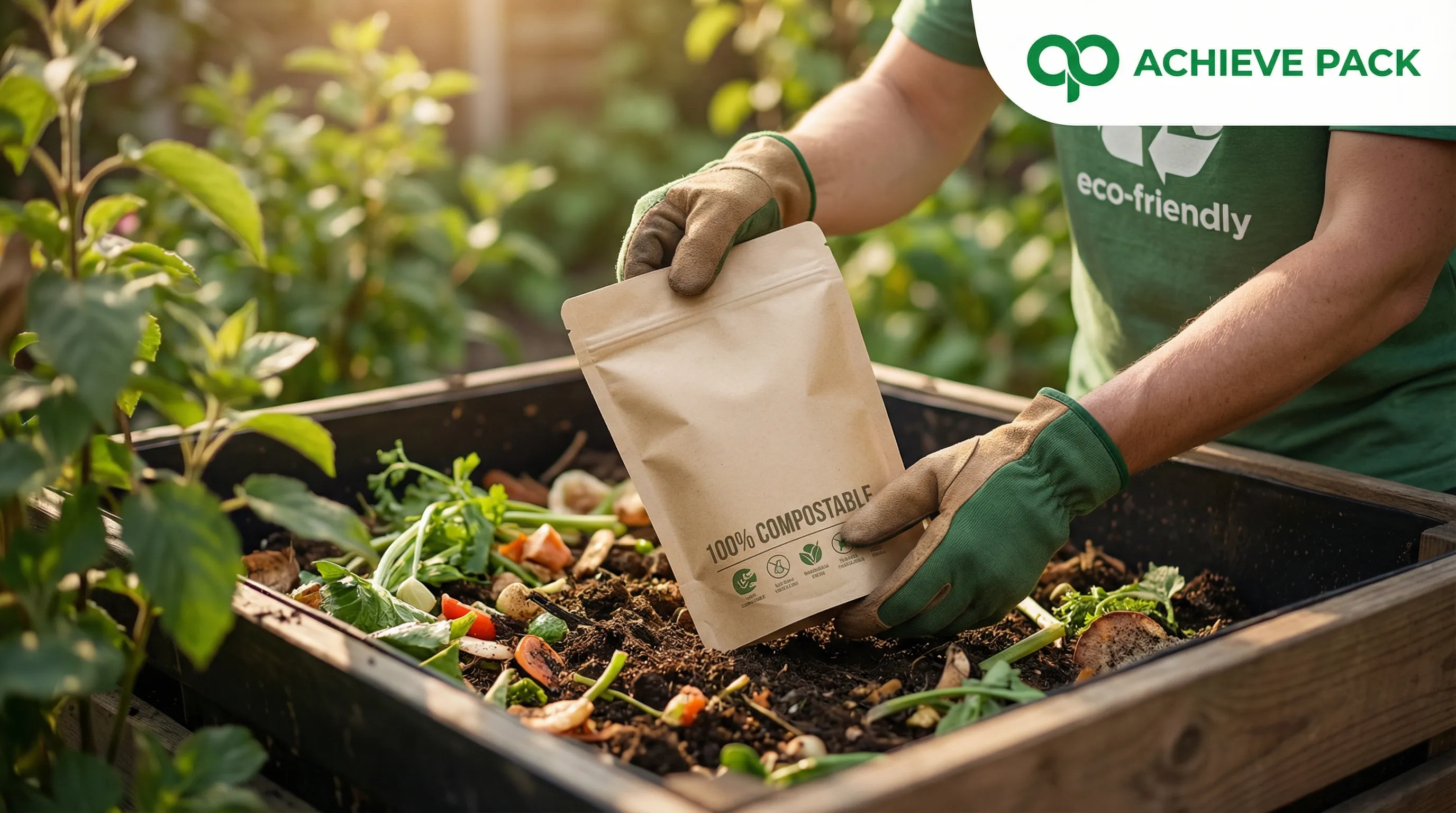
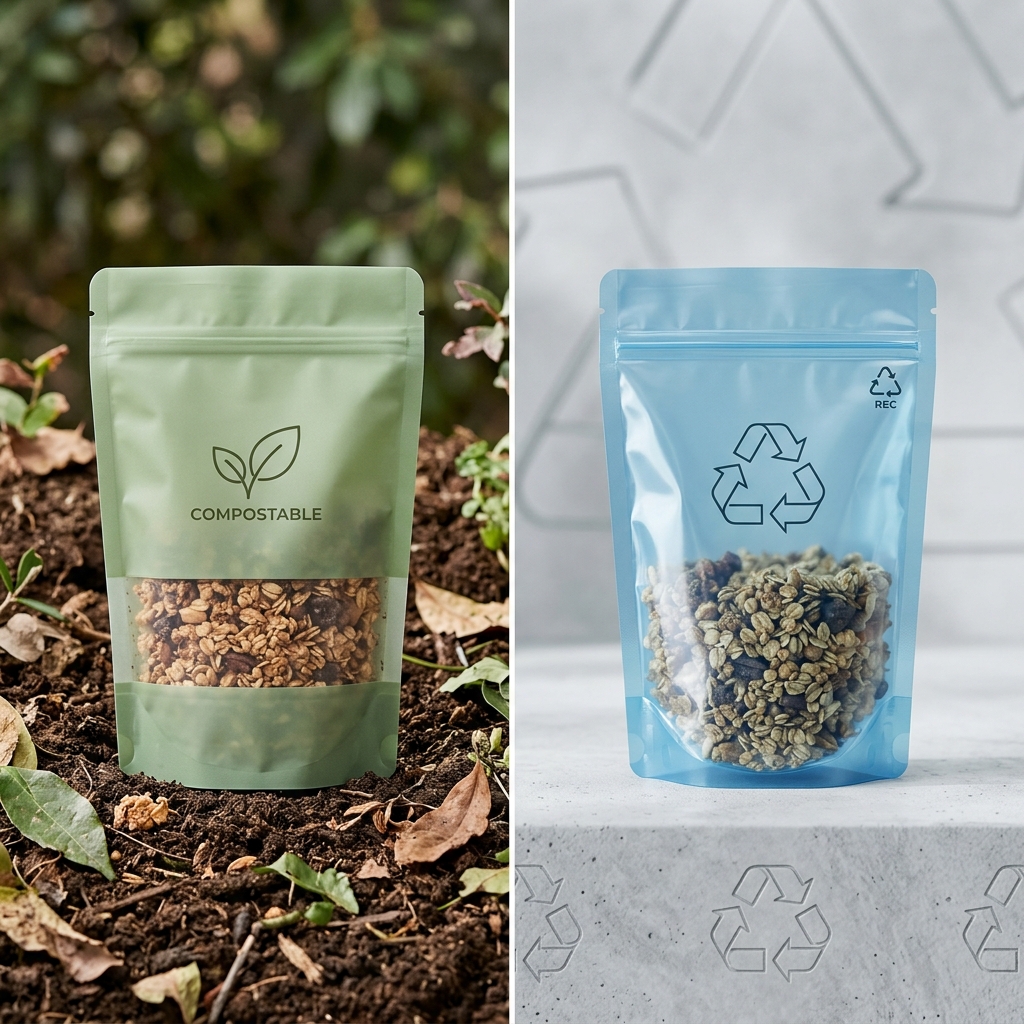
Compostable Solution
Fully compostable flexible packaging certified under ASTM D6400 and EN 13432. Engineered to break do...
- ASTM D6400 & EN 13432 Certified
- Breaks down within 180 days in soil
Post-Consumer Recycled (PCR)
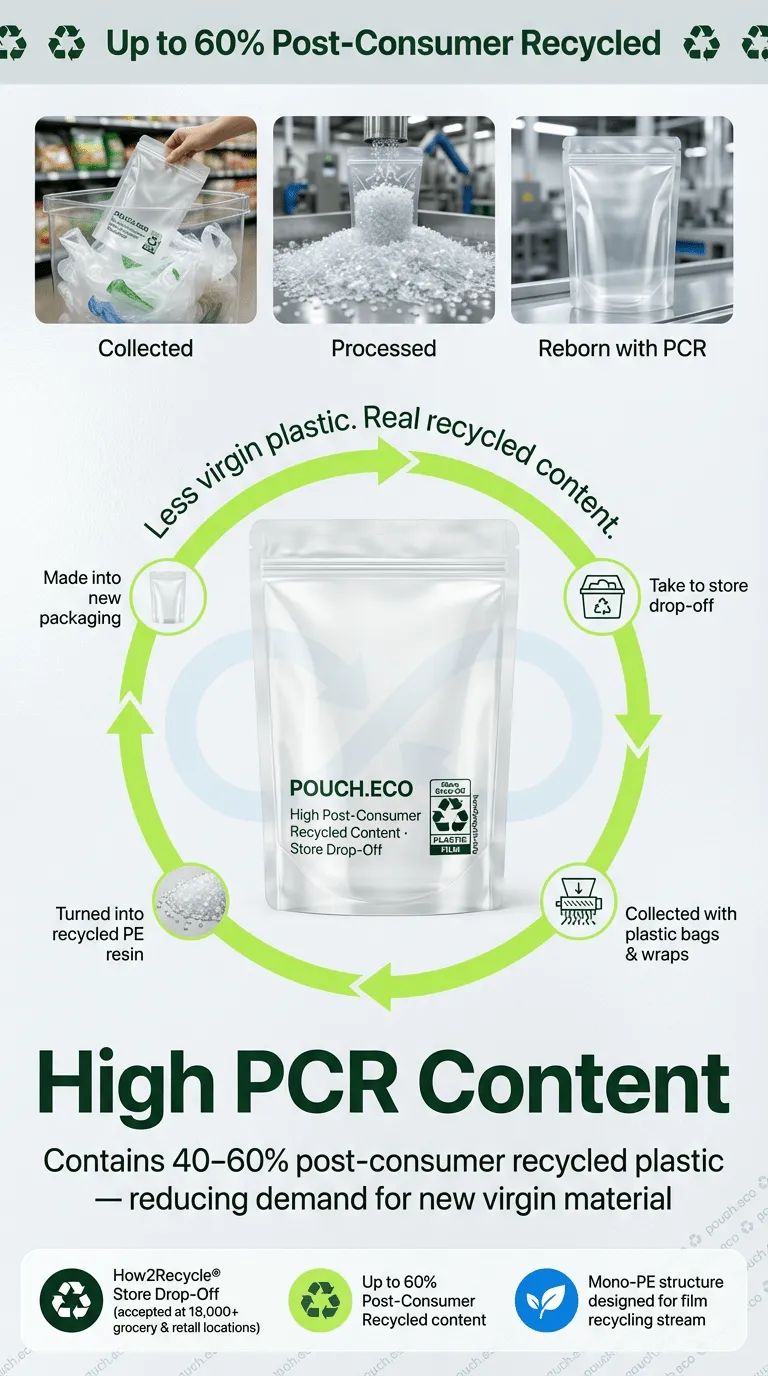
Made from high-quality post-consumer recycled plastic waste. Our PCR structures reduce carbon footpr...
- Saves post-consumer waste from landfills
- Lowers carbon footprint substantially
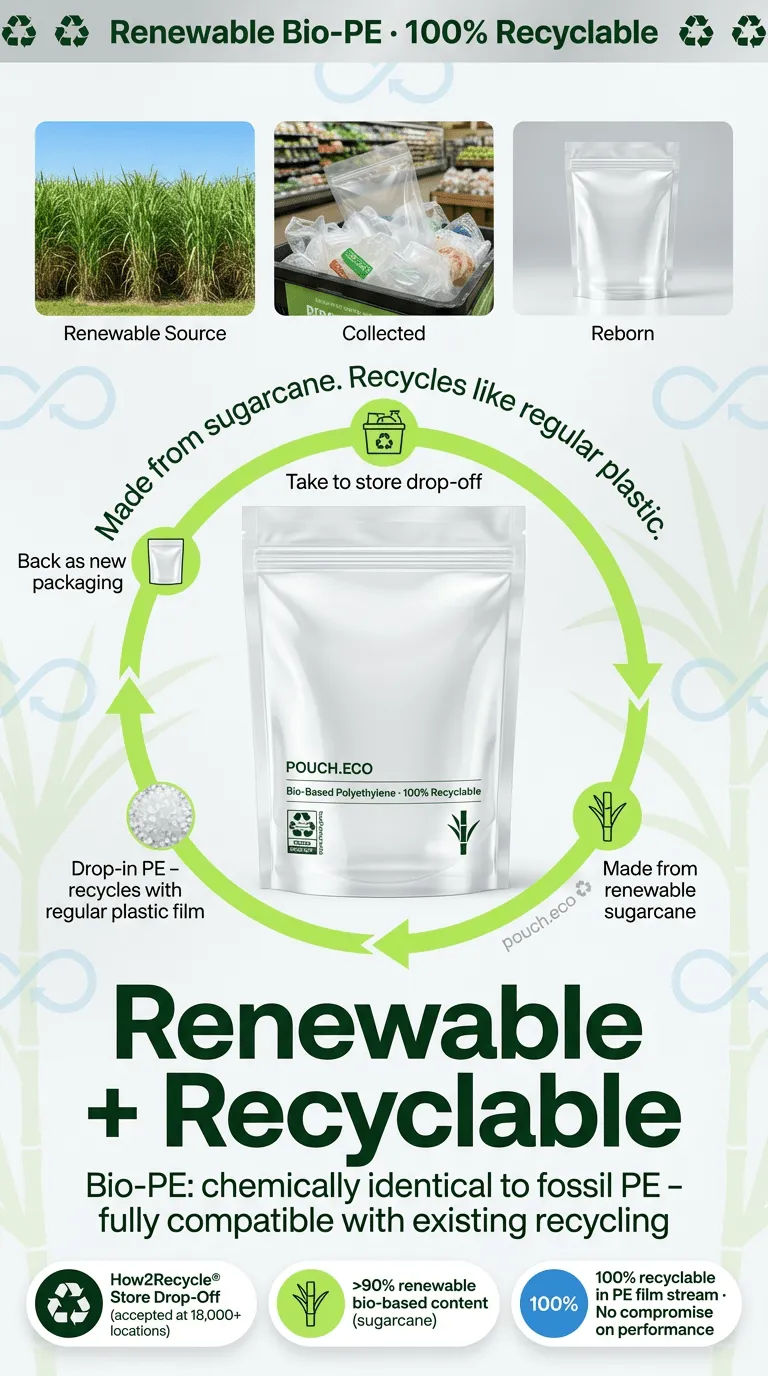
Plant-Based Bio-PE
Derived from sustainably-farmed Brazilian sugarcane. It captures atmospheric CO2 during growth and i...
- Captures CO2 during plant growth
- 100% recyclable in regular PE stream (#4)
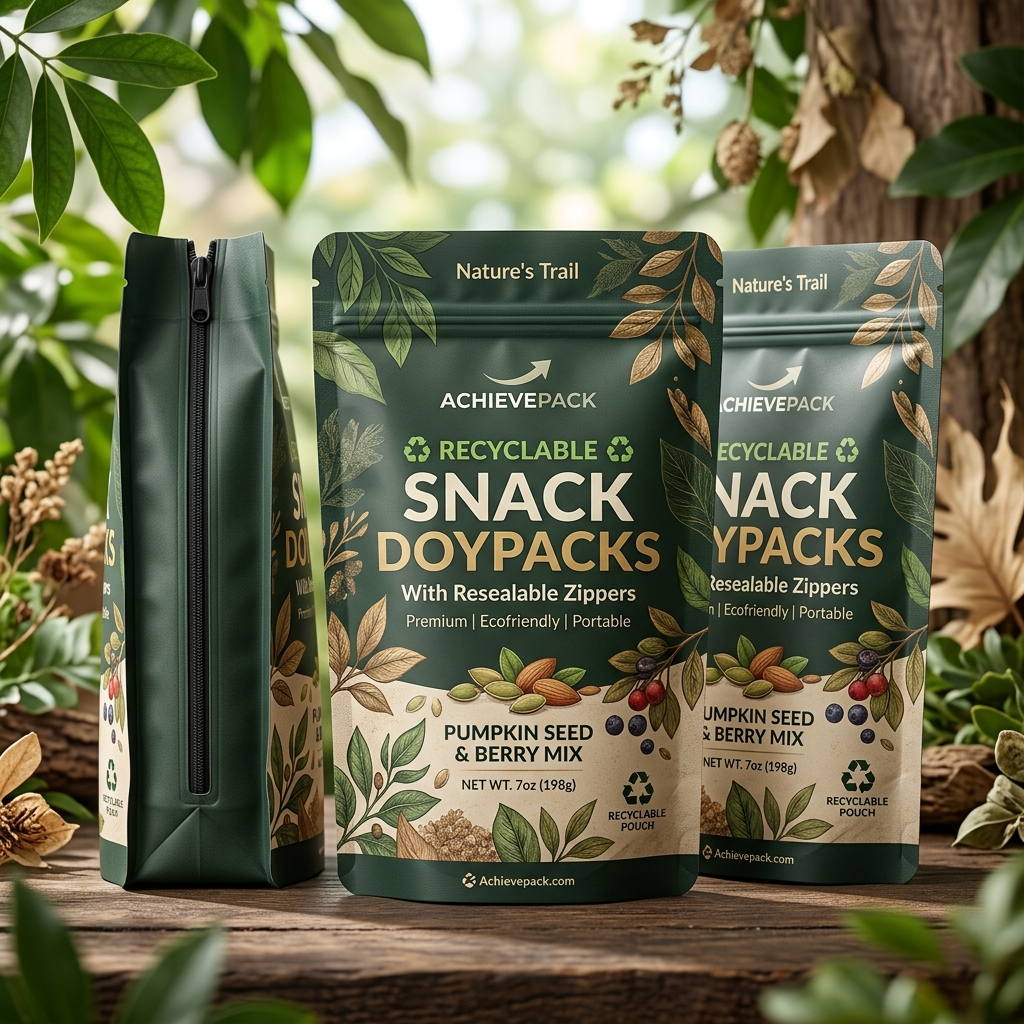
Recyclable Mono-Material
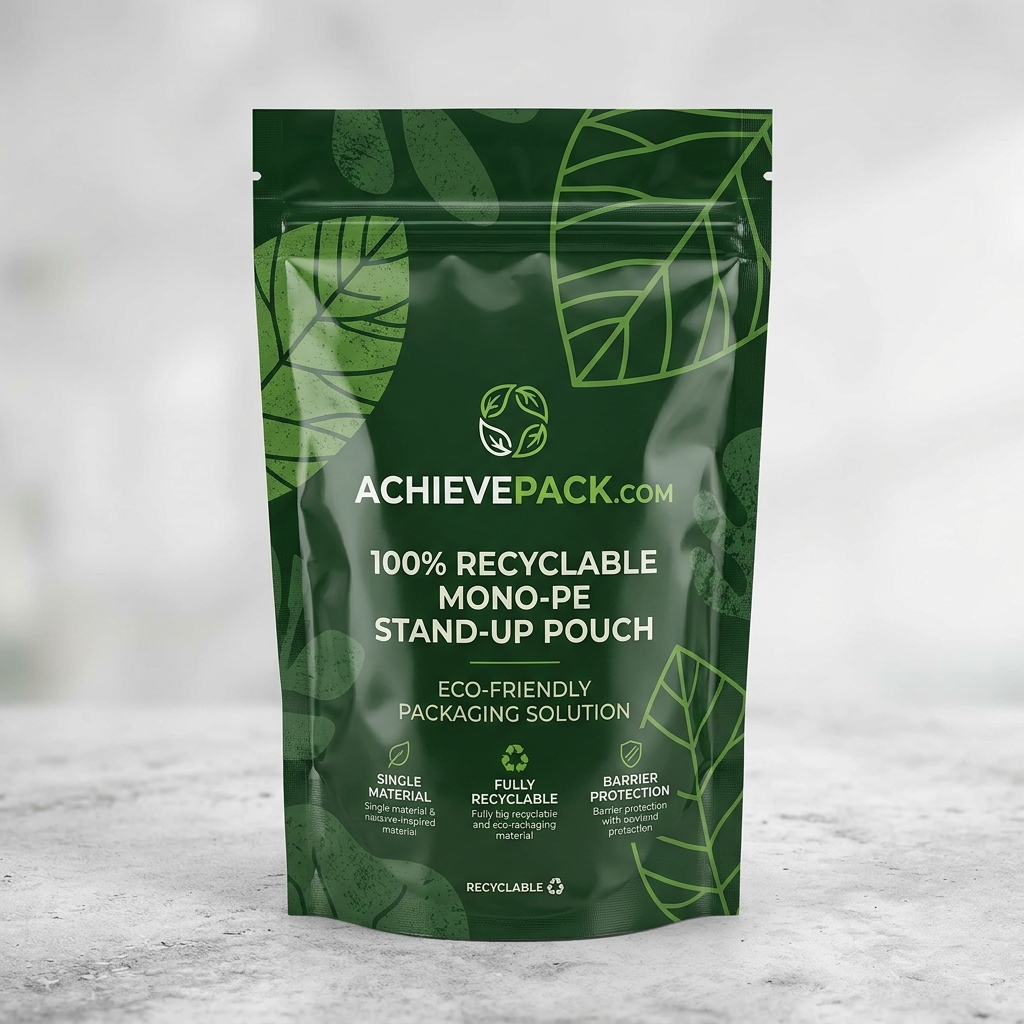
Engineered using Mono-PE or Mono-PP structures to enable simple, circular sorting and recycling. Com...
- 100% recyclable mono-polymer structure
- Meets EU Circular Economy directives