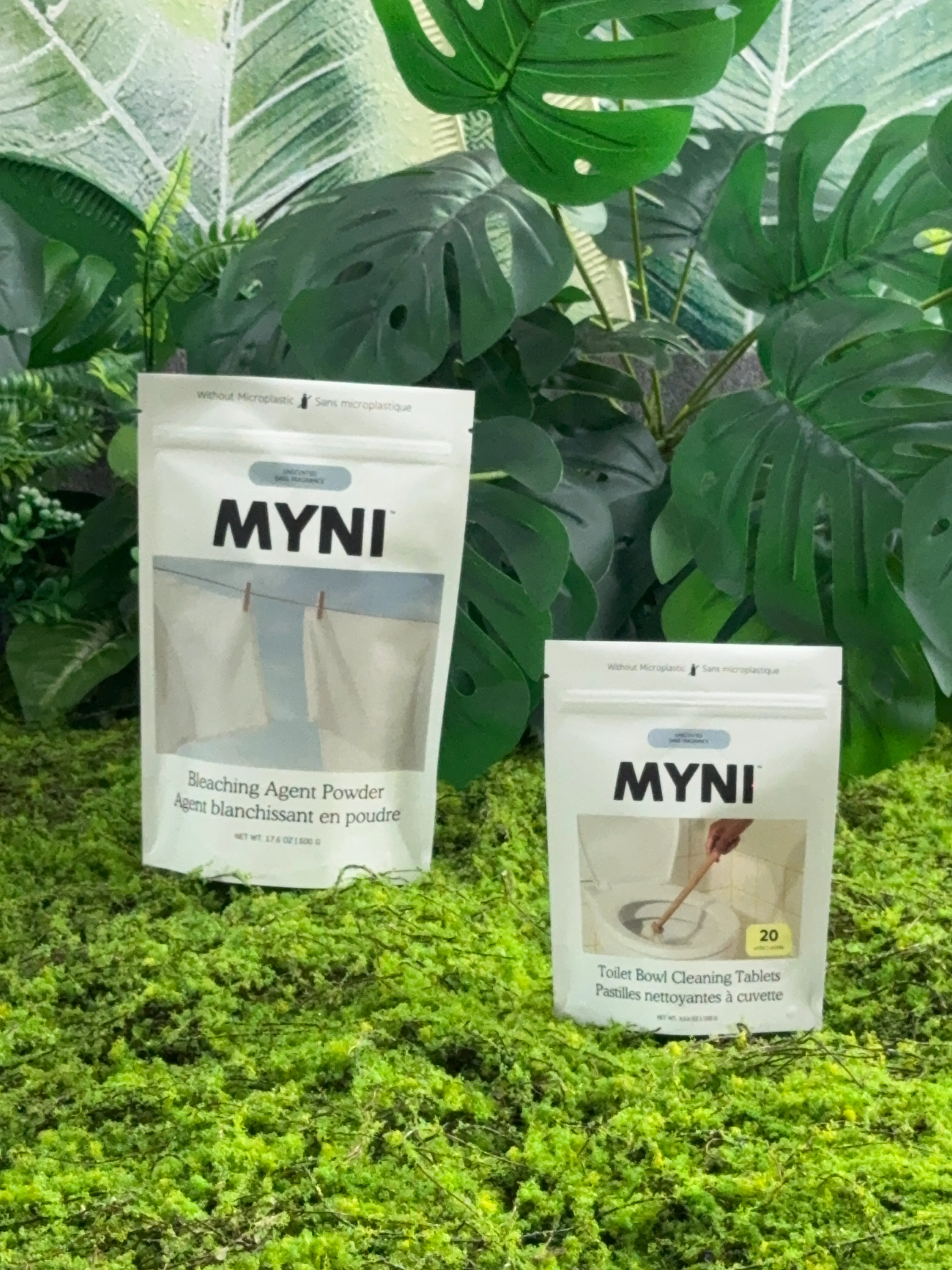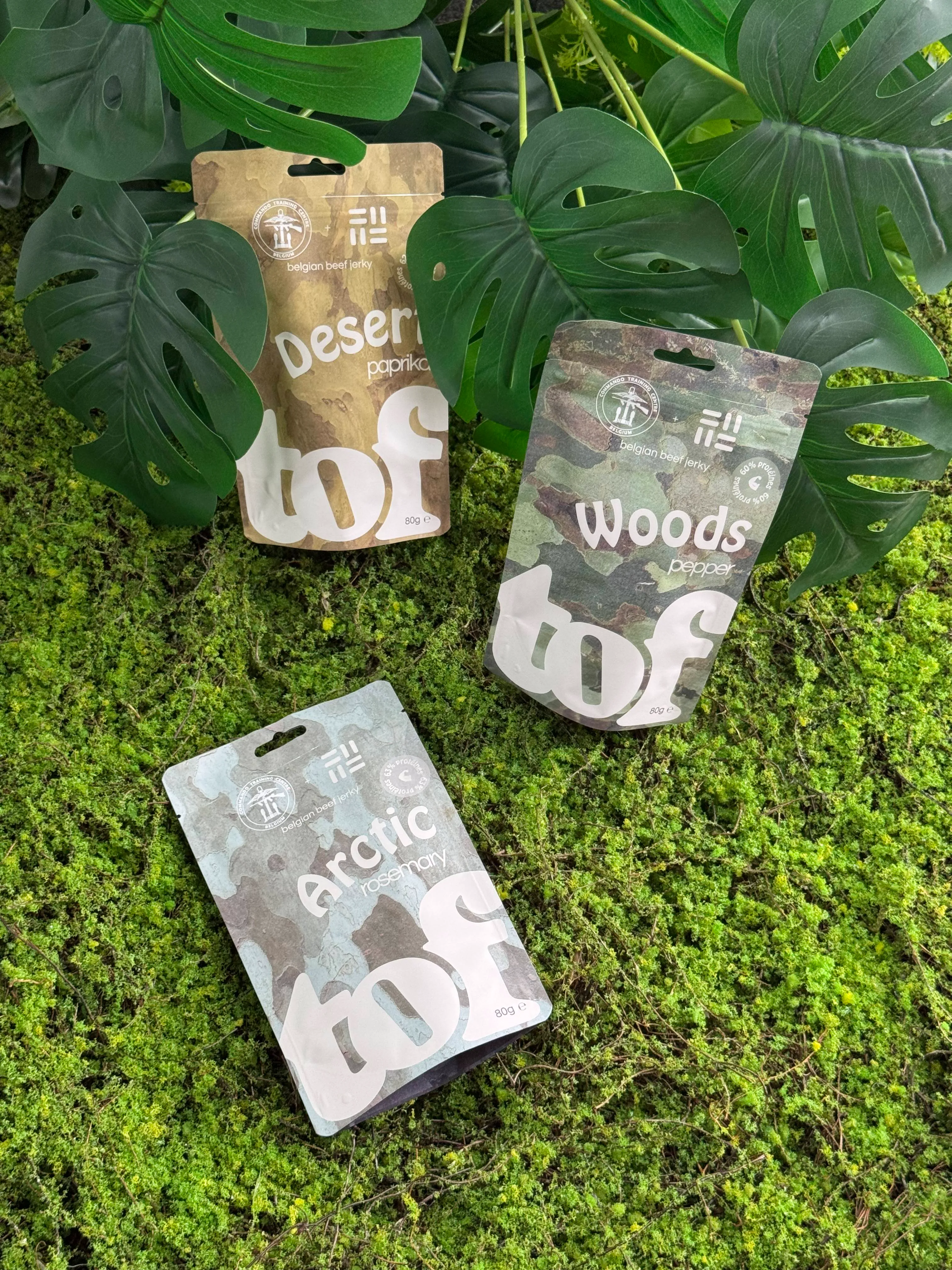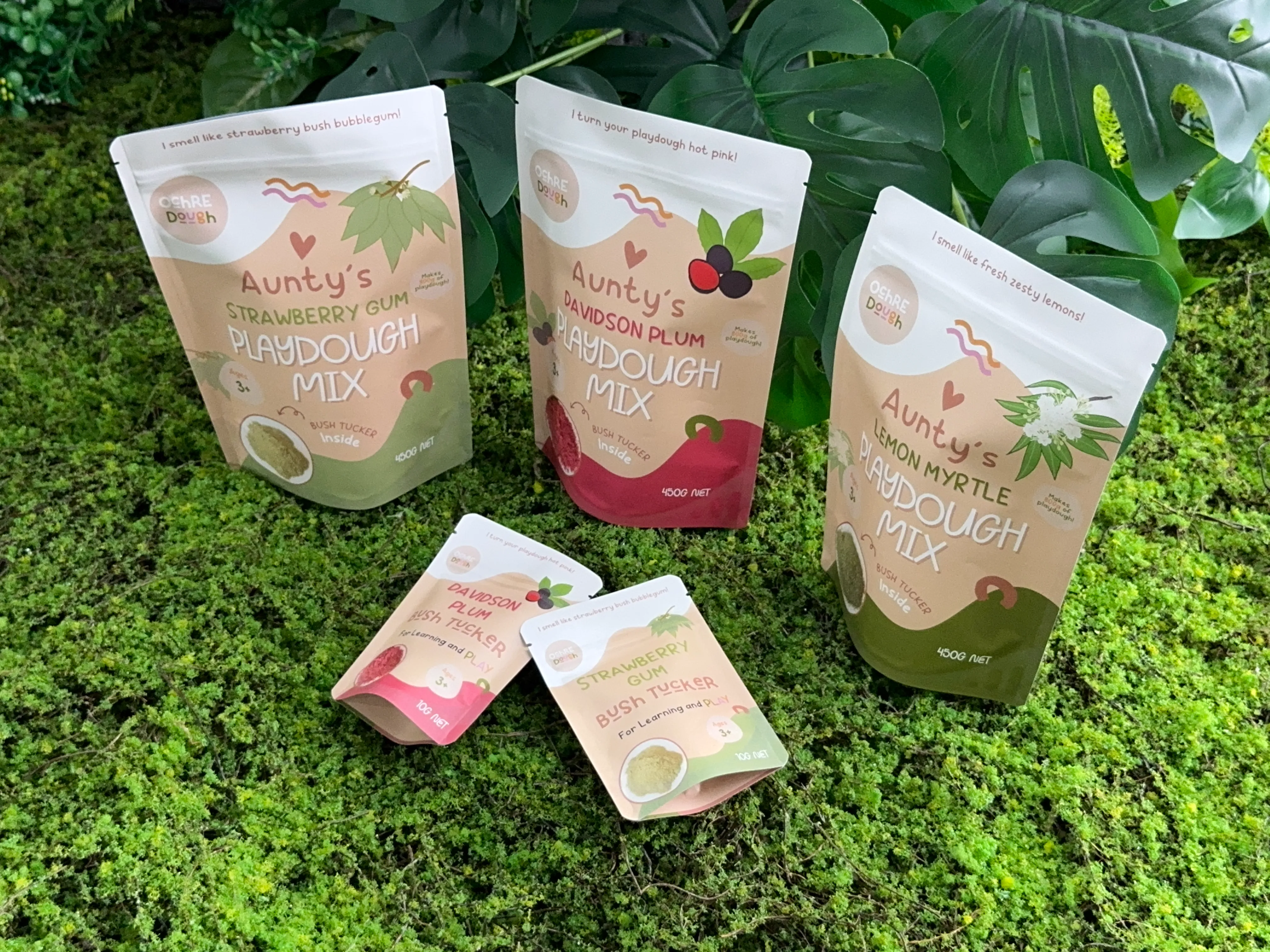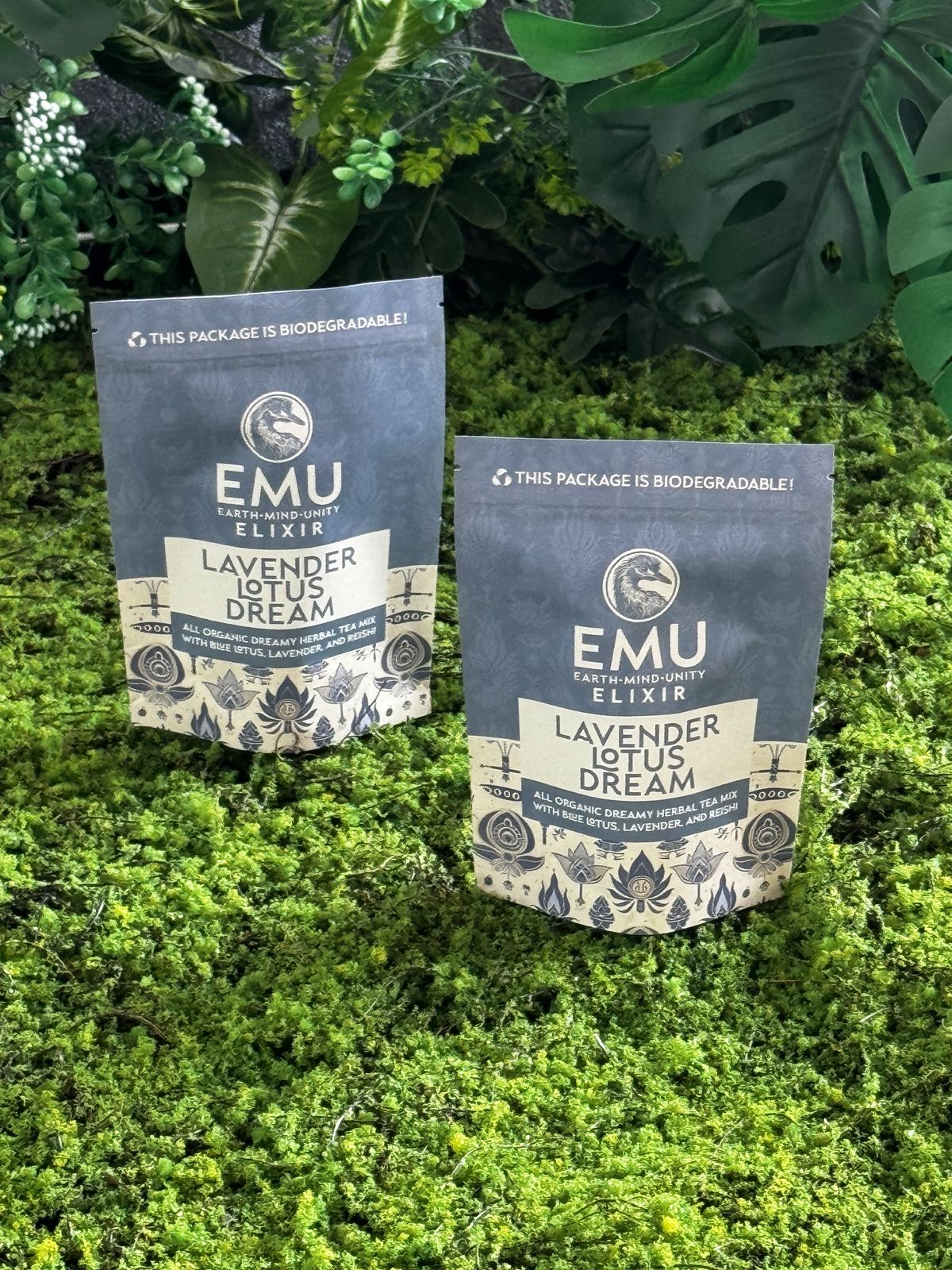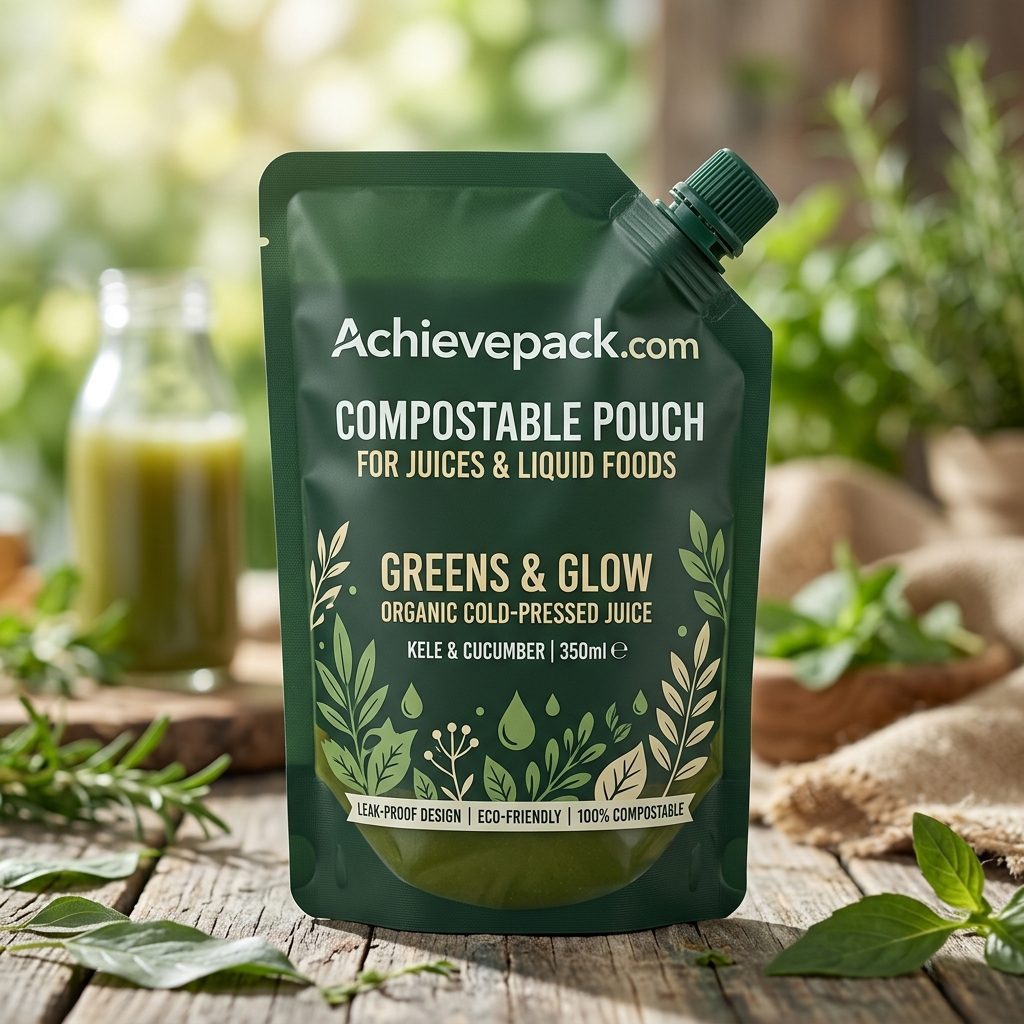
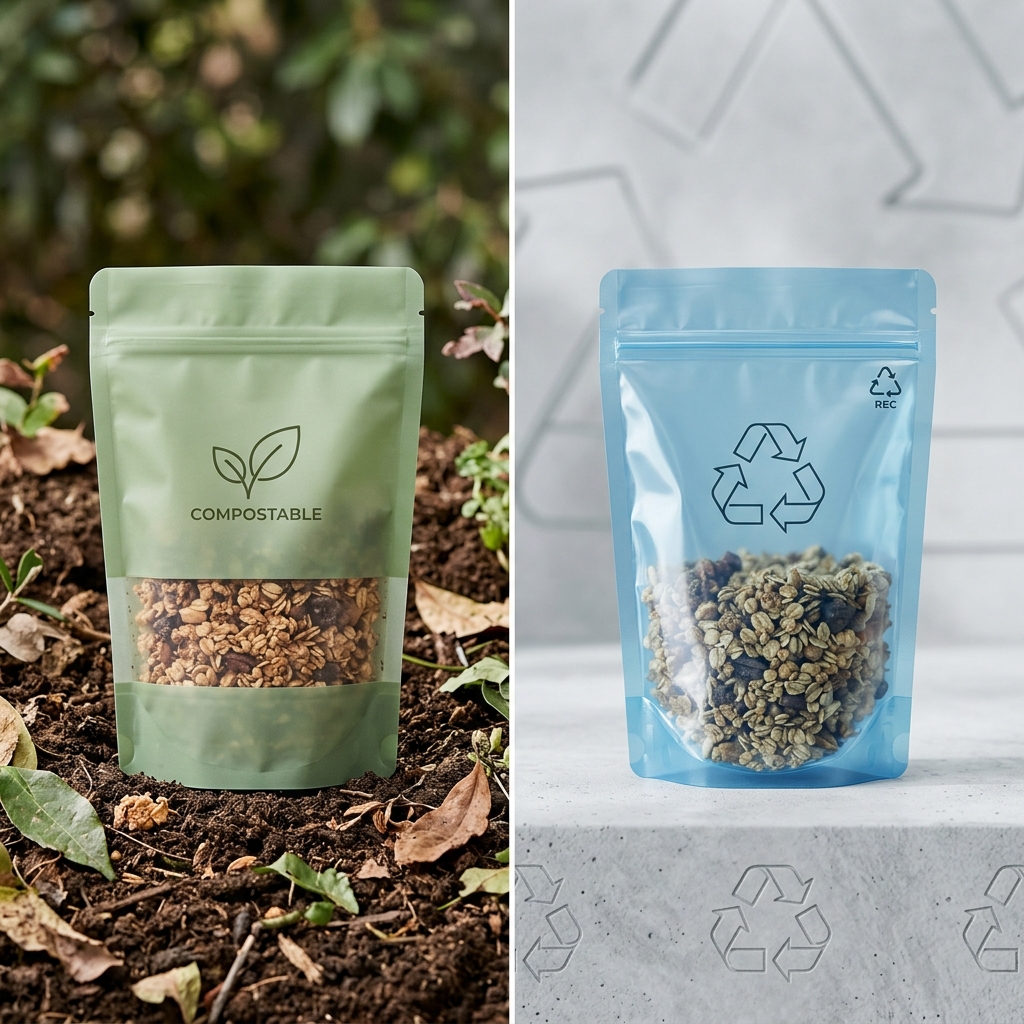
Compostable vs Recyclable Packaging: Which Is Right for Your Brand? (2025) Specifications
Solving Core Packaging Challenges for Compostable vs Recyclable Packaging: Which Is Right for Your Brand? (2025)
Concise B2B technical benchmarks designed to eliminate transit failures, regulatory penalties, and shelf-life loss.
Structure Approved Before It Is Ever Tested
Risk: The laminate looks right on paper and fails on your actual product, wasting the run.
Sample Packs in the Exact Structure, Tested With Your Product
You run your own fill and shelf-life test before any tooling is cut.
Barrier Numbers Missing From the Quote
Risk: You approve a film without knowing its oxygen or moisture transmission rate, then find out on shelf.
OTR and WVTR Stated on Every Quotation
The barrier figure is on the quote, not buried in a datasheet you never see.
Sustainability Claim Without a Certificate Behind It
Risk: An unsubstantiated compostable or recycled claim fails retailer and marketplace review.
Certificate Numbers Issued With the Quote
TÜV OK Compost HOME, BPI, EN 13432, AS 5810, GRS — referenced by certificate number.
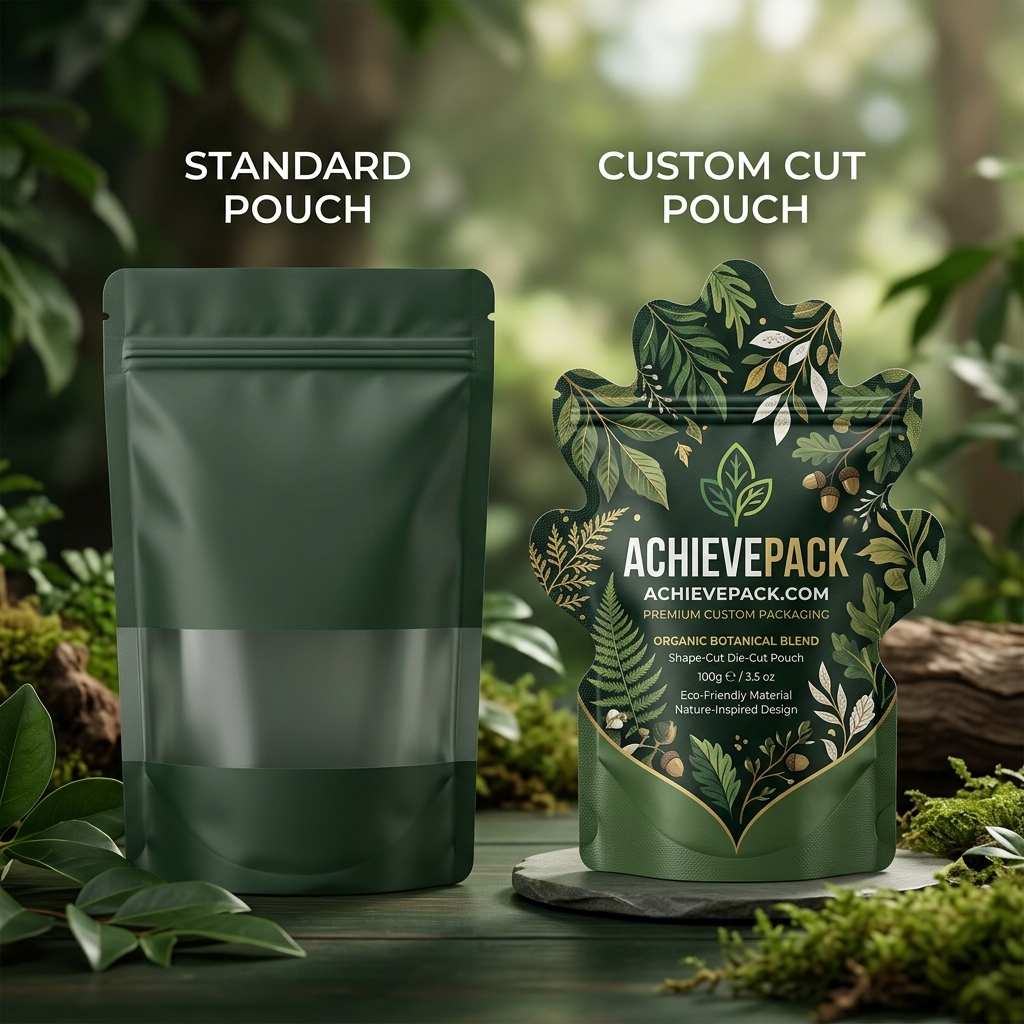
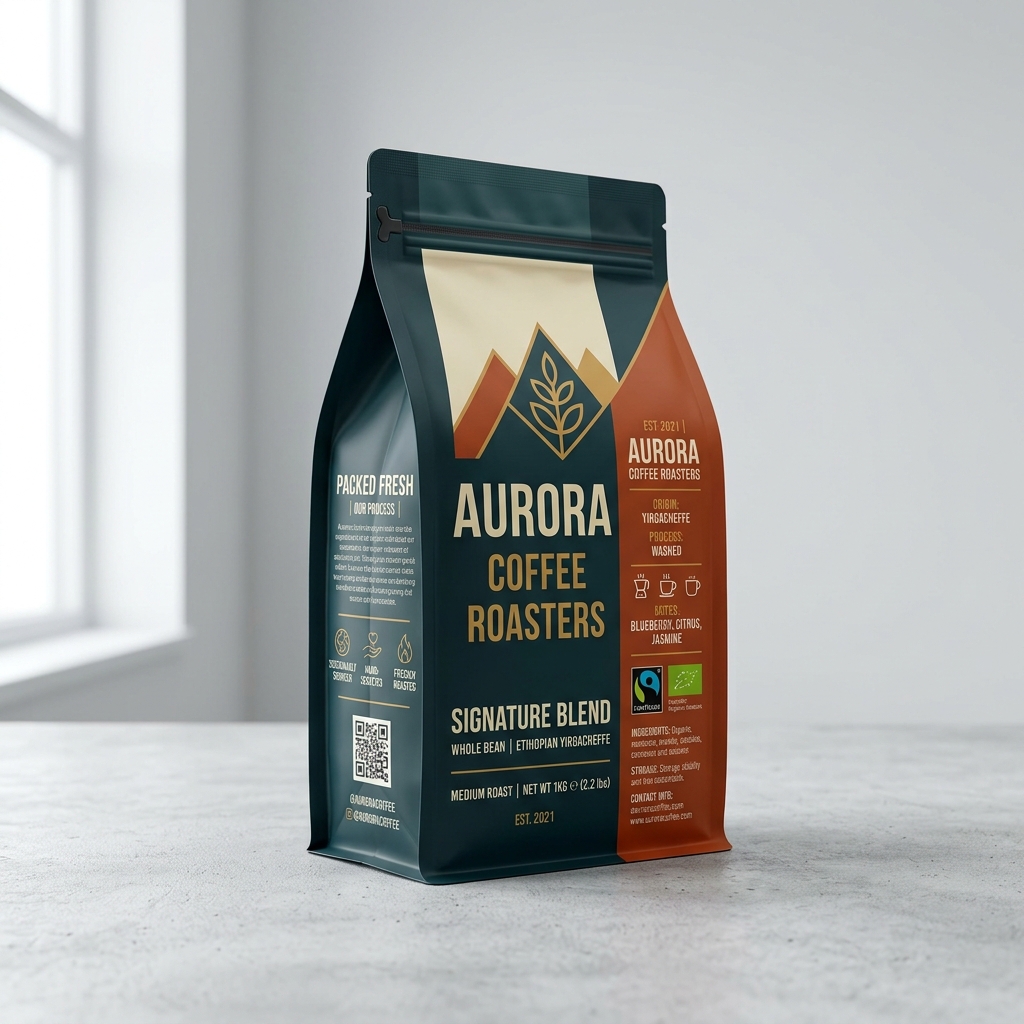
Experience 3D Packaging Design & Free Dielines
Preview your pouch in 3D WebGL Studio and export production-ready dielines.
Compostable vs Recyclable: Side-by-Side Comparison
Both options are better than conventional plastic, but they work differently. Here's how they compare:
| Feature | Compostable | Recyclable (Mono PE) |
|---|---|---|
| End of Life | Breaks down to soil in 180 days | Melted and remade into new products |
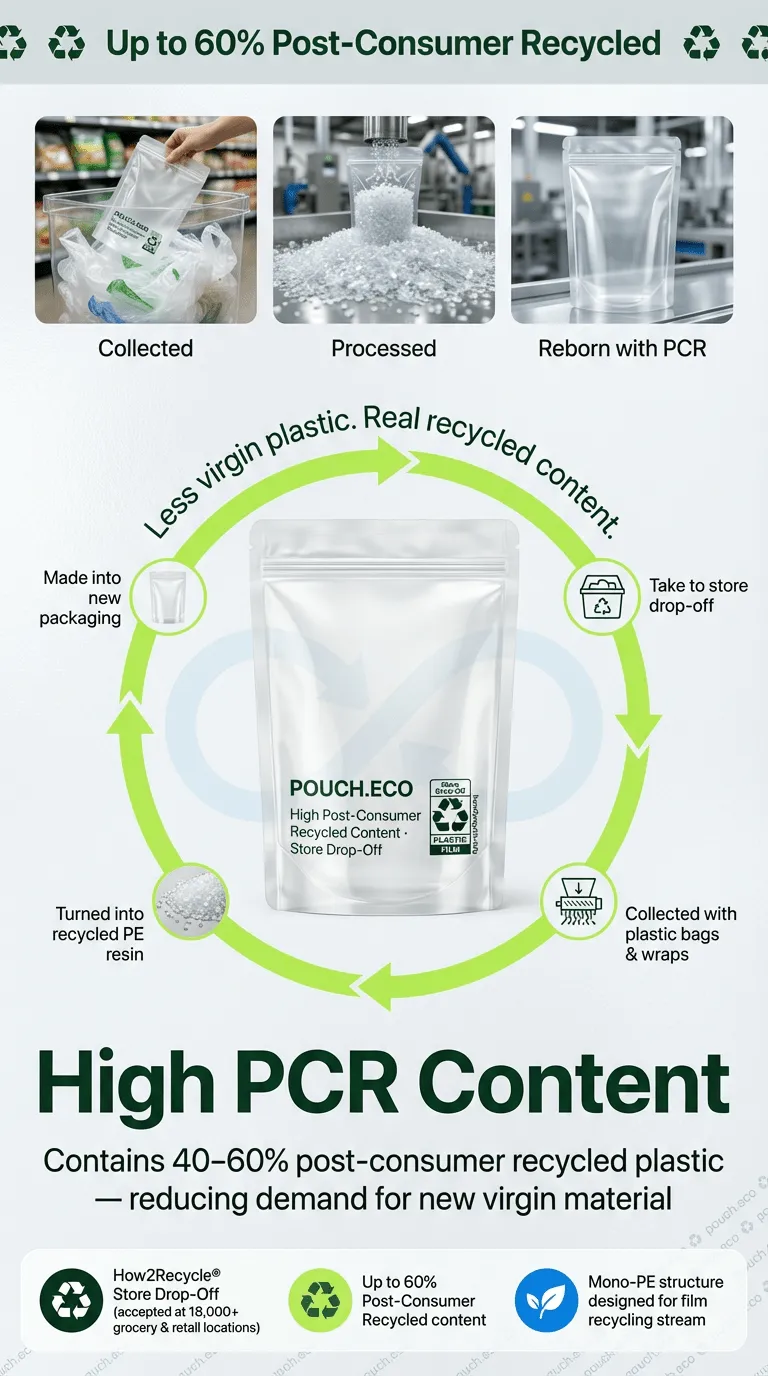
| Infrastructure Needed | Industrial composting facility | Standard recycling bin (Store Drop-Off in USA) |
| Cost vs Traditional | 15-30% more expensive | Similar or equal cost |
| Barrier Properties | Good (medium barrier) | Excellent (high barrier possible) |
| Certifications | EN13432, ASTM D6400, BPI | How2Recycle, Store Drop-Off |
| Marketing Appeal | Very high — consumers love it | Growing — "recyclable" is well understood |
| Best For | Premium brands, food service, eco-conscious consumers | Budget-conscious brands, high-volume, long shelf life |
When to Choose Compostable Packaging
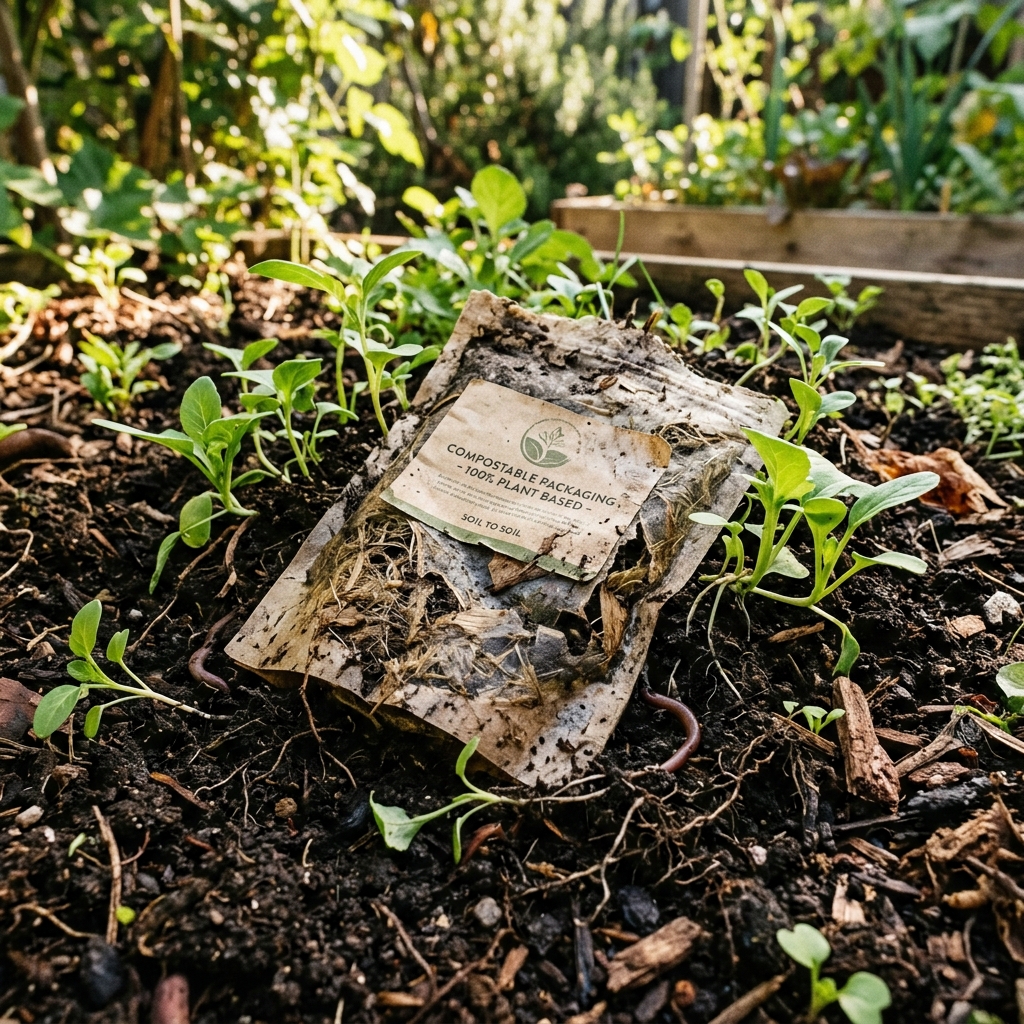
Compostable packaging is the right choice when:
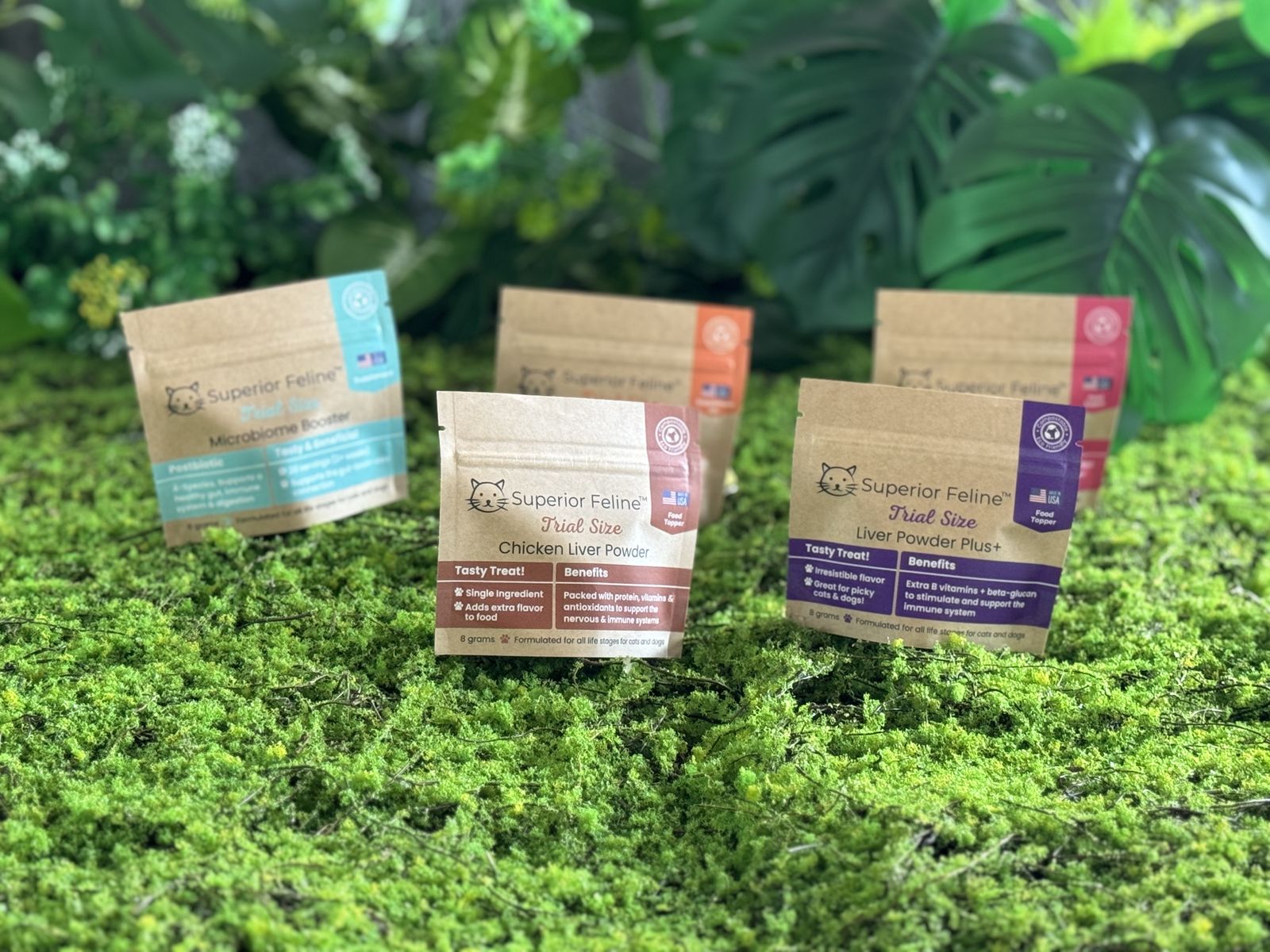
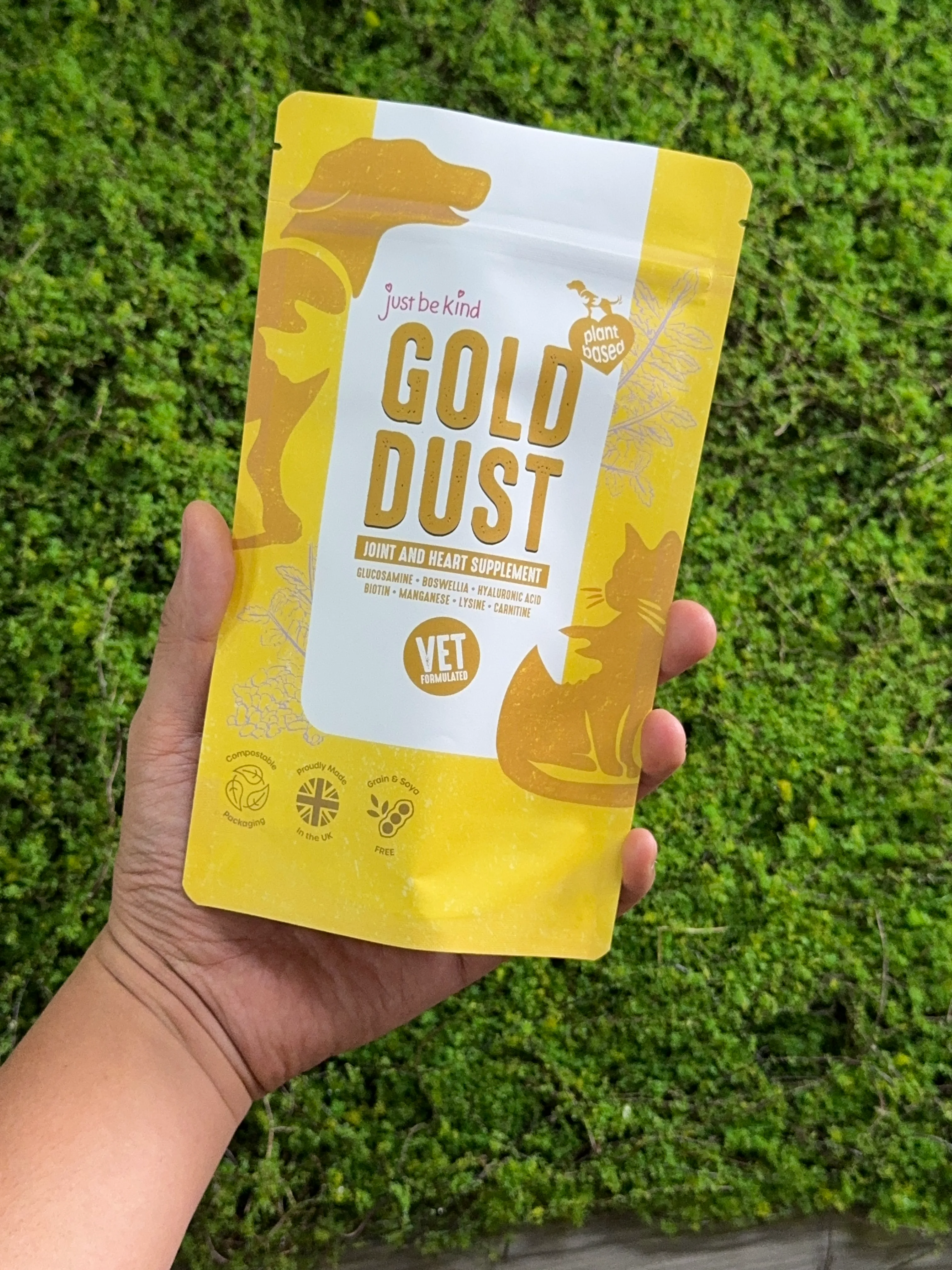
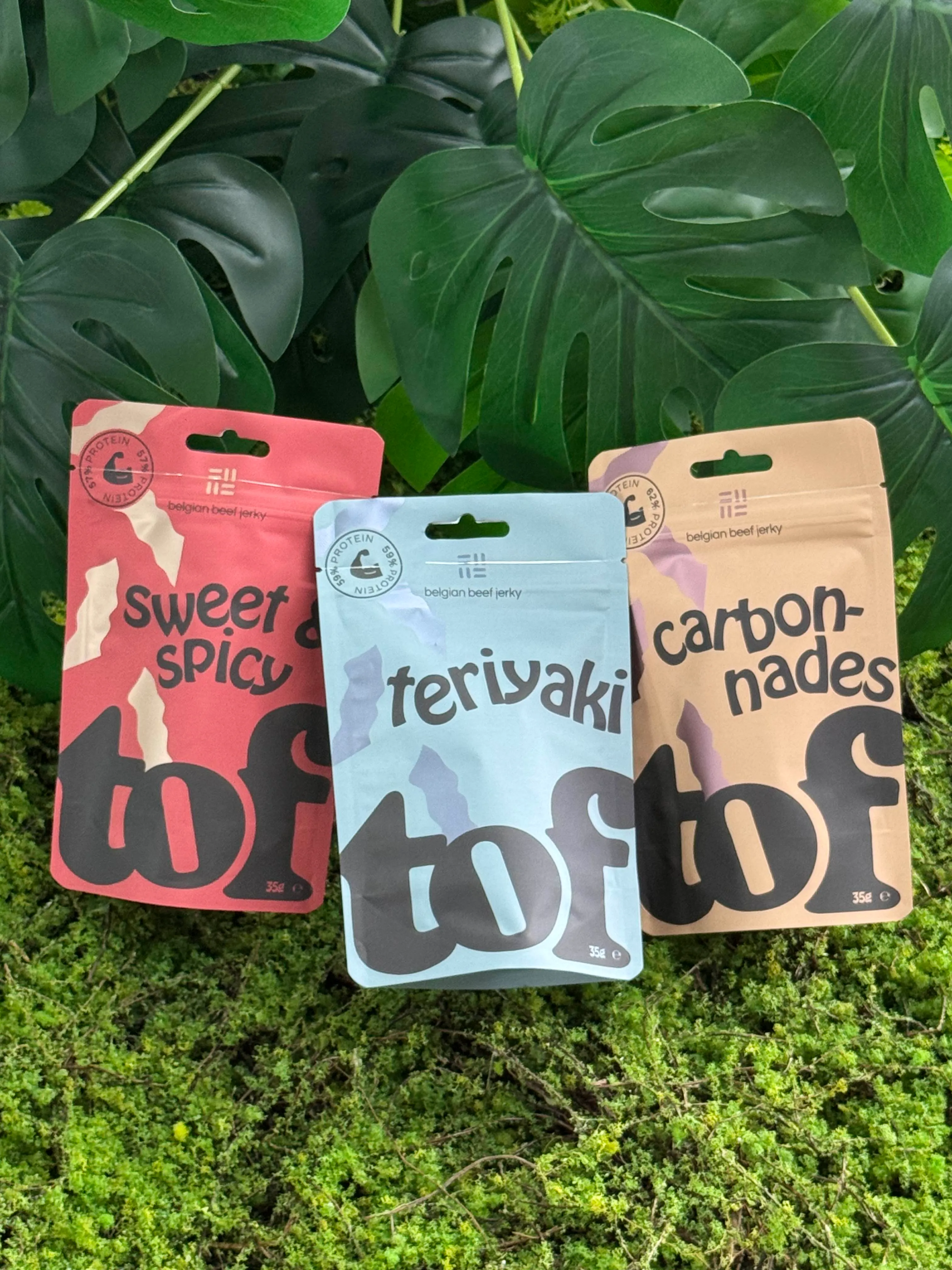
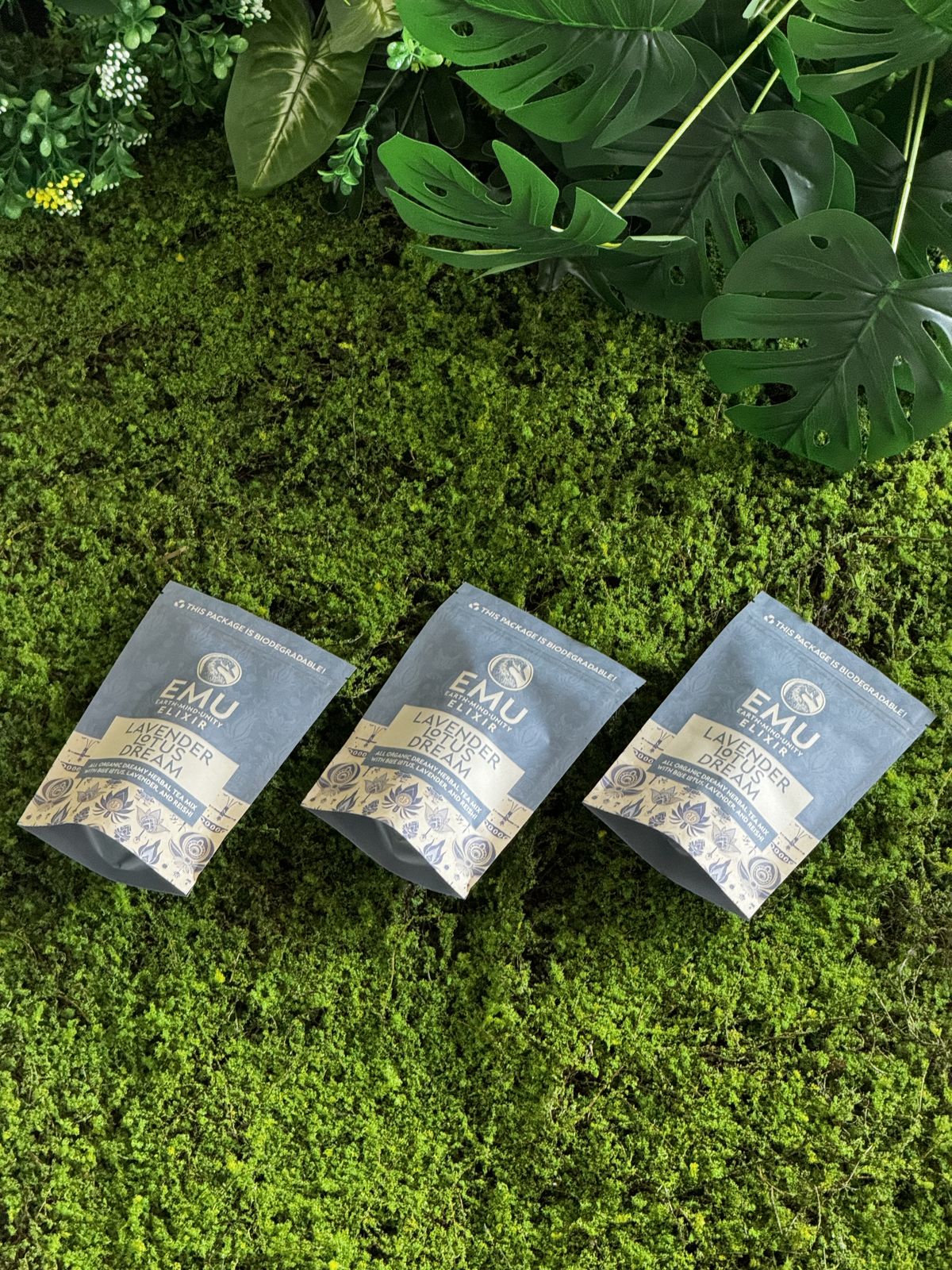
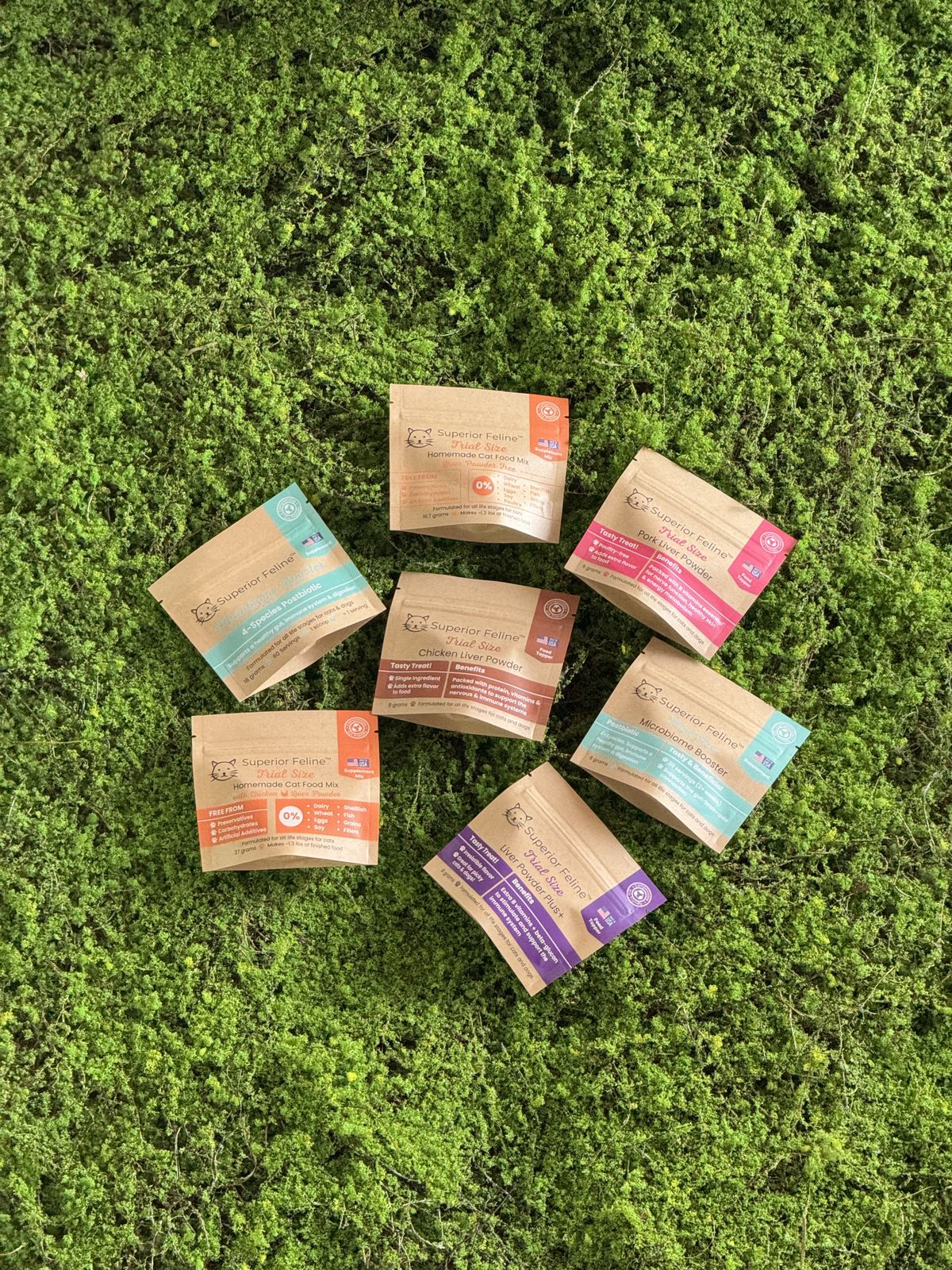
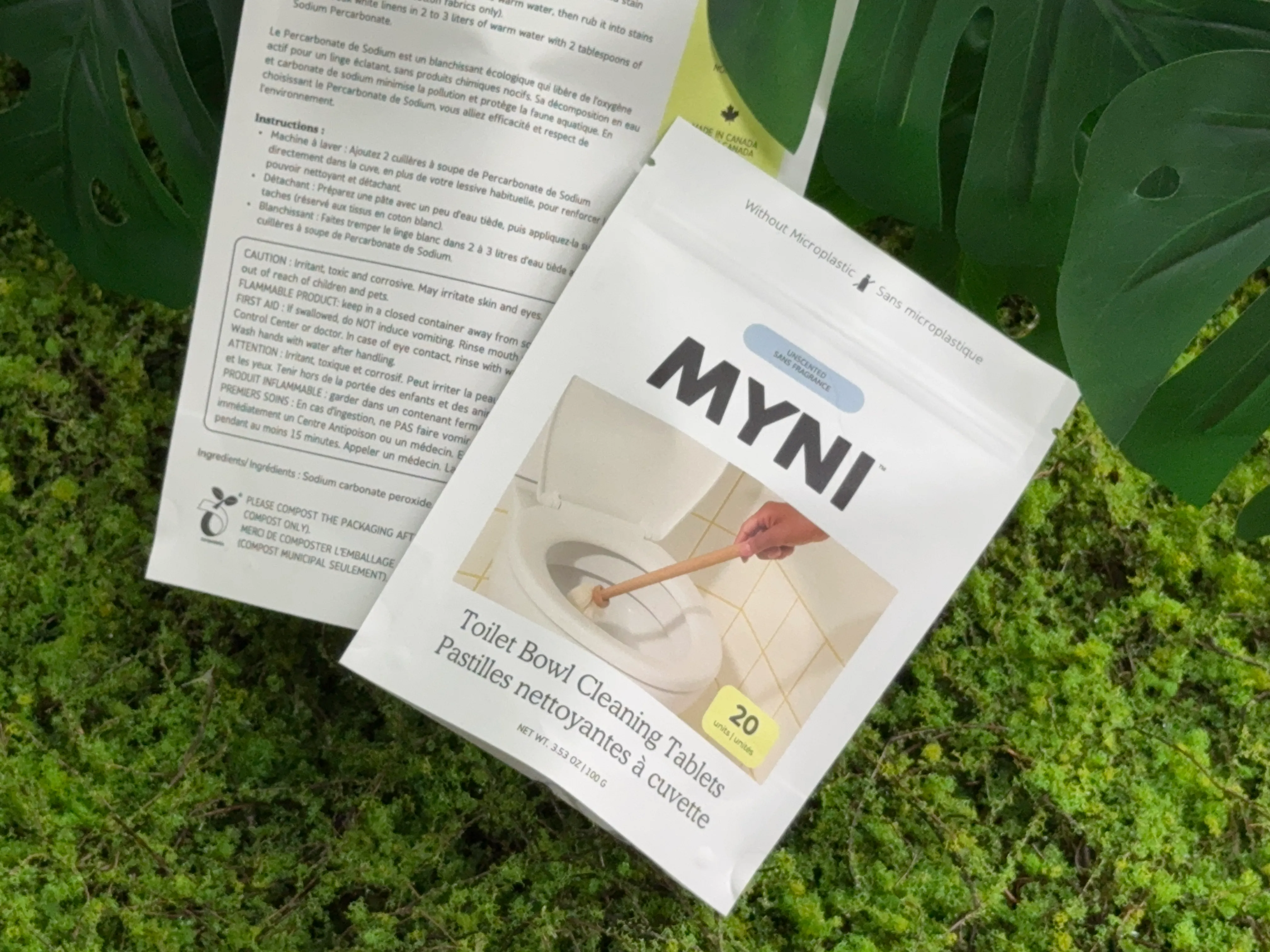
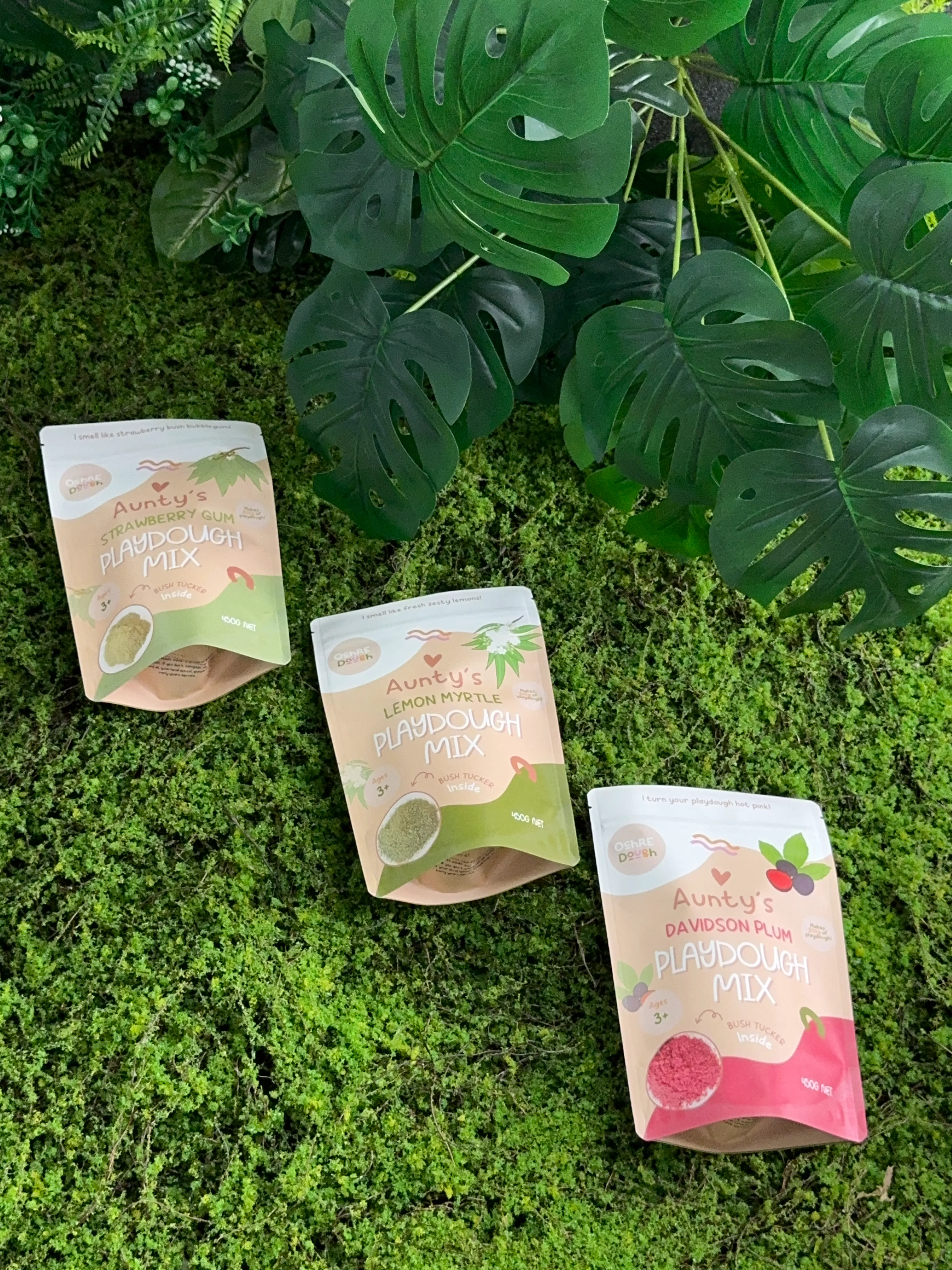
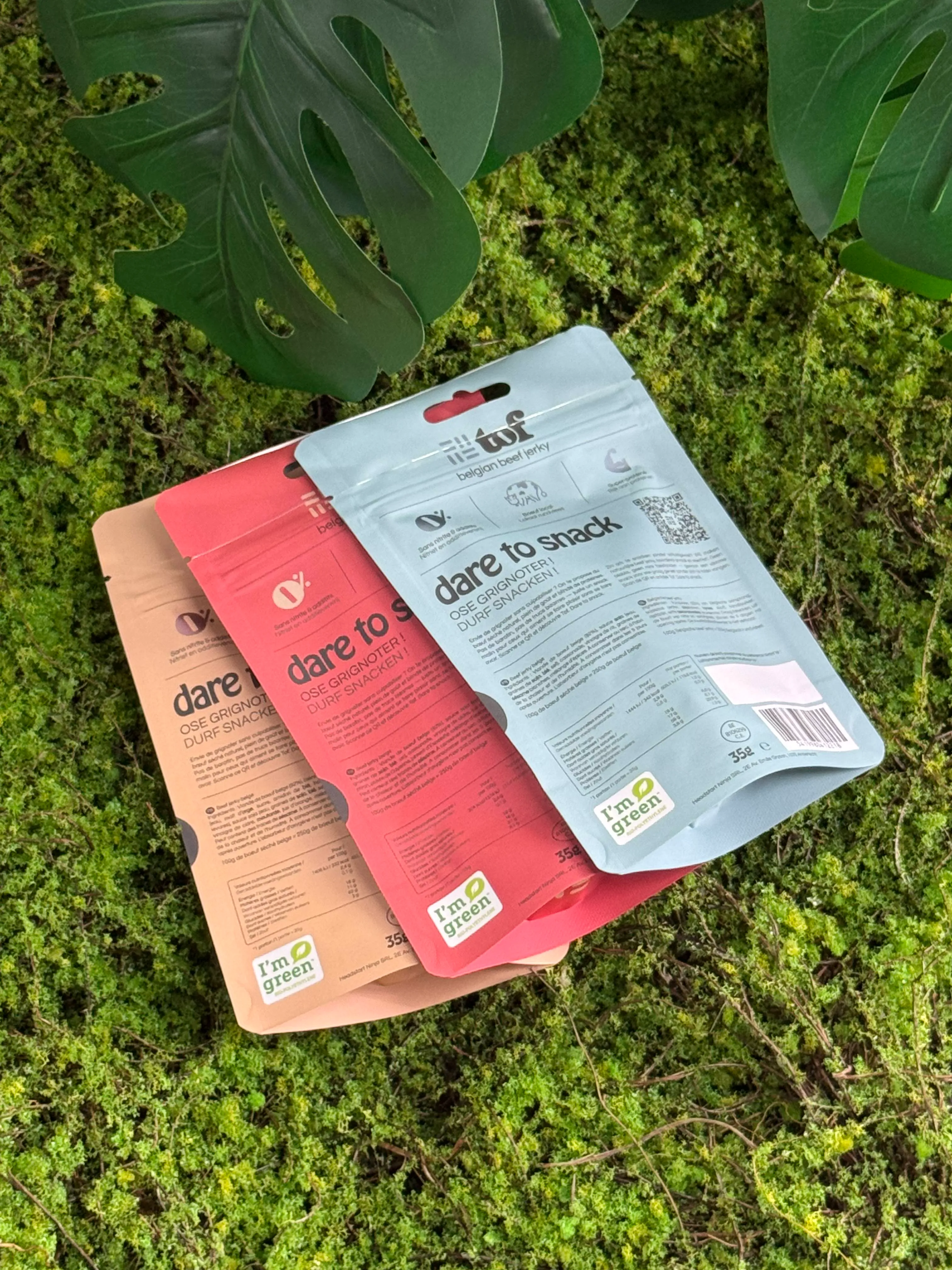
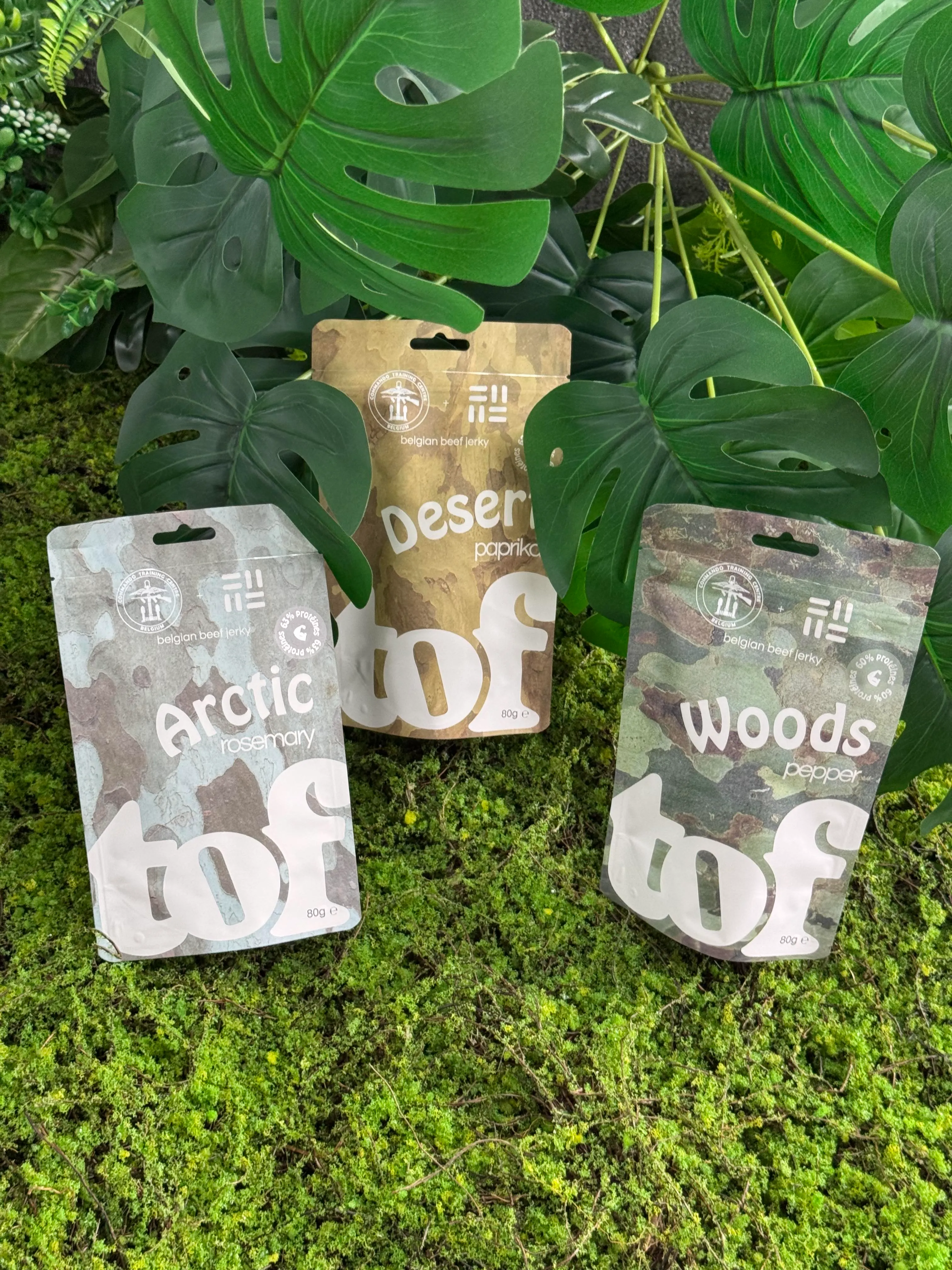
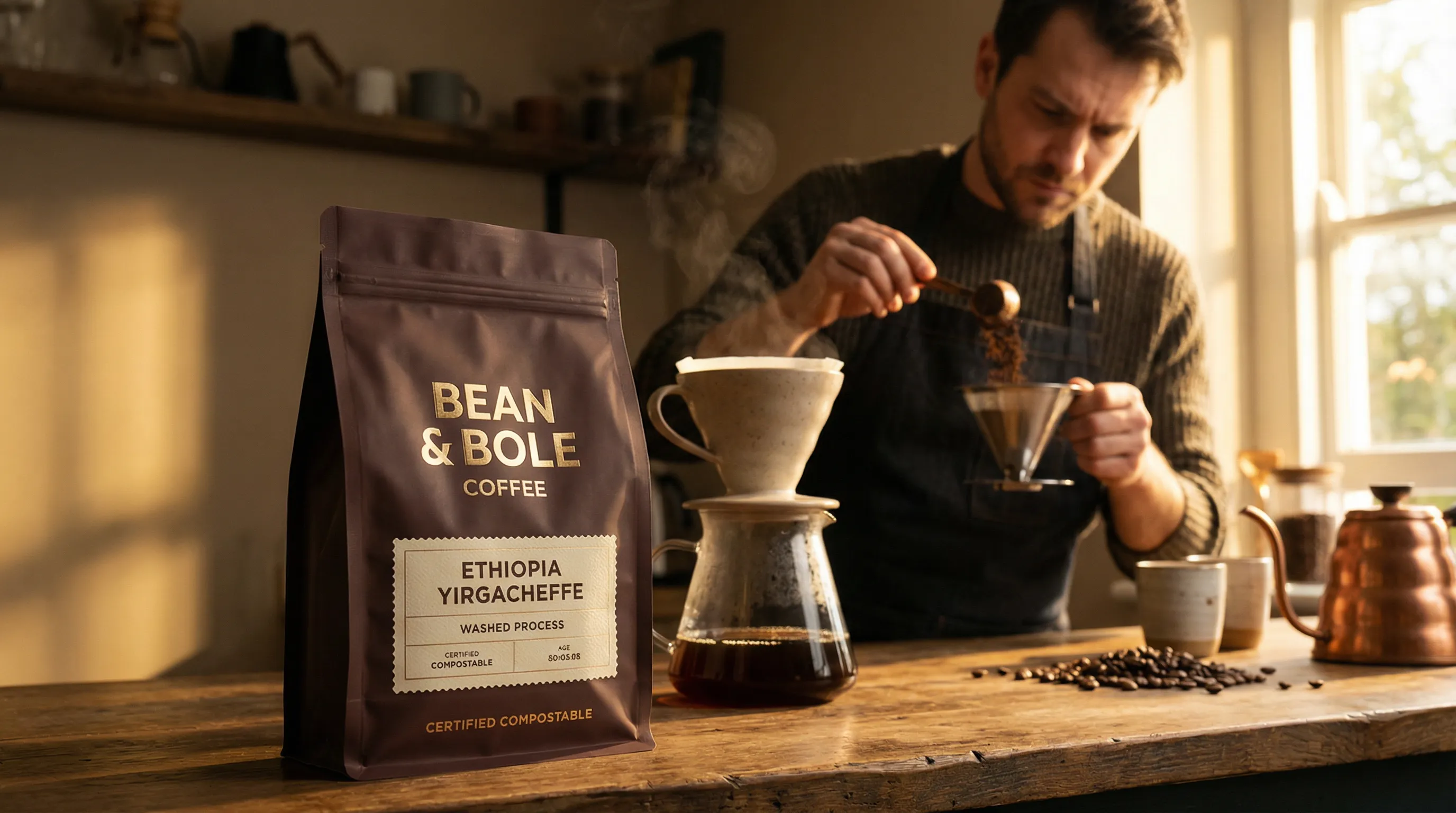
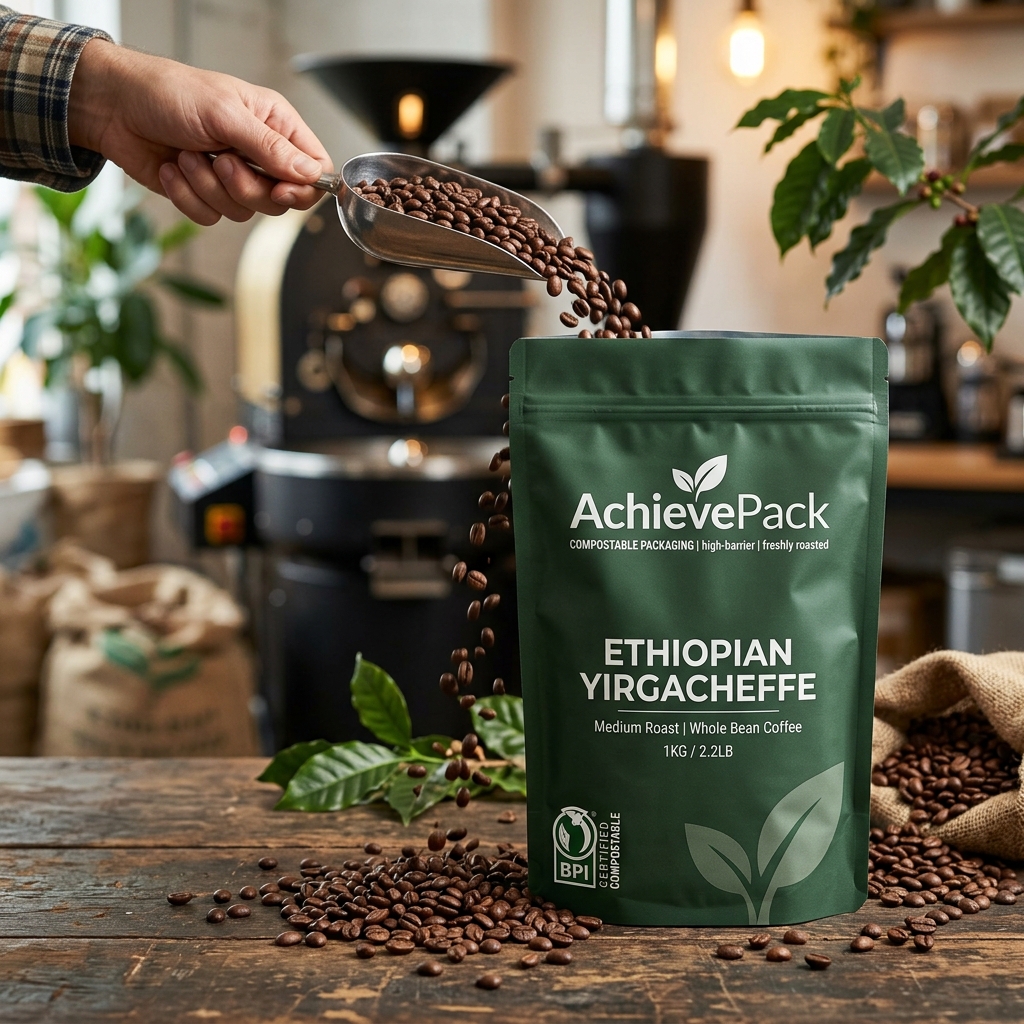
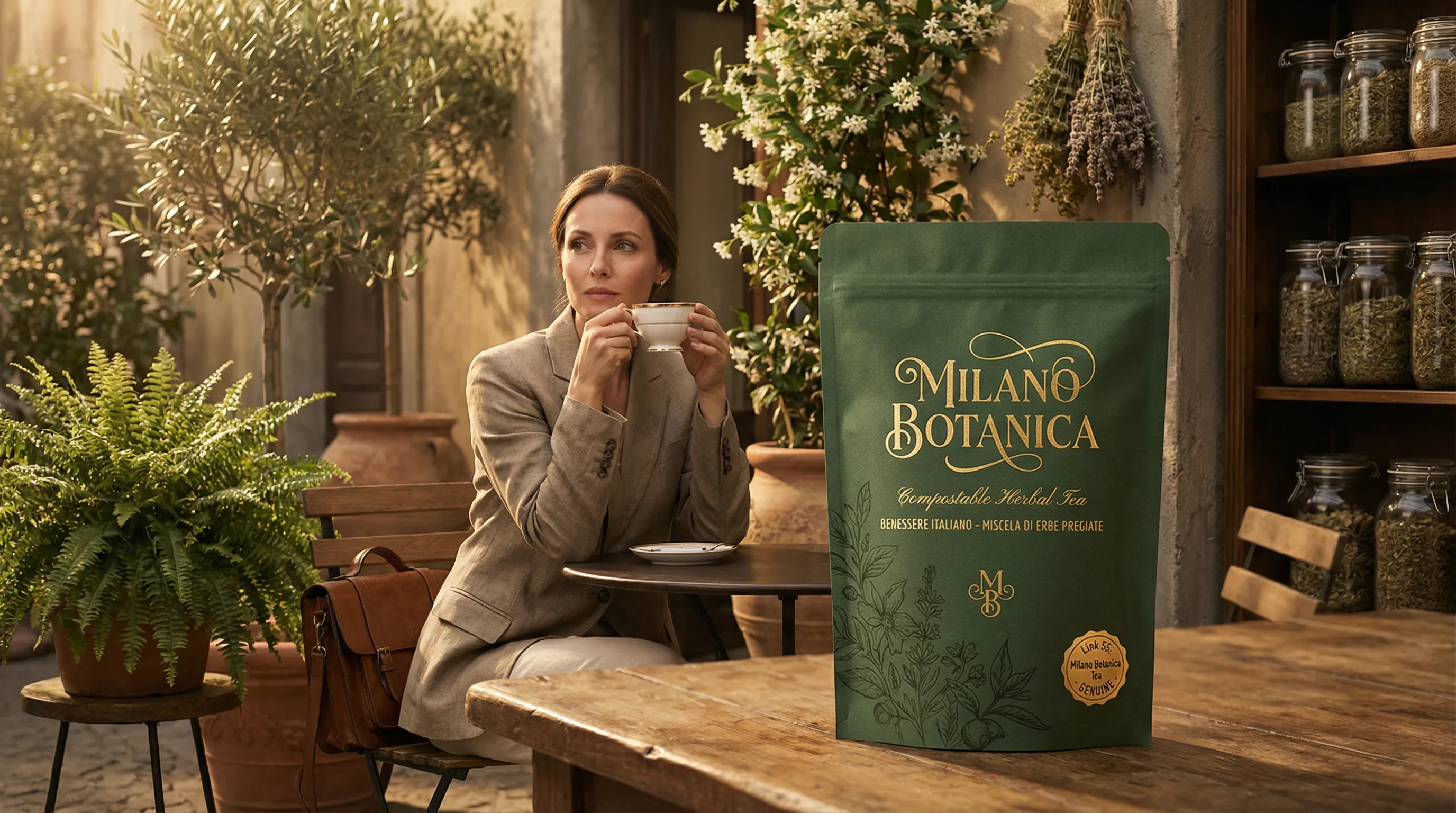
Popular compostable products: coffee bags, tea pouches, protein powder bags, snack packaging, pet treat bags
When to Choose Recyclable Packaging
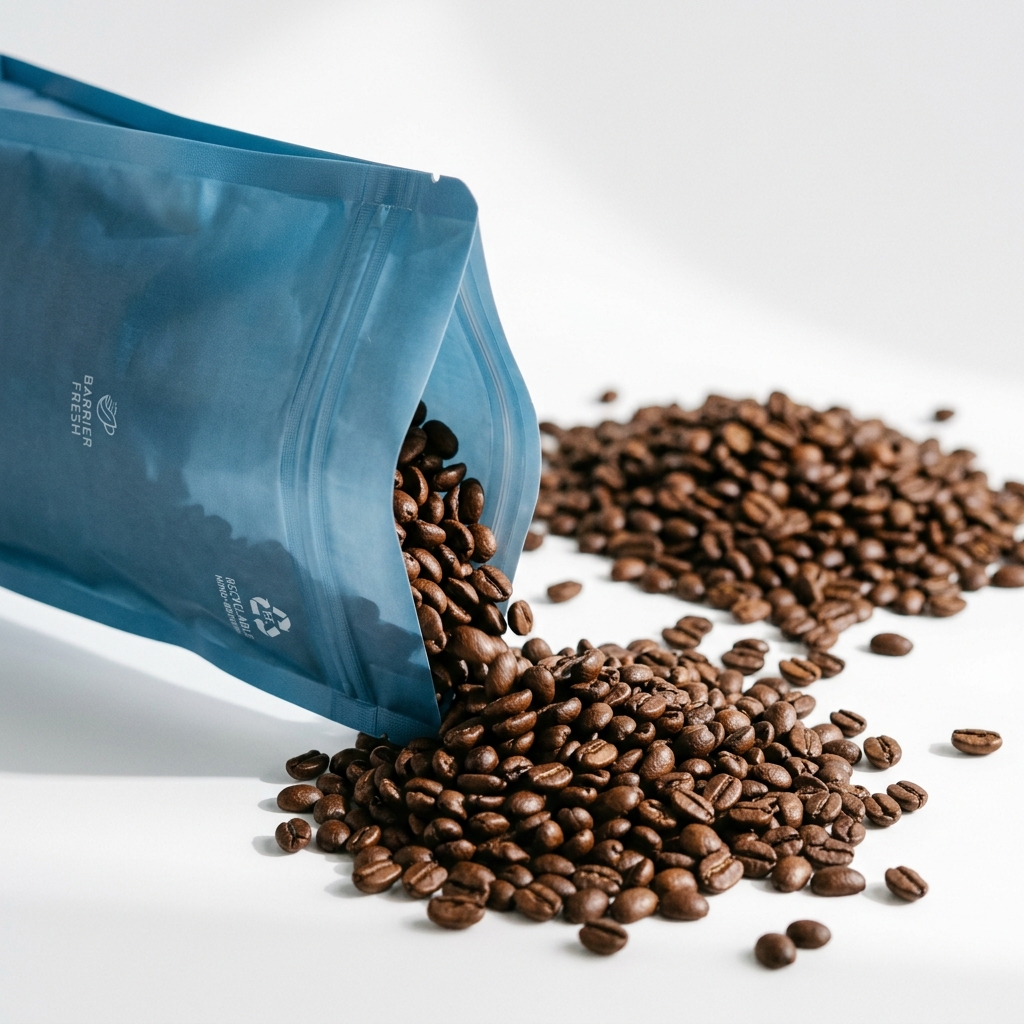
Recyclable mono-PE packaging is the right choice when:
Popular recyclable products: frozen food, bulk nuts/grains, supplements, longer shelf-life goods
Quick Decision Guide: Which Should You Choose?
Is sustainability the #1 selling point for your brand?
→ Yes: Compostable · → No: Recyclable
Does your product need more than 12 months shelf life?
→ Yes: Recyclable (better barrier) · → No: Either works
Is cost the most important factor?
→ Yes: Recyclable (same cost as plastic) · → No: Compostable (premium positioning)
Not sure? Start with samples of both!
We can send you both materials to test with your product —request free samples →
AchievePack Sustainable Material Specifications
AchievePack Sustainable Material Specifications
Factory-Direct Certified Sustainable Flexible Packaging Structures
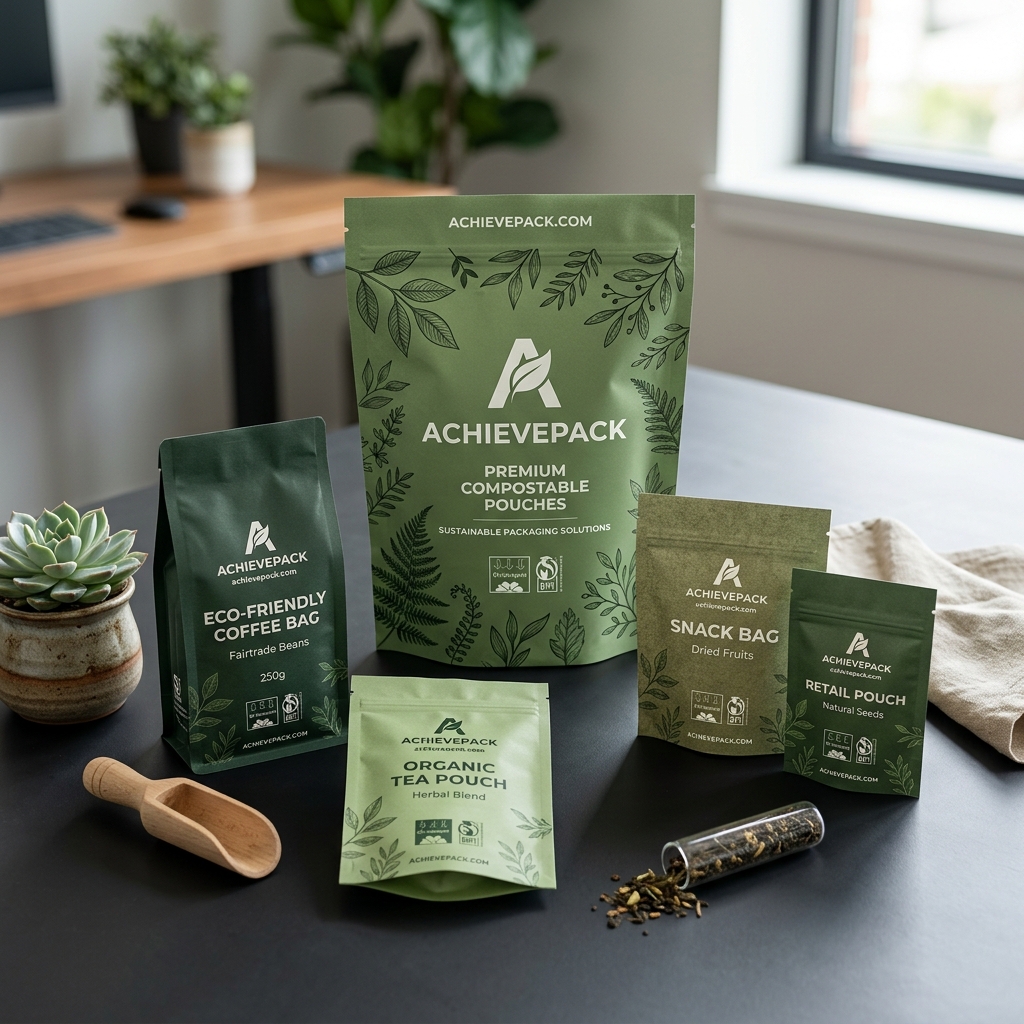
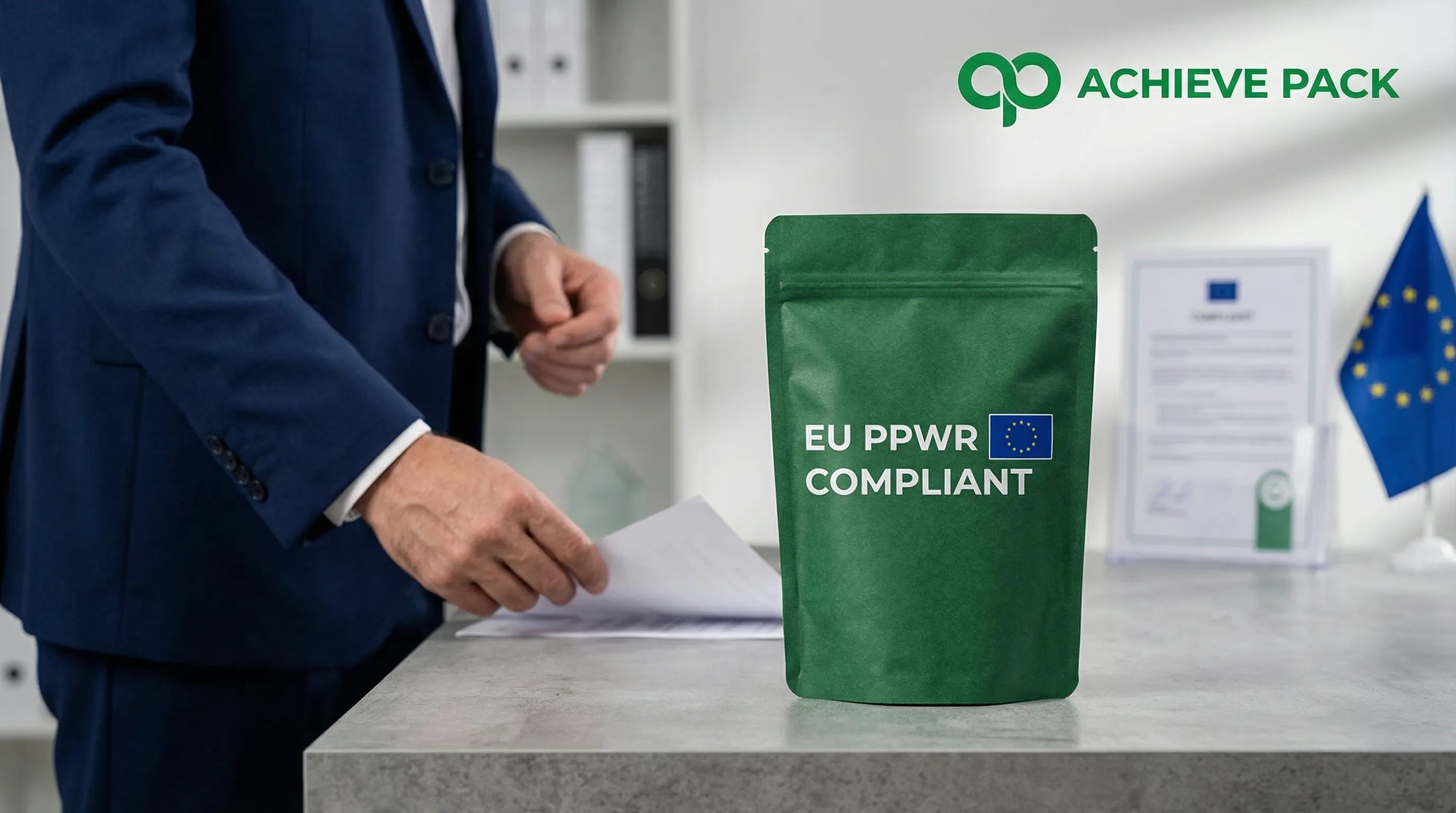
AchievePack engineers and manufactures five core classifications of circular flexible packaging. Designed for modern eco-conscious brands, these materials guarantee regulatory compliance (such as EU PPWR and state-level environmental guidelines) while maintaining optimal barrier integrity and shelf life.
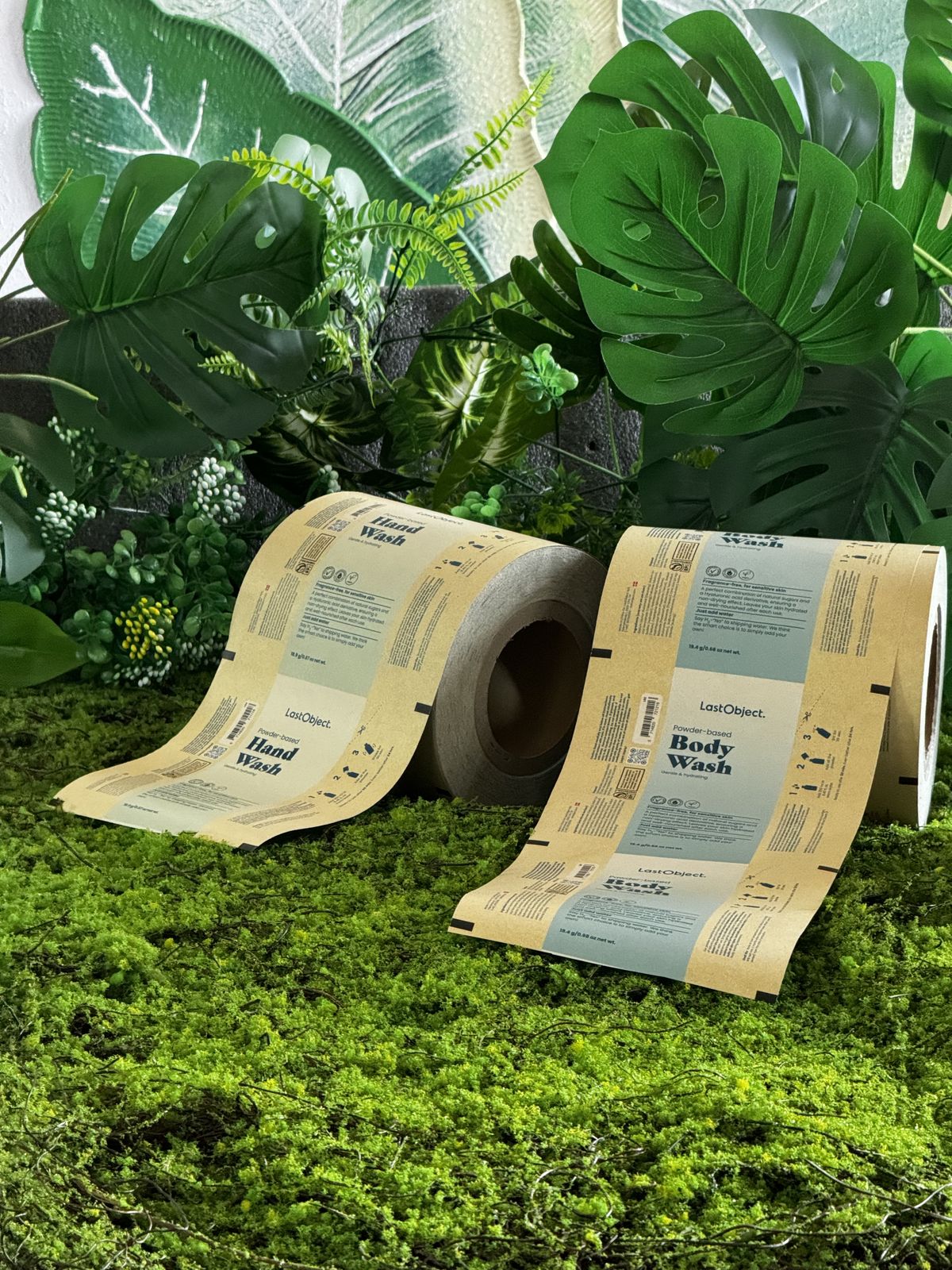
1. Curbside Recyclable Mono-PE
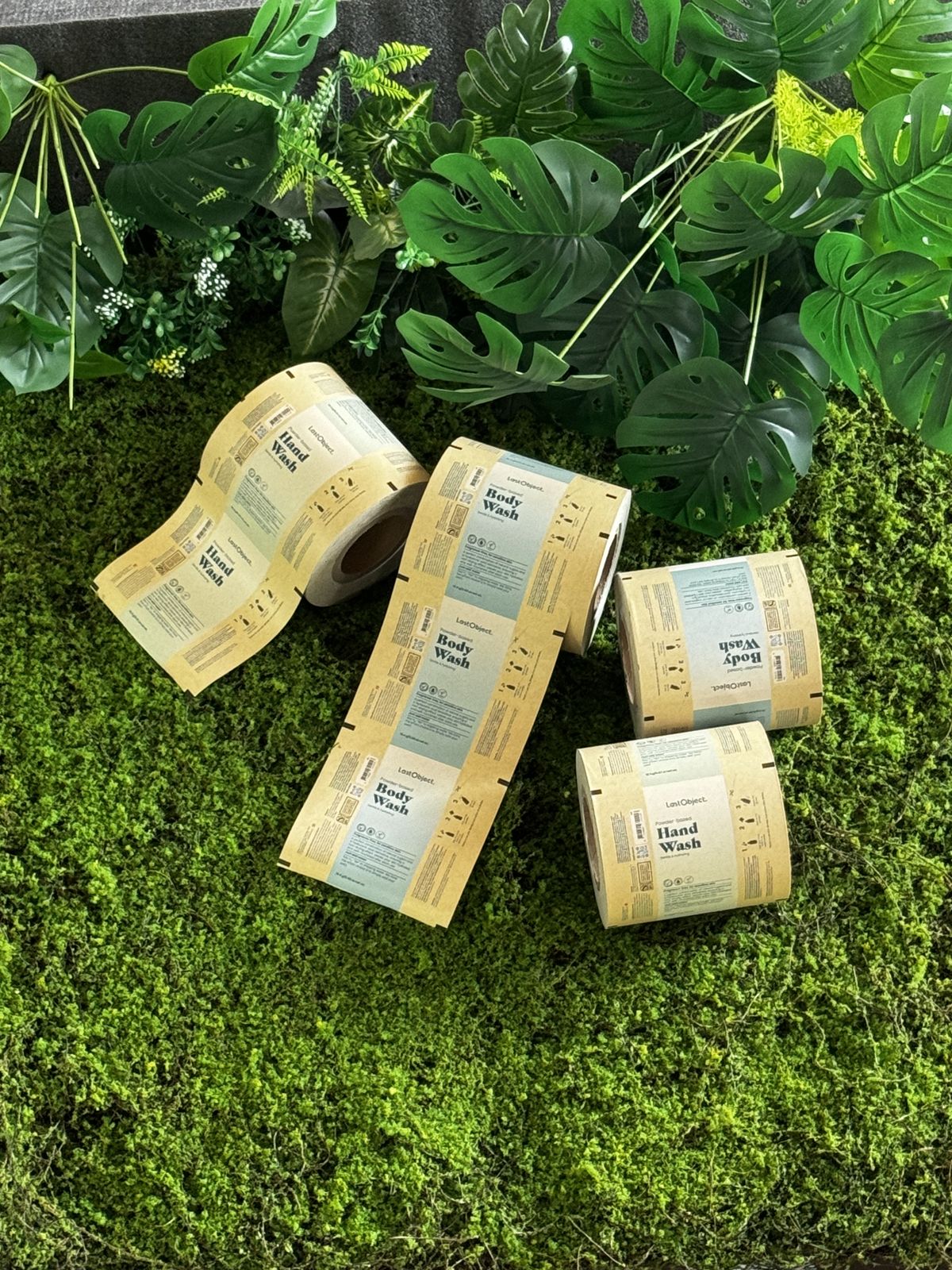
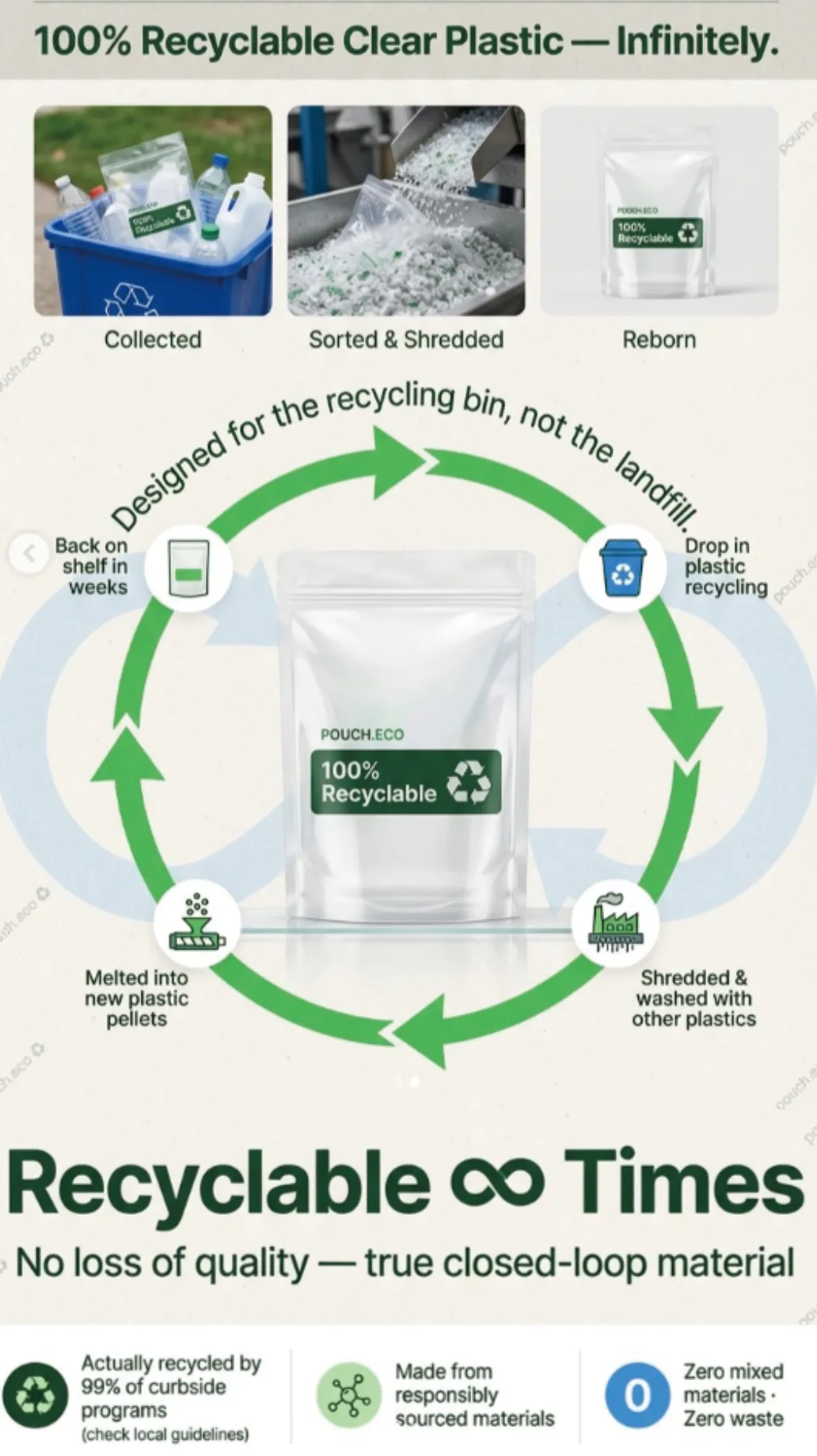
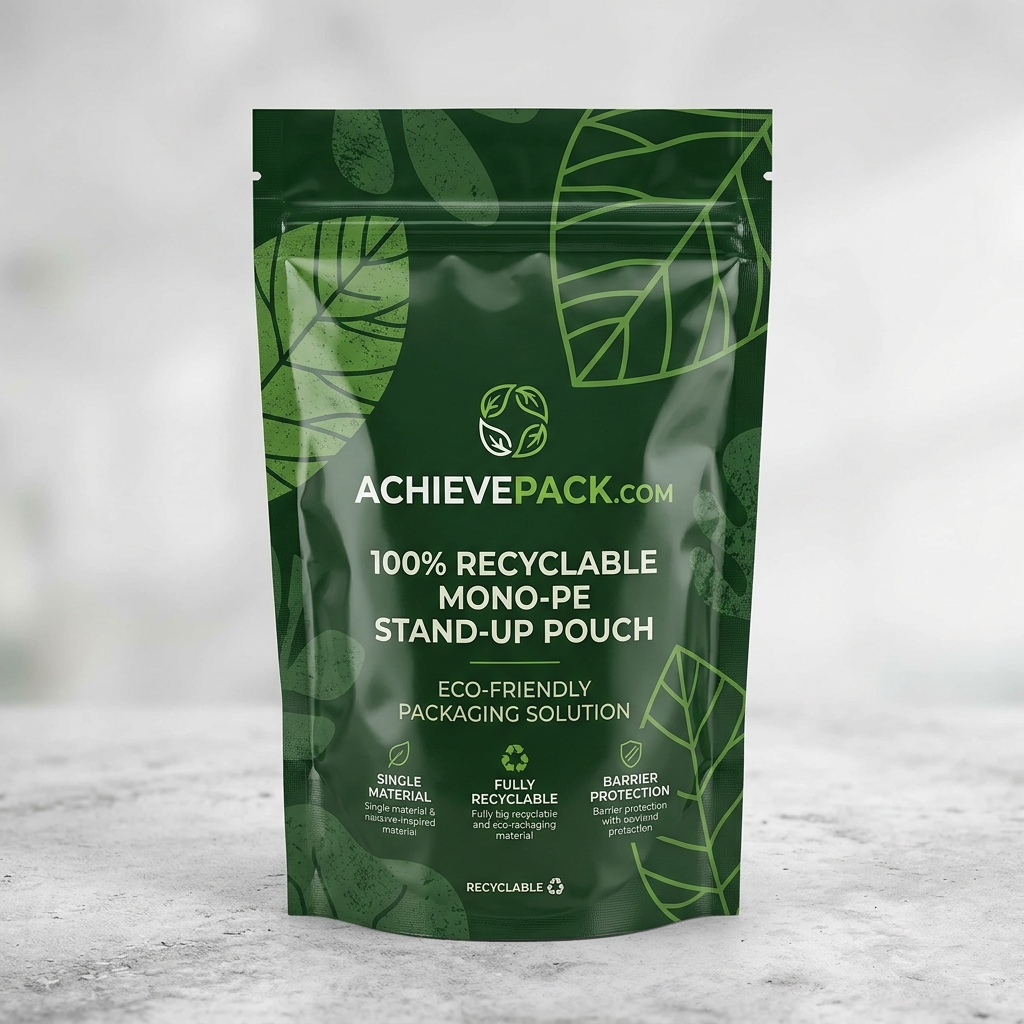
Made from 100% Polyethylene (LDPE #4). This single-polymer structure is fully recyclable through European/UK curbside collection and USA Store Drop-Off networks. Optional EVOH coatings (<5% total weight) deliver extreme oxygen and moisture barriers without compromising the recycling stream.
2. Heat-Resistant Recyclable Mono-PP
Formulated from single-polymer Polypropylene (PP #5), providing excellent optical clarity, high rigidity, and thermal tolerance. Engineered specifically to survive hot-fill processes, pasteurization, retort cooking, and microwave sterilization lines.
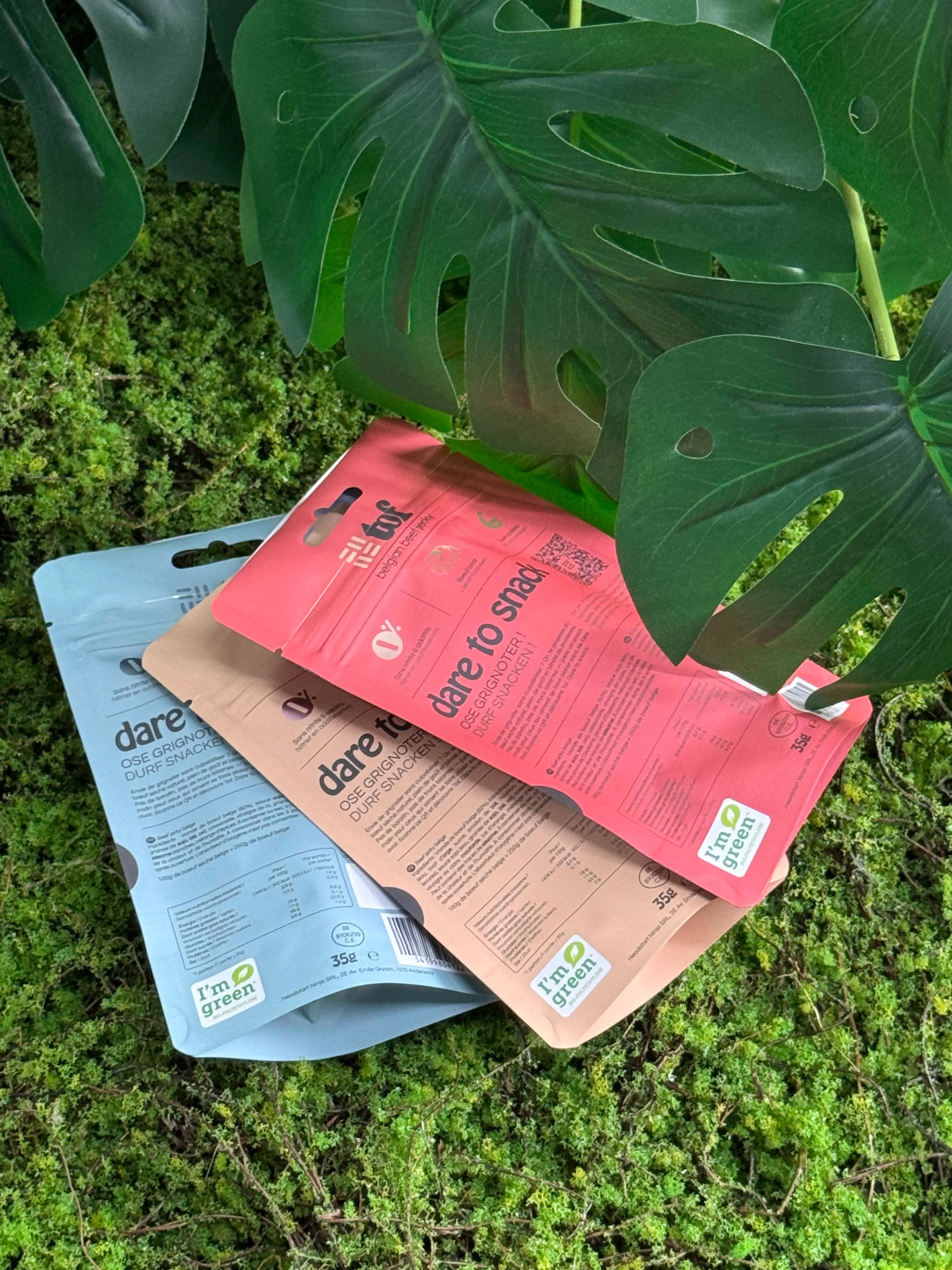
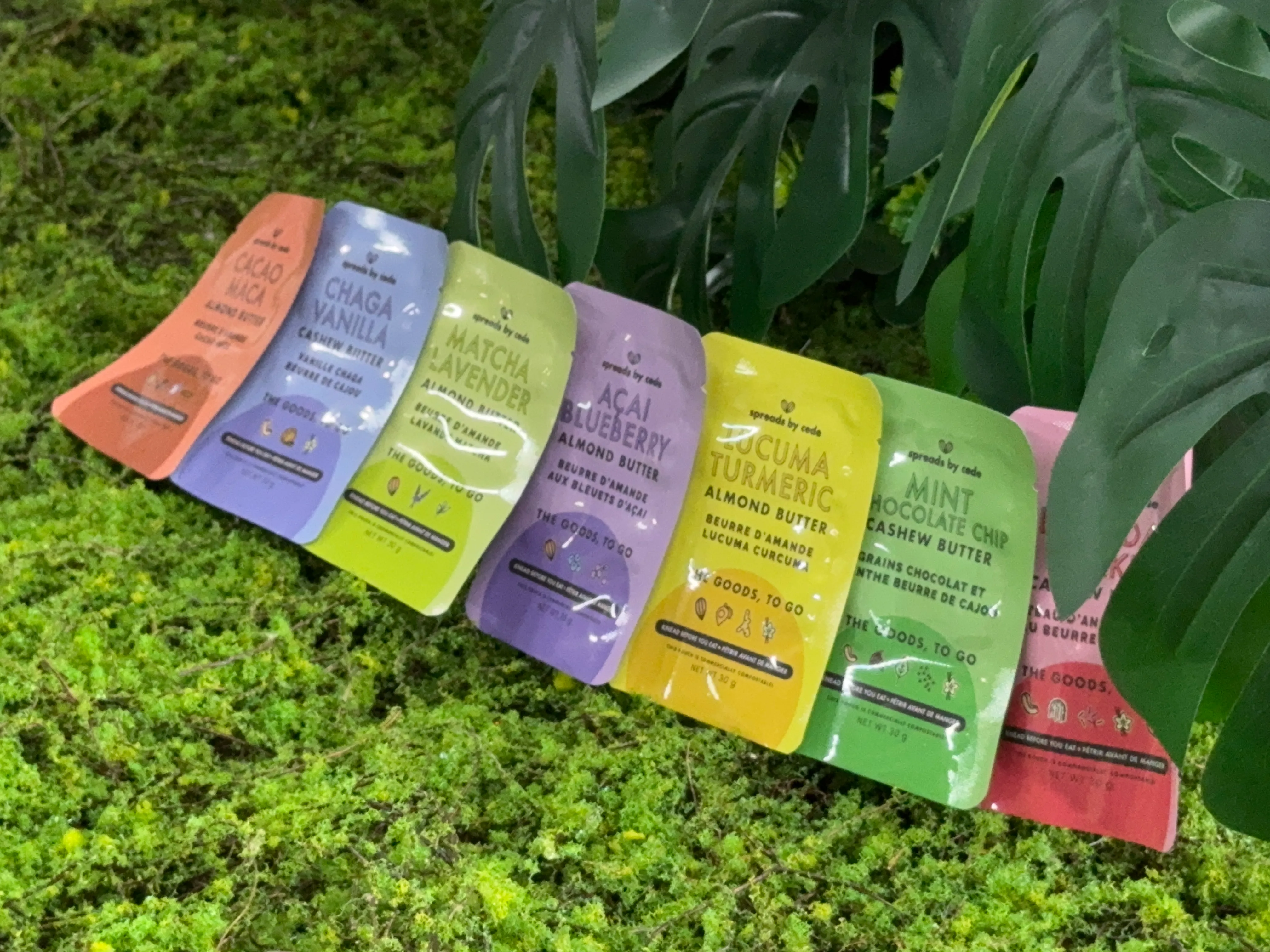
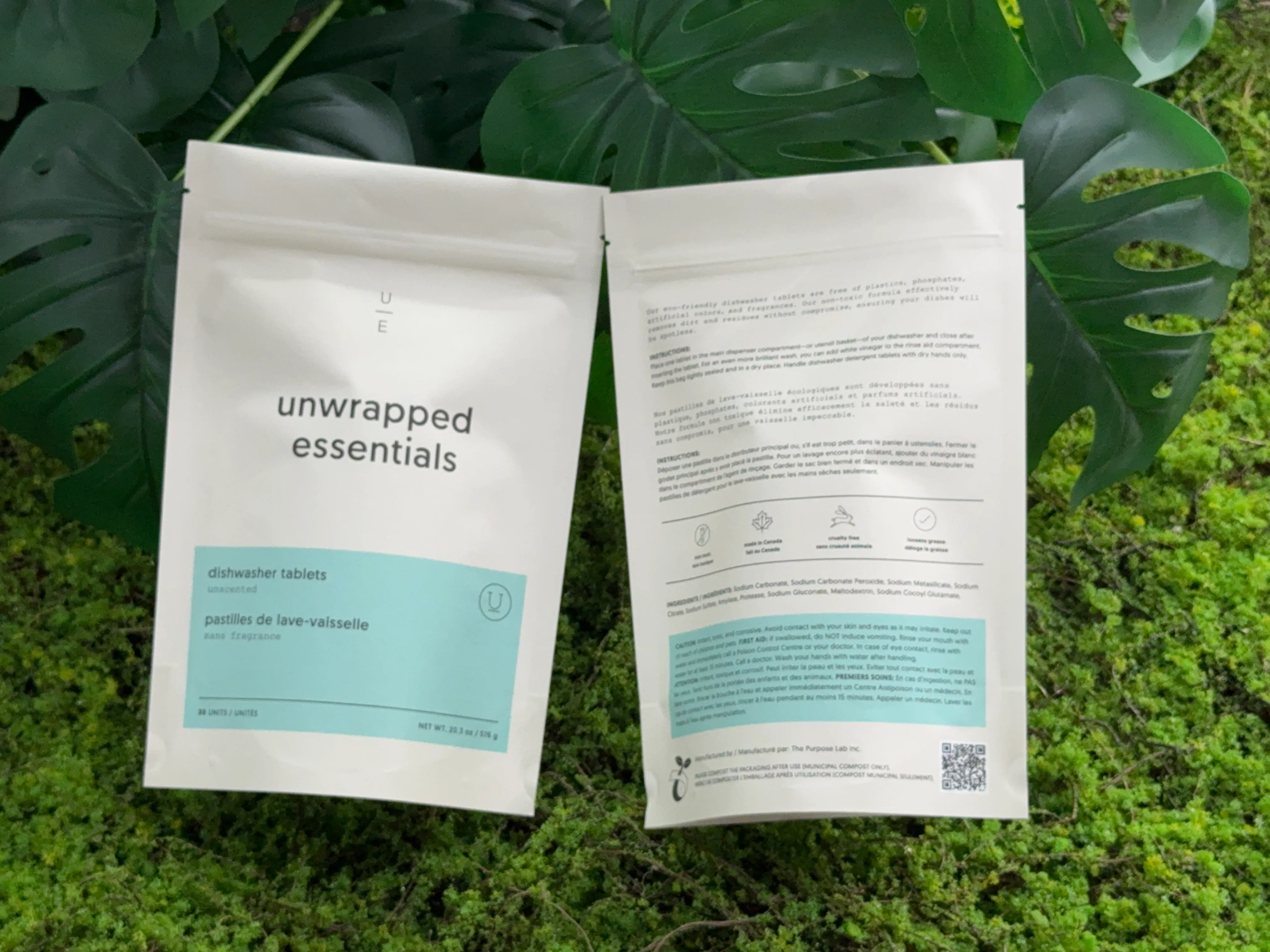
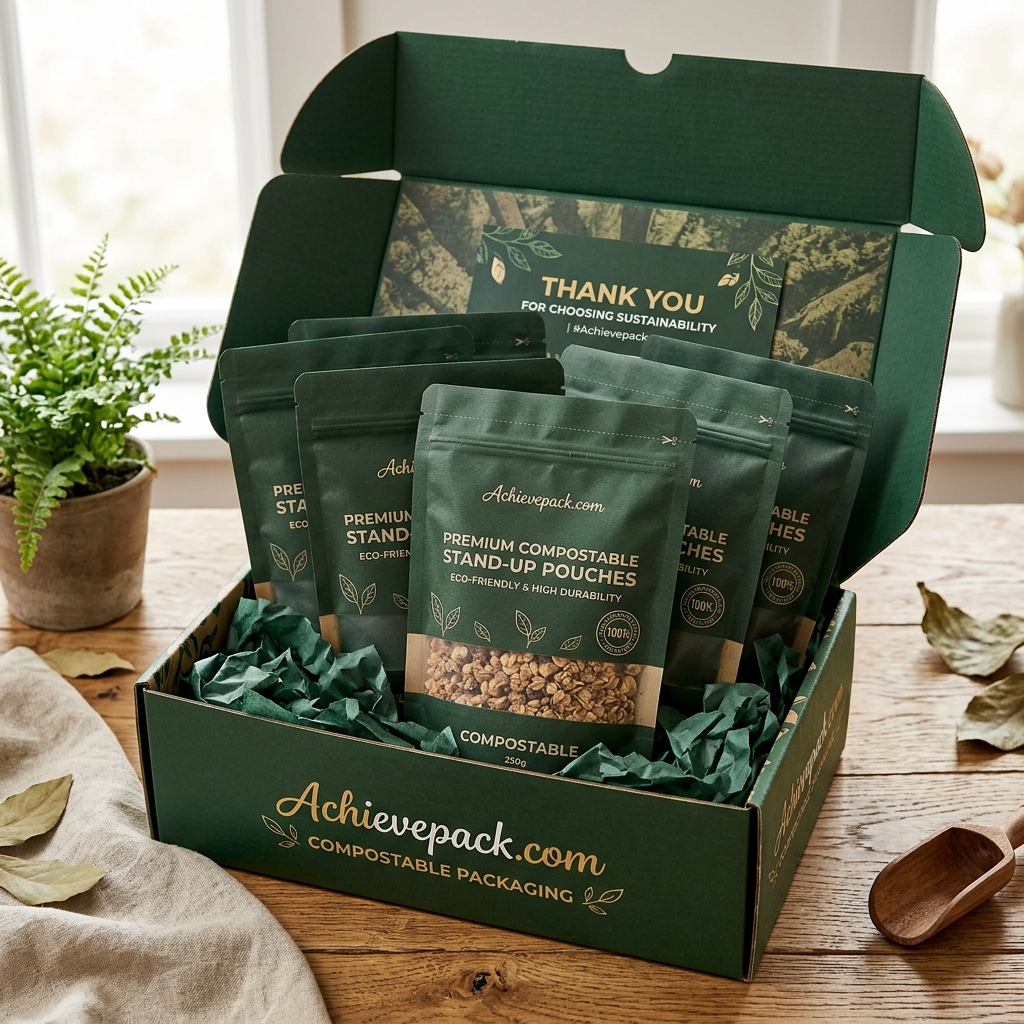
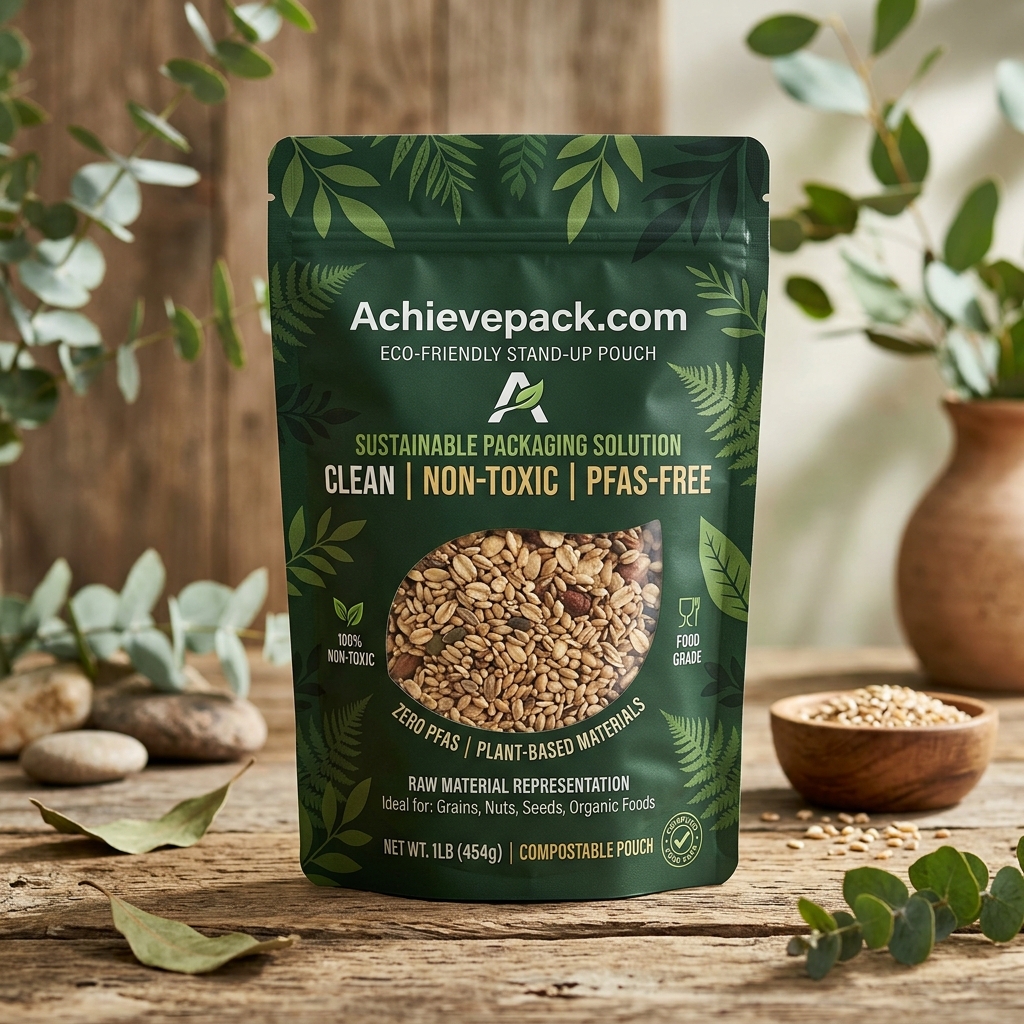
3. Certified Compostable Biopolymers
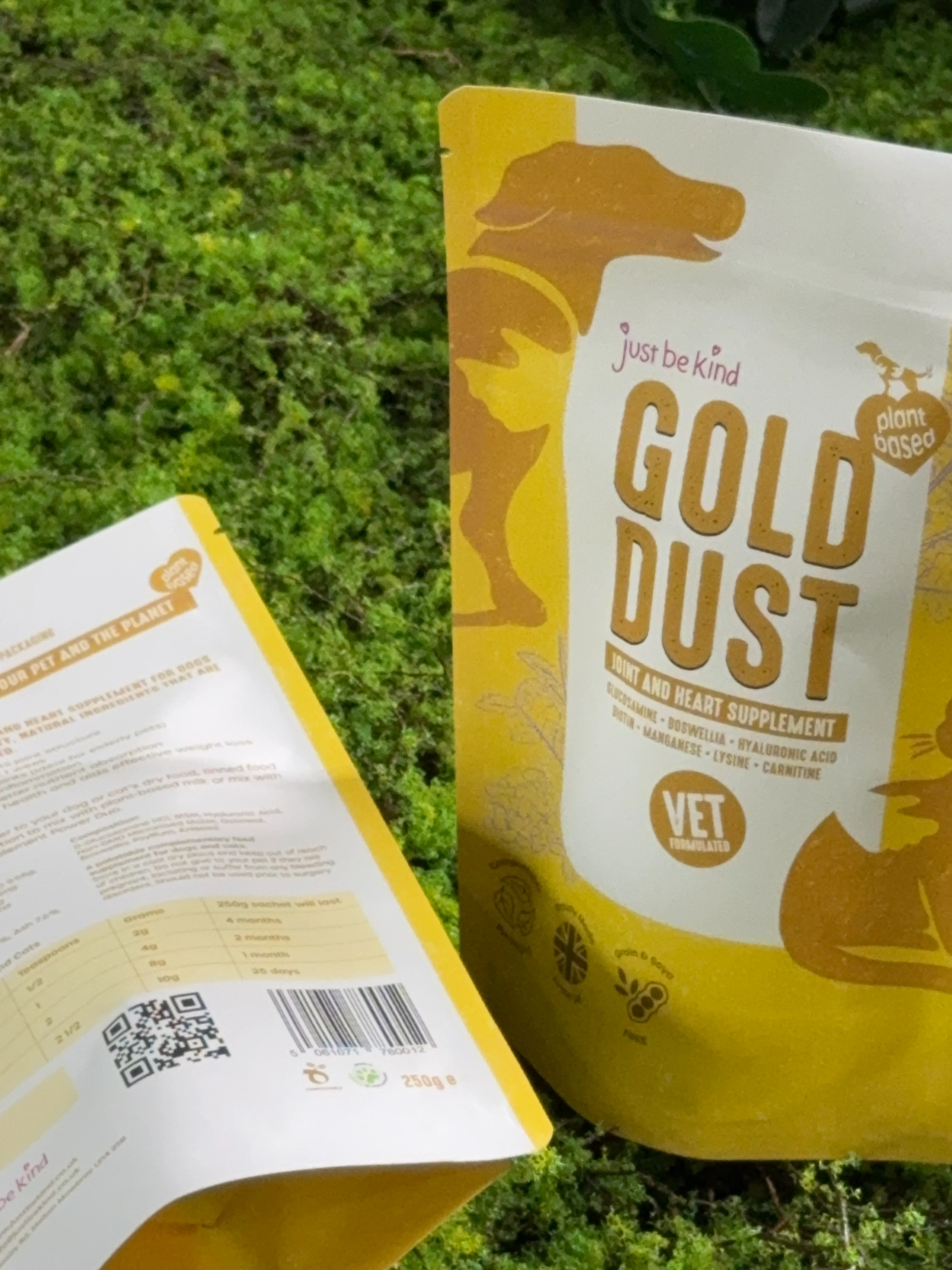
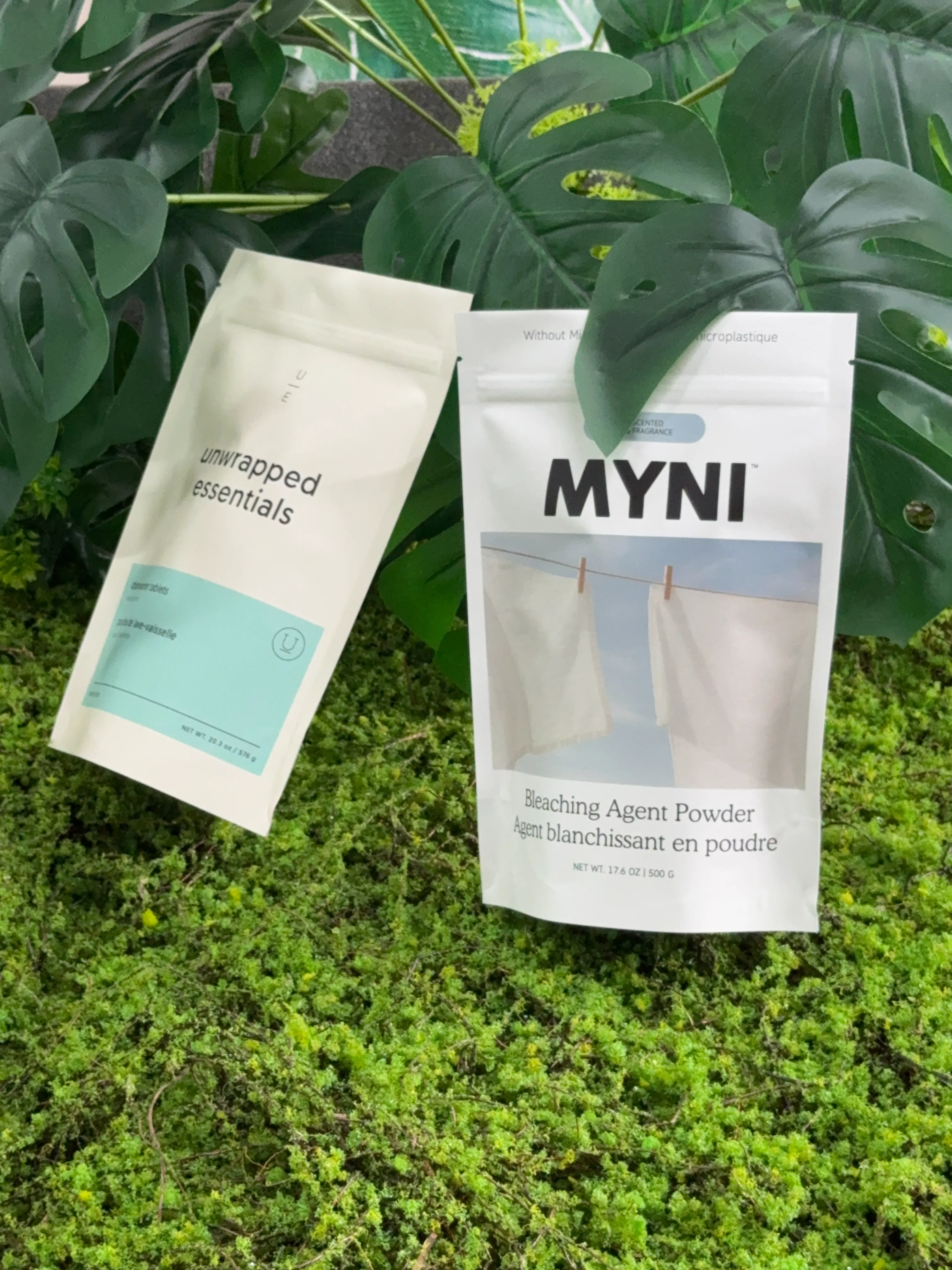
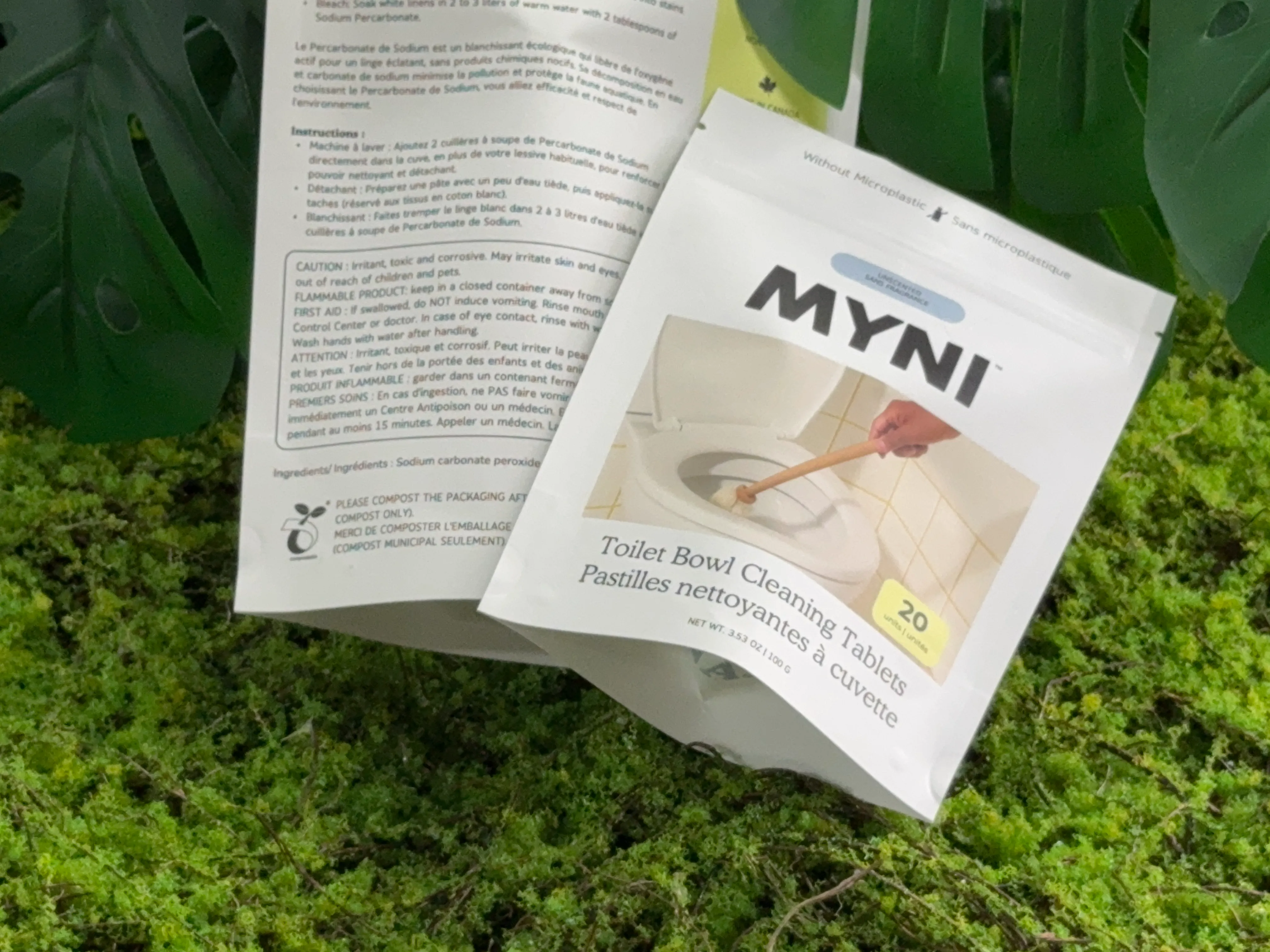
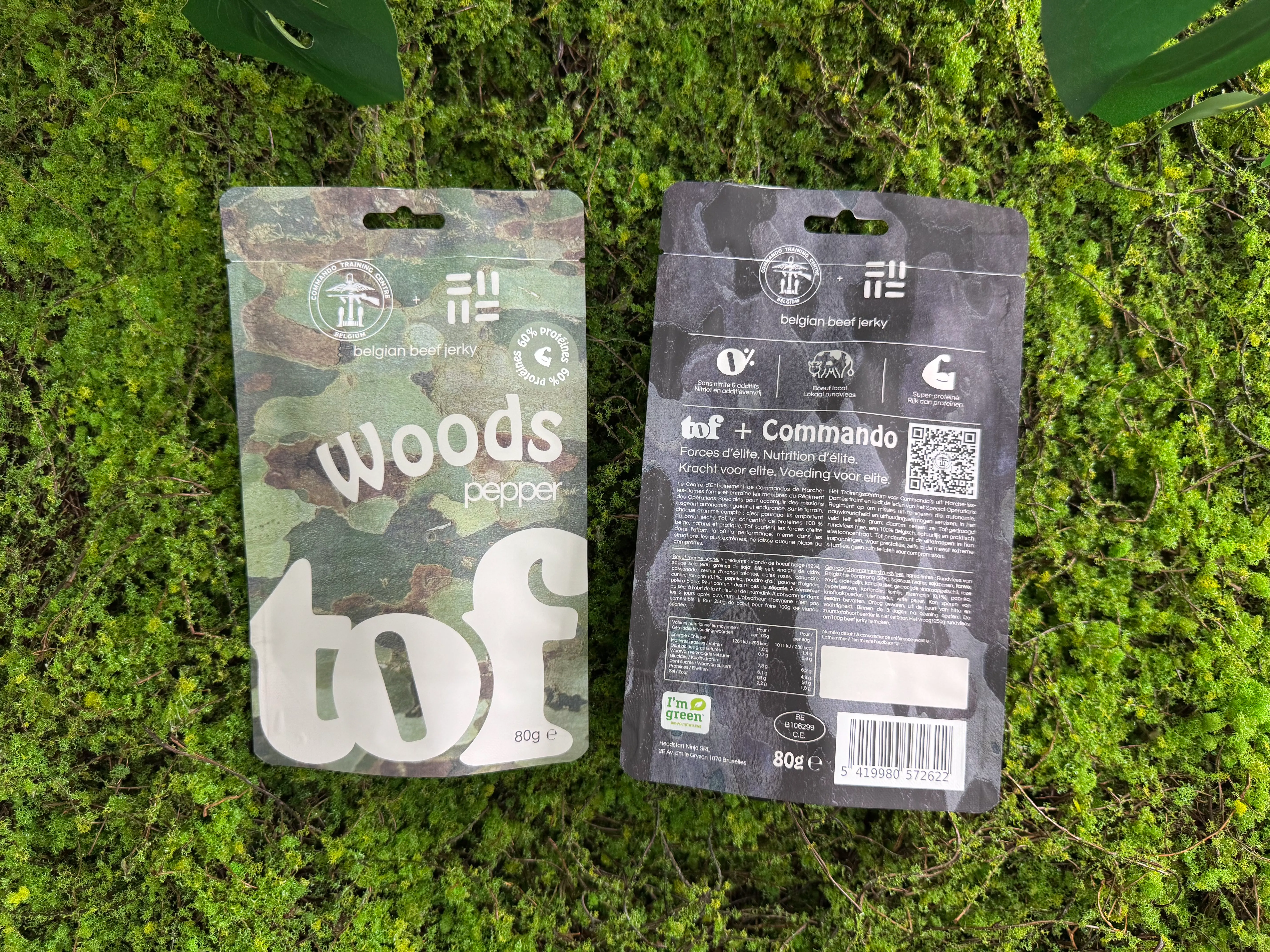
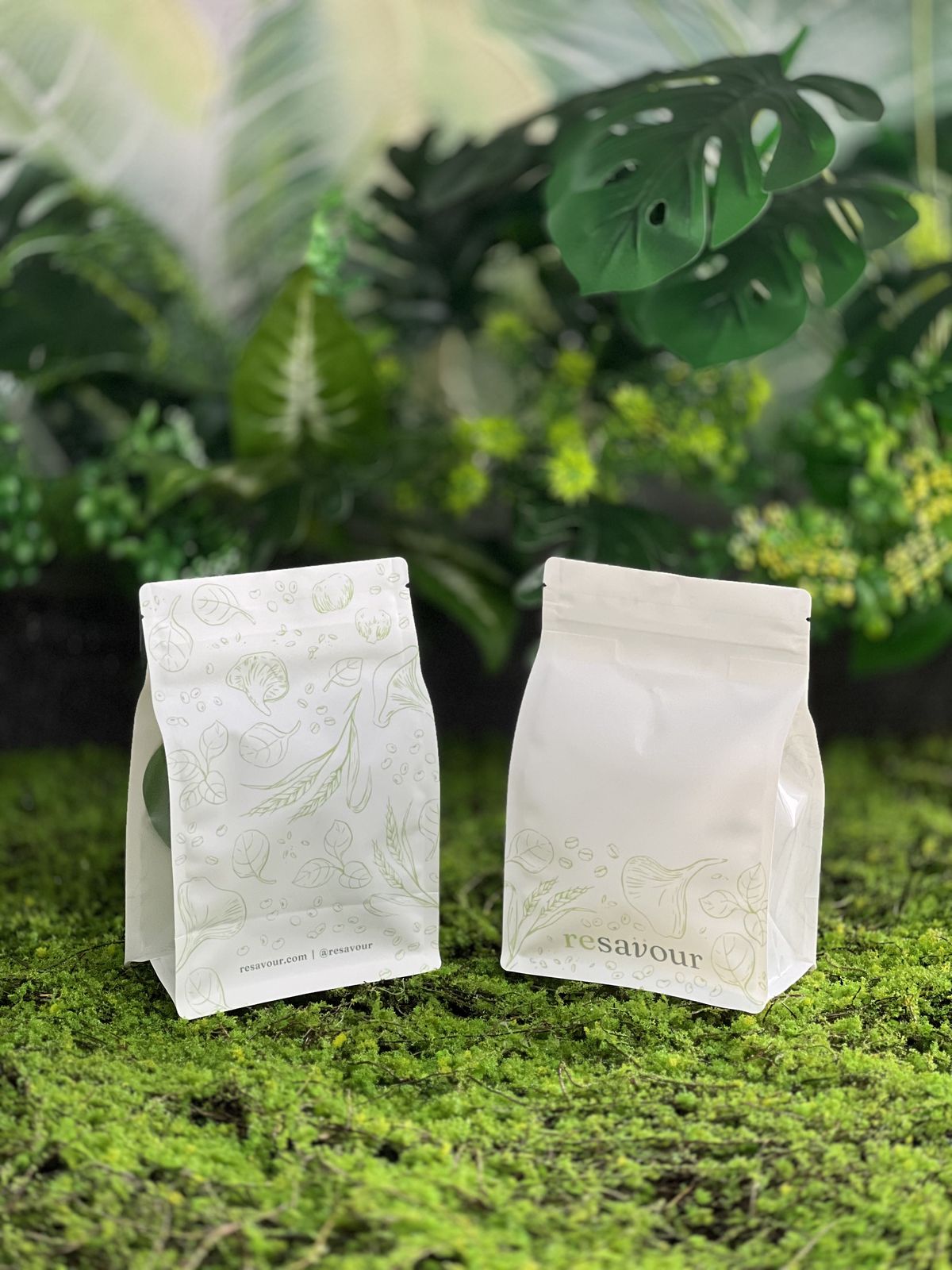
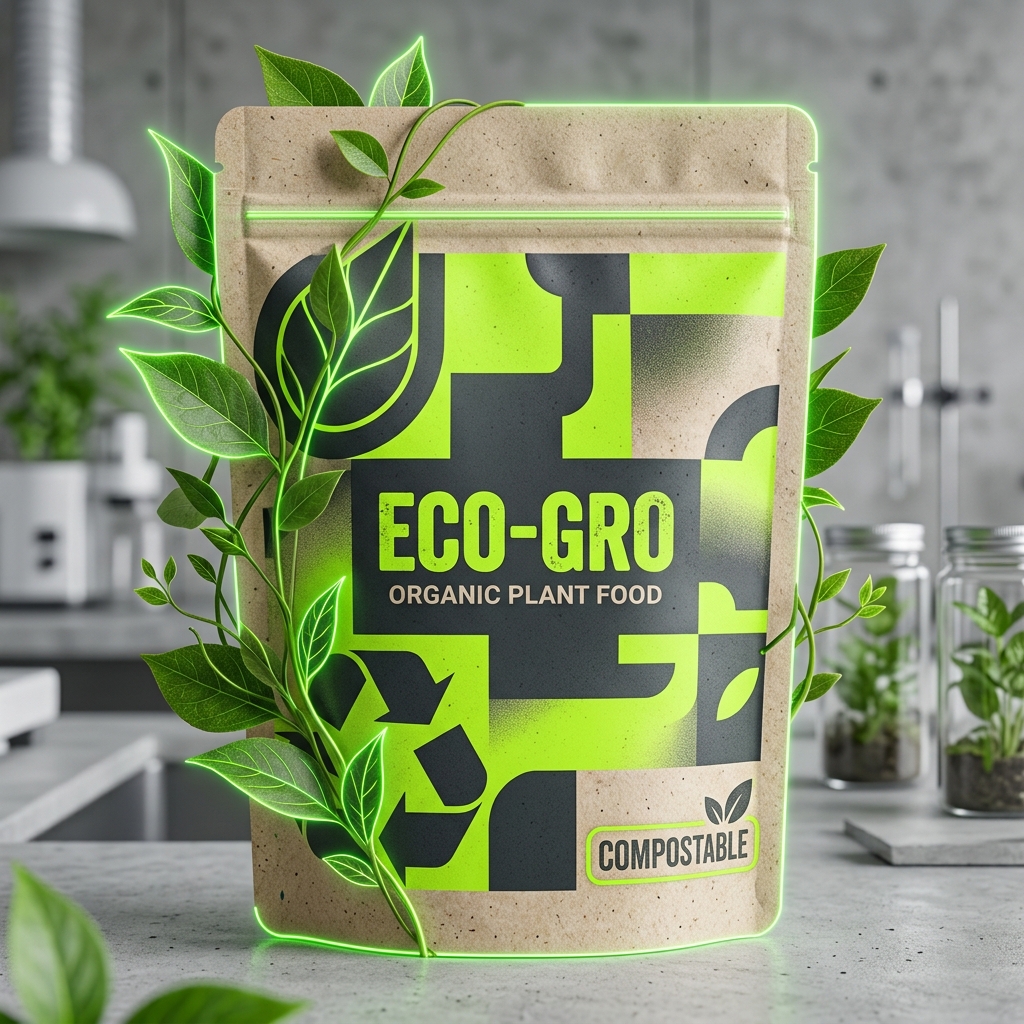
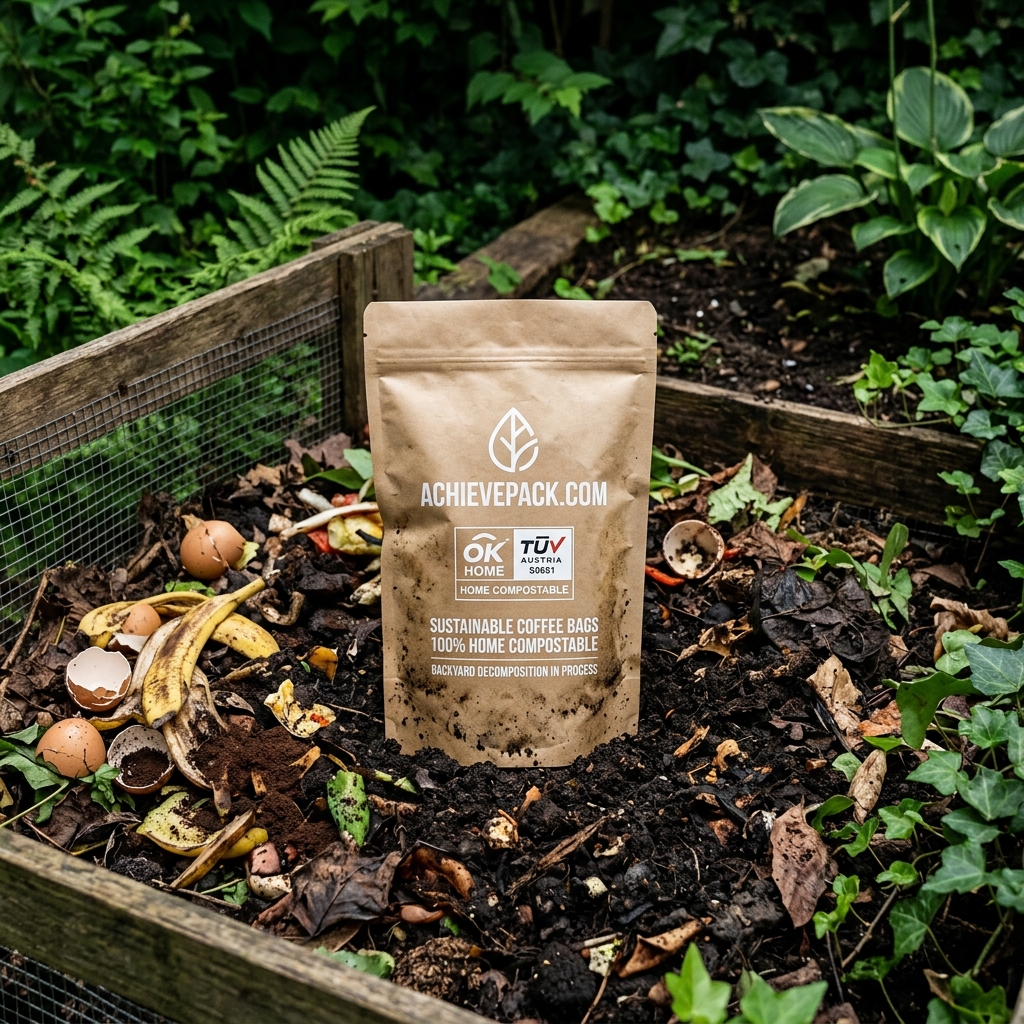
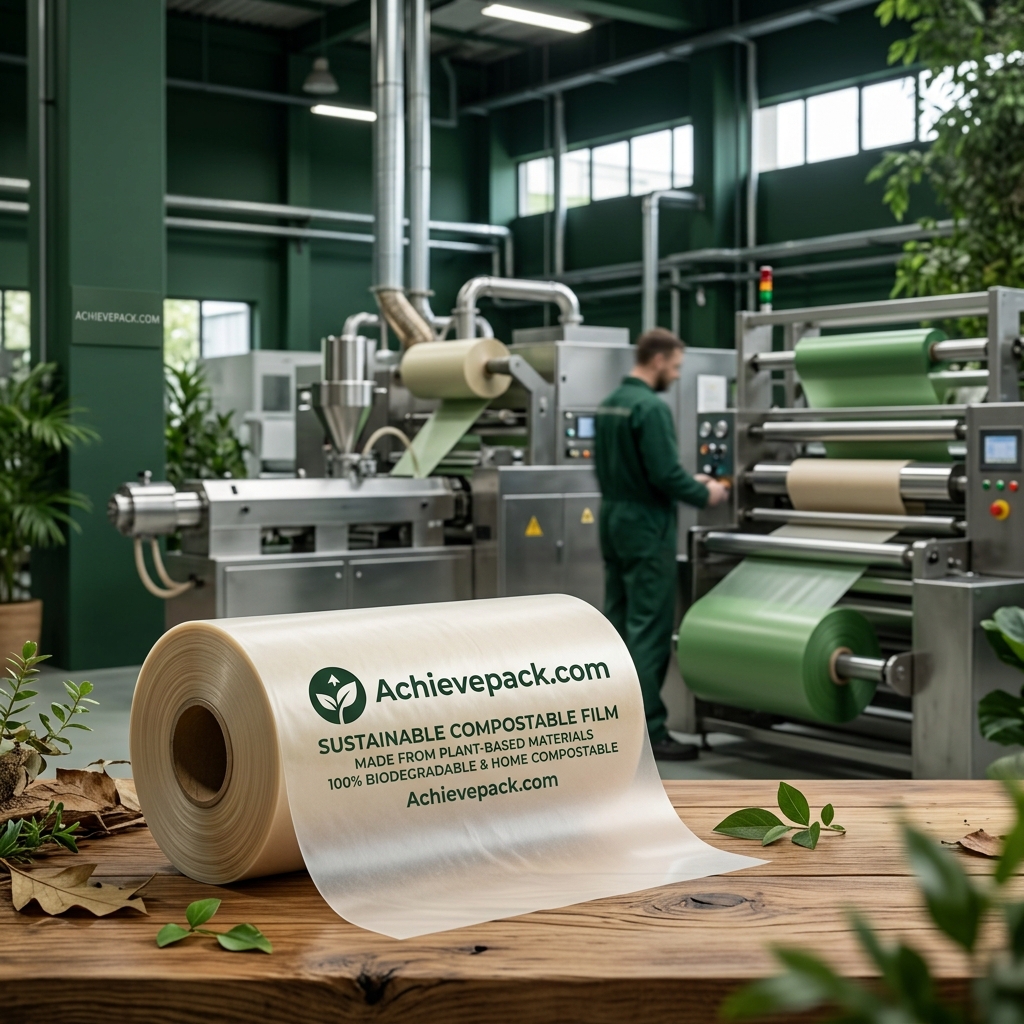
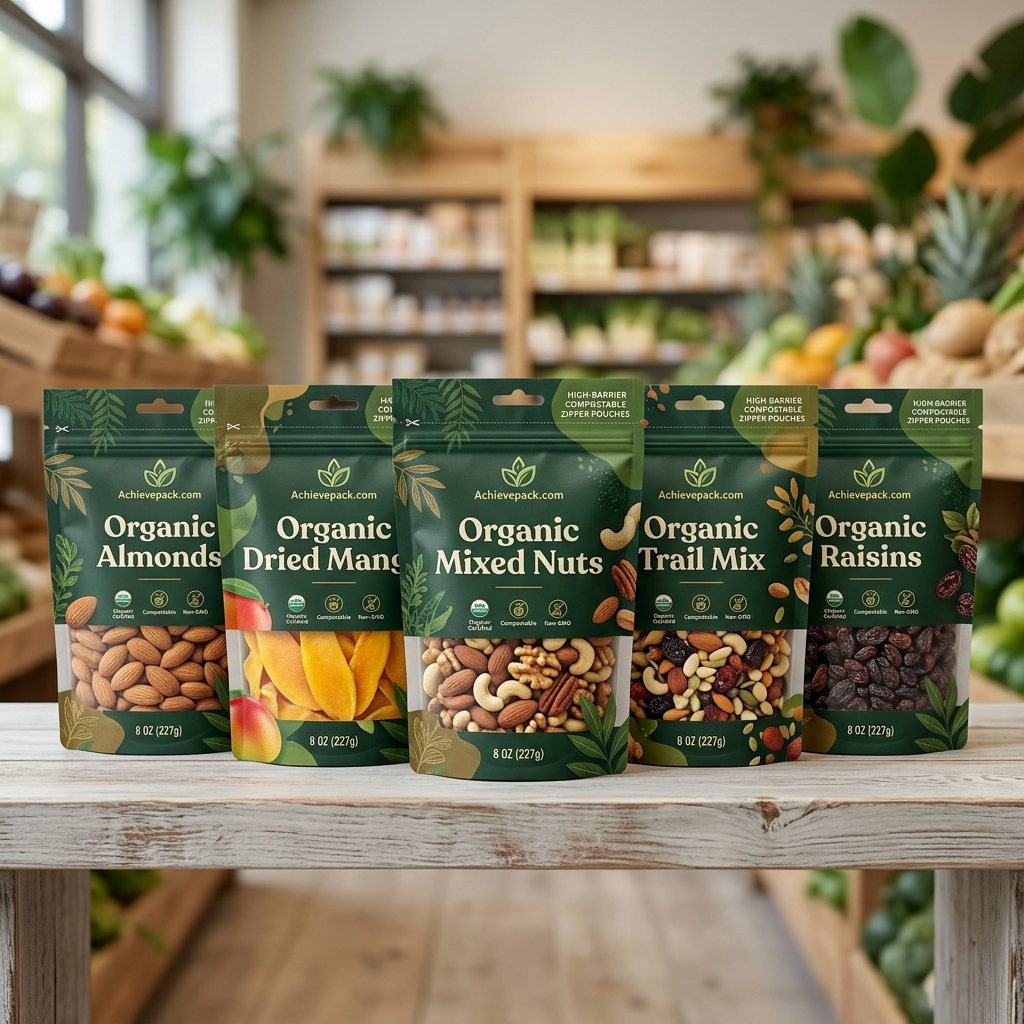
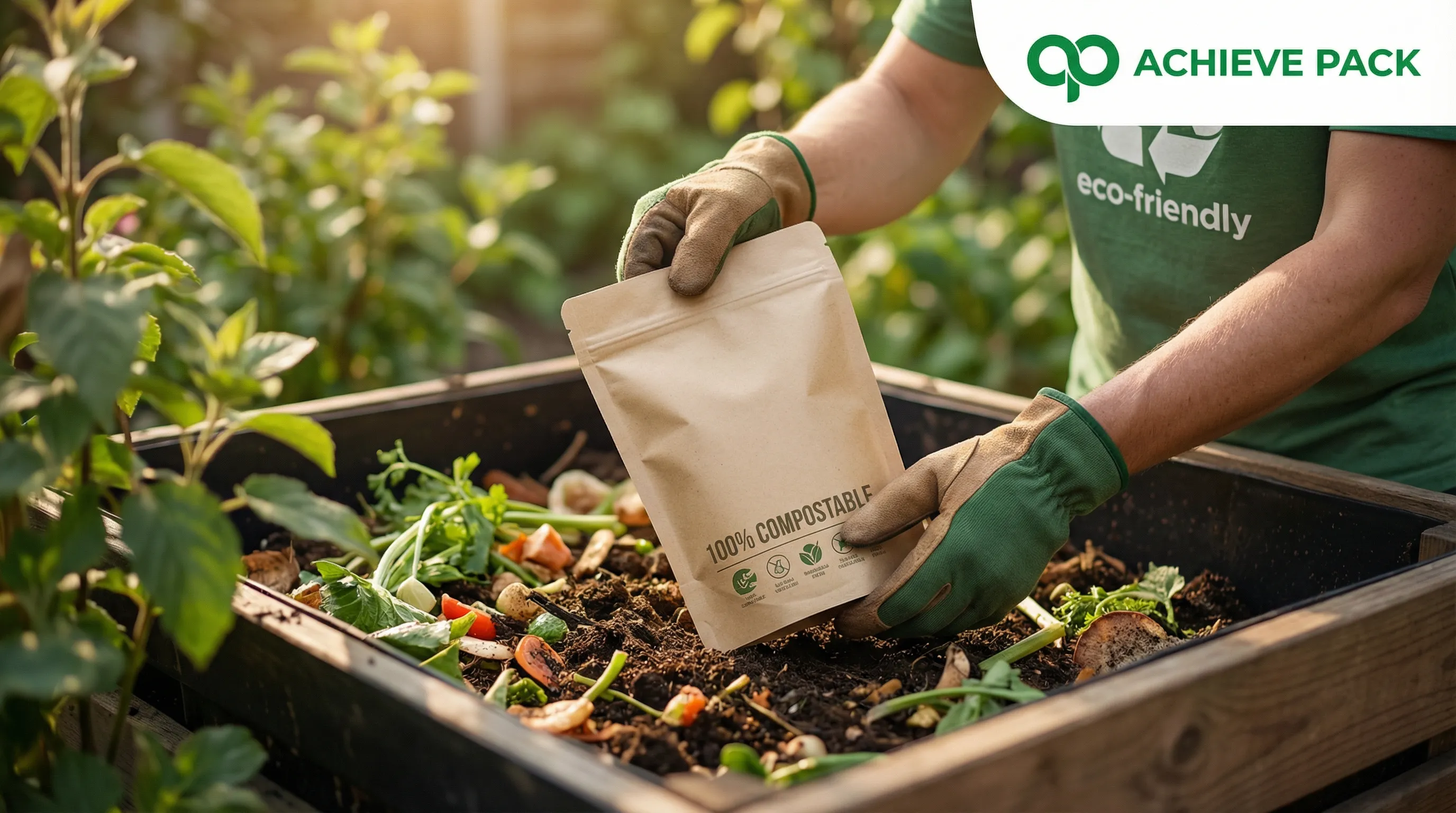
Constructed from plant-derived biopolymers including natural Kraft paper, NatureFlex cellulose, and certified PLA/PBAT/PHA sealable blends. Extensively tested and certified under ASTM D6400 (USA) and EN 13432 (EU) to degrade into organic soil nutrients within 180 days.
4. PCR (Post-Consumer Recycled) Polymers
Integrates GRS-certified post-consumer recycled plastic resins into the laminate structure. Helps brands reduce dependence on virgin fossil resources, lower carbon footprints, and completely bypass plastic packaging taxes in global regions.
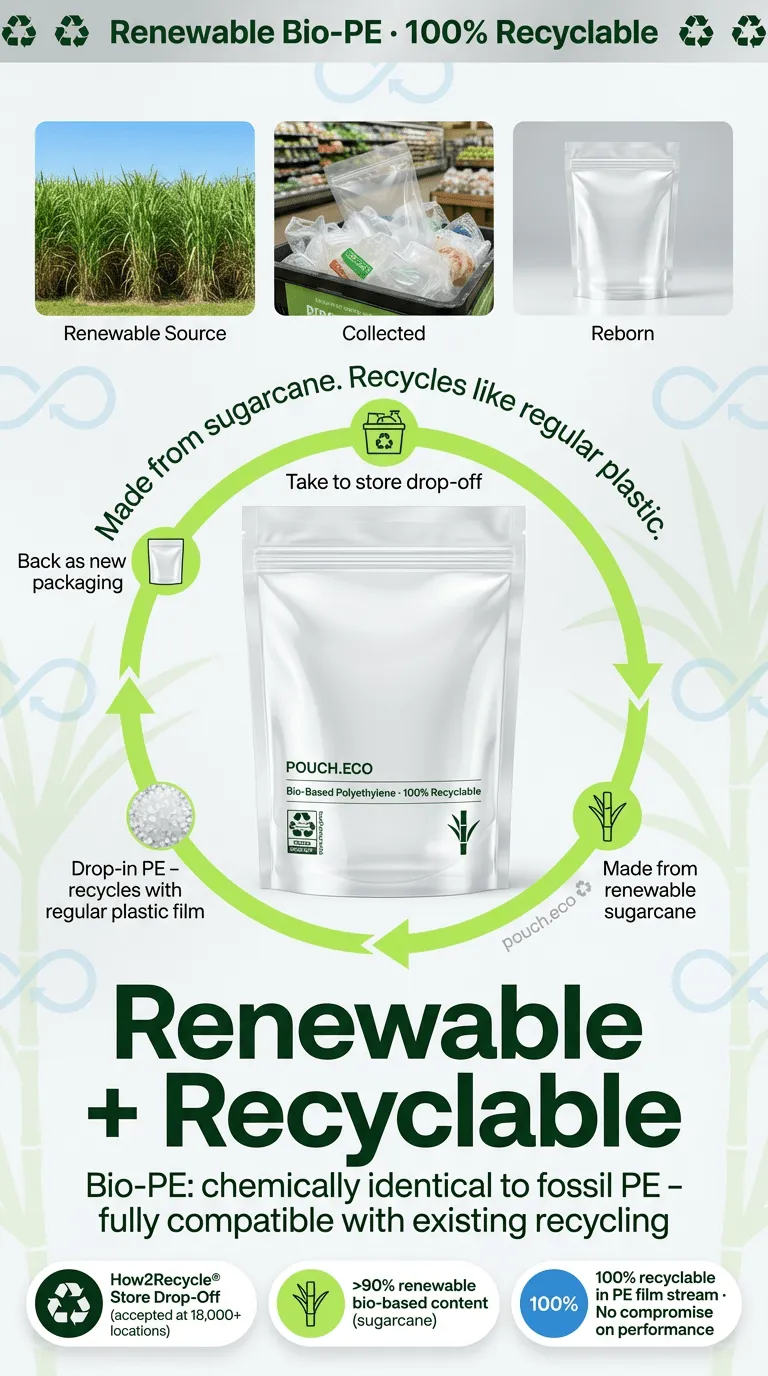
5. Carbon-Negative Sugarcane Bio-PE
Sourced from sugarcane bio-PE that acts exactly like petroleum PE. Captures atmospheric CO₂ during sugarcane growth, delivering carbon-negative performance while remaining 100% recyclable in standard PE sorting streams (#4).
Biopolymer Lab Validation & Compostability Proof
We don't make vague green claims. Our biopolymers (NatureFlex, PLA/PBAT) are batch-tested to verify 100% biodegradation in home and industrial composting within 180 days with zero toxic ecotoxicity residues.
Compostable Barrier (OTR)
Tested barrier layers (NK/NatureFlex) ensuring moisture and aroma protection.
Organic Chemical Purity
Exceeds EN 13432 criteria for organic safety and clean soil composting.
Biopolymer Sealing Window
Narrowed sealing temperature range preventing biopolymer deformation or thermal burn.
TÜV OK Compost HOME
Guarantees complete organic degradation in backyard compost bins within 26 weeks.
Puncture Strength (ASTM F1306)
Ensures biopolymer bag walls resist puncture during manual handling and packing.
Tensile Strength (ASTM D882)
Ensures biopolymer bags support products securely without structural stretch.
Packaging Transformation for Compostable vs Recyclable Packaging: Which Is Right for Your Brand? (2025)
See how upgrading from generic commoditized bags to precision-engineered flexible barrier packaging eliminates transport failures and boosts shelf authority.
Standard / Generic Packaging (Before)
Standard stock bags fail under transit stress and expose sensitive goods to moisture, UV light, and oxygen.
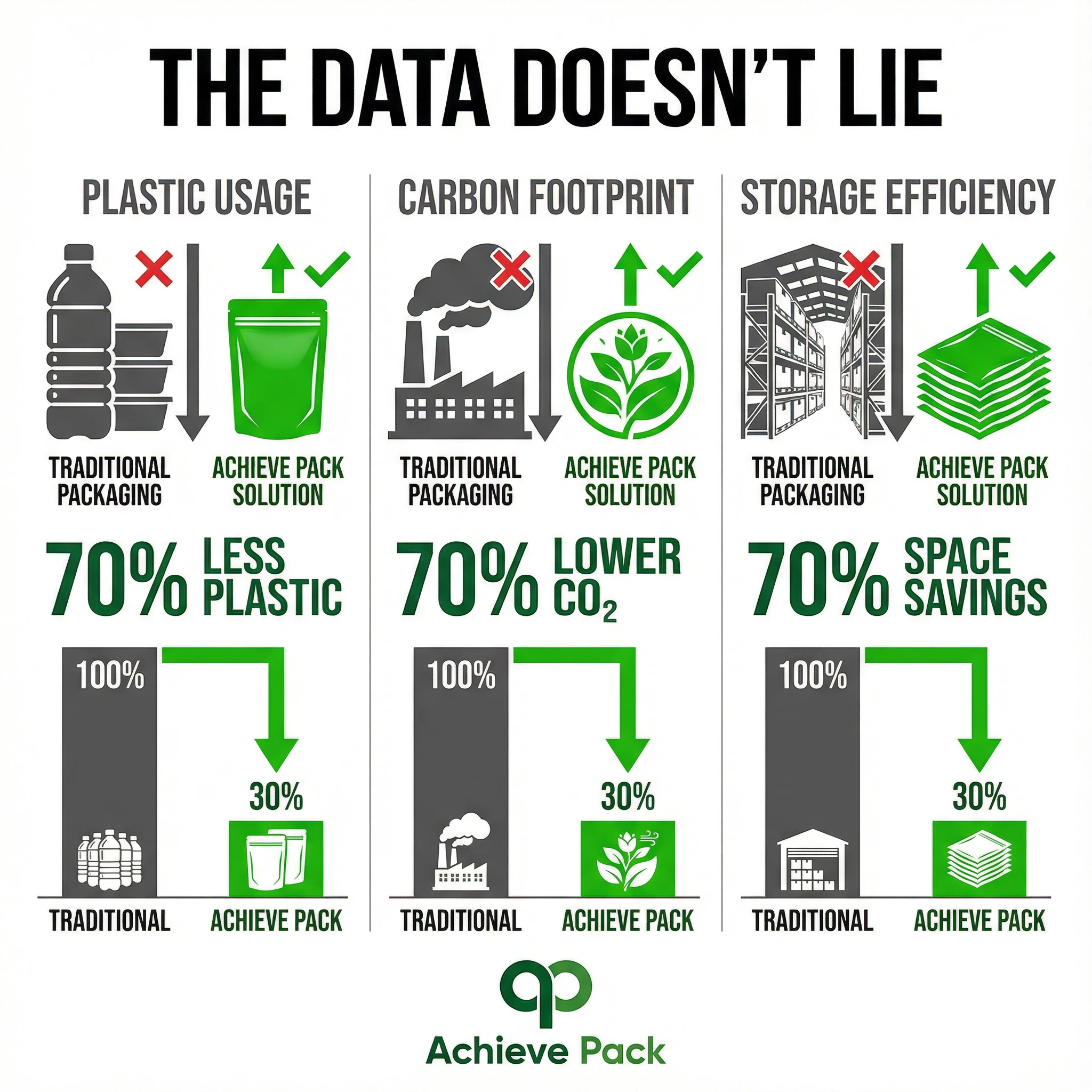
- Rapid Oxidation & Flavor DegradationCheap films allow O2 & moisture ingress, spoiling contents in < 30 days.
- High Seal Breakage in TransitThin seams fail under drop tests, leading to customer refunds & lost trust.
- Heavy Plastic Tax PenaltiesMulti-layer unrecyclable packaging incurs up to €800/ton in EU PPWR fines.
- High MOQs & Plate Cost FrictionTraditional printers force 10,000+ unit minimums and $1,500 cylinder fees.
Achieve Pack / Pouch Eco Solution (After)
Custom engineered multi-layer pouch structure tailored to your exact moisture barrier, seal strength, and aesthetic requirements.
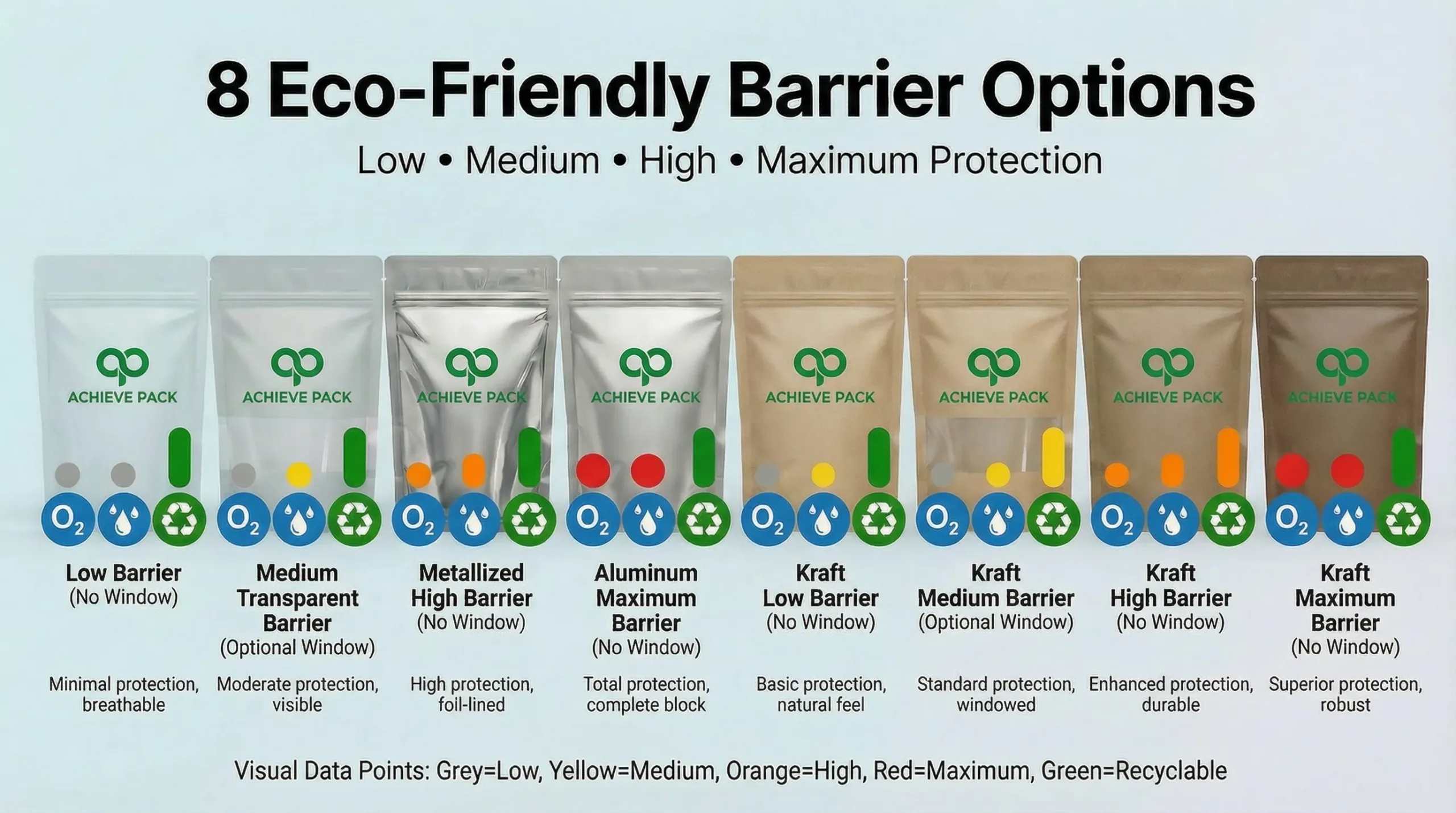
- Ultra High-Barrier Foil/EVOH CoreGuaranteed OTR < 0.1 cc/m²/day, keeping contents fresh for 18–24 months.
- Reinforced 45N/15mm Localized Heat Seal180°C precision seam dwell time prevents bursting even under 2-meter drops.
- 100% Certified Eco ComplianceTÜV OK Compost HOME (EN13432) & Mono-PE Recyclable structures (0% Tax).
- HD Digital Printing with 500-Unit Low MOQsPrint multi-SKU runs in 7 business days with zero setup plate charges.
Questions We Get Asked
Is compostable packaging really better for the environment?▼
Can recyclable packaging be as eco-friendly as compostable?▼
What is mono-material packaging?▼
Can I get compostable packaging for coffee?▼
Which option is cheaper: compostable or recyclable?▼
Related Stuff
How We Ensure Absolute Accuracy and Trustworthiness
At Achieve Pack, sustainable packaging isn't just about printing; it's about hands-on material science. This article has been written and verified by Ryan Wong, a packaging specialist with 14+ years of experience engineering biopolymer stacks for DTC startups and Fortune 500 companies.
All research, material barrier specifications (OTR, WVTR), heat-seal values (N/15mm), and compostability timelines cited in our guides are backed by testing inside the Achieve Pack Materials Testing Lab. We cross-reference our data with official certification registries from BPI (Biodegradable Products Institute), TÜV Austria (OK Compost HOME), and FSC (Forest Stewardship Council).

Ryan Wong
Supply Chain Director
B.Eng honors degree graduate from Hong Kong Polytechnic University. Serving brands in 8 countries.
View Expert Profile →Still Not Sure? Get Free Samples of Both
We'll send you compostable and recyclable pouch samples so you can test them with your product.
Compostable Solution
Fully compostable flexible packaging certified under ASTM D6400 and EN 13432. Engineered to break down completely in industrial or home composting environments within 180 days, returning to the soil with zero toxic residues.
- ASTM D6400 & EN 13432 Certified
- Breaks down within 180 days in soil
- High gas & moisture barrier options
- Food-contact safe (FDA compliant)