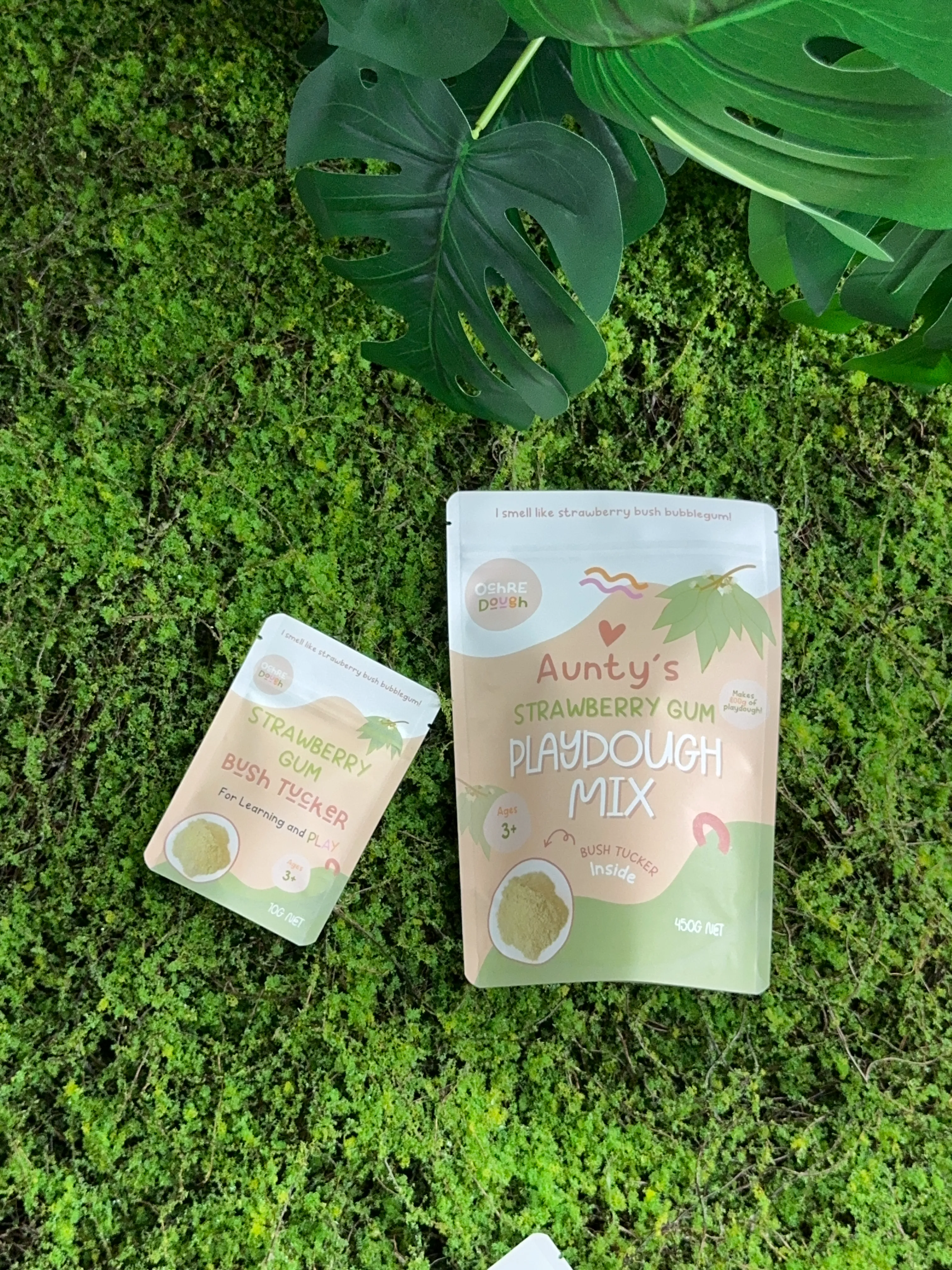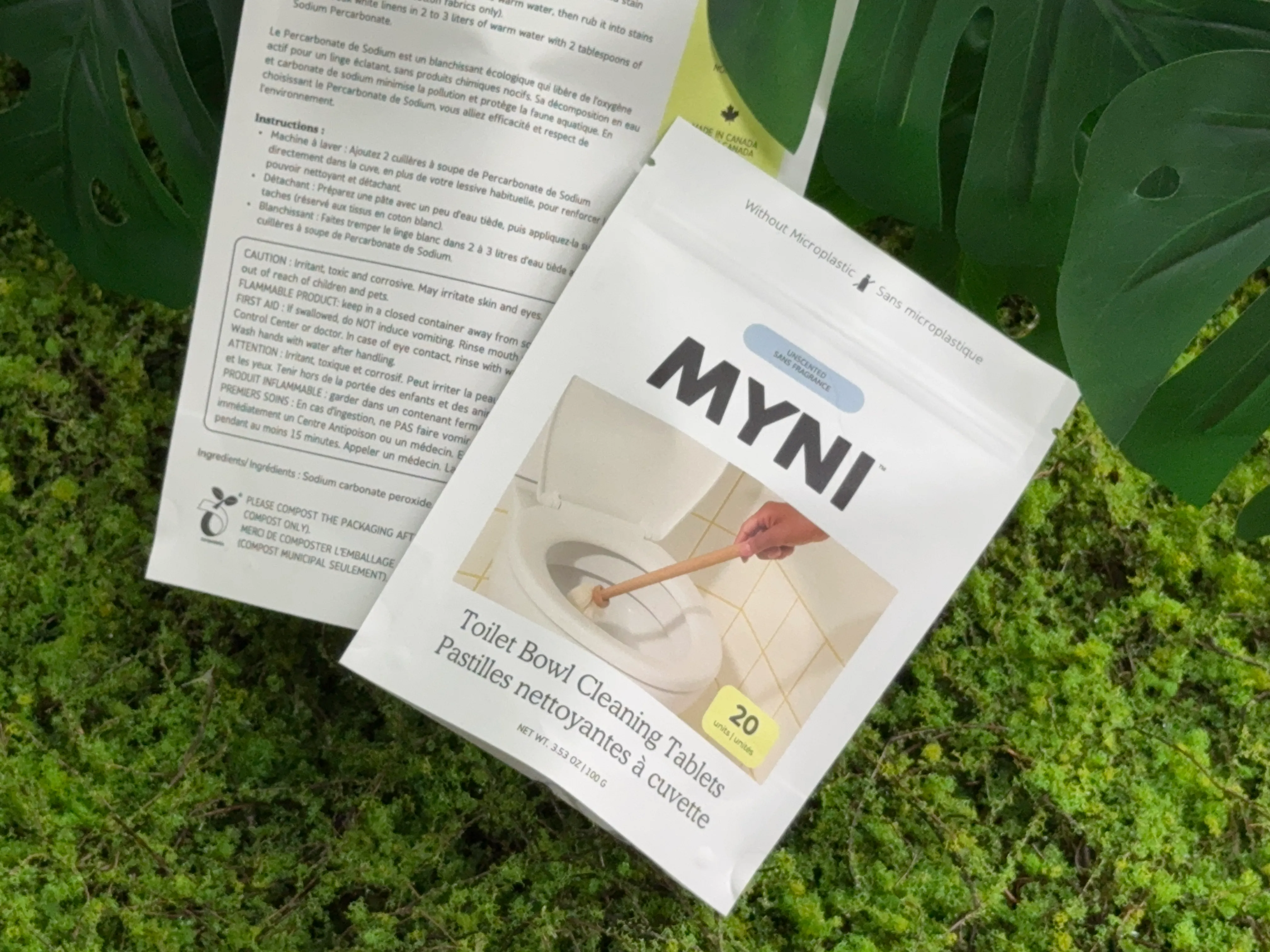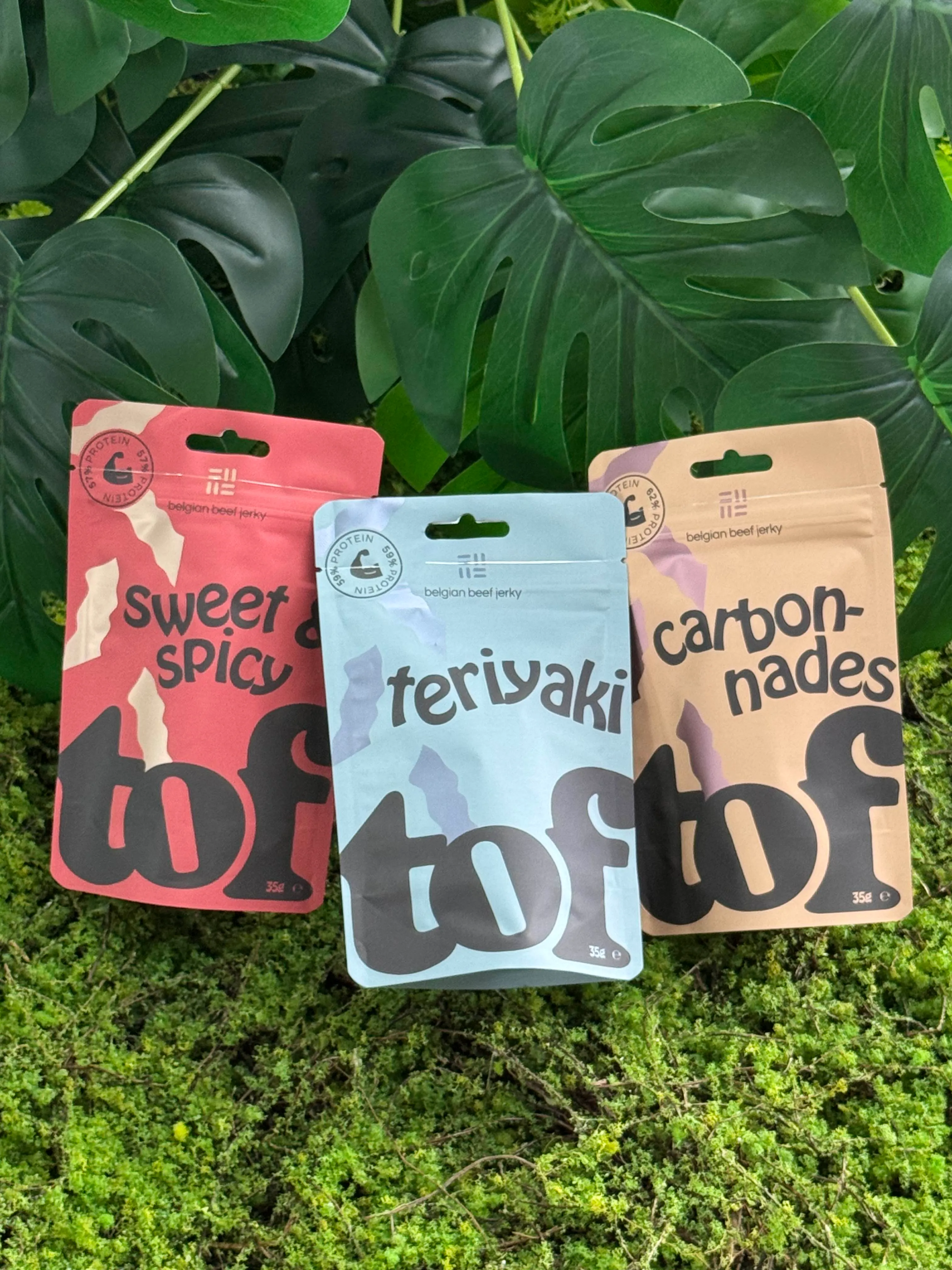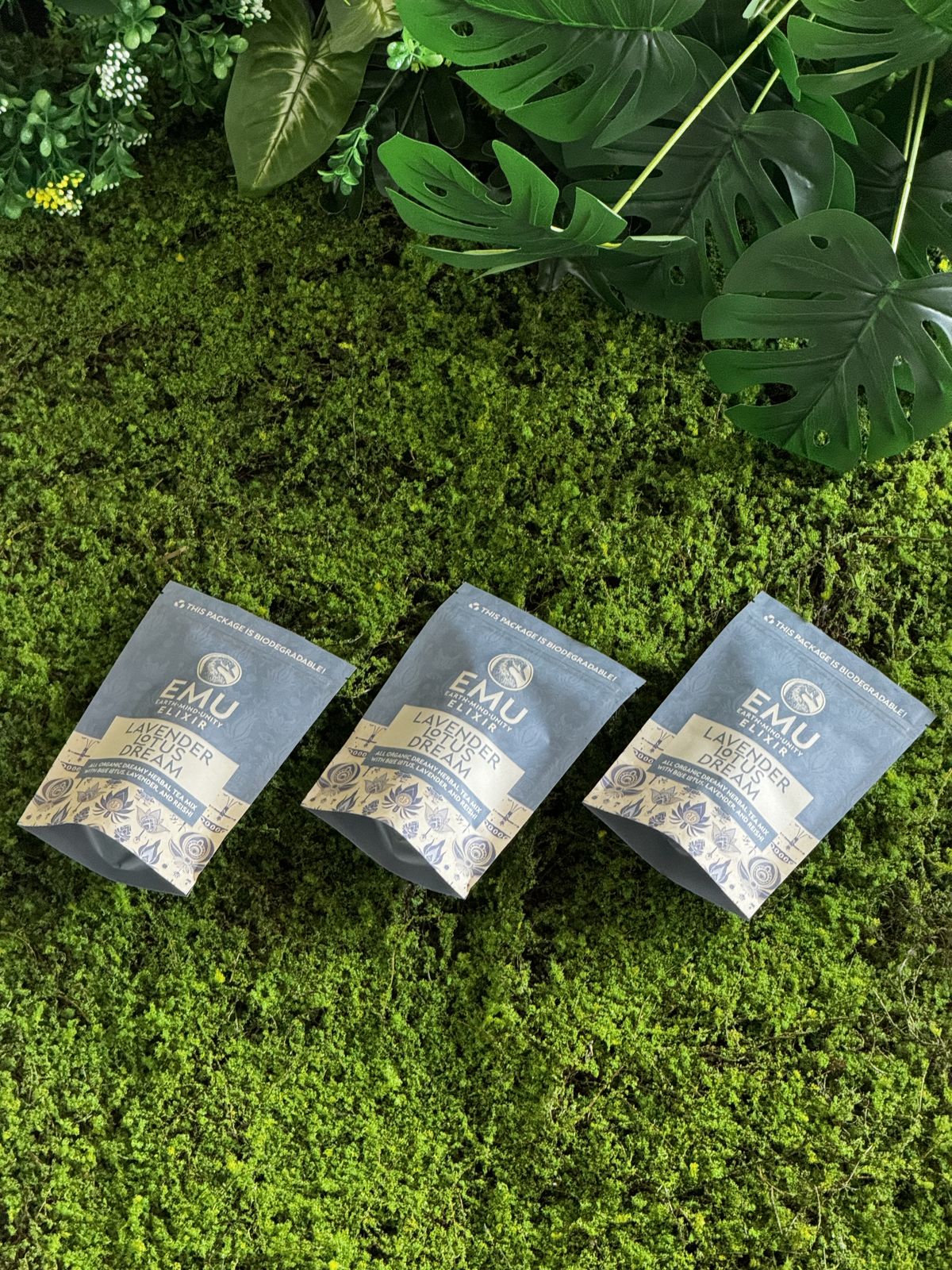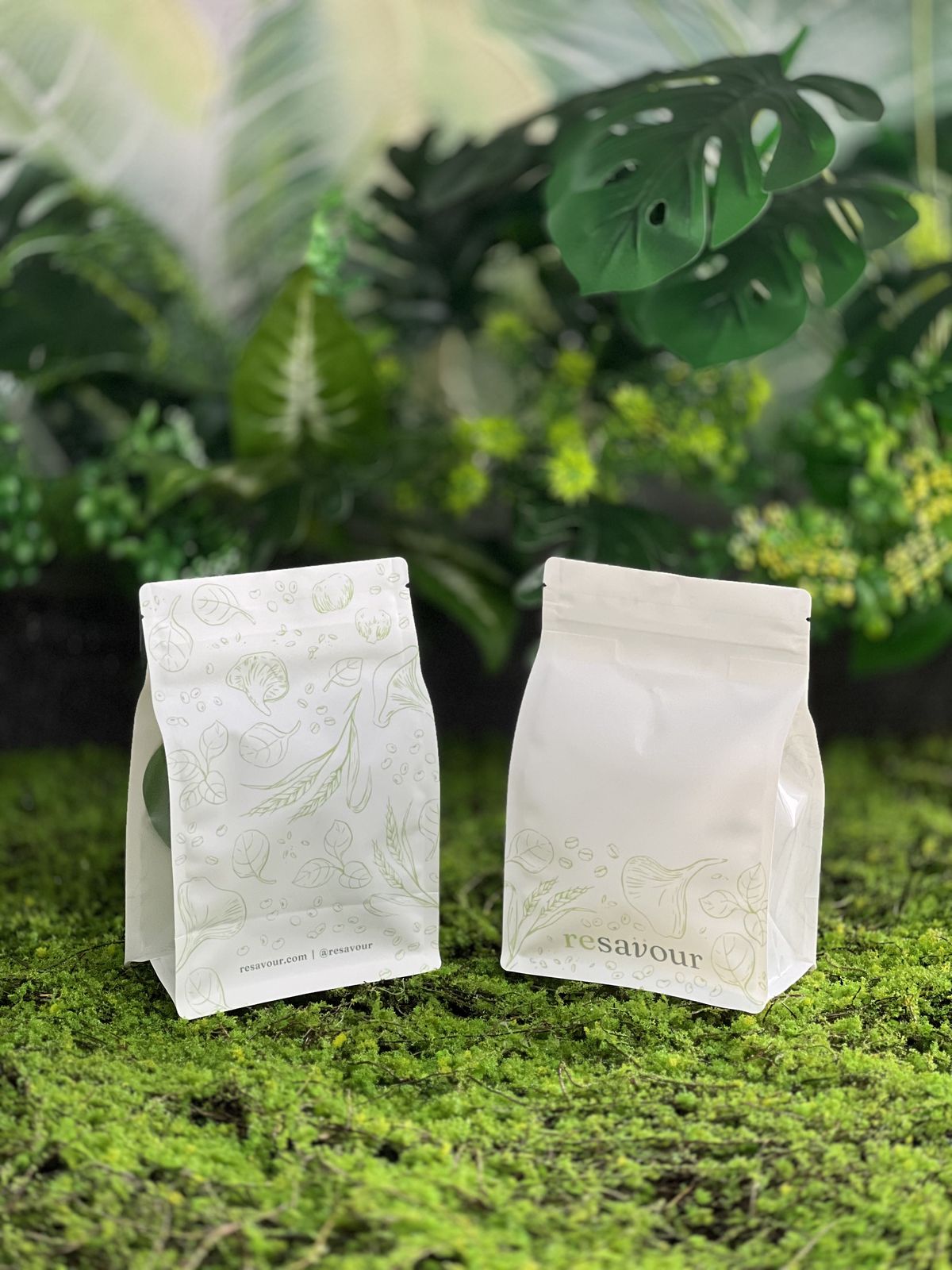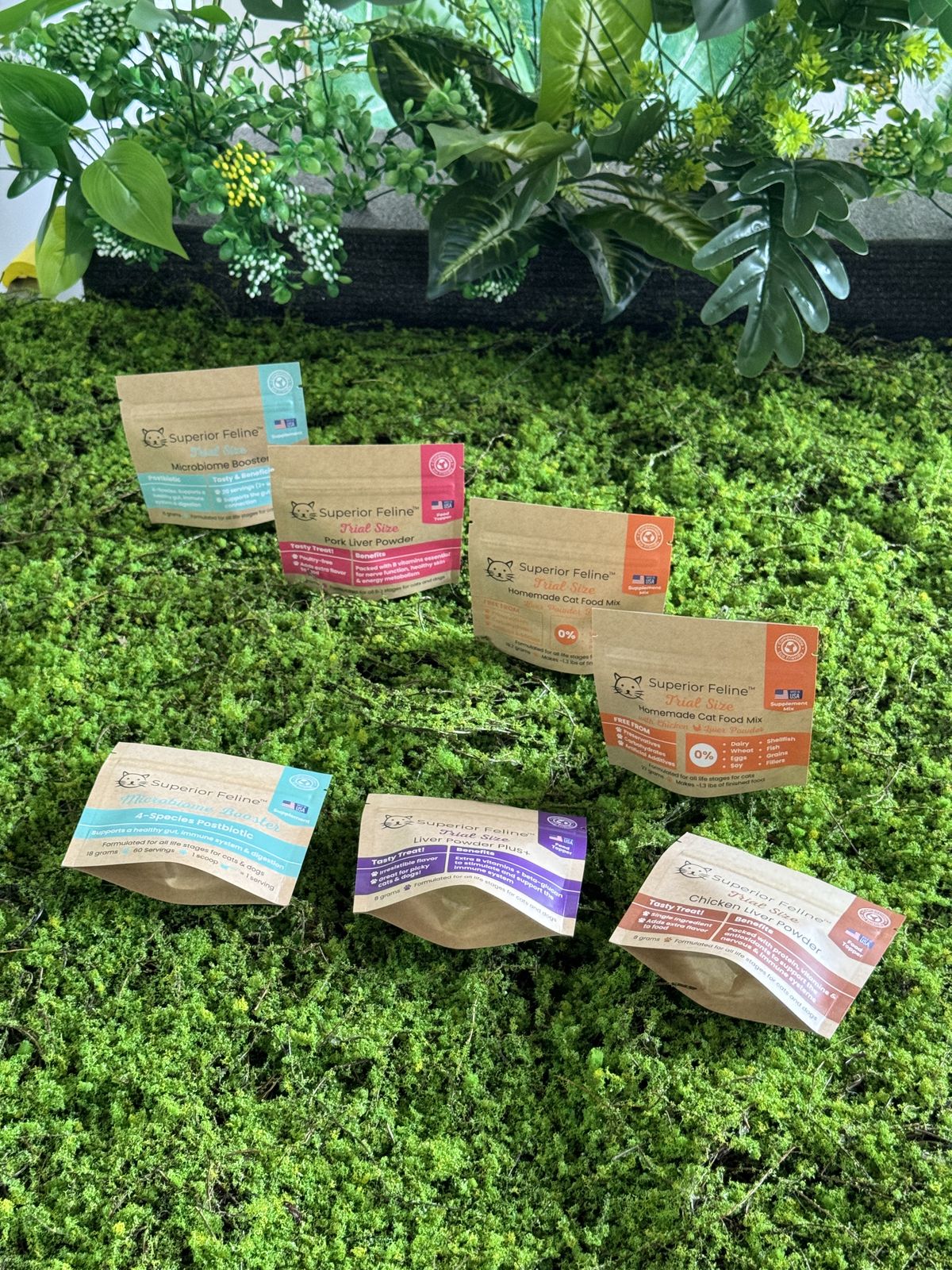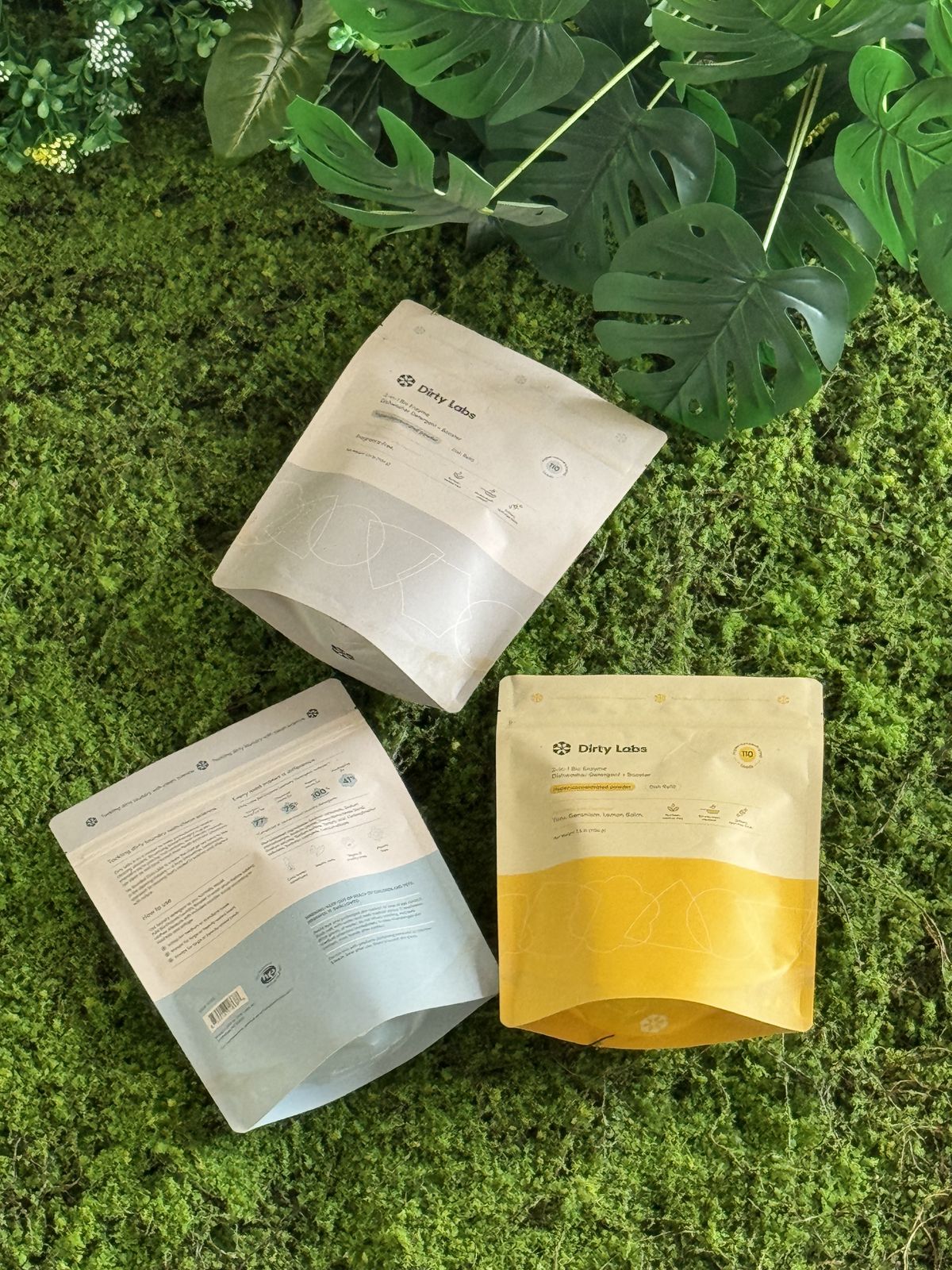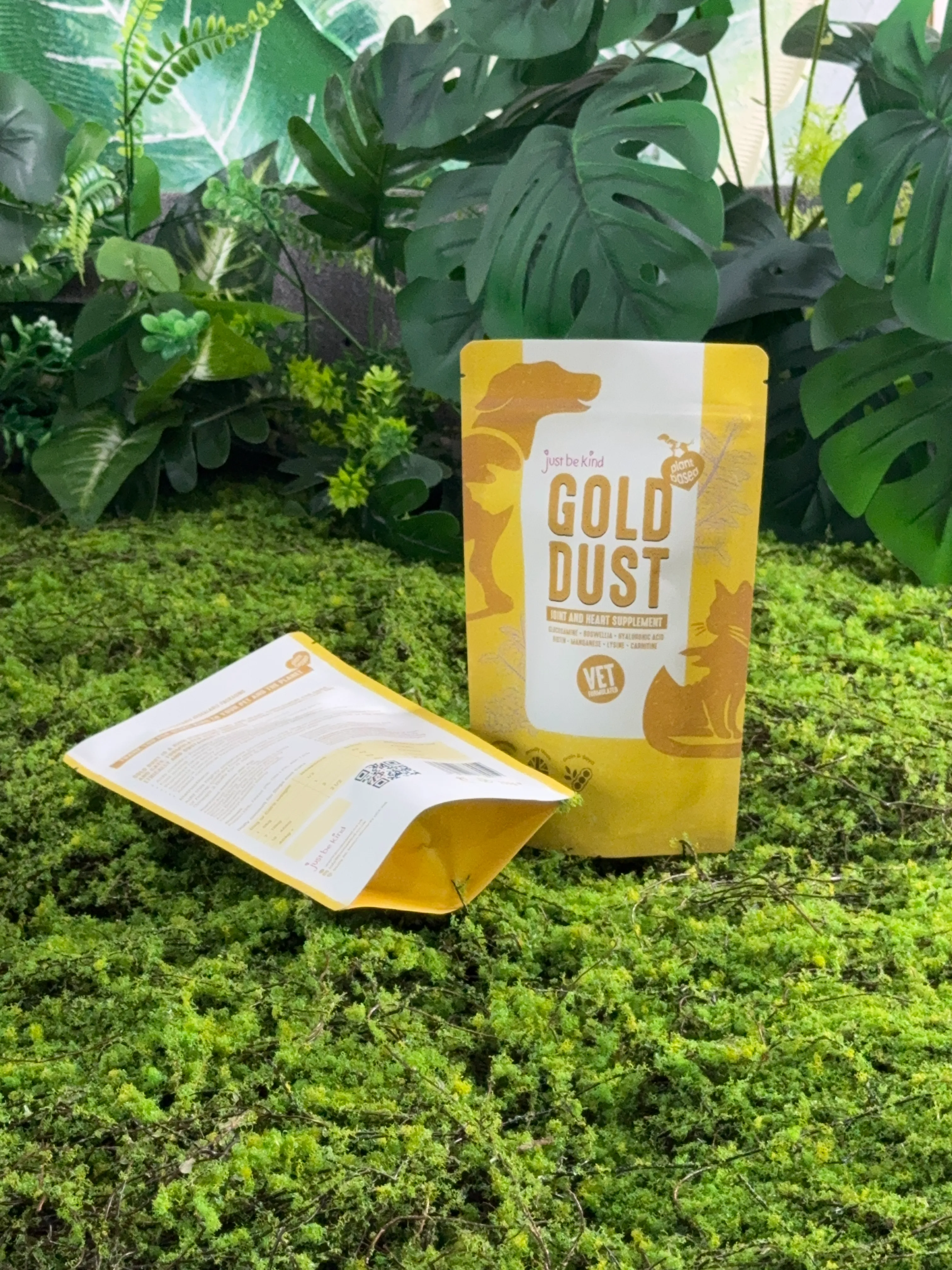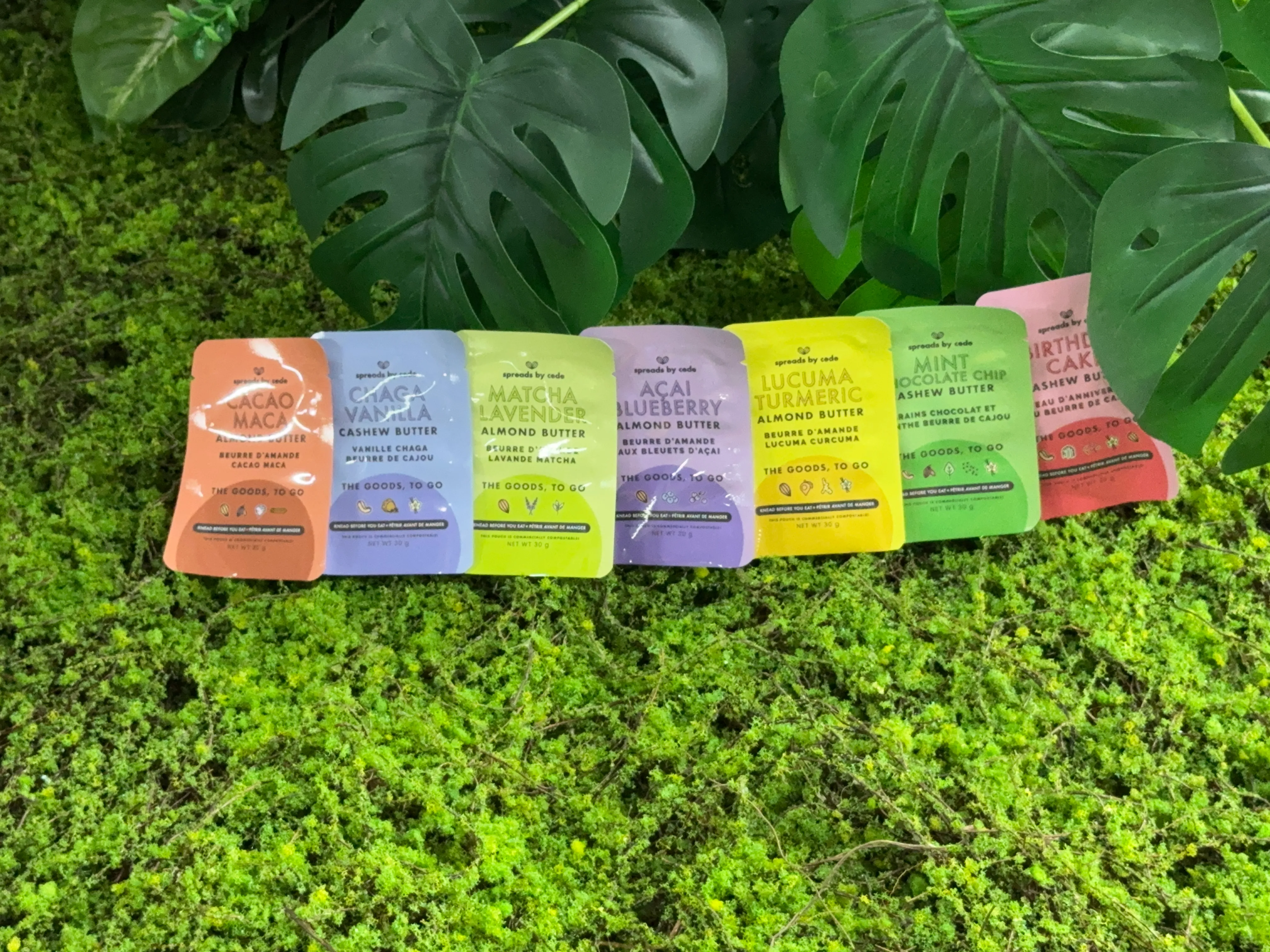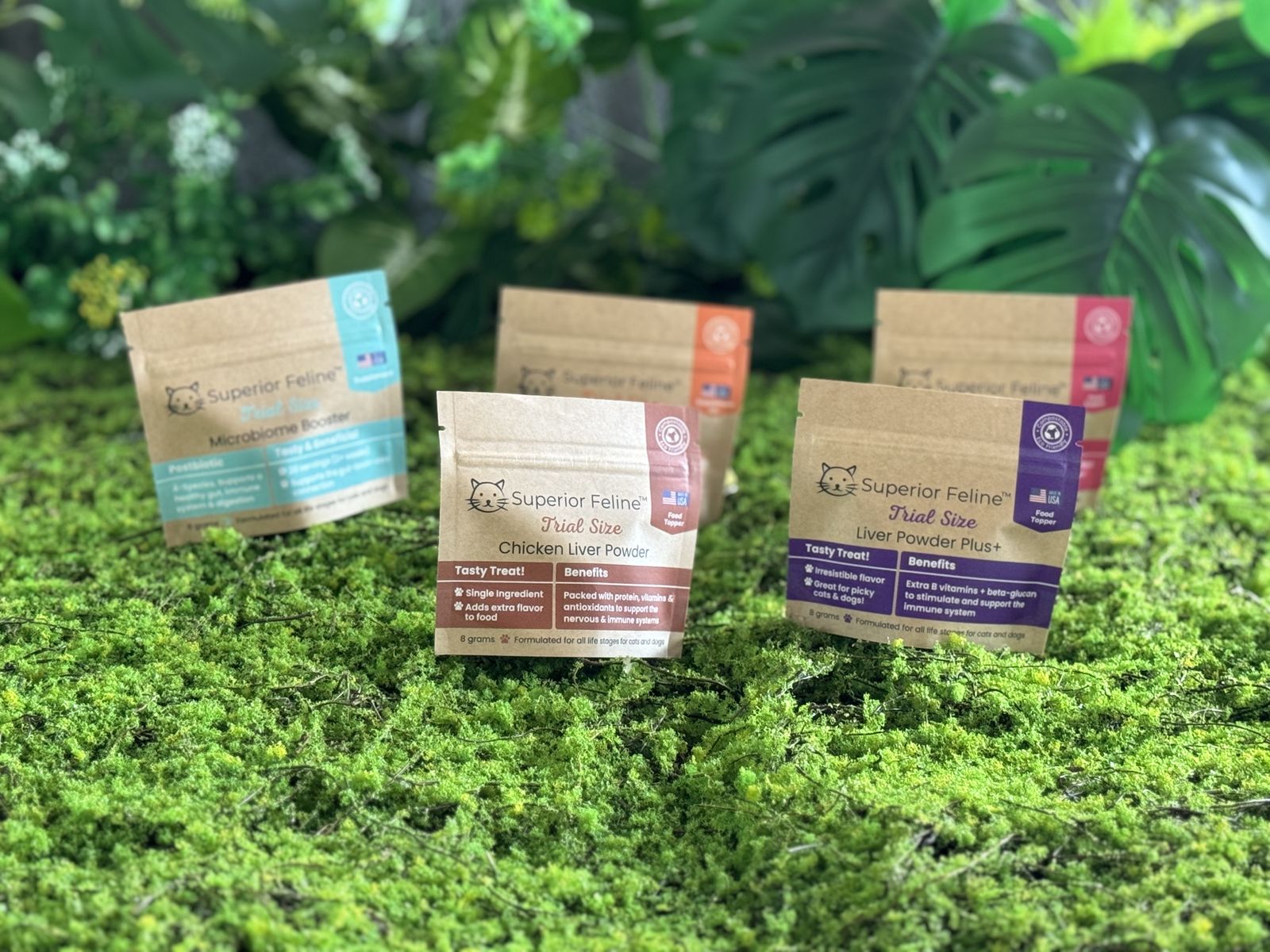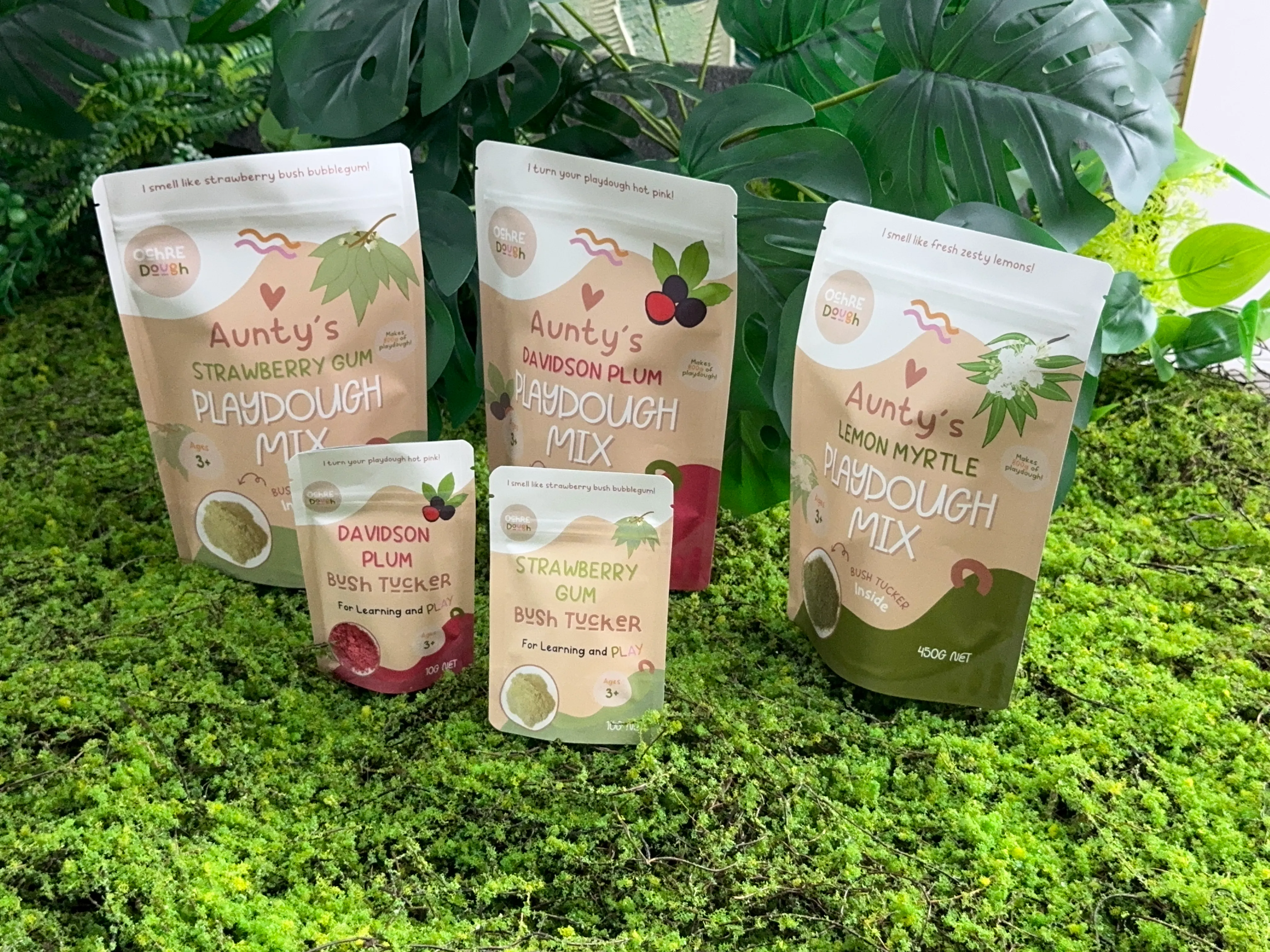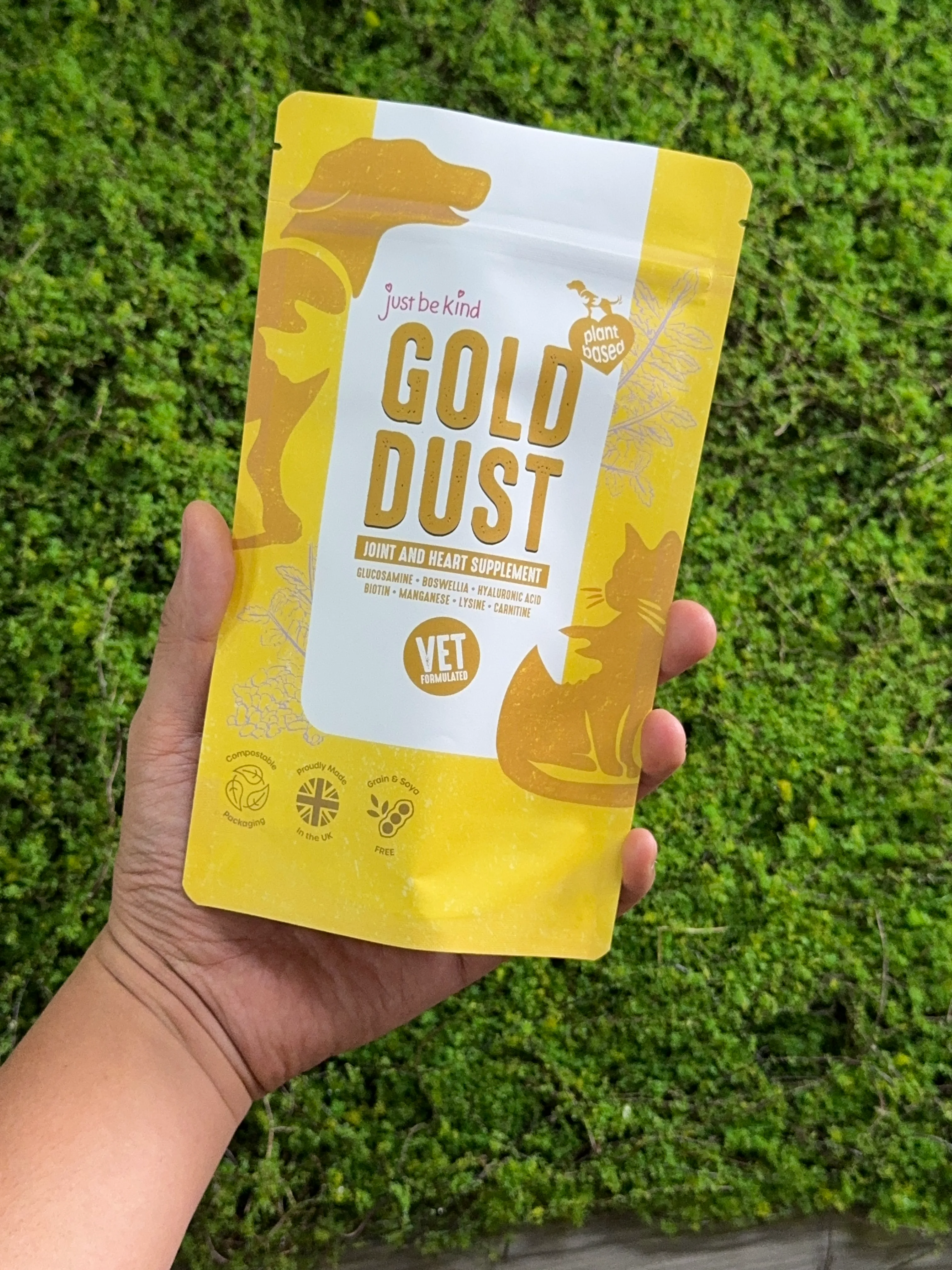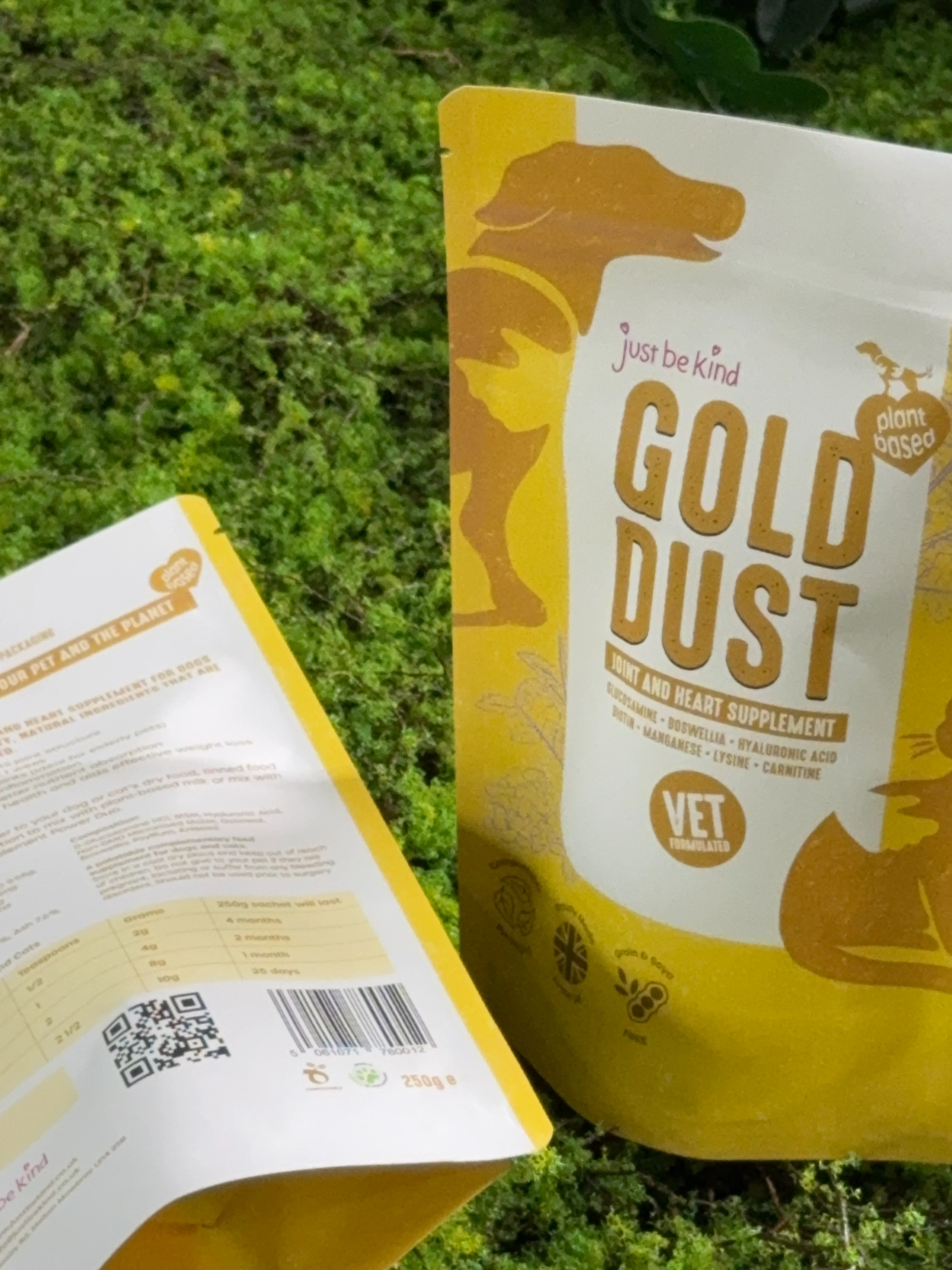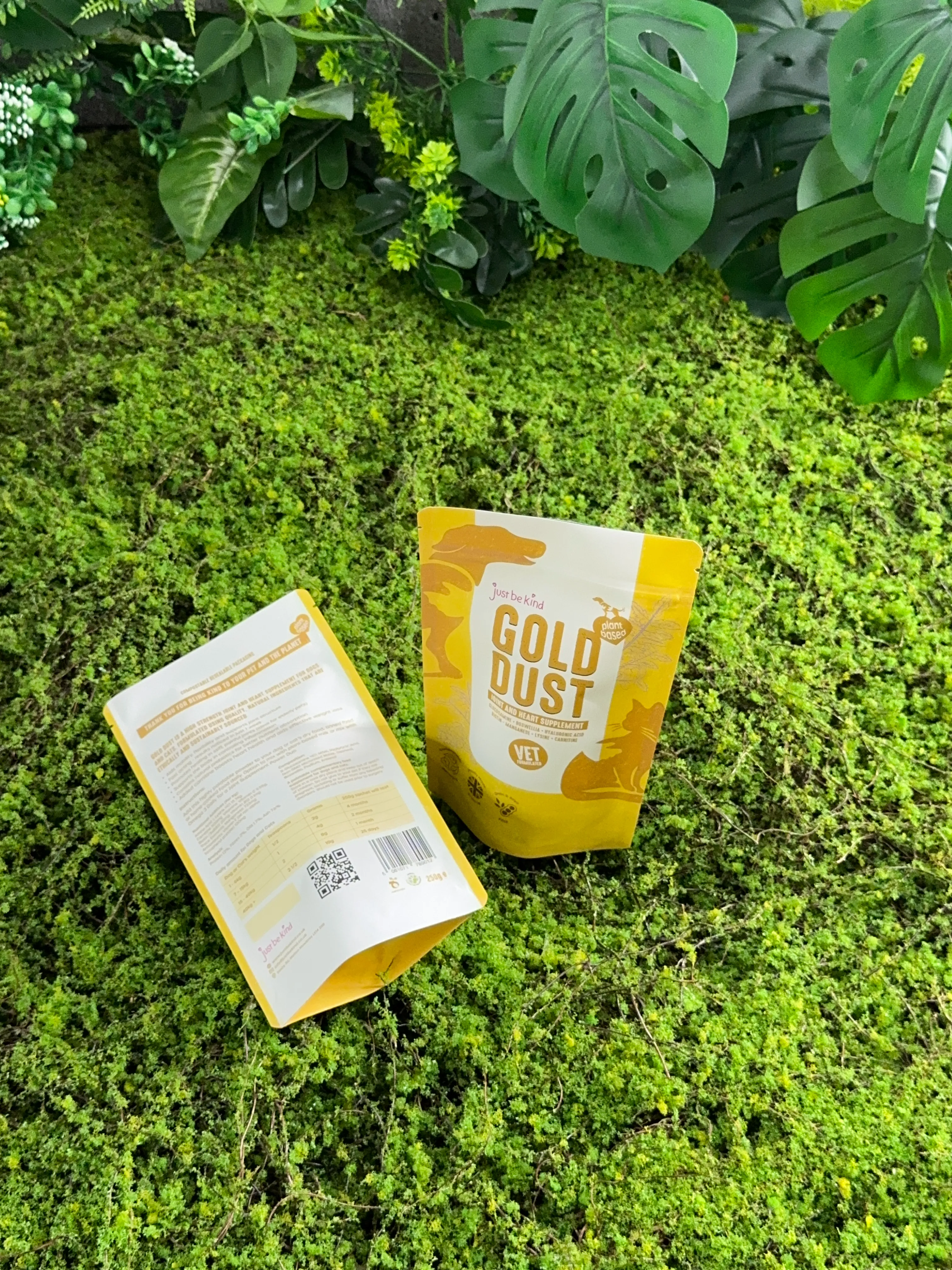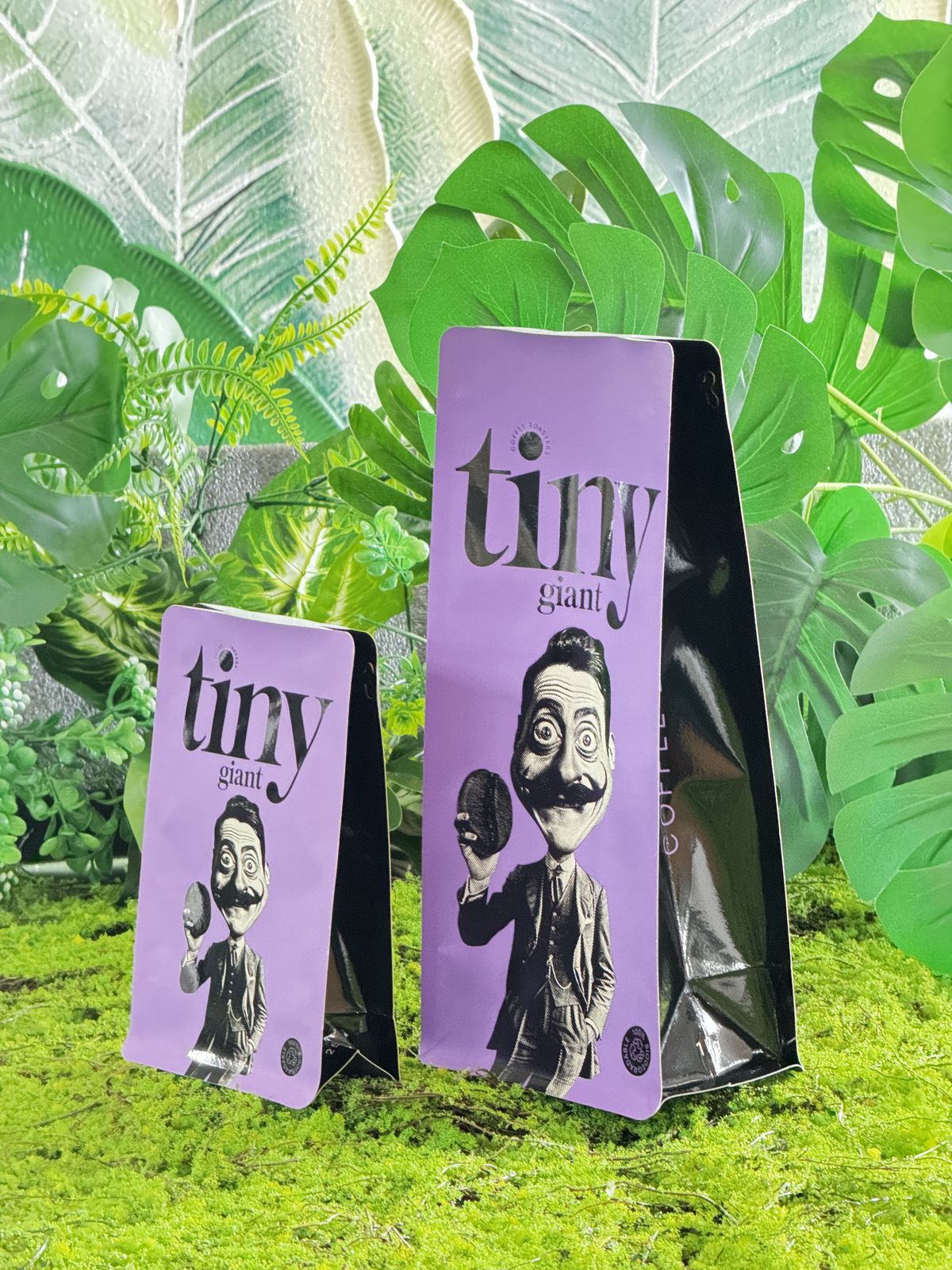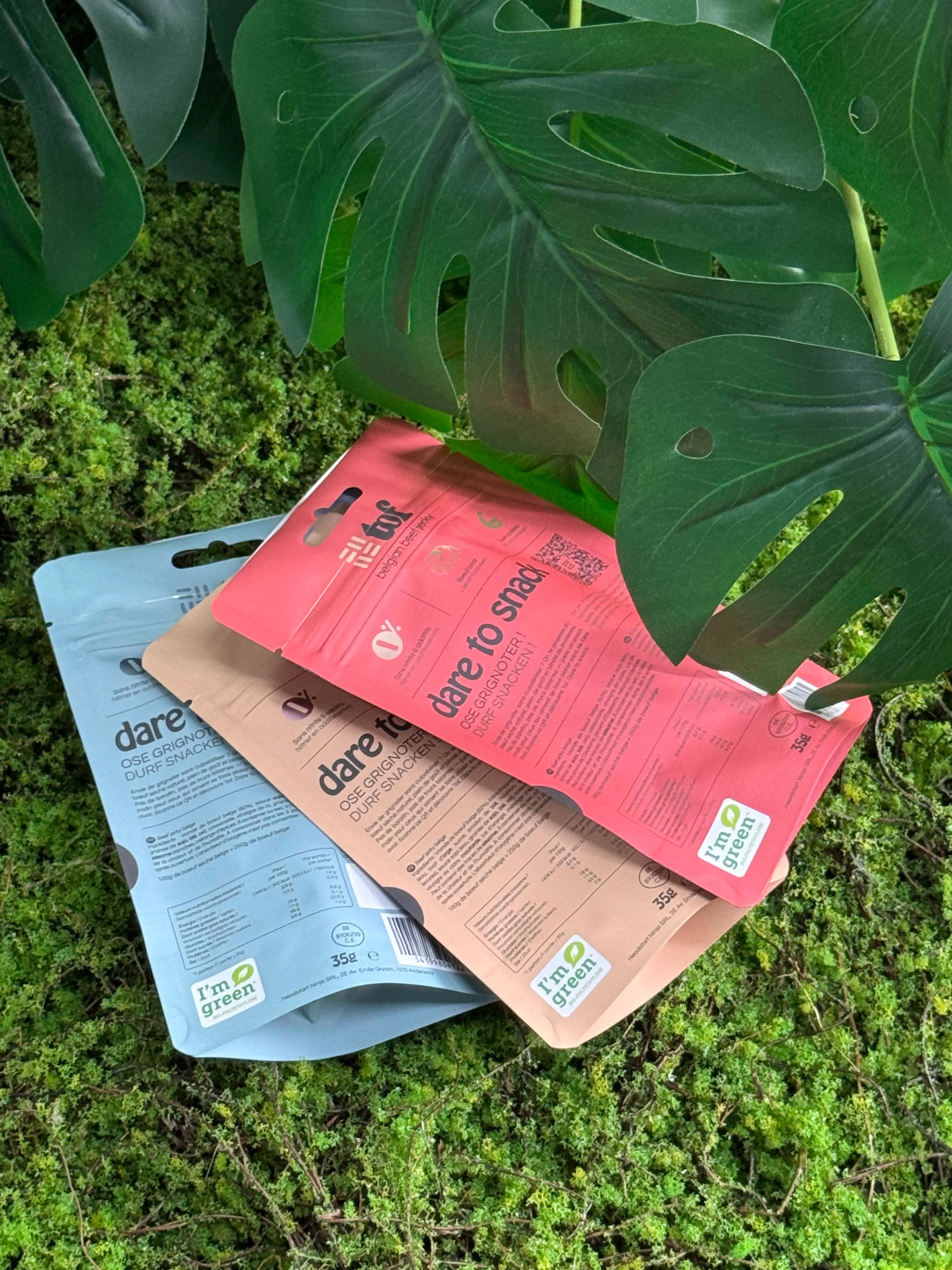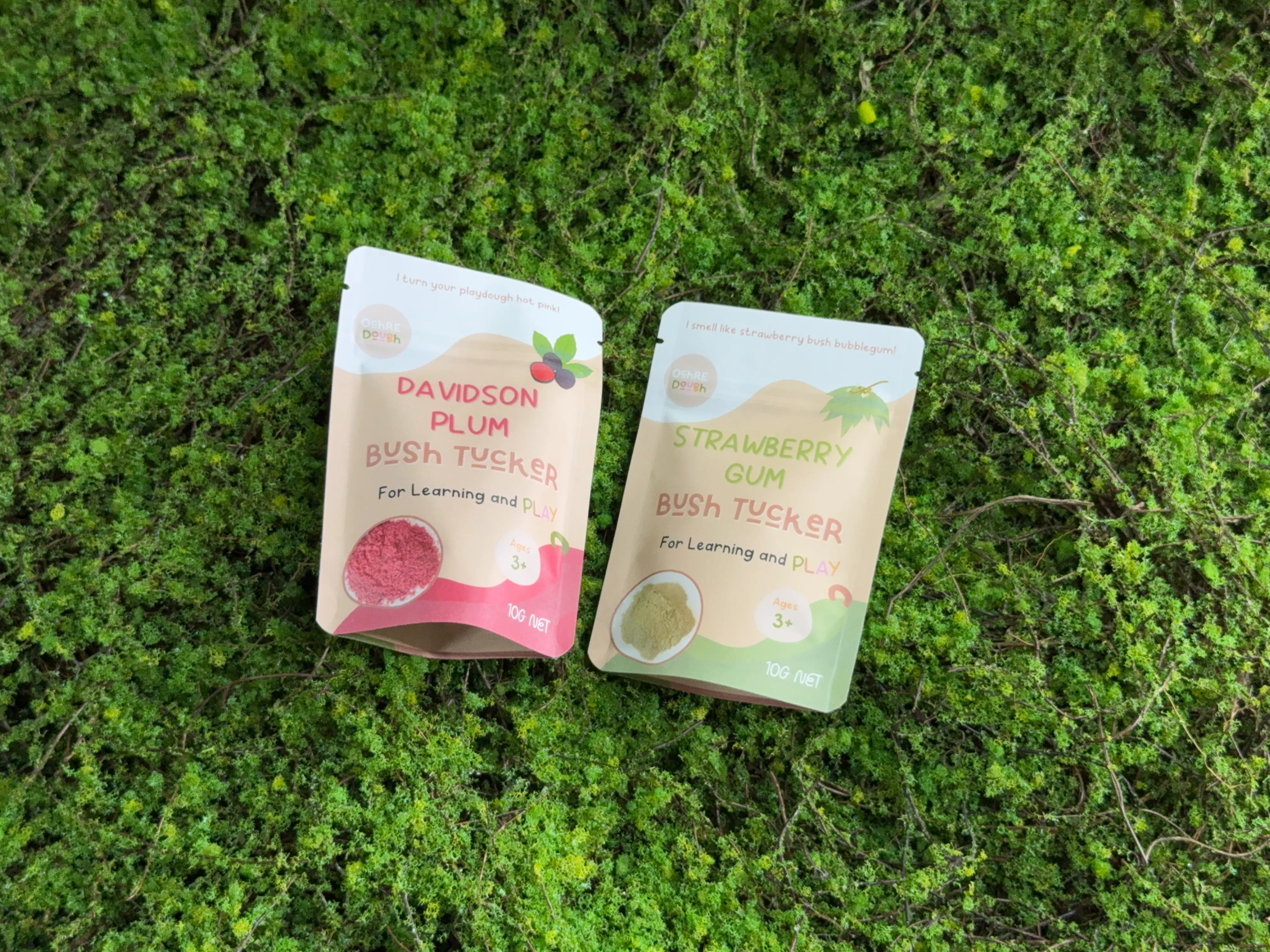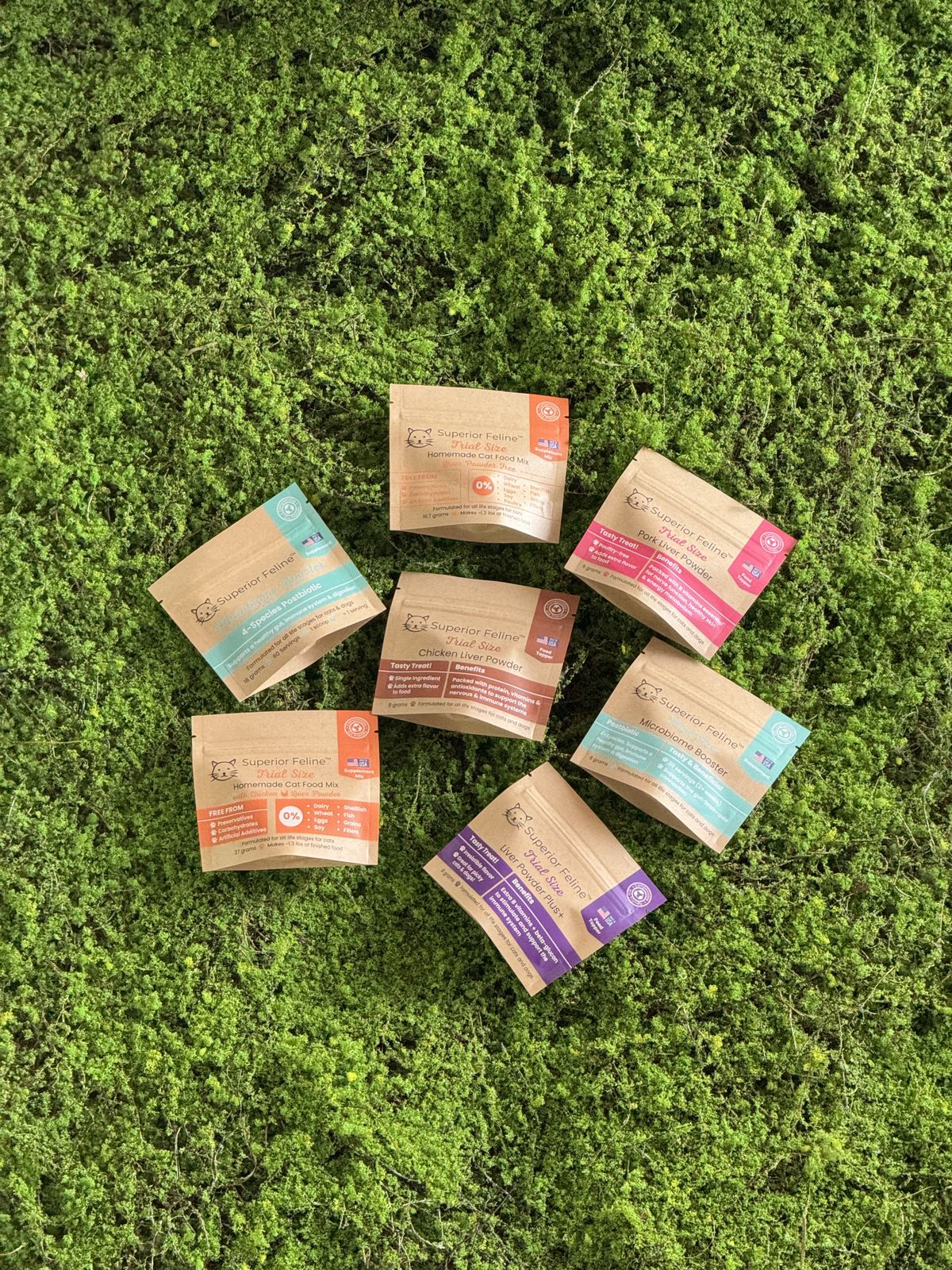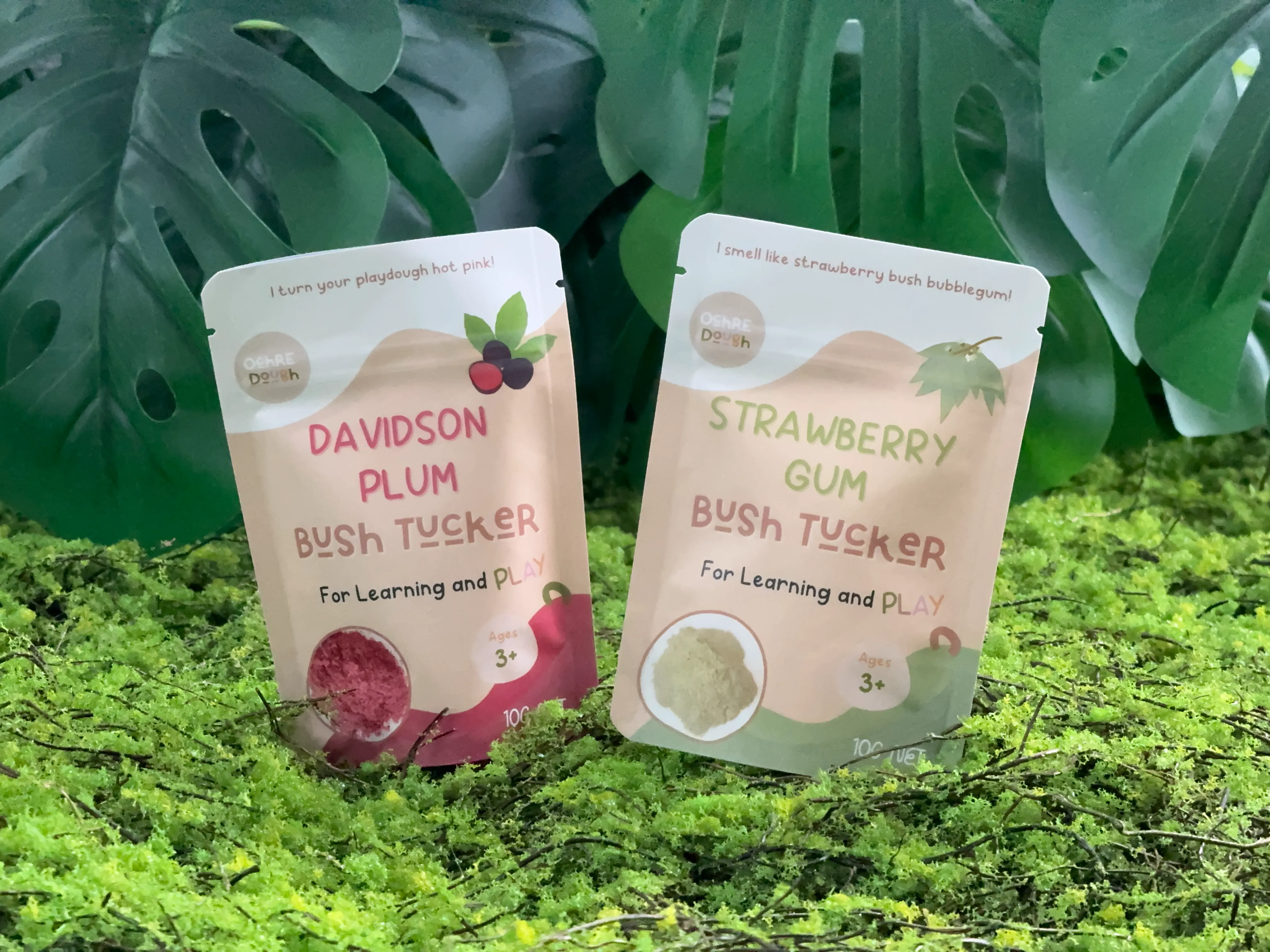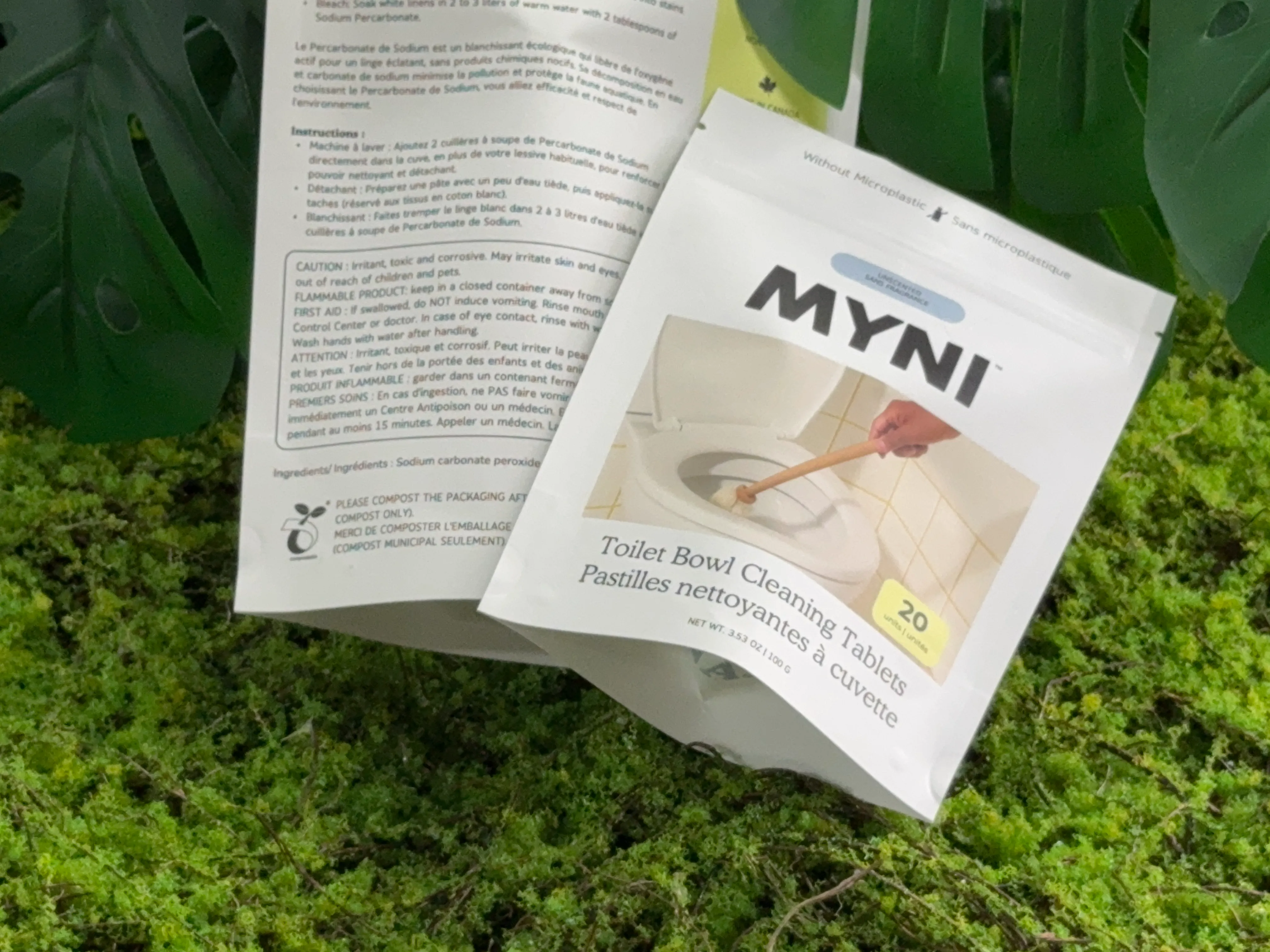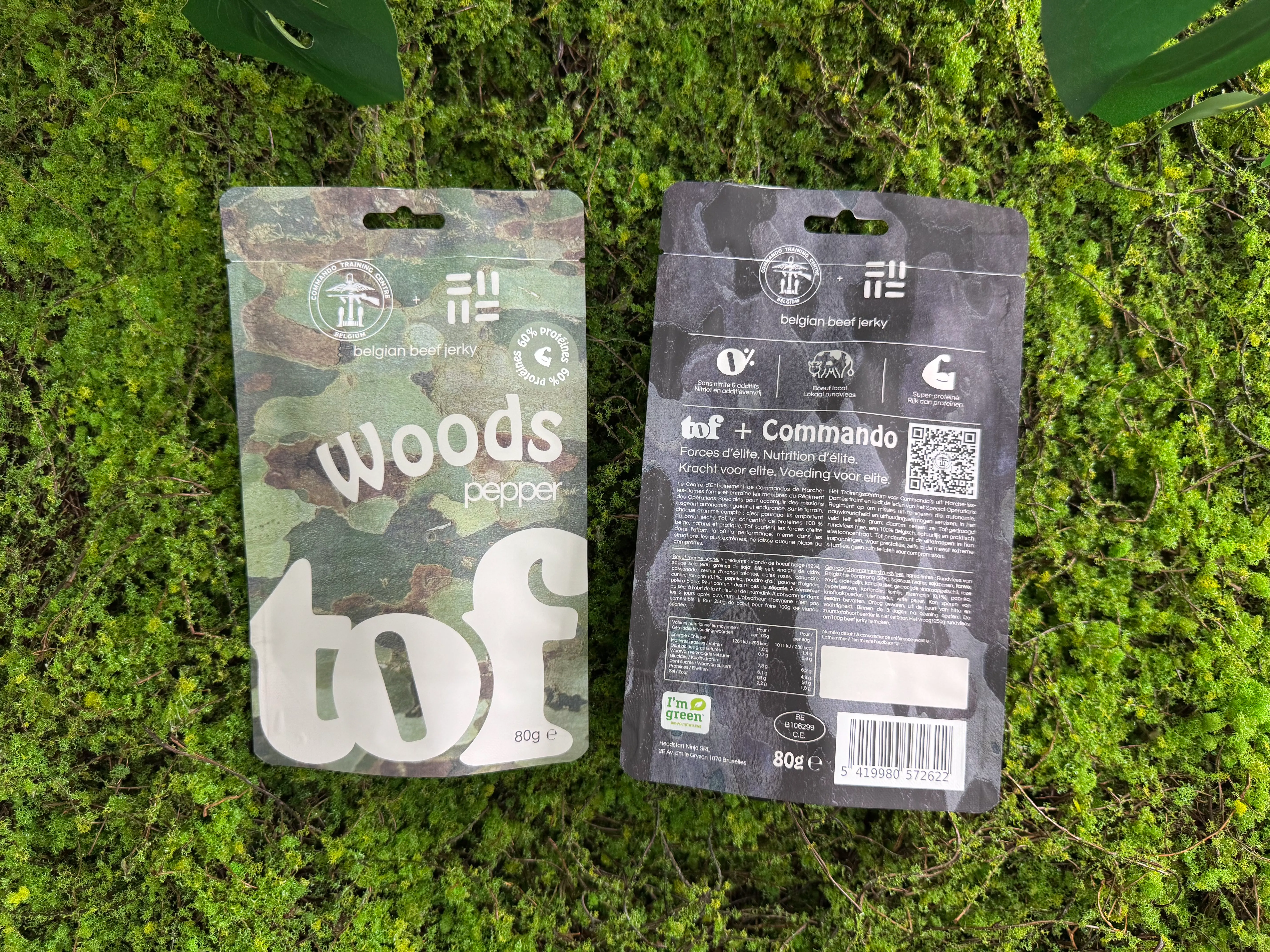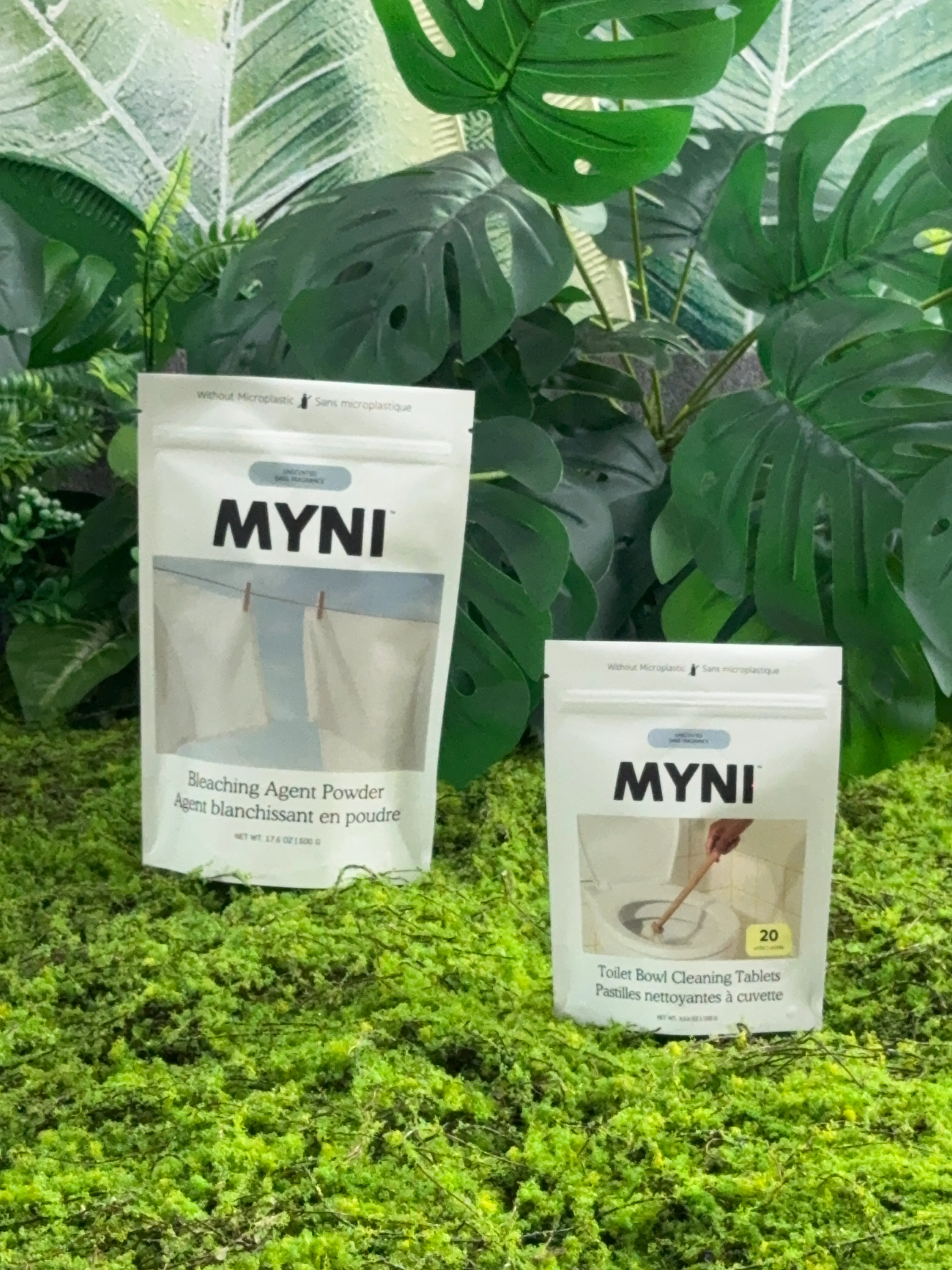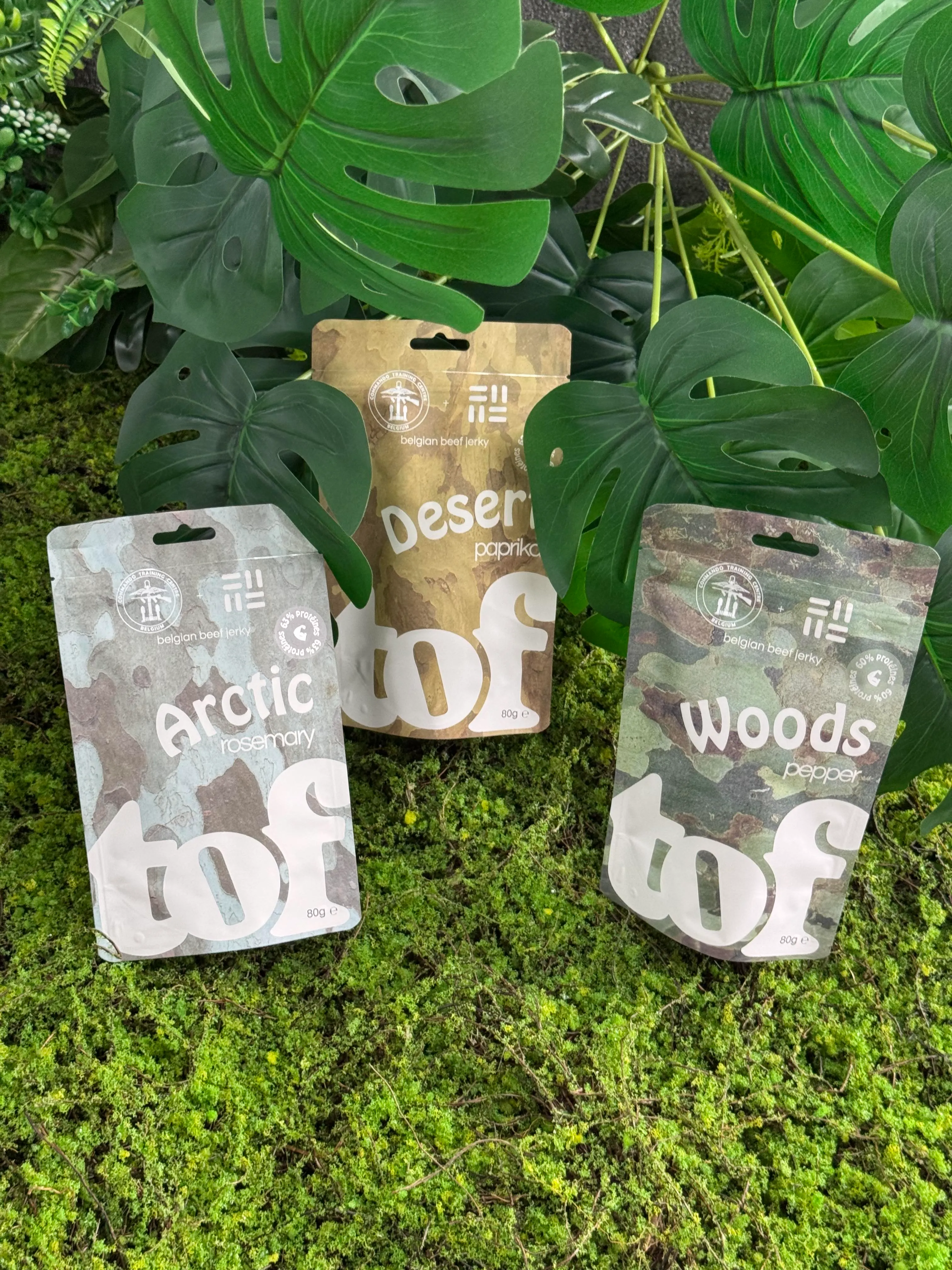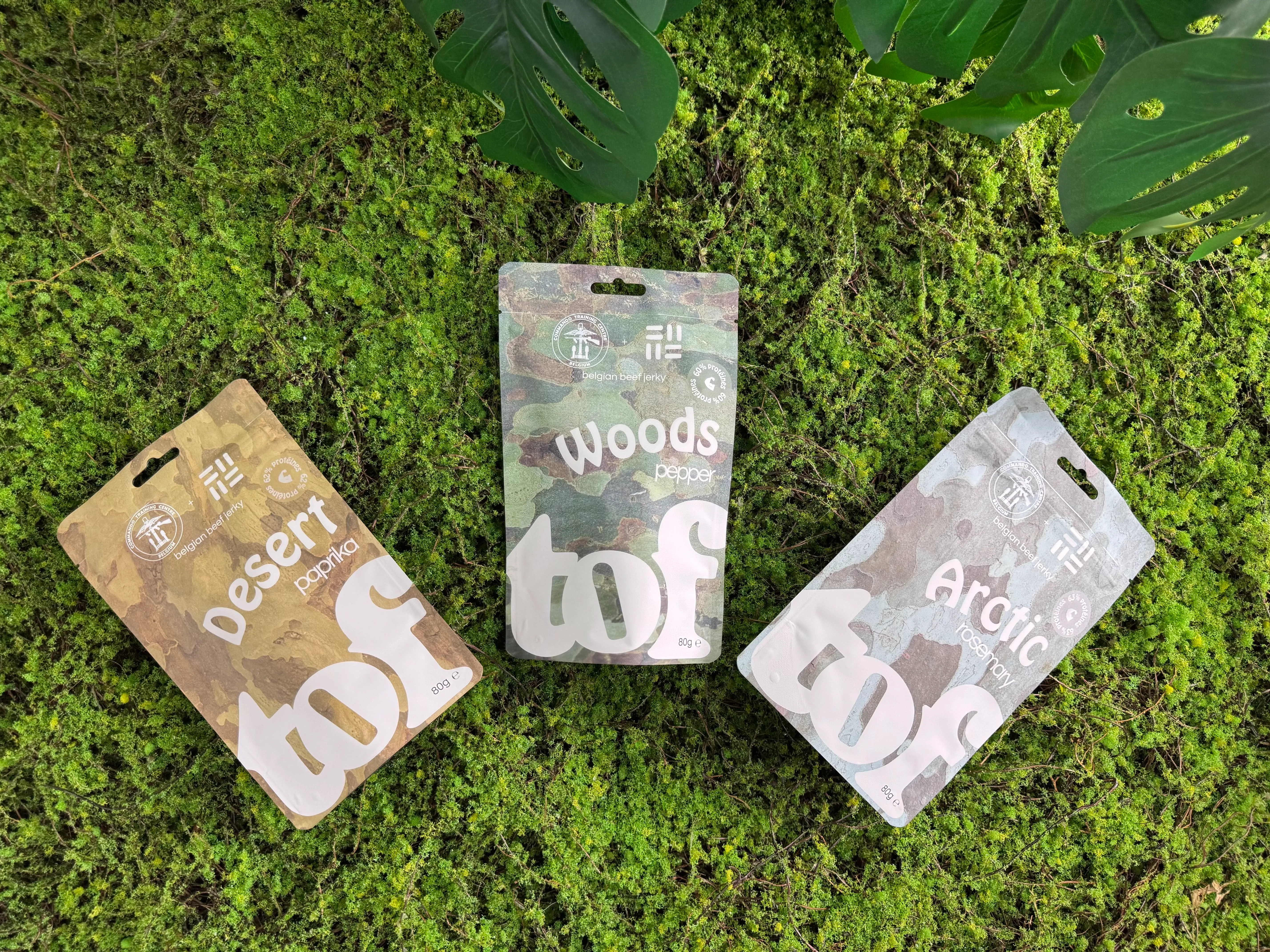
Is Compostable Packaging Really Compostable? (EN 13432 & ASTM D6400) Specifications
Solving Core Packaging Challenges for Is Compostable Packaging Really Compostable? (EN 13432 & ASTM D6400)
Concise B2B technical benchmarks designed to eliminate transit failures, regulatory penalties, and shelf-life loss.
Structure Approved Before It Is Ever Tested
Risk: The laminate looks right on paper and fails on your actual product, wasting the run.
Sample Packs in the Exact Structure, Tested With Your Product
You run your own fill and shelf-life test before any tooling is cut.
Barrier Numbers Missing From the Quote
Risk: You approve a film without knowing its oxygen or moisture transmission rate, then find out on shelf.
OTR and WVTR Stated on Every Quotation
The barrier figure is on the quote, not buried in a datasheet you never see.
Sustainability Claim Without a Certificate Behind It
Risk: An unsubstantiated compostable or recycled claim fails retailer and marketplace review.
Certificate Numbers Issued With the Quote
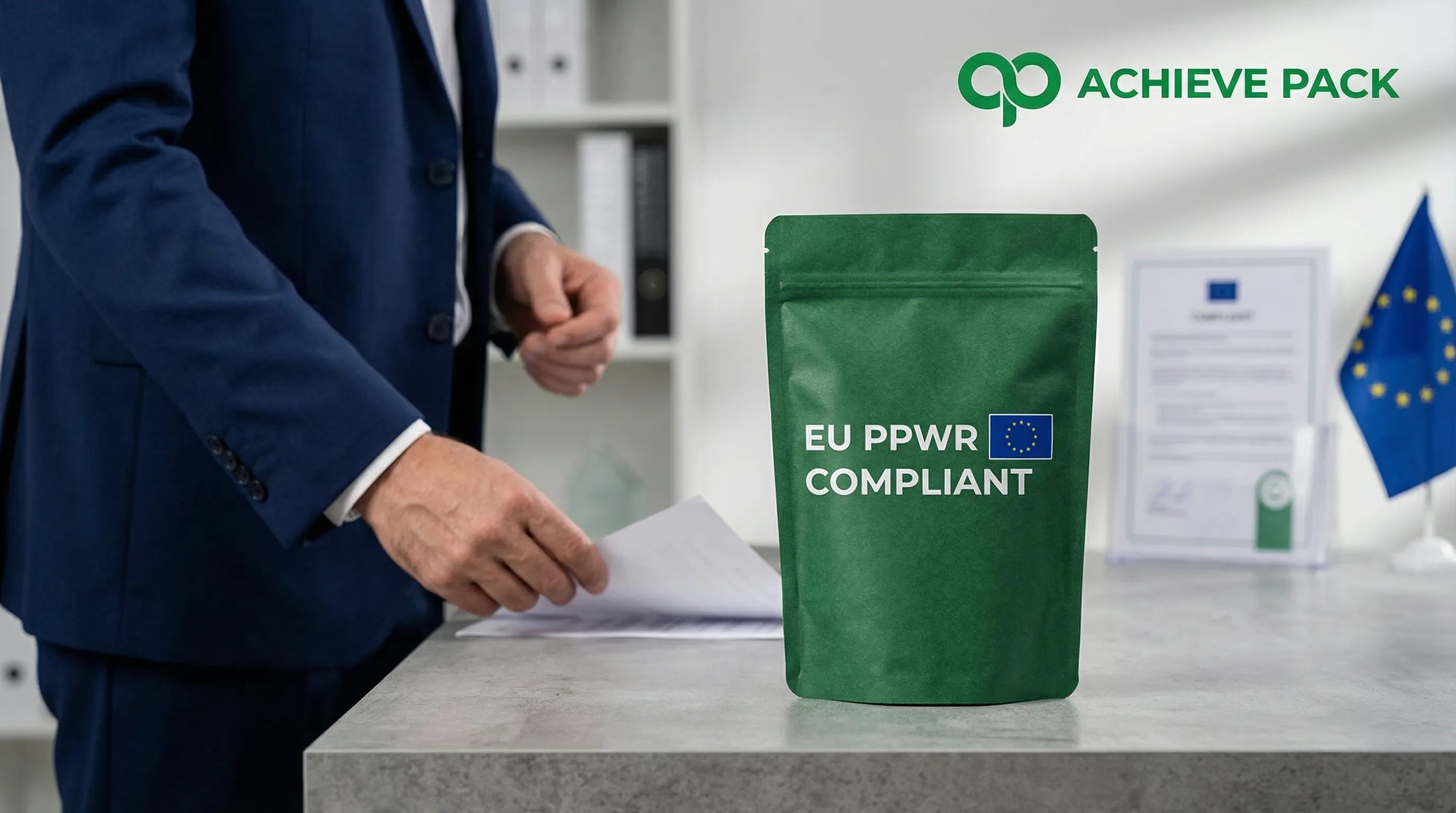
TÜV OK Compost HOME, BPI, EN 13432, AS 5810, GRS — referenced by certificate number.
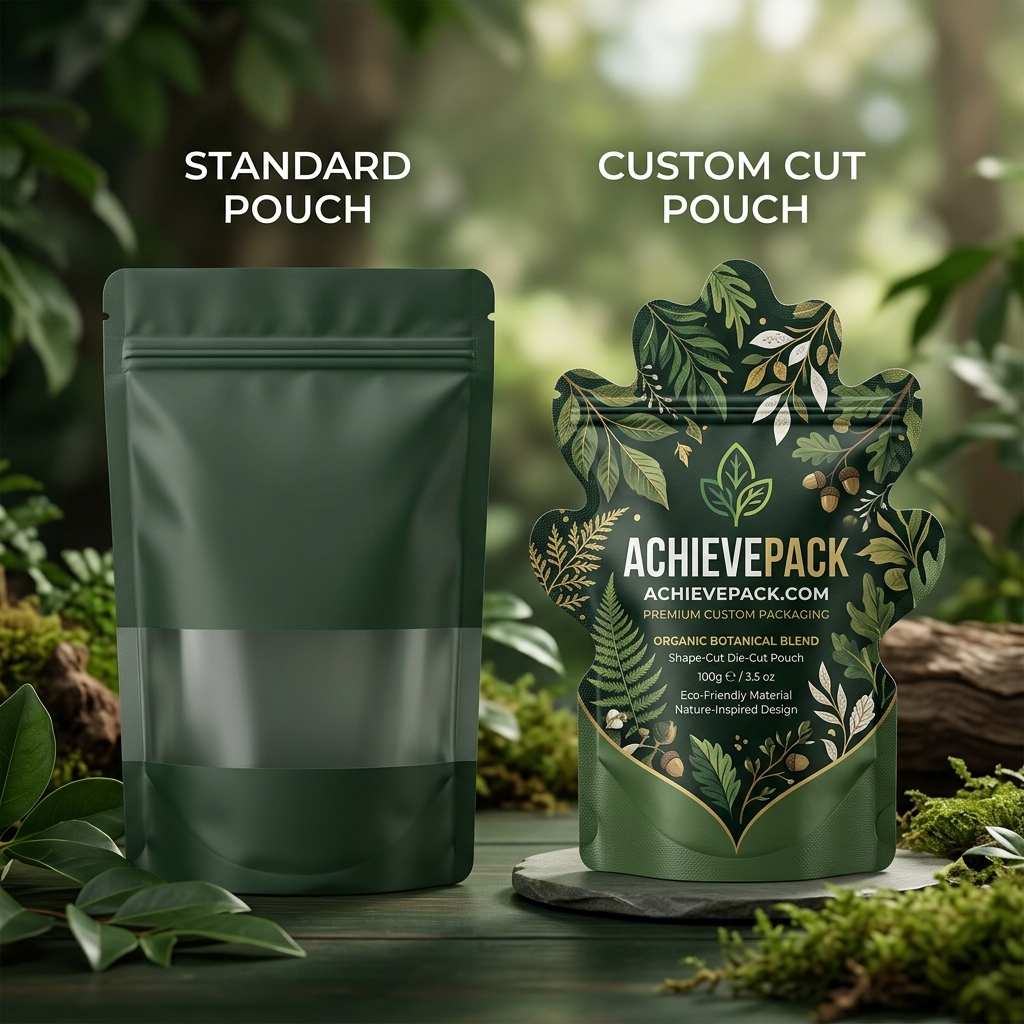
Experience 3D Packaging Design & Free Dielines
Preview your pouch in 3D WebGL Studio and export production-ready dielines.
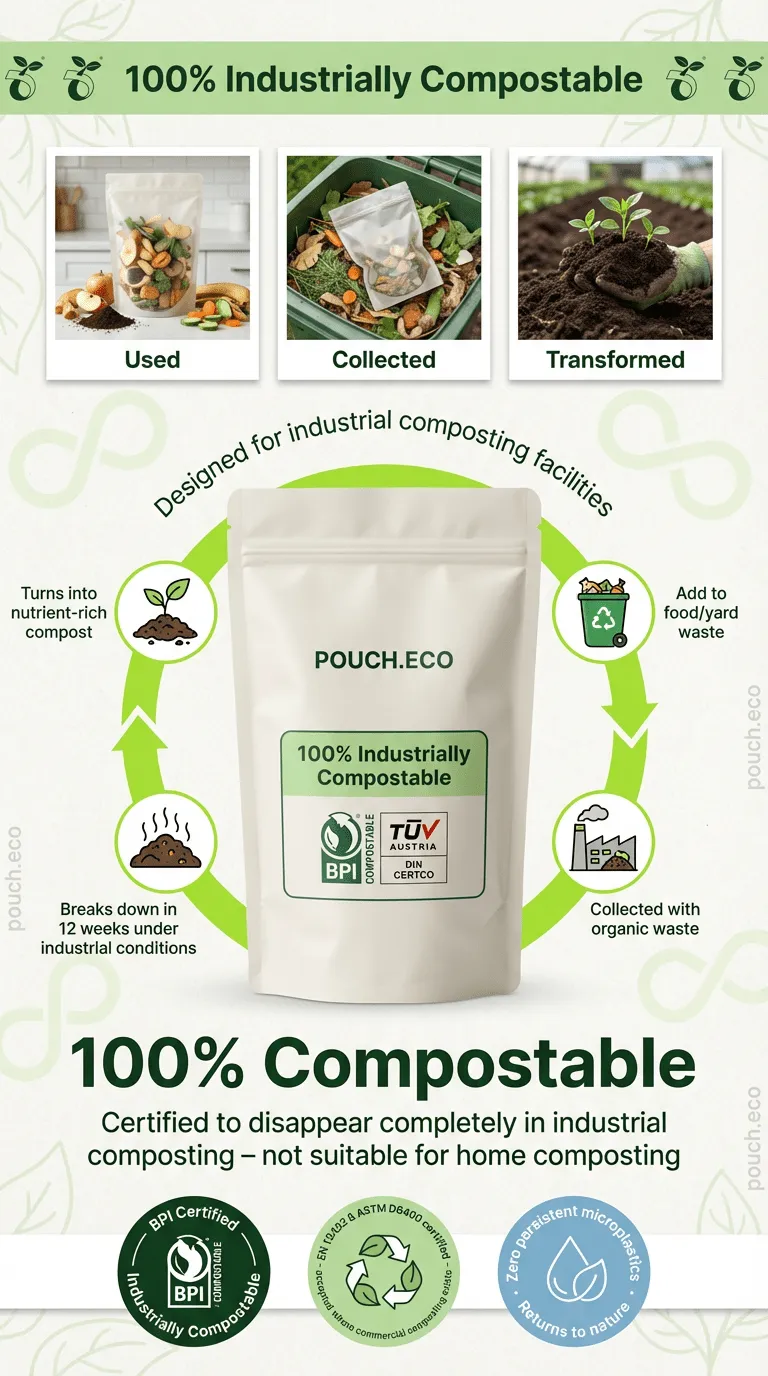
What Is Compostable Packaging at a Glance?
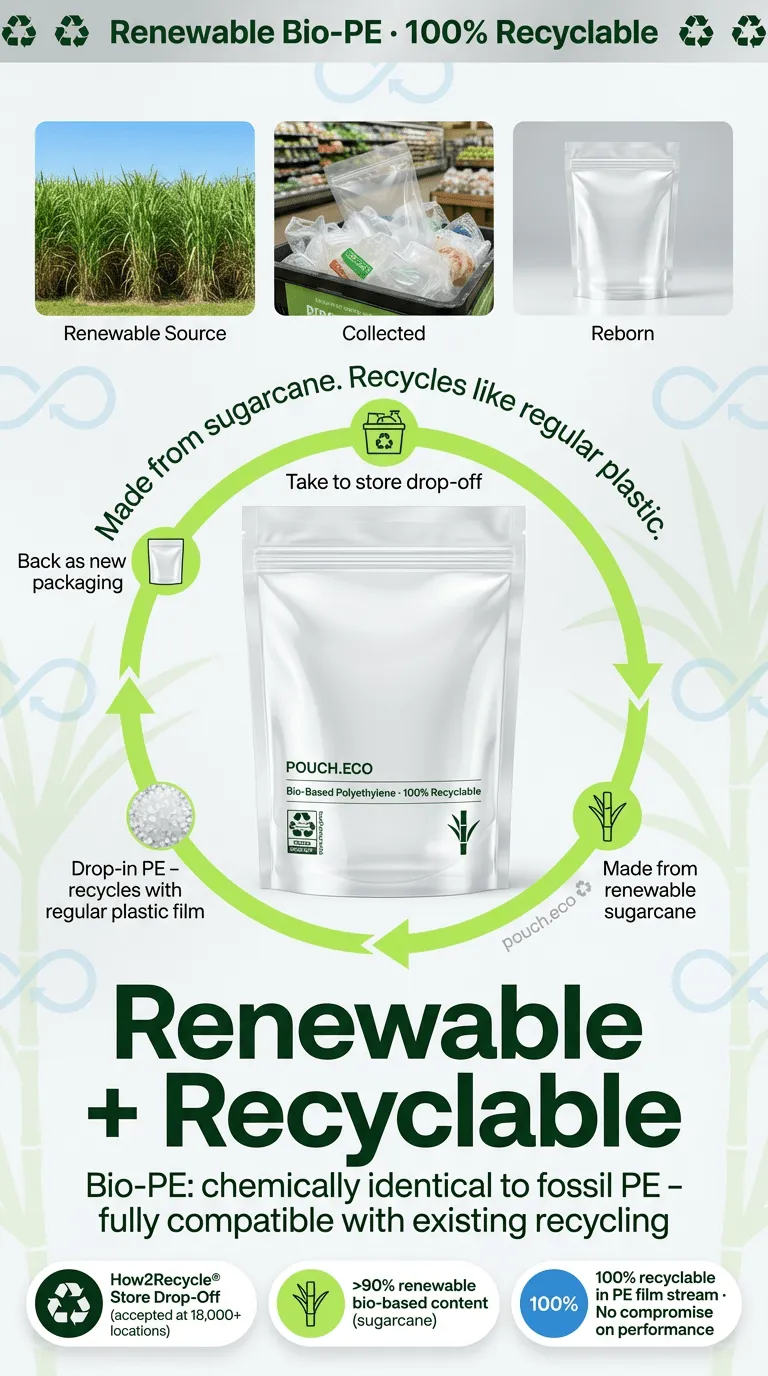
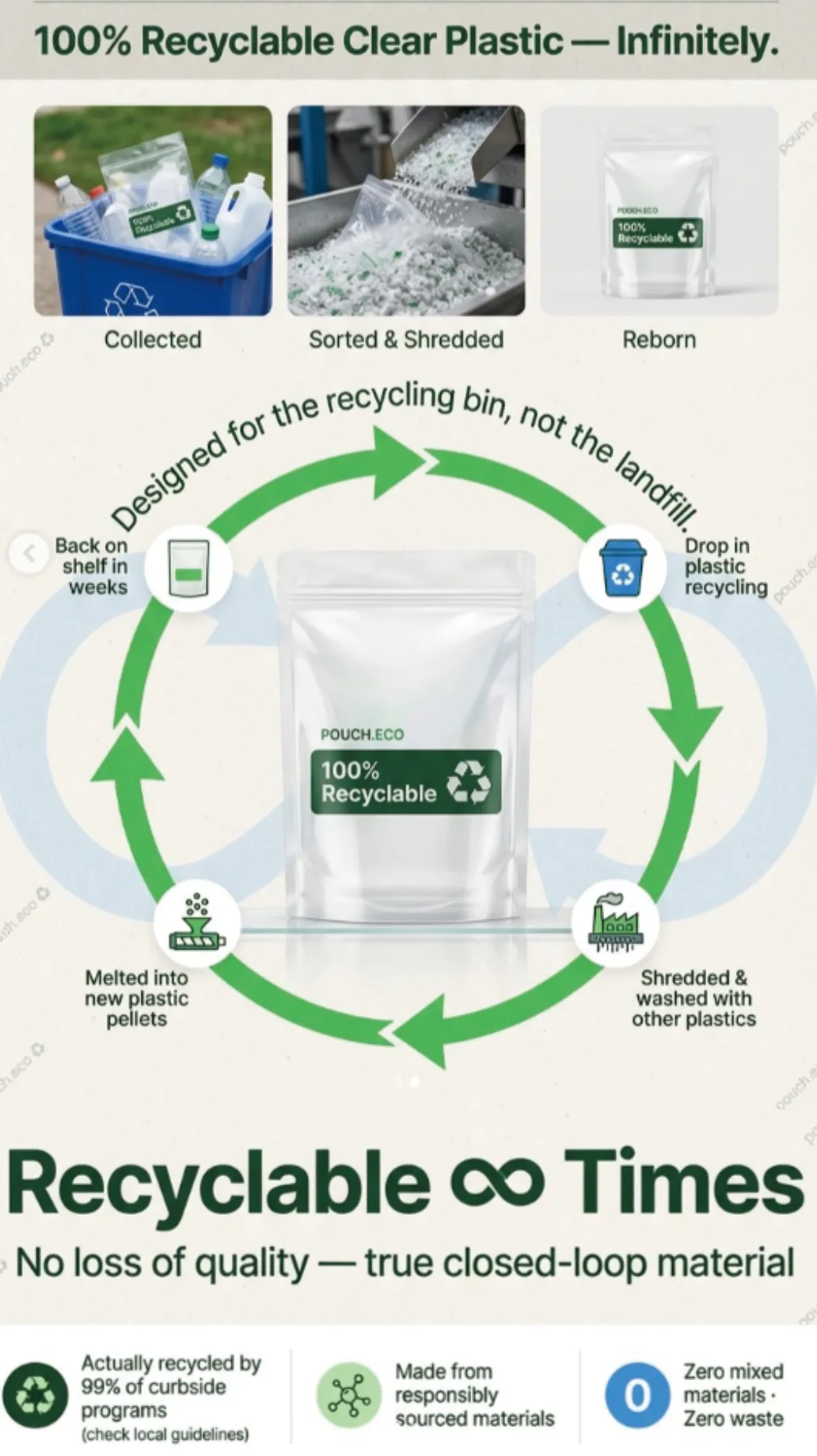
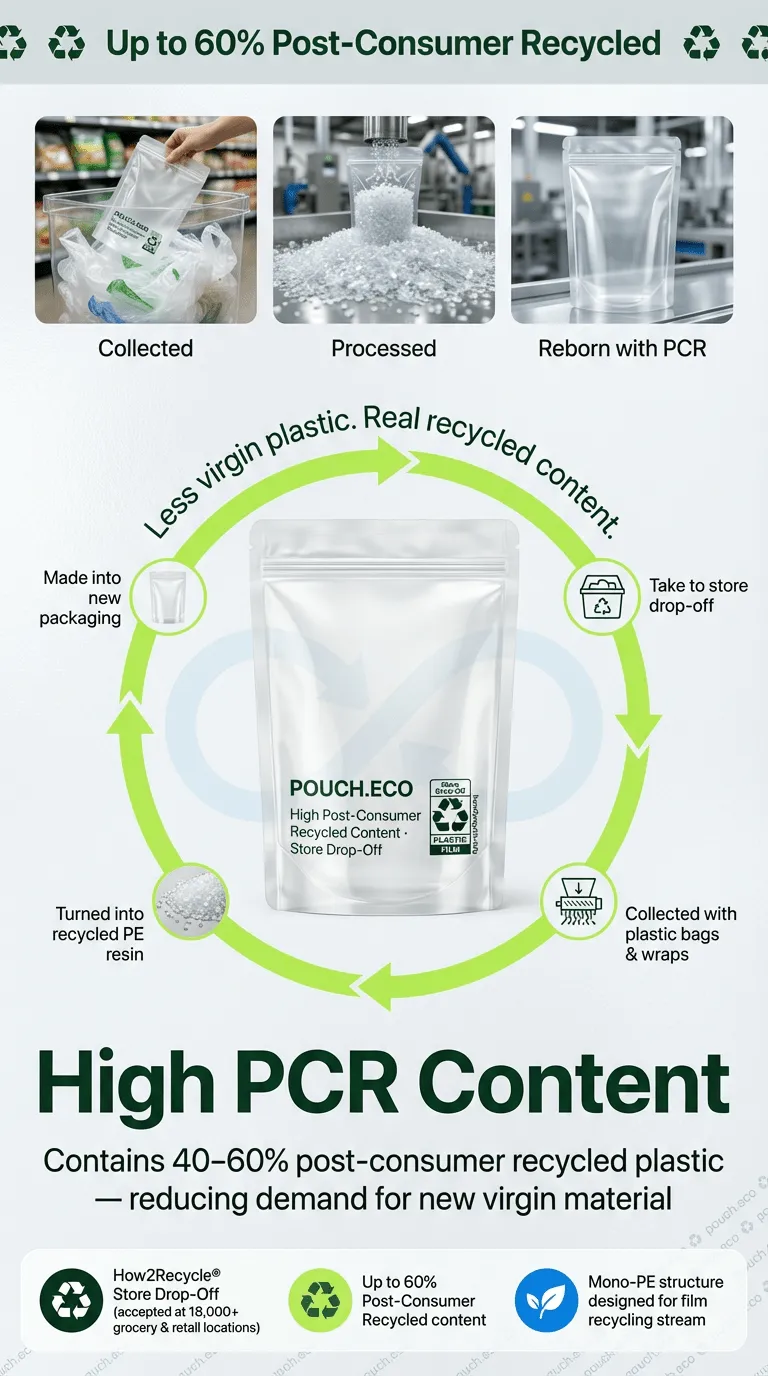
Click the infographic below to view in full size:
Is This Page For You?
If you're a US specialty coffee roaster, an organic food brand, or a DTC wellness company looking to ditch plastic packaging for genuinely eco-friendly options—without sacrificing freshness or breaking the bank—you're in the right place.
Coffee Roasters
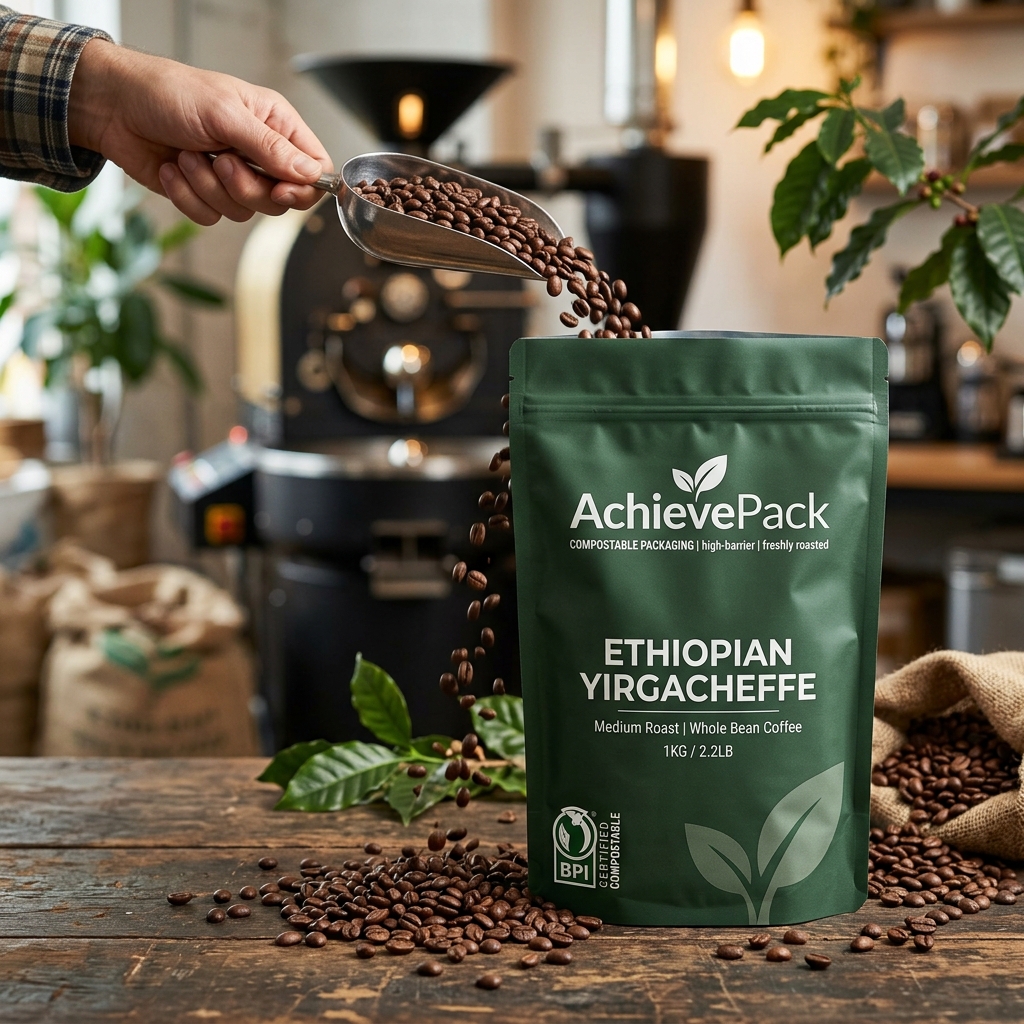
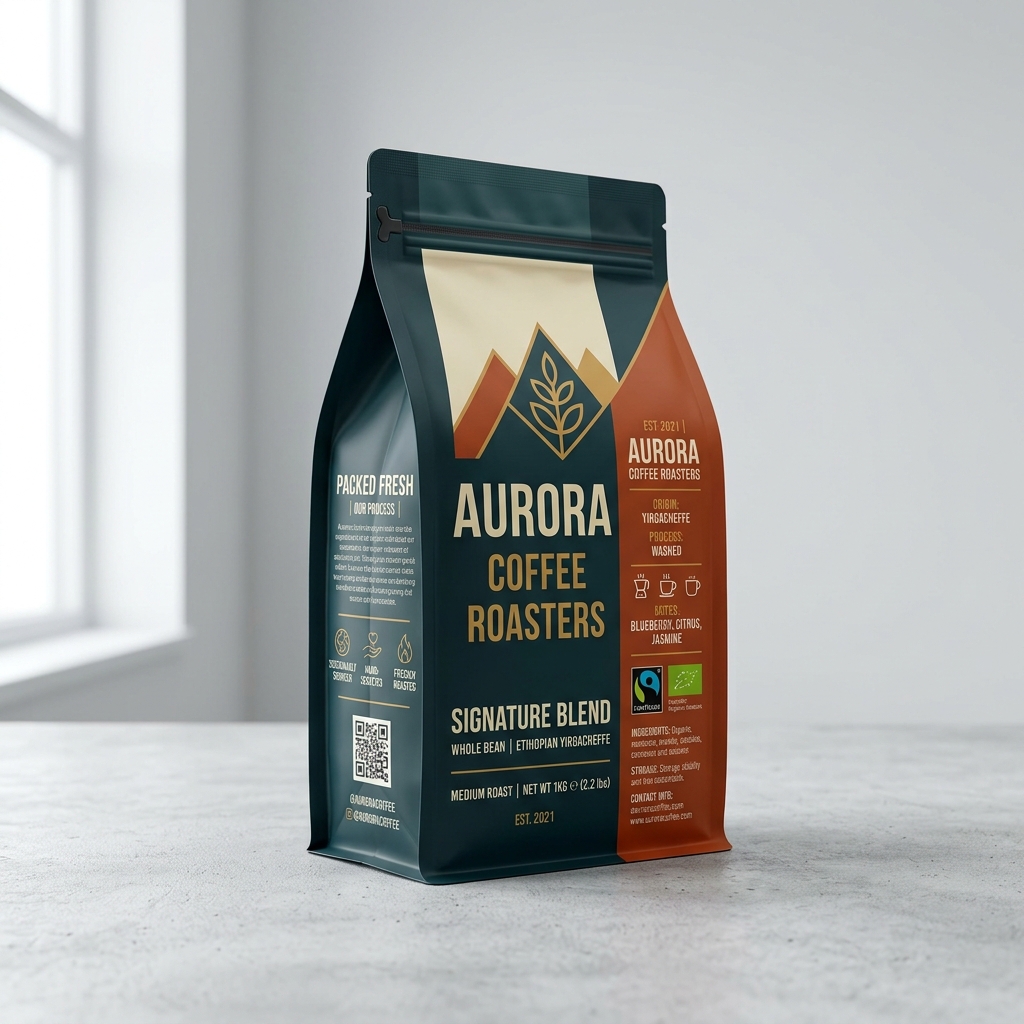
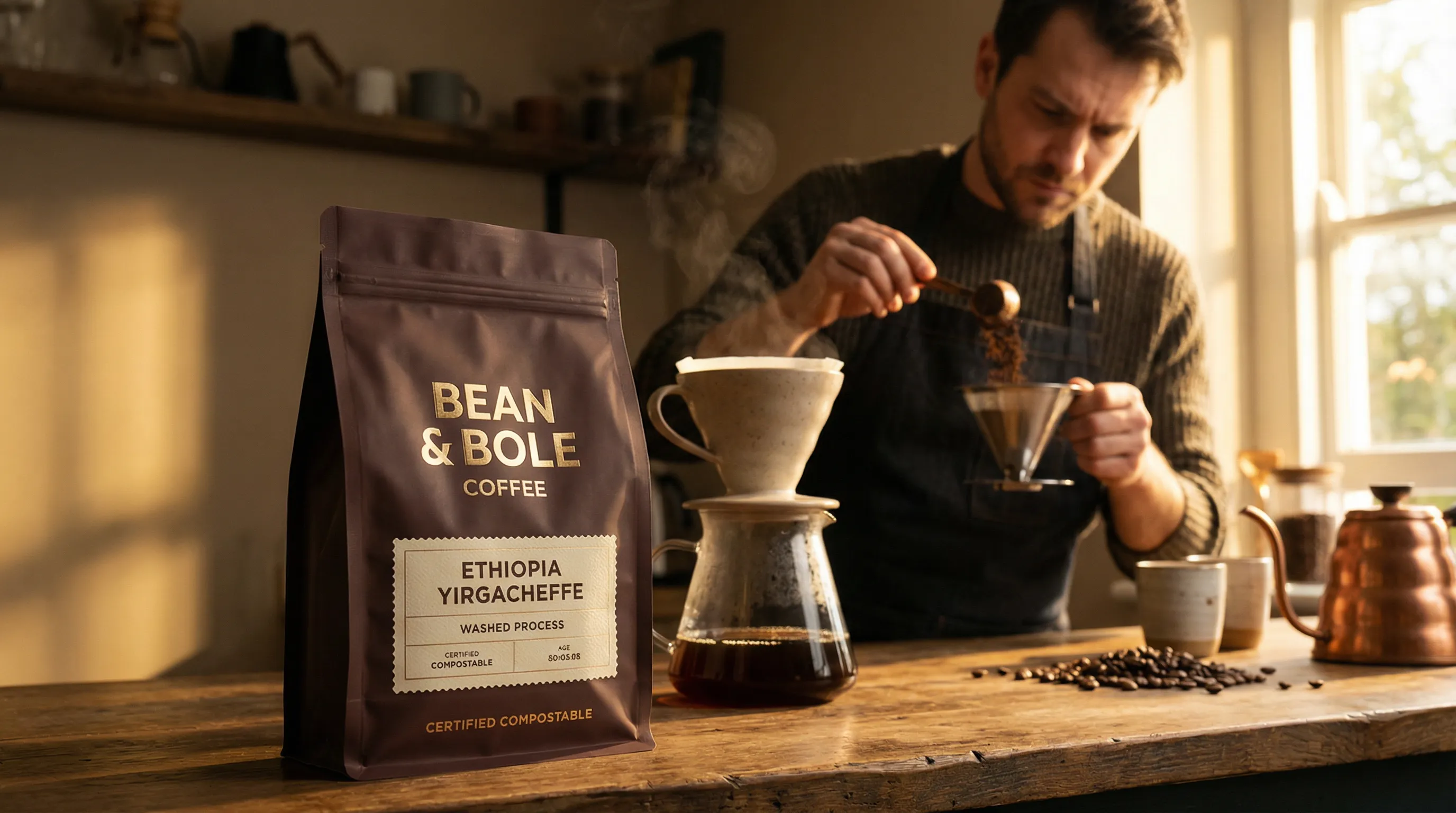
You can switch to certified compostable bags with degassing valves
Snack Brands
You'll meet sustainability goals without sacrificing shelf life
Supplement Companies
Premium eco packaging that resonates with health-conscious consumers
What Is Compostable Packaging, Really?
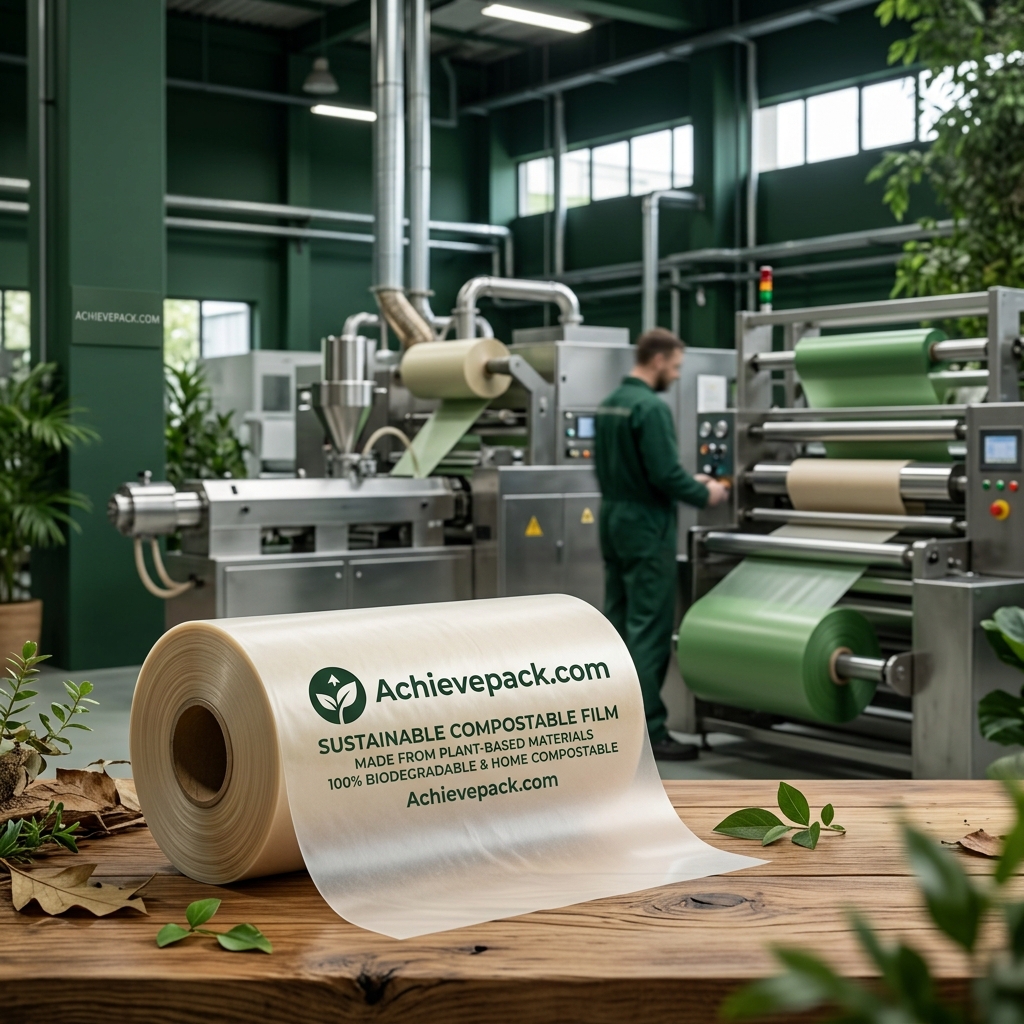
Here's the deal: compostable packaging breaks down into natural elements—soil, water, CO2—within months, not centuries. No microplastics. No toxic residue. Just packaging that returns to the earth like nature intended.
The Important Bits:
- • Turns into dirt in 90-180 days (at commercial composting facilities)
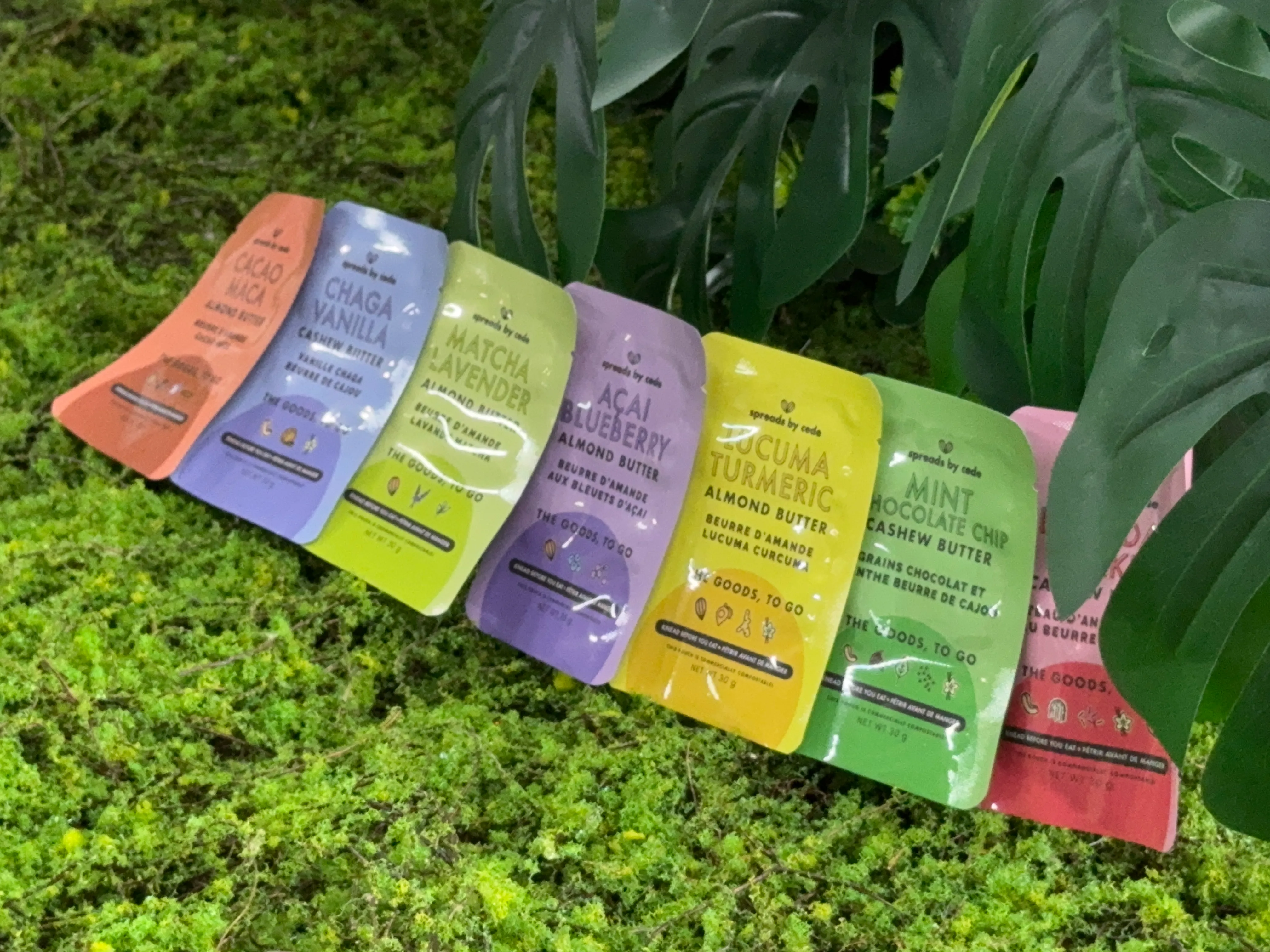
- • Made from plants, not petroleum (PLA, cellulose, kraft paper)
- • Zero microplastics left behind
- • Actually certified (EN 13432, ASTM D6400—we have the receipts)
- • Food-safe for direct contact
The compostable packaging market is hitting $23.7 billion by 2030. That's not us guessing—that's the European Bioplastics Association. Brands are switching because consumers are demanding it.
Pick Your Material
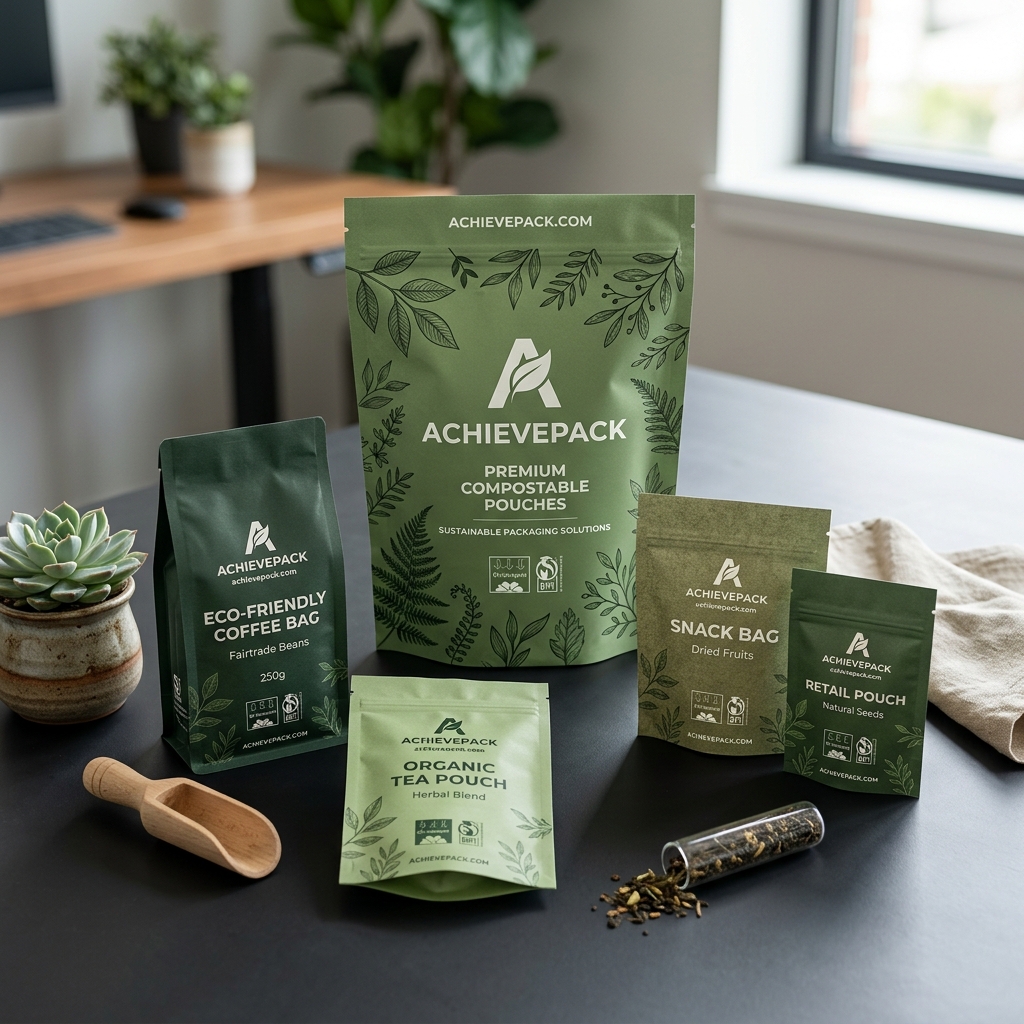
Not all compostable is the same. Here's what we work with:
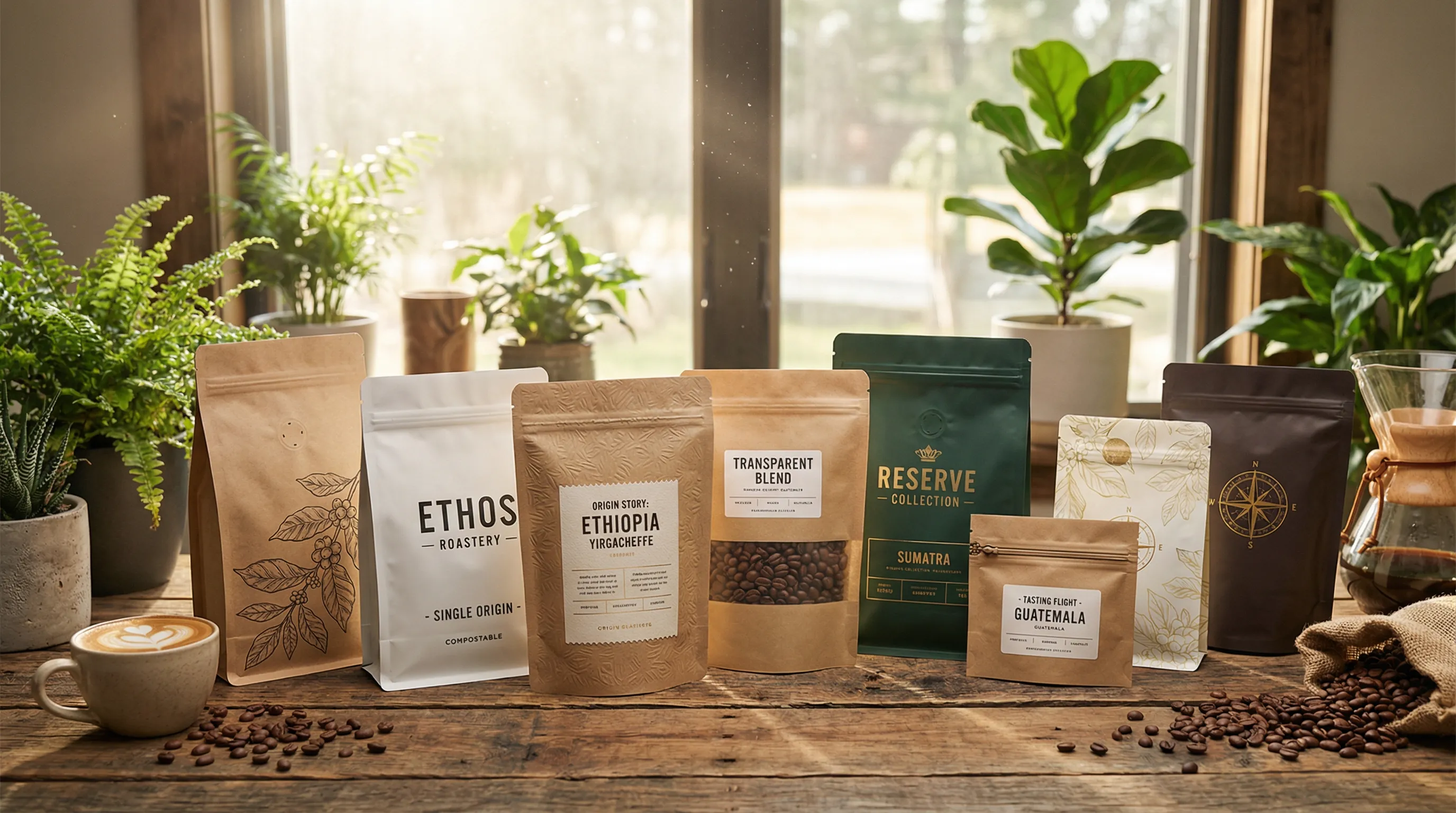
Kraft + PLA
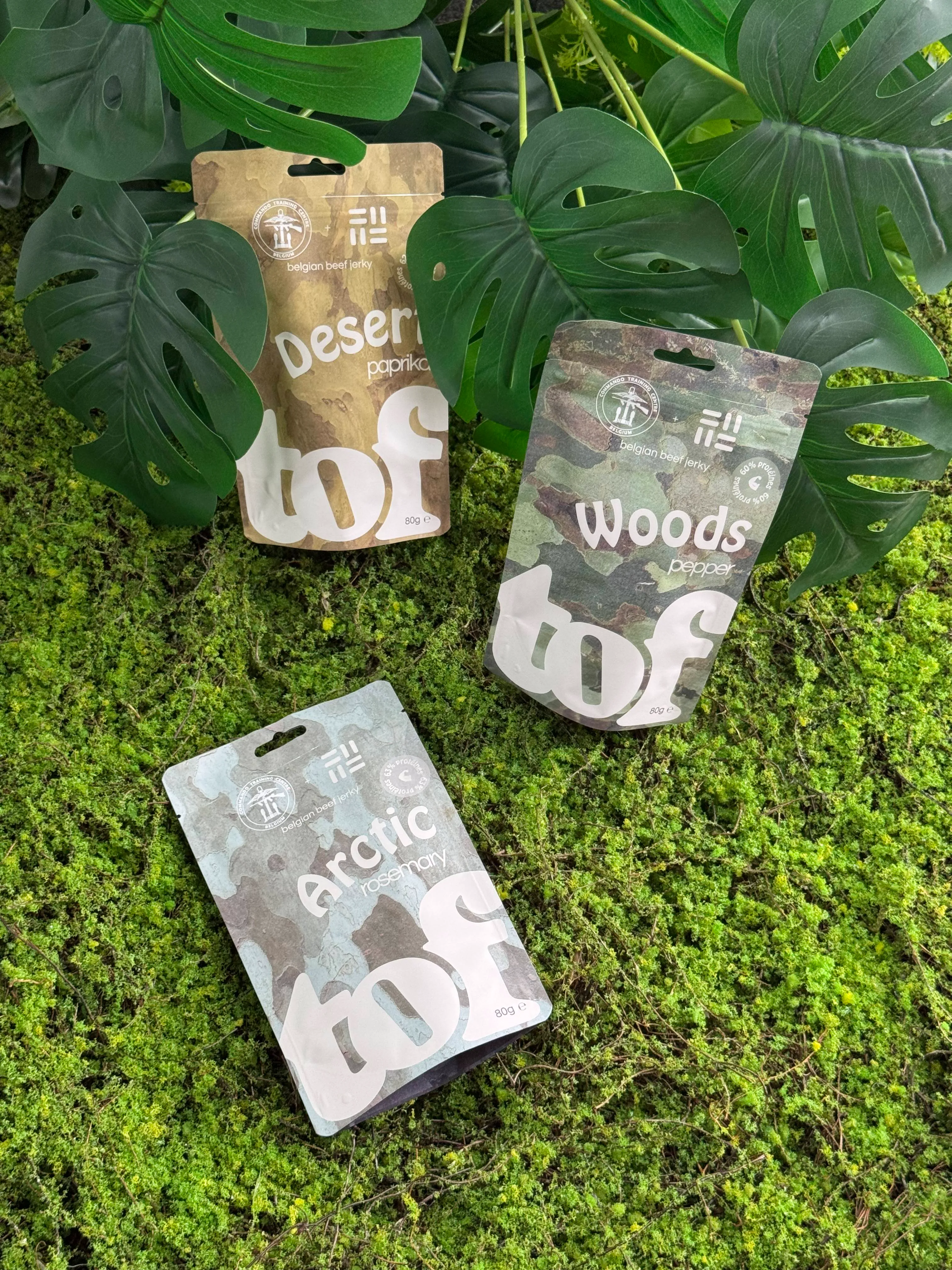
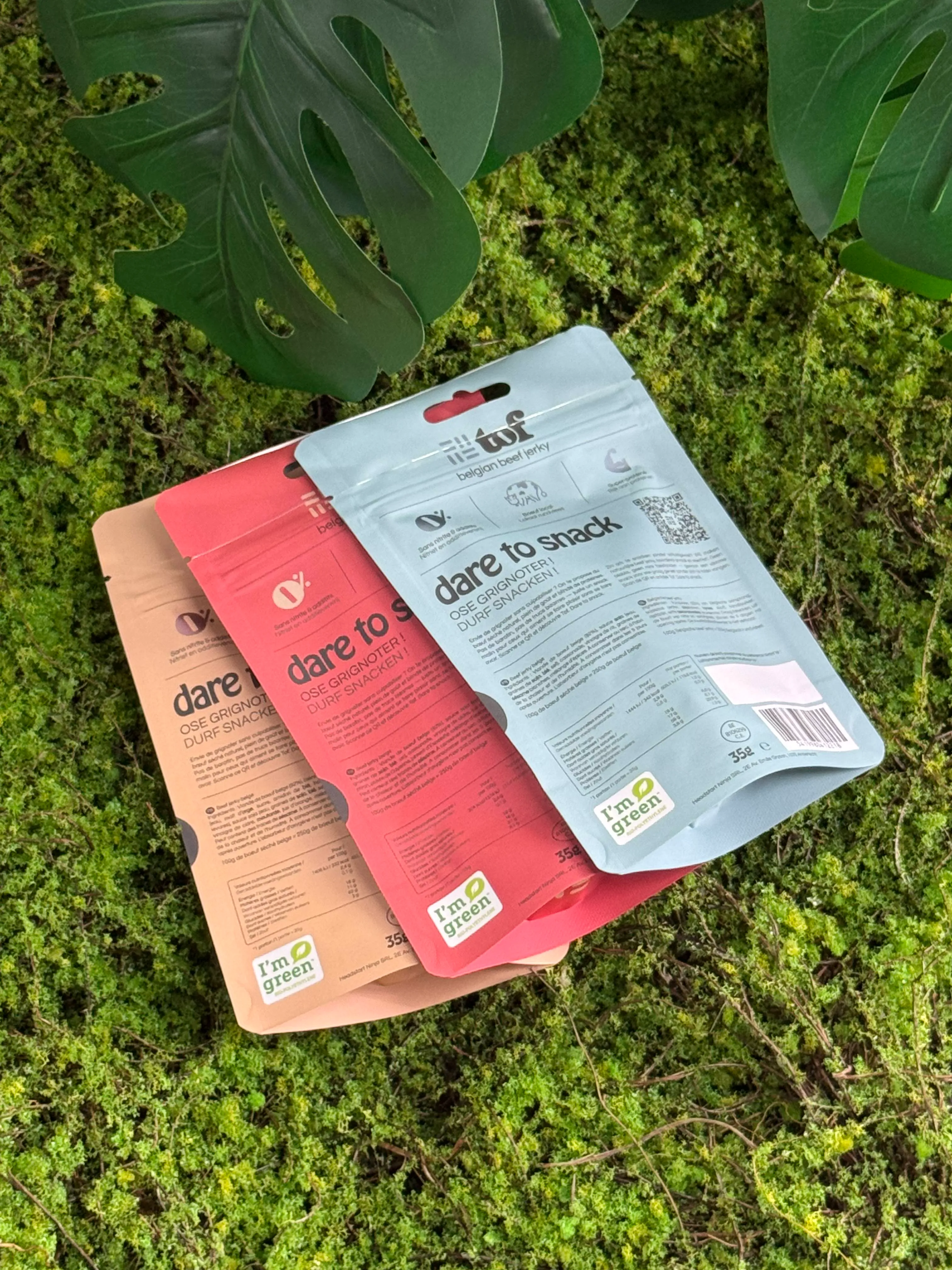
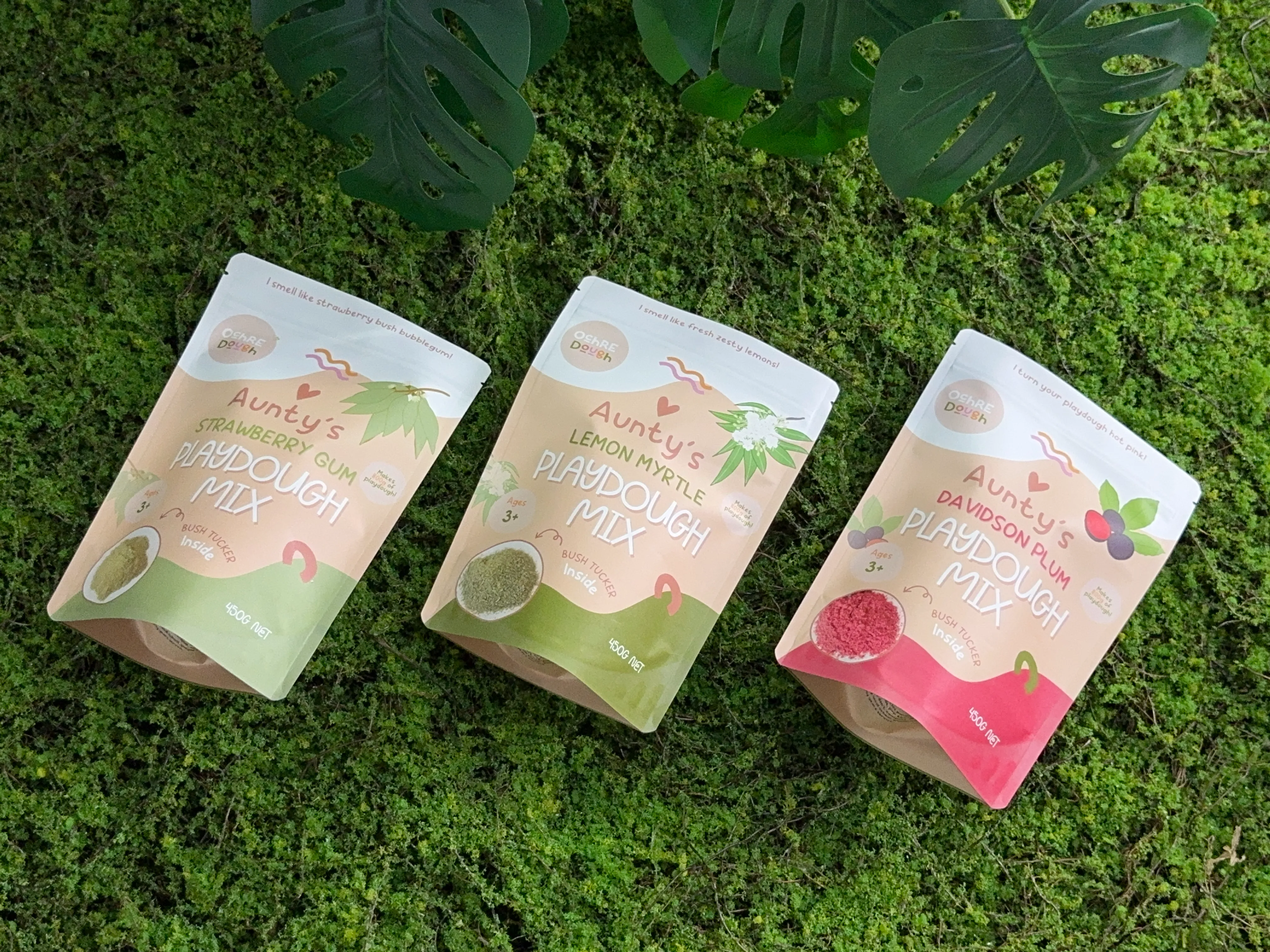
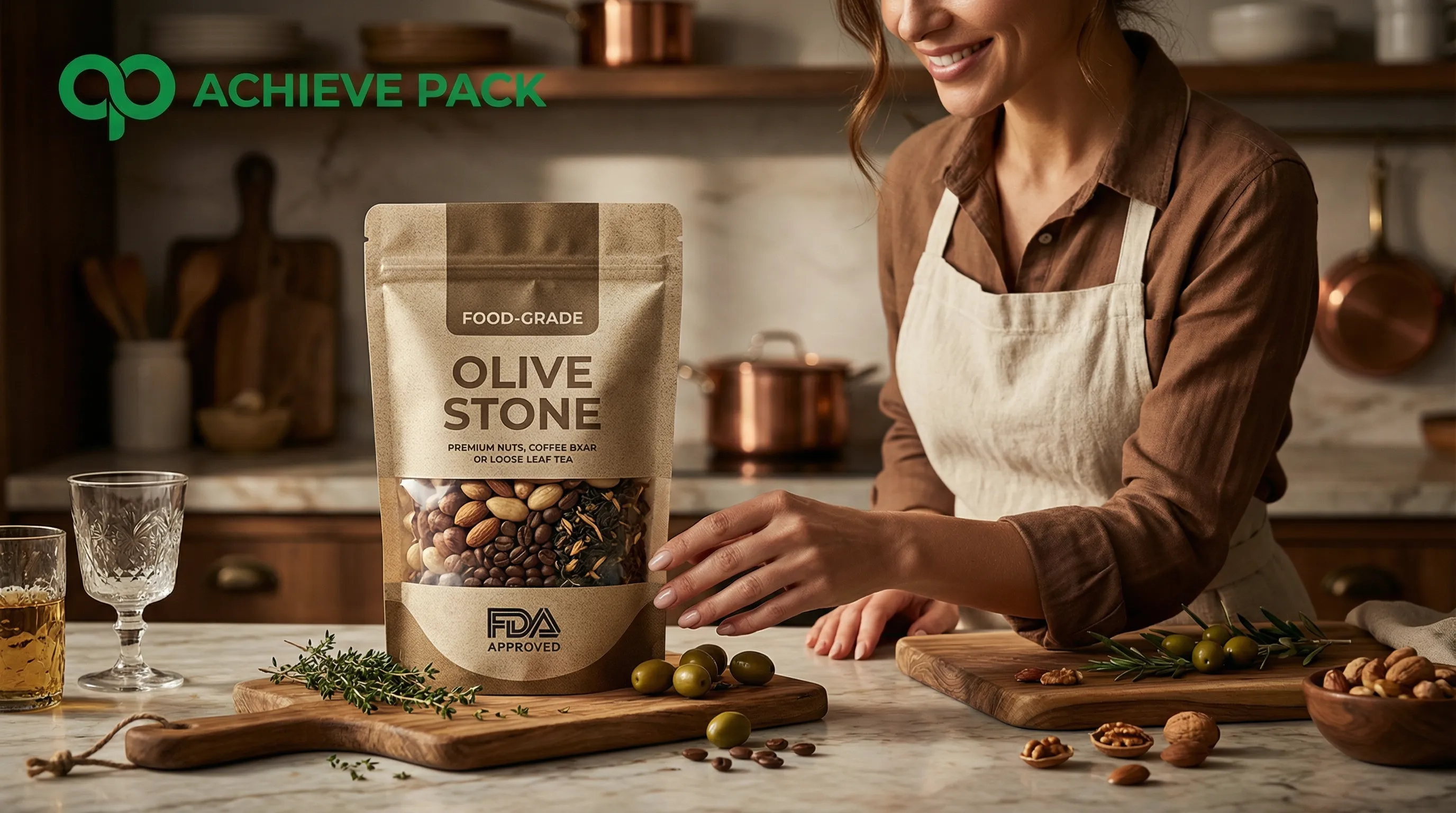
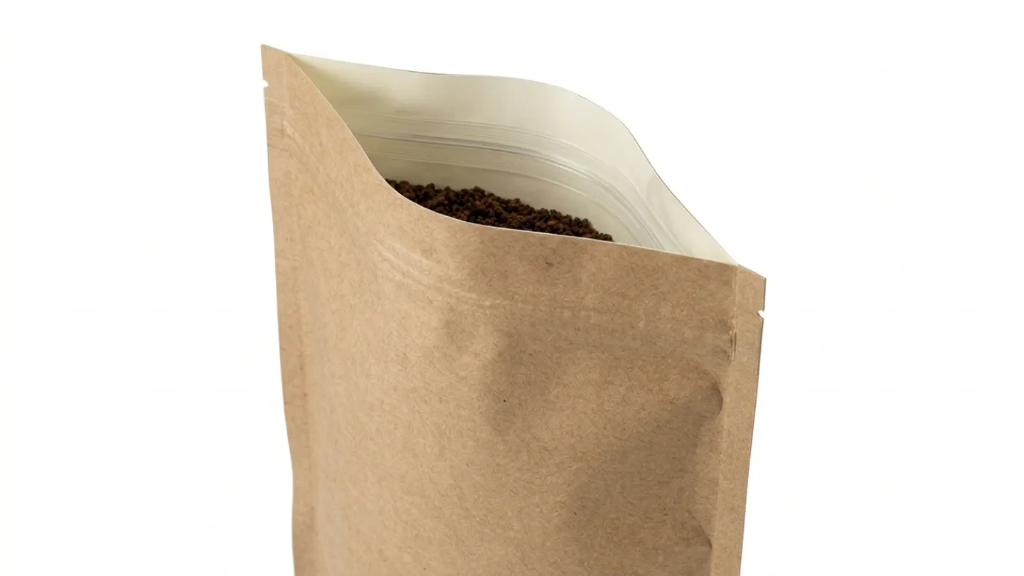
The classic. Natural kraft exterior with plant-based PLA lining. Perfect for coffee, tea, snacks.
- • Medium barrier (6-12 month shelf life)
- • That earthy, artisan look
- • Some home compostable options
White Kraft + PLA
Brighter, cleaner look for brands wanting premium vibes.
- • Better color pop on prints
- • Modern, clean aesthetic
- • Commercial composting
NatureFlex™ (Cellulose)
Crystal clear compostable film. Great for windows or when you want to show off what's inside.
- • See-through clarity
- • Good moisture barrier
- • Home AND commercial compostable
PBAT/PLA Blends
When you need more barrier but still want to compost. Higher performance stuff.
- • Enhanced protection
- • Heat sealable
- • Commercial composting only
The Certifications (Aka Receipts)
We don't just say compostable—we prove it:
EN 13432
The European gold standard. 90% disintegration in 12 weeks, complete breakdown in 6 months. The strictest test.
Artwork Usage: Brands using our compostable materials can display the Seedling logo on their packaging to communicate eco-credentials to consumers.
ASTM D6400
US equivalent. Same rigorous testing, recognized by BPI (Biodegradable Products Institute).
BPI Logo Usage: The BPI logo is granted to Achieve Pack as the certified manufacturer. If your brand wants to display the BPI logo on your packaging, you must apply for a sub-license through BPI.
→ View Achieve Pack BPI Certification OnlineAS 4736 / AS 5810
Australian standards for commercial (AS 4736) and home composting (AS 5810). Required for the Aussie market.
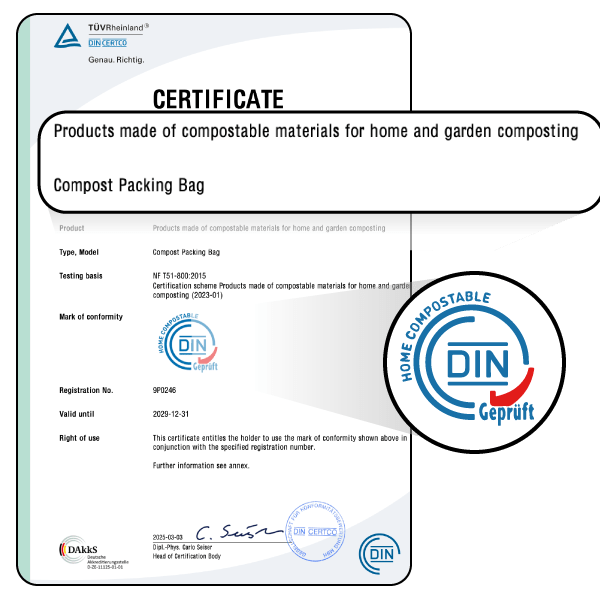
All testing done by accredited labs—TÜV Austria, DIN CERTCO, BPI. We send you the certificates before you order.
Which Industries Are Switching to Compostable Packaging?
Here's the thing: compostable packaging isn't just a trend—it's reshaping entire industries. Let's look at who's making the switch and why:
Coffee & Tea
- • Specialty Roasters: Kraft/PLA pouches with degassing valves
- • Tea Brands: Compostable sachets and stand-up pouches
- • Cafes: Retail bags for whole bean sales
Food & Snacks
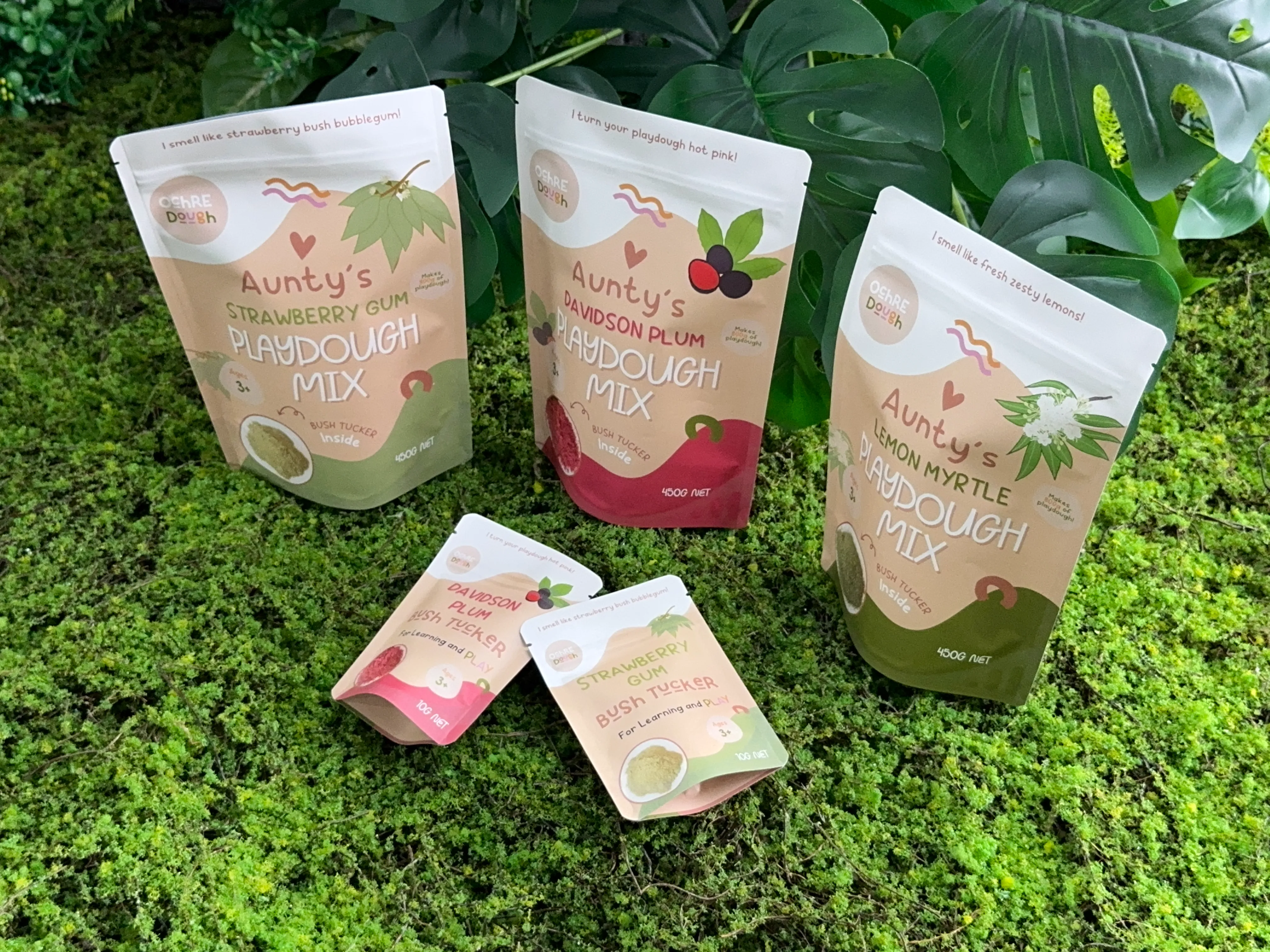
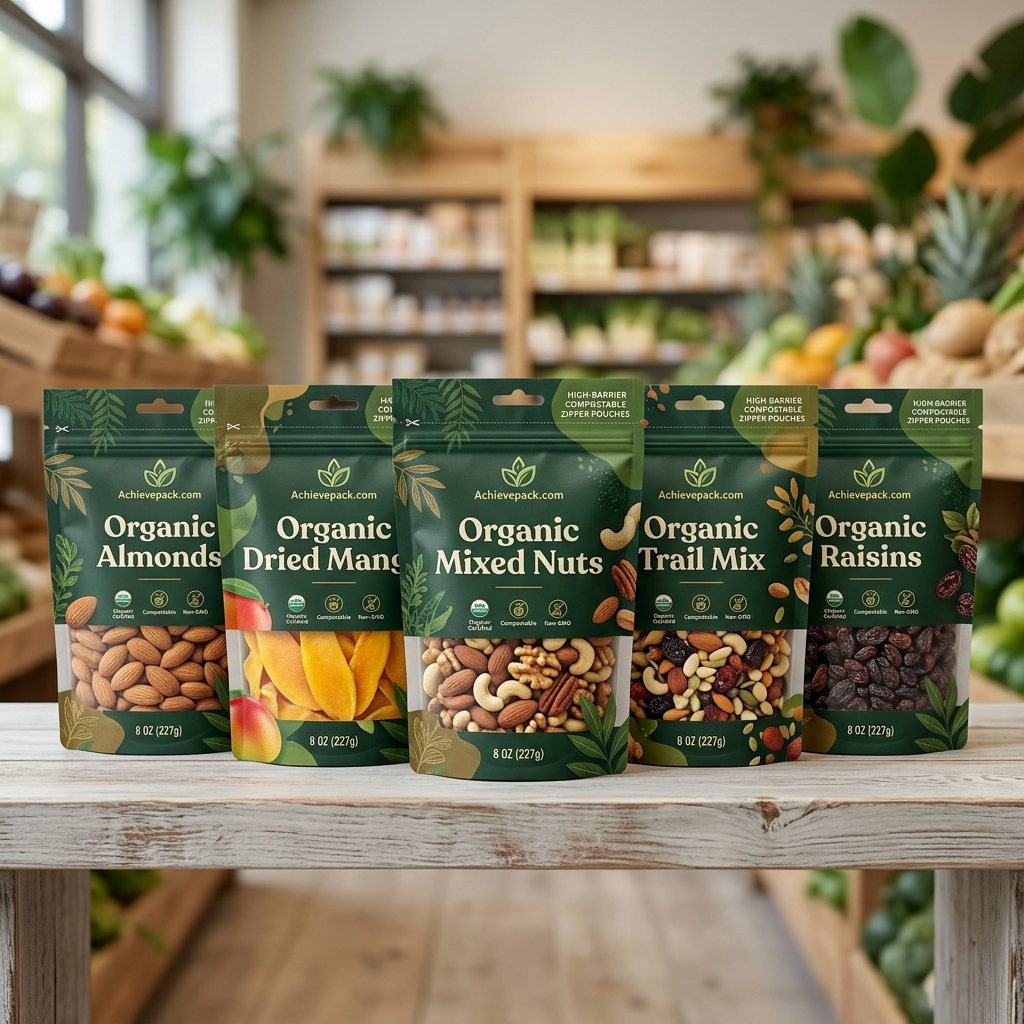
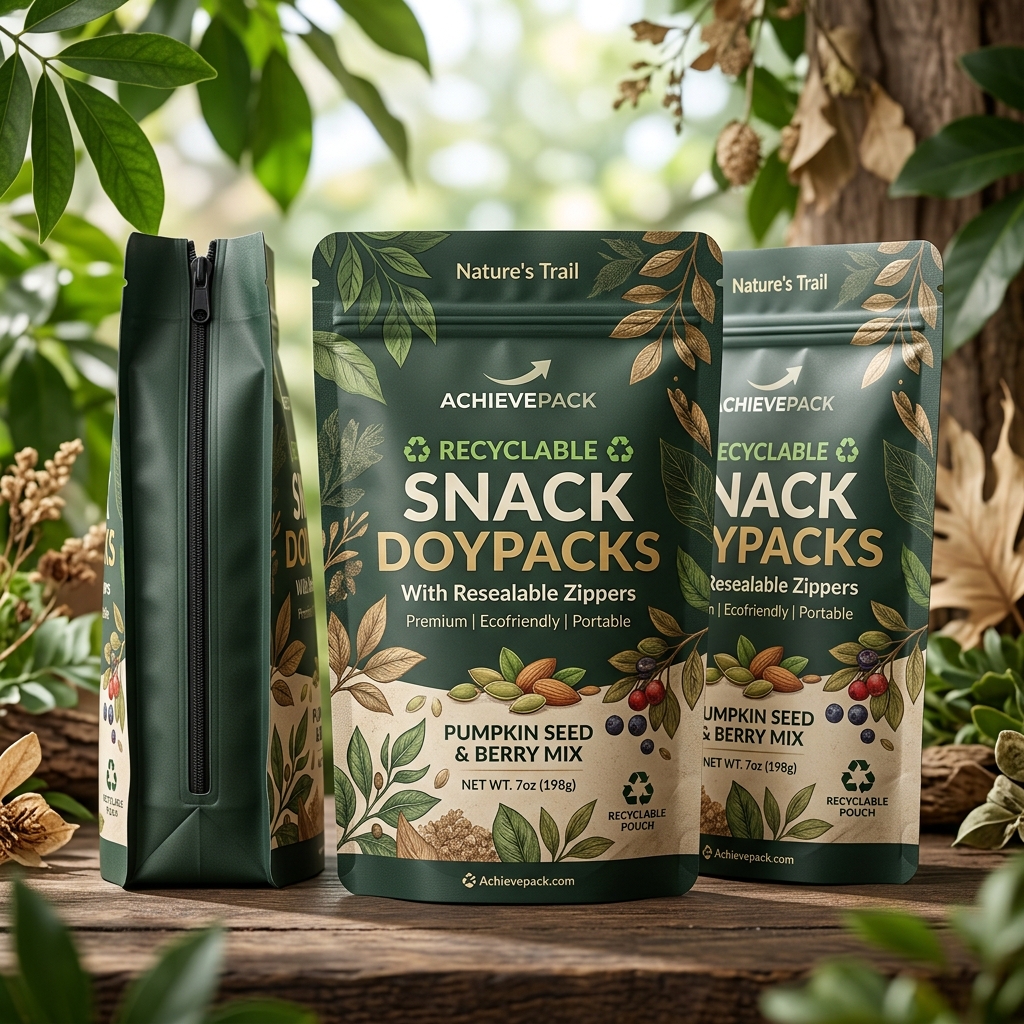
- • Organic Snacks: Stand-up pouches for chips, nuts, granola
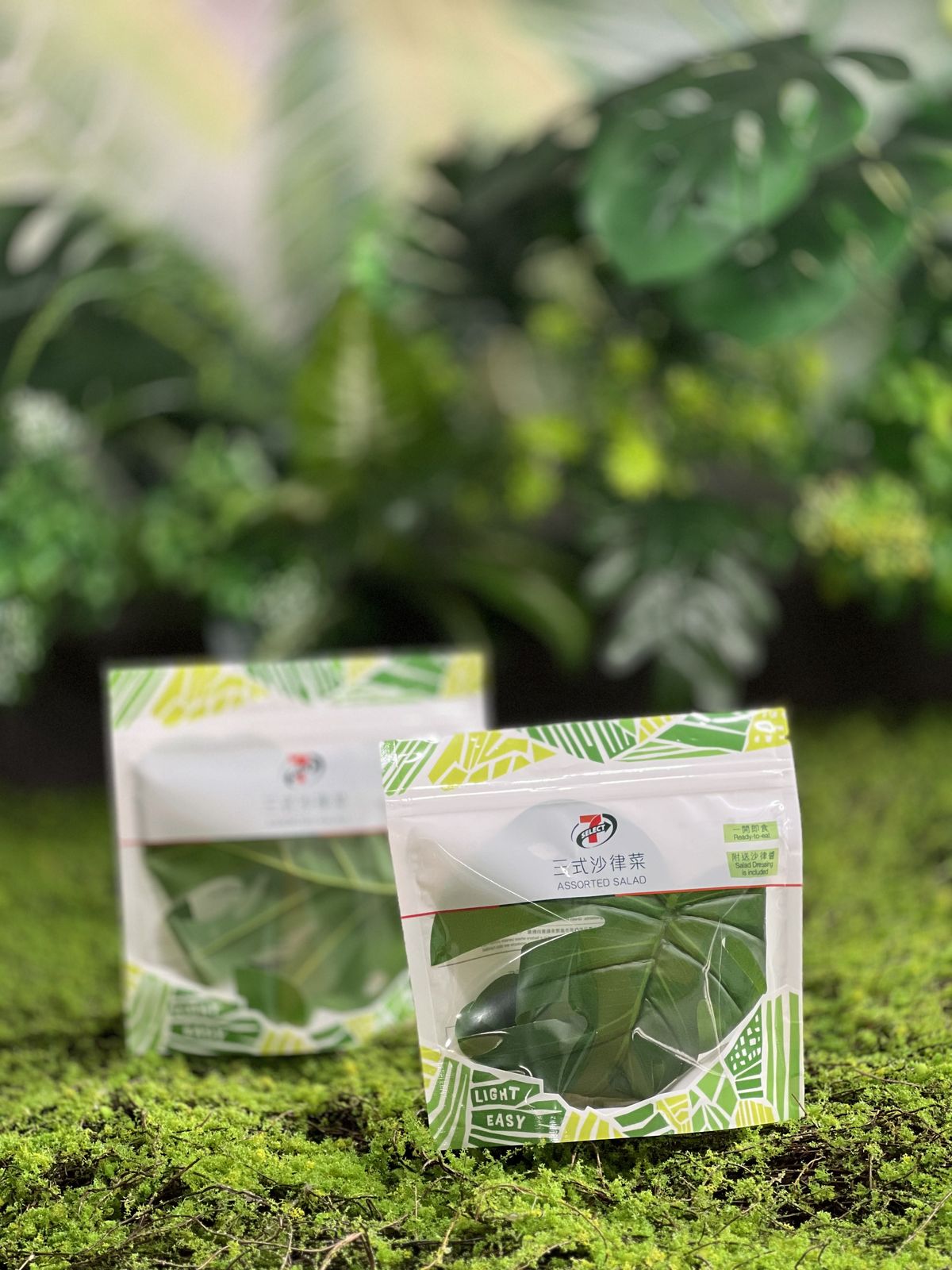
- • Dried Fruits: Clear window pouches for visibility
- • Superfoods: Premium kraft bags for powders
Health & Wellness
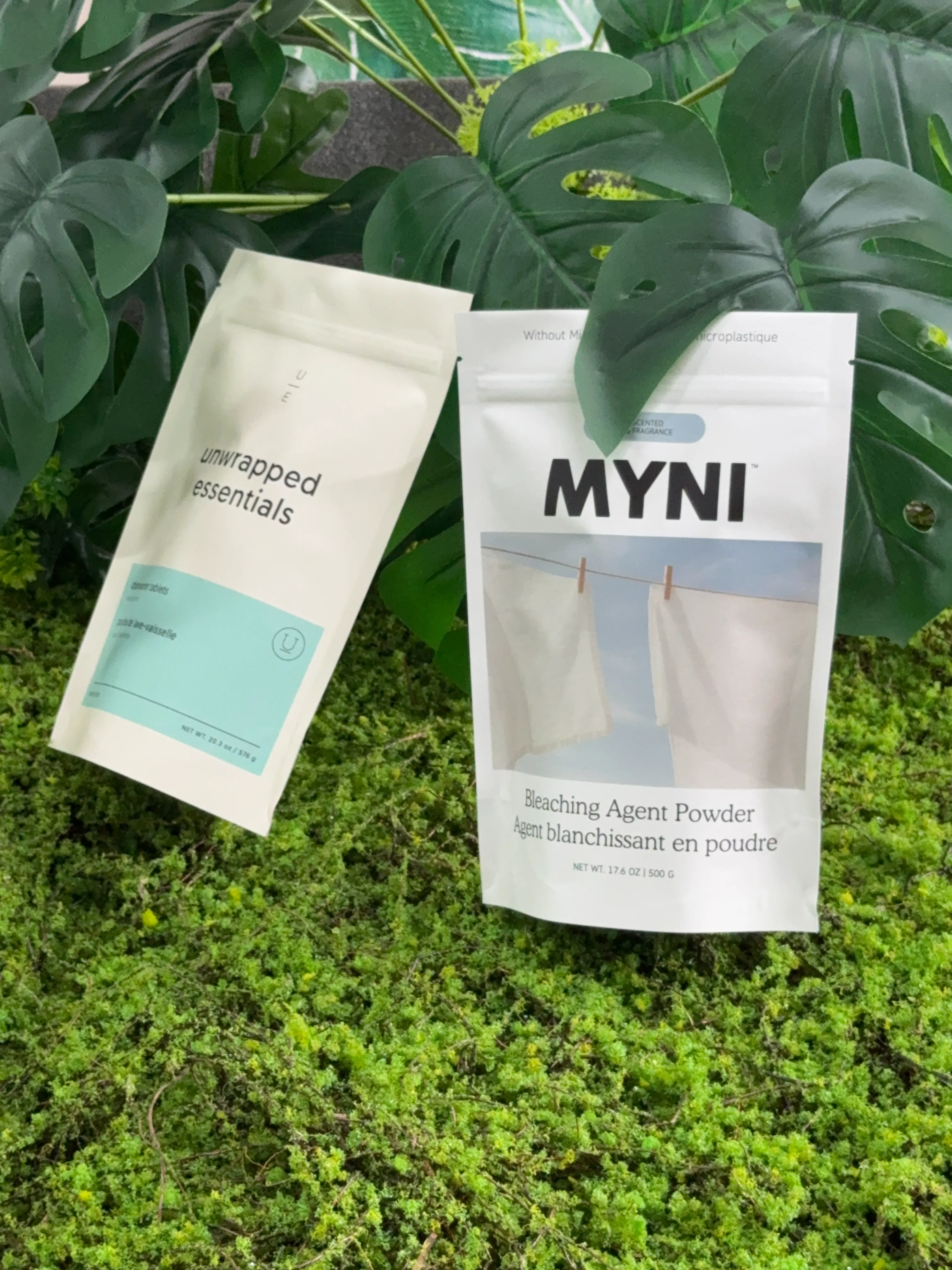
- • Supplements: Premium pouches for protein powders
- • CBD Products: Child-resistant compostable options
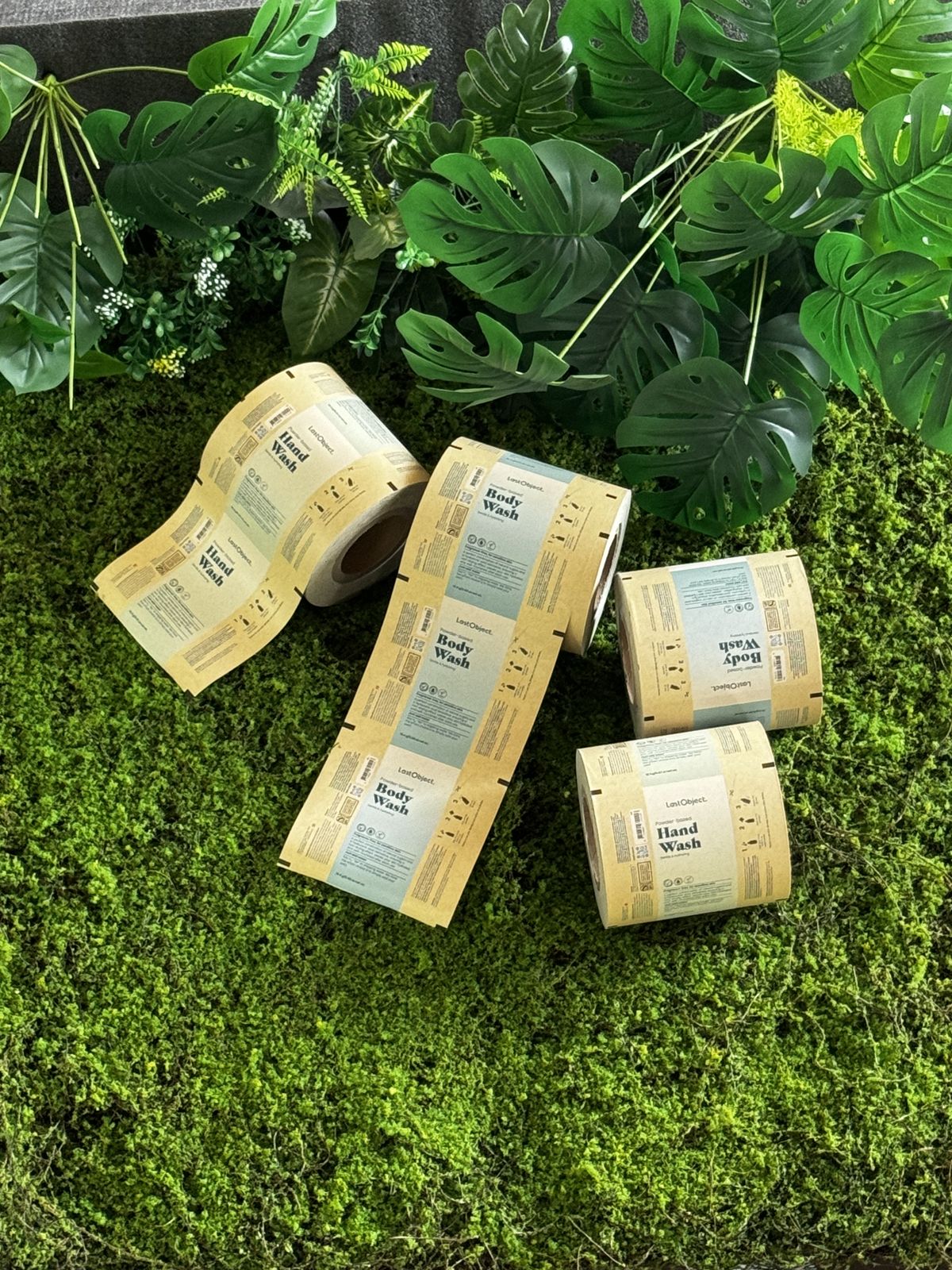
- • Natural Beauty: Eco sachets for bath products
Real Customer Success Stories
Switched 50,000 units/month to kraft/PLA pouches. Customer feedback: "90% positive response to sustainability messaging."
Launched new line with EN 13432 certified pouches. Result: 25% increase in premium retail placement.
What Do Market Trends Say About Compostable Packaging?
$15.2B
Global Market Size 2024
14.5%
CAGR 2024-2030
65%
Carbon Reduction vs Plastic
180
Days to Full Decomposition
Technical Performance Data
| Parameter | Kraft/PLA | PBAT/PLA | NatureFlex™ |
|---|---|---|---|
| OTR (cc/m²/day) | 800-1200 | 400-600 | 7-10 |
| WVTR (g/m²/day) | 20-40 | 10-20 | 35-50 |
| Shelf Life | 6-9 months | 9-12 months | 6-12 months |
| Decomposition Time | 90-180 days | 90-180 days | 45-90 days |
| Certifications | EN 13432, BPI | EN 13432, ASTM D6400 | EN 13432, OK Home |
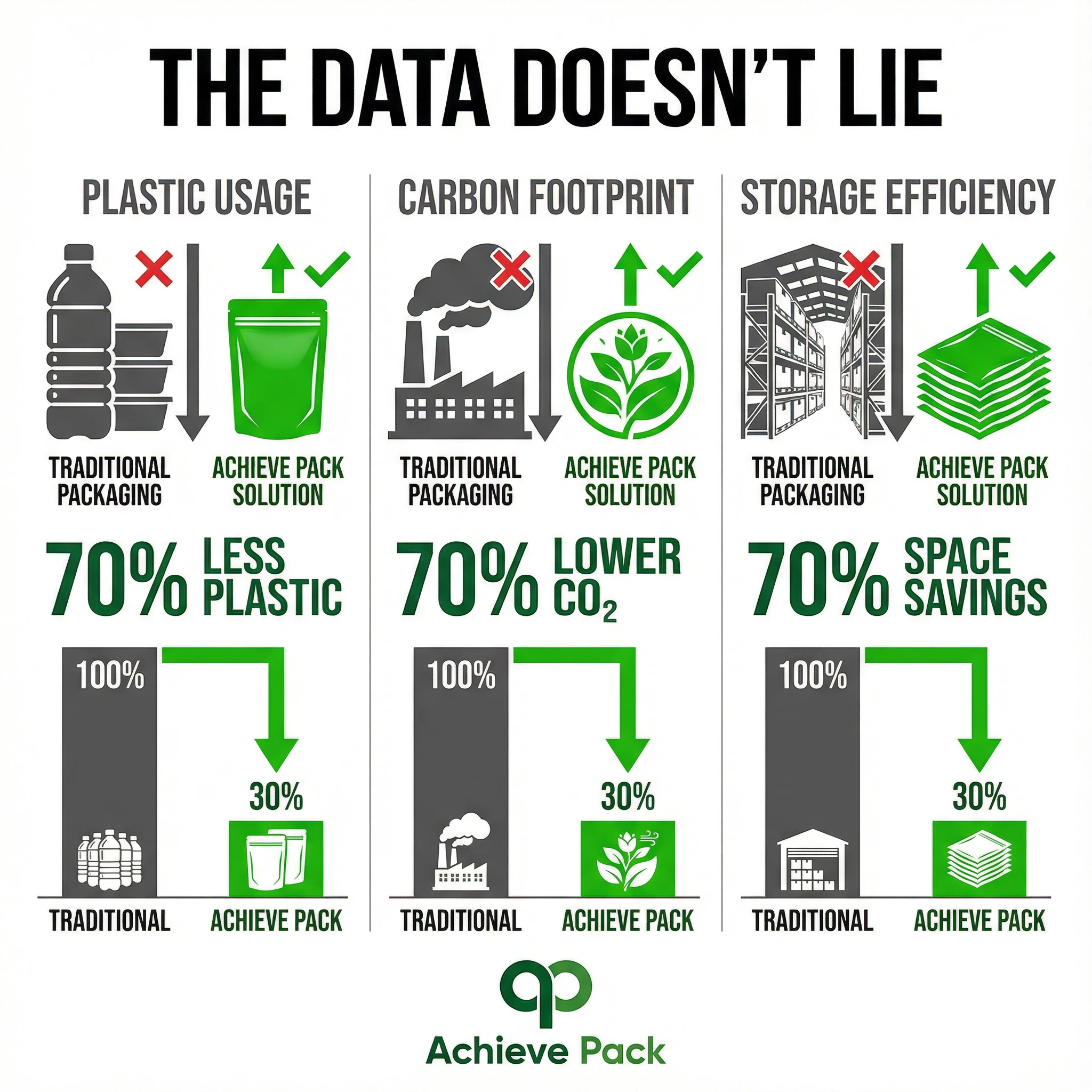
Environmental Impact Metrics
-65%
CO₂ emissions vs conventional plastic
100%
Bio-based or renewable content
0
Microplastics after decomposition
Compostable vs Recyclable vs PCR: Which Is Best?
Real talk: choosing the right material can feel overwhelming. Here's a straightforward comparison to help you decide:
Compostable vs Conventional Plastic
| Feature | Compostable | Conventional Plastic |
|---|---|---|
| End of Life | Returns to soil in 90-180 days | 400+ years to decompose |
| Carbon Footprint | 65% lower emissions | High petroleum-based emissions |
| Consumer Perception | Premium eco-friendly image | Increasingly negative perception |
| Regulatory Trend | Incentives & compliance ready | Facing bans globally |
| Cost | △ 15-30% higher | Lower upfront cost |
| Barrier Properties | △ Moderate (improving) | Excellent barrier |
Eco-Friendly Materials Comparison
| Criteria | Compostable | Recyclable Mono-PE | PCR Plastic |
|---|---|---|---|
| Best For | Premium eco brands | Mass market | Circular economy focus |
| Disposal Method | Composting facility | Recycling stream | Recycling stream |
| Consumer Appeal | |||
| Shelf Life | 6-12 months | 12-18 months | 12-18 months |
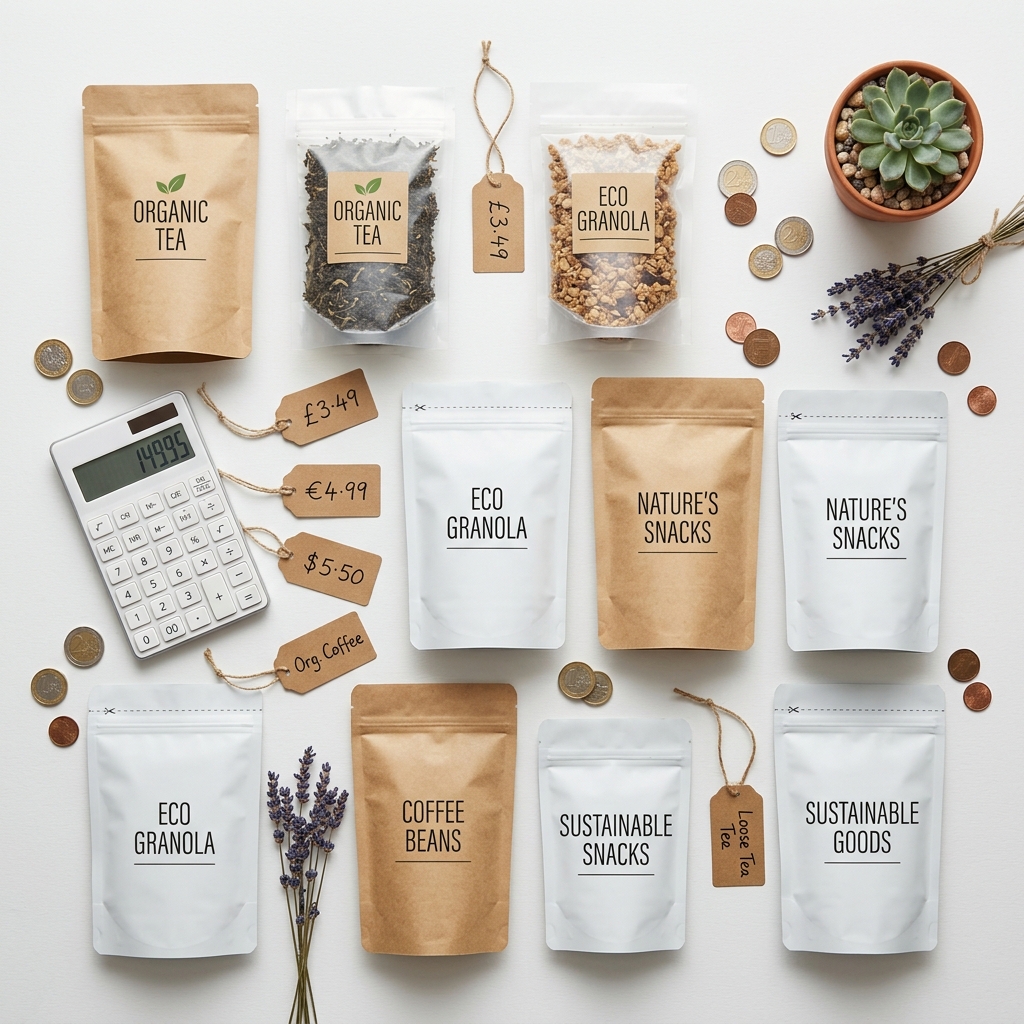
| Price Premium | +20-30% | +5-10% | +10-15% |
| MOQ at Achieve Pack | 1,000 pcs | 1,000 pcs | 1,000 pcs |
Quick Decision Guide
Choose Compostable if:
- • Strong sustainability story needed
- • Customers have composting access
- • Premium brand positioning
Choose Mono-PE if:
- • Recycling is more accessible
- • Need longer shelf life
- • Cost-sensitive market
Choose PCR if:
- • Circular economy messaging
- • High barrier needed
- • Existing recycling infrastructure
Product Applications
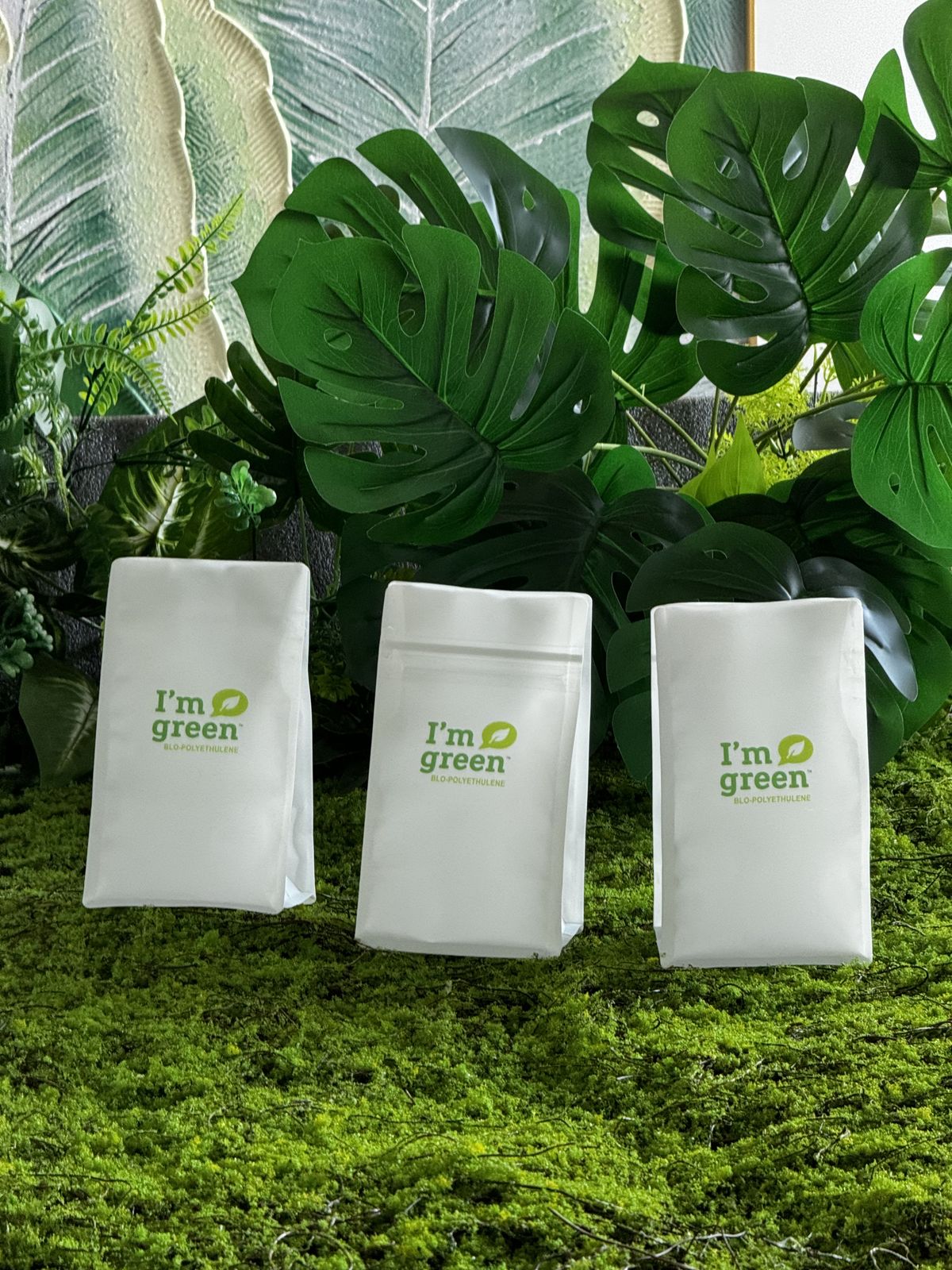
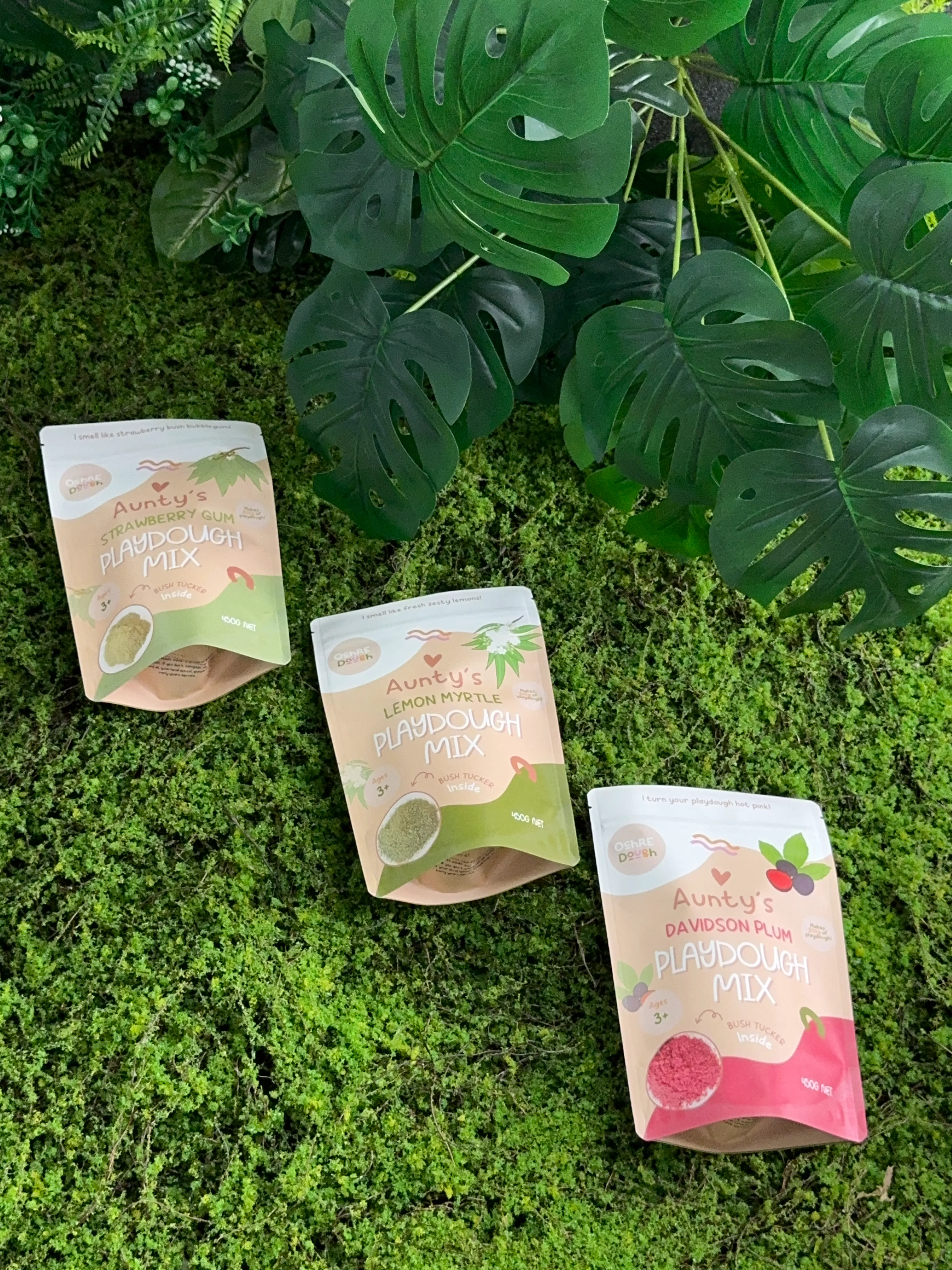
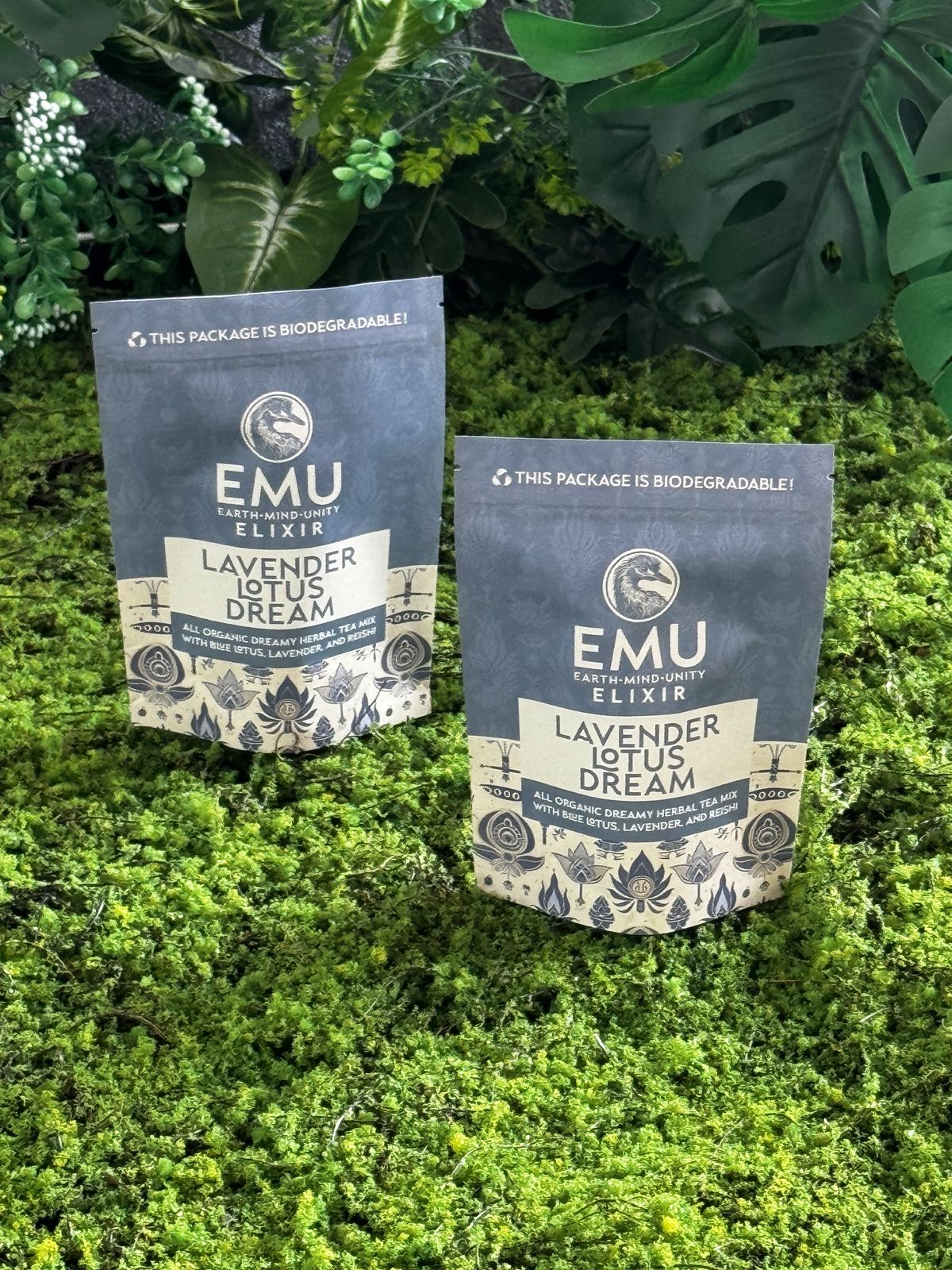
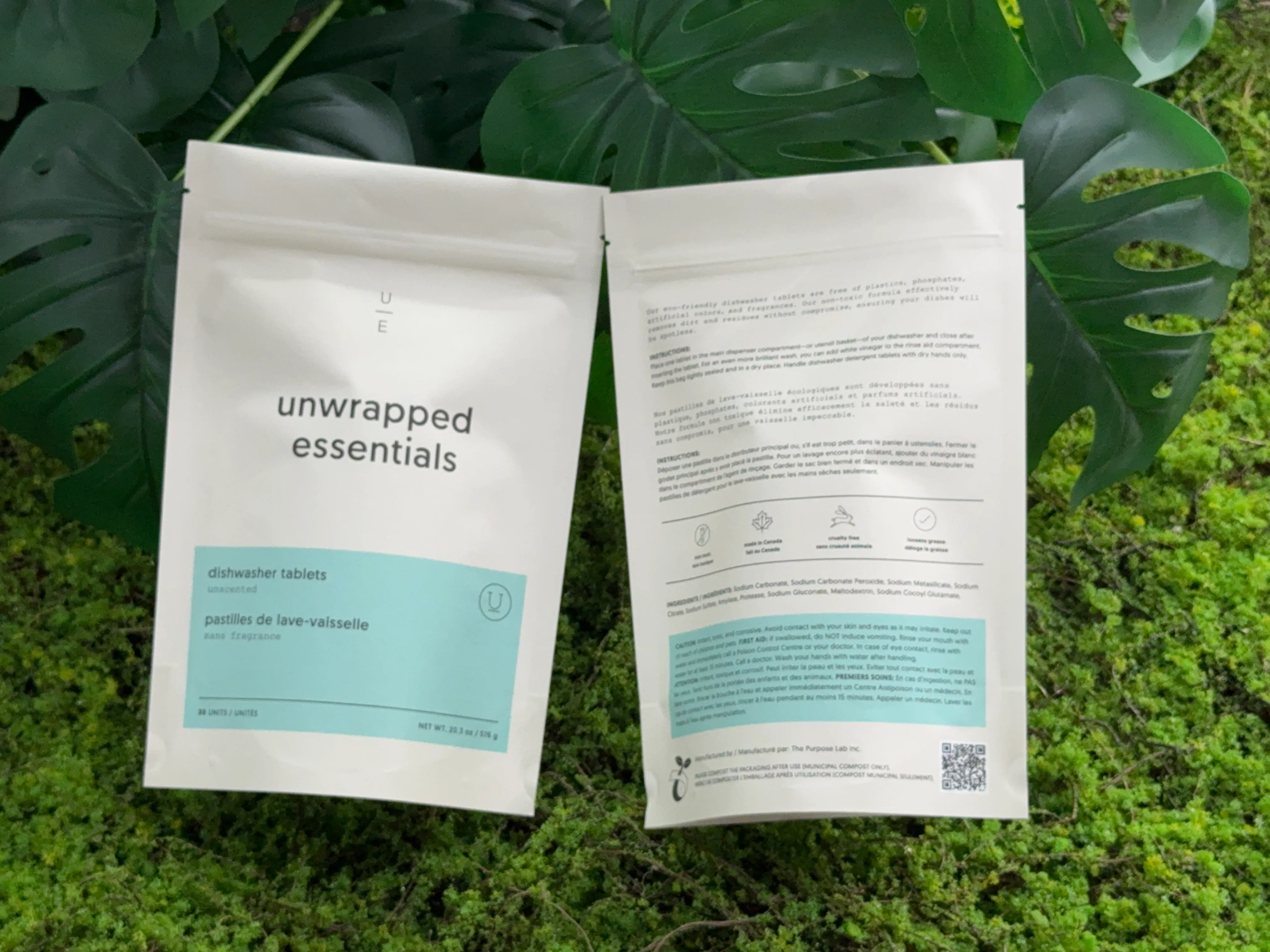
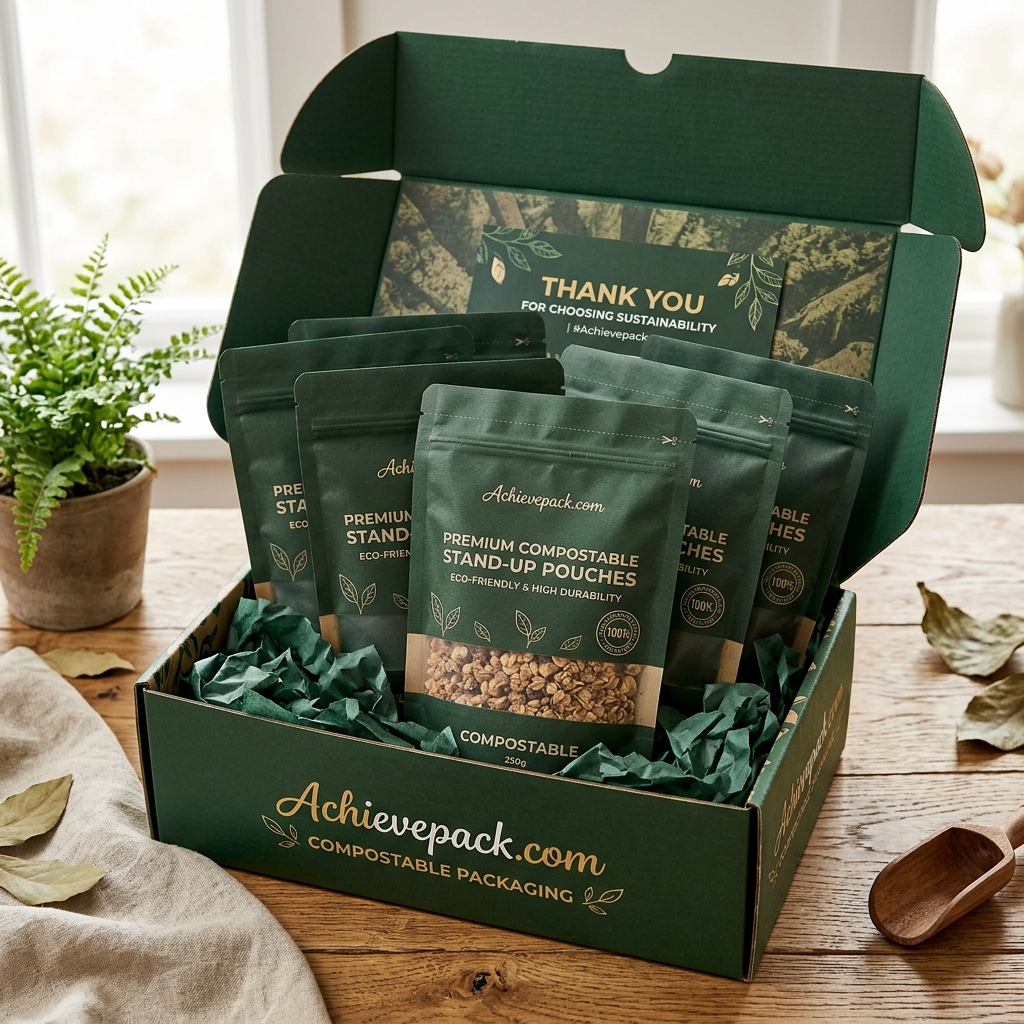
Compostable packaging is ideal for brands committed to sustainability:
Disposal & Composting Guide
Understanding proper disposal is key to realizing the environmental benefits:
Commercial vs Home Composting
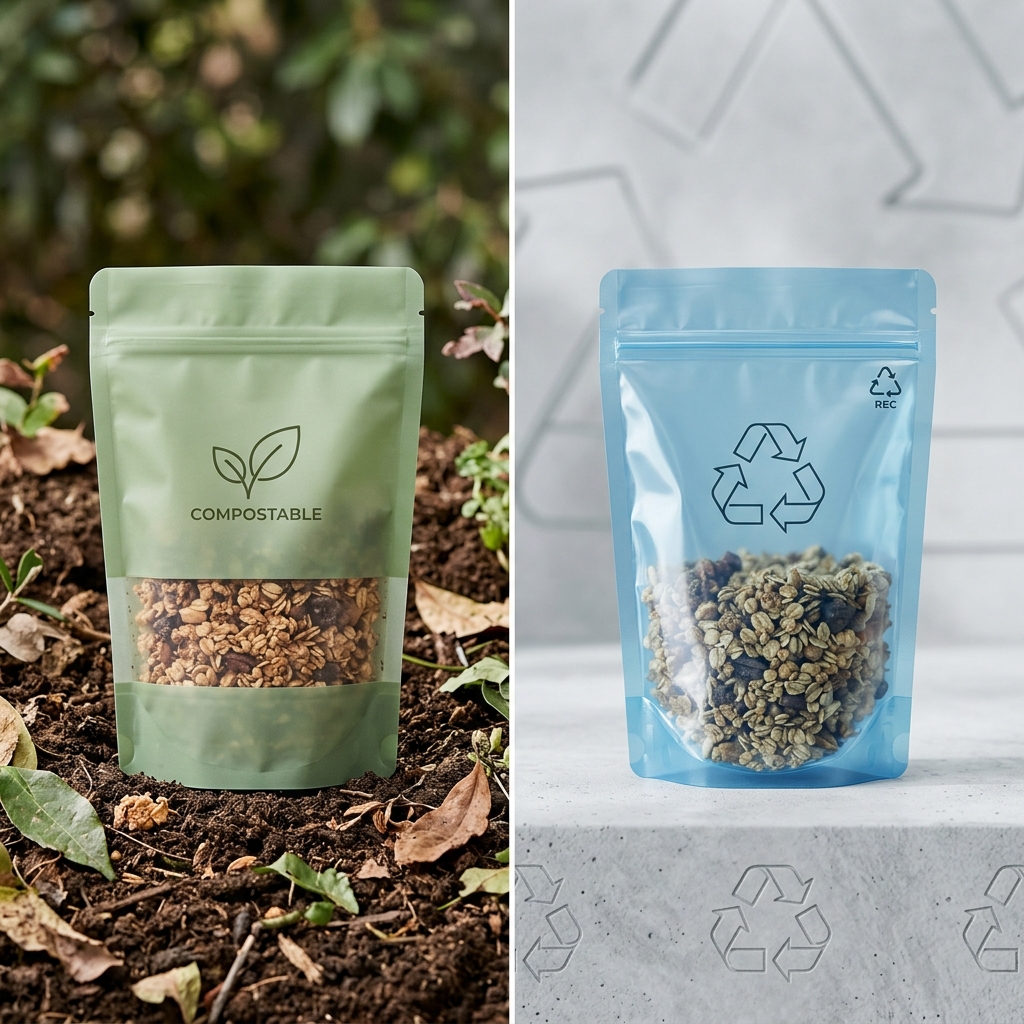
Commercial composting facilities maintain temperatures of 55-60°C, which accelerates breakdown. Most certified compostable packaging requires these conditions. Home composting operates at lower temperatures and may take 6-12 months for complete decomposition.
Disposal Instructions for Consumers:
- Remove any non-compostable elements (zippers may need to be cut off if not compostable)
- Place in commercial compost bin (check local availability)
- Do NOT place in regular recycling - compostables can contaminate recycling streams
- If no commercial composting available, dispose in regular waste (will still break down faster than conventional plastic)
Considerations & Limitations
Compostable packaging is excellent for many applications, but consider these factors:
Best For:
- Dry products with 6-12 month shelf life
- Premium, organic, natural brands
- Products sold in regions with composting infrastructure
- B-corp and sustainability-focused companies
Consider Alternatives For:
- • Products requiring 18+ month shelf life
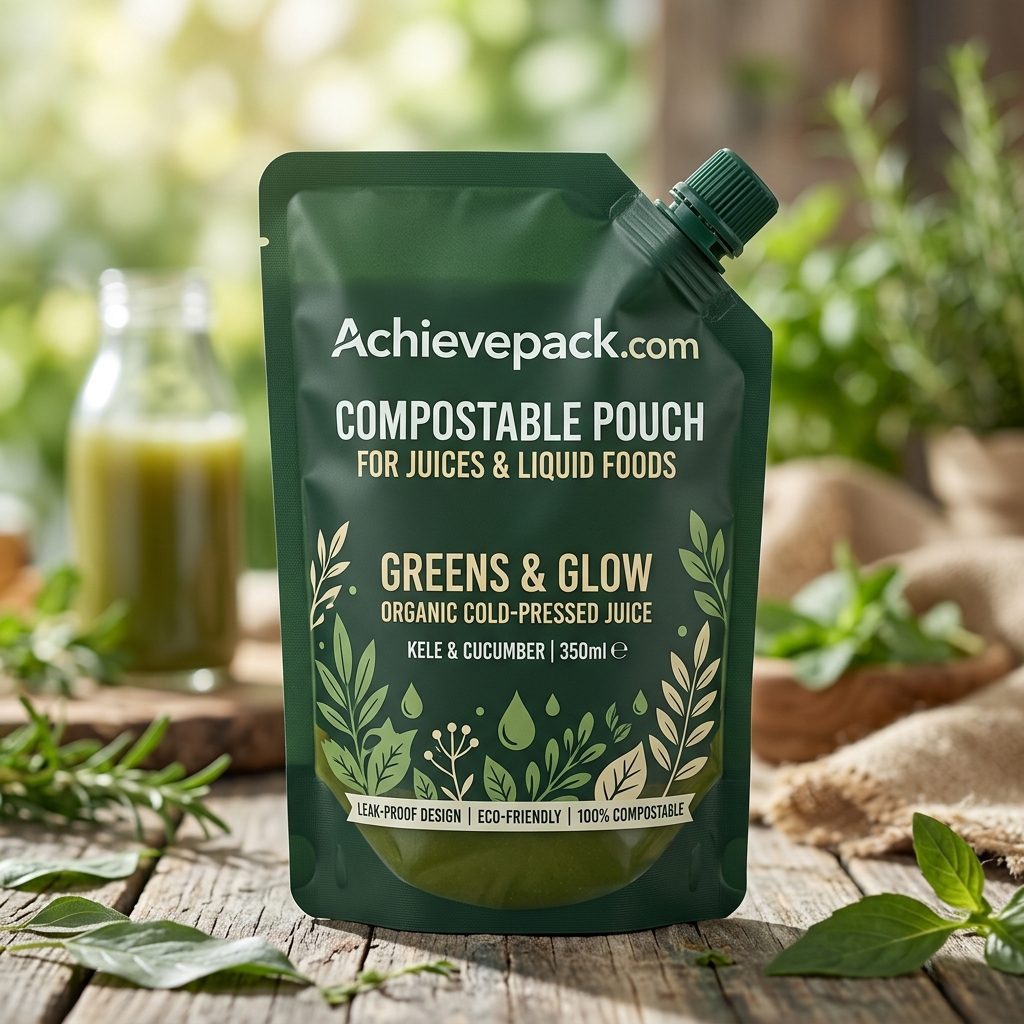
- • High moisture/liquid products
- • Extreme temperature exposure
- • Regions without composting access
Our team can help you determine if compostable packaging is right for your product. We also offer recyclable alternatives for applications where compostables may not be optimal.
How Do You Choose the Right Compostable Packaging?
Choosing the right compostable packaging requires balancing sustainability goals with practical product protection needs. Start by understanding your product's shelf-life requirements—compostable materials typically support 6–12 months for dry goods. Consider your target market's composting infrastructure: if selling in the EU, EN 13432 certification is essential; for the US market, ASTM D6400 and BPI certification carry more weight.
Key Trade-offs to Consider
- • Compostable vs Recyclable: Compostable is ideal for brands prioritizing "return to earth" messaging; recyclable mono-PE may be better if your customers have limited composting access.
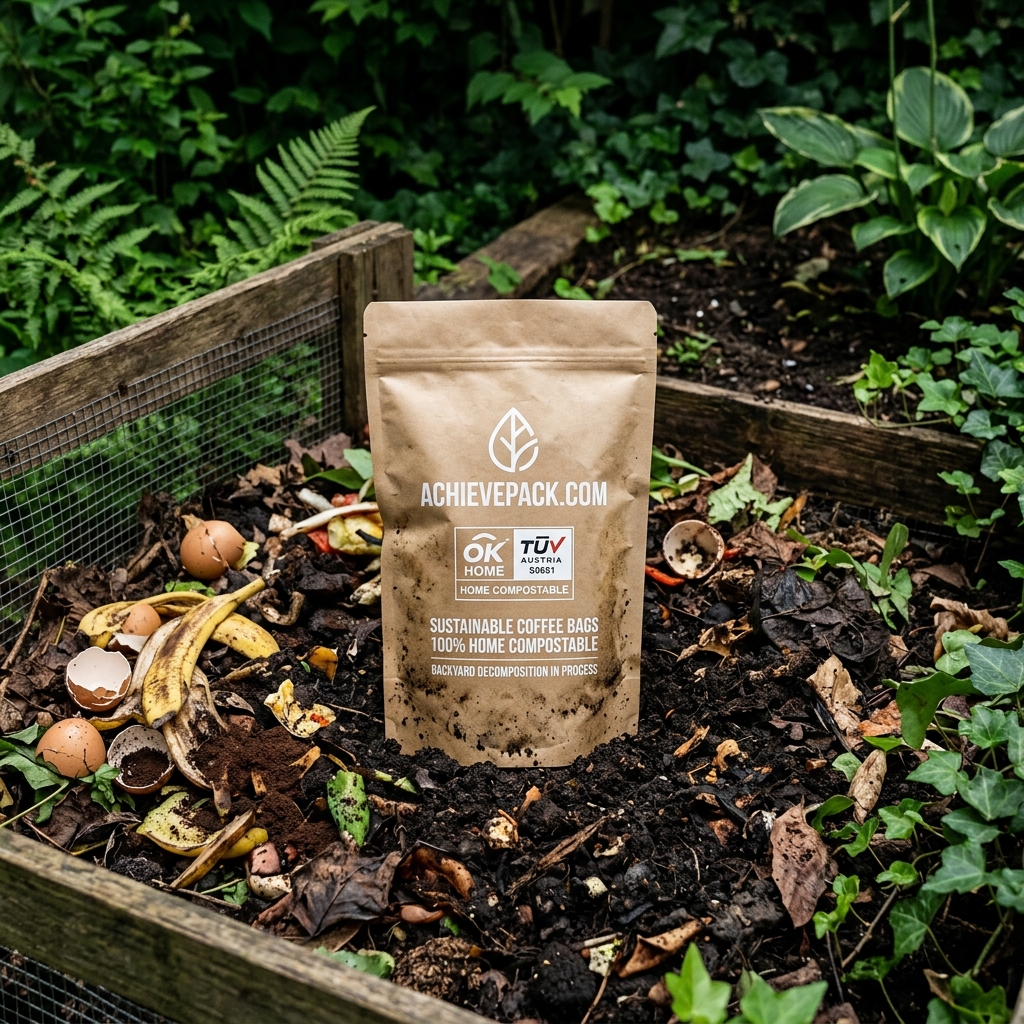
- • Home vs Industrial Compostable: Home compostable (OK Compost HOME, AS 5810) breaks down in backyard bins; industrial requires commercial facilities at 55–60°C.
- • Barrier vs Sustainability: Higher barrier often means more complex materials—discuss with your supplier to find the right balance.
What to Check Before Placing an Order:
- Request original certification documents (not just logos) with verifiable certificate numbers
- Ask for material test reports showing WVTR (moisture barrier) and OTR (oxygen barrier) values
- Verify the supplier is listed on certification body databases (BPI, TÜV Austria, DIN CERTCO)
- Order sample packs to test sealing, printing quality, and shelf-life compatibility
- Confirm lead times (typically 6–8 weeks for custom compostable pouches)
Why Achieve Pack? We're BPI-certified (Certificate #10556097) with 13+ years of experience. Our MOQ starts at just 100 pieces—compare that to the 5,000–10,000 minimum typically required elsewhere. See how US specialty roasters switched to our compostable bags →
How Have Other Brands Succeeded With Compostable Packaging?
Don't just take our word for it. Here's how real brands made the switch to certified compostable packaging:
US Specialty Coffee Roaster
Switched from conventional plastic to kraft/PLA compostable pouches with degassing valve. Reduced packaging carbon footprint by 65%.
Read case study →Organic Superfood Brand
Launched new product line with EN 13432 certified compostable stand-up pouches. Achieved premium shelf presence while meeting sustainability goals.
Read case study →Over 500 brands worldwide trust Achieve Pack for their sustainable packaging needs. View our certifications or take a virtual factory tour.
When Is Compostable Packaging Right (or Wrong) for You?
Best Fit For...
- • Brands with strong sustainability messaging
- • Products with 6-12 month shelf life needs
- • Markets with composting infrastructure (EU, CA, WA)
- • Premium positioning where eco-value adds margin
- • Coffee roasters, organic food, wellness brands
Also Works For...
- • Brands testing eco packaging for the first time
- • Products with moderate barrier requirements
- • Companies willing to educate consumers on disposal
- • Regional launches before national rollout
Not Recommended If...
- • You need 18+ month shelf life
- • Your product requires ultra-high barrier
- • Your customers lack composting access
- • Price is the only consideration
- • Consider recyclable mono-PE instead →
5 Common Compostable Packaging Problems (And Solutions)
Premature Degradation
Moisture and heat exposure can trigger early decomposition on shelves. Solution: Store in temperature-controlled environments and utilize multi-layer structures with protective outer barriers.
Weak Heat Seals
PLA (Polylactic Acid) has a very narrow seal temperature range, causing weak or brittle seals. Solution: Utilize precisely controlled heat-sealing profiles and advanced PLA polymers designed for lower sealing temperatures.
High Permeability (Poor Barrier)
Simple bio-plastics offer poor oxygen and moisture barriers, reducing shelf life. Solution: Integrate high-barrier NatureFlex™ or metallized cellulose layers to match conventional plastic performance.
Low Tear & Puncture Resistance
Bio-based films can be brittle, leading to punctures and tears during distribution. Solution: Formulate custom blends of PLA with flexible PBAT to increase puncture resistance and drop strength.
Degassing Valve Failures
Standard degassing valves do not adhere well to compostable films, causing leaks. Solution: Apply ultrasonic welding to integrate fully compostable valves made from matching plant-based polymers.
What Compostable Packaging Will NOT Do
- • NOT home-compostable by default. Most compostable films are industrial-grade (EN 13432 / ASTM D6400) and need a commercial facility at 55–60°C. If your customers only have backyard bins, ask about OK Compost HOME / AS 5810 options instead.
- • NOT accepted everywhere. Many regions still have no industrial composting access. If your market lacks facilities, recyclable mono-PE may be the more honest claim.
- • NOT a foil-level barrier. Compostable high-barrier films reach roughly 70% of foil's oxygen barrier — fine for most coffee and snacks, not for 18+ month shelf lives.
- • NOT free of certification admin. Printing the BPI logo on your pack requires your own BPI sub-license (about $3,000/yr) — we hold the manufacturer certificate, the logo on your artwork is a separate cost.
Not sure which limits apply to your product? Order the $40+ sample kit (credited toward your first order) or talk to our team.
How Can You Take the Next Step?
We get it—switching packaging is a big decision. You don't have to change everything overnight. Start with what makes sense for your business:
Ready to Move Fast?
Book a 30-min call to discuss your exact needs
Biopolymer Lab Validation & Compostability Proof
We don't make vague green claims. Our biopolymers (NatureFlex, PLA/PBAT) are batch-tested to verify 100% biodegradation in home and industrial composting within 180 days with zero toxic ecotoxicity residues.
Compostable Barrier (OTR)
Tested barrier layers (NK/NatureFlex) ensuring moisture and aroma protection.
Organic Chemical Purity
Exceeds EN 13432 criteria for organic safety and clean soil composting.
Biopolymer Sealing Window
Narrowed sealing temperature range preventing biopolymer deformation or thermal burn.
TÜV OK Compost HOME
Guarantees complete organic degradation in backyard compost bins within 26 weeks.
Puncture Strength (ASTM F1306)
Ensures biopolymer bag walls resist puncture during manual handling and packing.
Tensile Strength (ASTM D882)
Ensures biopolymer bags support products securely without structural stretch.
Packaging Transformation for Is Compostable Packaging Really Compostable? (EN 13432 & ASTM D6400)
See how upgrading from generic commoditized bags to precision-engineered flexible barrier packaging eliminates transport failures and boosts shelf authority.
Standard / Generic Packaging (Before)
Standard stock bags fail under transit stress and expose sensitive goods to moisture, UV light, and oxygen.
- Rapid Oxidation & Flavor DegradationCheap films allow O2 & moisture ingress, spoiling contents in < 30 days.
- High Seal Breakage in TransitThin seams fail under drop tests, leading to customer refunds & lost trust.
- Heavy Plastic Tax PenaltiesMulti-layer unrecyclable packaging incurs up to €800/ton in EU PPWR fines.
- High MOQs & Plate Cost FrictionTraditional printers force 10,000+ unit minimums and $1,500 cylinder fees.
Achieve Pack / Pouch Eco Solution (After)
Custom engineered multi-layer pouch structure tailored to your exact moisture barrier, seal strength, and aesthetic requirements.
- Ultra High-Barrier Foil/EVOH CoreGuaranteed OTR < 0.1 cc/m²/day, keeping contents fresh for 18–24 months.
- Reinforced 45N/15mm Localized Heat Seal180°C precision seam dwell time prevents bursting even under 2-meter drops.
- 100% Certified Eco ComplianceTÜV OK Compost HOME (EN13432) & Mono-PE Recyclable structures (0% Tax).
- HD Digital Printing with 500-Unit Low MOQsPrint multi-SKU runs in 7 business days with zero setup plate charges.
Compostable Material Comparison
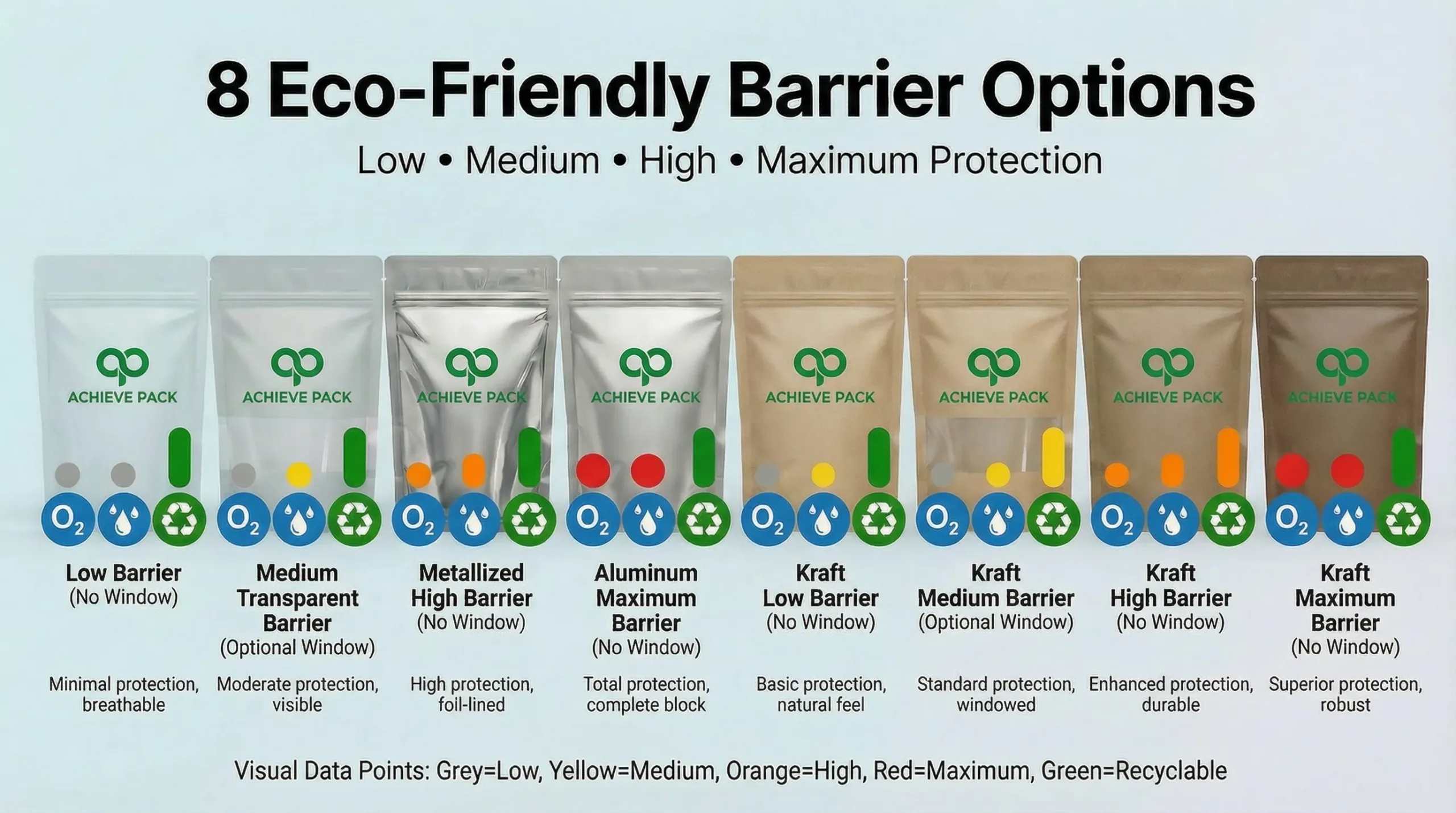
| Material | Barrier Level | Composting Type | Best For |
|---|---|---|---|
| Kraft + PLA | Medium | Commercial / Some Home | Coffee, Tea, Dry Snacks |
| White Kraft + PLA | Medium | Commercial | Premium Coffee, Powders |
| NatureFlex Cellulose | Medium-High | Home & Commercial | Clear Windows, Tea |
| PBAT/PLA Blend | High | Commercial Only | Moisture-Sensitive Products |
| Paper/Cellulose Only | Low | Home & Commercial | Short Shelf Life Items |
Questions We Get Asked
What is the difference between compostable and biodegradable?▼
Will compostable packaging break down in landfill?▼
Can I home compost certified compostable packaging?▼
Is compostable packaging food safe?▼
How much does compostable packaging cost compared to regular plastic?▼
Related Stuff
How We Ensure Absolute Accuracy and Trustworthiness
At Achieve Pack, sustainable packaging isn't just about printing; it's about hands-on material science. This article has been written and verified by Ryan Wong, a packaging specialist with 14+ years of experience engineering biopolymer stacks for DTC startups and Fortune 500 companies.
All research, material barrier specifications (OTR, WVTR), heat-seal values (N/15mm), and compostability timelines cited in our guides are backed by testing inside the Achieve Pack Materials Testing Lab. We cross-reference our data with official certification registries from BPI (Biodegradable Products Institute), TÜV Austria (OK Compost HOME), and FSC (Forest Stewardship Council).

Ryan Wong
Supply Chain Director
B.Eng honors degree graduate from Hong Kong Polytechnic University. Serving brands in 8 countries.
View Expert Profile →Test the Material Before You Commit
Order the $40+ sample kit — credited toward your first order — and run your own seal, fill, and shelf-life tests. Want to see your artwork on the pouch first? Free mockups at /studio.
Compostable Solution
Fully compostable flexible packaging certified under ASTM D6400 and EN 13432. Engineered to break down completely in industrial or home composting environments within 180 days, returning to the soil with zero toxic residues.
- ASTM D6400 & EN 13432 Certified
- Breaks down within 180 days in soil
- High gas & moisture barrier options
- Food-contact safe (FDA compliant)