Digital Printing Pantone Color Matching Guide | Achieve Pack Specifications
Solving Core Packaging Challenges for Digital Printing Pantone Color Matching Guide | Achieve Pack
Concise B2B technical benchmarks designed to eliminate transit failures, regulatory penalties, and shelf-life loss.
Barrier Specified Wrong, Shelf Life Lost
Risk: A film that is too thin lets oxygen and moisture through before the date code.
Structure Matched to Your Product, Quoted With OTR & WVTR
You get the barrier numbers before you approve the quote.
Compliance Documents Arriving Too Late
Risk: Retailers and co-packers hold the order until the supplier file clears their QA.
Approval Pack Issued With the Quote, Not After It
Product specification, SDS, food-grade statement, lot code statement, PFAS statement, letter of guarantee.
Plate Fees and High MOQs Killing the Range
Risk: Every variant needs its own cylinders, so the line-up never gets launched.
Digital Printing from 500 Units per SKU
Multiple designs in one run, zero plate charges.
Experience 3D Packaging Design & Free Dielines
Preview your pouch in 3D WebGL Studio and export production-ready dielines.
Why Standard CMYK Formulas Fall Short on Real Substrates
In digital printing, colors are simulated using CMYK. Because different paper and film substrates absorb inks differently, and matte coatings alter light reflection, relying on standard formulas will lead to color shifts. We solve this by providing free digital video proofing to establish your brand's custom, proprietary CMYK values before printing.
Standard Pantone-to-CMYK translation tables assume a standardized, perfectly white reference paper. In reality, modern flexible packaging materials are completely different:
- Substrate Variance: Natural kraft paper absorbs ink and shifts towards warm/yellow tones, while metallic foil reflections amplify dark CMYK tones.
- Matte Over-Varnish Impact: Applying a protective matte oil coating diffuses ambient light, immediately shifting how a purple or grey looks under store shelves.
- Press Calibration: Different digital presses have micro-variances, making visual check-offs essential to offset mechanical variances.
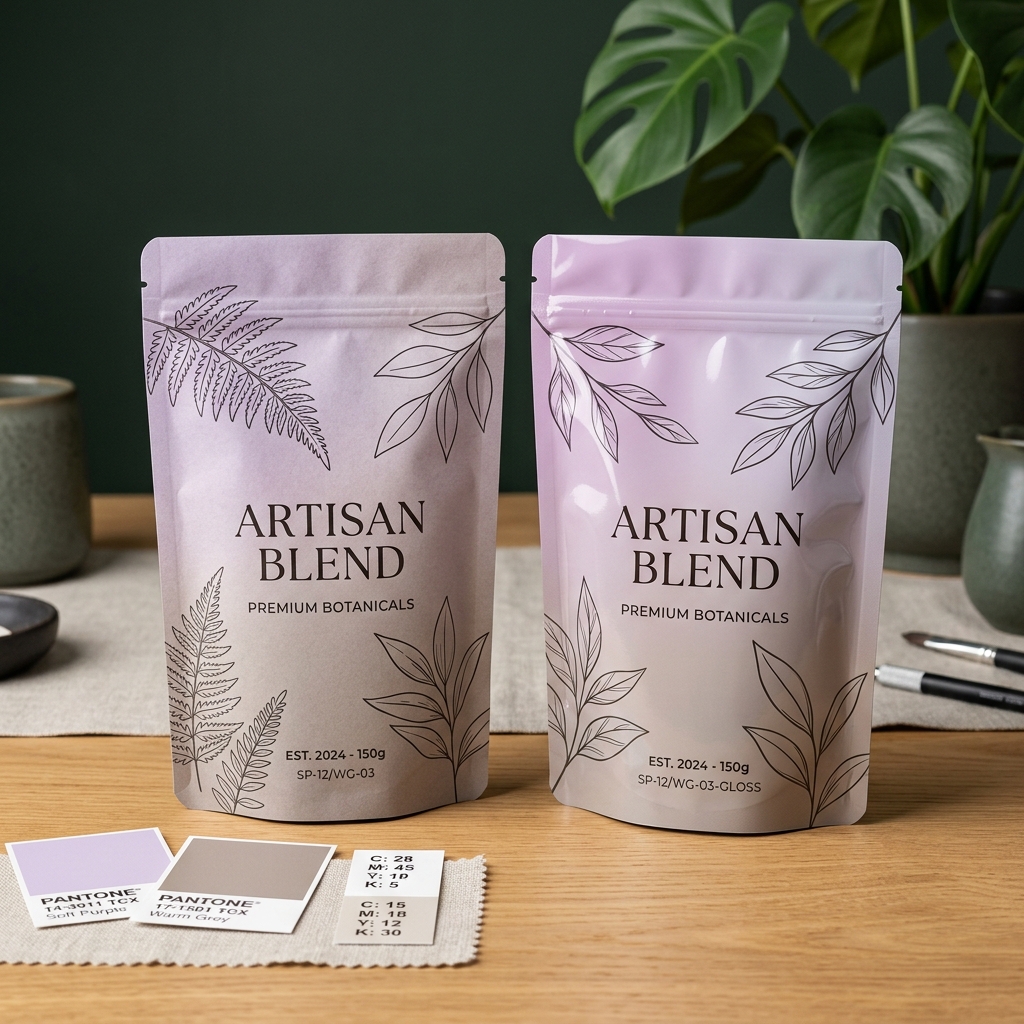
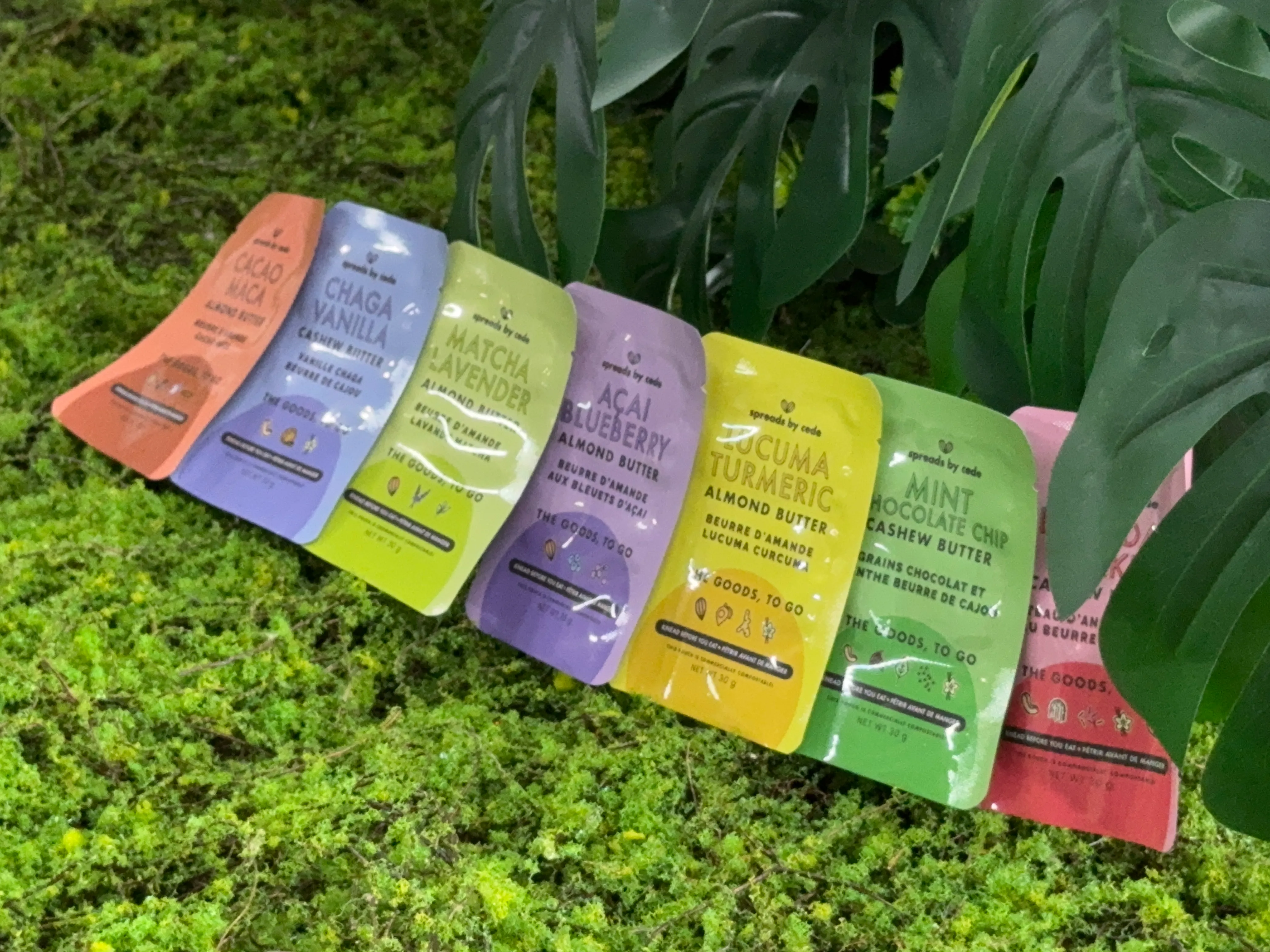
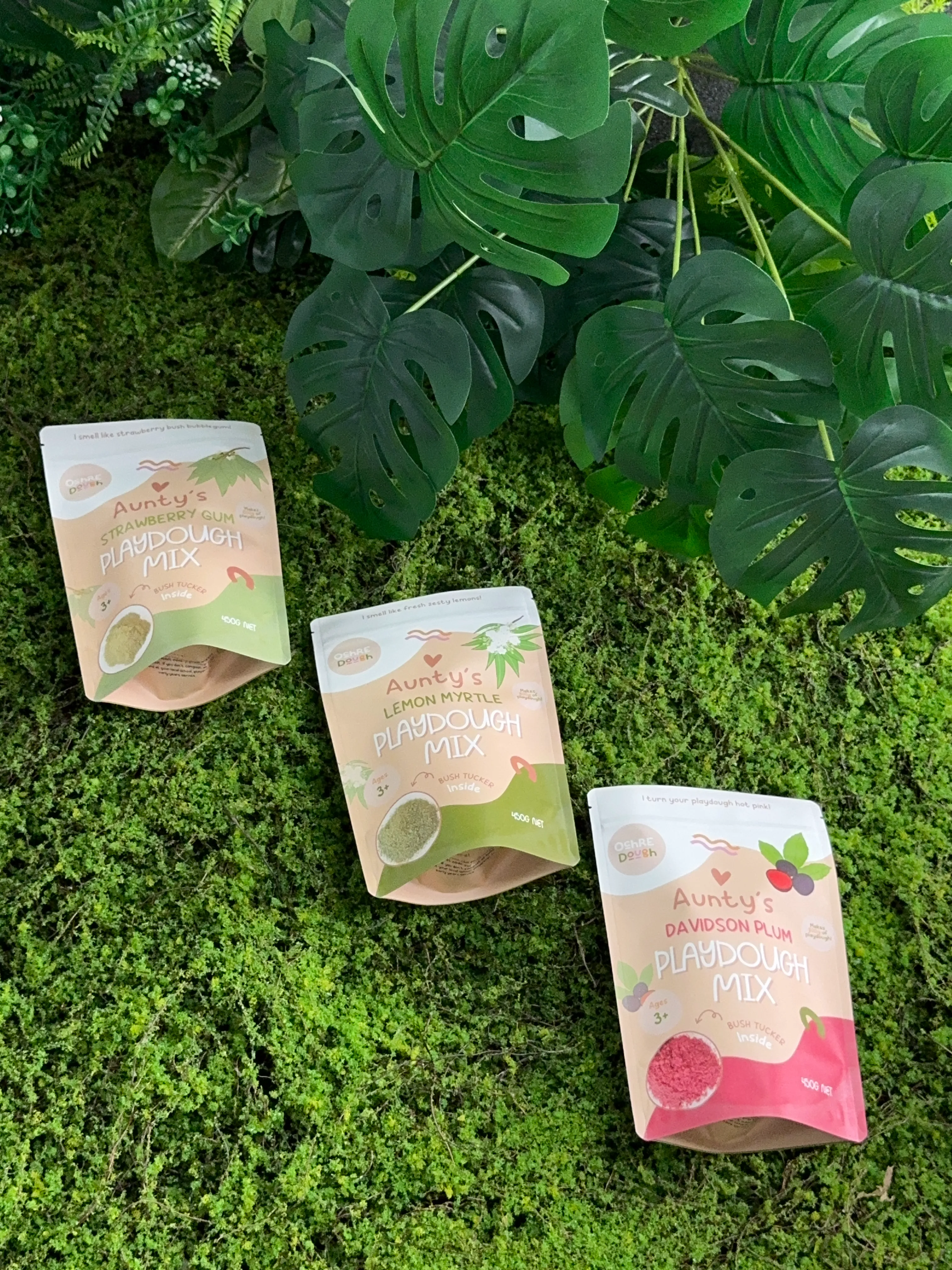
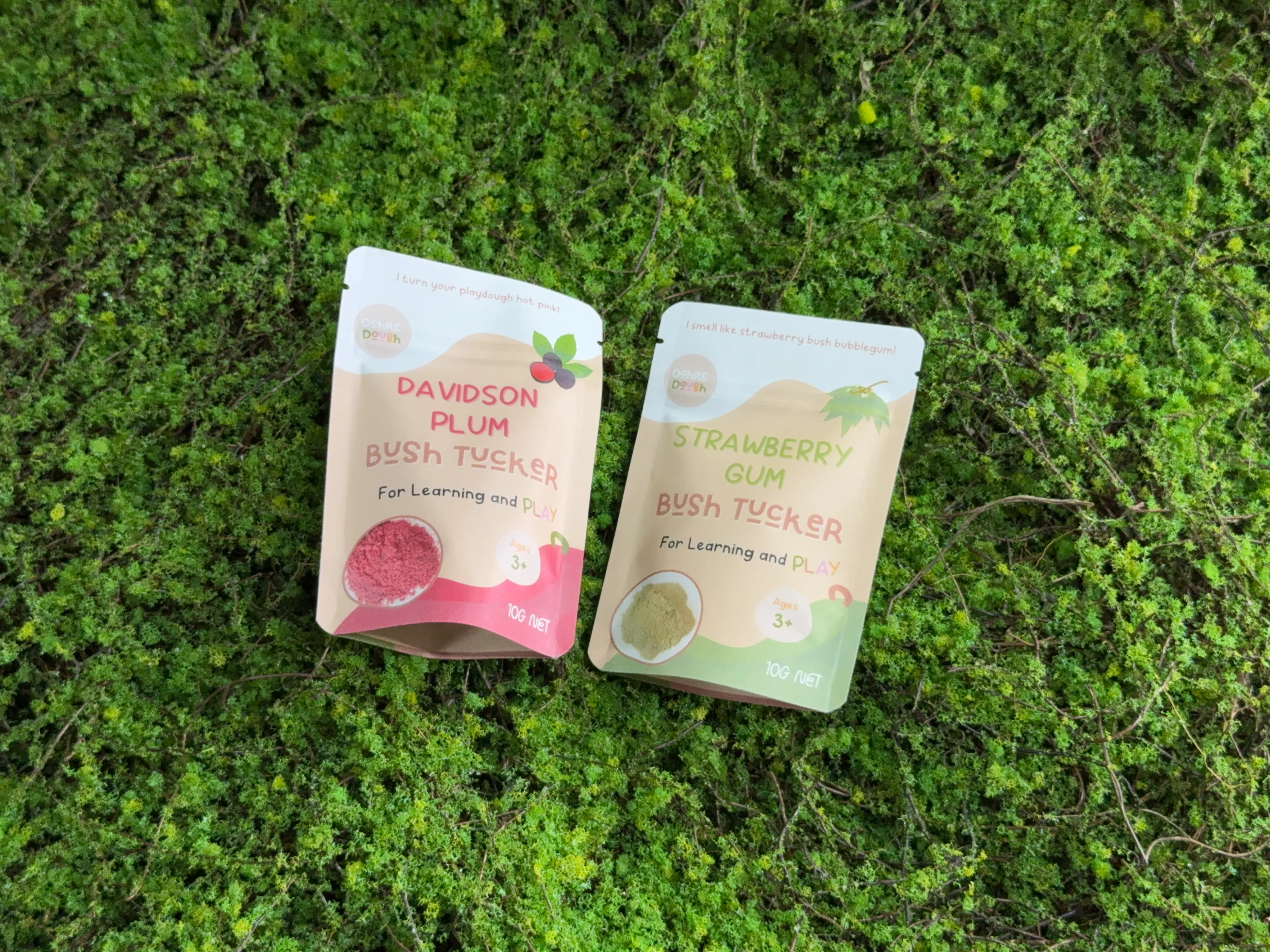
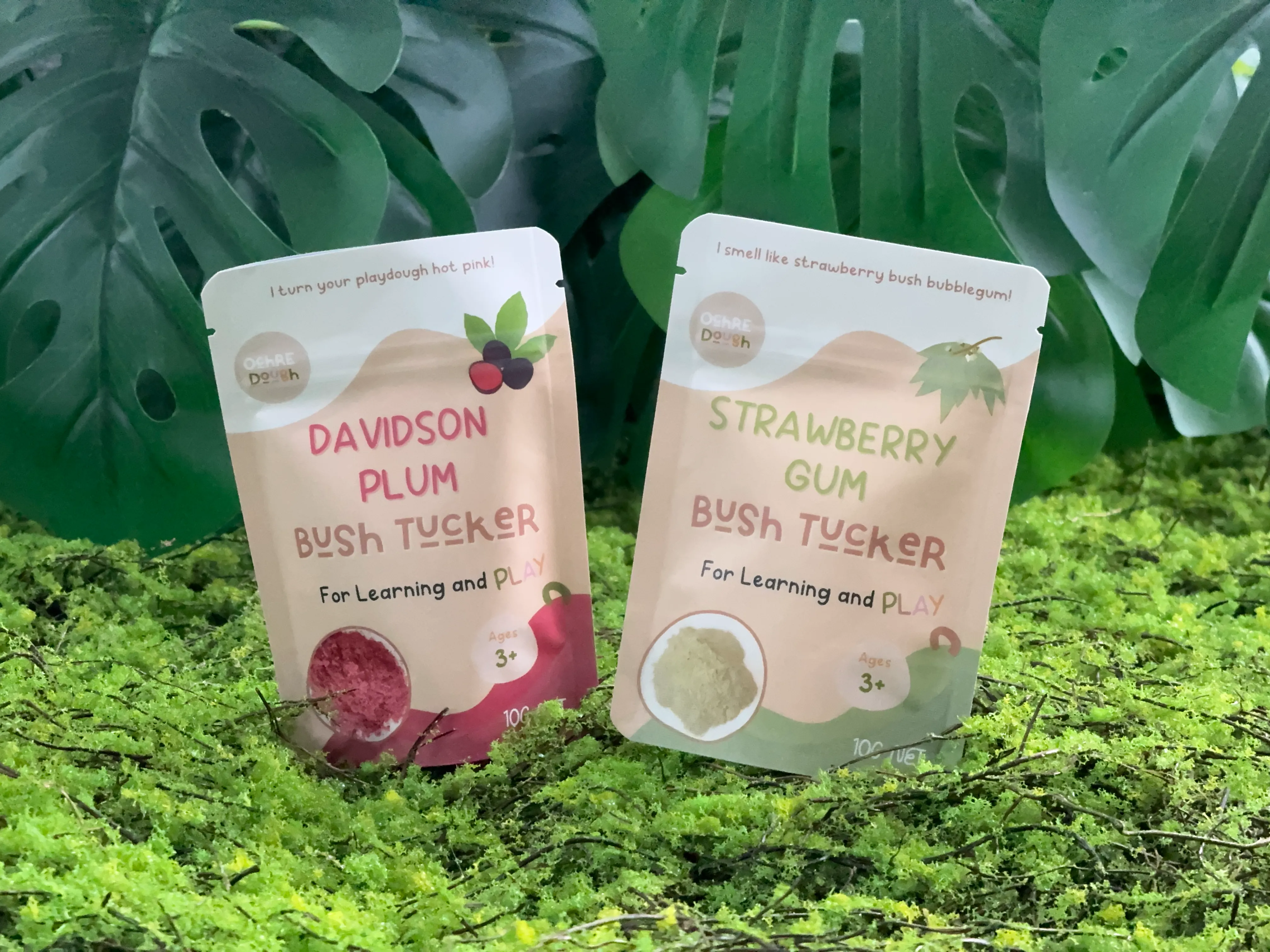
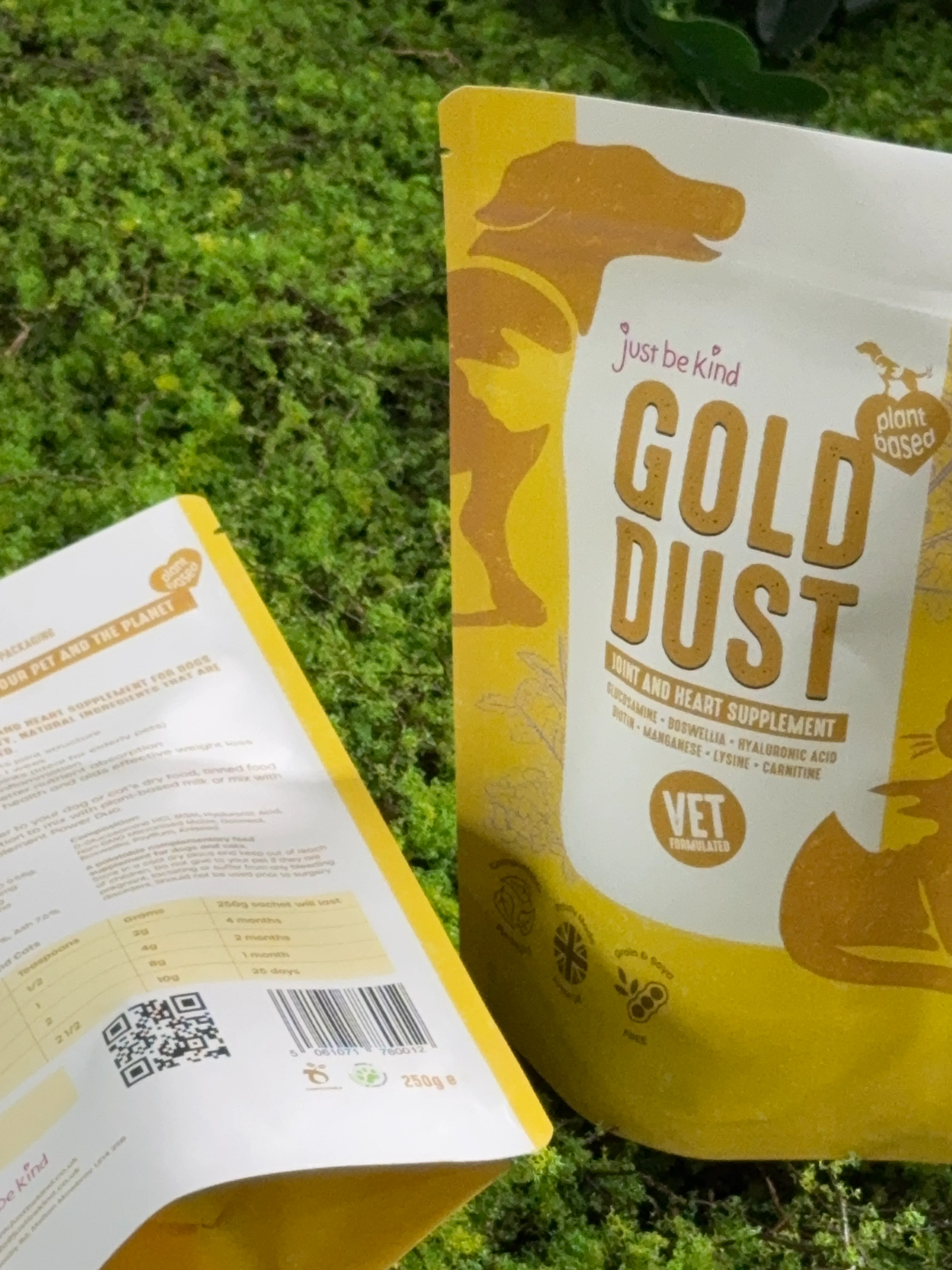
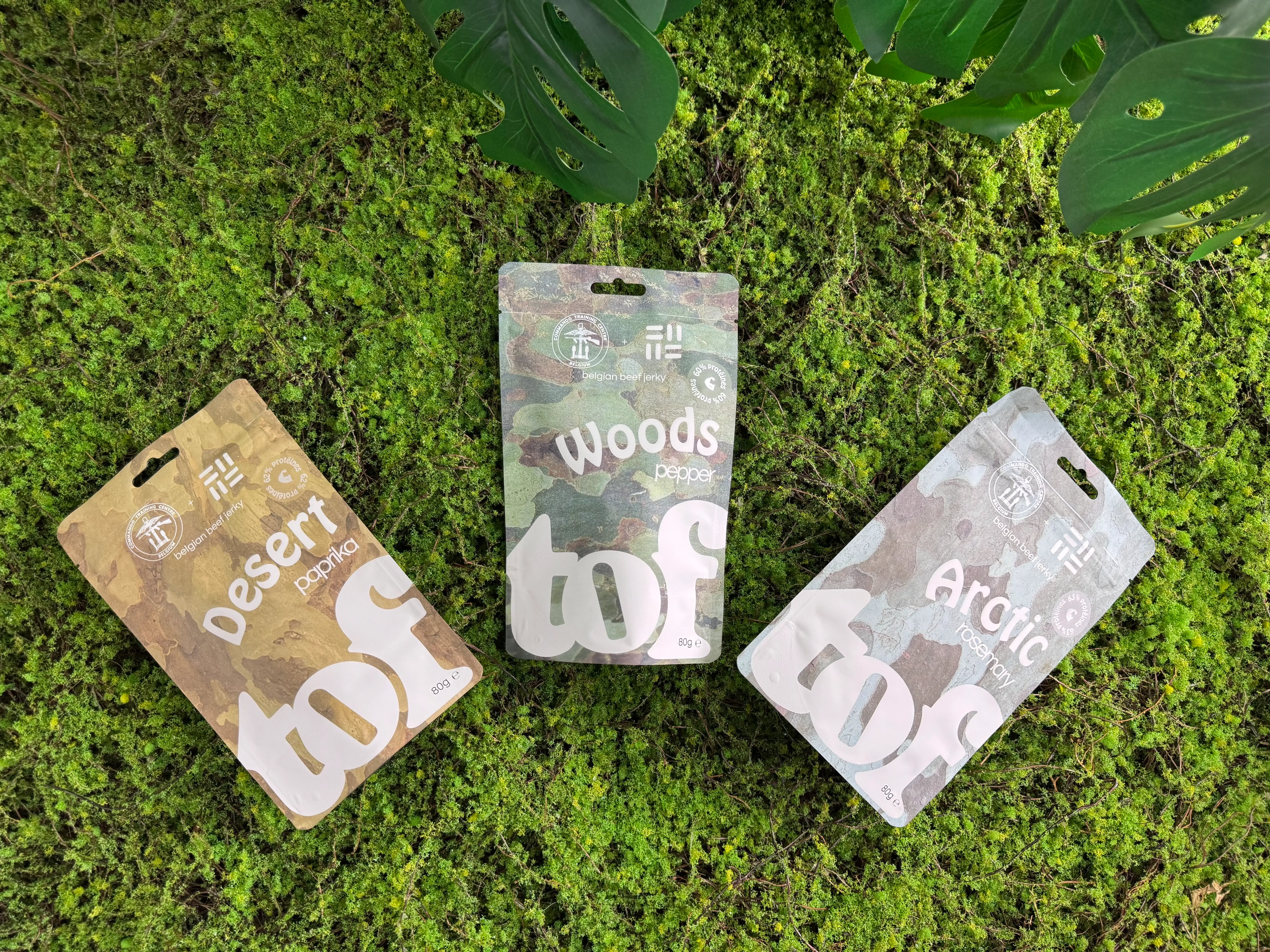
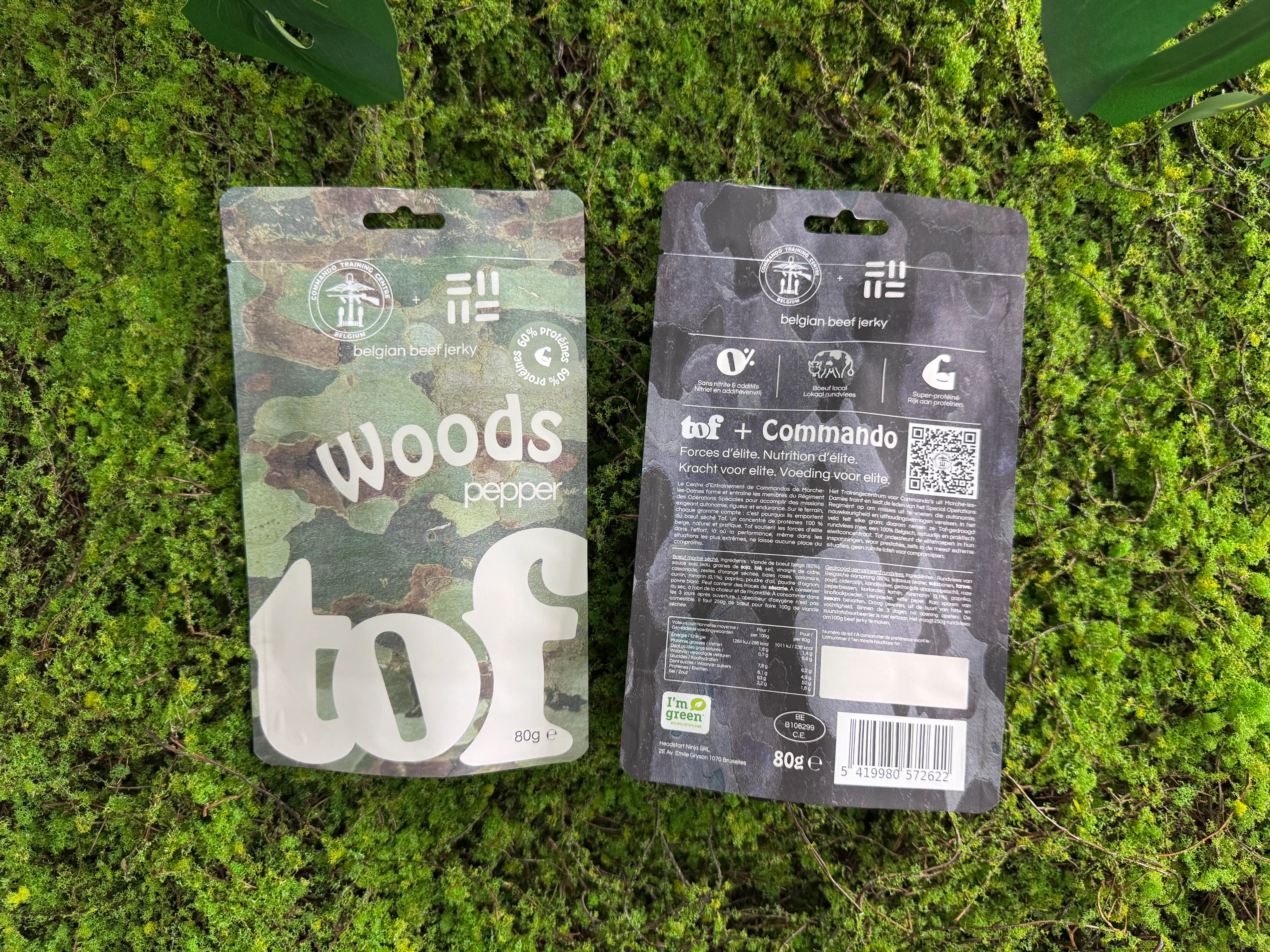
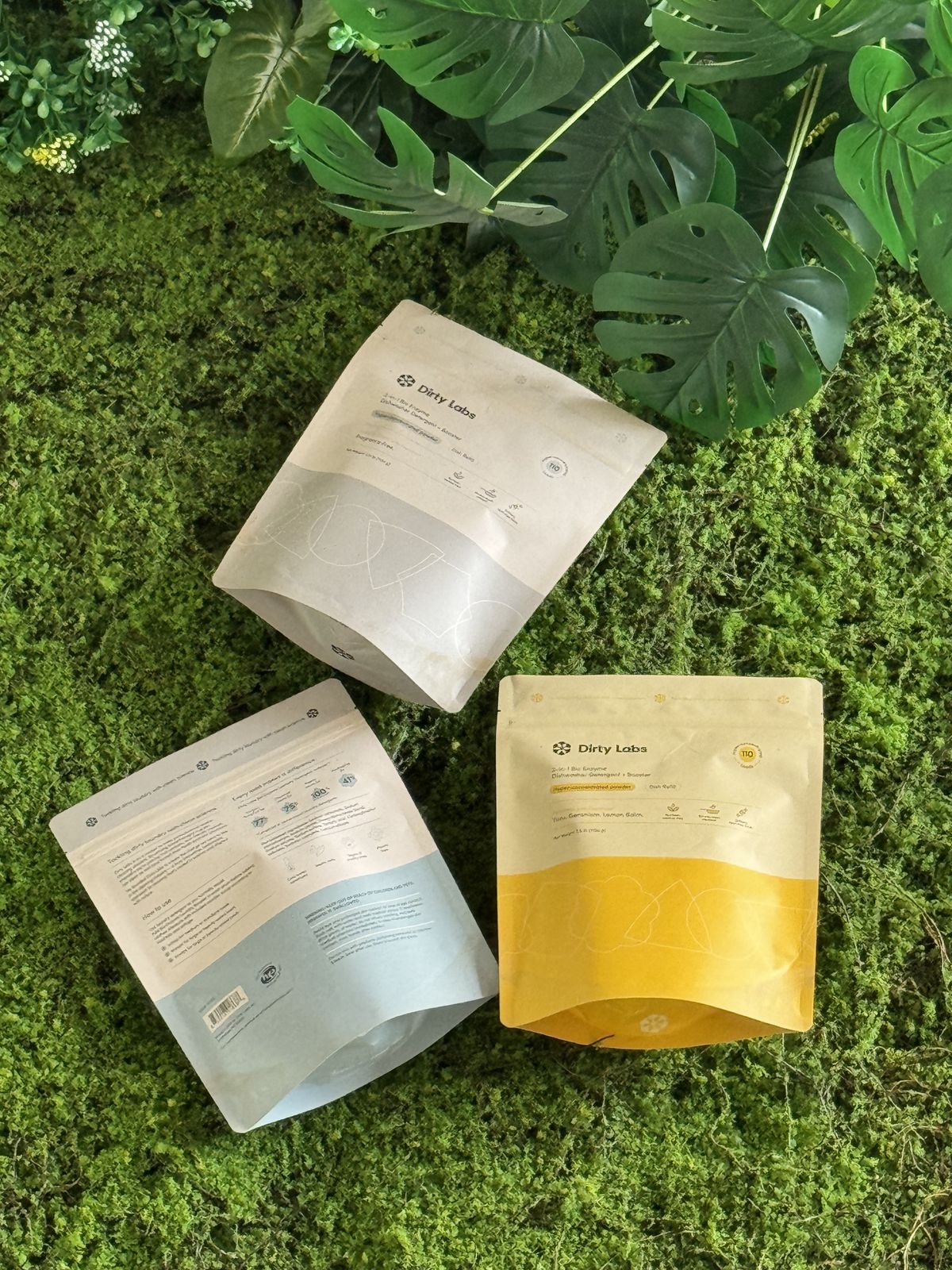
Gloss vs. Matte Digital Pouch proofing showing CMYK spectrum differences under calibrated studio lighting.
5 Pain Points Solved: Color Matching
Unpredictable Color Shifts on Matte Materials
Over-varnishing with matte oil diffuses reflections and alters human eye perception, shifting tones significantly. We run material-specific custom CMYK adjustments to compensate for matte diffusion, ensuring your final pouch matches your target Pantone.
Muddy Violet, Grey, and Olive Tones
These intermediate colors contain multi-channel CMYK blends where a 1% shift ruins the tone. We mandate pre-press physical proofing or calibrated video proofing for these sensitive colors to lock in the exact formula.
High Costs for Physical Mockups
Traditional physical shipped mockups are expensive and slow. We offer a free video proofing workflow where we print a color ladder on your actual substrate and film it under D65 standard lighting until you choose the visual match.
Inconsistent Bulk Production Runs
Once you approve the color match from our calibration strip, we save the custom CMYK percentages to your account as a proprietary formula. This guarantees absolute consistency across all your future bulk print runs.
Substrate Base Tone Interference
Kraft paper is yellow; metallic foil is dark. Our calibrating team adjusts CMYK parameters to completely offset the material's specific base tone instead of relying on textbook paper-based Pantone conversions.
From Ryan Wong's Engineering Notebook
Expert Engineering Insight
"I constantly see brands assume that providing a Pantone (PMS) code guarantees perfect colors on flexible packaging. The reality is that CMYK translation curves are designed for bleached white paper. When we print on natural Kraft or aluminized PET film, the substrate's base color violently shifts the final result. That's why we built our custom color ladder calibration system—we don't guess the CMYK formula, we dial it in empirically on your exact material before mass production begins."
— Ryan Wong, Co-Founder & Chief Packaging Engineer
Ryan Wong
14+ Years Packaging Engineering | Supply Chain Expert
Helping DTC brands avoid costly color shifts through precision digital proofing and sustainable packaging development.
Schedule a 15-minute technical consultation with Ryan →Products Requiring Critical Color Matching
HP Indigo Color Accuracy & Printing Proofs
Low-MOQ runs must deliver enterprise-level visual branding. We inspect color alignment tolerances, ink adhesion strength, and white underprint opacity using spectrophotometer color matching to ensure pixel-perfect pouch graphics.
Color Matching (X-Rite)
Spectrophotometer validation ensuring brand color consistency across batches.
Ink Adhesion Test (ASTM D3359)
Tape peel test to ensure ink does not peel or scratch during shipping and handling.
White Ink Underprint Opacity
Ensures rich, vibrant colors when printing on transparent or brown kraft films.
Digital Press Calibration
HP-validated polymer ink integration, offering excellent heat and rub resistance.
Lamination Peeling Force
Ensures the printed film layer never delaminates or separates from barrier layers.
VFFS Low-Temp Sealing
Ensures digital-printed pouches seal perfectly on standard heat-sealer jaws.
Packaging Transformation for Digital Printing Pantone Color Matching Guide | Achieve Pack
See how upgrading from generic commoditized bags to precision-engineered flexible barrier packaging eliminates transport failures and boosts shelf authority.
Standard / Generic Packaging (Before)
Standard stock bags fail under transit stress and expose sensitive goods to moisture, UV light, and oxygen.
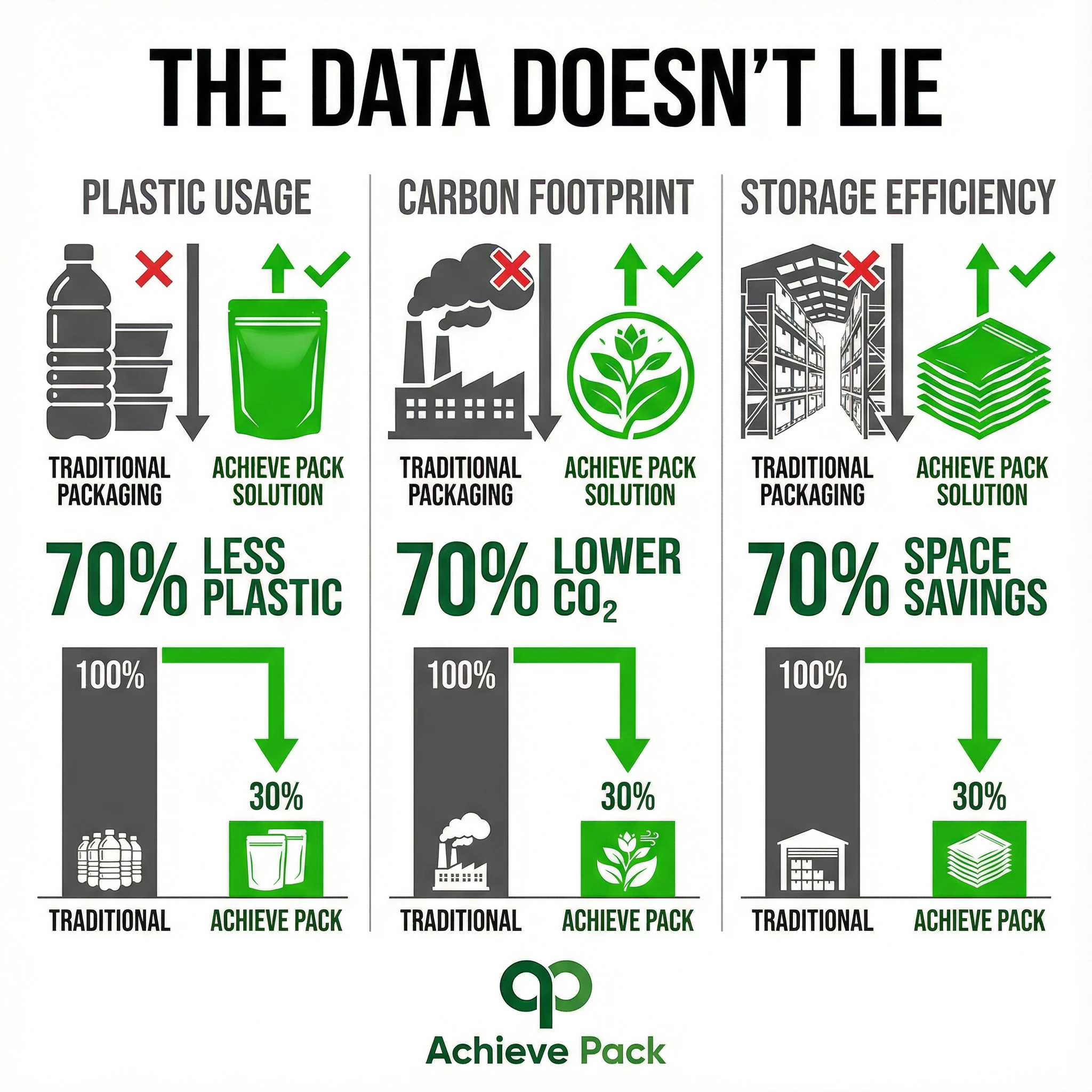
- Rapid Oxidation & Flavor DegradationCheap films allow O2 & moisture ingress, spoiling contents in < 30 days.
- High Seal Breakage in TransitThin seams fail under drop tests, leading to customer refunds & lost trust.
- Heavy Plastic Tax PenaltiesMulti-layer unrecyclable packaging incurs up to €800/ton in EU PPWR fines.
- High MOQs & Plate Cost FrictionTraditional printers force 10,000+ unit minimums and $1,500 cylinder fees.
Achieve Pack / Pouch Eco Solution (After)
Custom engineered multi-layer pouch structure tailored to your exact moisture barrier, seal strength, and aesthetic requirements.
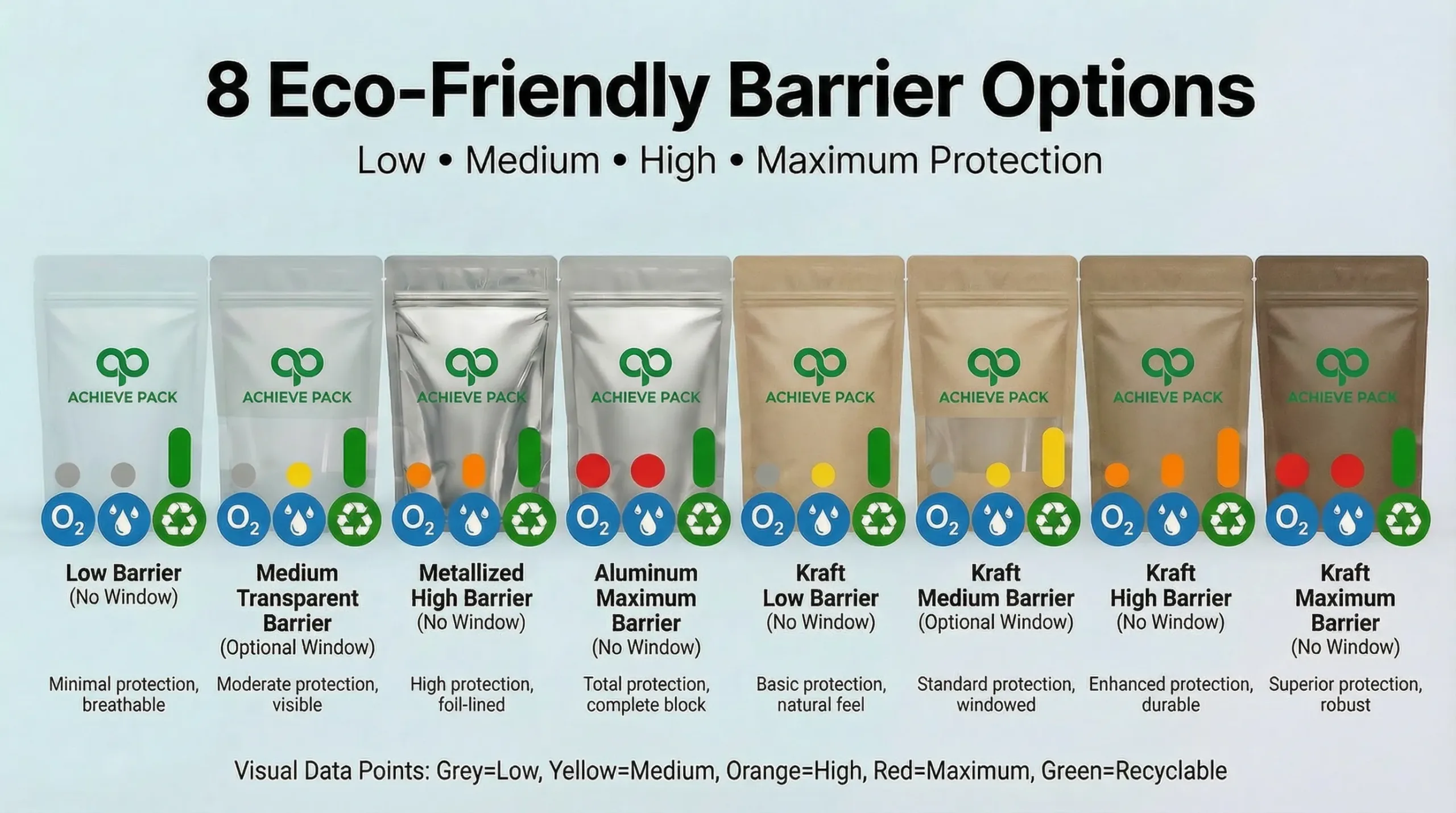
- Ultra High-Barrier Foil/EVOH CoreGuaranteed OTR < 0.1 cc/m²/day, keeping contents fresh for 18–24 months.
- Reinforced 45N/15mm Localized Heat Seal180°C precision seam dwell time prevents bursting even under 2-meter drops.
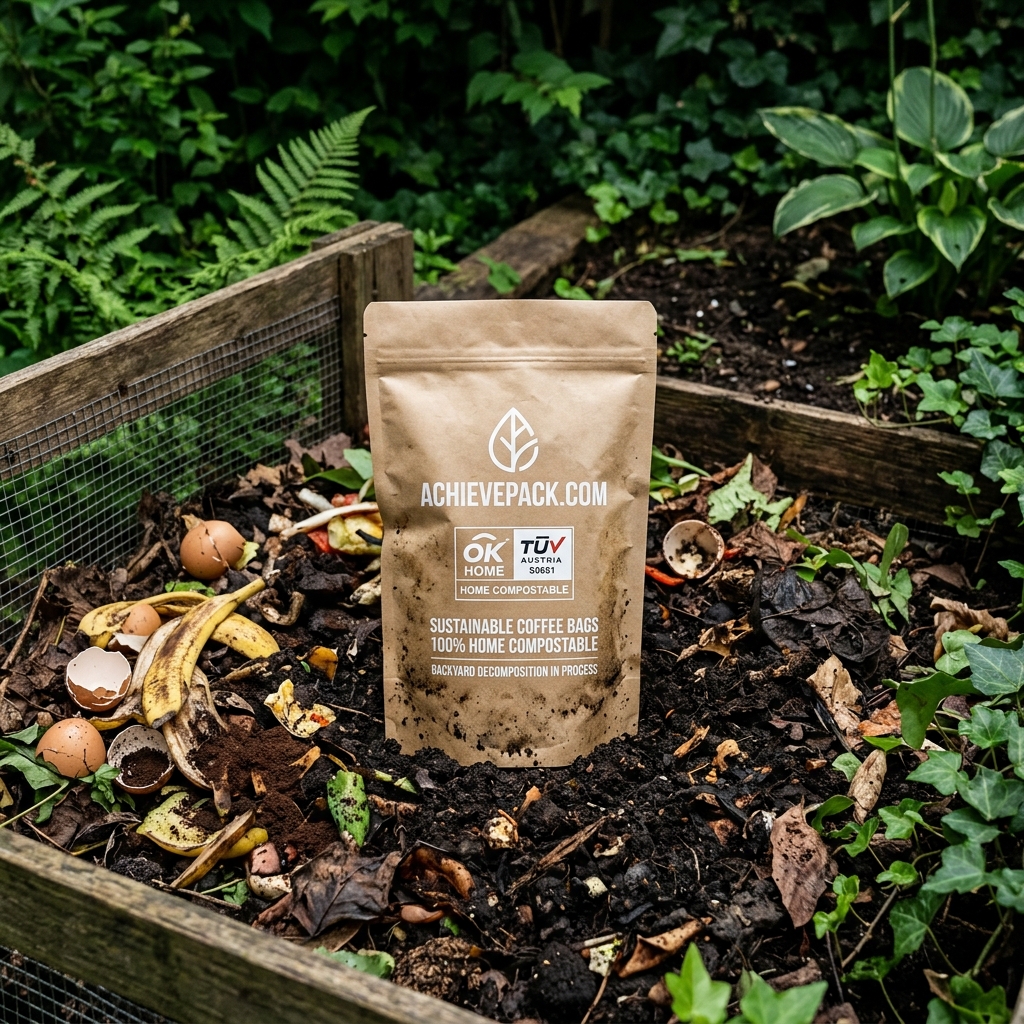
- 100% Certified Eco ComplianceTÜV OK Compost HOME (EN13432) & Mono-PE Recyclable structures (0% Tax).
- HD Digital Printing with 500-Unit Low MOQsPrint multi-SKU runs in 7 business days with zero setup plate charges.
Color Matching Matrix
| Printing / Proofing Method | Color Spectrum Source | Color Accuracy Profile | Best Application Use Case |
|---|---|---|---|
| Official PMS-to-CMYK Data | Theoretical official Pantone table conversion | Low to Moderate (Fails on thin films & papers) | Initial layout design drafts only. |
| Achieve Pack Video Proofing | Material-specific custom CMYK adjustments | Very High (Adjusted visual parity) | Brands needing exact matches on low-MOQ digital runs. |
| Physical Shipped Mockup | Material-specific custom CMYK + printed sample | Excellent (Exact physical proof) | Premium enterprise brands with critical compliance runs. |
| Flexo Spot-Color Printing | Physical spot-color mixed wet inks (Pantone) | Perfect (100% Pantone match) | High volume production (5,000+ units per SKU). |
Questions We Get Asked
Why can't digital printing match Pantone colors exactly using official formulas?▼
What are the hardest colors to match in digital packaging printing?▼
How does your free video and photo color matching process work?▼
Can I receive physical samples of the matched colors?▼
Does matte varnish (oil) affect color accuracy in digital printing?▼
How is color consistency maintained during the bulk printing run?▼
Related Stuff
How We Ensure Absolute Accuracy and Trustworthiness
At Achieve Pack, sustainable packaging isn't just about printing; it's about hands-on material science. This article has been written and verified by Ryan Wong, a packaging specialist with 14+ years of experience engineering biopolymer stacks for DTC startups and Fortune 500 companies.
All research, material barrier specifications (OTR, WVTR), heat-seal values (N/15mm), and compostability timelines cited in our guides are backed by testing inside the Achieve Pack Materials Testing Lab. We cross-reference our data with official certification registries from BPI (Biodegradable Products Institute), TÜV Austria (OK Compost HOME), and FSC (Forest Stewardship Council).

Ryan Wong
Supply Chain Director
B.Eng honors degree graduate from Hong Kong Polytechnic University. Serving brands in 8 countries.
View Expert Profile →Ready to Get Started?
Contact our packaging experts for a free consultation and quote.
See the Material in Action
Real footage of our eco-friendly packaging structures in action.
Compostable Solution
Fully compostable flexible packaging certified under ASTM D6400 and EN 13432. Engineered to break do...
- ASTM D6400 & EN 13432 Certified
- Breaks down within 180 days in soil
Post-Consumer Recycled (PCR)
Made from high-quality post-consumer recycled plastic waste. Our PCR structures reduce carbon footpr...
- Saves post-consumer waste from landfills
- Lowers carbon footprint substantially
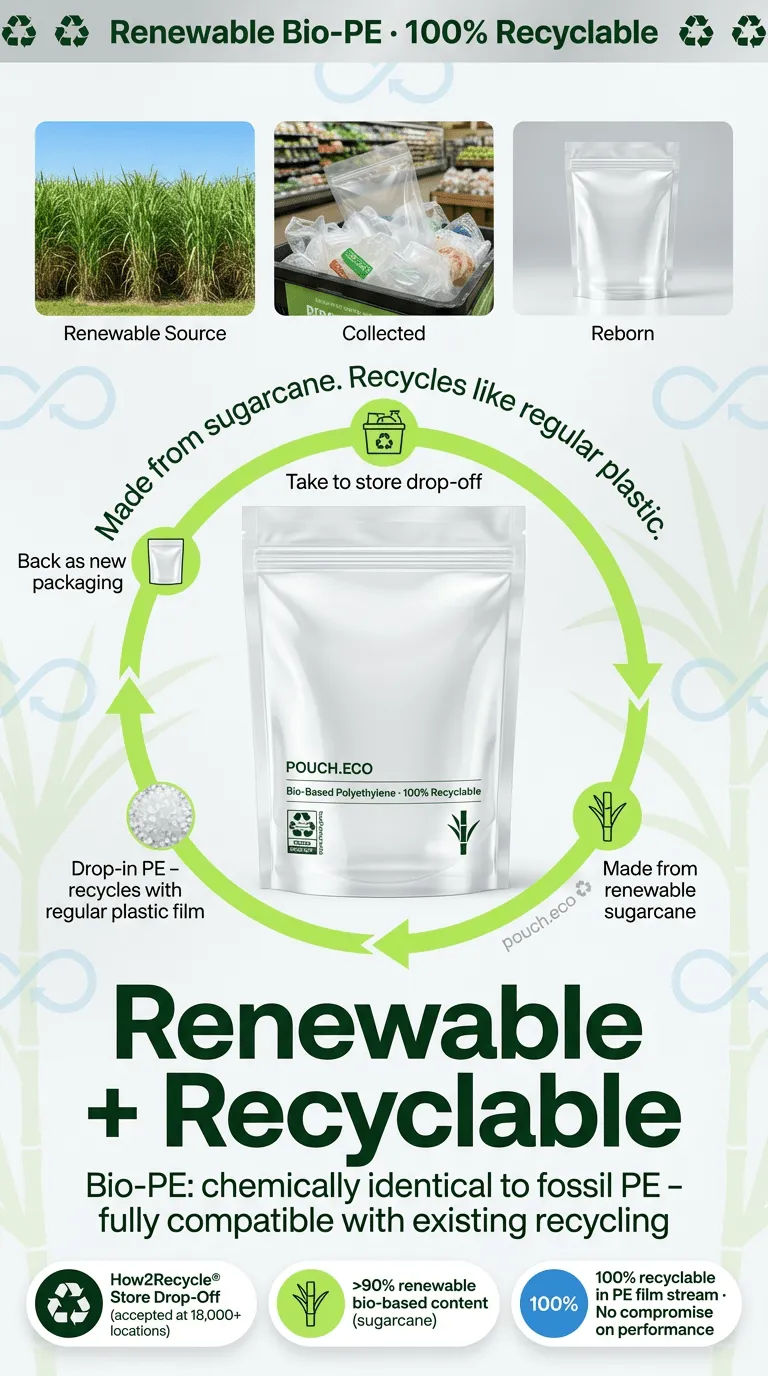
Plant-Based Bio-PE
Derived from sustainably-farmed Brazilian sugarcane. It captures atmospheric CO2 during growth and i...
- Captures CO2 during plant growth
- 100% recyclable in regular PE stream (#4)
Recyclable Mono-Material
Engineered using Mono-PE or Mono-PP structures to enable simple, circular sorting and recycling. Com...
- 100% recyclable mono-polymer structure
- Meets EU Circular Economy directives