Food Packaging Compliance: Expiration & Lot Coding Standards | Achieve Pack Specifications
Solving Core Packaging Challenges for Food Packaging Compliance: Expiration & Lot Coding Standards | Achieve Pack
Concise B2B technical benchmarks designed to eliminate transit failures, regulatory penalties, and shelf-life loss.
Supplier Approval Blocking the Production Run
Risk: Your co-packer will not schedule the job until the packaging file clears QA.
Complete Supplier Approval Pack Sent With the Quote
Product specification, SDS, food-grade compliance statement, lot code statement, PFAS statement, letter of guarantee, BRCGS Packaging Materials audit report.
Lot Traceability & Seal Integrity as a Controlled Step
Risk: If sealing is treated as a critical control point, missing temperature records fail the audit.
Lot Code Statement Plus Documented Seal Parameters
Sealing time, temperature and pressure ranges supplied for your HACCP file.
Roll Stock Specs That Do Not Fit the Machine
Risk: Wrong core size, roll direction or eye mark placement stops the line on day one.
Roll Stock Built to Your Machine Specification
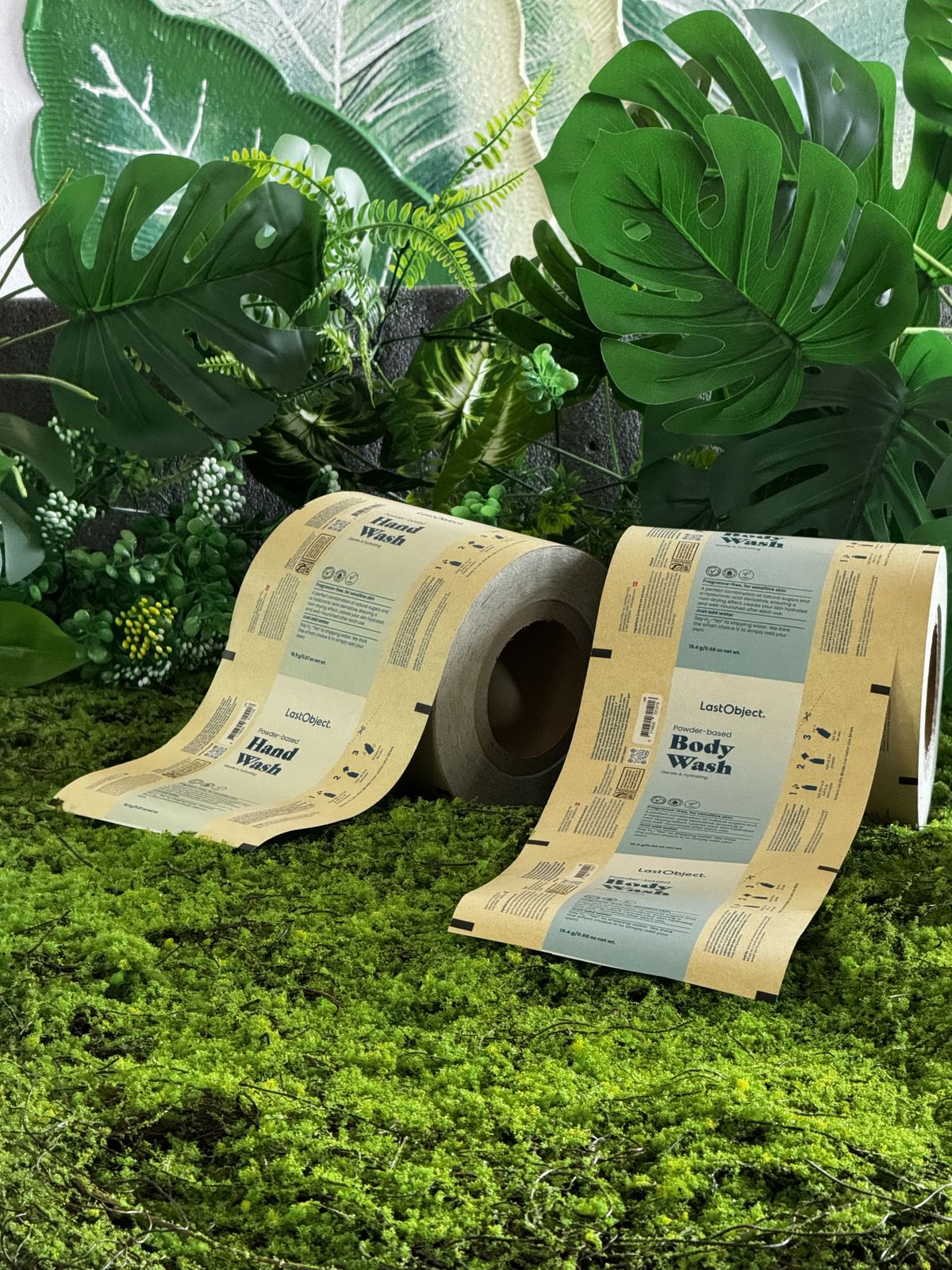
We confirm core ID, outer diameter, roll width, roll direction and eye mark placement before quoting.
Experience 3D Packaging Design & Free Dielines
Preview your pouch in 3D WebGL Studio and export production-ready dielines.
1. Key Regulatory Standards
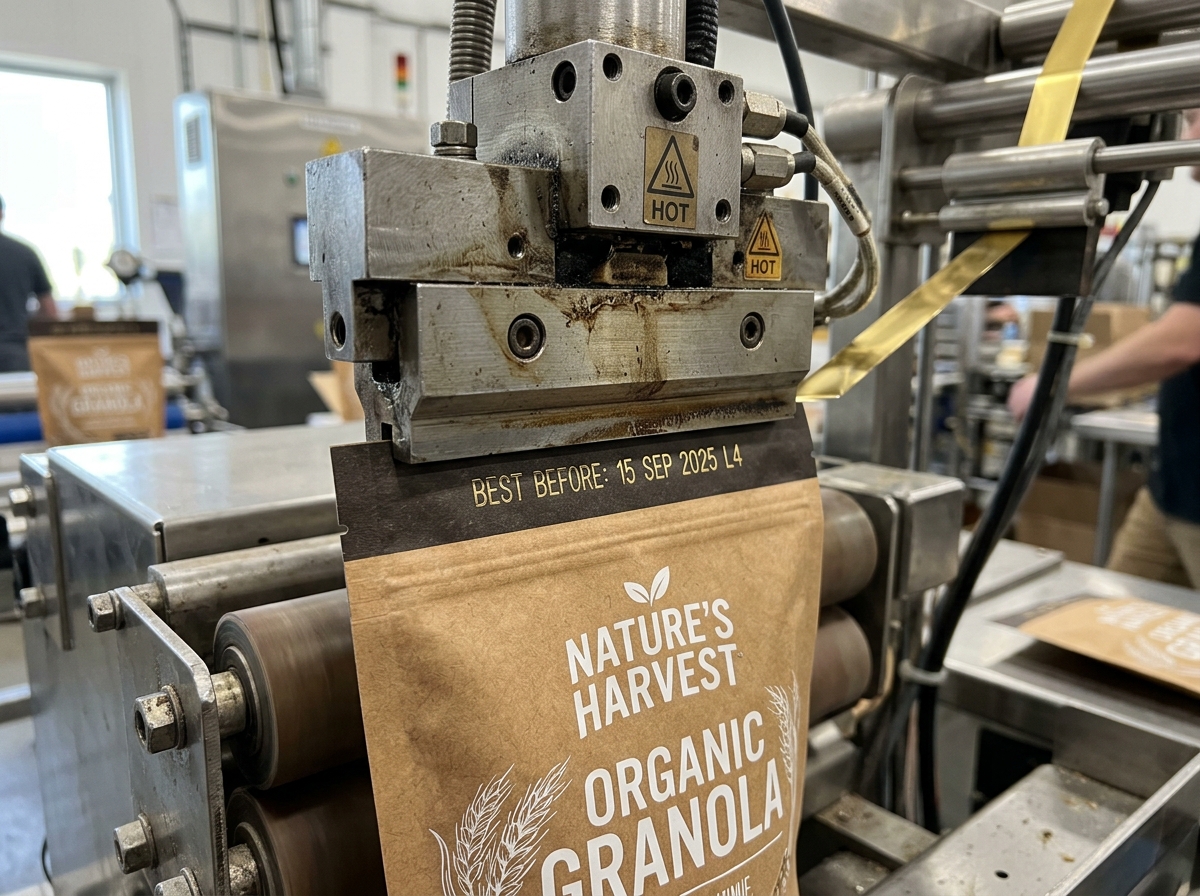
Food compliance regulations require all pre-packaged foods to clearly display expiration dates ('Best Before' or 'Use By') and production lot codes. These marks must remain legible throughout the entire product lifecycle—from cold chain transport to store shelves.
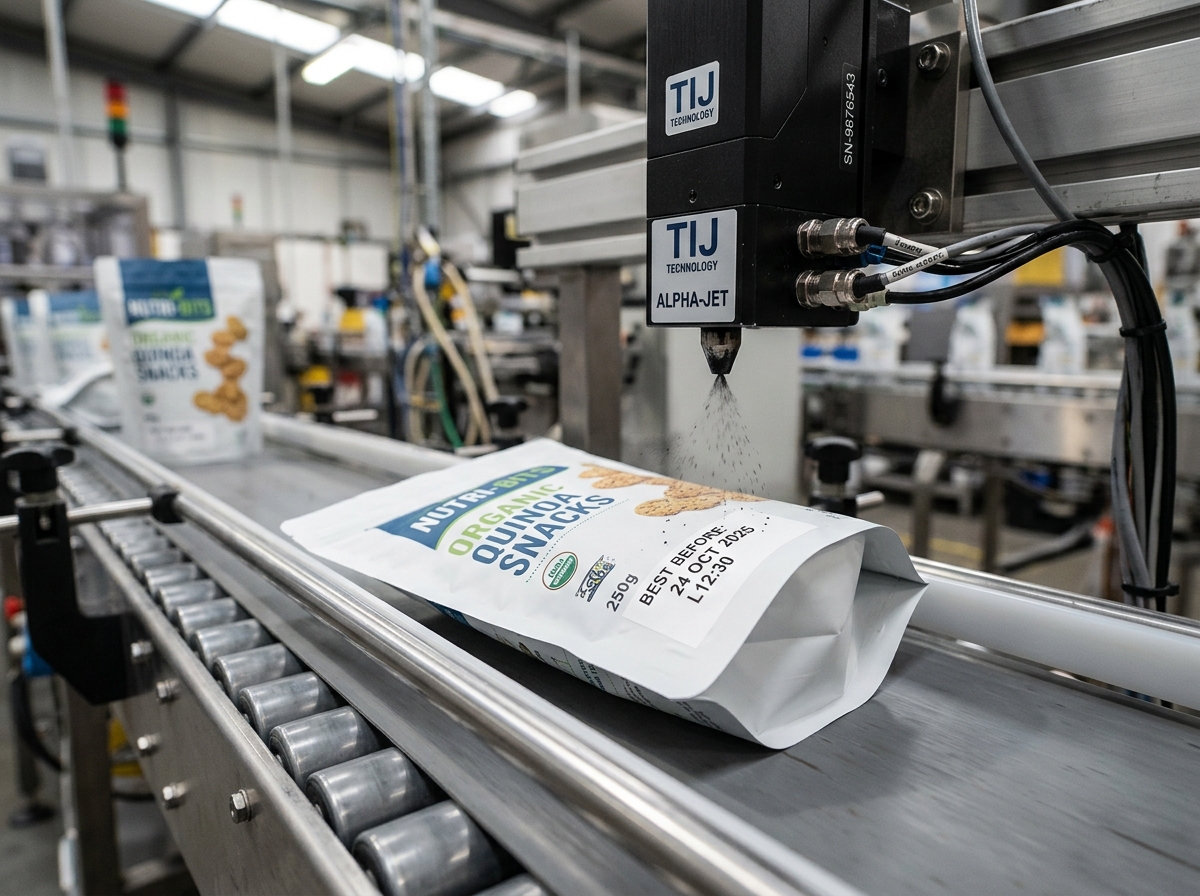
2. Anti-Smudge Ink Technologies
When printing on non-porous surfaces like PE, PET, or metallic barrier films, traditional water-based inks will smudge. Utilizing solvent-based ink cartridges (like MEK fast-dry formulations) ensures curing happens in under 0.5 seconds, providing water and friction-resistant lettering.
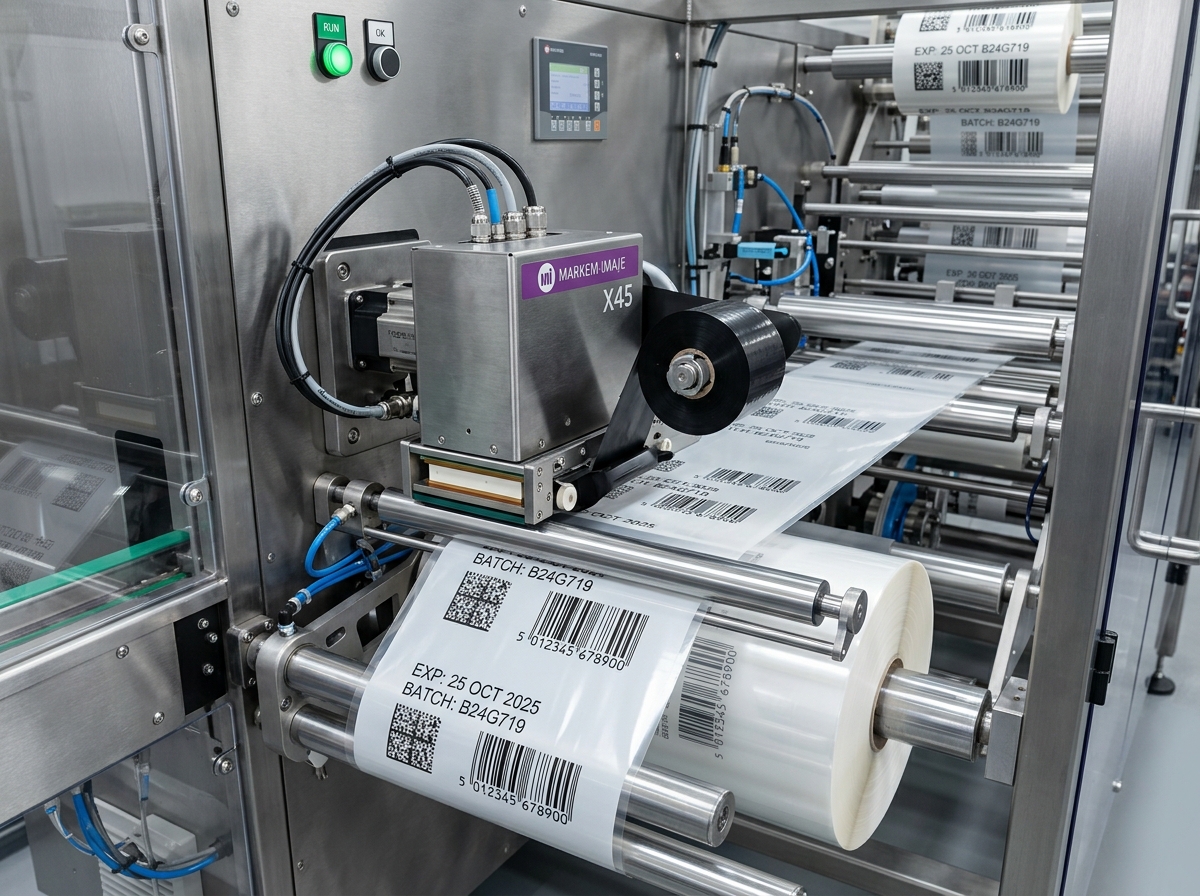
3. Positioning & Contrast
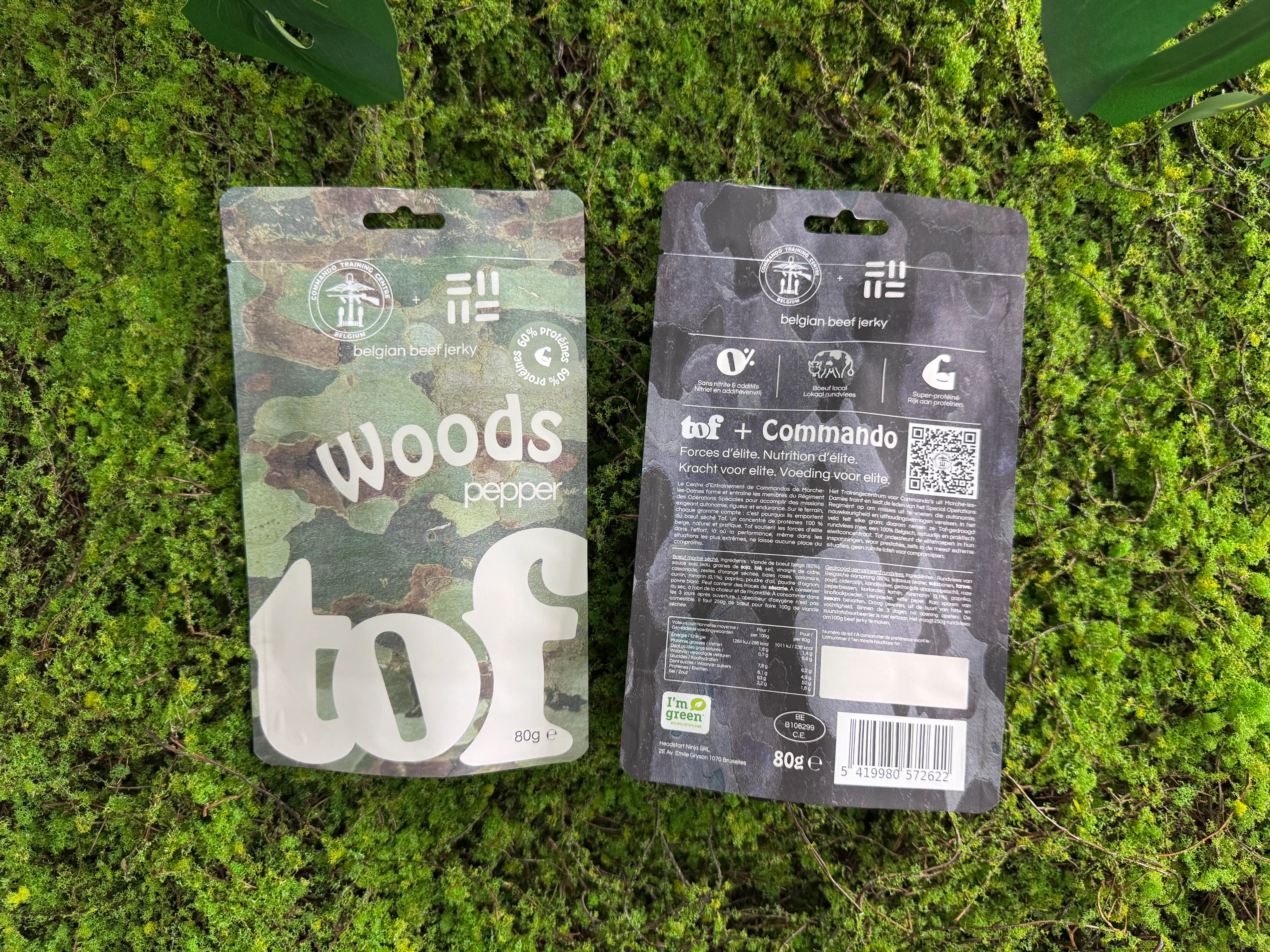
Dates and barcodes must be printed on flat surfaces with high contrast (e.g., using a pre-printed white background patch) to ensure retail scanners and consumer recognition work reliably. Avoid printing directly over sealing welds.
5 Compliance & Coding Pain Points Solved
Ink Smudging in Cold Chain Logistics
Using MEK fast-dry solvent inks that cure in <0.5s, resisting condensation and friction during refrigerated transport to maintain regulatory compliance.
Missing Dates causing Retail Rejections
Integrating TIJ printers with inline vision inspection systems to ensure 100% code presence, accuracy, and readability before shipping to major retailers.
Low Contrast on Colored Films
Printing on pre-designed white patches or utilizing high-opacity white/yellow inks on dark metallic films for optimal barcode and scanner legibility.
Print Head Clogging & Maintenance
Modern TIJ cartridges feature self-cleaning and automated capping mechanisms, effectively eliminating the daily maintenance and messy cleanups required by older CIJ systems.
Slow Production Speeds bottlenecking output
High-speed Thermal Transfer Overprinting (TTO) and TIJ systems synchronize with conveyor belts or VFFS machines to print at up to 120 meters per minute without any code distortion.
From Ryan Wong's Engineering Notebook
Expert Engineering Insight
"Over my career auditing packaging lines, a major risk I see is brands using low-adhesion or water-based inks on plastic or laminate films. Low-quality prints easily scratch off in transit, causing retail rejections and regulatory non-compliance. Always verify ink compatibility and run adhesion tape tests before running production batches. For flexible packaging, solvent-based TIJ or ribbon-based TTO are the only industrial standards you should rely on."
— Ryan Wong, Co-Founder & Chief Packaging Engineer
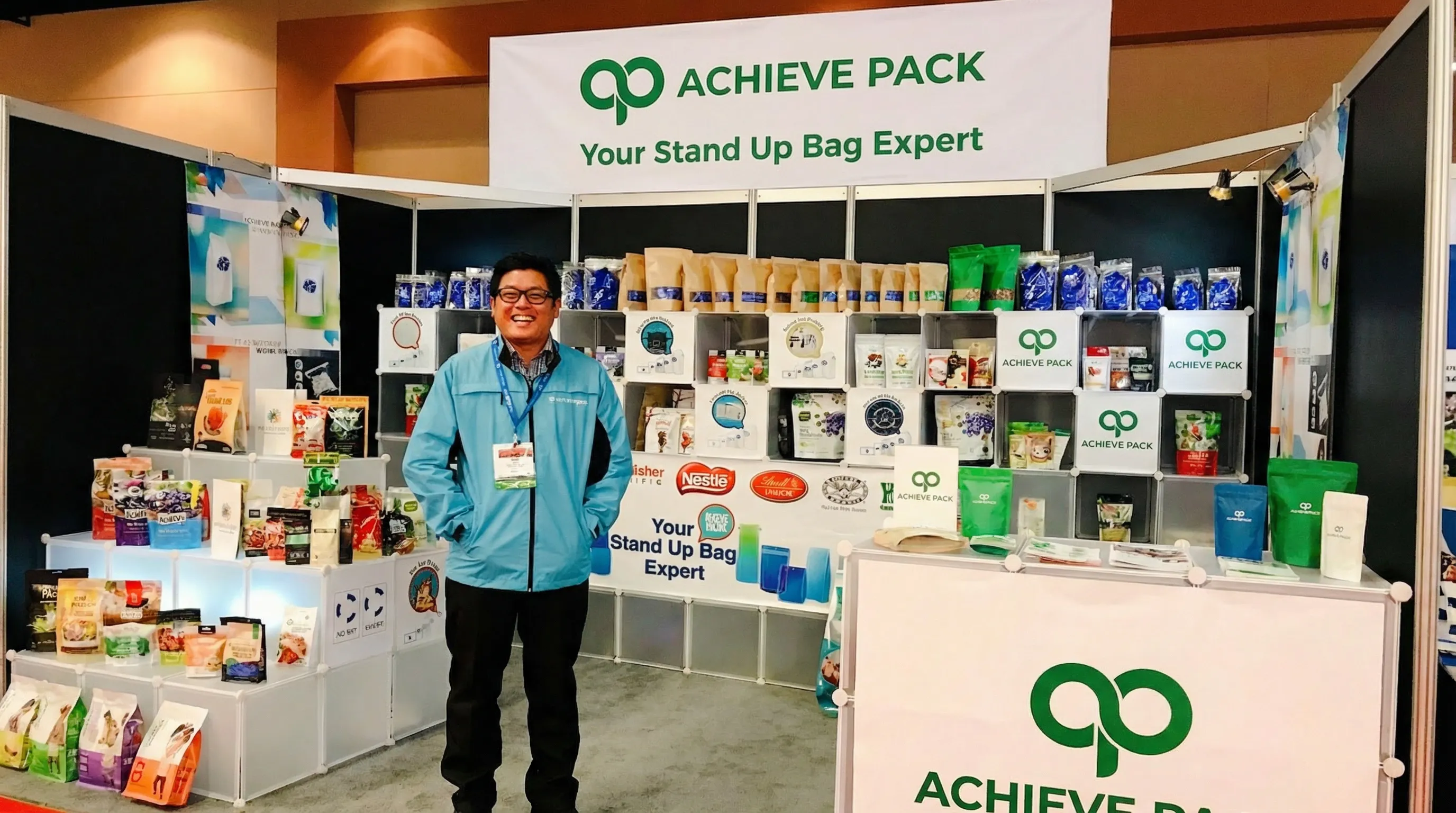
Ryan Wong
14+ Years Packaging Engineering | Compliance Auditing Expert
Materials science expert helping 500+ global brands scale from prototype testing to industrial vertical packaging lines.
Have a technical question? Schedule a 15-minute packaging audit with Ryan →Recommended Equipment & Packaging
See Our Products
 ⚙️ Industrial Grade
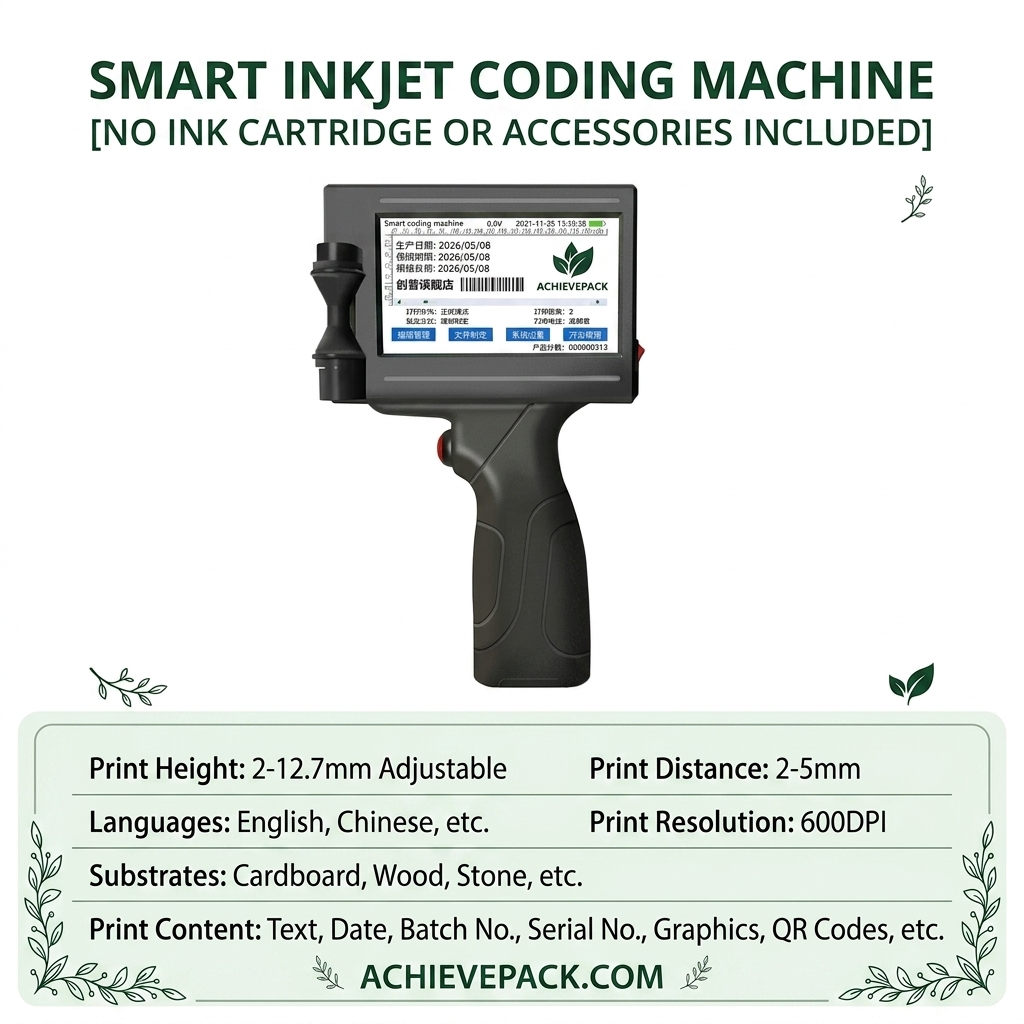
Smart Inkjet Coding Machine
Handheld mini printer and conveyor line coding machine for dates, numbers, and QR codes.
 ⚡ High-Power Direct Heat
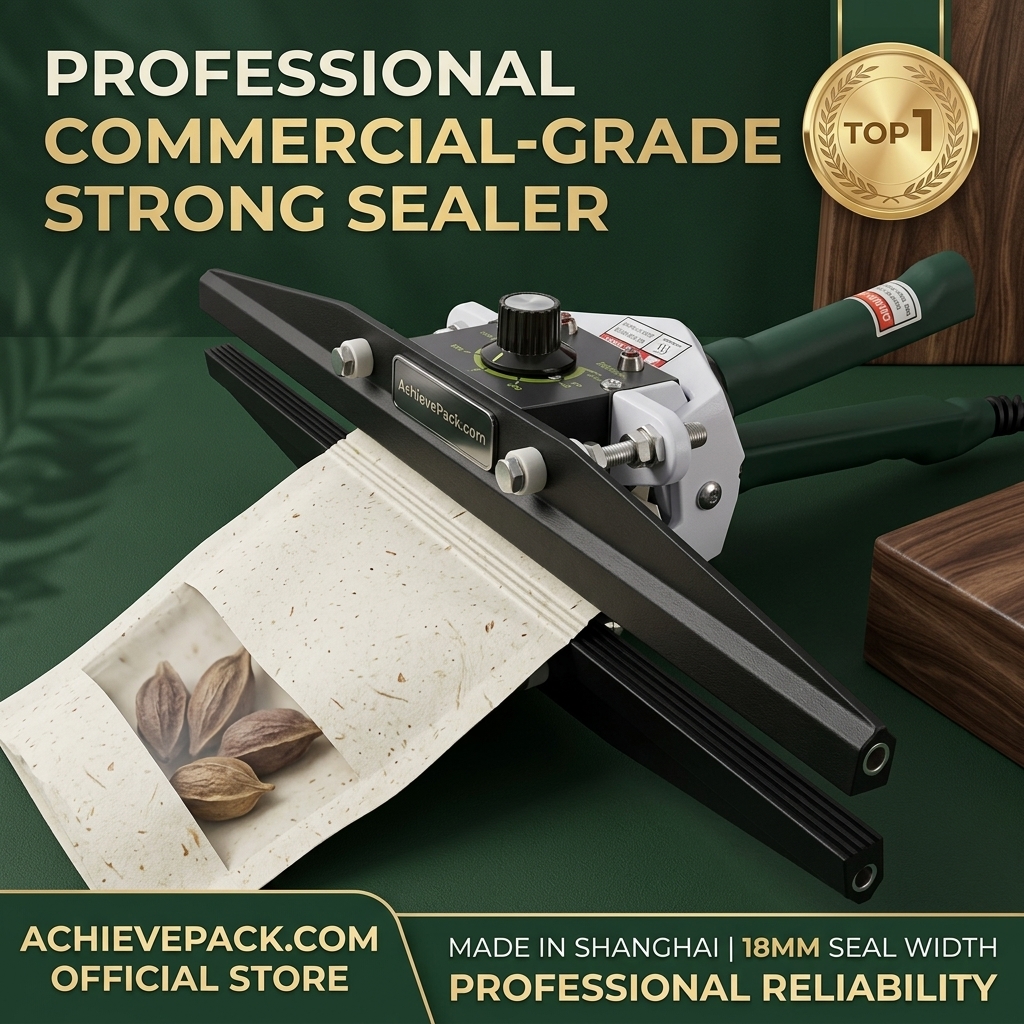
Hand-Clamp Sealer – Small Commercial Plastic, Aluminum Foil, and Kraft Paper Bag Heat Sealing Machine, Portable Handheld High-Power Thermal Sealer
Portable handheld commercial heat sealer with 0-300°C temperature control
HP Indigo Color Accuracy & Printing Proofs
Low-MOQ runs must deliver enterprise-level visual branding. We inspect color alignment tolerances, ink adhesion strength, and white underprint opacity using spectrophotometer color matching to ensure pixel-perfect pouch graphics.
Color Matching (X-Rite)
Spectrophotometer validation ensuring brand color consistency across batches.
Ink Adhesion Test (ASTM D3359)
Tape peel test to ensure ink does not peel or scratch during shipping and handling.
White Ink Underprint Opacity
Ensures rich, vibrant colors when printing on transparent or brown kraft films.
Digital Press Calibration
HP-validated polymer ink integration, offering excellent heat and rub resistance.
Lamination Peeling Force
Ensures the printed film layer never delaminates or separates from barrier layers.
VFFS Low-Temp Sealing
Ensures digital-printed pouches seal perfectly on standard heat-sealer jaws.
Packaging Transformation for Food Packaging Compliance: Expiration & Lot Coding Standards | Achieve Pack
See how upgrading from generic commoditized bags to precision-engineered flexible barrier packaging eliminates transport failures and boosts shelf authority.
Standard / Generic Packaging (Before)
Standard stock bags fail under transit stress and expose sensitive goods to moisture, UV light, and oxygen.
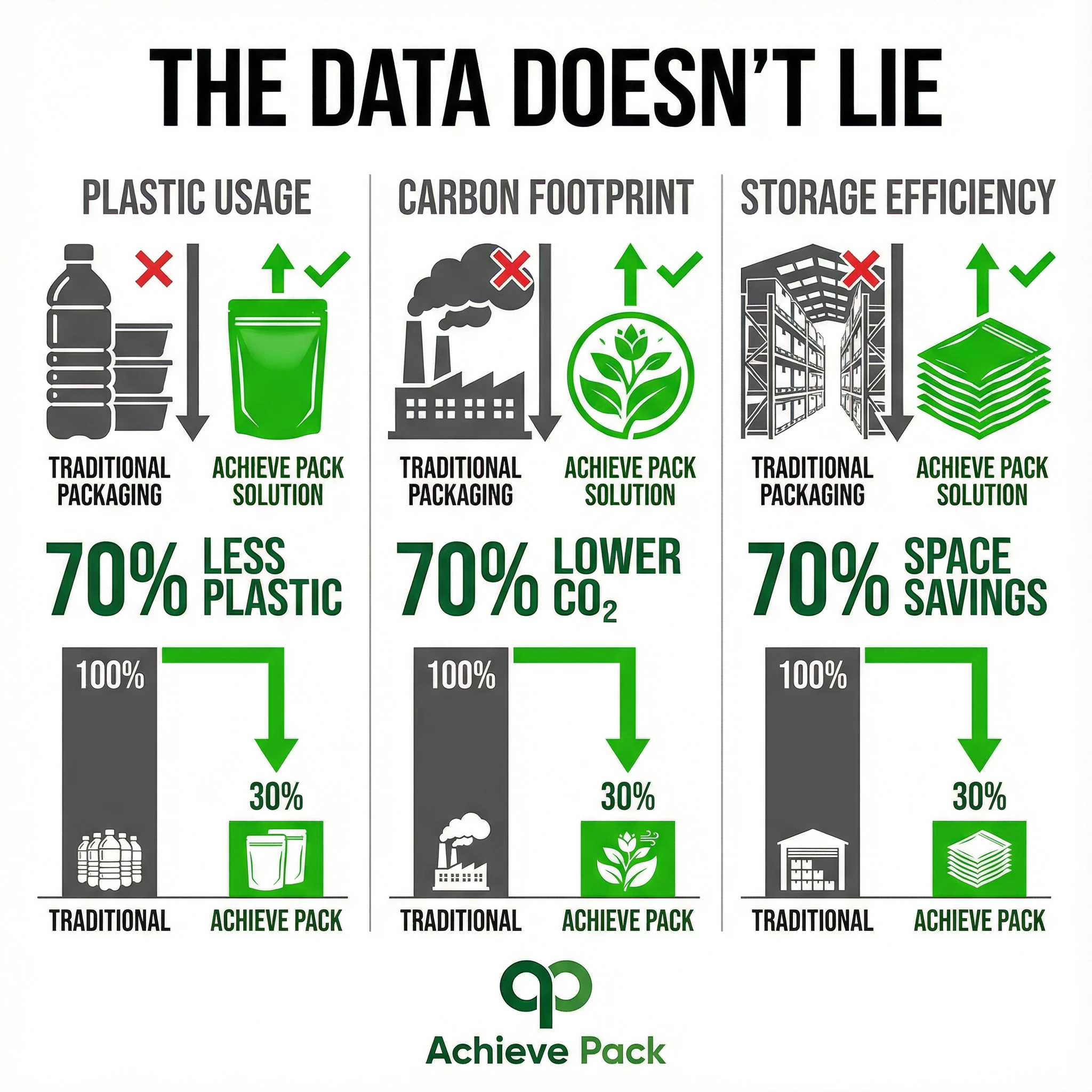
- Rapid Oxidation & Flavor DegradationCheap films allow O2 & moisture ingress, spoiling contents in < 30 days.
- High Seal Breakage in TransitThin seams fail under drop tests, leading to customer refunds & lost trust.
- Heavy Plastic Tax PenaltiesMulti-layer unrecyclable packaging incurs up to €800/ton in EU PPWR fines.
- High MOQs & Plate Cost FrictionTraditional printers force 10,000+ unit minimums and $1,500 cylinder fees.
Achieve Pack / Pouch Eco Solution (After)
Custom engineered multi-layer pouch structure tailored to your exact moisture barrier, seal strength, and aesthetic requirements.
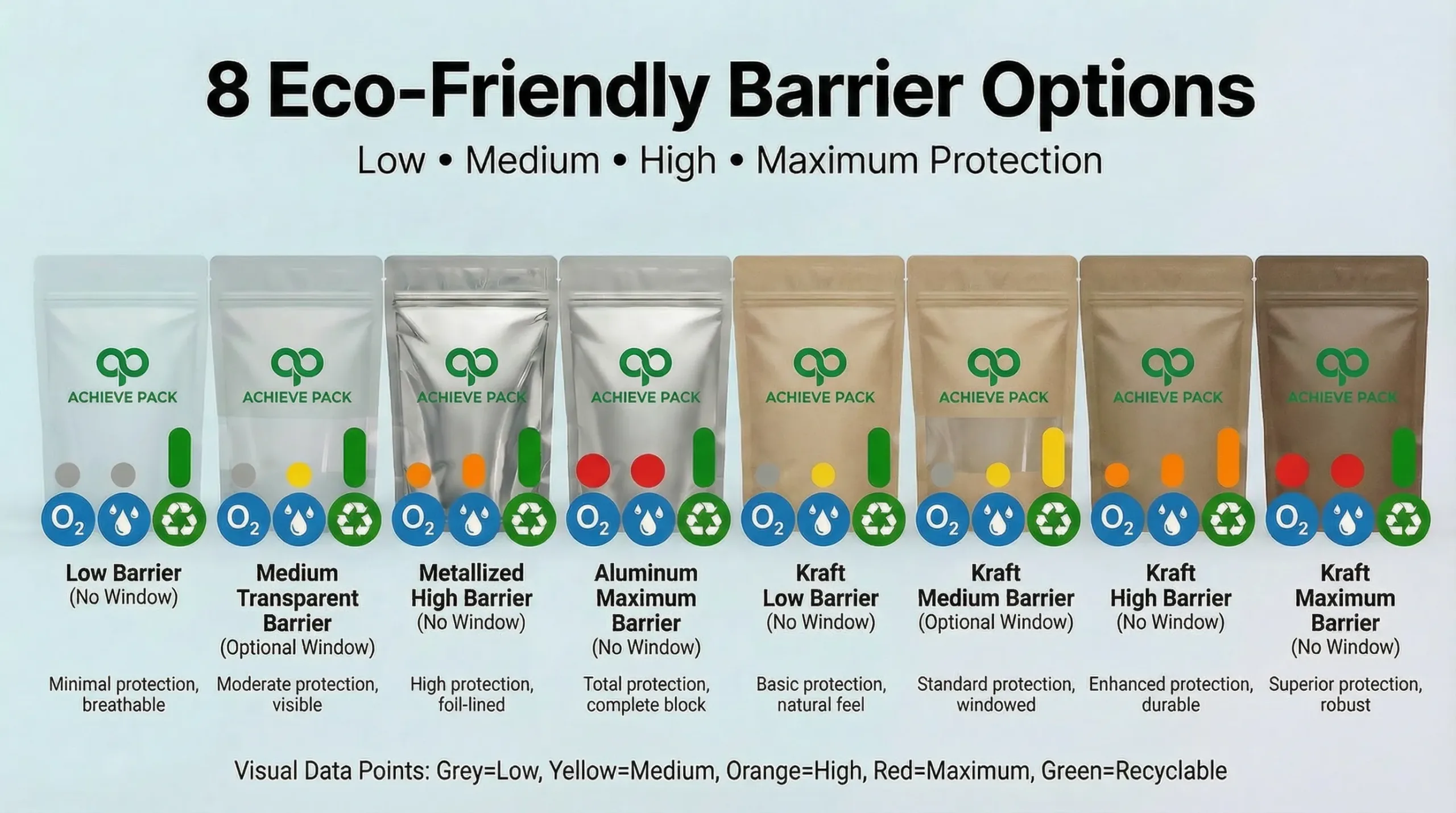
- Ultra High-Barrier Foil/EVOH CoreGuaranteed OTR < 0.1 cc/m²/day, keeping contents fresh for 18–24 months.
- Reinforced 45N/15mm Localized Heat Seal180°C precision seam dwell time prevents bursting even under 2-meter drops.
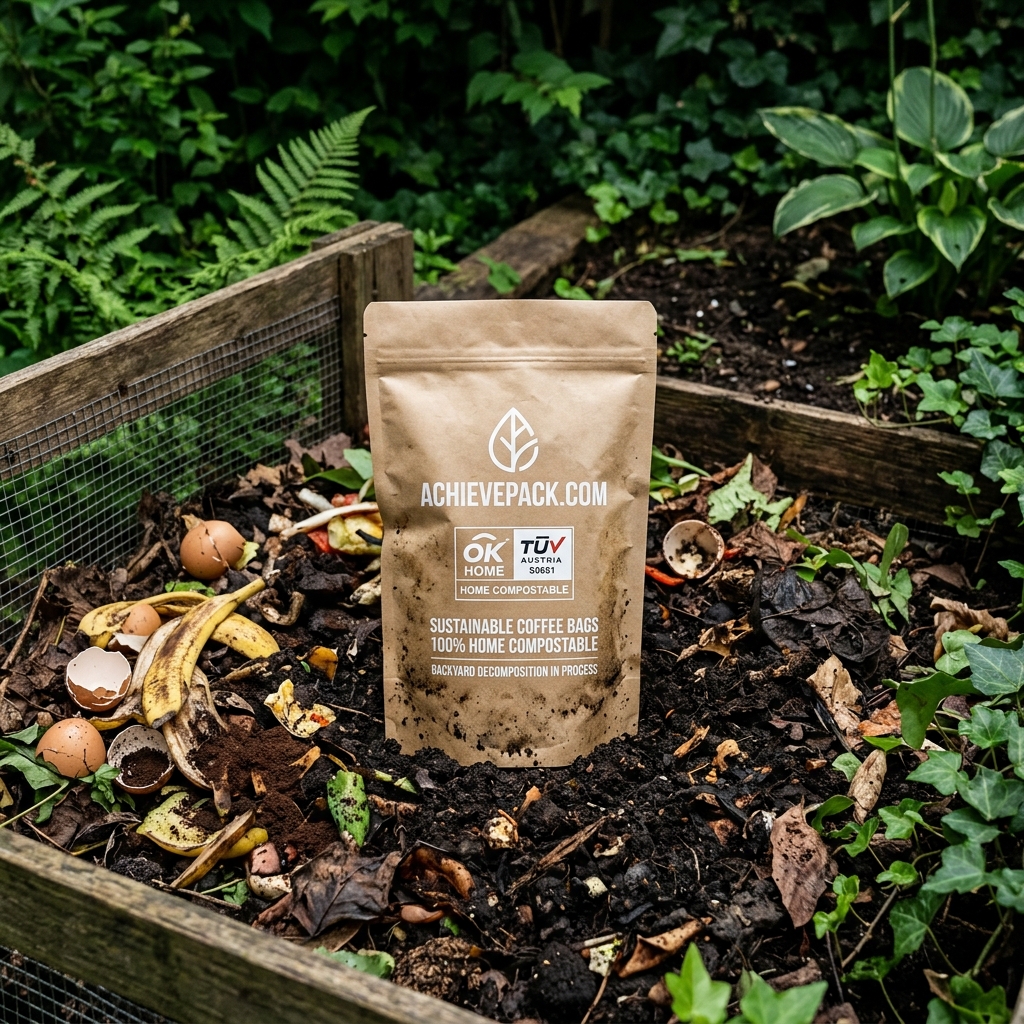
- 100% Certified Eco ComplianceTÜV OK Compost HOME (EN13432) & Mono-PE Recyclable structures (0% Tax).
- HD Digital Printing with 500-Unit Low MOQsPrint multi-SKU runs in 7 business days with zero setup plate charges.
Related Stuff
How We Ensure Absolute Accuracy and Trustworthiness
At Achieve Pack, sustainable packaging isn't just about printing; it's about hands-on material science. This article has been written and verified by Ryan Wong, a packaging specialist with 14+ years of experience engineering biopolymer stacks for DTC startups and Fortune 500 companies.
All research, material barrier specifications (OTR, WVTR), heat-seal values (N/15mm), and compostability timelines cited in our guides are backed by testing inside the Achieve Pack Materials Testing Lab. We cross-reference our data with official certification registries from BPI (Biodegradable Products Institute), TÜV Austria (OK Compost HOME), and FSC (Forest Stewardship Council).

Ryan Wong
Supply Chain Director
B.Eng honors degree graduate from Hong Kong Polytechnic University. Serving brands in 8 countries.
View Expert Profile →Optimize Your Coding Compliance
Browse our high-resolution smart inkjet coding systems and handheld thermal coders engineered for flexible packaging.
See the Material in Action
Real footage of our eco-friendly packaging structures in action.
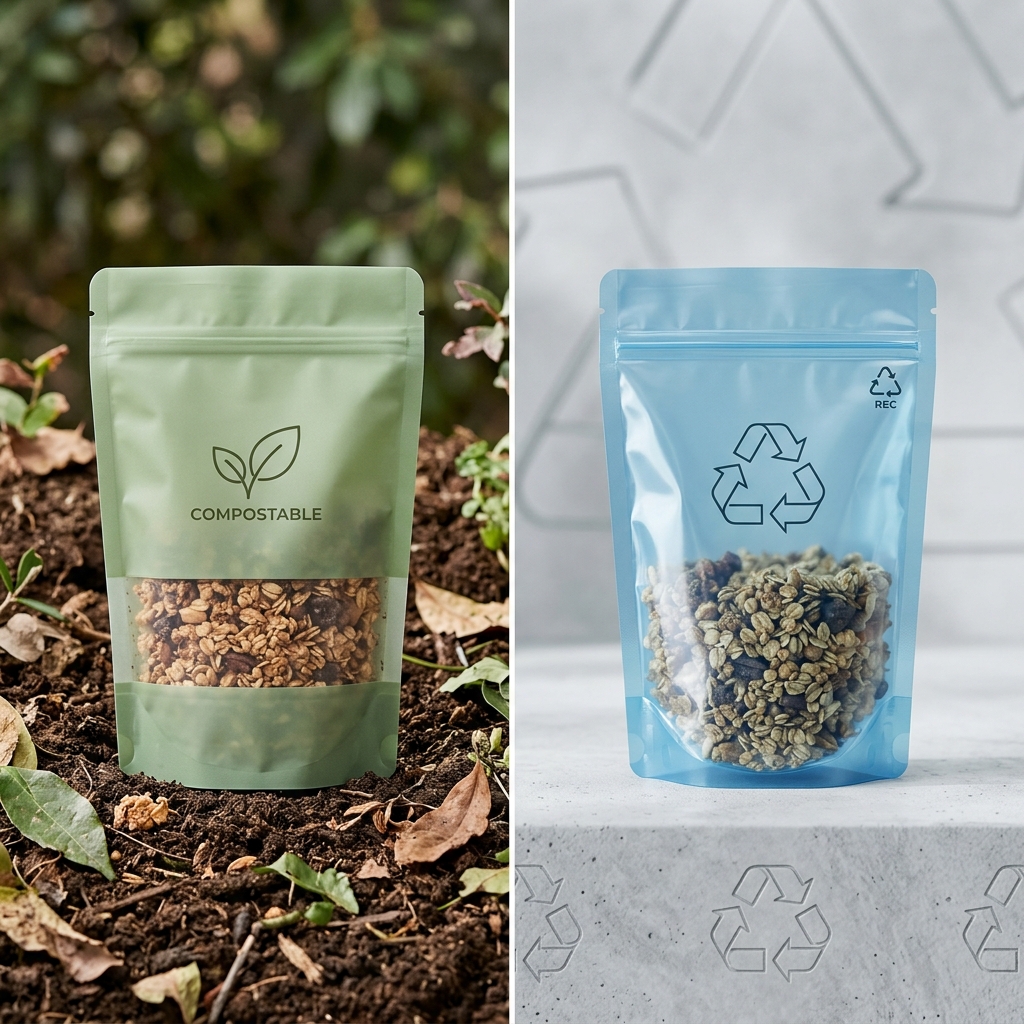
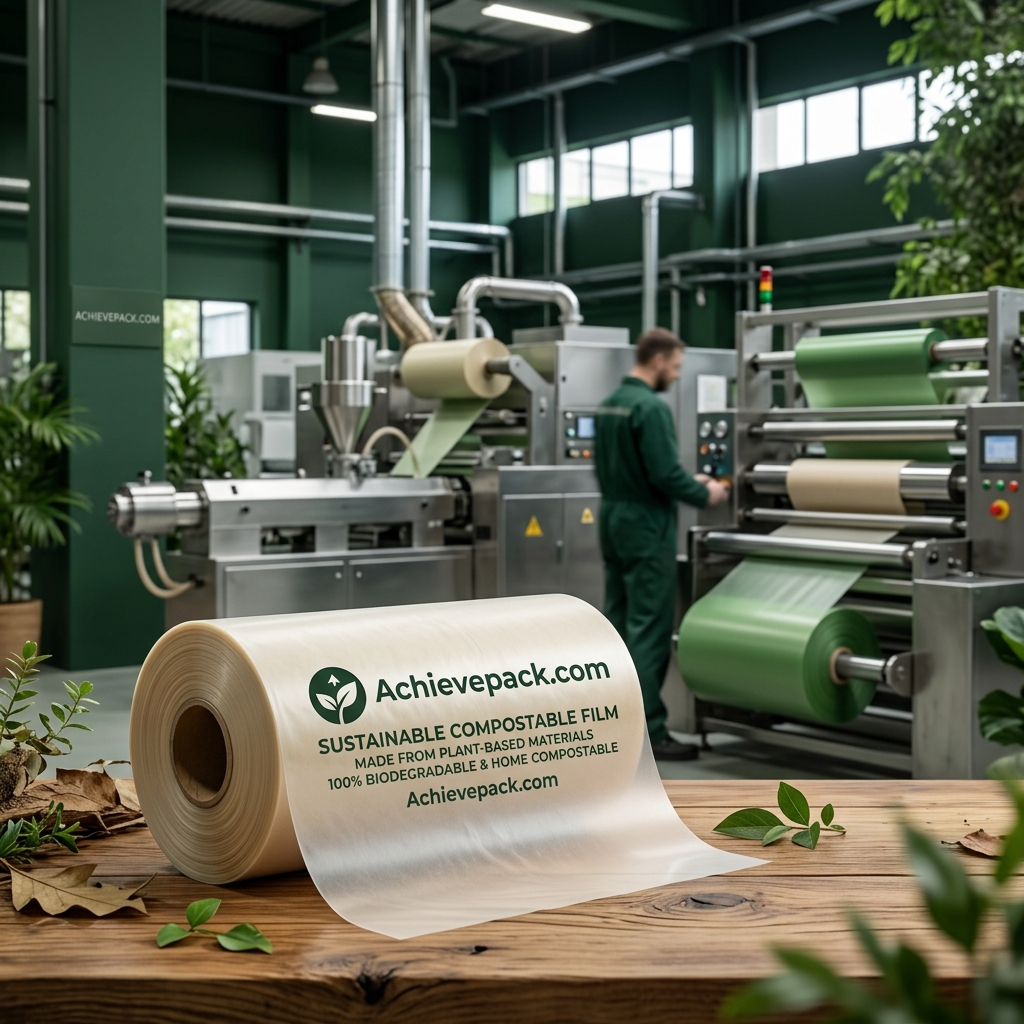
Compostable Solution
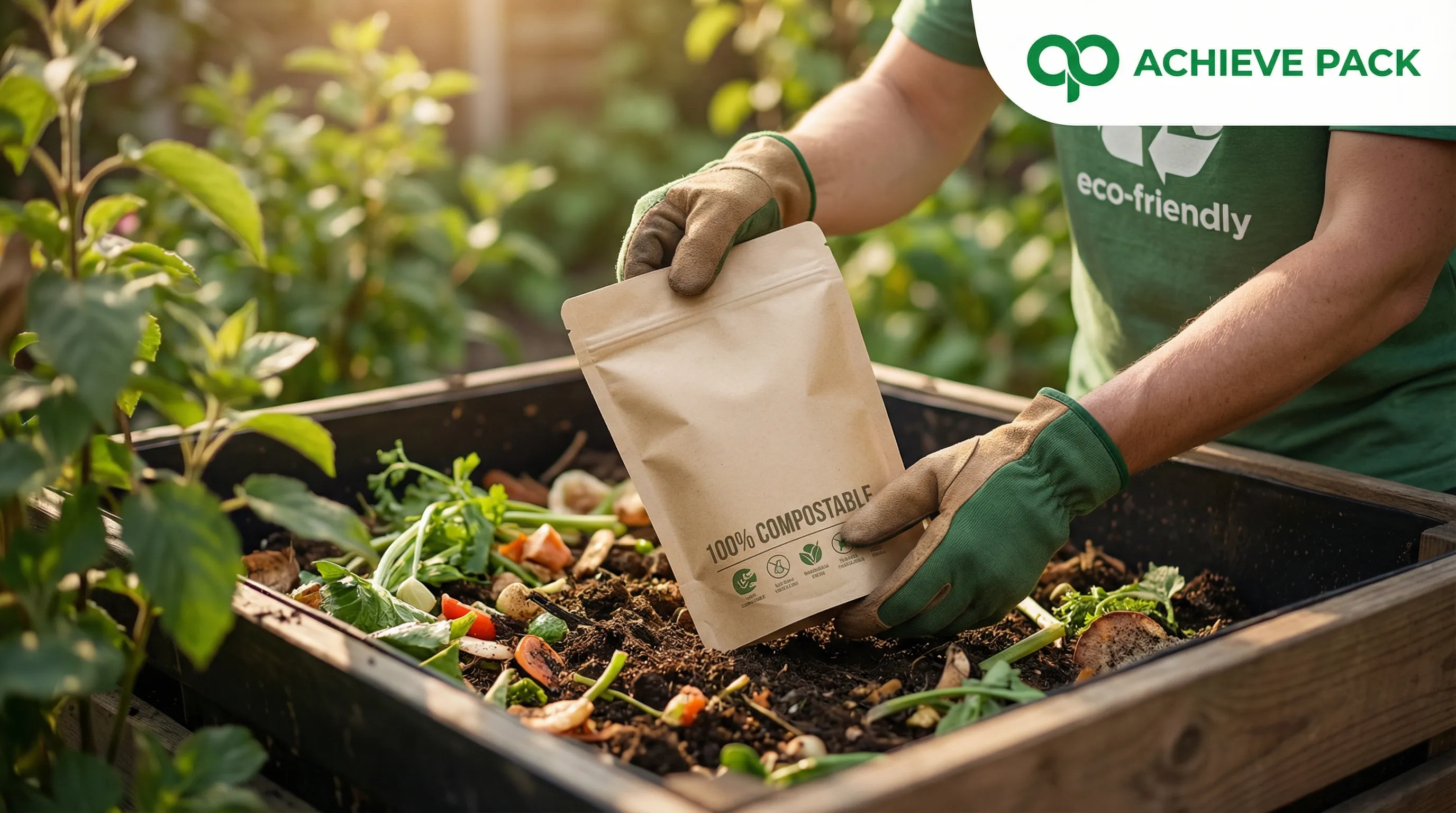
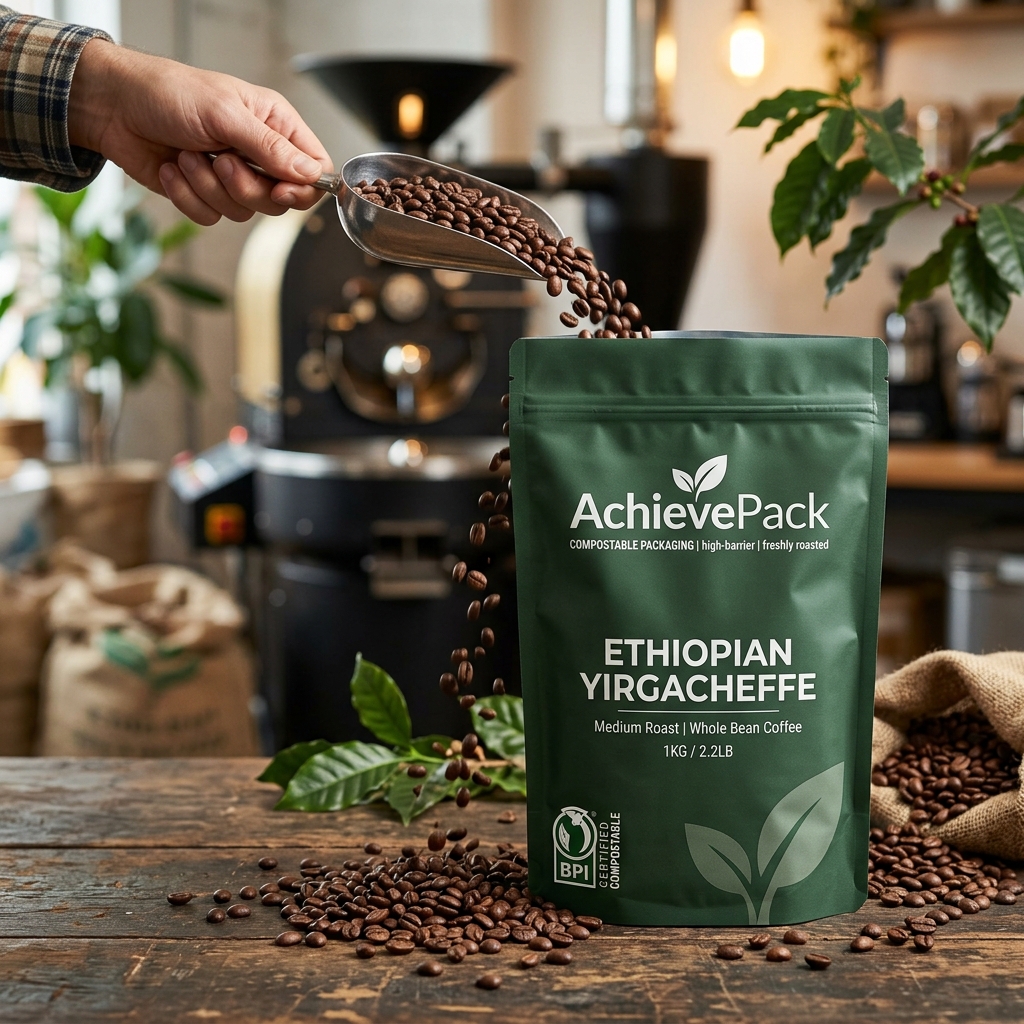
Fully compostable flexible packaging certified under ASTM D6400 and EN 13432. Engineered to break do...
- ASTM D6400 & EN 13432 Certified
- Breaks down within 180 days in soil
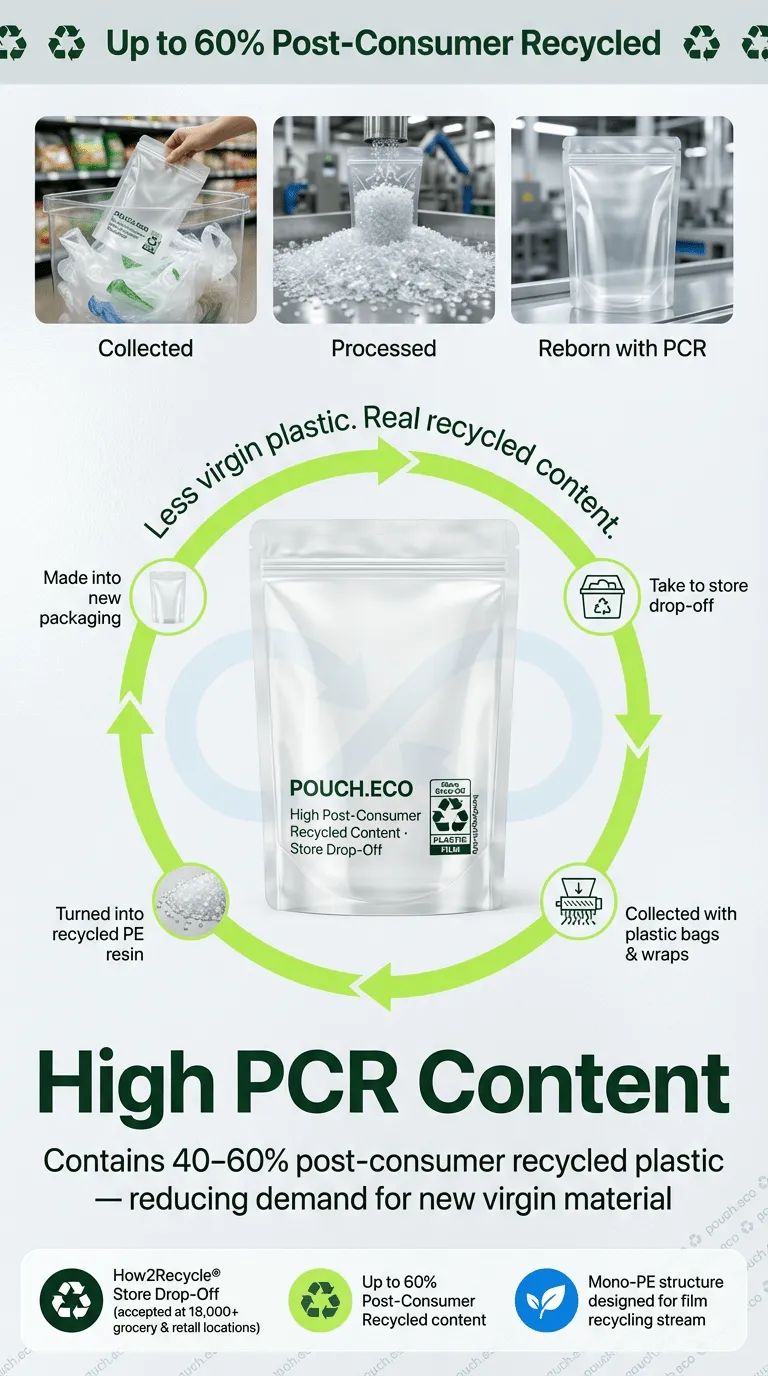
Post-Consumer Recycled (PCR)
Made from high-quality post-consumer recycled plastic waste. Our PCR structures reduce carbon footpr...
- Saves post-consumer waste from landfills
- Lowers carbon footprint substantially
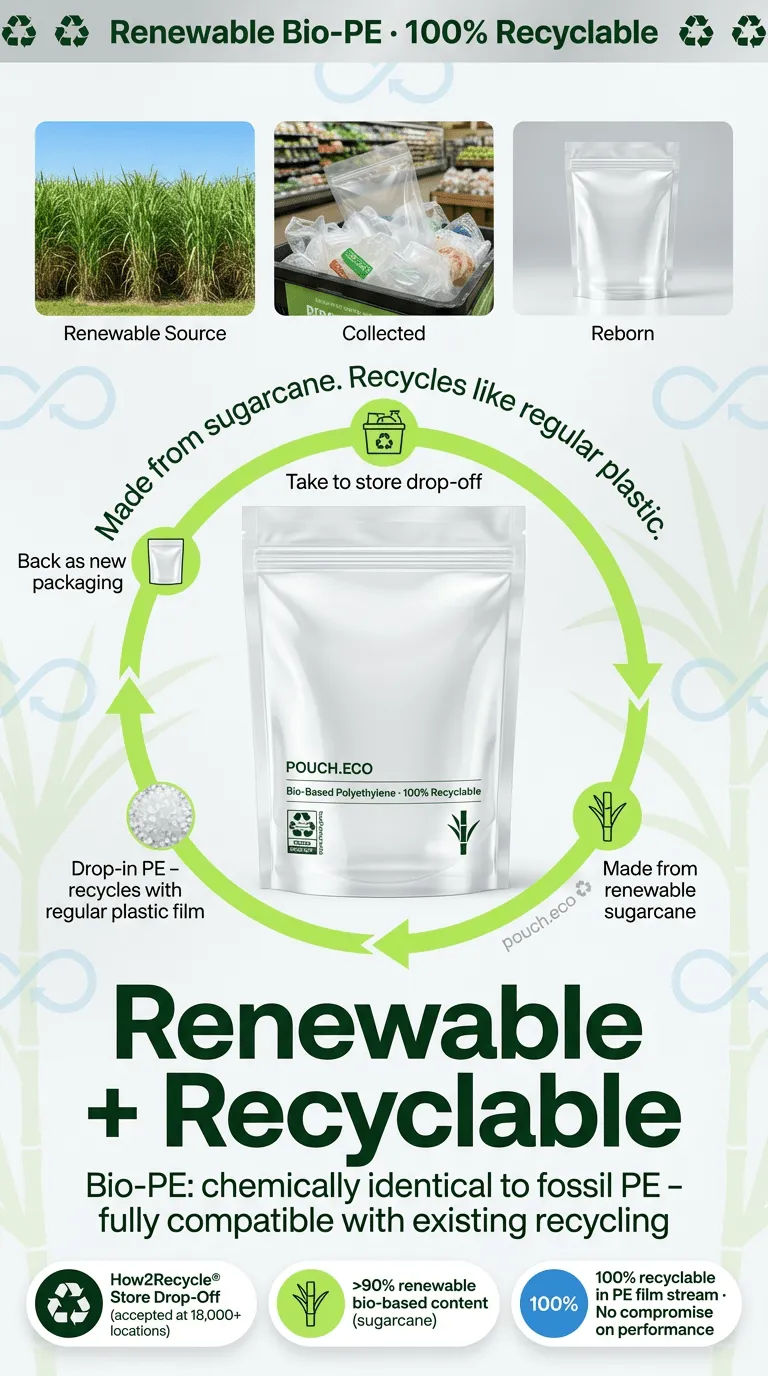
Plant-Based Bio-PE
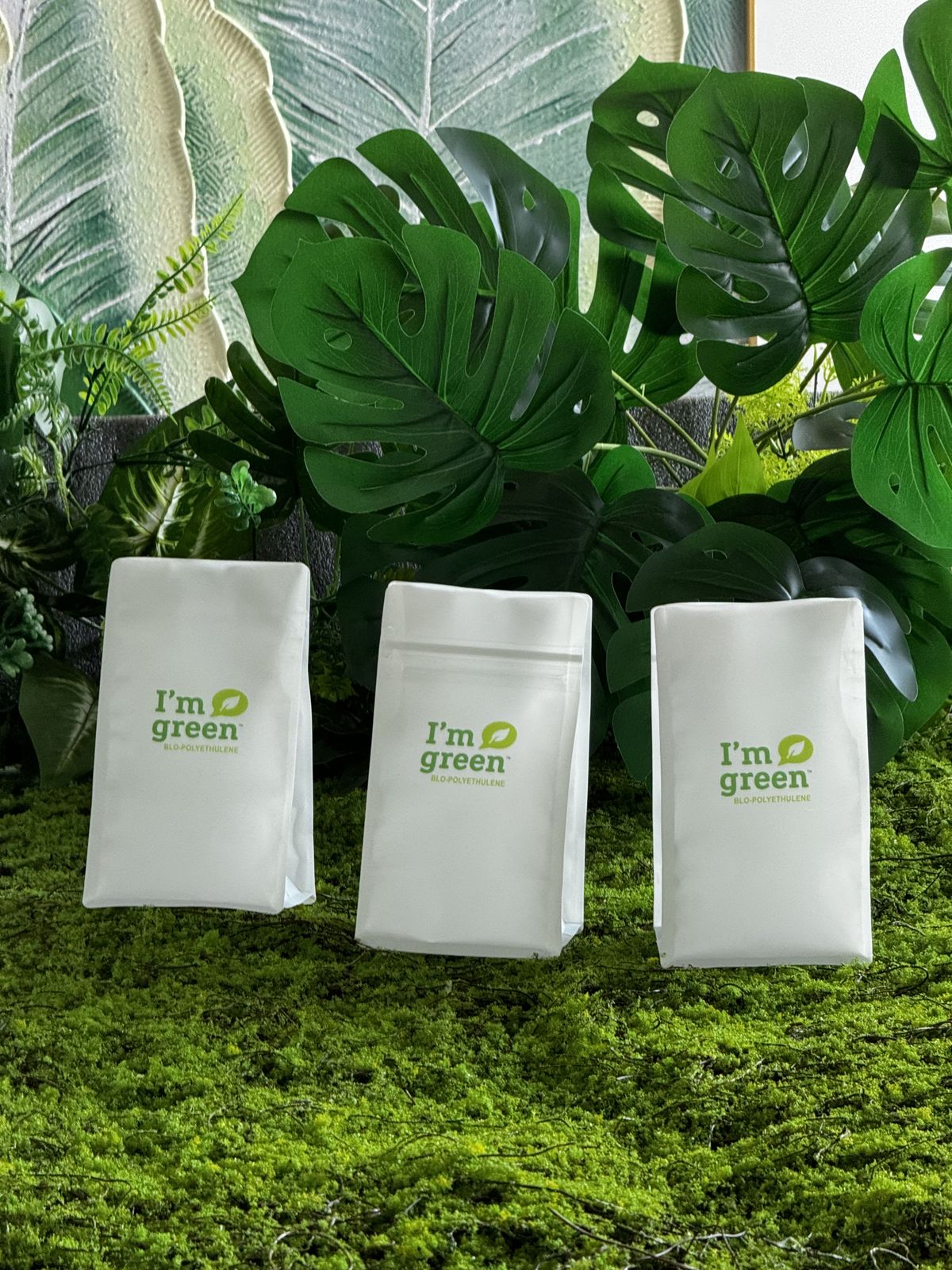
Derived from sustainably-farmed Brazilian sugarcane. It captures atmospheric CO2 during growth and i...
- Captures CO2 during plant growth
- 100% recyclable in regular PE stream (#4)
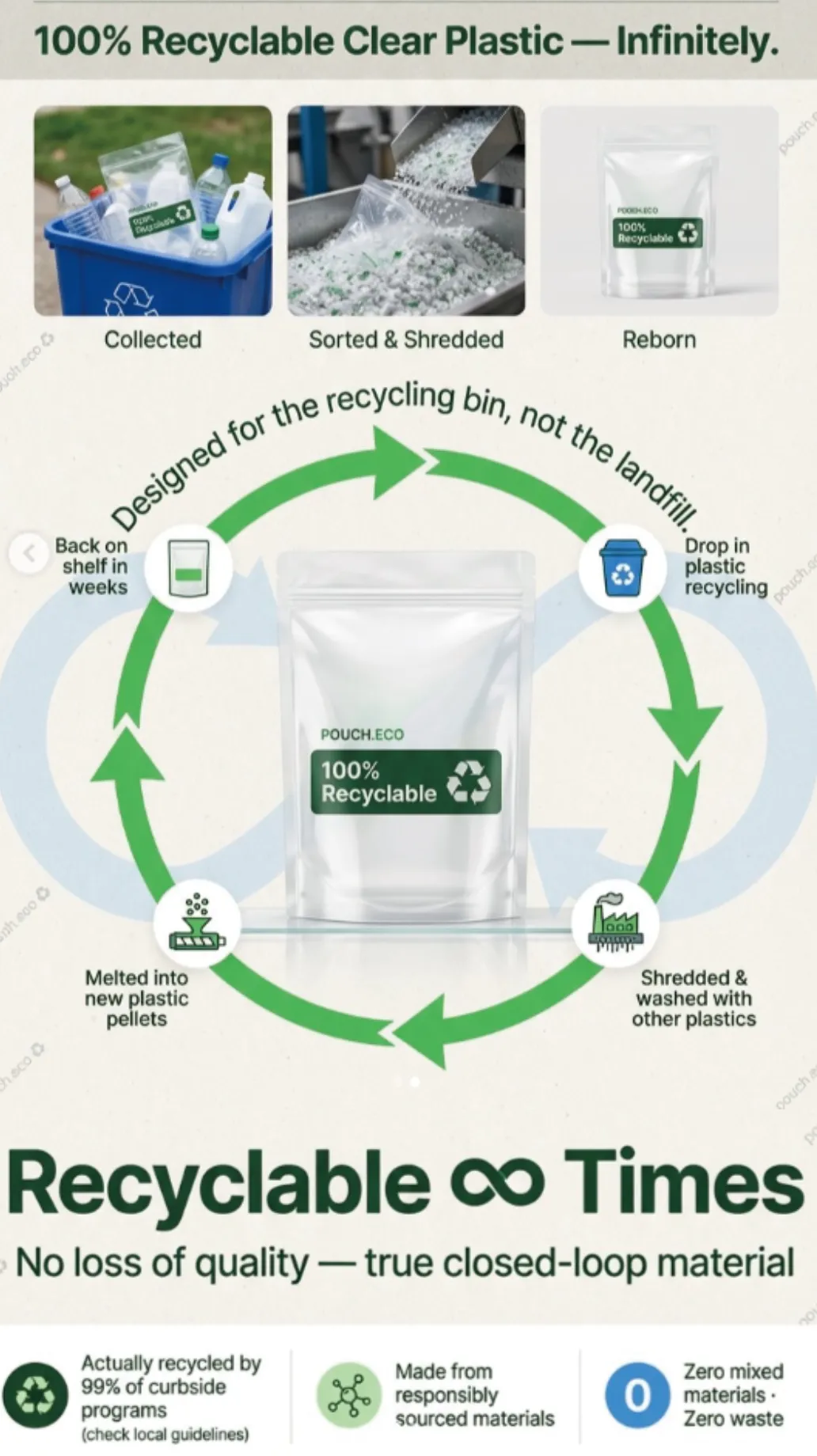
Recyclable Mono-Material
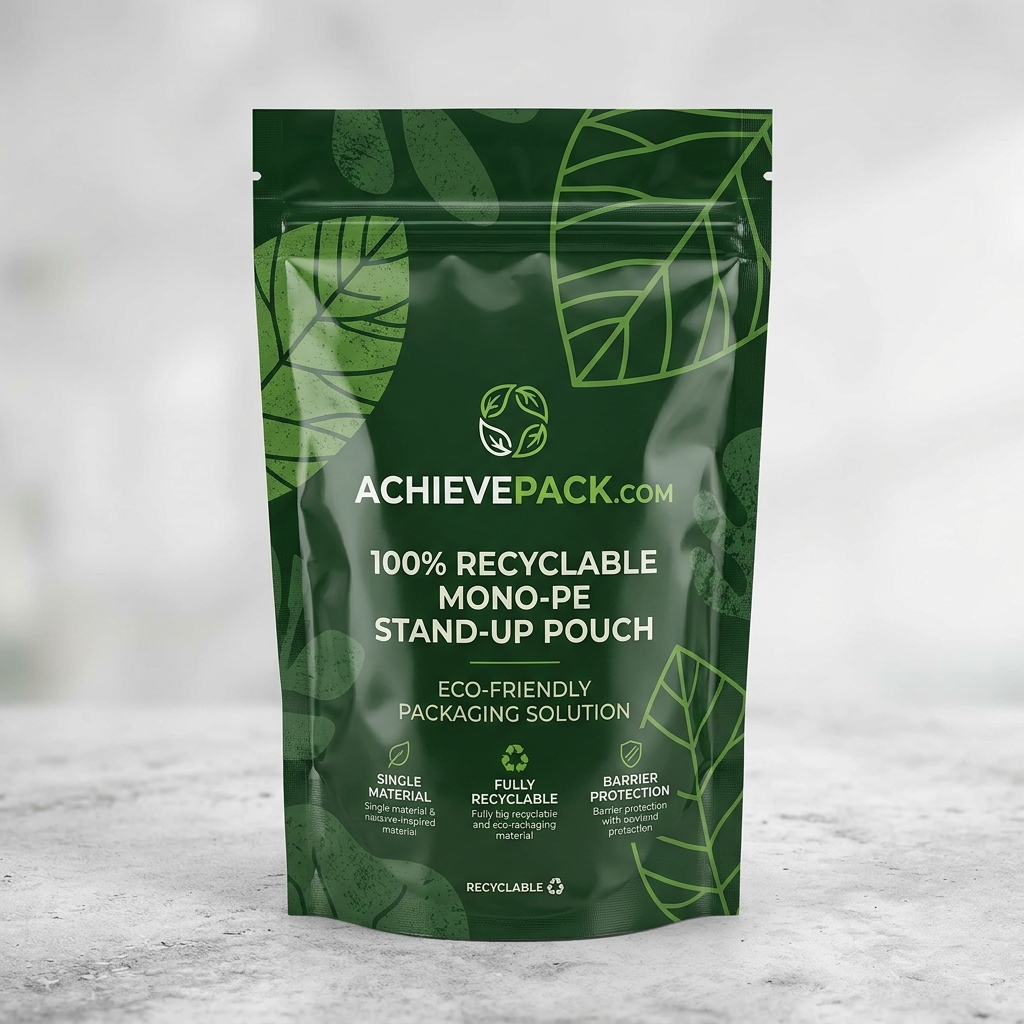
Engineered using Mono-PE or Mono-PP structures to enable simple, circular sorting and recycling. Com...
- 100% recyclable mono-polymer structure
- Meets EU Circular Economy directives