Corrugated cardboard offers superior structural stacking strength and crush resistance during long-haul shipping. Molded pulp, conversely, excels in form-fitting impact protection, absorbing kinetic energy by cradling the product perfectly inside the box.
Comparing two of the most popular sustainable packaging solutions. Discover which material optimizes your unboxing experience, lowers shipping weight, and protects your products.
If you need rugged exterior protection for shipping heavy items, corrugated cardboard is the best choice. However, if you want zero-plastic, premium, custom-fit internal shock absorption for fragile goods, molded pulp is the superior engineering solution.
When optimizing your packaging supply chain, choosing between molded pulp and corrugated cardboard is a critical decision. Both are eco-friendly and recyclable, but they serve entirely different functional and aesthetic purposes within the packaging ecosystem.
As the ecommerce landscape evolves, brands are moving away from expanded polystyrene (EPS) foam and bubble wrap. The debate now centers on how to construct a 100% sustainable box using either structurally engineered cardboard or precision-molded pulp. The correct material choice directly impacts your volumetric weight, fulfillment speed, and customer unboxing experience.
5 Major Packaging Pain Points & Engineering Solutions
01
Expensive Custom Inserts
Solution: Molded Pulp Precision
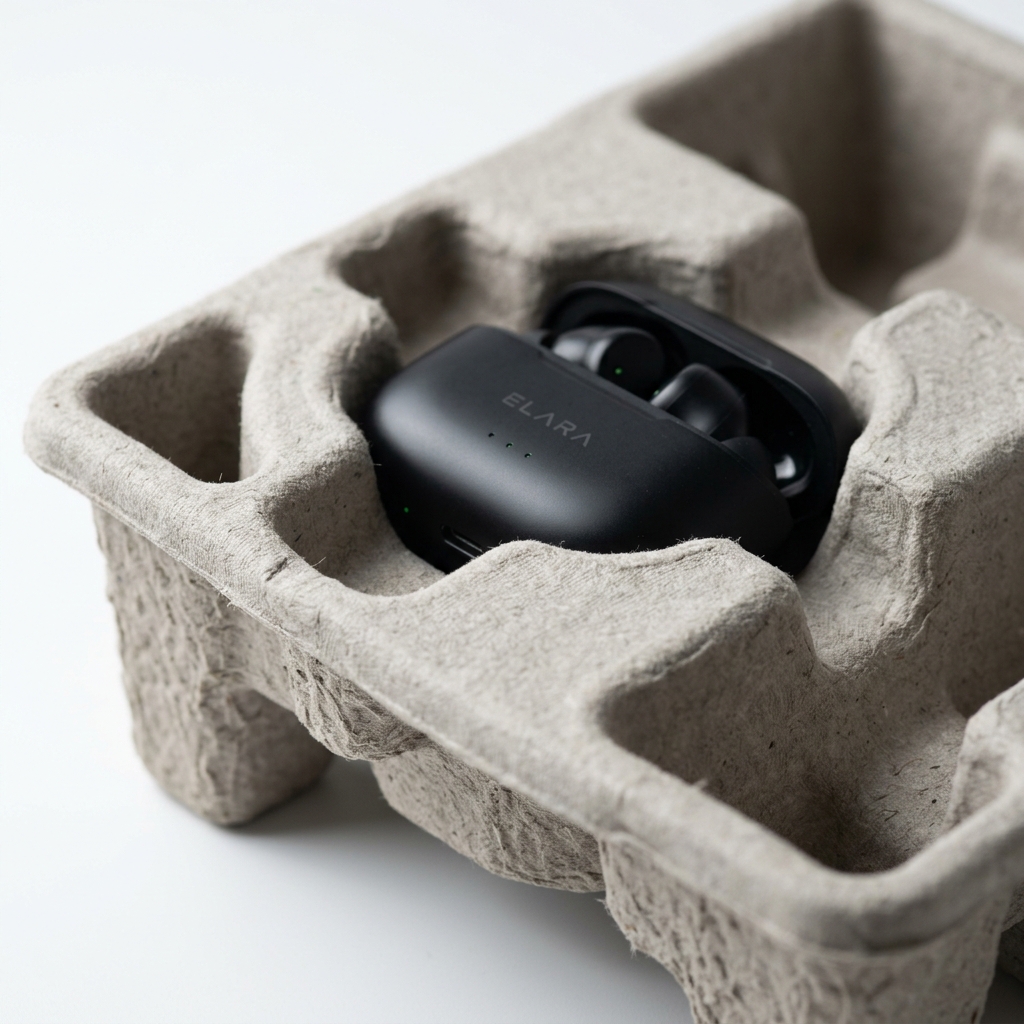
Molded pulp can be custom-formed to exactly fit the complex geometry of your product. By designing a high-tolerance mold, the pulp tray cradles the item securely, eliminating the need for expensive die-cut cardboard inserts or plastic blister packs. Tooling for pulp ensures perfect repeatability at high volumes.
02
Warehouse Space Constraints
Solution: Nestable Designs
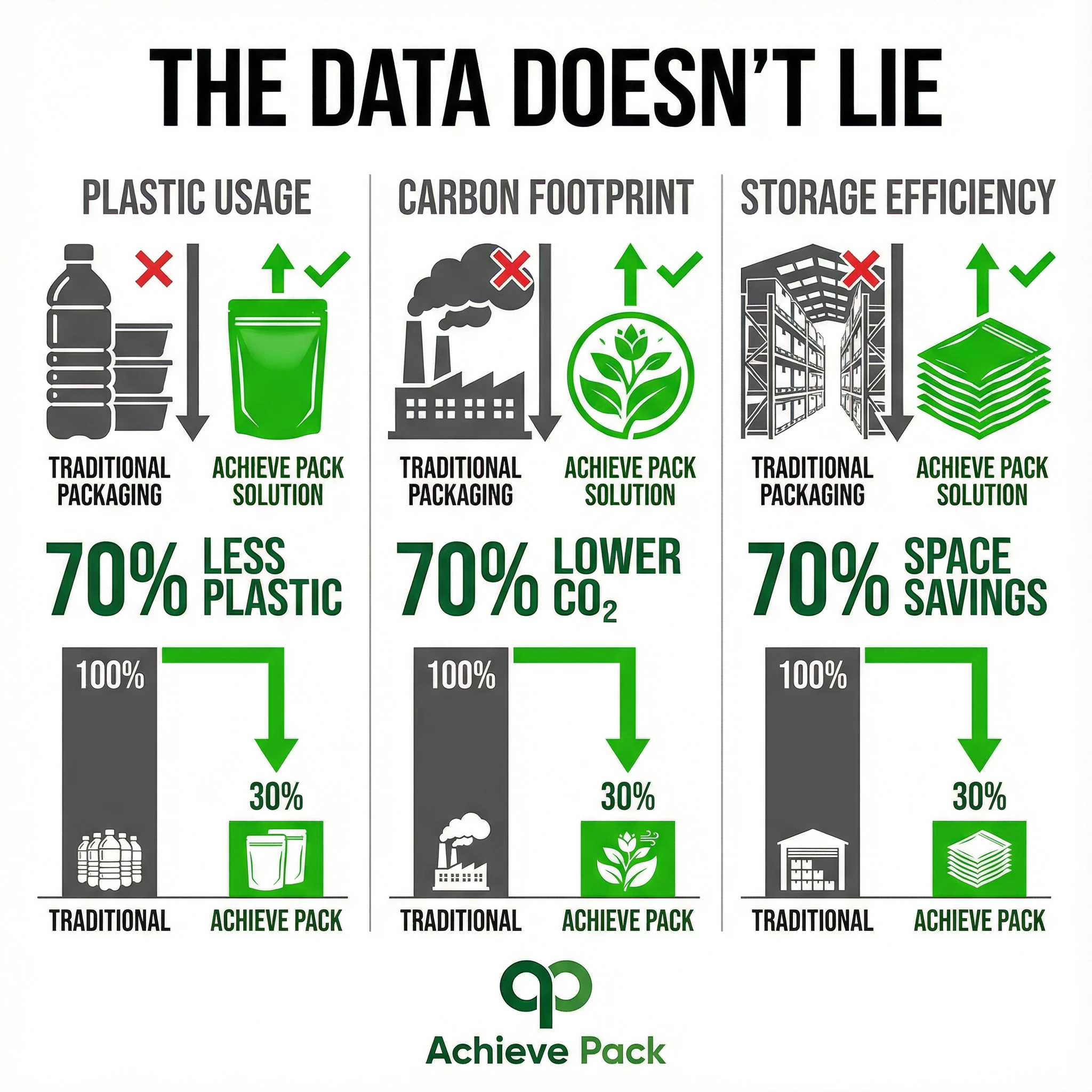
Unlike pre-assembled corrugated boxes which contain significant empty air volume, molded pulp trays are engineered with draft angles (usually 3 to 5 degrees) allowing them to nest together. A single pallet can hold thousands of nested pulp trays, saving up to 70% in warehouse storage space compared to cardboard equivalents.
03
Product Shifting During Transit
Solution: 3D Impact Absorption
Products rattling inside a square corrugated box are highly prone to damage. Molded pulp's inherent 3D shape and slightly flexible fibrous matrix acts as a shock absorber. By conforming to the exact contours of the item, kinetic energy from drops is dissipated safely through the pulp structure rather than transferring to the product.
04
High Environmental Impact
Solution: 100% Post-Consumer Recycled Material
While corrugated cardboard is recyclable, it often requires virgin kraft paper liners for strength. Molded pulp, especially industrial grades, is often manufactured entirely from 100% recycled newsprint and corrugated waste. It requires no chemical bleaching, making its carbon footprint exceptionally low.
05
Generic Unboxing Experiences
Solution: Premium Tactile Aesthetics
Molded pulp offers a distinctly modern, minimalist aesthetic that strongly resonates with eco-conscious consumers. The soft, velvety texture of high-end dry-press or wet-press pulp elevates the perceived value of electronics and cosmetics, differentiating your brand from the sea of standard brown cardboard boxes.
From Ryan Wong's Engineering Notebook
"In my 14 years of packaging design, the debate between pulp and corrugated cardboard is rarely an either-or scenario—it's about symbiosis. Corrugated cardboard is the undisputed king of structural integrity. A standard 32 ECT (Edge Crush Test) corrugated box can withstand significant vertical stacking pressure in a shipping container without collapsing."
"However, corrugated is terrible at internal shock absorption. We frequently see clients trying to fold intricate corrugated origami inserts to protect fragile items, which doubles their assembly labor time. Molded pulp solves this by providing precise, 3-dimensional internal cradling with zero plastic. The ultimate sustainable package often combines a tough corrugated outer shipper with a soft, form-fitting molded pulp internal tray."
— Ryan Wong, Co-Founder & Chief Packaging Engineer
Understanding the interplay between these materials is the key to lowering your overall shipping costs. Because shipping carriers charge by dimensional weight (DIM weight), bulky foam inserts can severely inflate your freight bill. Molded pulp's ability to provide high protection with thin walls (often just 1.5mm to 3mm thick) keeps the outer box dimensions as small as possible.
Making the Right Structural Choice
When engineering your packaging suite, evaluate your primary needs:
Use Corrugated Cardboard for: Outer shipping boxes, heavy bulk items, scenarios requiring high-resolution graphics, and low-volume production runs where tooling costs must be avoided.
Use Molded Pulp for: Internal inserts for electronics, cosmetics, or glass bottles; high-volume production where nesting saves significant warehouse space; and brands demanding a distinctly sustainable, plastic-free unboxing experience.
We don't just supply pouches; we validate every batch. Every raw material and finished pouch runs through our 6-step testing protocol to guarantee automatic packaging line compatibility and food-safe barrier preservation.
ASTM TESTED
OTR & WVTR Barrier (MOCON)
< 0.1 cc / < 0.1 g/m²/24h
Tested under ASTM D3985 & ASTM F1249 to ensure fresh shelf life up to 18 months.
ASTM TESTED
GC-MS Solvent Residue
< 5 mg/m²
Gas Chromatography-Mass Spectrometry ensures zero odor transfer and absolute food safety.
ASTM TESTED
Heat Seal Strength (ASTM F88)
> 15 N / 15mm Width
Guarantees no seam burst under high pressure, perfect for VFFS automatic packing lines.
ISO / BRCGS
BRCGS Global Standard
Grade AA Certified Factory
Produced in Class 100,000 dust-free cleanrooms, ensuring zero contamination.
ASTM TESTED
Puncture Resistance (ASTM F1306)
> 12 N Peak Force
Prevents tear or puncture from sharp, hard items like coffee beans and pet kibble.
ASTM TESTED
Tensile Strength (ASTM D882)
MD > 35 MPa / TD > 30 MPa
Ensures shape retention and structural integrity when heavy bags are dropped or stacked.
Packaging Transformation for Pulp Boxes vs Corrugated Cardboard
See how upgrading from generic commoditized bags to precision-engineered flexible barrier packaging eliminates transport failures and boosts shelf authority.
BEFOREGeneric Packaging
Standard / Generic Packaging (Before)
Standard stock bags fail under transit stress and expose sensitive goods to moisture, UV light, and oxygen.
High Risk / Compromised
Rapid Oxidation & Flavor DegradationCheap films allow O2 & moisture ingress, spoiling contents in < 30 days.
High Seal Breakage in TransitThin seams fail under drop tests, leading to customer refunds & lost trust.
Heavy Plastic Tax PenaltiesMulti-layer unrecyclable packaging incurs up to €800/ton in EU PPWR fines.
High MOQs & Plate Cost FrictionTraditional printers force 10,000+ unit minimums and $1,500 cylinder fees.
Result: Customer Churn & High Damage Rates
AFTEREngineered Barrier Solution
Achieve Pack / Pouch Eco Solution (After)
Custom engineered multi-layer pouch structure tailored to your exact moisture barrier, seal strength, and aesthetic requirements.
Reinforced 45N/15mm Localized Heat Seal180°C precision seam dwell time prevents bursting even under 2-meter drops.
100% Certified Eco ComplianceTÜV OK Compost HOME (EN13432) & Mono-PE Recyclable structures (0% Tax).
HD Digital Printing with 500-Unit Low MOQsPrint multi-SKU runs in 7 business days with zero setup plate charges.
Result: Zero transit leaks & premium brand retentionUpgrade Now
Technical Specifications Comparison
Parameter
Molded Pulp
Corrugated Cardboard
Primary Use
Internal Impact Protection
Outer Shipping Shipper
Stacking Strength
Low
Very High (Edge Crush Test)
Tooling Cost
High (Custom Aluminum Molds)
Low (Die-cut lines)
Assembly Labor
Zero (Drop-in ready)
High (Folding required)
Storage Volume
Excellent (Nestable)
Poor (Air volume)
Recyclability
100% Recyclable / Compostable
100% Recyclable / Compostable
Questions We Get Asked
Is molded pulp as strong as corrugated cardboard?▼
Corrugated cardboard offers superior structural stacking strength and crush resistance during long-haul shipping. Molded pulp, conversely, excels in form-fitting impact protection, absorbing kinetic energy by cradling the product perfectly inside the box.
Are both materials biodegradable?▼
Yes, both molded pulp and corrugated cardboard are fully biodegradable and compostable. However, molded pulp is typically made from 100% post-consumer recycled paper waste, providing an excellent closed-loop lifecycle.
Which option is more cost-effective for ecommerce?▼
For low-volume runs, corrugated cardboard is cheaper due to the lack of custom tooling. For high-volume production, custom molded pulp becomes highly cost-effective as it drastically reduces labor assembly time.
Can molded pulp be printed on?▼
While molded pulp can receive basic print, its textured and porous surface is not ideal for high-resolution graphics. Corrugated cardboard offers a much smoother substrate for CMYK digital or flexographic printing.
What is the minimum order quantity for custom molded pulp?▼
Custom molded pulp usually requires significant tooling, so the Minimum Order Quantity (MOQ) typically starts around 10,000 units. Standard stock sizes are available at lower volumes.
How We Ensure Absolute Accuracy and Trustworthiness
At Achieve Pack, sustainable packaging isn't just about printing; it's about hands-on material science. This article has been written and verified by Ryan Wong, a packaging specialist with 14+ years of experience engineering biopolymer stacks for DTC startups and Fortune 500 companies.
All research, material barrier specifications (OTR, WVTR), heat-seal values (N/15mm), and compostability timelines cited in our guides are backed by testing inside the Achieve Pack Materials Testing Lab. We cross-reference our data with official certification registries from BPI (Biodegradable Products Institute), TÜV Austria (OK Compost HOME), and FSC (Forest Stewardship Council).
TÜV OK Compost HOMEBPI Certification #10529618ASTM D6400 / EN 13432HP Indigo Digital Certified
Ryan Wong
Supply Chain Director
B.Eng honors degree graduate from Hong Kong Polytechnic University. Serving brands in 8 countries.