Reusable vs. Single-Use Packaging: The Circular Economy Transition Guide Specifications
Solving Core Packaging Challenges for Reusable vs. Single-Use Packaging: The Circular Economy Transition Guide
Concise B2B technical benchmarks designed to eliminate transit failures, regulatory penalties, and shelf-life loss.
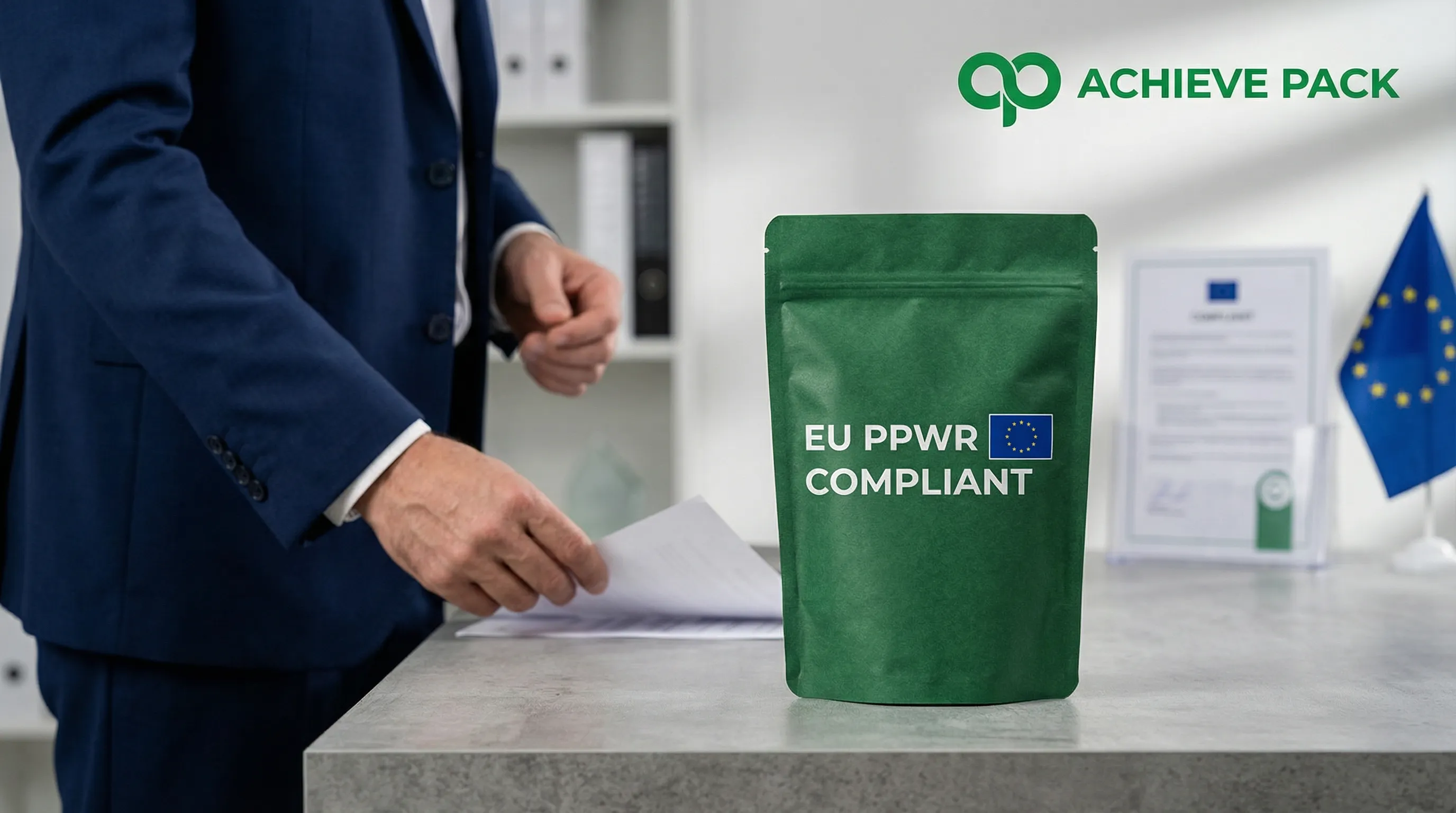
PPWR Recyclability Mandate Landing in 2030
Risk: Structures that cannot be recycled will have to be re-tooled under time pressure.
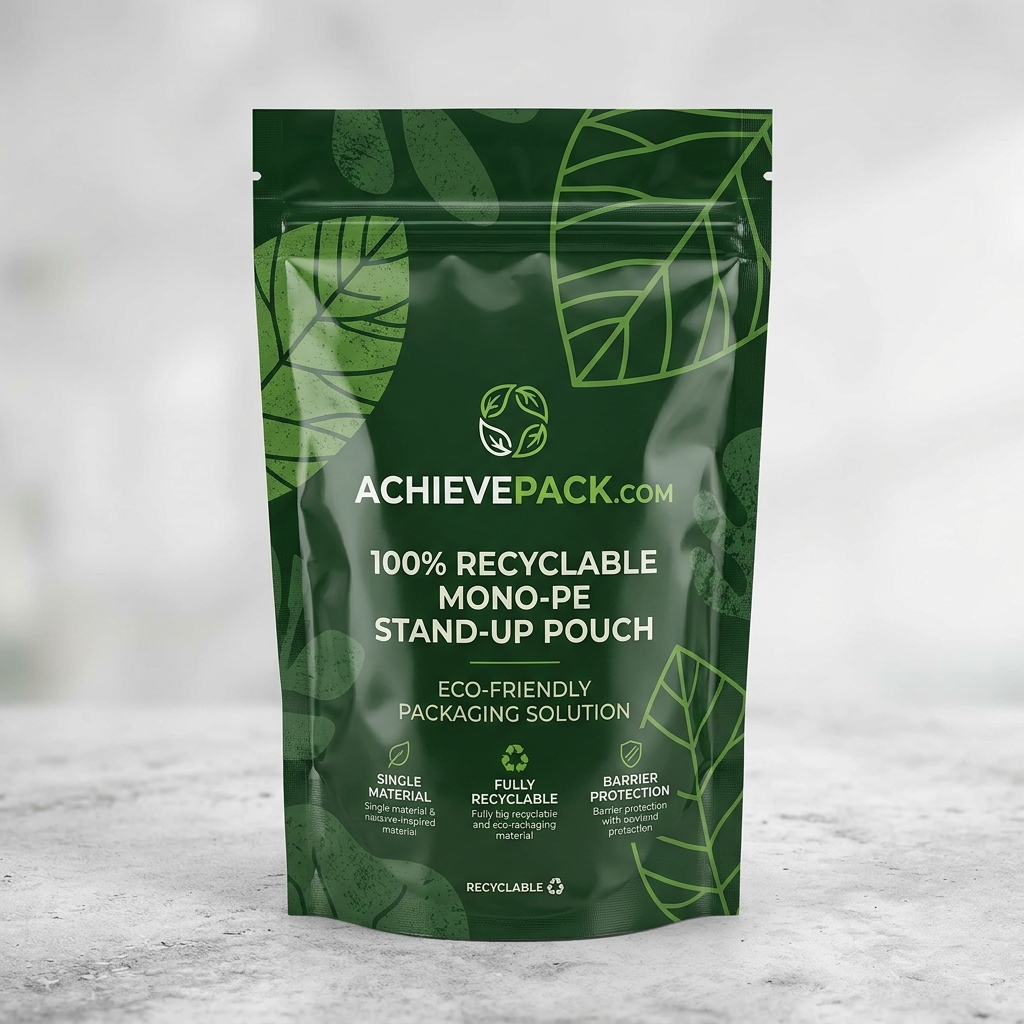
Mono-Material PE and PP Structures Available Now
Test the compliant structure today while your current pack keeps selling.
Scope 3 Reporting Without Defensible Numbers
Risk: A claim you cannot substantiate is a bigger risk than no claim at all.
Certificate Numbers and Material Declarations on Every Quote
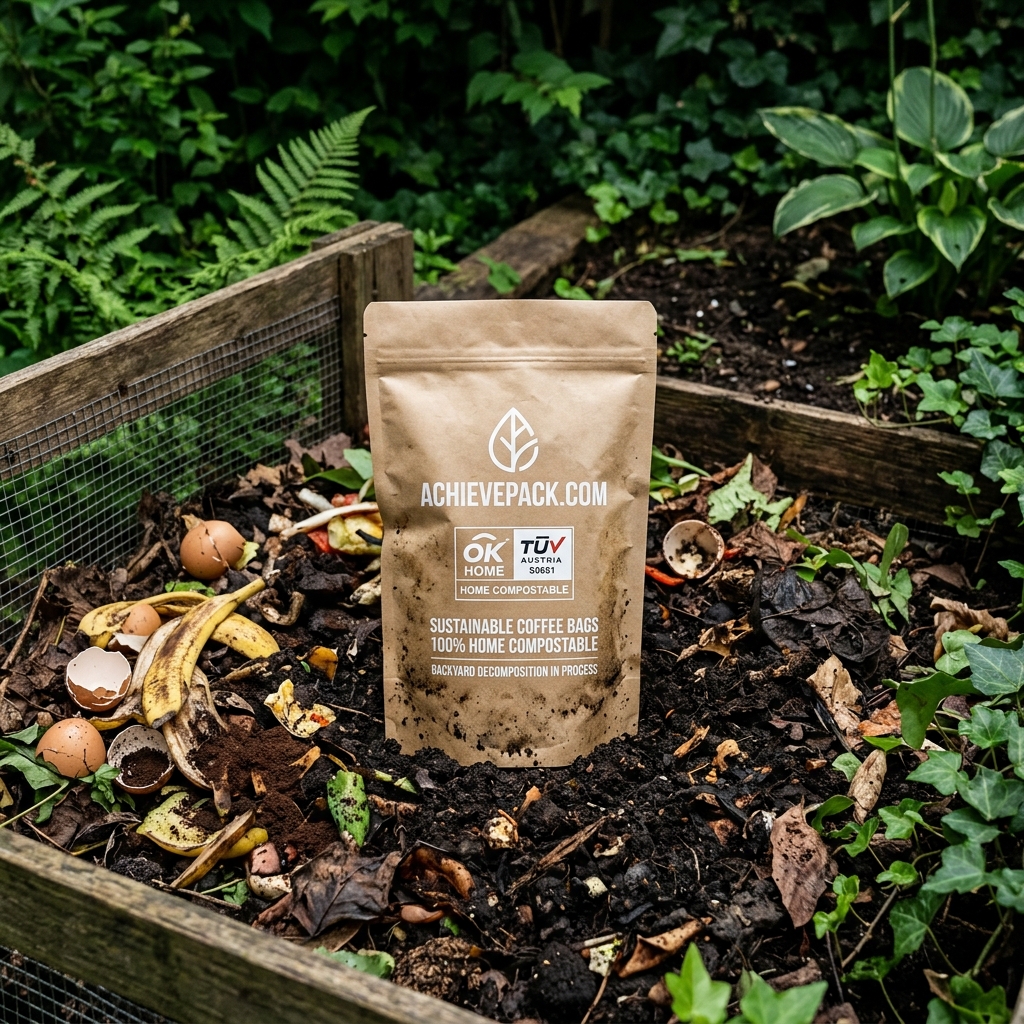
TÜV OK Compost HOME, BPI, EN 13432, GRS — referenced by certificate, not by adjective.
Barrier Trade-Off When Switching to Mono-Material
Risk: Mono-material does not yet match multi-layer on oxygen and moisture barrier. Pretending otherwise costs you shelf life.
Side-by-Side Trial Packs Before You Commit
We send both structures so your team can run real shelf-life testing.
Experience 3D Packaging Design & Free Dielines
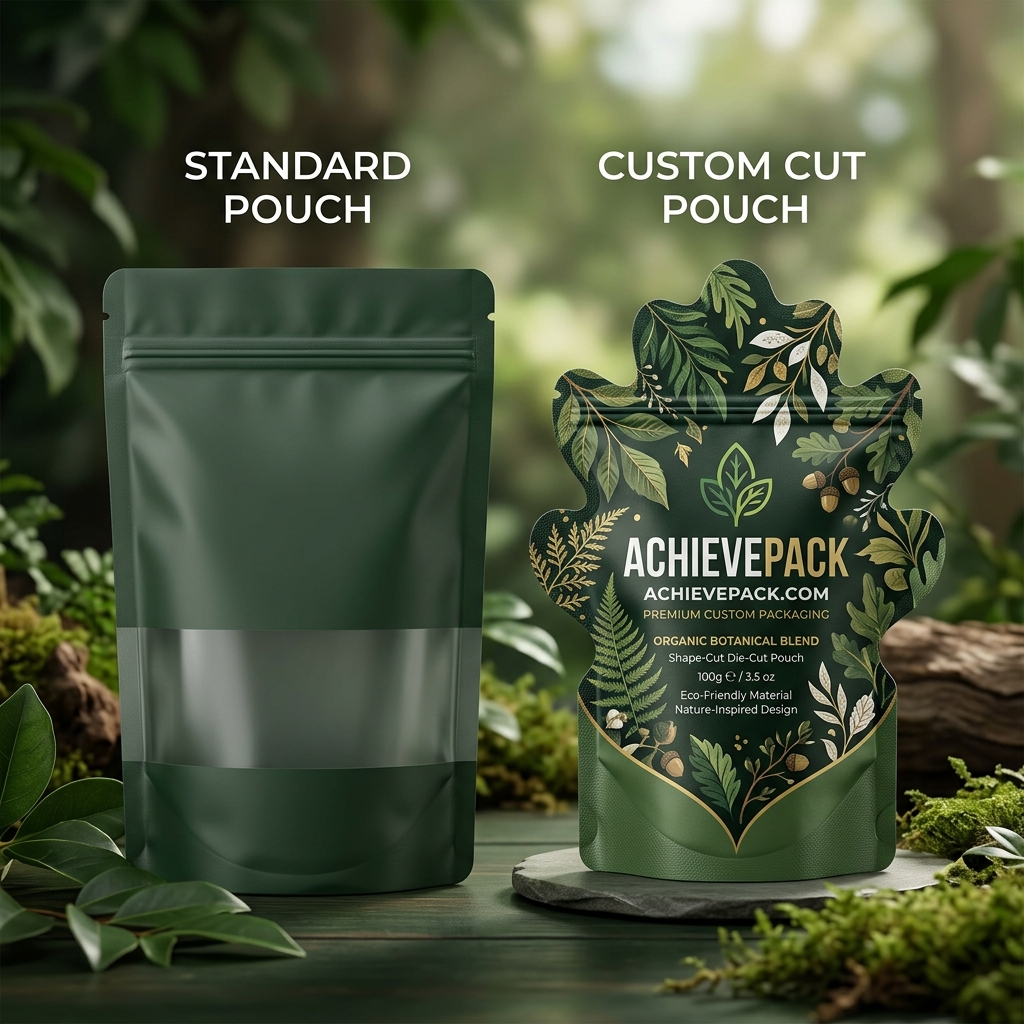
Preview your pouch in 3D WebGL Studio and export production-ready dielines.
The Circular Packaging Era: Beyond Disposable Bags
Quick Answer: Single-use laminate packaging requires continuous raw resource extraction and landfilling, while high-durability reusable canisters establish a zero-waste circular pipeline, achieving carbon neutrality after just 5 refilling cycles.
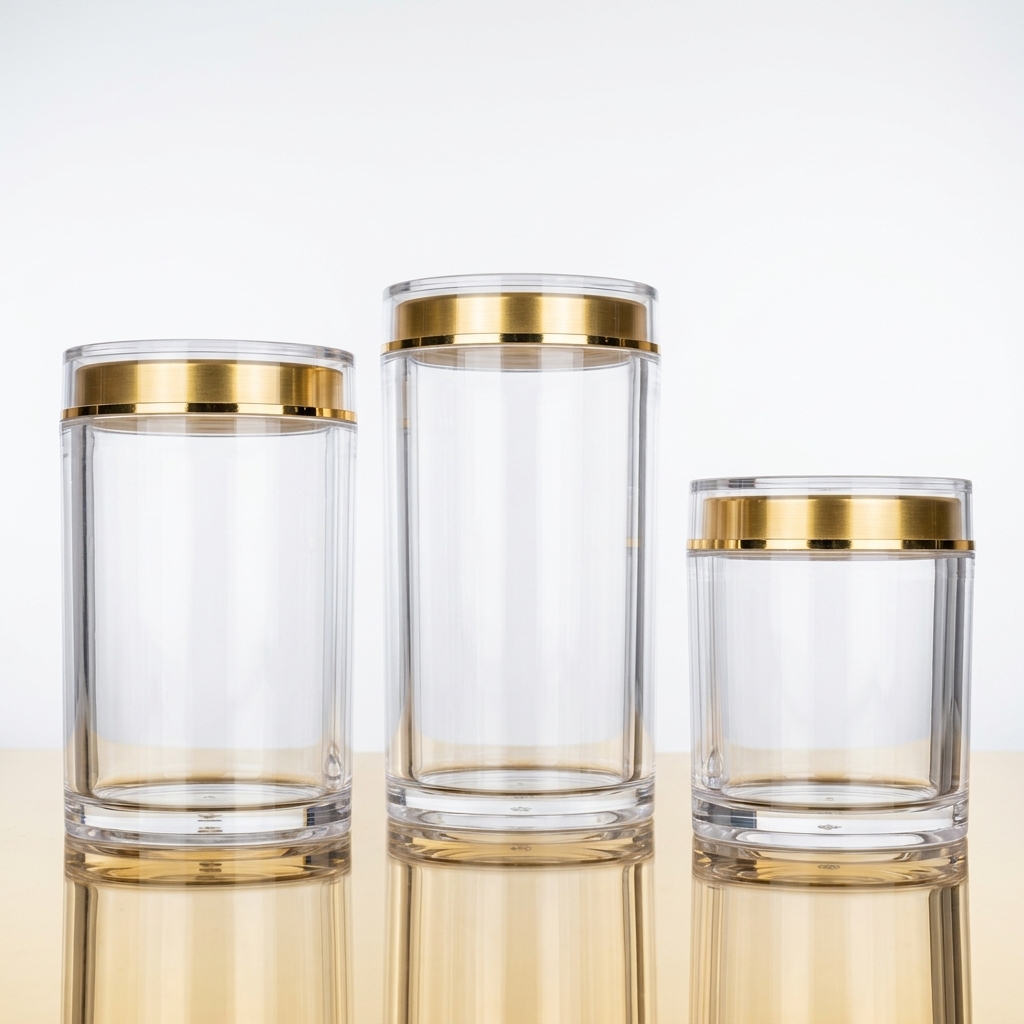
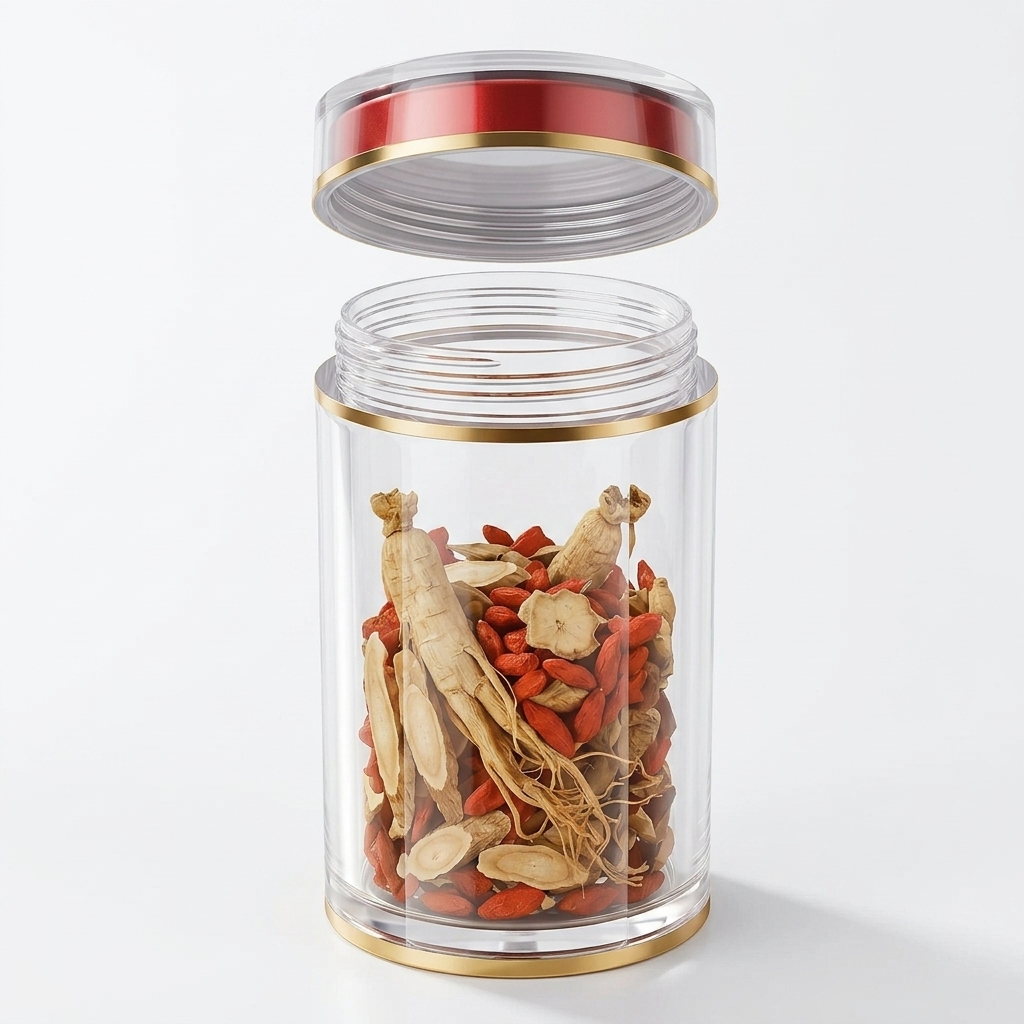
For decades, single-use pouches and boxes have dominated the retail landscape. While they provide excellent barrier protection, their linear 'take-make-waste' model places a heavy ecological burden on brands and consumers alike.
Transitioning to a circular model using high-performance reusable canisters and jars helps brands eliminate waste. Reusable canisters are designed for long-term storage, easy washing, and continuous refilling, turning packaging into a durable asset.
Read our guide on the Eco-Packaging Reality or check our PHA vs PLA Analysis.
5 Packaging Pain Points & Solutions
Continuous Cost of Single-Use Procurement
Switching to reusable canisters transforms packaging from a recurring expense into a durable asset, achieving ROI in just a few refill cycles.
Brand Perception of Plastic Waste
Reusable acrylic showcases a commitment to sustainability and circularity, aligning perfectly with modern eco-conscious consumer values.
Compromised Seal Over Time
Our double-layer Gold Thread cap with marine-grade silicone gasket guarantees MVTR barrier performance even after hundreds of wash cycles.
High Carbon Footprint of Glass Alternatives
High-clarity acrylic offers the premium look of glass but is significantly lighter and shatter-resistant, drastically reducing shipping emissions.
Lack of Retail Presence for Refills
Designed for premium retail display, these canisters provide an upscale unboxing and refill experience that single-use bags cannot match.
From Ryan Wong's Engineering Notebook
Engineering Insight
"In my 14 years in materials science and packaging design, the biggest challenge of circular packaging systems has been cap sealing integrity under repeated washings. Thread degradation can lead to moisture ingress, spoiling dry goods like tea, coffee, or botanical powders."
Our Reusable Acrylic Canister addresses this directly with a double-layer Gold Thread cap and marine-grade silicone gasket. It retains airtight MVTR barrier performance even after 500+ commercial wash-dry cycles, giving sustainable retailers an audit-compliant, zero-waste storage solution.
— Ryan Wong, Co-Founder & Chief Packaging Engineer
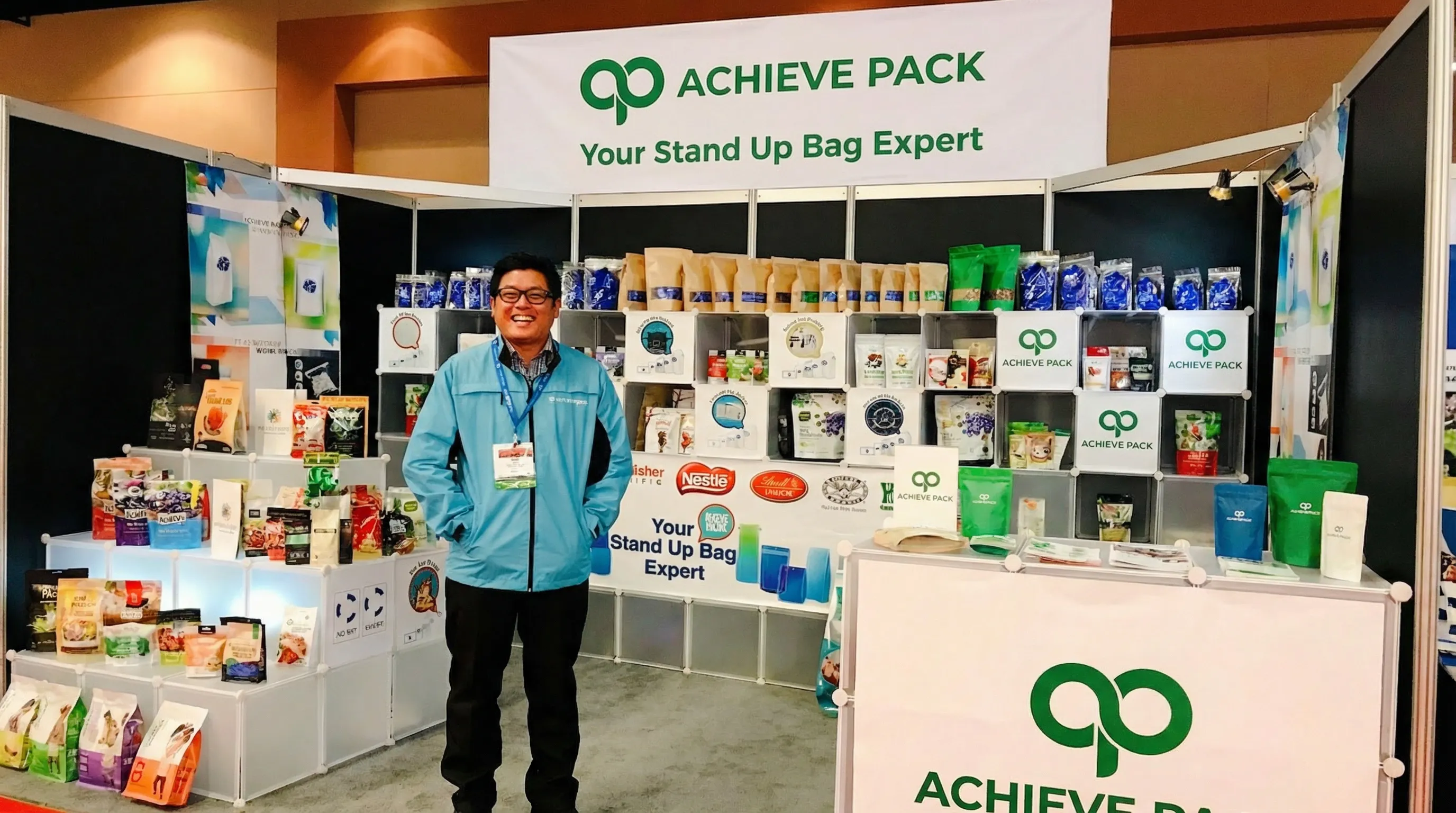
Ryan Wong
14+ Years Packaging Engineering | GRS Auditing Specialist
Material science expert helping brands scale zero-waste sustainable packaging solutions.
Have a technical question? Schedule a 15-minute packaging audit with Ryan →Canister vs. Pouch Comparison Matrix
| Technical Parameter | Reusable Canister | Single-Use Pouch |
|---|---|---|
| Lifecycle Limit | 1,000+ Wash & Refill Cycles | Single-Use Only (1 Cycle) |
| Airtight Seal Integrity | Airtight Silicone Gasket (Excellent OTR/MVTR) | Standard Ziplock (Medium Barrier) |
| Logistical & Shipping Weight | High-rigidity, low shipping weight vs. glass | Flexible, ultra-lightweight |
| Ecological Breakeven (Co2) | 100% Recyclable Rigid Polymer (#7 Acrylic) | Industrial Compostable / PE Recyclable |
| Product Customizability | Custom Pad Printing & Labels from 100+ units | Plate/Digital Print from 100+ units |
Related Products & Equipment
Technical Factory Validation & Quality Control
We don't just supply pouches; we validate every batch. Every raw material and finished pouch runs through our 6-step testing protocol to guarantee automatic packaging line compatibility and food-safe barrier preservation.
OTR & WVTR Barrier (MOCON)
Tested under ASTM D3985 & ASTM F1249 to ensure fresh shelf life up to 18 months.
GC-MS Solvent Residue
Gas Chromatography-Mass Spectrometry ensures zero odor transfer and absolute food safety.
Heat Seal Strength (ASTM F88)
Guarantees no seam burst under high pressure, perfect for VFFS automatic packing lines.
BRCGS Global Standard
Produced in Class 100,000 dust-free cleanrooms, ensuring zero contamination.
Puncture Resistance (ASTM F1306)
Prevents tear or puncture from sharp, hard items like coffee beans and pet kibble.
Tensile Strength (ASTM D882)
Ensures shape retention and structural integrity when heavy bags are dropped or stacked.
Packaging Transformation for Reusable vs. Single-Use Packaging: The Circular Economy Transition Guide
See how upgrading from generic commoditized bags to precision-engineered flexible barrier packaging eliminates transport failures and boosts shelf authority.
Standard / Generic Packaging (Before)
Standard stock bags fail under transit stress and expose sensitive goods to moisture, UV light, and oxygen.
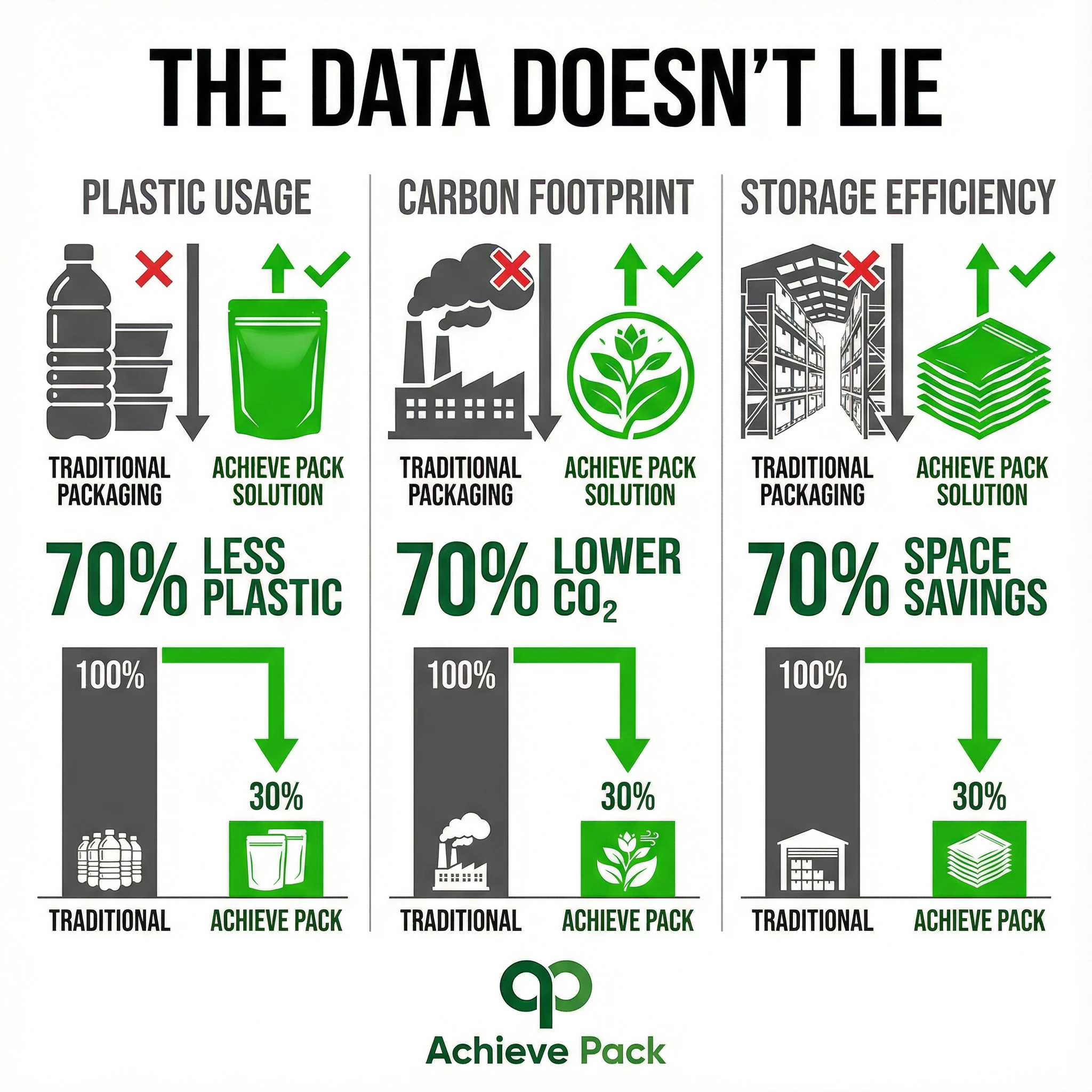
- Rapid Oxidation & Flavor DegradationCheap films allow O2 & moisture ingress, spoiling contents in < 30 days.
- High Seal Breakage in TransitThin seams fail under drop tests, leading to customer refunds & lost trust.
- Heavy Plastic Tax PenaltiesMulti-layer unrecyclable packaging incurs up to €800/ton in EU PPWR fines.
- High MOQs & Plate Cost FrictionTraditional printers force 10,000+ unit minimums and $1,500 cylinder fees.
Achieve Pack / Pouch Eco Solution (After)
Custom engineered multi-layer pouch structure tailored to your exact moisture barrier, seal strength, and aesthetic requirements.
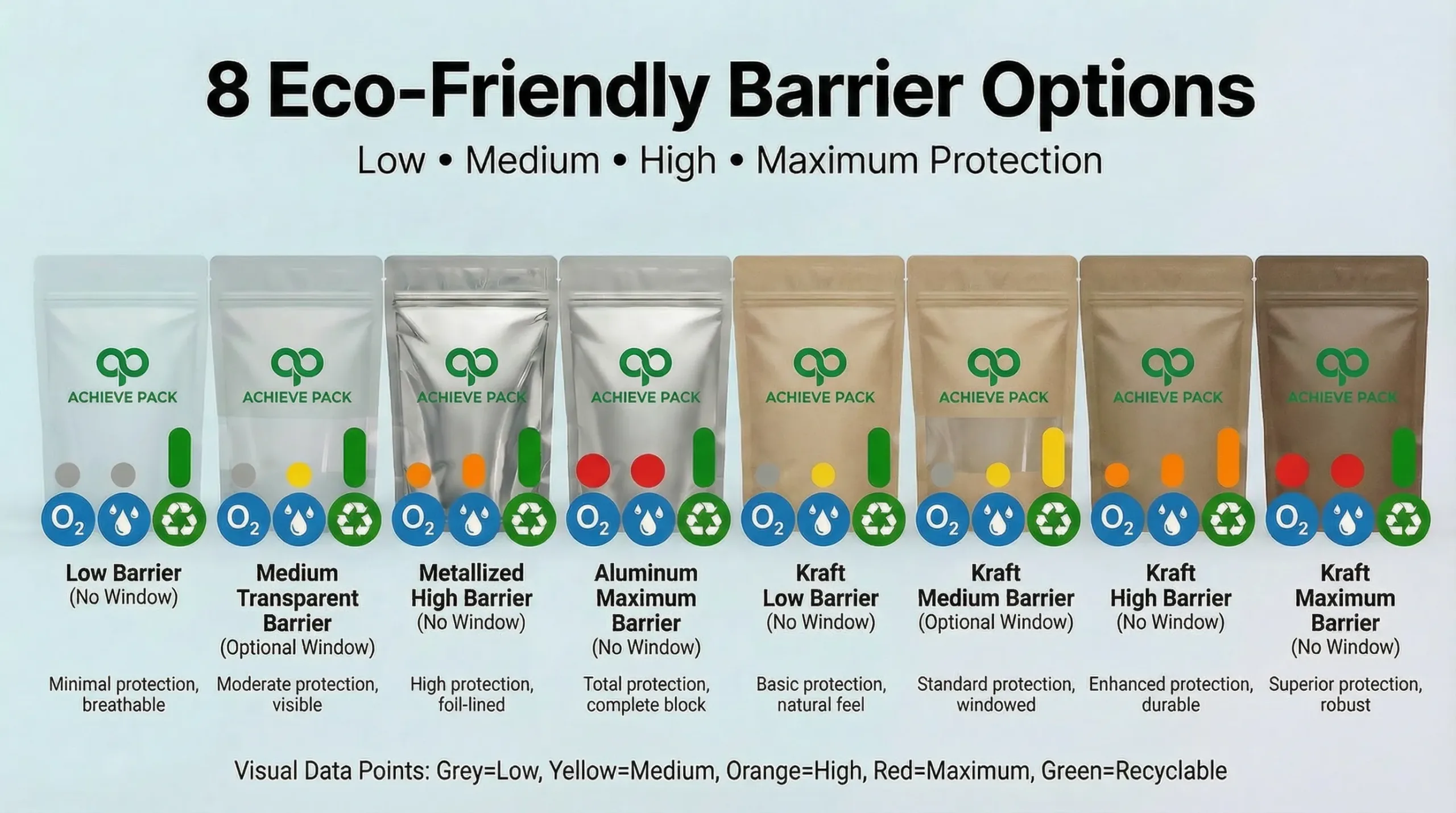
- Ultra High-Barrier Foil/EVOH CoreGuaranteed OTR < 0.1 cc/m²/day, keeping contents fresh for 18–24 months.
- Reinforced 45N/15mm Localized Heat Seal180°C precision seam dwell time prevents bursting even under 2-meter drops.
- 100% Certified Eco ComplianceTÜV OK Compost HOME (EN13432) & Mono-PE Recyclable structures (0% Tax).
- HD Digital Printing with 500-Unit Low MOQsPrint multi-SKU runs in 7 business days with zero setup plate charges.
Questions We Get Asked
What makes packaging 'reusable' under GRS standards?▼
Are acrylic canisters safe for long-term food contact?▼
How does the carbon footprint of reusable canisters compare to single-use bags?▼
Related Stuff
How We Ensure Absolute Accuracy and Trustworthiness
At Achieve Pack, sustainable packaging isn't just about printing; it's about hands-on material science. This article has been written and verified by Ryan Wong, a packaging specialist with 14+ years of experience engineering biopolymer stacks for DTC startups and Fortune 500 companies.
All research, material barrier specifications (OTR, WVTR), heat-seal values (N/15mm), and compostability timelines cited in our guides are backed by testing inside the Achieve Pack Materials Testing Lab. We cross-reference our data with official certification registries from BPI (Biodegradable Products Institute), TÜV Austria (OK Compost HOME), and FSC (Forest Stewardship Council).

Ryan Wong
Supply Chain Director
B.Eng honors degree graduate from Hong Kong Polytechnic University. Serving brands in 8 countries.
View Expert Profile →Schedule a Circular Transition Audit
Discuss how introducing reusable canisters into your product line aligns with international GRS and FSC targets.
See the Material in Action
Real footage of our eco-friendly packaging structures in action.
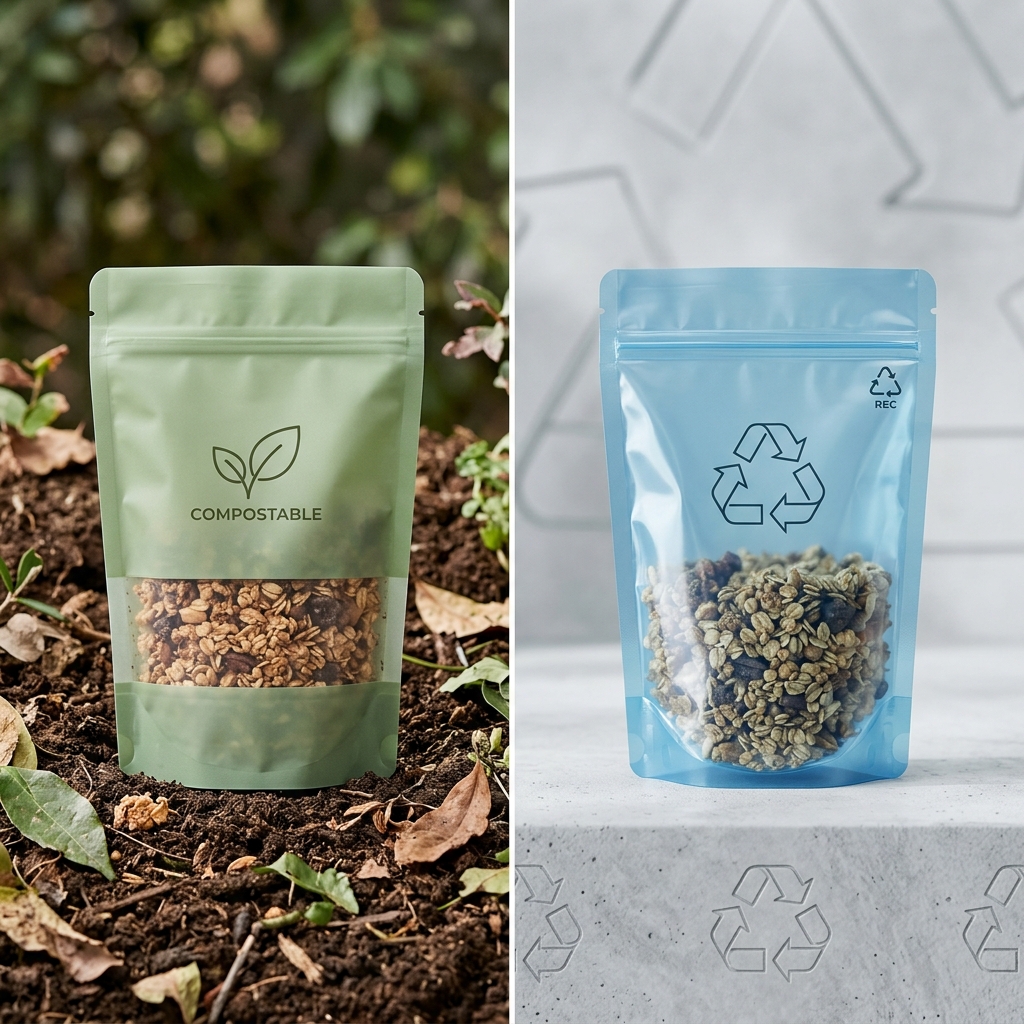
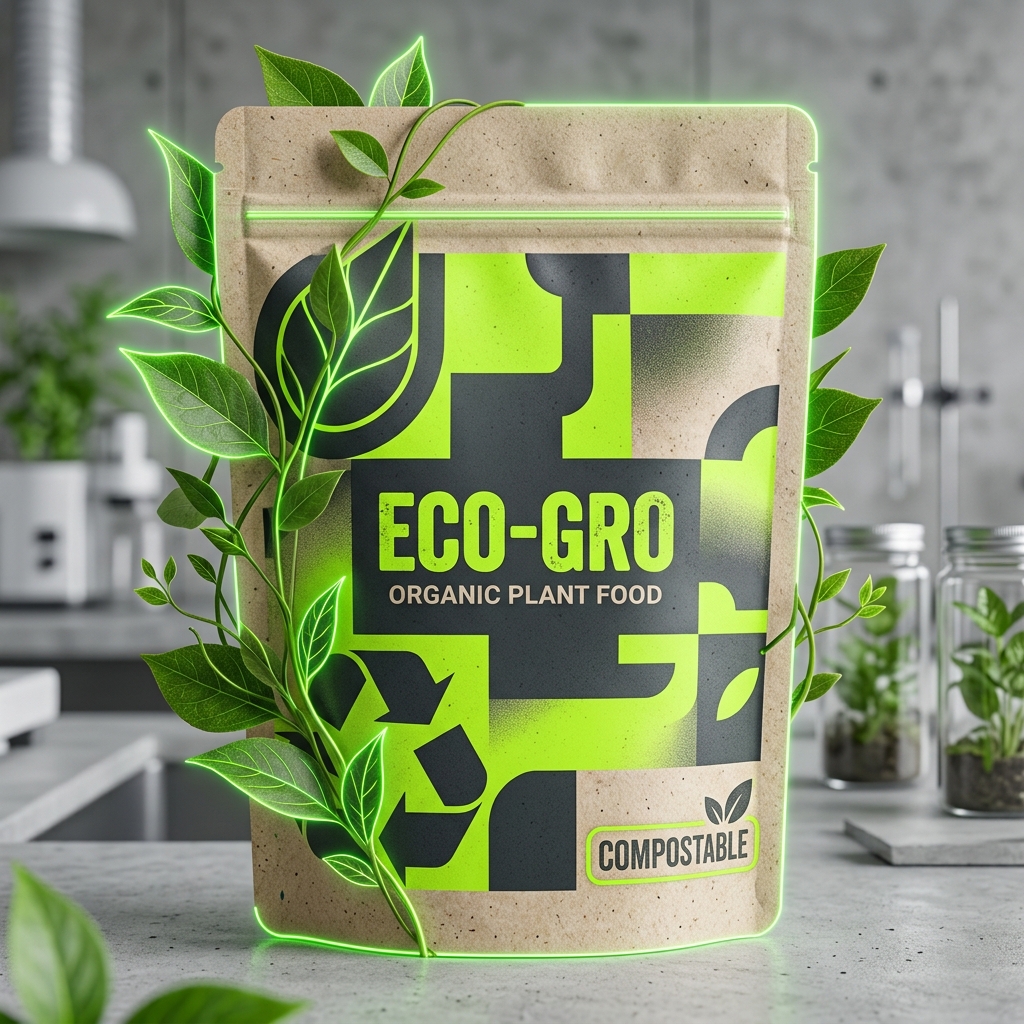
Compostable Solution
Fully compostable flexible packaging certified under ASTM D6400 and EN 13432. Engineered to break do...
- ASTM D6400 & EN 13432 Certified
- Breaks down within 180 days in soil
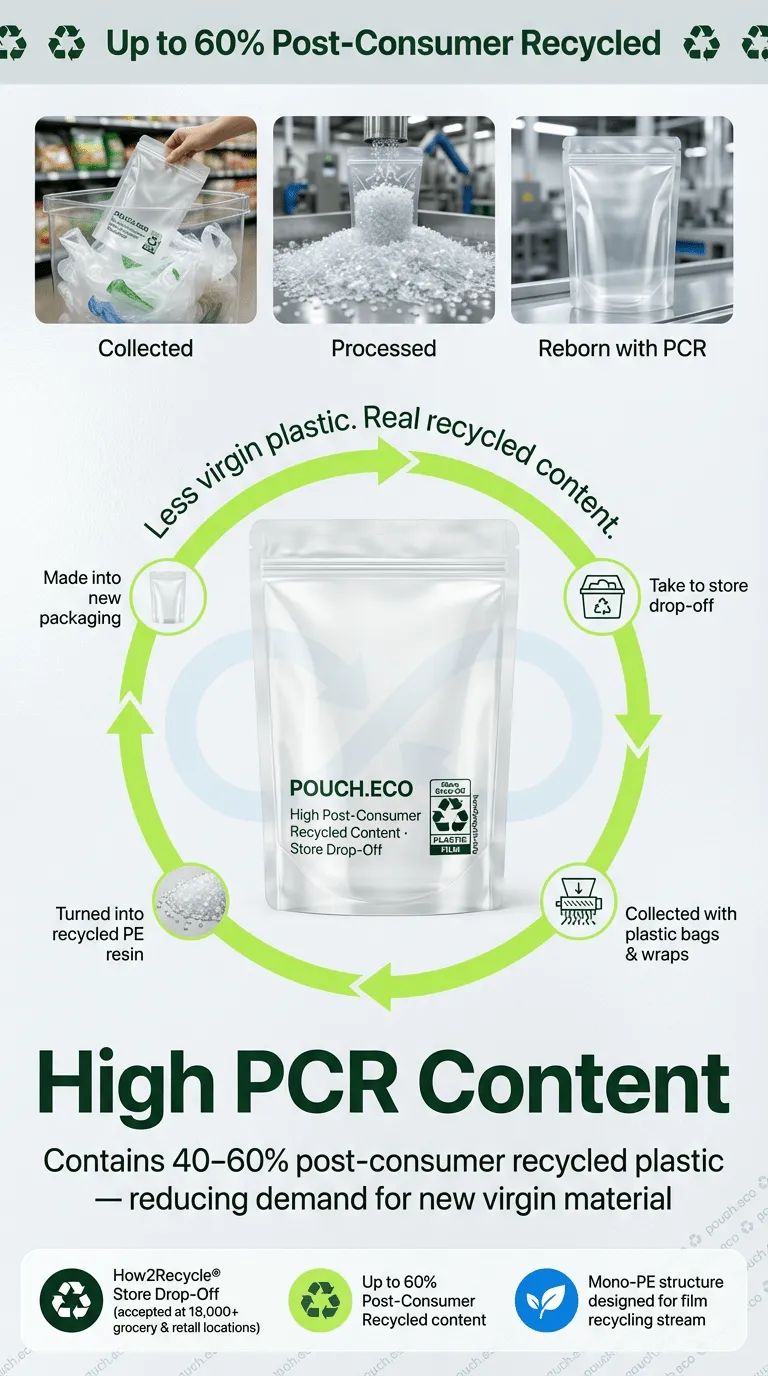
Post-Consumer Recycled (PCR)
Made from high-quality post-consumer recycled plastic waste. Our PCR structures reduce carbon footpr...
- Saves post-consumer waste from landfills
- Lowers carbon footprint substantially
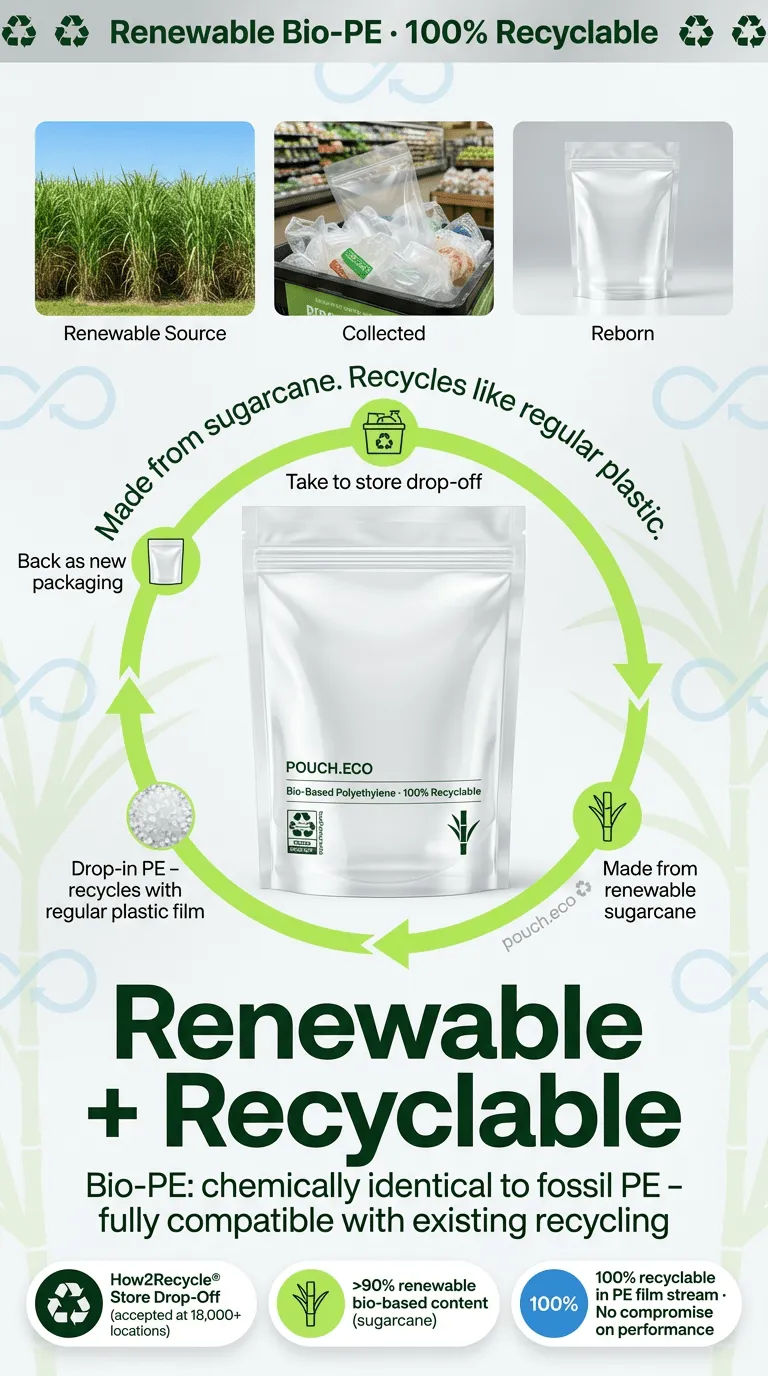
Plant-Based Bio-PE
Derived from sustainably-farmed Brazilian sugarcane. It captures atmospheric CO2 during growth and i...
- Captures CO2 during plant growth
- 100% recyclable in regular PE stream (#4)
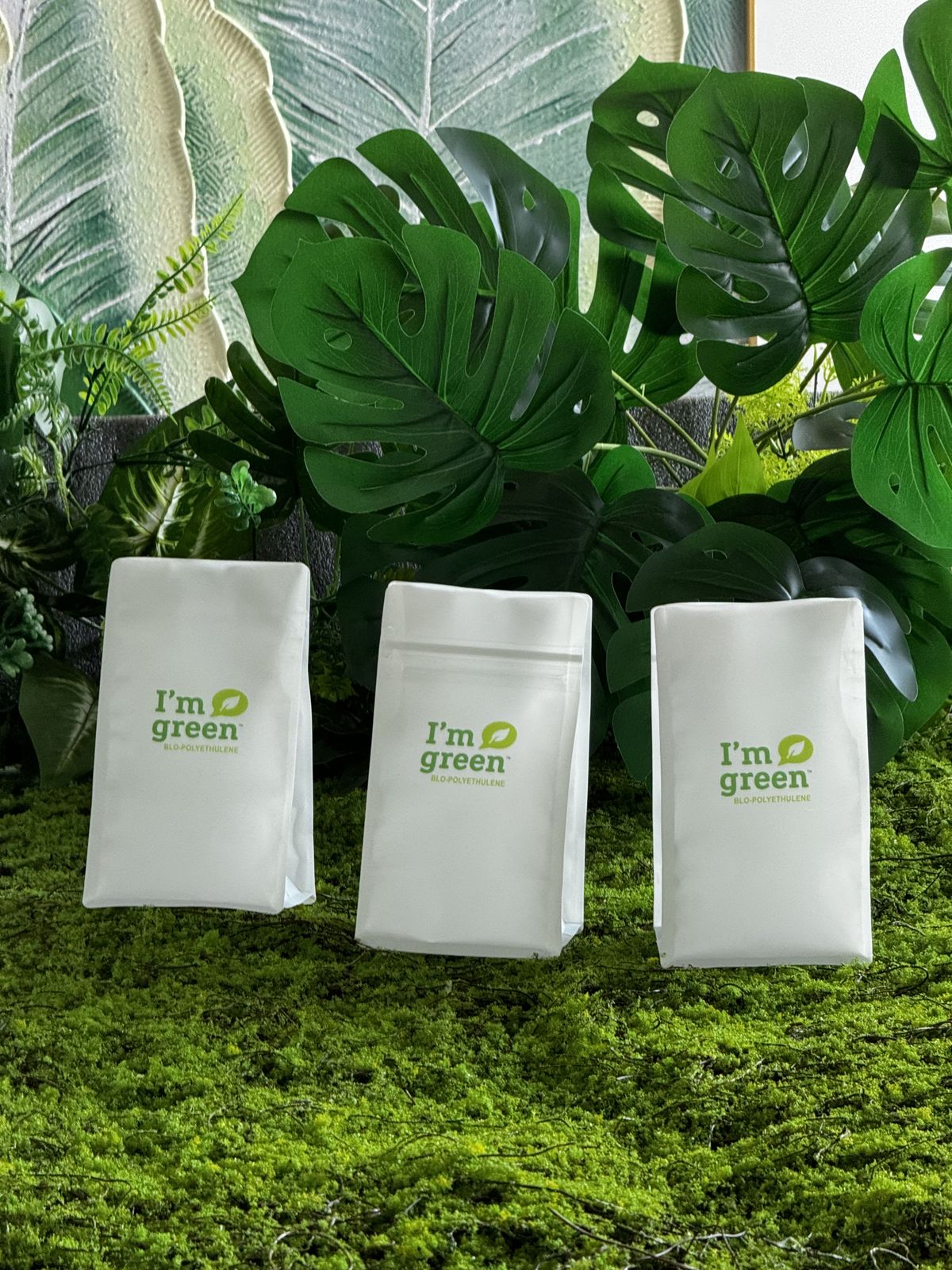
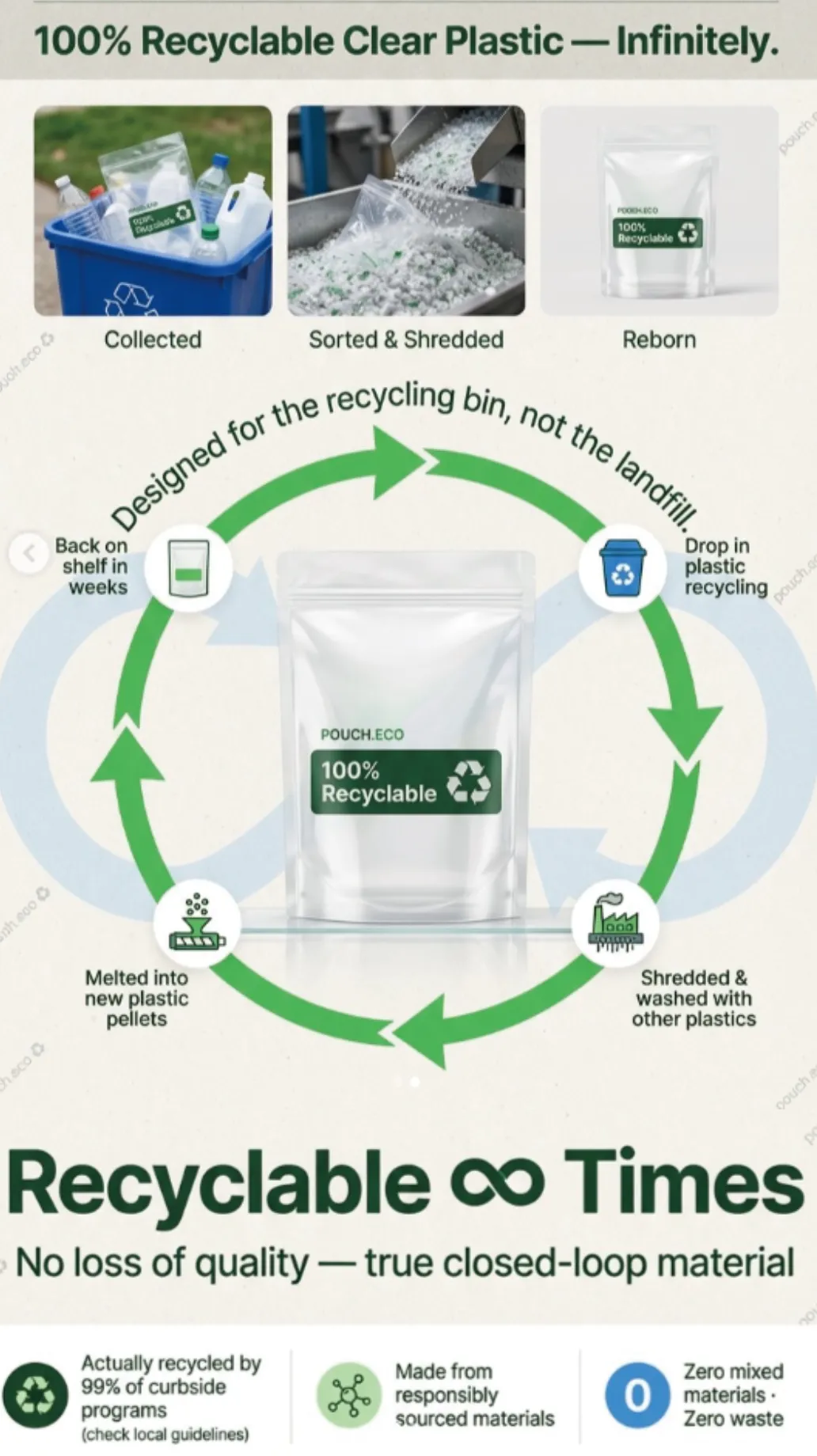
Recyclable Mono-Material
Engineered using Mono-PE or Mono-PP structures to enable simple, circular sorting and recycling. Com...
- 100% recyclable mono-polymer structure
- Meets EU Circular Economy directives