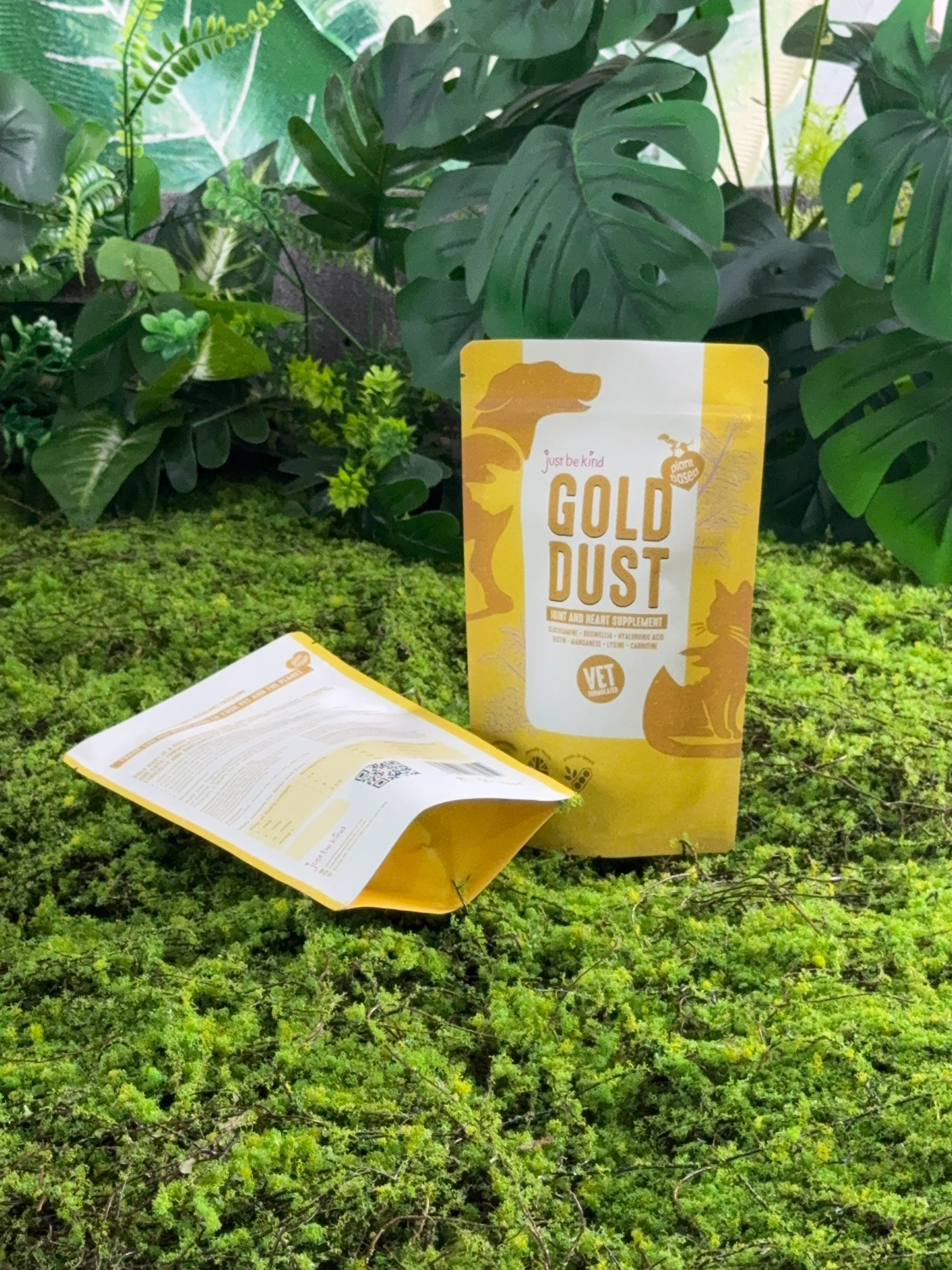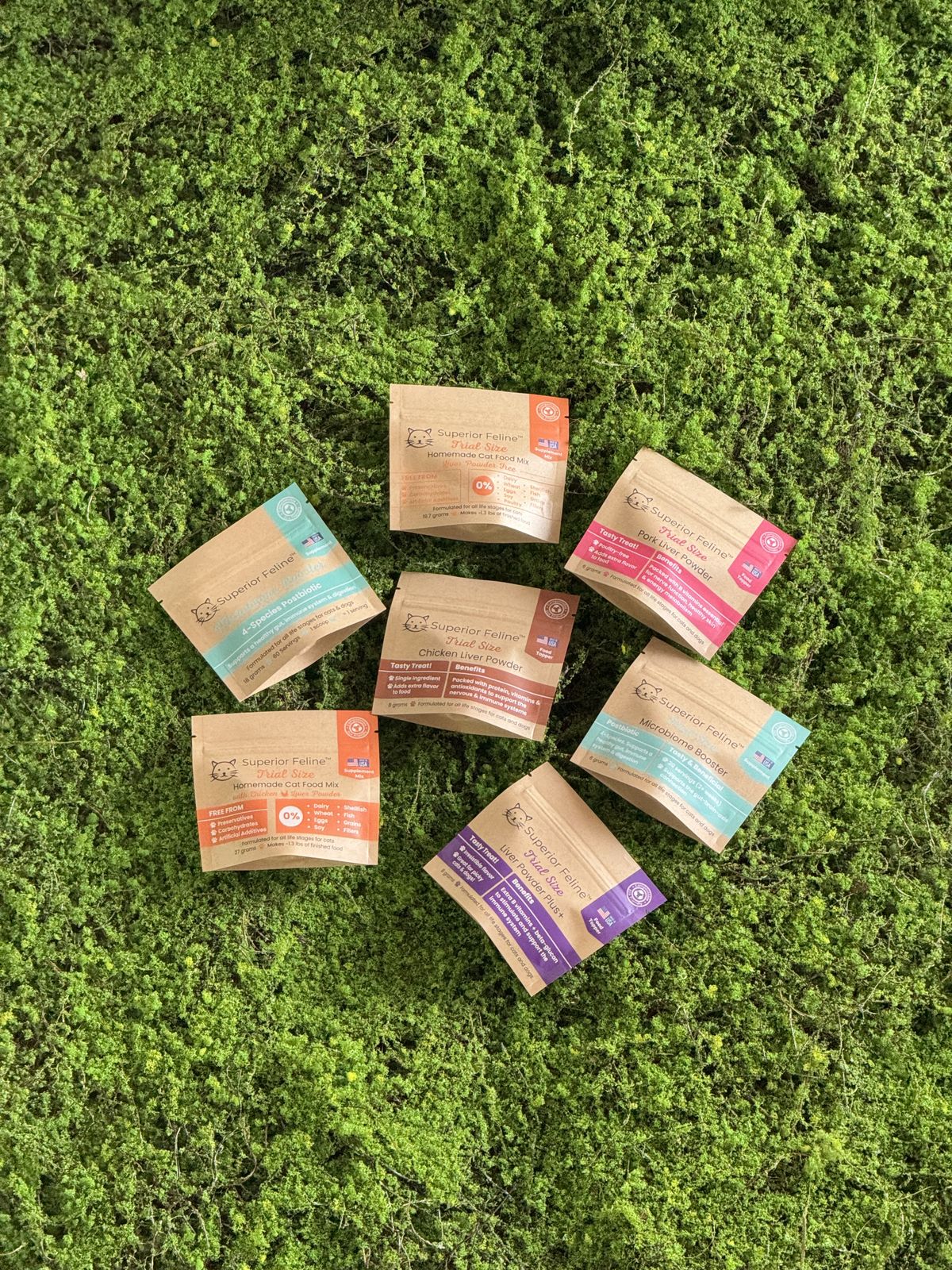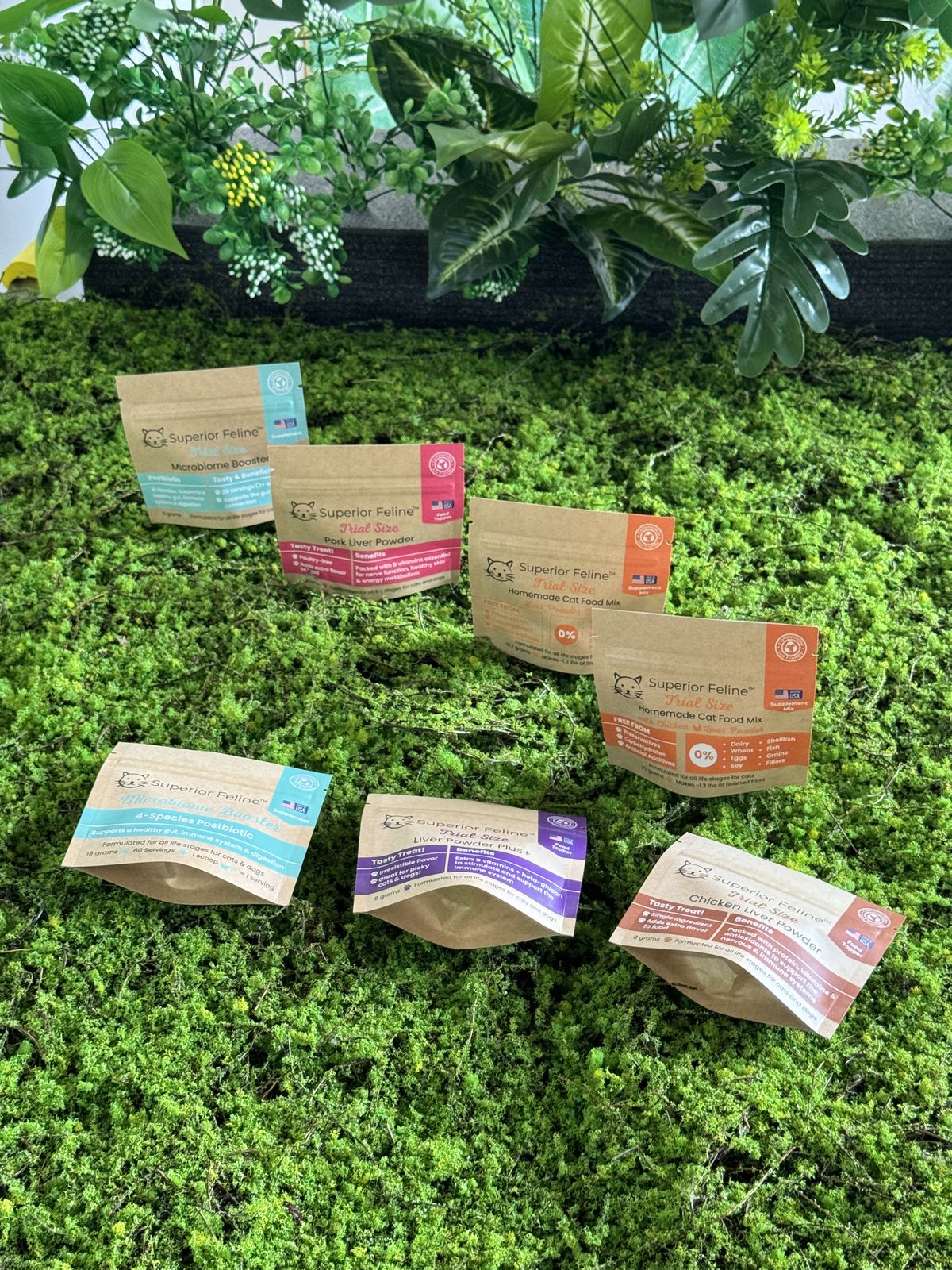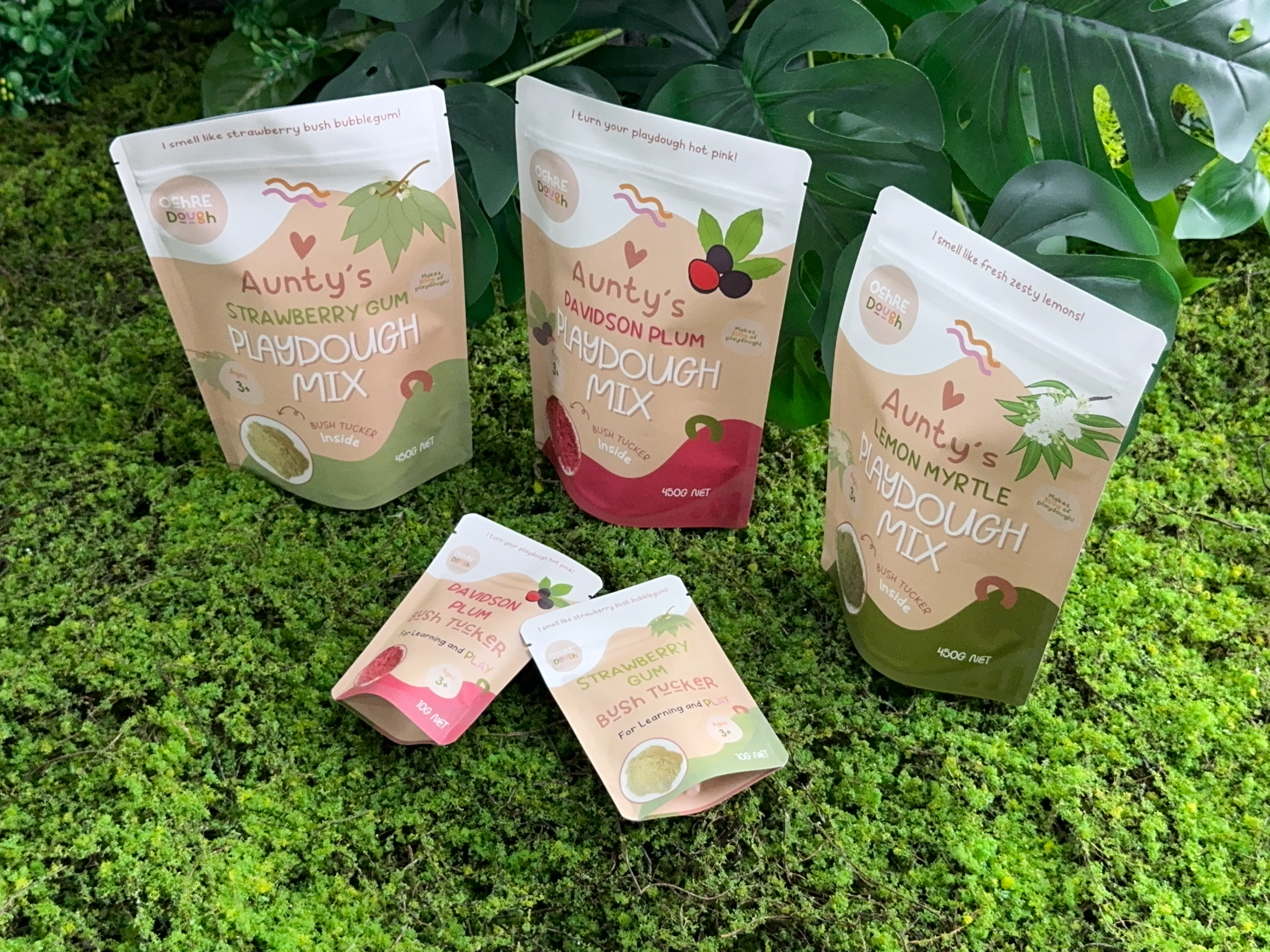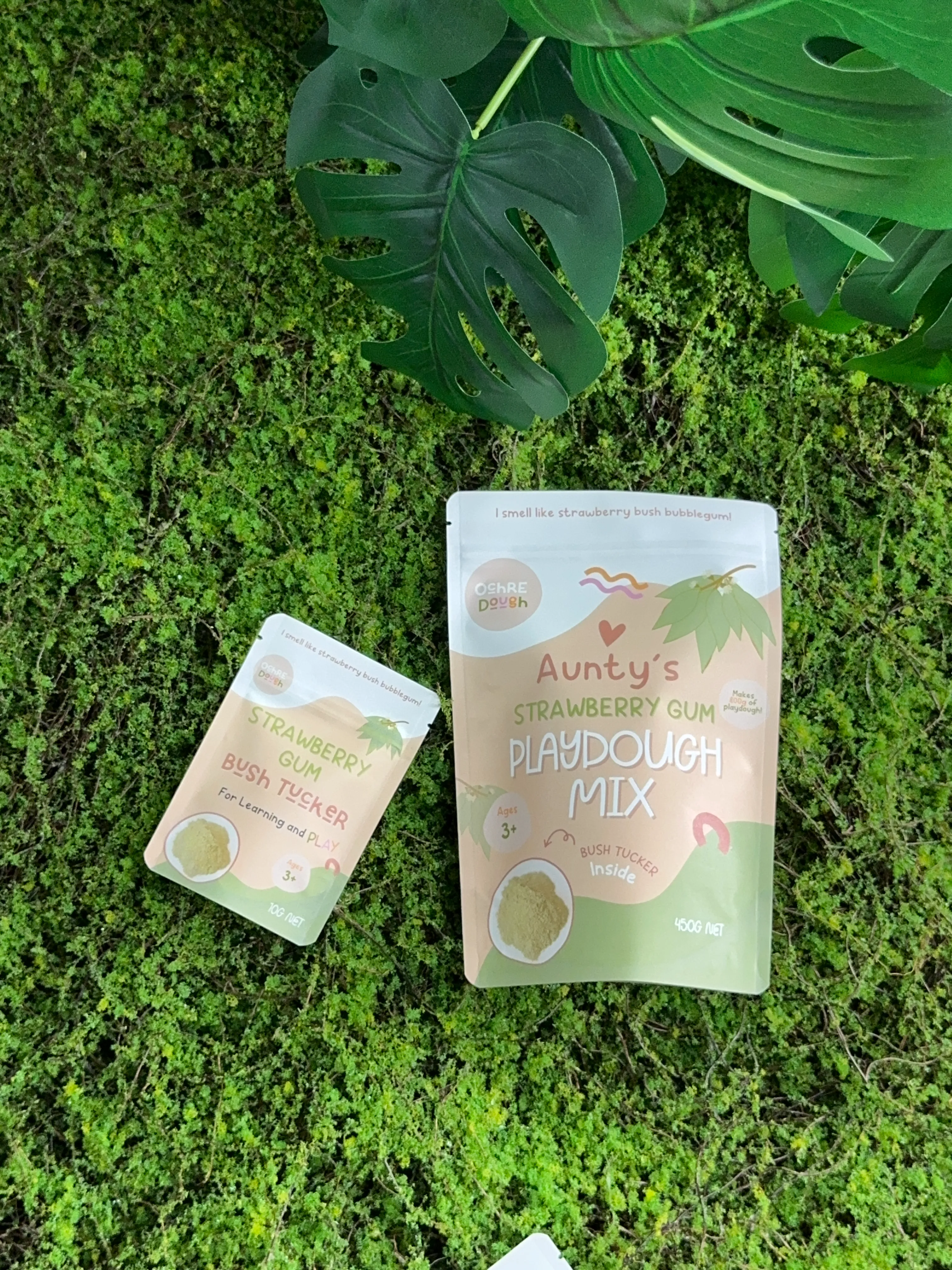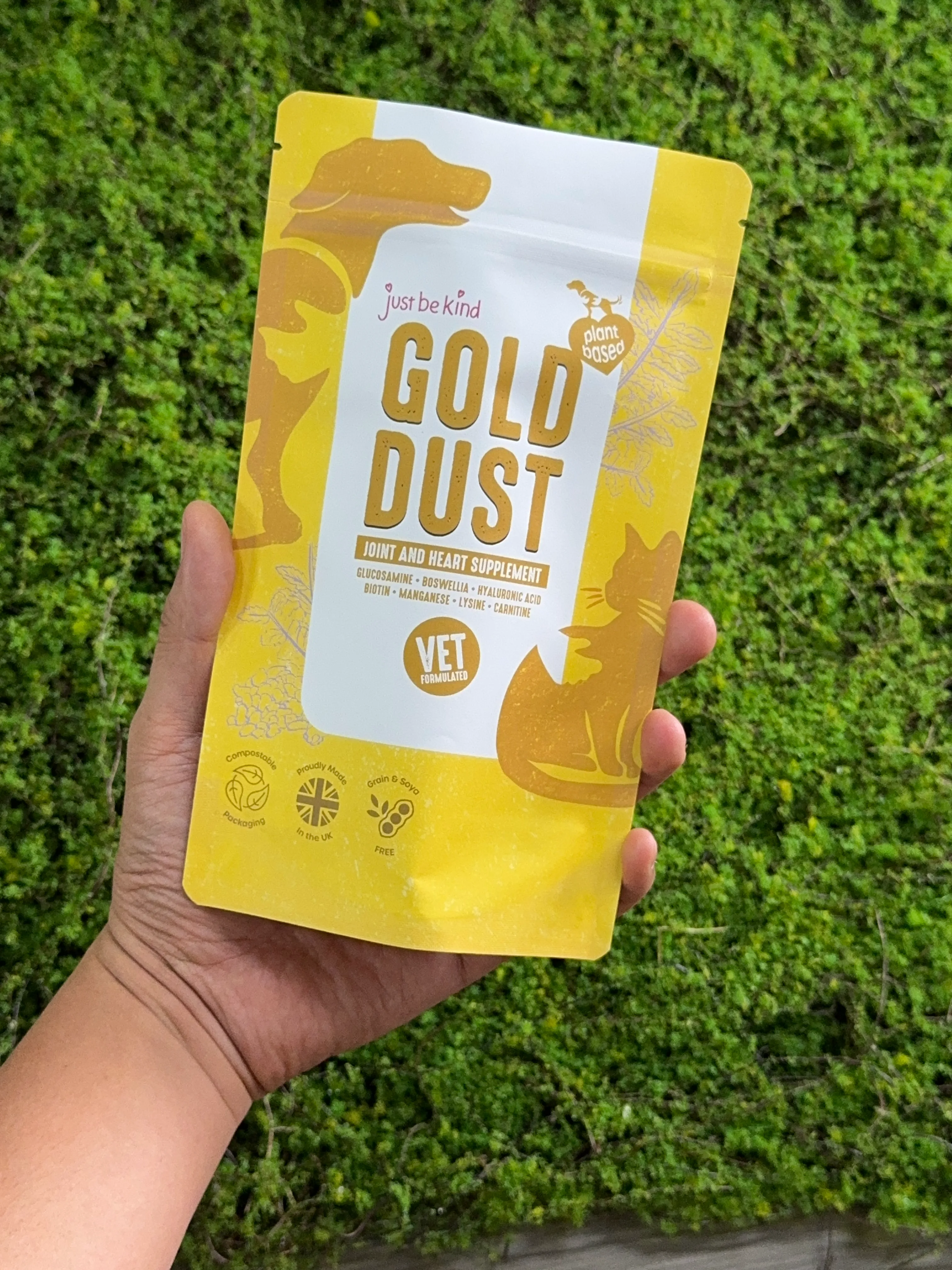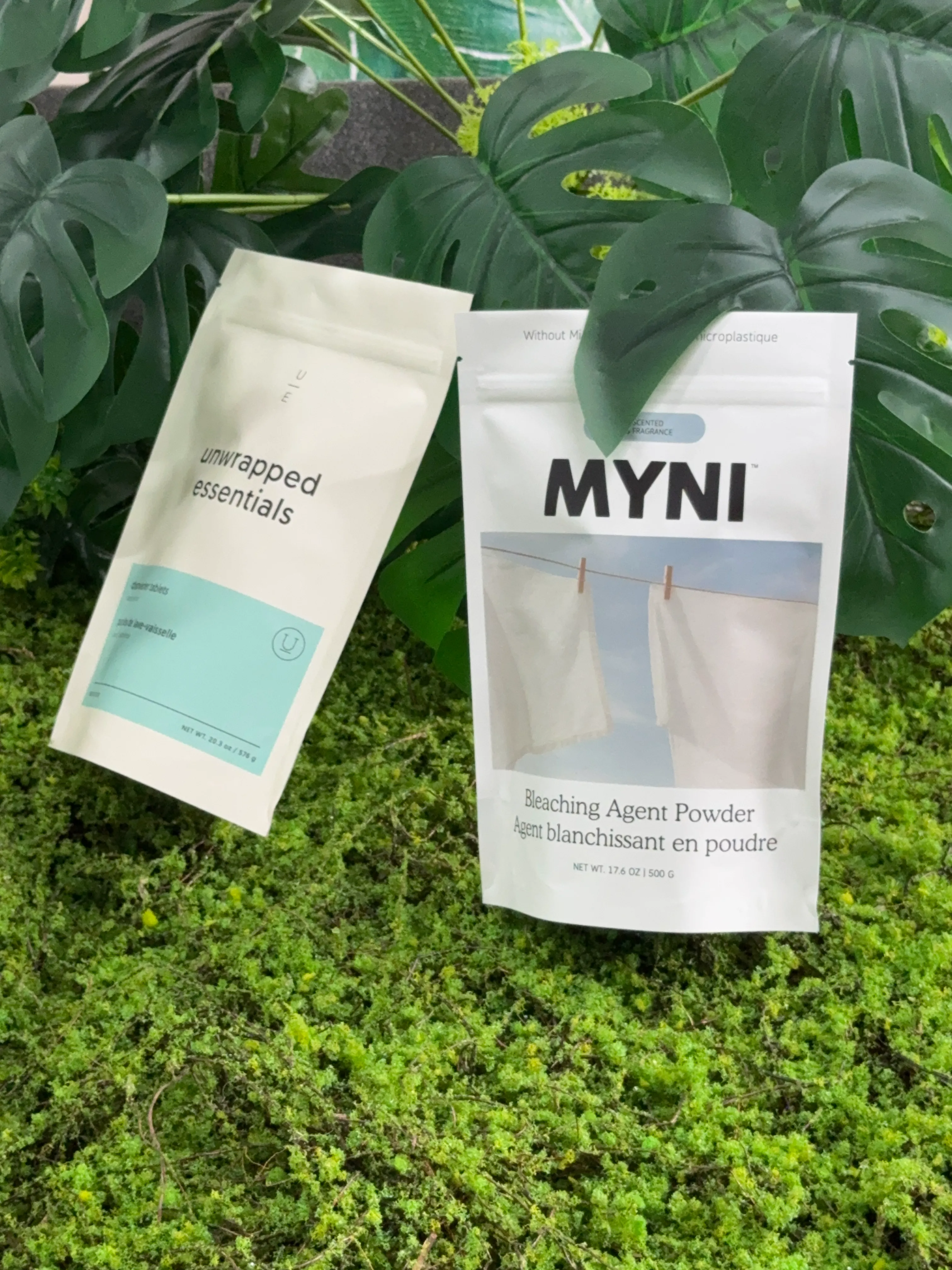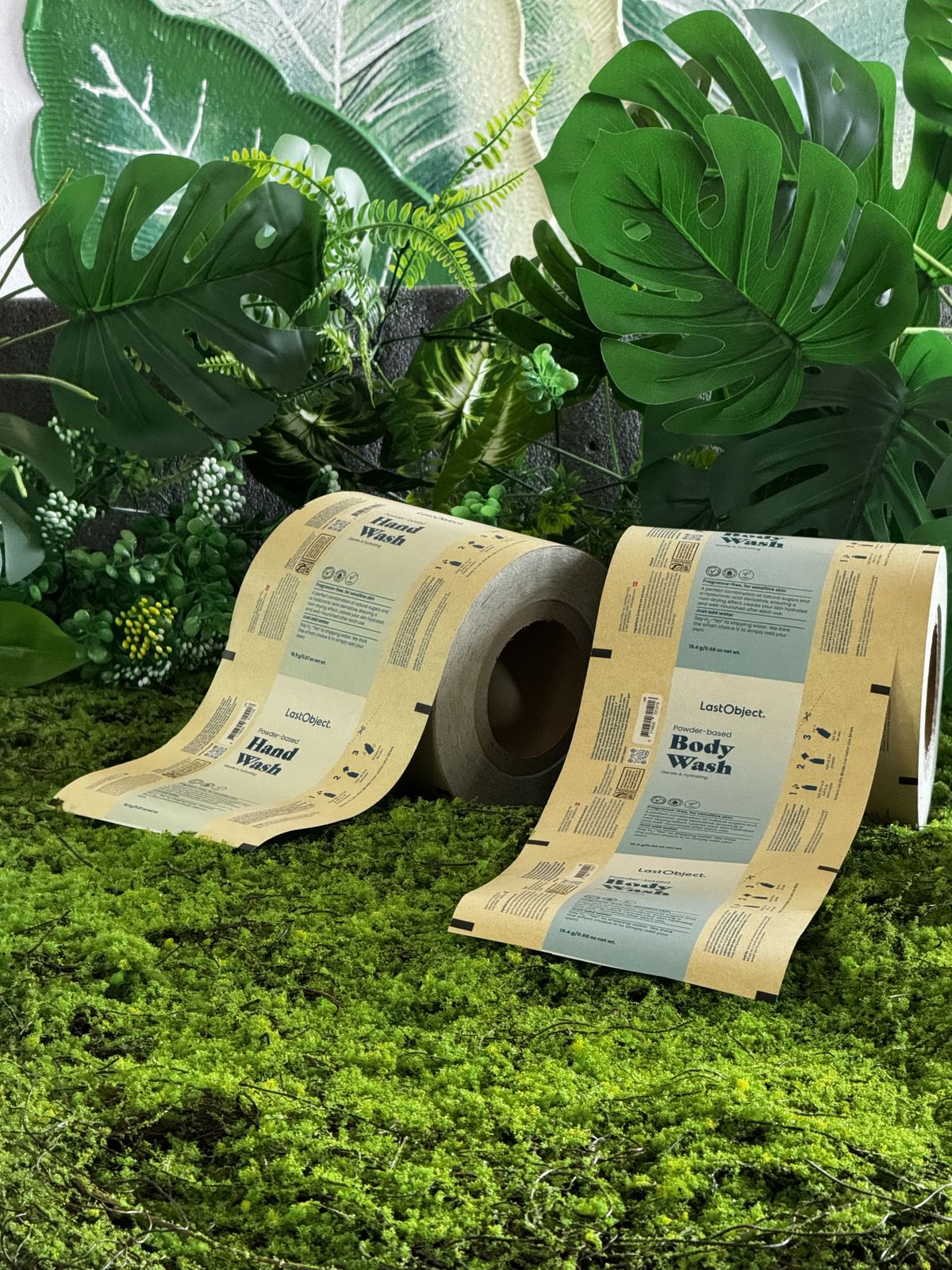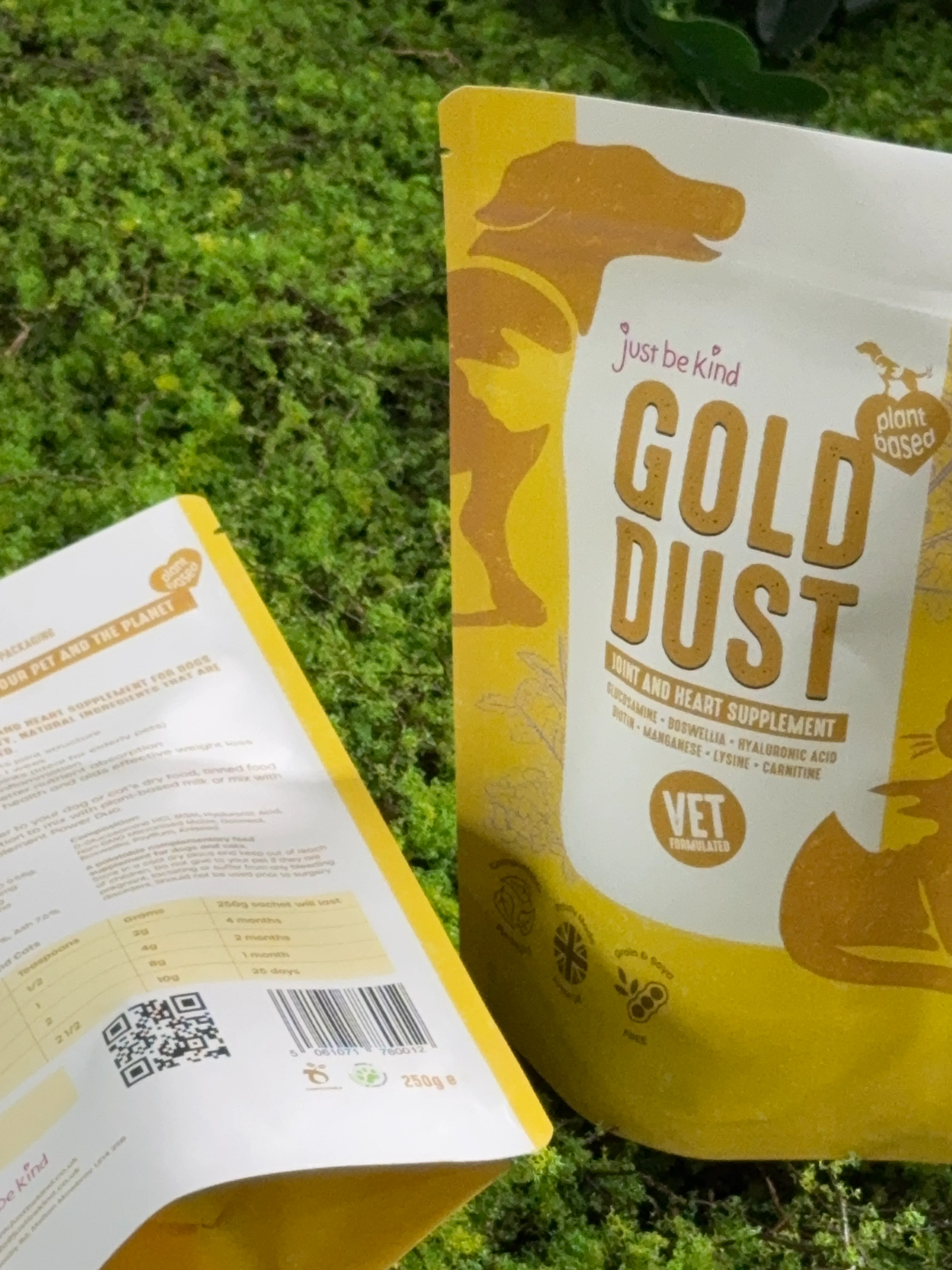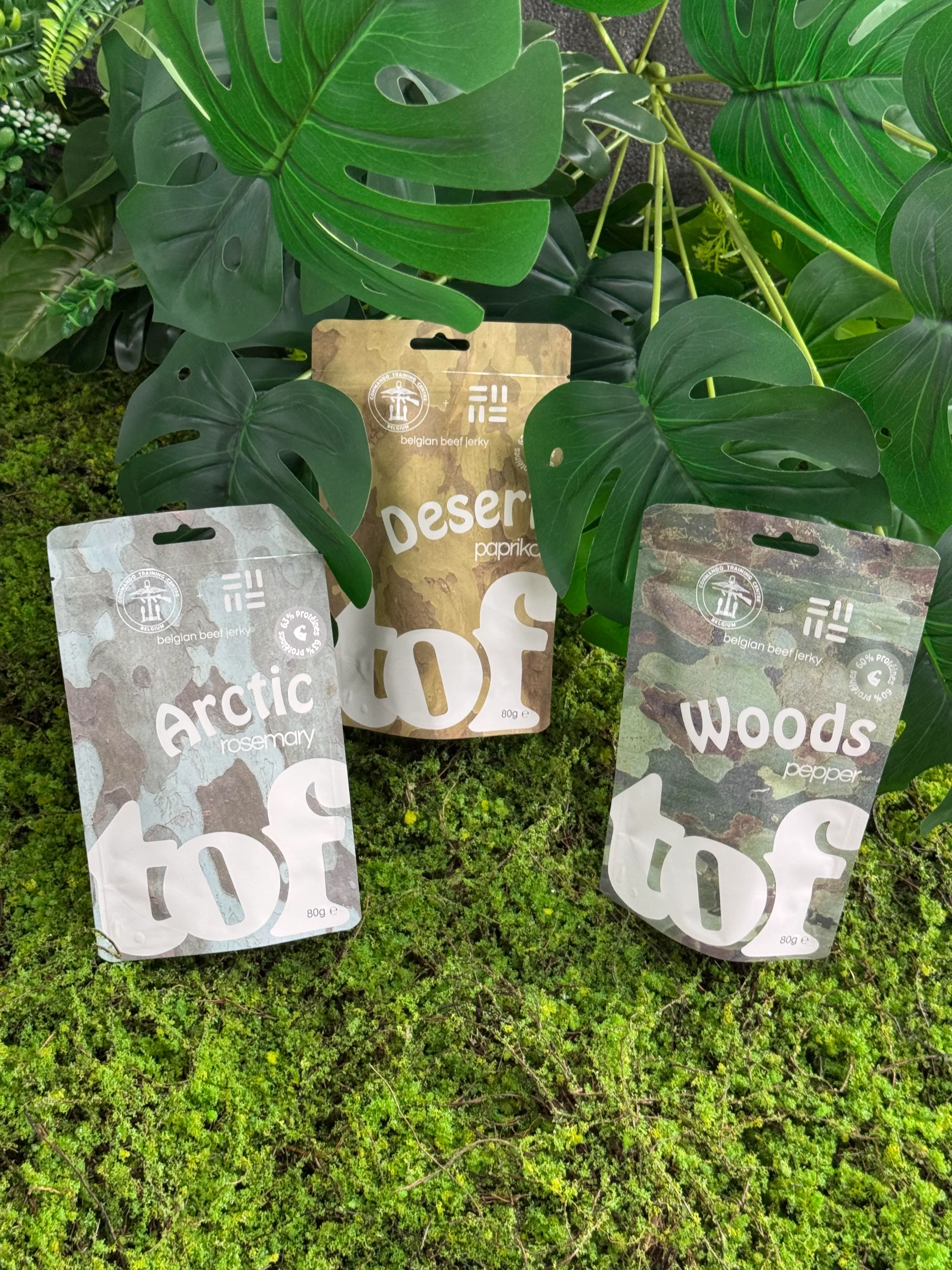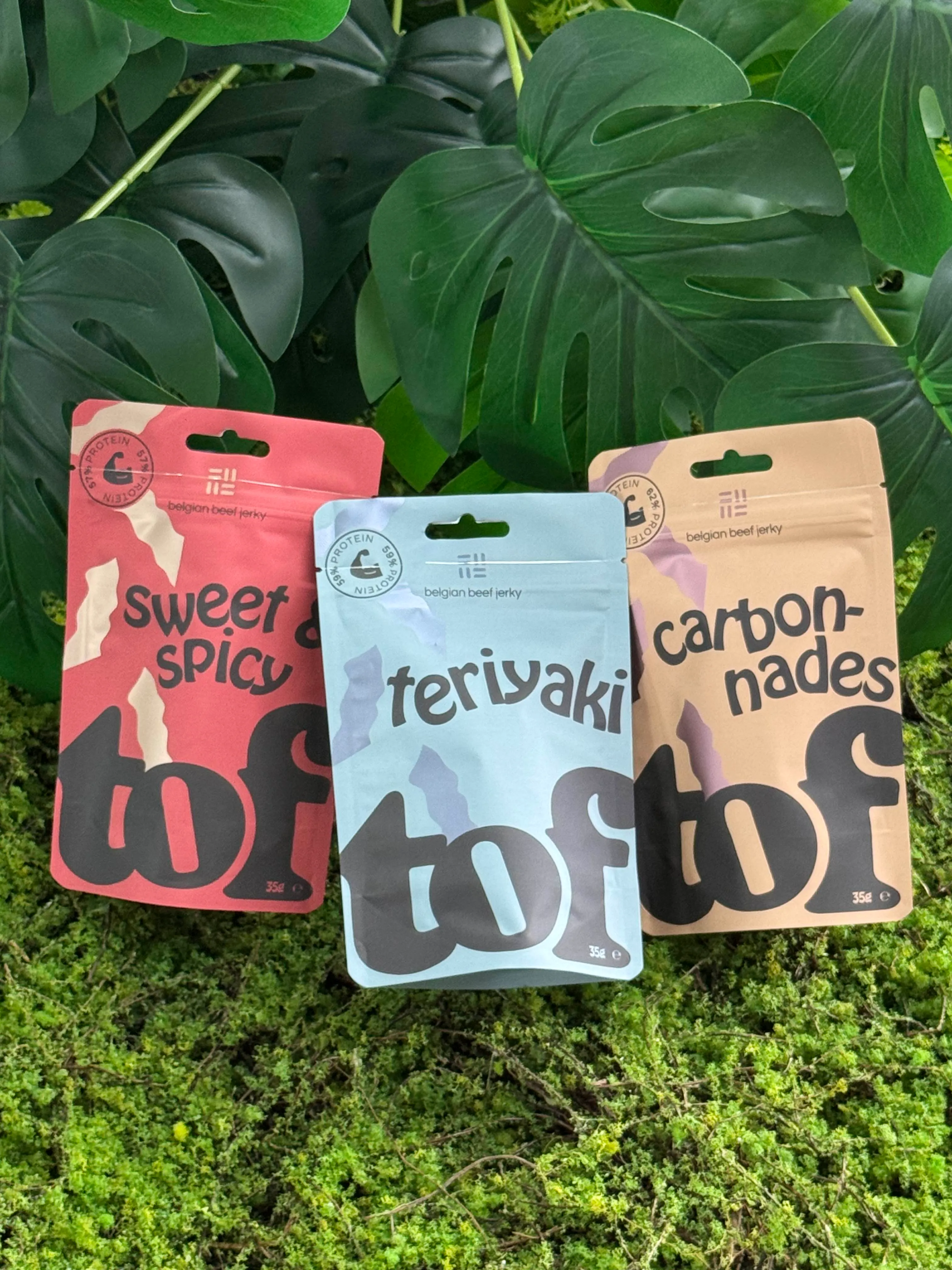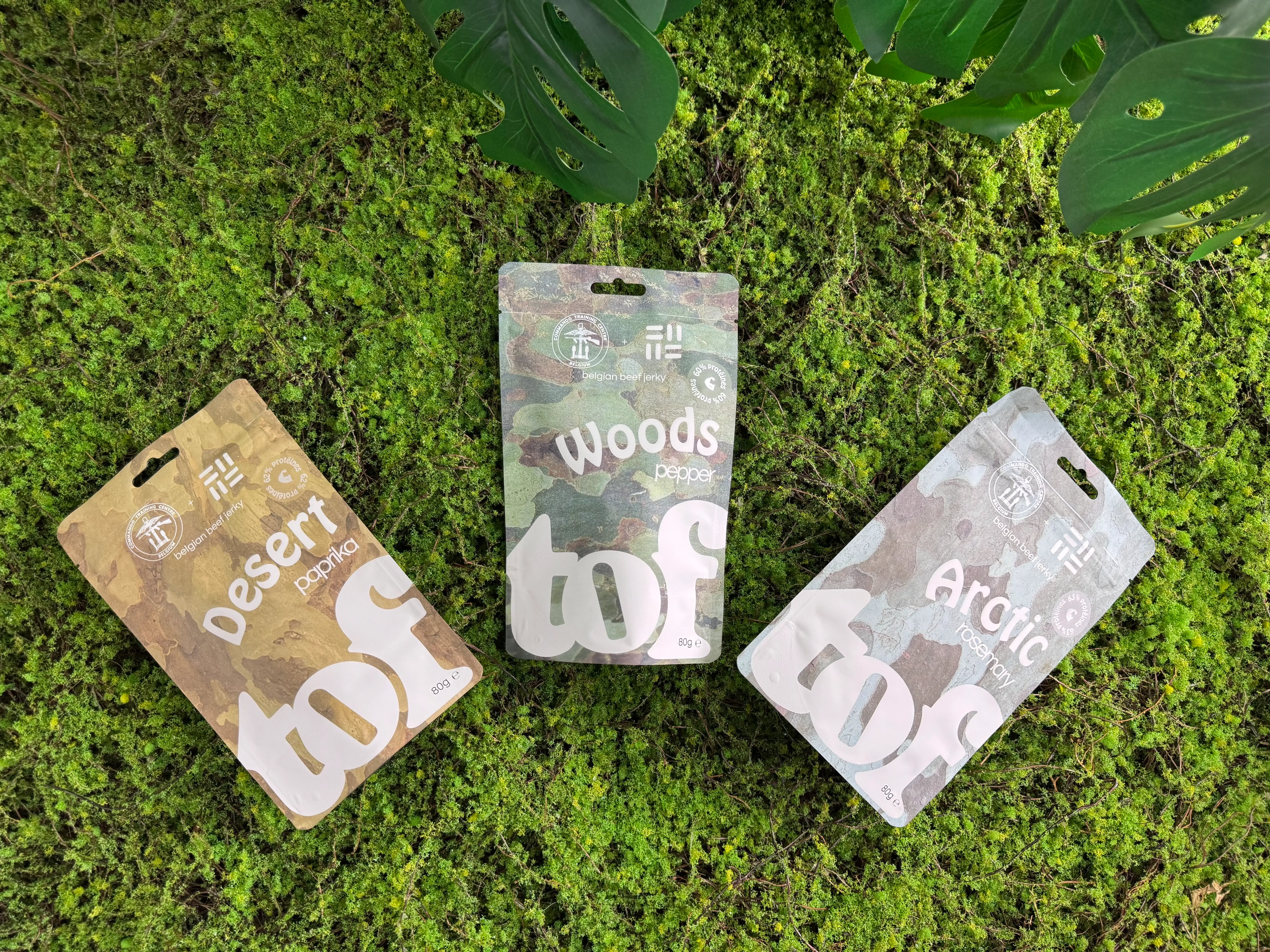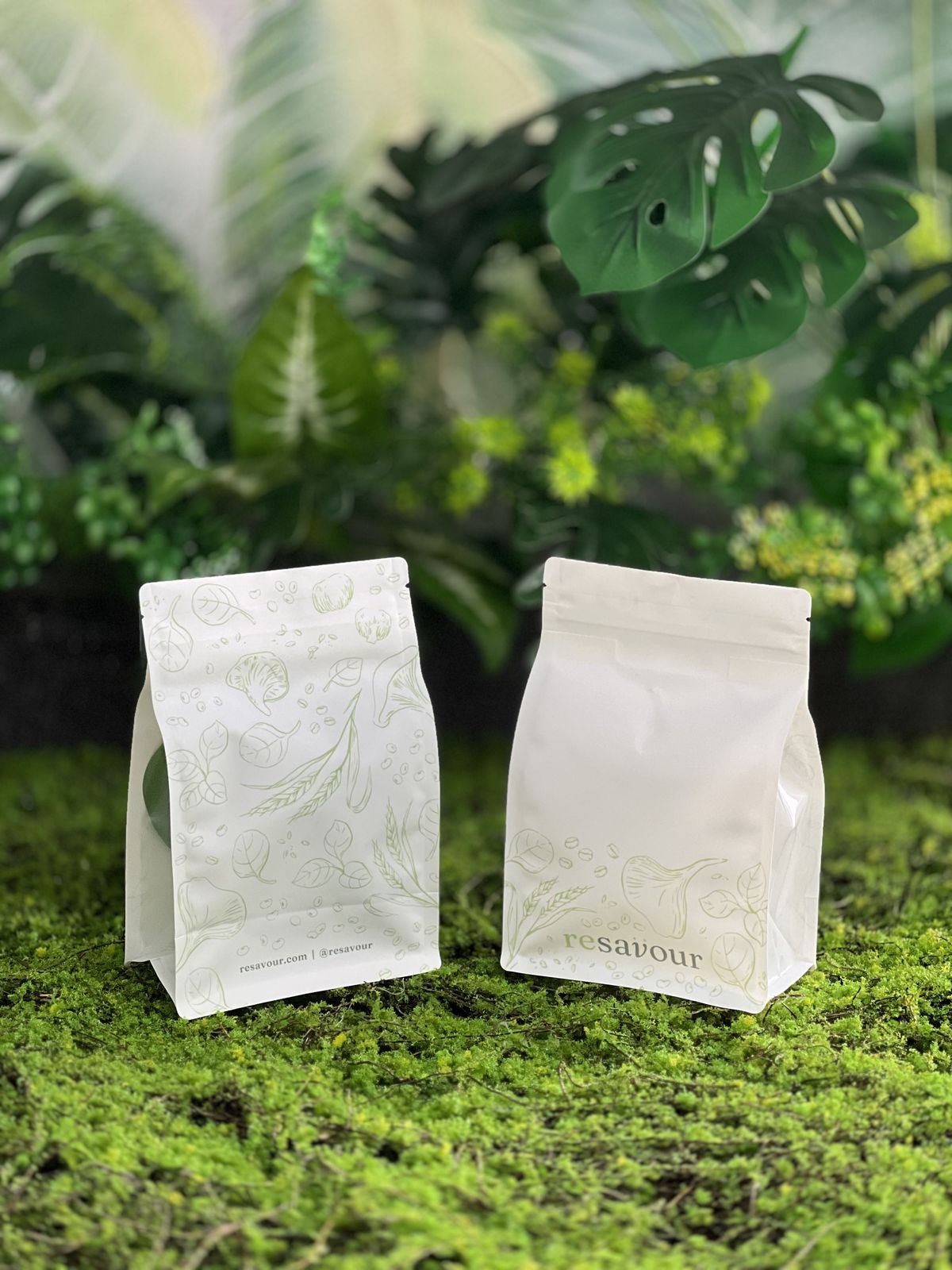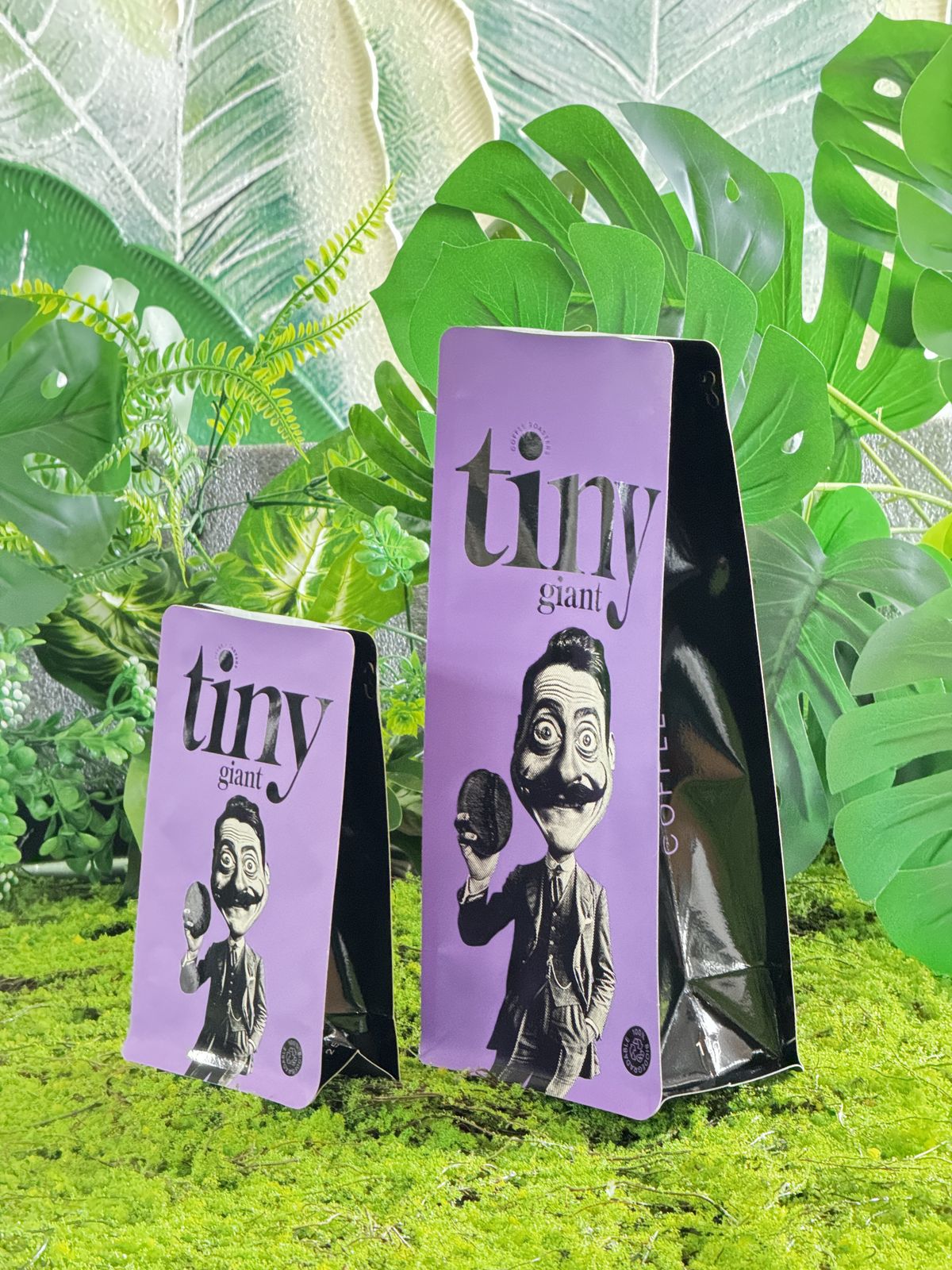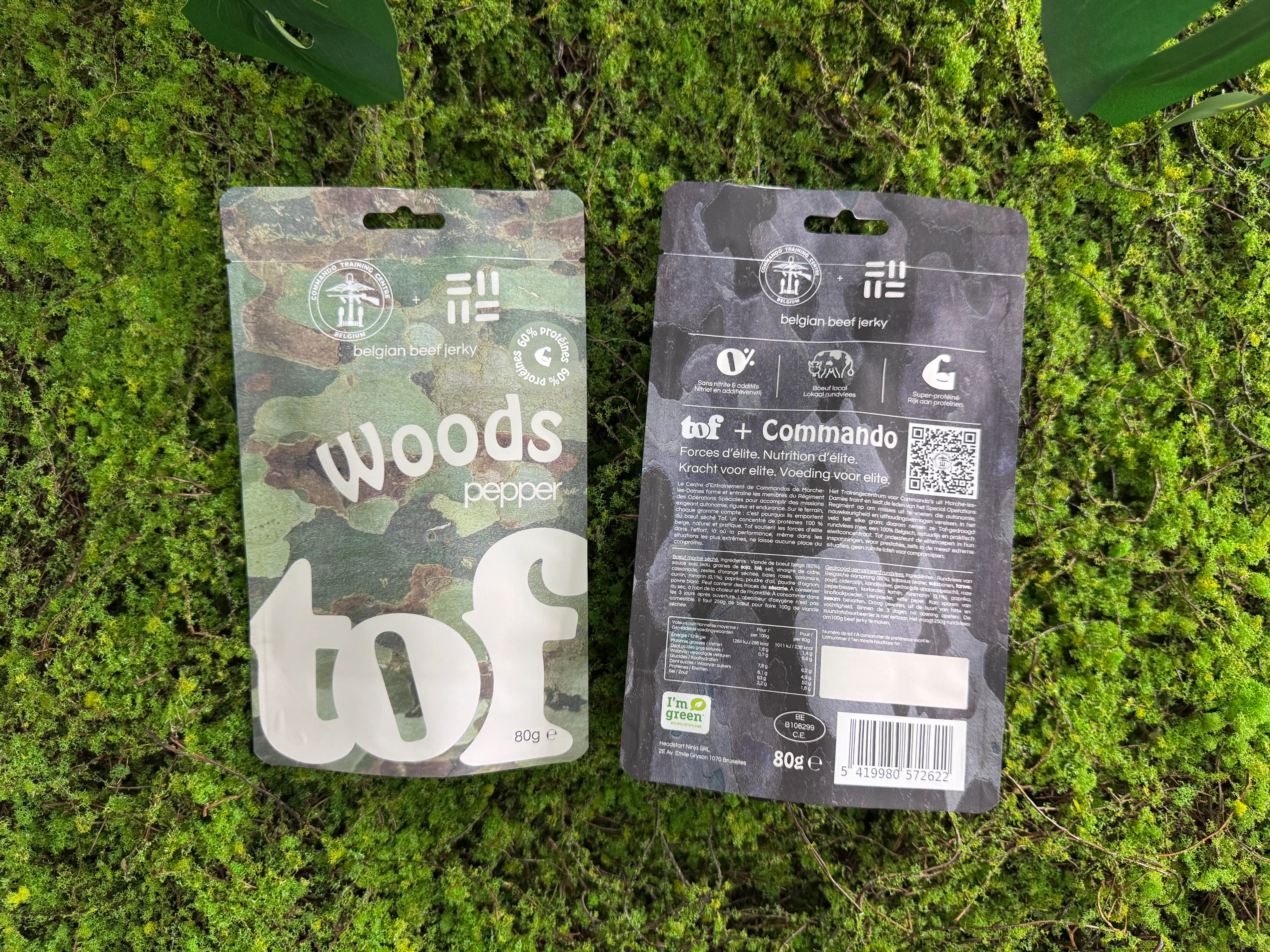
Recyclable Mono-PP Packaging | Single-Material Polypropylene Pouches Specifications
Solving Core Packaging Challenges for Recyclable Mono-PP Packaging | Single-Material Polypropylene Pouches
Concise B2B technical benchmarks designed to eliminate transit failures, regulatory penalties, and shelf-life loss.
Structure Approved Before It Is Ever Tested
Risk: The laminate looks right on paper and fails on your actual product, wasting the run.
Sample Packs in the Exact Structure, Tested With Your Product
You run your own fill and shelf-life test before any tooling is cut.
Barrier Numbers Missing From the Quote
Risk: You approve a film without knowing its oxygen or moisture transmission rate, then find out on shelf.
OTR and WVTR Stated on Every Quotation
The barrier figure is on the quote, not buried in a datasheet you never see.
Sustainability Claim Without a Certificate Behind It
Risk: An unsubstantiated compostable or recycled claim fails retailer and marketplace review.
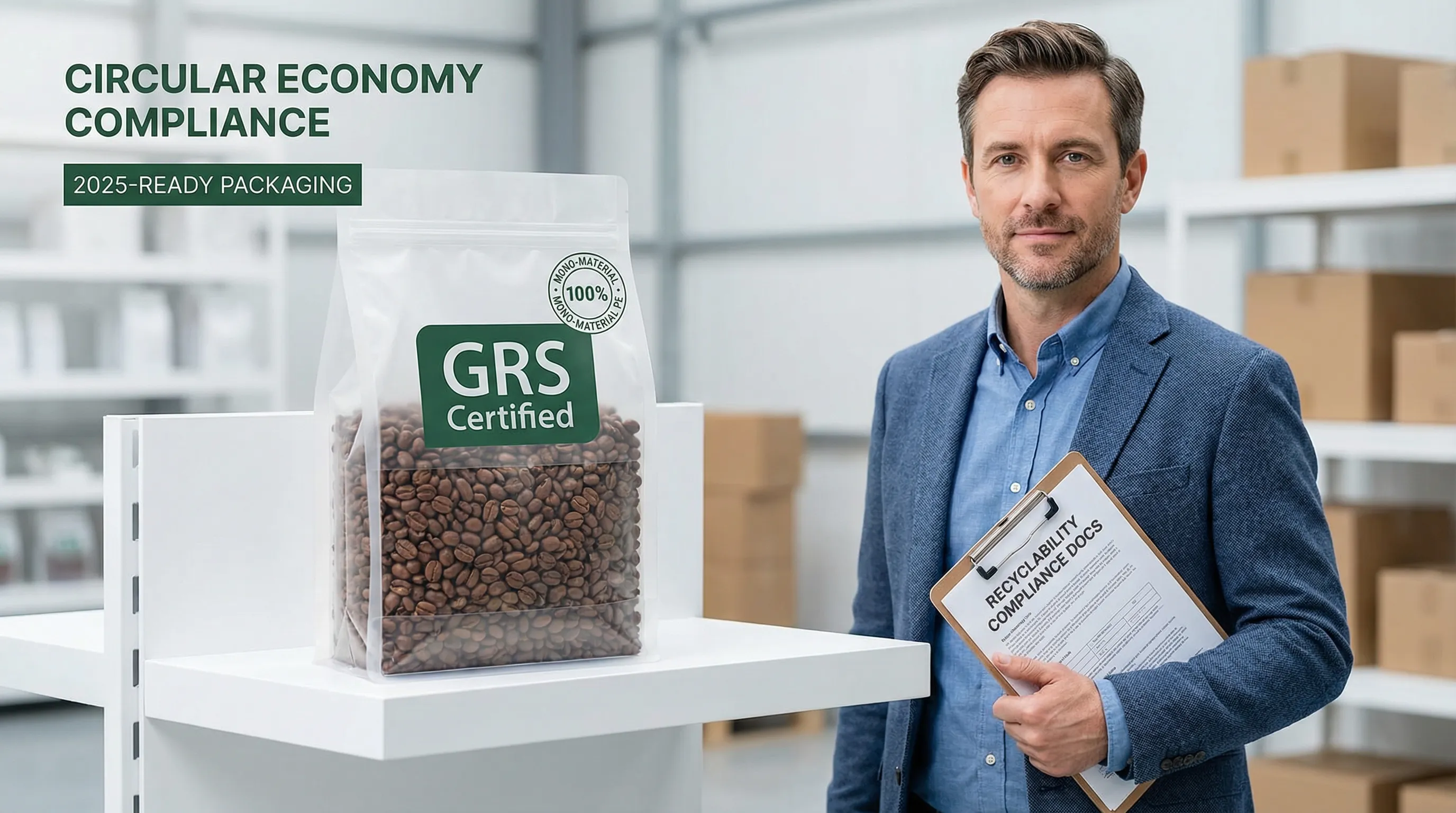
Certificate Numbers Issued With the Quote
TÜV OK Compost HOME, BPI, EN 13432, AS 5810, GRS — referenced by certificate number.
Experience 3D Packaging Design & Free Dielines
Preview your pouch in 3D WebGL Studio and export production-ready dielines.
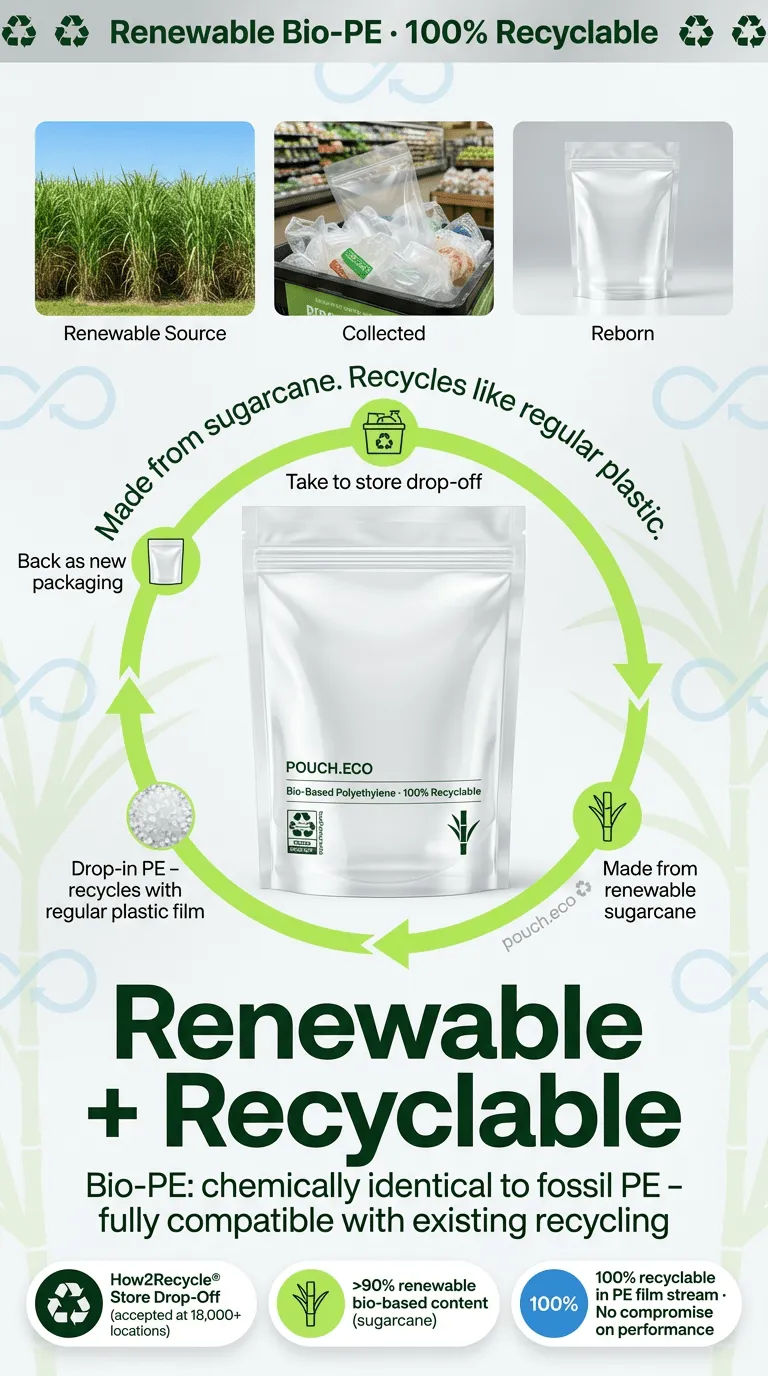
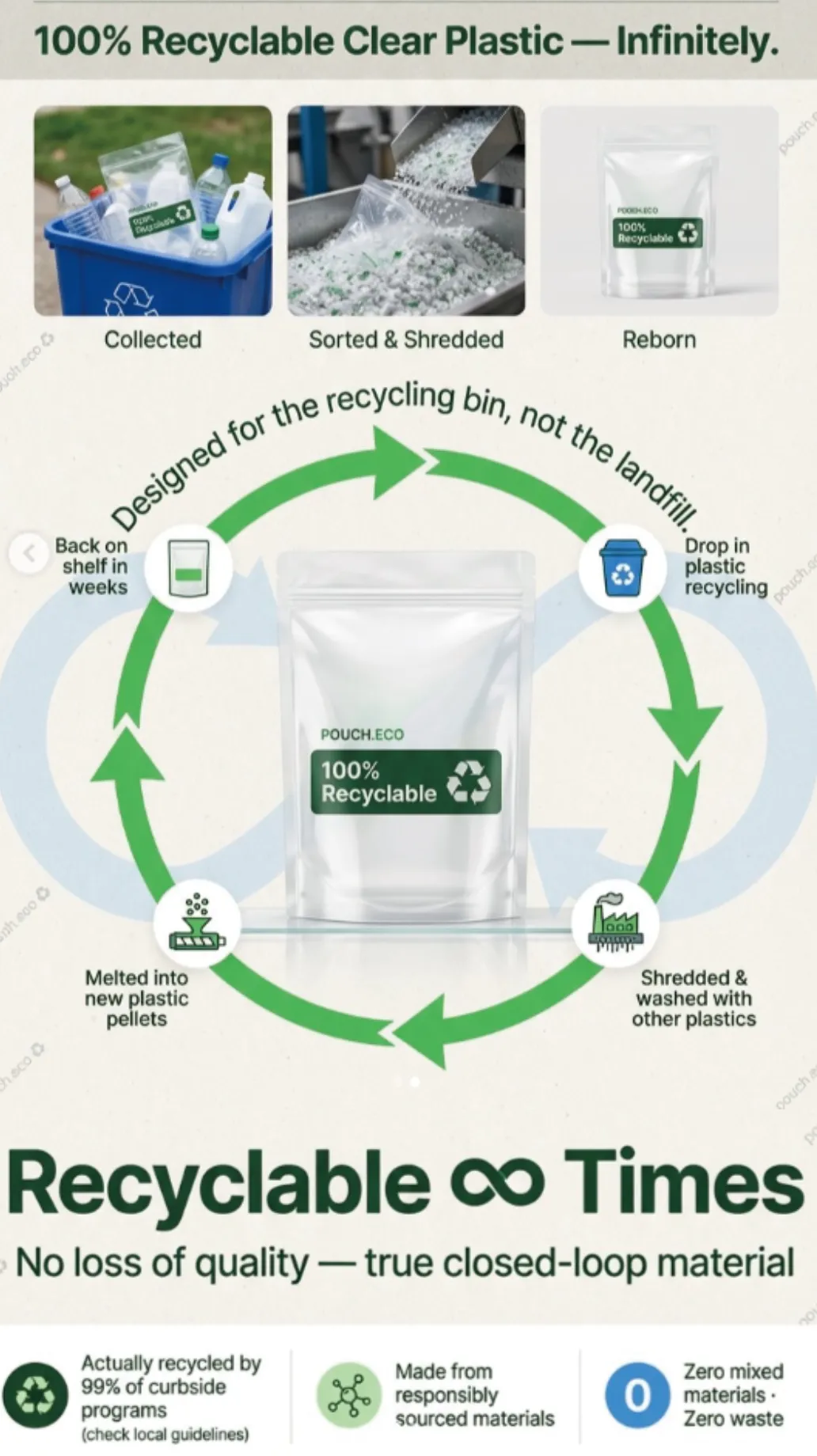
Recyclable Mono-PP Infographic
Click the infographic below to view in full size:
Is This Page For You?
If you need packaging that can withstand hot-fill processes, microwave reheating, or require higher heat resistance than PE—mono-PP recyclable pouches are your solution.
Hot-Fill Products
Soups, sauces, ready meals
Microwaveable Foods
Convenience meals, frozen products
High-Clarity Needs
PP offers better transparency than PE
What is Mono-PP Packaging?
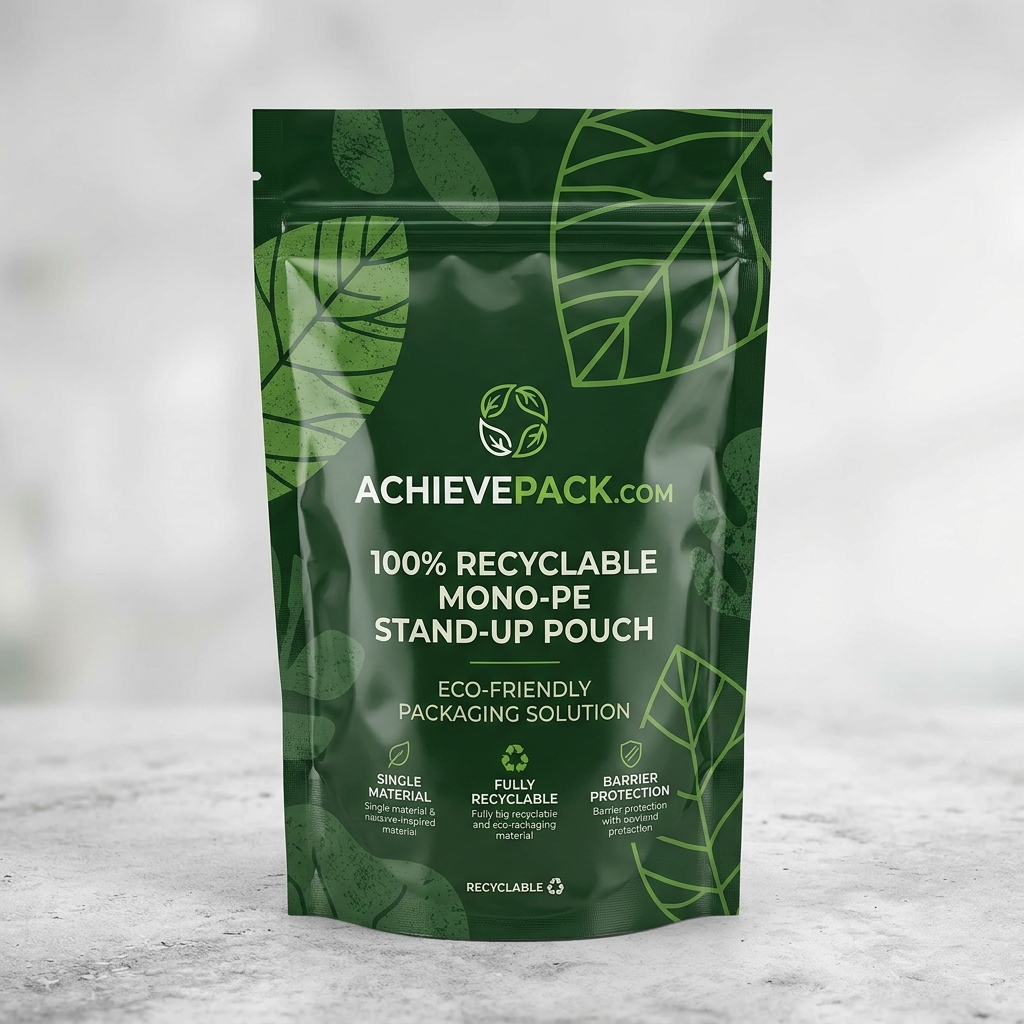
Mono-PP (mono-material polypropylene) packaging is made entirely from polypropylene, enabling recycling in PP recycling streams. PP offers higher heat resistance and better clarity than PE, making it ideal for specific applications.
Key Benefits:
- ✓ Recyclable in PP stream (recycling code #5)
- ✓ Higher heat resistance than PE (up to 120°C)
- ✓ Better clarity and gloss
- ✓ Good stiffness and barrier properties
- ✓ Hot-fill and microwave capable
What mono-PP is NOT
- • NOT curbside-recyclable in most markets. #5 PP film typically goes through store drop-off programs, not household curbside. Check your market before printing recycling claims — we can help word them.
- • NOT a high gas barrier by itself. Plain mono-PP breathes more than foil or EVOH laminates. For oxygen-sensitive products we add AlOx/SiOx coating or a sub-5% EVOH layer that keeps the structure recyclable.
- • NOT freezer-friendly. PP turns brittle near 0°C. Frozen food is usually better served by mono-PE.
- • NOT the cheapest option. Mono-PP runs above standard PE laminates on unit price; the payoff is heat resistance (hot-fill, microwave, retort-leaning applications) and a credible single-material recycling story.
Test heat and seal performance on your line: the $40+ sample kit is credited to your first order, or send us your fill temperature.
Mono-PP vs Mono-PE
Choose Mono-PP When:
- • Hot-fill applications required
- • Microwave heating needed
- • High clarity/gloss important
- • Better stiffness required
- • Higher temperature resistance
Choose Mono-PE When:
- • Frozen food applications
- • Better flex-crack resistance
- • Lower temperature use
- • Wider recycling acceptance
- • Cost sensitivity
Ideal Applications
Mono-PP is particularly suited for:
Technical Specifications
- ✓ Temperature resistance: Up to 120°C (248°F)
- ✓ Hot-fill capable: 85°C (185°F) filling
- ✓ Microwave safe: Yes (no aluminum)
- ✓ Clarity: Higher than PE
- ✓ MVTR: 2-5 g/m²/24hr
- ✓ OTR: 1000-2000 cc/m²/24hr (improved with EVOH)
Industry Applications
Mono-PP recyclable packaging excels where heat resistance and clarity are essential:
Hot-Fill Foods
- • Soups & Sauces: Withstands 85°C+ fill temps
- • Ready Meals: Hot-pack convenience foods
- • Condiments: Ketchup, mayo, dressings
Microwave Foods
- • Frozen Meals: Microwave-safe packaging
- • Rice & Grains: Steam-in-pouch solutions
- • Convenience: Heat-and-eat products
High-Clarity Needs
- • Premium Snacks: Clear window visibility
- • Dried Fruits: Product showcase
- • Confectionery: High-gloss presentation
Customer Success Stories
Switched hot-fill line to mono-PP pouches. Maintained product quality while achieving "Widely Recyclable" label for retail.
Launched microwave-safe recyclable pouches. Customer surveys showed 30% preference increase vs non-recyclable competitors.
Market & Performance Data
130°C
Max Heat Resistance
12-18
Months Shelf Life
#5
Resin Code (PP)
85%
PP Clarity vs PE
Mono-PP vs Mono-PE Performance
| Property | Mono-PP | Mono-PE | Better For |
|---|---|---|---|
| Heat Resistance | 130°C ✓ | 80°C | PP for hot-fill |
| Optical Clarity | Excellent ✓ | Good | PP for clear windows |
| Flexibility | Stiffer | More flexible ✓ | PE for soft pouches |
| Recycling Access | Variable | Wider access ✓ | PE in most markets |
| Cost | +10-15% | +5-10% ✓ | PE for budget |
Mono-PP Technical Advantages
+50°C
Higher heat tolerance vs PE
85%
Light transmission (clarity)
+20%
Stiffness vs PE
Material Comparison
Compare mono-PP with other recyclable and sustainable options:
Heat-Resistant Materials Comparison
| Criteria | Mono-PP | Mono-PE | Traditional Laminate |
|---|---|---|---|
| Hot-Fill Capable | ✓ Yes (130°C) | △ Limited (80°C) | ✓ Yes |
| Microwave Safe | ✓ Yes | ✗ No | △ Some |
| Recyclability | ✓ PP stream | ✓ PE stream | ✗ Landfill |
| Clarity | |||
| Cost Premium | +10-15% | +5-10% | Baseline |
Quick Decision Guide
Choose Mono-PP if:
- • Super clear window needed
- • Higher moisture barrier required
- • Hot-fill or microwave capability
Choose Mono-PE if:
- • Recycling is most accessible
- • Need flexible/soft feel
- • Learn more →
Choose Compostable if:
- • Composting access for customers
- • Eco-story is key differentiator
- • Learn more →
Is Mono-PP Right for You?
Best Fit For...
- • Hot-fill applications (85°C+)
- • Microwave-safe packaging needs
- • Products requiring high clarity
- • Markets with PP recycling streams
Also Works For...
- • Products with grease/oil content
- • Premium applications needing stiffness
- • Retort-adjacent applications
Not Recommended If...
- • PE recycling is more accessible in your market
- • Lower cost is the priority
- • Consider Mono-PE instead →
Ready to Go Mono-PP Recyclable?
Ready to Move Fast?
Book a call to discuss hot-fill specs
5 Common Mono-PP Pouch Problems (And Solutions)
1Narrow Sealing Temperature Window
Because mono-PP uses the same polymer family throughout, outer layers can melt or burn through at the high temperatures needed to seal the inner layer.
Use a co-extruded structure with high-melting-point BOPP on the outside and low-melting-point cast PP (CPP) on the seal layer.
2Oxygen & Moisture Barrier Limitations
Standard mono-polypropylene lacks the high gas barrier of traditional PET/Al foil laminates, risking premature product oxidation.
Apply ultra-thin AlOx/SiOx vacuum coatings or co-extrude a thin EVOH layer (less than 5% by weight) to keep the pouch 100% recyclable.
3Brittleness in Cold-Chain/Freezing
Polypropylene becomes brittle at sub-zero temperatures (glass transition near 0°C), causing drop-test failures and cracks in frozen foods.
Incorporate impact-modifying PP block-copolymers or elastomer blends in the core layer to maintain flexibility and puncture resistance.
4Tension Control & High-Speed Runnability
Mono-PP has higher elasticity than PET, leading to film stretching, registration misalignment, and wrinkling on VFFS machines.
Utilize Machine Direction Oriented (MDO) PP films to increase stiffness and match the mechanical behavior of traditional laminates.
5Deformation During Hot-Filling
Mono-PP can warp or lose structural integrity at elevated filling temperatures above standard polypropylene tolerance.
Use high-crystallinity PP (HCPP) resins and optimize crystallization parameters to raise the heat deflection temperature.
Mono-PE & Mono-PP Mechanical Validation
Single-polymer bags must match the physical performance of multi-layer co-extrusions. We test MDO-PE orientation, EVOH content, and sliding friction to enable flawless high-speed packaging runs and curbside recycling.
EVOH High Barrier Ratio
Maintains high barrier performance while meeting circular economy recycling rules.
ASTM D882 Tensile Test
Mechanical tensile strength ensures bag retains structural form under stress.
Heat Seal Window (ASTM F88)
Enables hermetic seals without melting or shrinking the mono-PE outer layers.
RecyClass Sorting Grade
Certified sorting compatibility in standard municipal recycling streams.
Puncture Test (ASTM F1306)
Prevents bag tears and punctures from dry pet kibbles or sharp snacks.
Friction Coefficient (COF)
Ensures film glides smoothly over packaging machinery forming collars without jamming.
Packaging Transformation for Recyclable Mono-PP Packaging | Single-Material Polypropylene Pouches
See how upgrading from generic commoditized bags to precision-engineered flexible barrier packaging eliminates transport failures and boosts shelf authority.
Standard / Generic Packaging (Before)
Standard stock bags fail under transit stress and expose sensitive goods to moisture, UV light, and oxygen.
- Rapid Oxidation & Flavor DegradationCheap films allow O2 & moisture ingress, spoiling contents in < 30 days.
- High Seal Breakage in TransitThin seams fail under drop tests, leading to customer refunds & lost trust.
- Heavy Plastic Tax PenaltiesMulti-layer unrecyclable packaging incurs up to €800/ton in EU PPWR fines.
- High MOQs & Plate Cost FrictionTraditional printers force 10,000+ unit minimums and $1,500 cylinder fees.
Achieve Pack / Pouch Eco Solution (After)
Custom engineered multi-layer pouch structure tailored to your exact moisture barrier, seal strength, and aesthetic requirements.
- Ultra High-Barrier Foil/EVOH CoreGuaranteed OTR < 0.1 cc/m²/day, keeping contents fresh for 18–24 months.
- Reinforced 45N/15mm Localized Heat Seal180°C precision seam dwell time prevents bursting even under 2-meter drops.
- 100% Certified Eco ComplianceTÜV OK Compost HOME (EN13432) & Mono-PE Recyclable structures (0% Tax).
- HD Digital Printing with 500-Unit Low MOQsPrint multi-SKU runs in 7 business days with zero setup plate charges.
Questions We Get Asked
Is mono-PP recyclable everywhere?▼
Can mono-PP pouches be microwaved?▼
What barrier properties does mono-PP offer?▼
How does mono-PP compare in cost to mono-PE?▼
Related Stuff
How We Ensure Absolute Accuracy and Trustworthiness
At Achieve Pack, sustainable packaging isn't just about printing; it's about hands-on material science. This article has been written and verified by Ryan Wong, a packaging specialist with 14+ years of experience engineering biopolymer stacks for DTC startups and Fortune 500 companies.
All research, material barrier specifications (OTR, WVTR), heat-seal values (N/15mm), and compostability timelines cited in our guides are backed by testing inside the Achieve Pack Materials Testing Lab. We cross-reference our data with official certification registries from BPI (Biodegradable Products Institute), TÜV Austria (OK Compost HOME), and FSC (Forest Stewardship Council).

Ryan Wong
Supply Chain Director
B.Eng honors degree graduate from Hong Kong Polytechnic University. Serving brands in 8 countries.
View Expert Profile →Tell us your fill temperature and volume.
We'll confirm mono-PP is the right call (and say so if it isn't), send a free /studio mockup, and quote from 500 pcs digital. The $40+ sample kit is credited to your first order.
Recyclable Mono-Material
Engineered using Mono-PE or Mono-PP structures to enable simple, circular sorting and recycling. Combined with specialized high-barrier coatings to preserve freshness without compromising recyclability.
- 100% recyclable mono-polymer structure
- Meets EU Circular Economy directives
- EVOH barrier layer for oxygen protection
- Highly customizable surface finishes