How to Print on Bottles & Jars: The Ultimate Customization Guide

Analyzing heat transfer, laser engraving, stickers, silk screen, and pad printing for sustainable rigid packaging.

How to Print on Bottles & Jars: The Ultimate Customization Guide

The Short Version

Quick Answer: Small spot-color logos on bottom curves are printed using Pad Printing. Silk Screen is best for body spot colors, while full-color wraps require Heat Transfer. Laser Engraving provides permanent markings, and Sticker Labels are best for versatile smaller batches.

Ryan WongBY RYAN WONG, ECO PACKAGING PROTOCOL
VERIFIED BY ACHIEVE PACK SUSTAINABILITY LAB
B2B Specification Filters

How to Print on Bottles & Canisters: 5 Main Methods Compared Specifications

View Full Material Catalog
Enterprise Packaging Performance

Solving Core Packaging Challenges for How to Print on Bottles & Canisters: 5 Main Methods Compared

Concise B2B technical benchmarks designed to eliminate transit failures, regulatory penalties, and shelf-life loss.

CHALLENGE 01

Structure Approved Before It Is Ever Tested

Risk: The laminate looks right on paper and fails on your actual product, wasting the run.

Engineer Solution

Sample Packs in the Exact Structure, Tested With Your Product

You run your own fill and shelf-life test before any tooling is cut.

CHALLENGE 02

Barrier Numbers Missing From the Quote

Risk: You approve a film without knowing its oxygen or moisture transmission rate, then find out on shelf.

Engineer Solution

OTR and WVTR Stated on Every Quotation

The barrier figure is on the quote, not buried in a datasheet you never see.

CHALLENGE 03

Sustainability Claim Without a Certificate Behind It

Risk: An unsubstantiated compostable or recycled claim fails retailer and marketplace review.

Engineer Solution

Certificate Numbers Issued With the Quote

TÜV OK Compost HOME, BPI, EN 13432, AS 5810, GRS — referenced by certificate number.

Experience 3D Packaging Design & Free Dielines

Preview your pouch in 3D WebGL Studio and export production-ready dielines.

Rigid Packaging Customization: Decoding the Print Pipeline

Quick Answer: Small spot-color logos on bottom curves are printed using Pad Printing. Silk Screen is best for body spot colors, while full-color wraps require Heat Transfer. Laser Engraving provides permanent markings, and Sticker Labels are best for versatile smaller batches.

Customizing rigid containers like acrylic canisters, PET bottles, and metal jars requires selecting the correct mechanical printing pipeline. The right choice depends on the surface curvature, container material, design complexity, and expected lifecycle limits.

Below, we dive deep into the mechanics of Heat Transfer, Laser Engraving, Sticker Decals, Silk Screen, and Pad Printing, analyzing how they perform under commercial wash cycles, GRS standards, and everyday shipping environments.

Cross-Reference

To understand flexible packaging printing techniques, check out our guide on Modern Printing Methods or read about the technical details of White Ink Underprint & Backing .

Five Main Printing Processes Illustrated

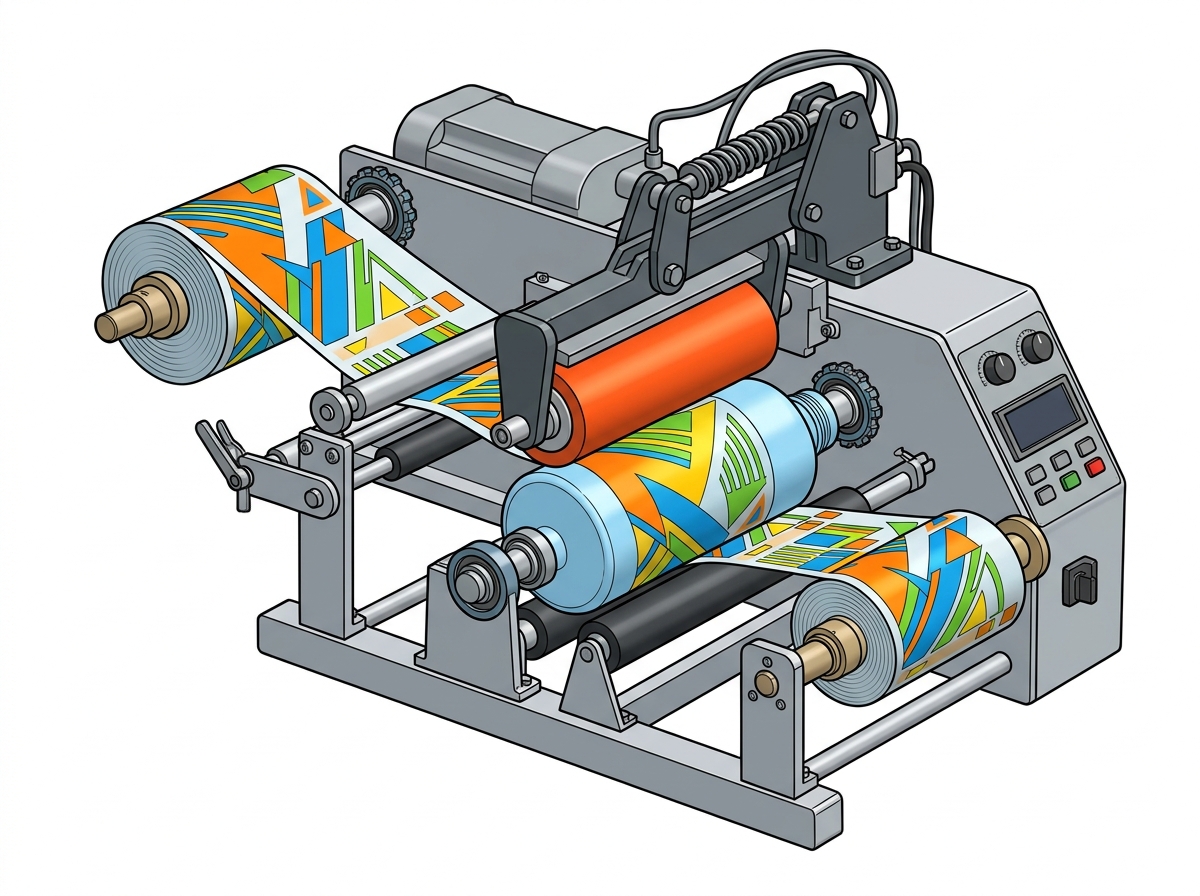
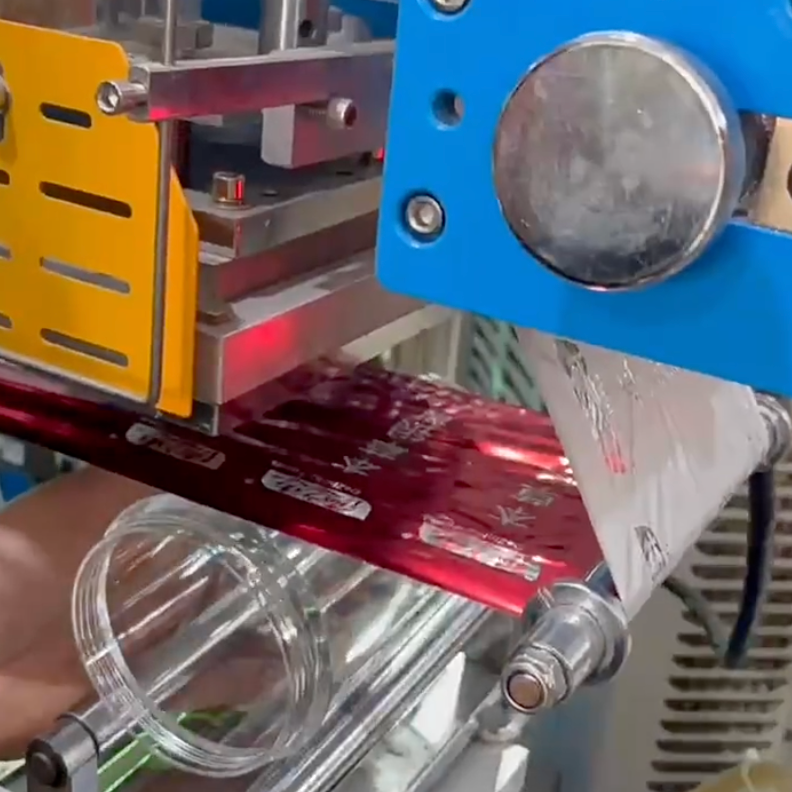
1. Heat Transfer

Heat Transfer Printing Machine SchematicSchematic
Heat Transfer / Hot Foiling ProductionLive Photo

Schematic (Left): Heat transfer process. Live Photo (Right): Roll-to-roll heat transfer press rolling reverse-printed PET carrier graphics onto the bottle.

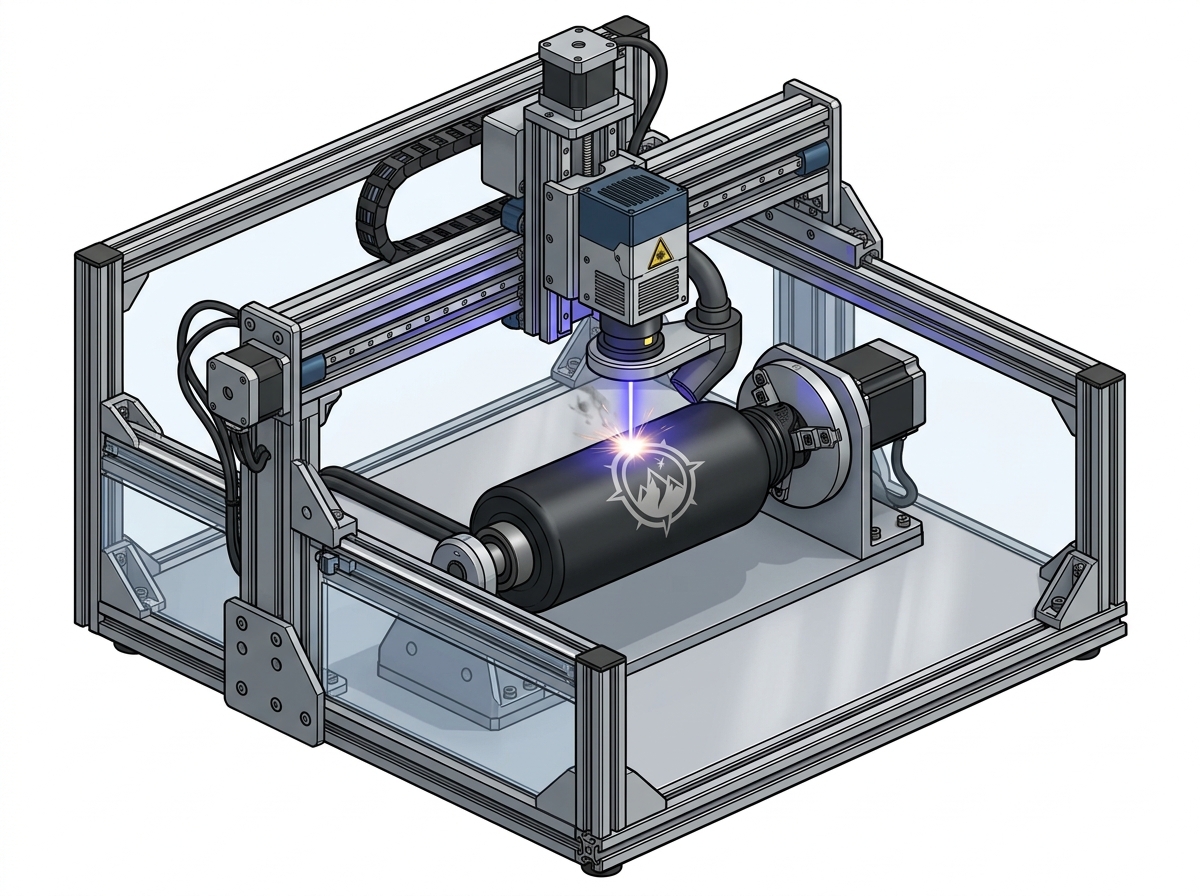
2. Laser Engraving

Laser Engraving Schematic

CNC laser beam strips the surface coating of metal/plastic bottles, creating permanent, eco-friendly marks.

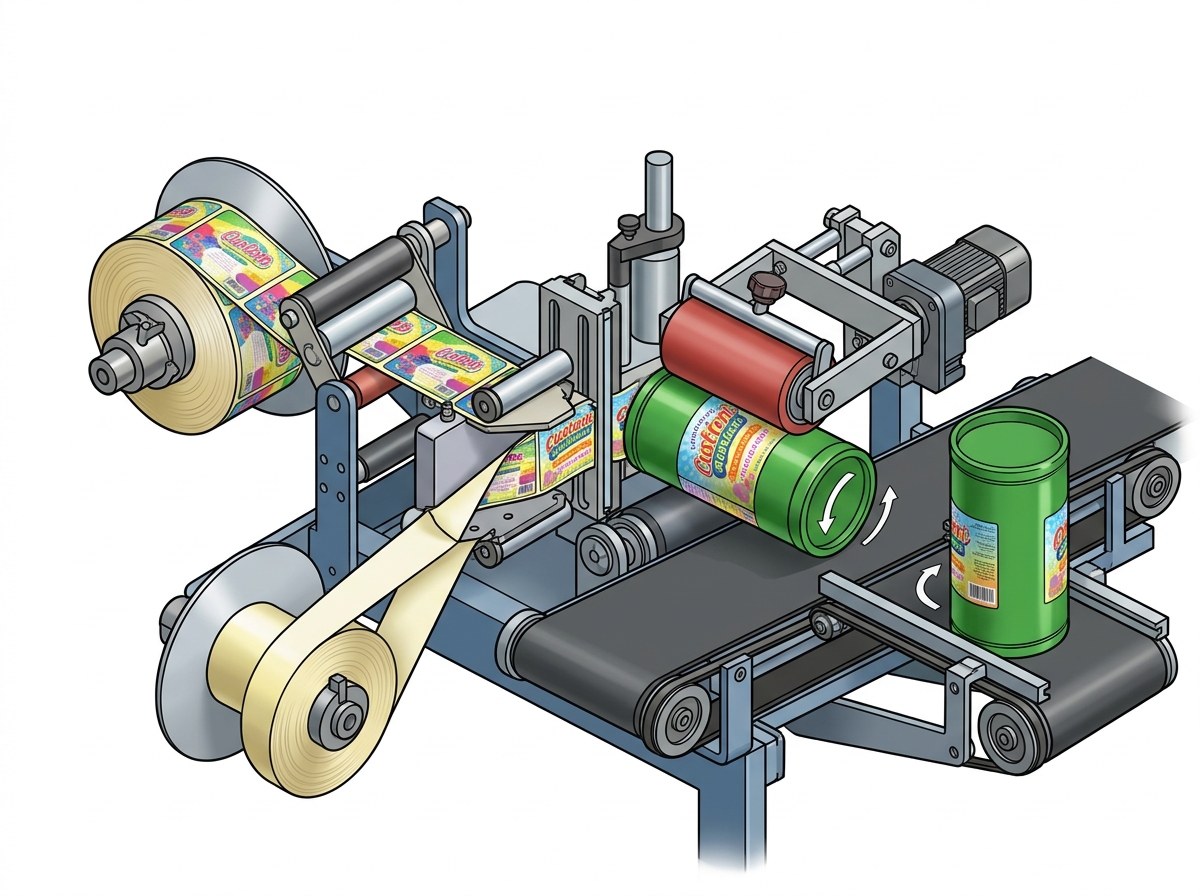
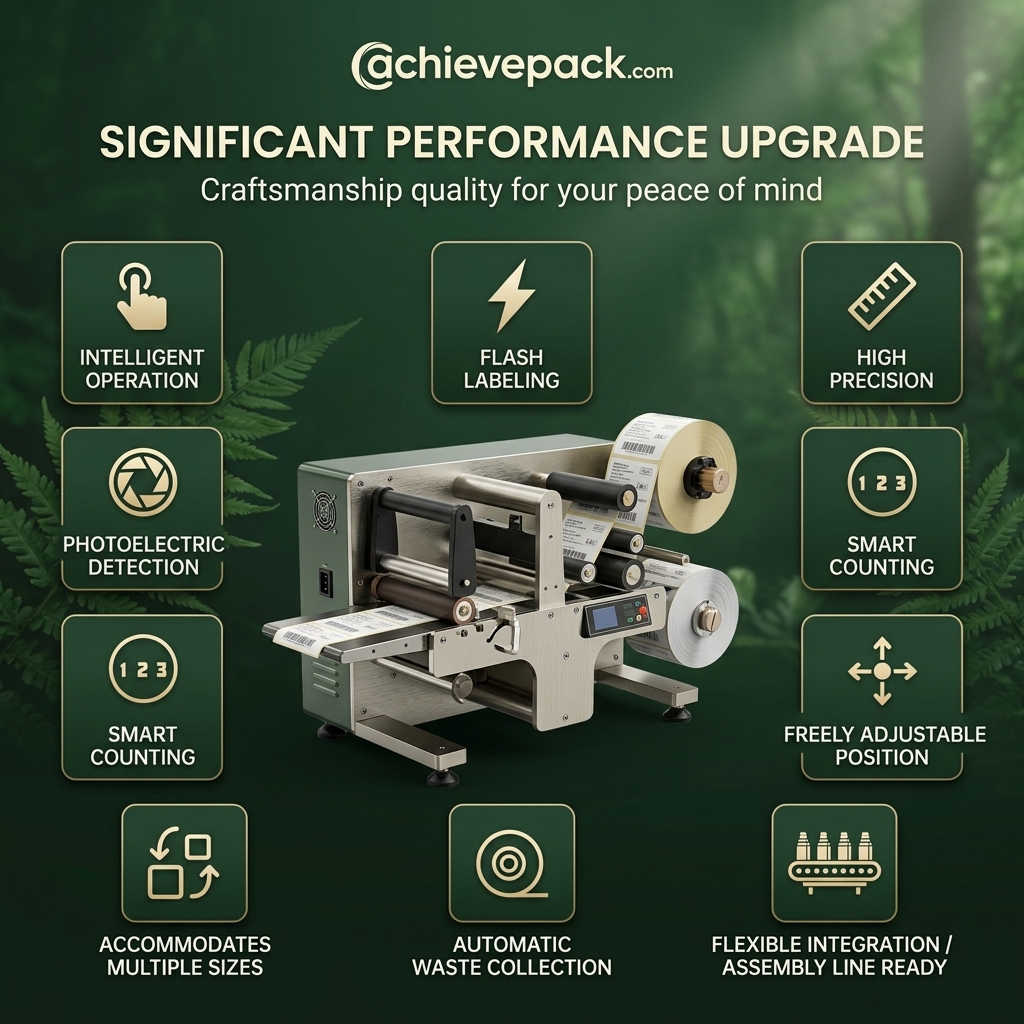
3. Stickers & Labels

Sticker Labeling Machine

Rolls of printed self-adhesive decals are positioned and applied using precision pressure rollers.

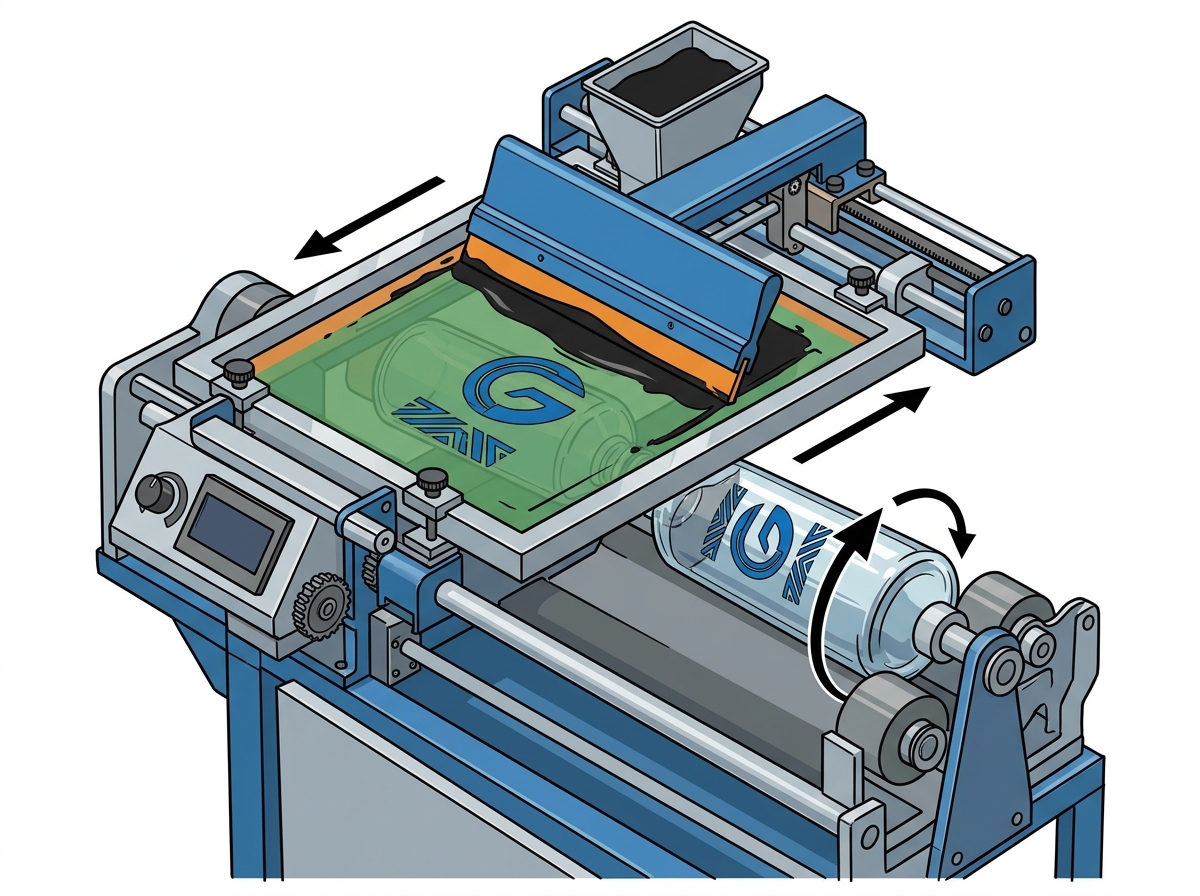
4. Silk Screen

Silk Screen Printing Schematic

Squeegee sweeps thick chemical-resistant screen ink through stencil mesh holes onto the curved surface.

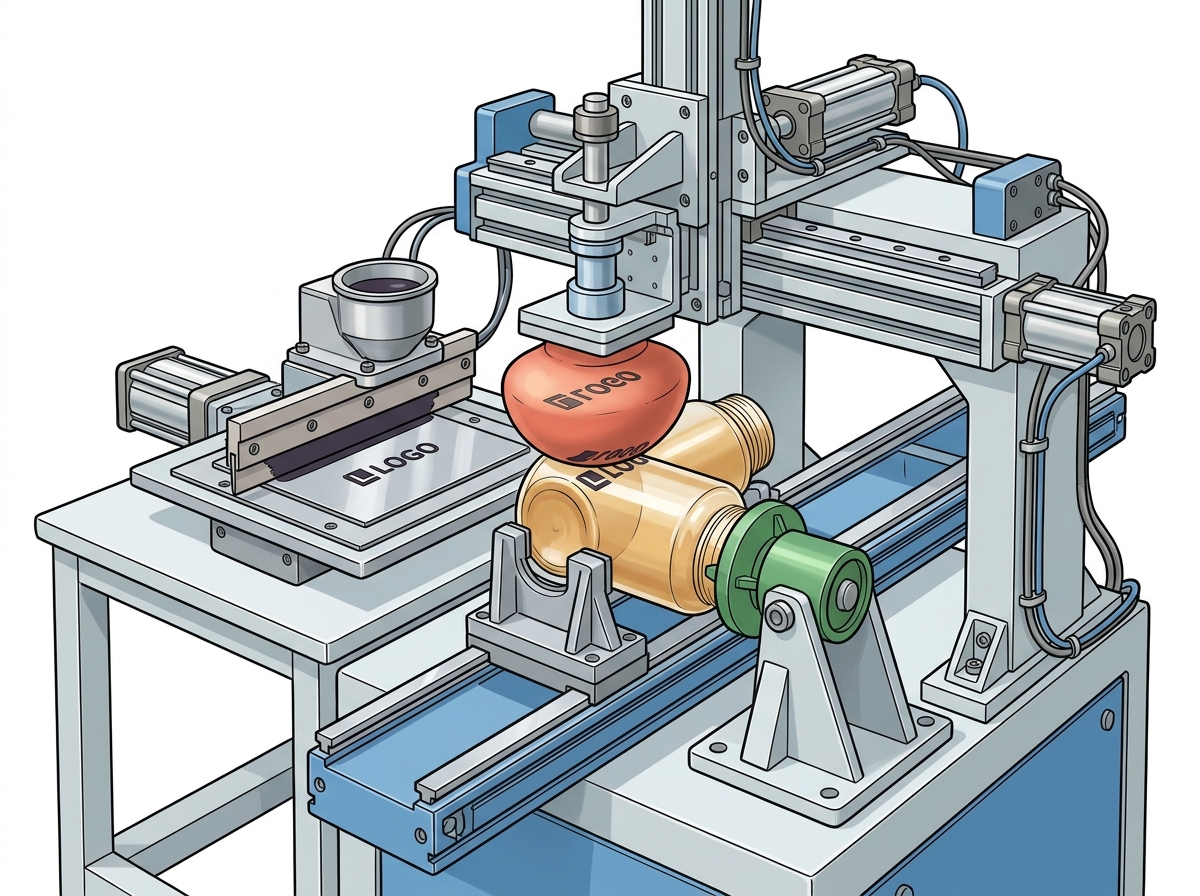
5. Pad Printing

Pad Printing Machine

Silicone transfer bulb absorbs ink from an etched steel plate and stamps it onto non-flat bottom grooves or dual-curve surfaces.

5 Common Bottle Printing Problems (And Solutions)

1. Ink Peeling / Poor Adhesion

Problem: Inks failing to bond with smooth surfaces like PET or acrylic. Solution: Pre-treating the surface with flame or corona discharge to increase surface tension before printing.

2. Color Mismatch

Problem: Printed colors not matching the brand's Pantone (PMS) specifications due to base material color interference. Solution: Printing a double layer of opaque white base coat underneath the colored inks.

3. Registration Issues / Blurry Print

Problem: Blurry prints or misaligned colors on multi-color passes (especially on curved surfaces). Solution: Using high-precision servo-driven rotary machines or switching to heat transfer for perfect multi-color alignment in a single pass.

4. Scratching & Scuffing

Problem: Logos rubbing off during shipping or daily friction. Solution: Applying a clear UV-cured topcoat over the print, or utilizing Laser Engraving for a permanent physical etch.

5. Distorted Graphics on Curves

Problem: Logos warping out of proportion when printed on tapered or dual-curve bottoms. Solution: Employing Pad Printing with soft silicone bulbs that deform naturally around uneven geometries to transfer the ink cleanly.

Expert Engineering Insight

Ryan Wong

From Ryan Wong's Engineering Notebook

14+ Years Packaging EngineeringGRS Material Specialist

""A common error in bottle customization is trying to use direct heat transfer iron-ons on the bottom curve of an acrylic jar. Direct heat plates cause uneven pressure, resulting in micro-bubbles and logo peeling.""

To print successfully on curved bottoms, we employ a heated silicone rubber transfer roller or utilize pad printing. The soft silicone pad or roller conforms to the bottle surface, ensuring even pressure and thermal dwell time. For rigid acrylic, we also pre-treat the surface with a flame or corona discharge to maximize ink adhesion and pass the 3M tape test.

Customize Reusable Canisters

We support screen printing, laser engraving, and custom label application from 100+ units.

Shop Reusable Canisters

Technical Comparison Matrix: Bottle Customization

Technical ParameterHeat TransferLaser EngravingStickers & LabelsSilk ScreenPad Printing
Wash Durability (Cycles)100+ Cycles (Commercial)Infinite (Lifetime Permanent)50-100 Cycles (Premium PET)200+ Cycles (Epoxy Inks)150+ Cycles (Silicone Inks)
Initial Setup / Plates CostHigh (Per Cylinder Plate)Zero (Digital Vector)Low (Digital Die-Cut)Medium (Mesh Screen)Low-Medium (Etched Cliché)
Minimum Order Quantity (MOQ)3,000+ units100+ units100+ units500+ units1,000+ units
Color CapabilityFull-color photographic gradientsMonochrome (Subtracted layer)Full CMYK + Metallic/Textured1-4 Spot Colors (PMS matching)1-2 Spot Colors (Ideal for bottom curves)

Why Shrink Sleeves Outperform Direct Bottle Printing

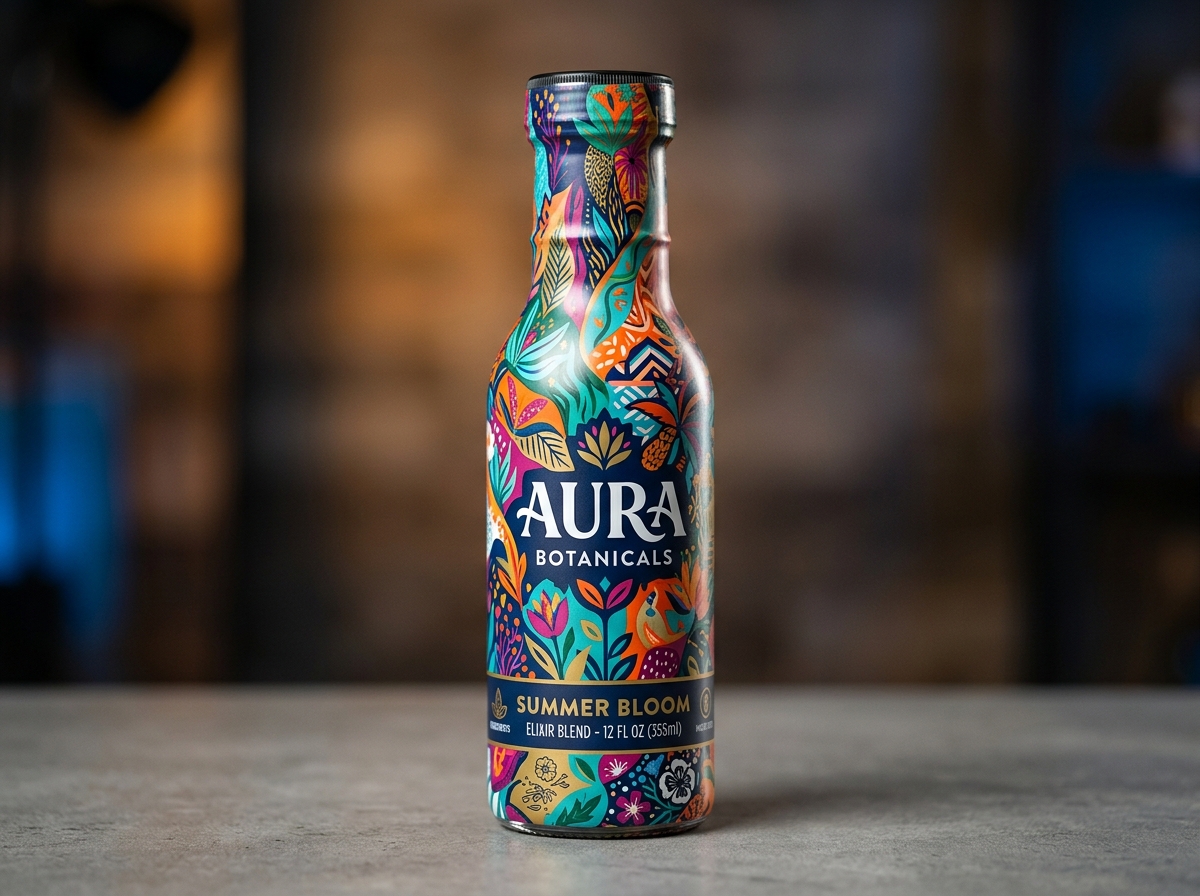
While direct screen printing, pad printing, and labeling are standard for basic containers, they have strict physical limitations. High-volume premium beverage, cosmetic, and food brands switch to heat-shrinkable film sleeve labels to overcome printing zones, shape constraints, and color resolution limits. Here are the 5 major rigid packaging problems solved by shrink sleeves.

1. Tactile Gloss/Matte Contrast (Spot Varnish)

Problem: Direct printing inks lay flat, making it impossible to render rich tactile patterns, embossing feel, or matte-gloss contrast on the container's surface.

Solution: Shrink sleeves support reverse spot-varnish gravure printing, integrating premium matte finishes with glossy window logos to deliver sensory depth.

1. Tactile Gloss/Matte Contrast (Spot Varnish)

2. Photorealistic High-Resolution Print

Problem: Direct silk screen printing is limited by screen mesh sizes (typically under 80 LPI), causing grainy halftones and making photorealistic color gradients impossible.

Solution: Flexographic and digital gravure shrink sleeve printing easily exceeds 150 LPI, rendering micro-details, ultra-sharp vector text, and seamless photographic gradients.

2. Photorealistic High-Resolution Print

3. Seamless 360° Wrap (No 5mm Non-Print Zone)

Problem: Direct screen printers require a mechanical registration gap (typically a 5mm to 8mm unprinted vertical band) to prevent wet ink from smudging when the bottle rotates.

Solution: Shrink sleeves are printed flat on rollstock before being seamed, enabling continuous 360° coverage from neck to base with zero blank margins.

3. Seamless 360° Wrap (No 5mm Non-Print Zone)

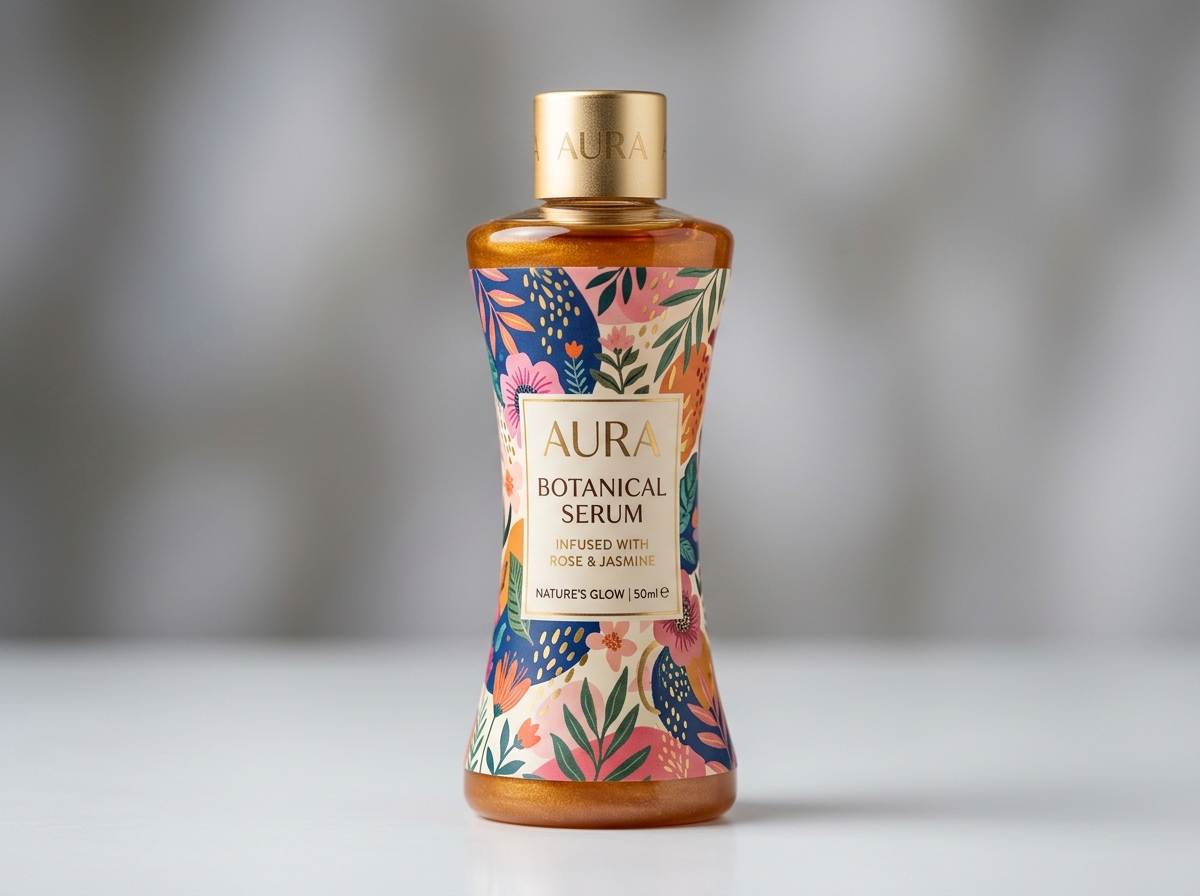
4. Contoured Match for Irregular Geometries

Problem: Flat screen printing or rigid rollers cannot print on tapered necks, contoured waists, or hourglass jars without severe graphic warping and ink accumulation.

Solution: Heat shrink tunnels shrink the film label dynamically to conform to the container's exact geometry, accommodating stretch ratios up to 75% without distortion.

4. Contoured Match for Irregular Geometries

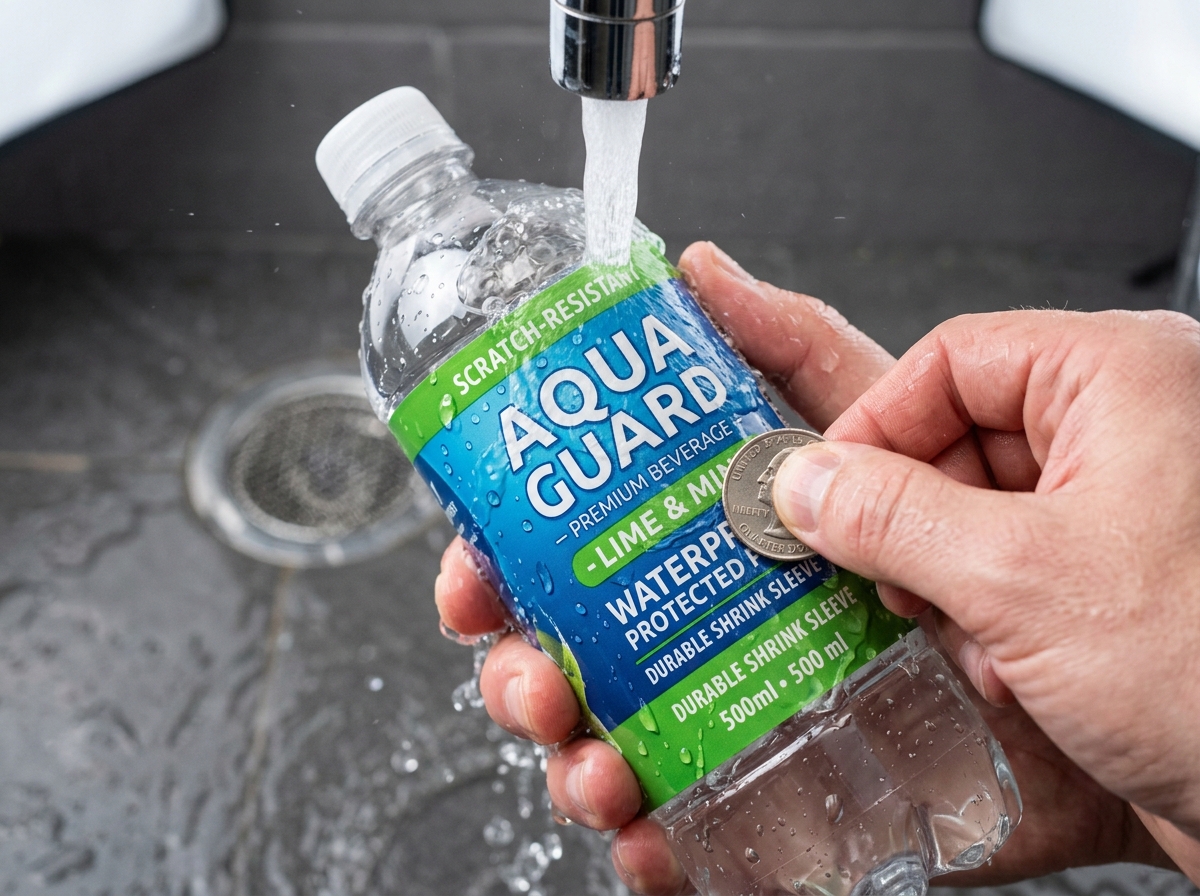
5. Internal Reverse Print for Ultimate Durability

Problem: Directly printed surface inks are exposed to scratching during transit, hand friction, oils, and soap wash cycles, leading to premature branding degradation.

Solution: Shrink sleeves print ink on the inside of the transparent film, so the plastic barrier itself shields the design from mechanical scratch, moisture, and chemical cleaners.

5. Internal Reverse Print for Ultimate Durability
Establish 360° Branding with Custom Shrink Sleeves

Boost your product shelf-appeal with high-gloss contour-matched shrink sleeves. Order customized runs starting from low MOQ.

Shop Custom Shrink Sleeves
DIGITAL PRINT & COLOR CALIBRATION LAB

HP Indigo Color Accuracy & Printing Proofs

Low-MOQ runs must deliver enterprise-level visual branding. We inspect color alignment tolerances, ink adhesion strength, and white underprint opacity using spectrophotometer color matching to ensure pixel-perfect pouch graphics.

ASTM TESTED

Color Matching (X-Rite)

ΔE < 1.5 Tolerance

Spectrophotometer validation ensuring brand color consistency across batches.

ASTM TESTED

Ink Adhesion Test (ASTM D3359)

Grade 5B (100% Adhesion)

Tape peel test to ensure ink does not peel or scratch during shipping and handling.

ASTM TESTED

White Ink Underprint Opacity

> 85% Density

Ensures rich, vibrant colors when printing on transparent or brown kraft films.

ISO / BRCGS

Digital Press Calibration

HP Indigo Digital Certified

HP-validated polymer ink integration, offering excellent heat and rub resistance.

ASTM TESTED

Lamination Peeling Force

> 2.0 N / 15mm Width

Ensures the printed film layer never delaminates or separates from barrier layers.

ASTM TESTED

VFFS Low-Temp Sealing

Validated at 130°C

Ensures digital-printed pouches seal perfectly on standard heat-sealer jaws.

Packaging Performance Case Study

Packaging Transformation for How to Print on Bottles & Canisters: 5 Main Methods Compared

See how upgrading from generic commoditized bags to precision-engineered flexible barrier packaging eliminates transport failures and boosts shelf authority.

BEFOREGeneric Packaging

Standard / Generic Packaging (Before)

Standard stock bags fail under transit stress and expose sensitive goods to moisture, UV light, and oxygen.

Before packaging failure
High Risk / Compromised
  • Rapid Oxidation & Flavor DegradationCheap films allow O2 & moisture ingress, spoiling contents in < 30 days.
  • High Seal Breakage in TransitThin seams fail under drop tests, leading to customer refunds & lost trust.
  • Heavy Plastic Tax PenaltiesMulti-layer unrecyclable packaging incurs up to €800/ton in EU PPWR fines.
  • High MOQs & Plate Cost FrictionTraditional printers force 10,000+ unit minimums and $1,500 cylinder fees.
Result: Customer Churn & High Damage Rates
AFTEREngineered Barrier Solution

Achieve Pack / Pouch Eco Solution (After)

Custom engineered multi-layer pouch structure tailored to your exact moisture barrier, seal strength, and aesthetic requirements.

After precision packaging solution
100% Quality Guaranteed
  • Ultra High-Barrier Foil/EVOH CoreGuaranteed OTR < 0.1 cc/m²/day, keeping contents fresh for 18–24 months.
  • Reinforced 45N/15mm Localized Heat Seal180°C precision seam dwell time prevents bursting even under 2-meter drops.
  • 100% Certified Eco ComplianceTÜV OK Compost HOME (EN13432) & Mono-PE Recyclable structures (0% Tax).
  • HD Digital Printing with 500-Unit Low MOQsPrint multi-SKU runs in 7 business days with zero setup plate charges.
Result: Zero transit leaks & premium brand retentionUpgrade Now

Questions We Get Asked

Which printing method is best for cylindrical acrylic canisters?▼
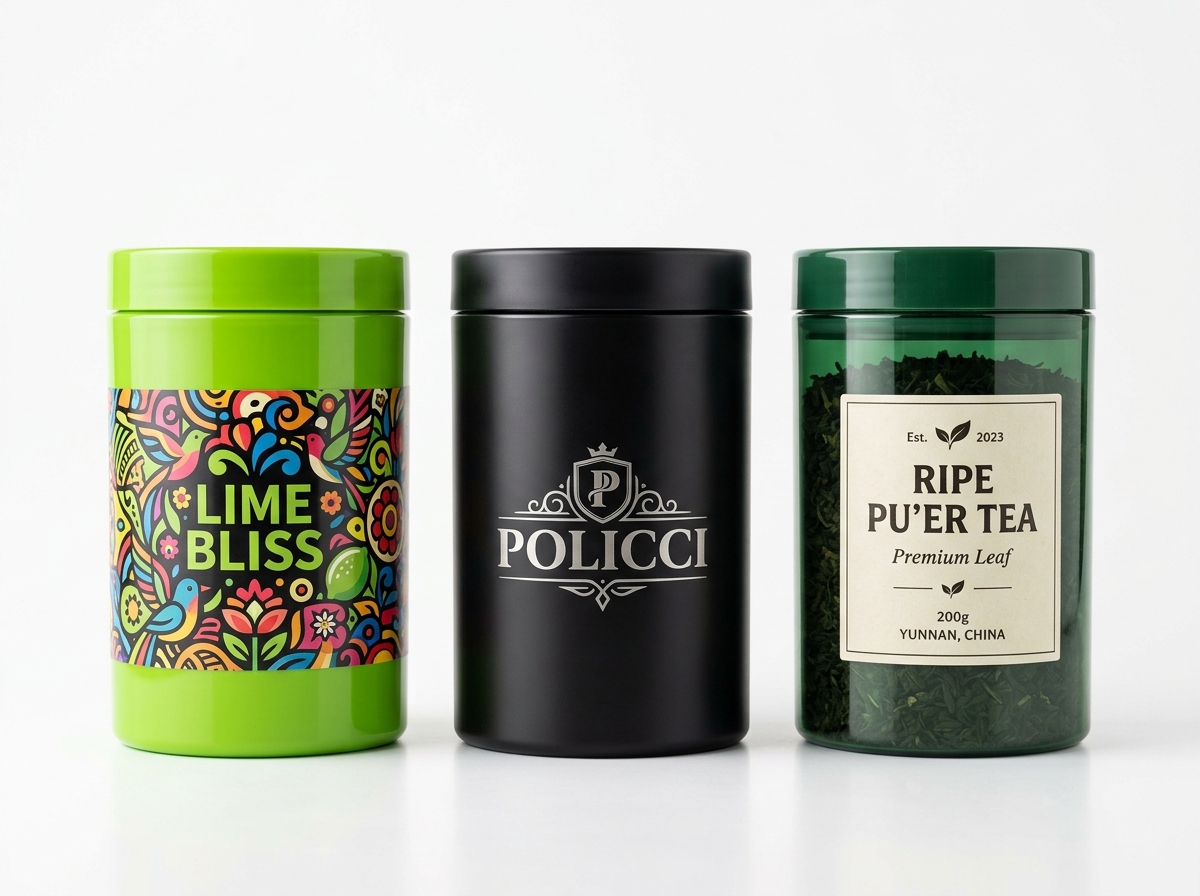
For cylindrical acrylic canisters, silk screen printing is the industry standard for 1-2 spot colors due to high adhesion and lower cost. For complex full-color designs, heat transfer film via a heated silicone roller offers the best wrap-around result, while adhesive labels are the most versatile for fast product runs.
How does heat transfer printing on a bottle bottom work?▼
Heat transfer printing uses a heated silicone plate or roller to apply pressure to a carrier film. As the bottle rotates on rollers, the heat (150°C-210°C) melts the adhesive layer of the film, releasing the printed ink onto the plastic/acrylic surface, creating a permanent high-resolution graphic wrap.
Is laser engraving permanent on painted metallic and plastic surfaces?▼
Yes. Laser engraving is a subtractive process that uses a high-energy laser beam to vaporize or etch the top coat of the bottle, exposing the material underneath (such as stainless steel or contrasting polymer layers). It is 100% permanent, wash-proof, and won't fade.
Related Stuff

E-E-A-T Research & Materials Verification

How We Ensure Absolute Accuracy and Trustworthiness

At Achieve Pack, sustainable packaging isn't just about printing; it's about hands-on material science. This article has been written and verified by Ryan Wong, a packaging specialist with 14+ years of experience engineering biopolymer stacks for DTC startups and Fortune 500 companies.

All research, material barrier specifications (OTR, WVTR), heat-seal values (N/15mm), and compostability timelines cited in our guides are backed by testing inside the Achieve Pack Materials Testing Lab. We cross-reference our data with official certification registries from BPI (Biodegradable Products Institute), TÜV Austria (OK Compost HOME), and FSC (Forest Stewardship Council).

TÜV OK Compost HOMEBPI Certification #10529618ASTM D6400 / EN 13432HP Indigo Digital Certified
Ryan Wong

Ryan Wong

Supply Chain Director

B.Eng honors degree graduate from Hong Kong Polytechnic University. Serving brands in 8 countries.

View Expert Profile →

Request a Printing Feasibility Review

Send us your artwork to analyze the optimal printing setup for your bottles, canisters, and lids under GRS circular standards.

Material Showcase

See the Material in Action

Real footage of our eco-friendly packaging structures in action.

100% Compostable

Compostable Solution

Fully compostable flexible packaging certified under ASTM D6400 and EN 13432. Engineered to break do...

  • ASTM D6400 & EN 13432 Certified
  • Breaks down within 180 days in soil
View Material Details
Up to 100% Recycled Content

Post-Consumer Recycled (PCR)

Made from high-quality post-consumer recycled plastic waste. Our PCR structures reduce carbon footpr...

  • Saves post-consumer waste from landfills
  • Lowers carbon footprint substantially
View Material Details
100% Sugarcane Ethanol

Plant-Based Bio-PE

Derived from sustainably-farmed Brazilian sugarcane. It captures atmospheric CO2 during growth and i...

  • Captures CO2 during plant growth
  • 100% recyclable in regular PE stream (#4)
View Material Details
100% Mono-Material

Recyclable Mono-Material

Engineered using Mono-PE or Mono-PP structures to enable simple, circular sorting and recycling. Com...

  • 100% recyclable mono-polymer structure
  • Meets EU Circular Economy directives
View Material Details
// Our Portfolio

See Our Work

Browse real product photos from brands we've helped launch. Your custom packaging could be next.

// Our Expertise

See Our Know How

Explore our comprehensive knowledge base on sustainable materials, packaging specifications, cost structures, and D2C strategies.

Still reading the footer? You must be serious.
$40+ sample kit — credited to your first order. Or book 15 minutes with a human.
Get the Sample KitBook a Call
WhatsApp (Real Person)LIVE
Book Meeting (Real Person)1:1
AI Packaging Assistant

We use cookies to improve your experience. View our Cookie Policy.