Shrink Sleeve Labels
Maximum 360° branding real estate on any bottle shape. Recyclable PET-G ( 1) available. Low MOQ from 1,000 units with digital print technology.
Quick Summary
Shrink sleeves provide full-body 360-degree printed coverage that conforms perfectly to complex bottle curvatures. Made from recyclable PET ( #1), they transform ordinary containers into visually striking retail products while meeting modern sustainability mandates.
 BY RYAN WONG, ECO PACKAGING PROTOCOL
What is a Shrink Sleeve?
A shrink sleeve is a full-body label made from PET-G or PVC film that conforms to any complex container shape when exposed to controlled heat. Unlike pressure-sensitive labels limited to flat surfaces, shrink sleeves wrap 360 degrees around bottles, cans, jars, and specialty containers — providing maximum branding real estate and tamper-evidence.
Heat Shrinking Application Technologies
To achieve a perfect wrinkle-free shrink fit on contoured containers, packers use different heat transfer systems. Understanding which method fits your production line is critical to reducing rejects:
Uses saturated steam (100°C–105°C) to heat the film. Saturated steam transfers heat 30 times faster than air, distributing energy uniformly.
Uses forced hot air (130°C–220°C) inside a chamber or through direct nozzles. Easier to install and maintain as no boiler/water treatment is required.
Involves dipping or spraying hot water (80°C–90°C). Primarily used in laboratories for shrink rate calibration, and warm-ups of glass/metal heavy thermal sinks.
Shrink Sleeve Studio Gallery
Click on any image to enlarge and view technical descriptors of our unrolled and conformed labels.
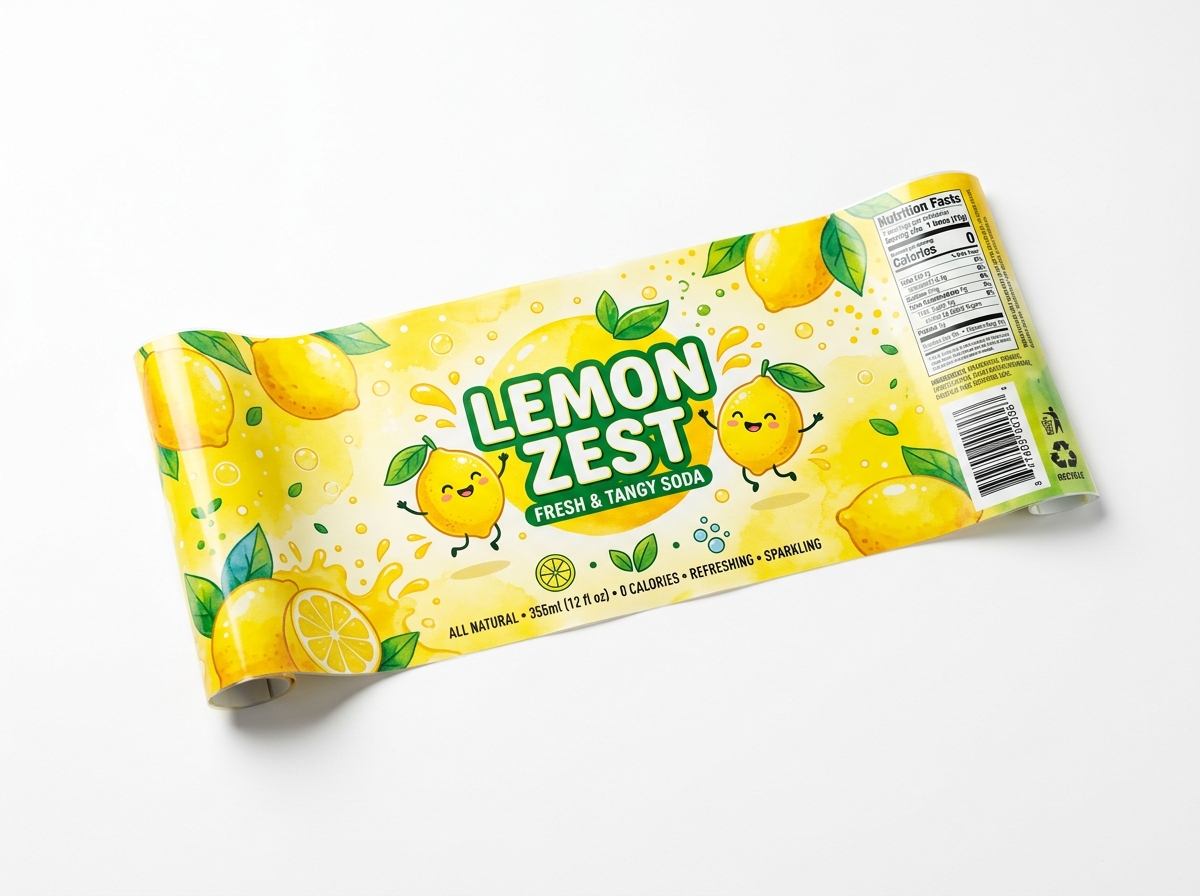
Flat Unrolled PET-G Label (Lemon Zest)
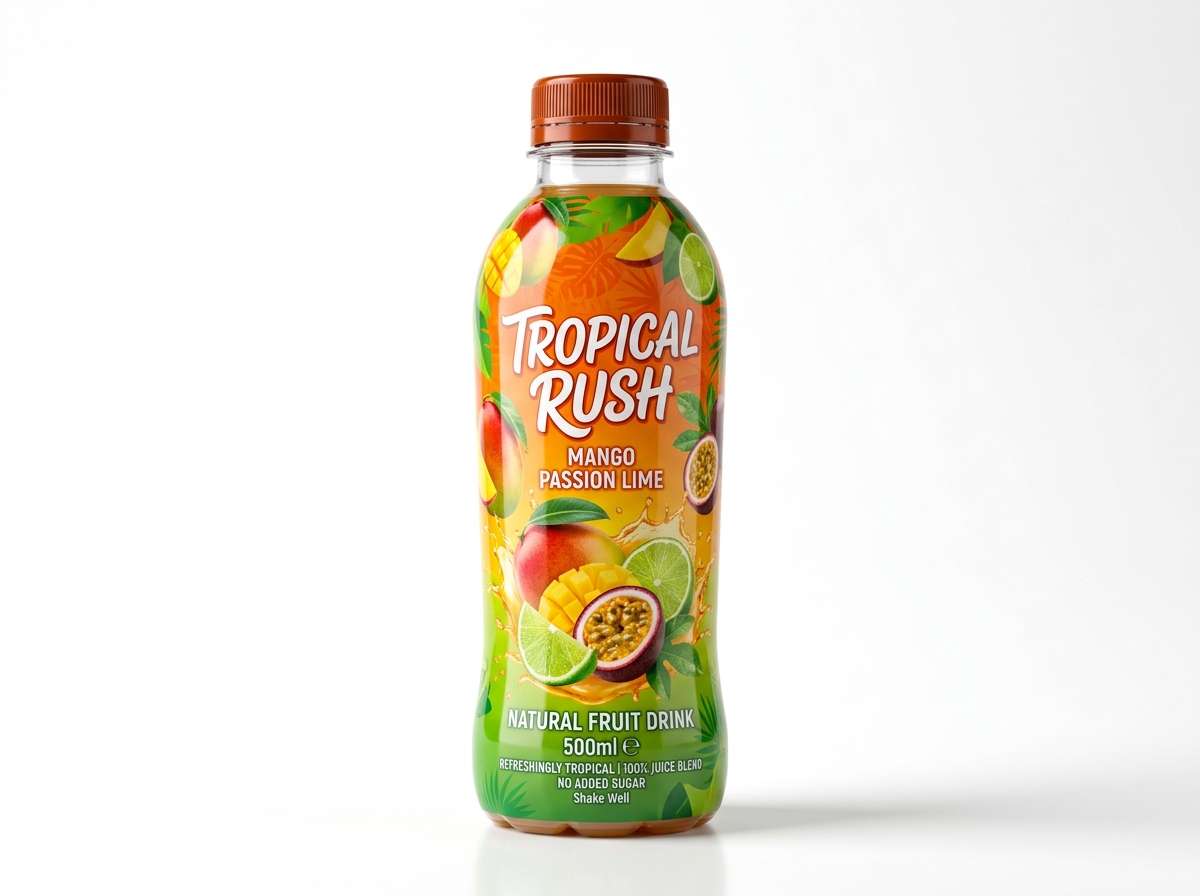
Conformed Tropical Rush Beverage Bottle
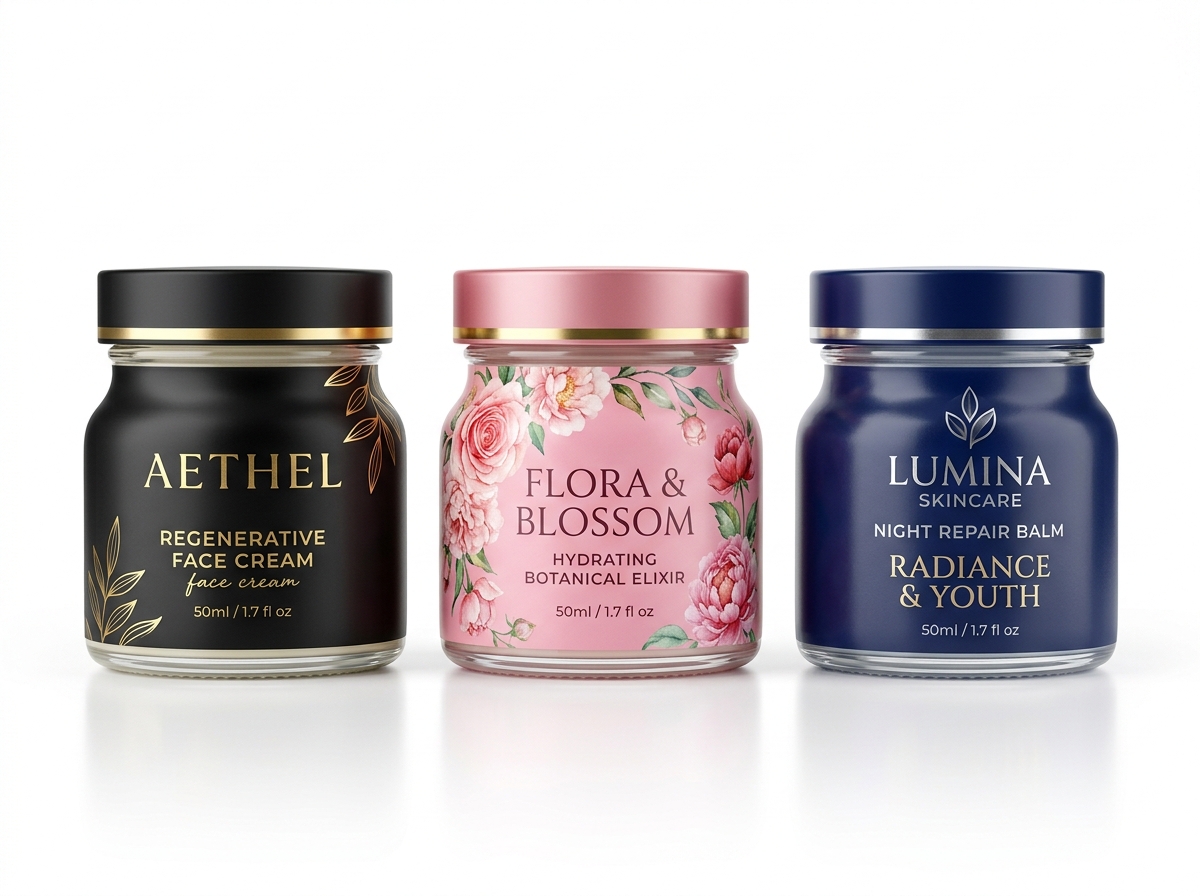
Premium Cosmetic Glass Jars
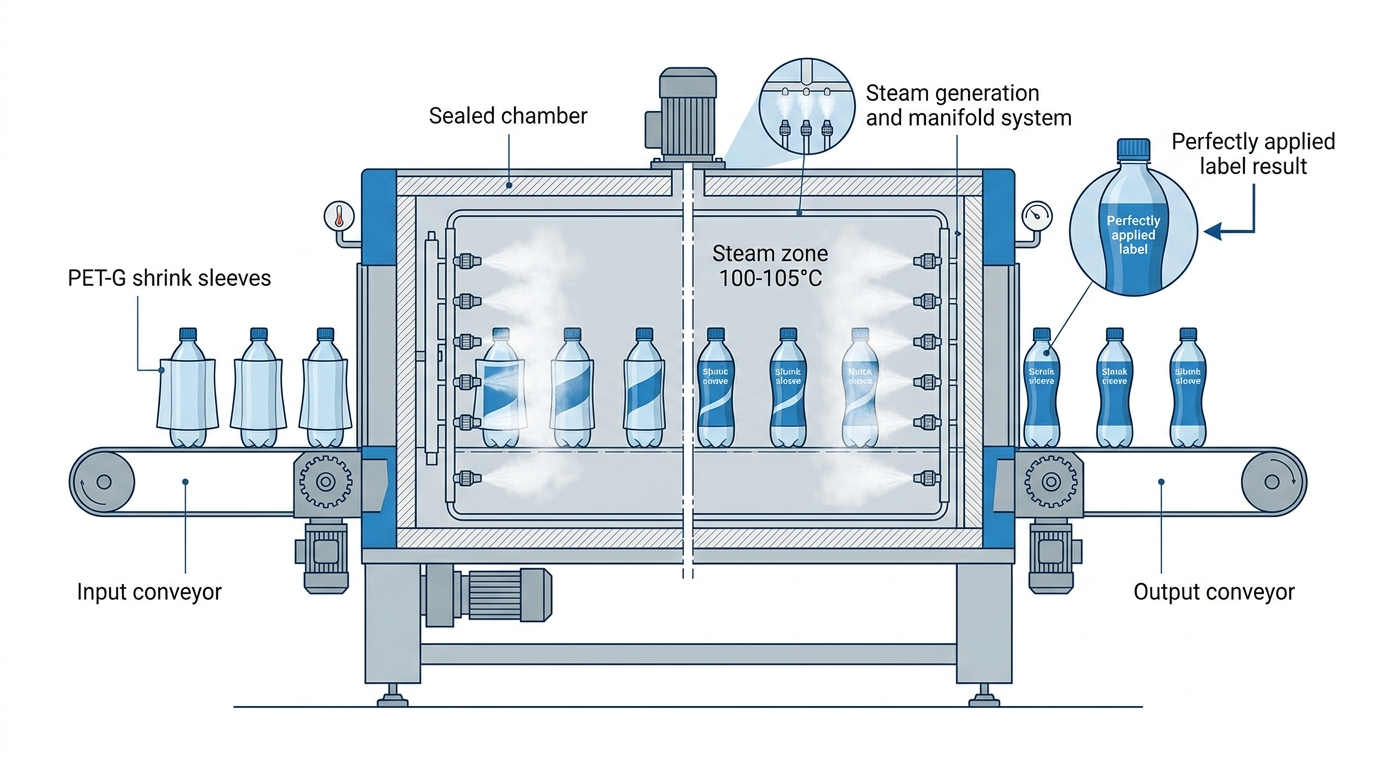
Steam Shrink Tunnel Technical Layout
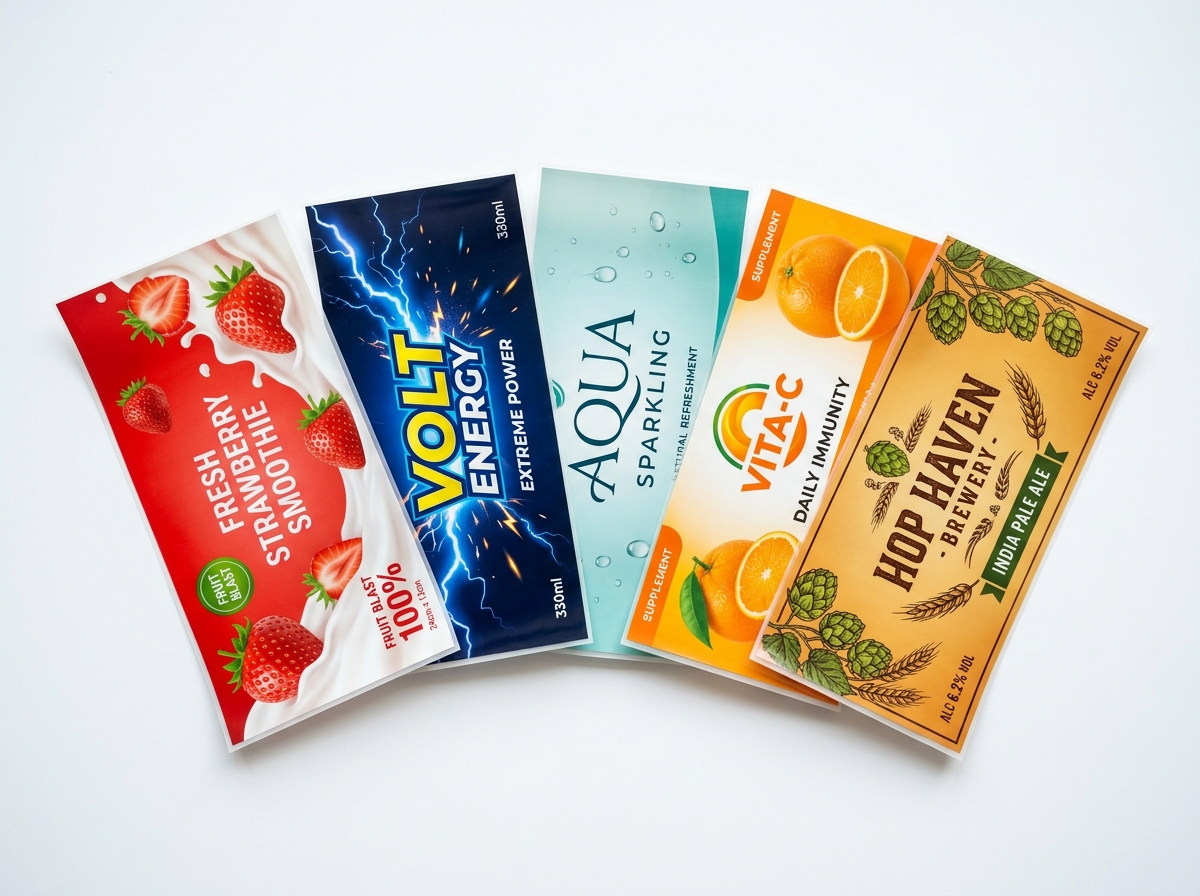
Multiple Flat Label Prototypes Flat Lay
Comprehensive Troubleshooting Guide for Packers
Graphic Distortion (Smileys & Frowns)
Occurs when the film shrinks unevenly around bottle curves, bending lines and text. Solution: Implement advanced prepress 3D digital grid modeling to apply reverse distortion to the flat artwork before printing.
Wrinkles, Smiles, and Air Bubbles
Usually caused by sudden heat shocks or uneven temperature zones inside the tunnel. Solution: Grade the heat profile across multiple tunnel chambers, starting with low pre-heat (70°C) and ramping up gradually.
Recycling Stream Contamination
PET sleeves on PET bottles can contaminate the flake sort if not separated. Solution: Use wash-off inks (ink detaches in a 85°C caustic bath) and dual micro-perforations so consumers or automated de-labelers can peel off the sleeve.
Scuffing and Ink Peeling
Severe abrasion during shipping or automatic sorting. Solution: Utilize gravure or digital reverse printing, sandwiching the inks behind a protective 40-micron PET-G layer so the surface remains pristine.
Seam Splitting and Bursting
Weak solvent bonding breaks under high-speed automatic container insertion. Solution: Enforce continuous inline seam-weld monitoring and optical inspection systems during label conversion.
HP Indigo Color Accuracy & Printing Proofs
Low-MOQ runs must deliver enterprise-level visual branding. We inspect color alignment tolerances, ink adhesion strength, and white underprint opacity using spectrophotometer color matching to ensure pixel-perfect pouch graphics.
Color Matching (X-Rite)
Spectrophotometer validation ensuring brand color consistency across batches.
Ink Adhesion Test (ASTM D3359)
Tape peel test to ensure ink does not peel or scratch during shipping and handling.
White Ink Underprint Opacity
Ensures rich, vibrant colors when printing on transparent or brown kraft films.
Digital Press Calibration
HP-validated polymer ink integration, offering excellent heat and rub resistance.
Lamination Peeling Force
Ensures the printed film layer never delaminates or separates from barrier layers.
VFFS Low-Temp Sealing
Ensures digital-printed pouches seal perfectly on standard heat-sealer jaws.
Shrink Sleeve Technical Specifications
| Parameter | Specification | Business Value |
|---|---|---|
| Material Base | Premium PET-G or Cost-effective PVC | High optical clarity and uniform shrink performance across gas, steam, or electric heat tunnels. |
| Shrinkage Ratio | Horizontal: 60%–78% | Vertical: 1%–3% | Calibrated for extreme bottle curvatures, preventing graphic distortion or smiley effects. |
| Thickness Gauge | 30 to 50 Micron film thickness options | Balances tensile strength for automatic high-speed applicators with material efficiency. |
| Specialty Finishes | Matte coating, metallic foil hot-stamping, window elements | Premium tactile finishes and window cutouts showcase product color or level. |
Application Type Comparison
| Application Type | Shrink Material | Shrinkage Rate | Ideal Use Case |
|---|---|---|---|
| Full-Body Sleeve | PET-G / PVC | Up to 78% | 360-degree branding on contoured juice, beverage, and dairy bottles |
| Neck Band & Seal | PET / PVC | Up to 60% | Tamper-evident neck seals, hot-fill sauces, and cosmetic jars |
| Multipacks / Combo | PET-G | Up to 70% | Bogo promotional bundles, twin-packs, and multi-tier product packs |
| Pre-forms | PET-G | Up to 75% | Pre-shaped cap/neck sleeves for high-volume automated line speeds |
Frequently Asked Questions
Is PET shrink sleeve packaging recyclable?▼
What is the main difference between PET-G and PVC shrink sleeves?▼
Do you offer tamper-evident features?▼
What printing technologies are supported?▼
Related Resources
SPEC YOUR SHRINK SLEEVES
Our prepress team is ready to assist with pre-distortion alignment to ensure your design looks flawless on complex container contours.
Recyclable Mono-Material
Engineered using Mono-PE or Mono-PP structures to enable simple, circular sorting and recycling. Combined with specialized high-barrier coatings to preserve freshness without compromising recyclability.
- 100% recyclable mono-polymer structure
- Meets EU Circular Economy directives
- EVOH barrier layer for oxygen protection
- Highly customizable surface finishes
See Our Work
Browse real product packaging photos from brands we've helped launch.
Certified Compostable Snacks Pouch
High-barrier plant-based flexible stand-up packaging for organic snacks and granola.
Read Guide
Custom Printed Stand-Up Pouch
High-resolution digital print sample with low minimum order quantity.
Read Guide
Compostable Matte White Pouch
Eco-friendly matte white stand-up pouches with organic sugar cane paper styling.
Read Guide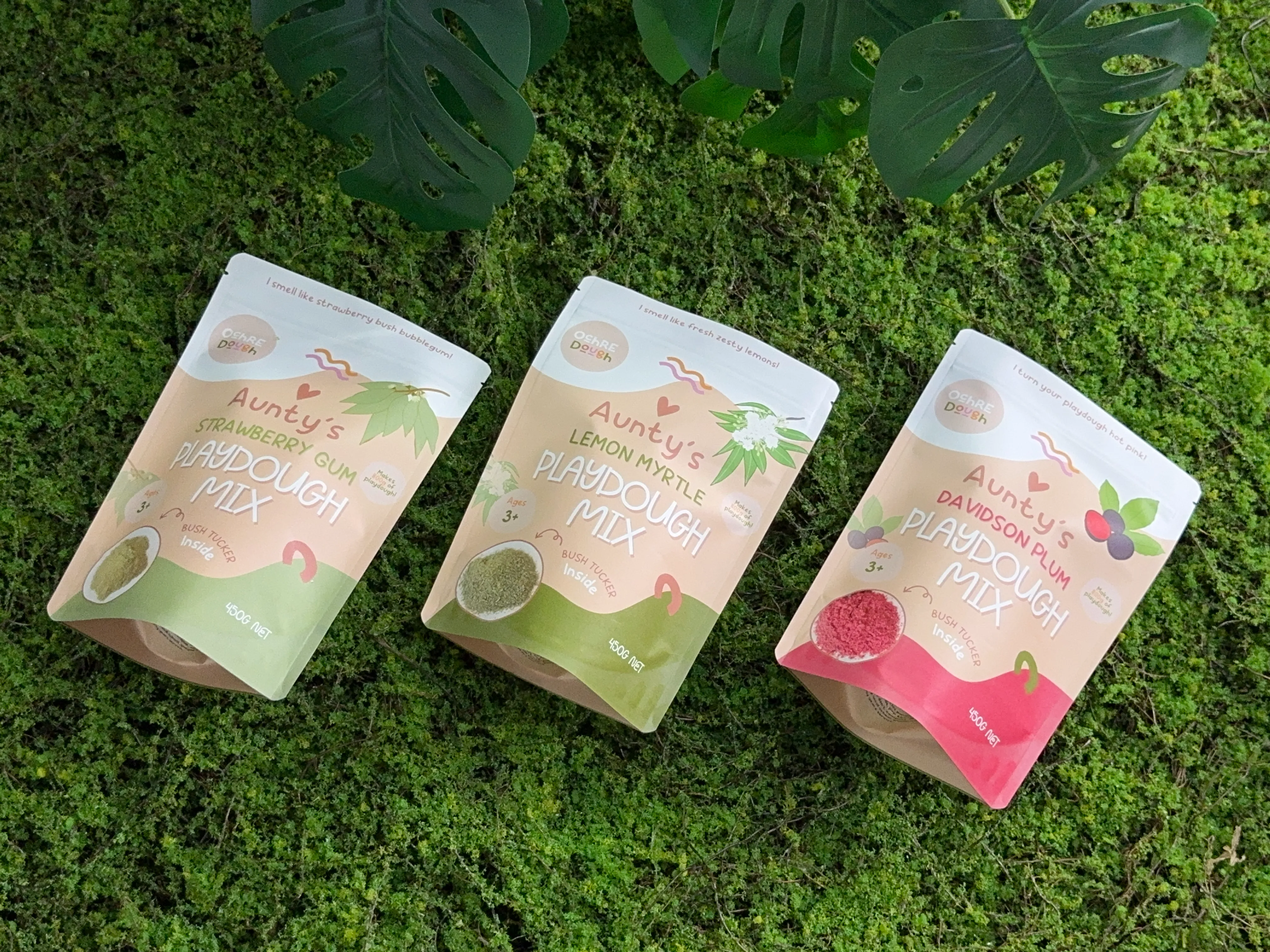
Expandable Side Gusset Coffee Pack
Quad seal side gusset bag with internal degassing valve.
Read Guide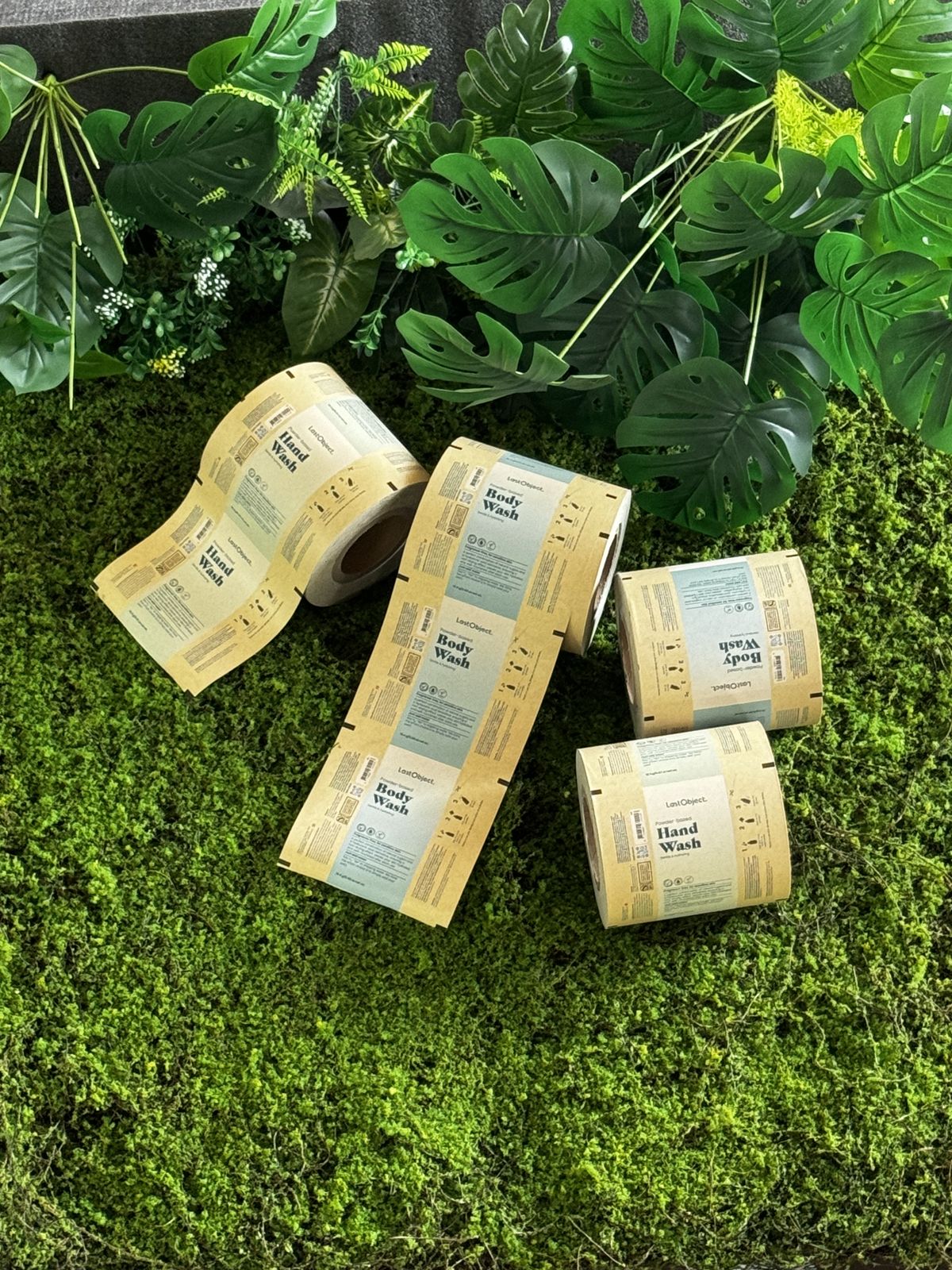
Premium Black Matte Coffee Bag
Sleek matte black flat bottom bag with integrated pocket zipper.
Read Guide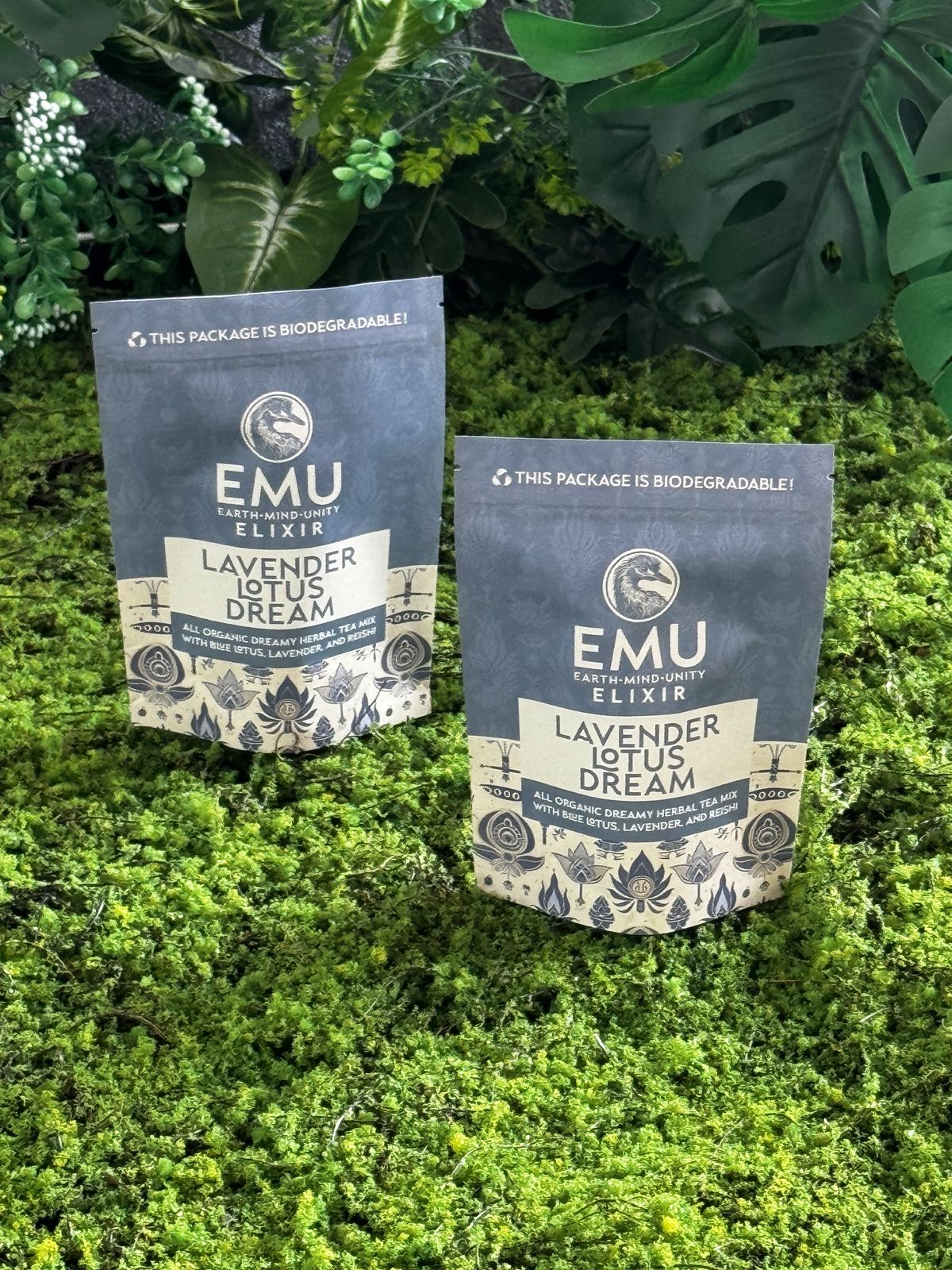
Recyclable Mono-PE Zipper Pouch
Fully circular design with recyclable press-to-close zippers.
Read Guide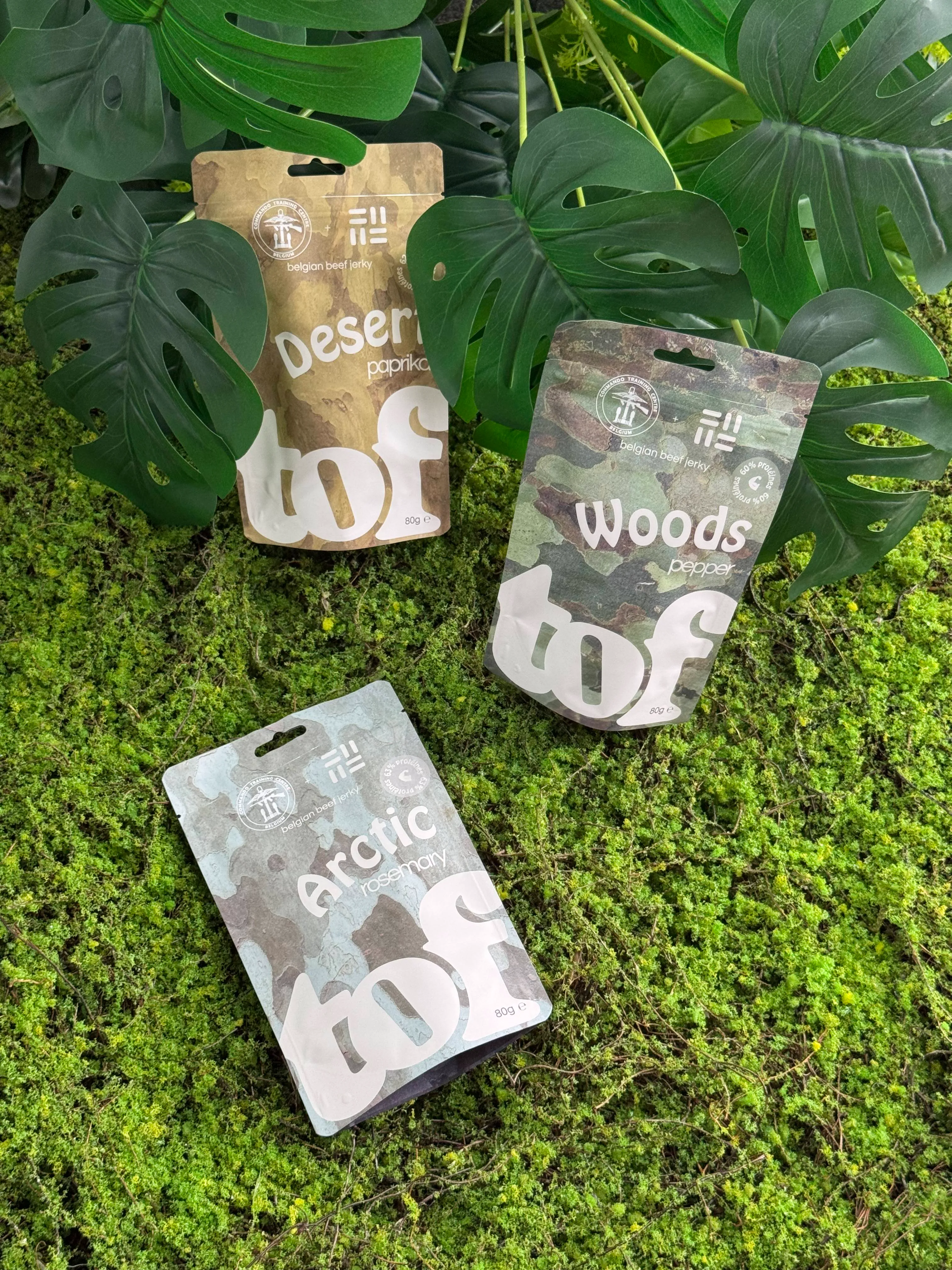
Heavy-Duty Recyclable Side-Gusset Pouch
Mono-PE side-gusseted structures designed for stable retail shelving and durability.
Read Guide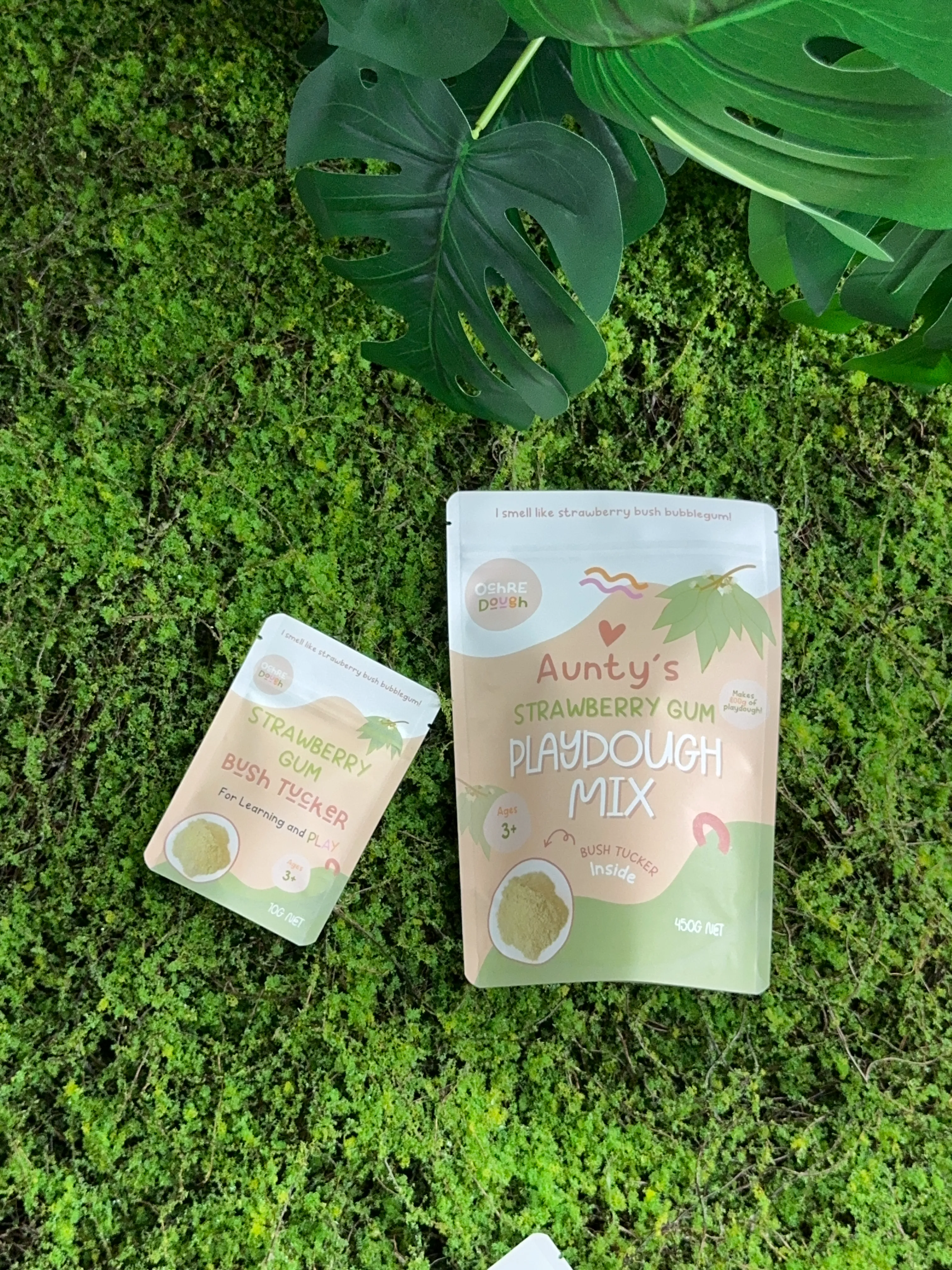
Puncture-Resistant Pet Food Pack
Reinforced structure preventing tears and securing freshness.
Read Guide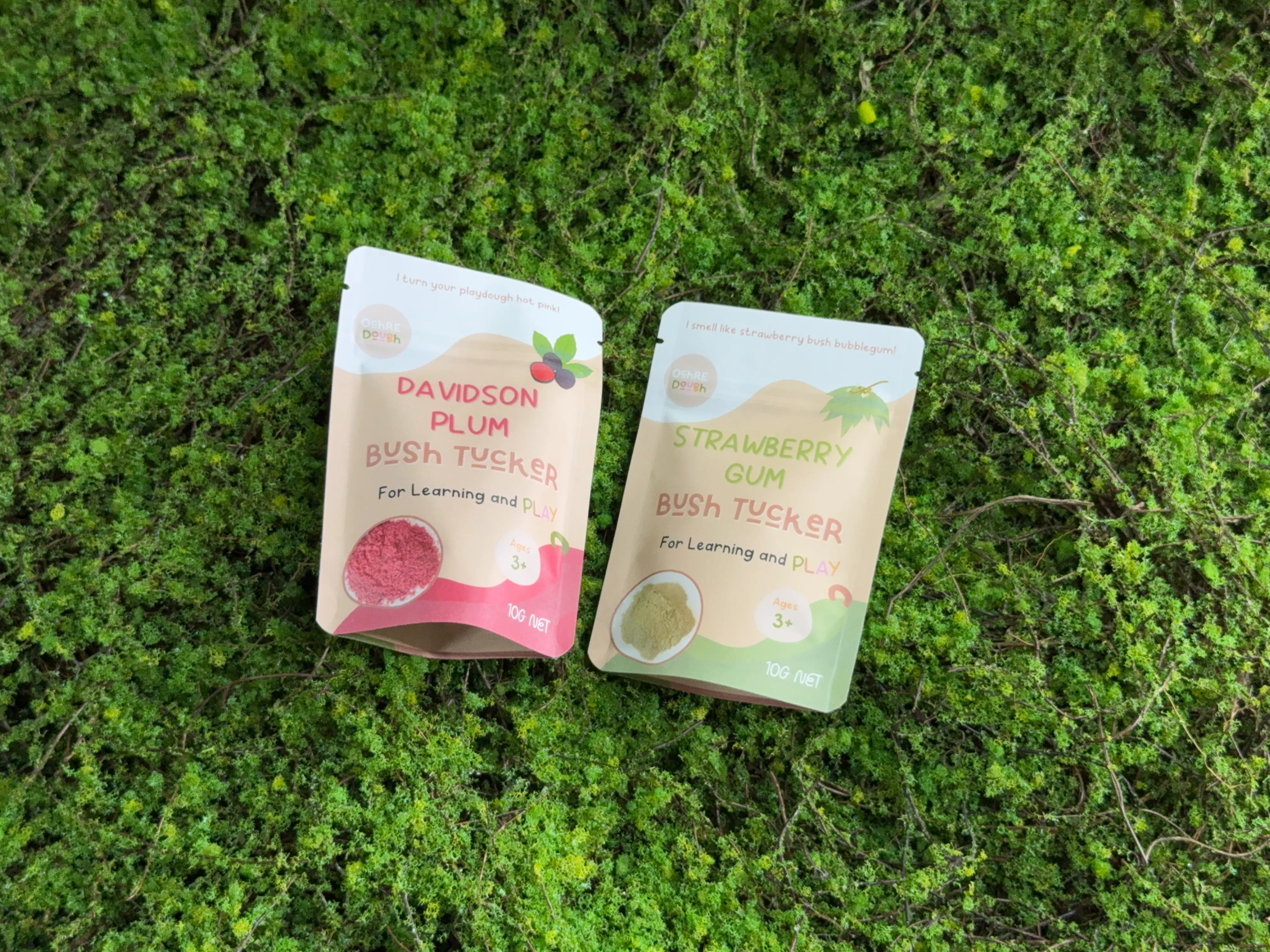
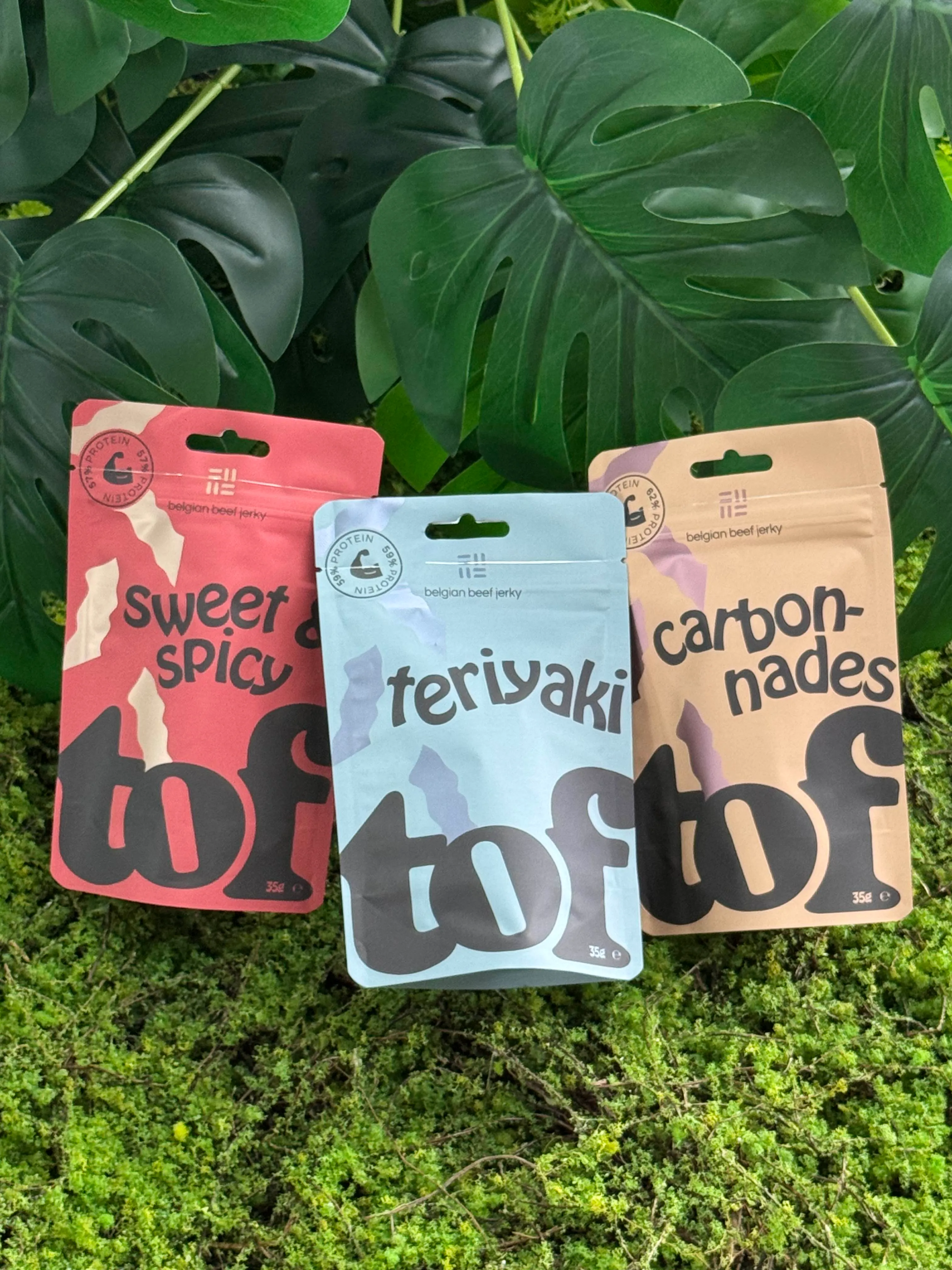
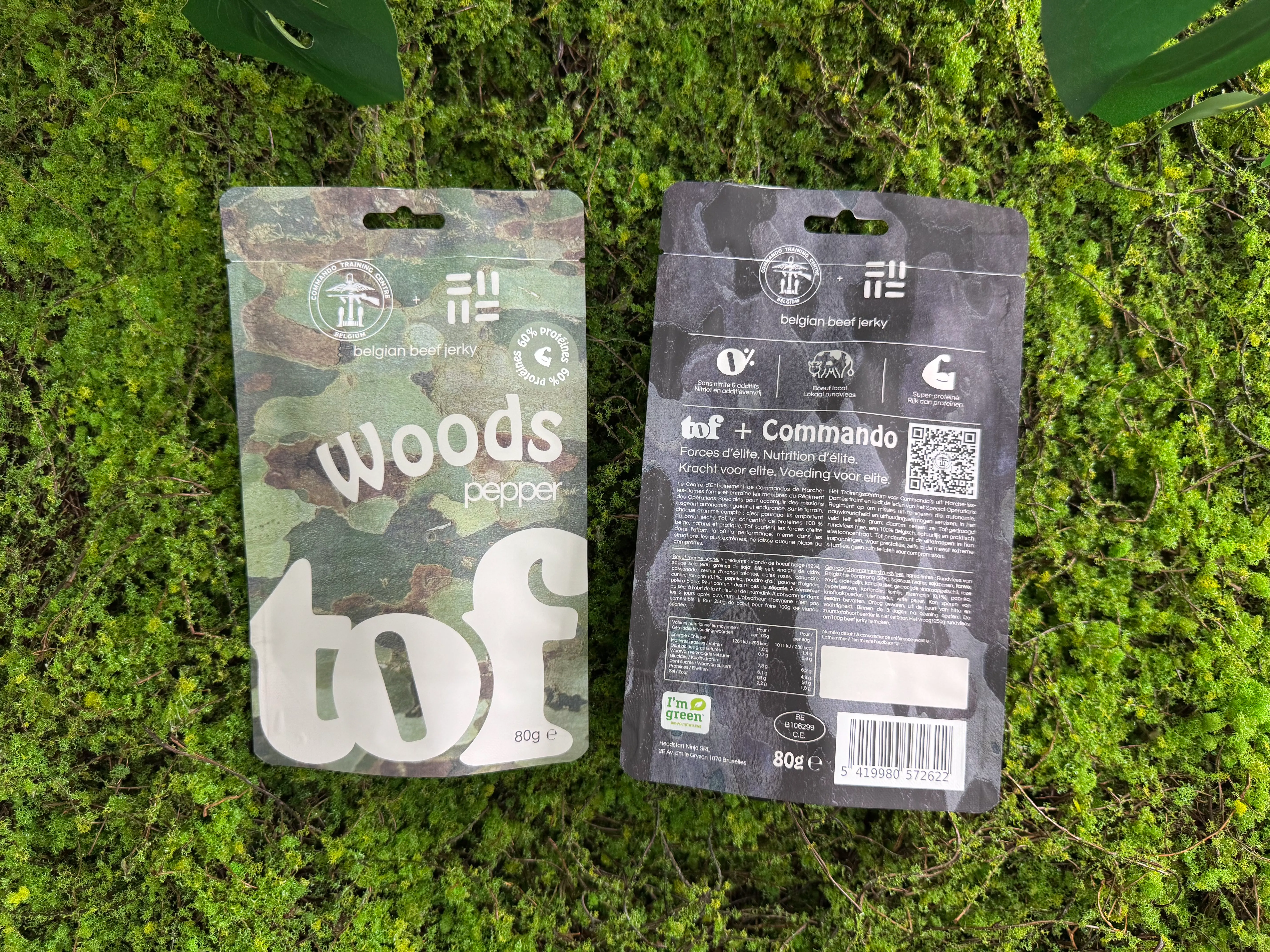
Circular Mono-PE Jerky Pouch
High oxygen barrier mono-PE film suitable for cured meats and jerky.
Read Guide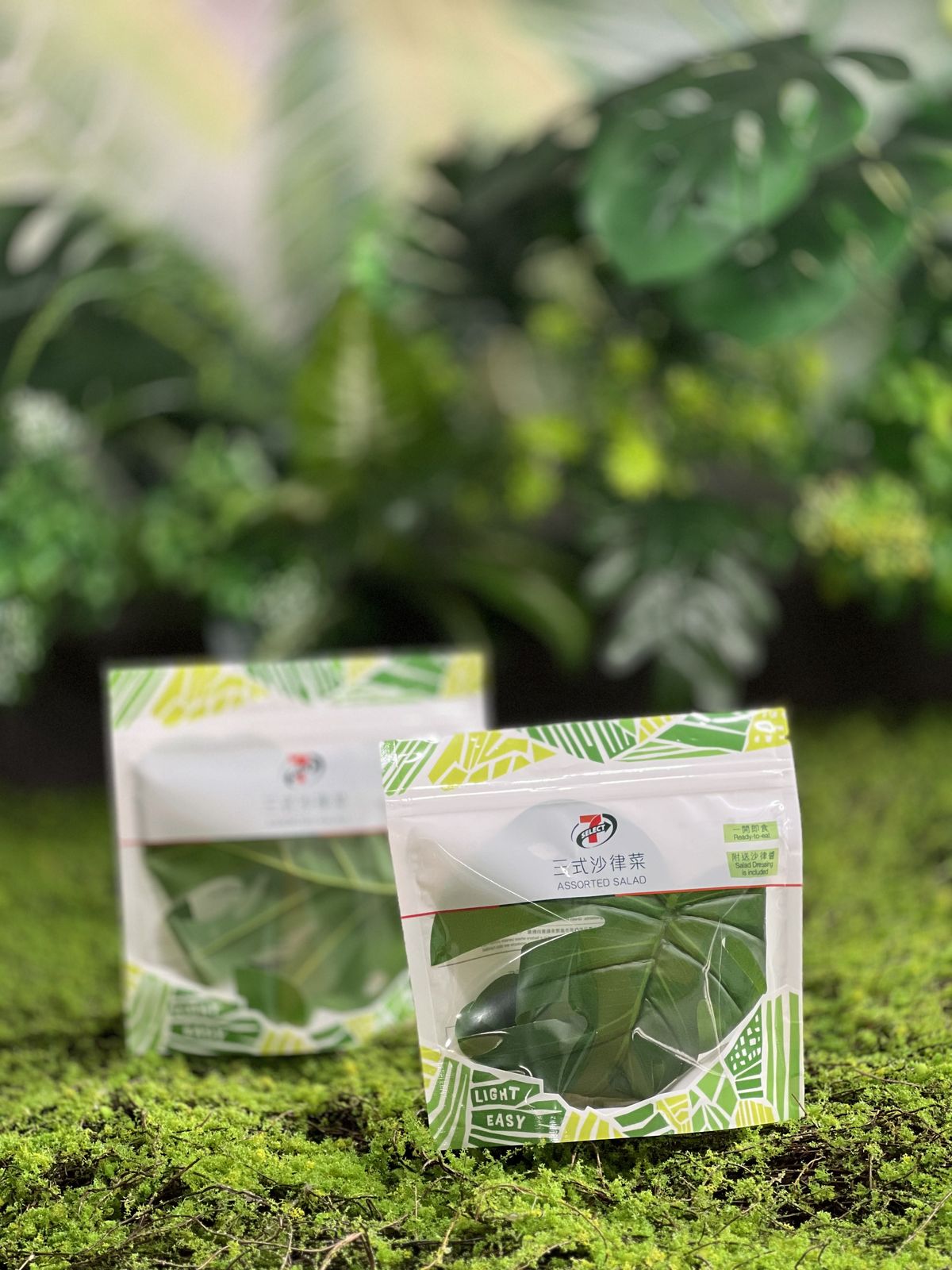
Compostable Coffee Stand-Up Pouch
Plant-based high-barrier stand-up pouches with degassing valves.
Read Guide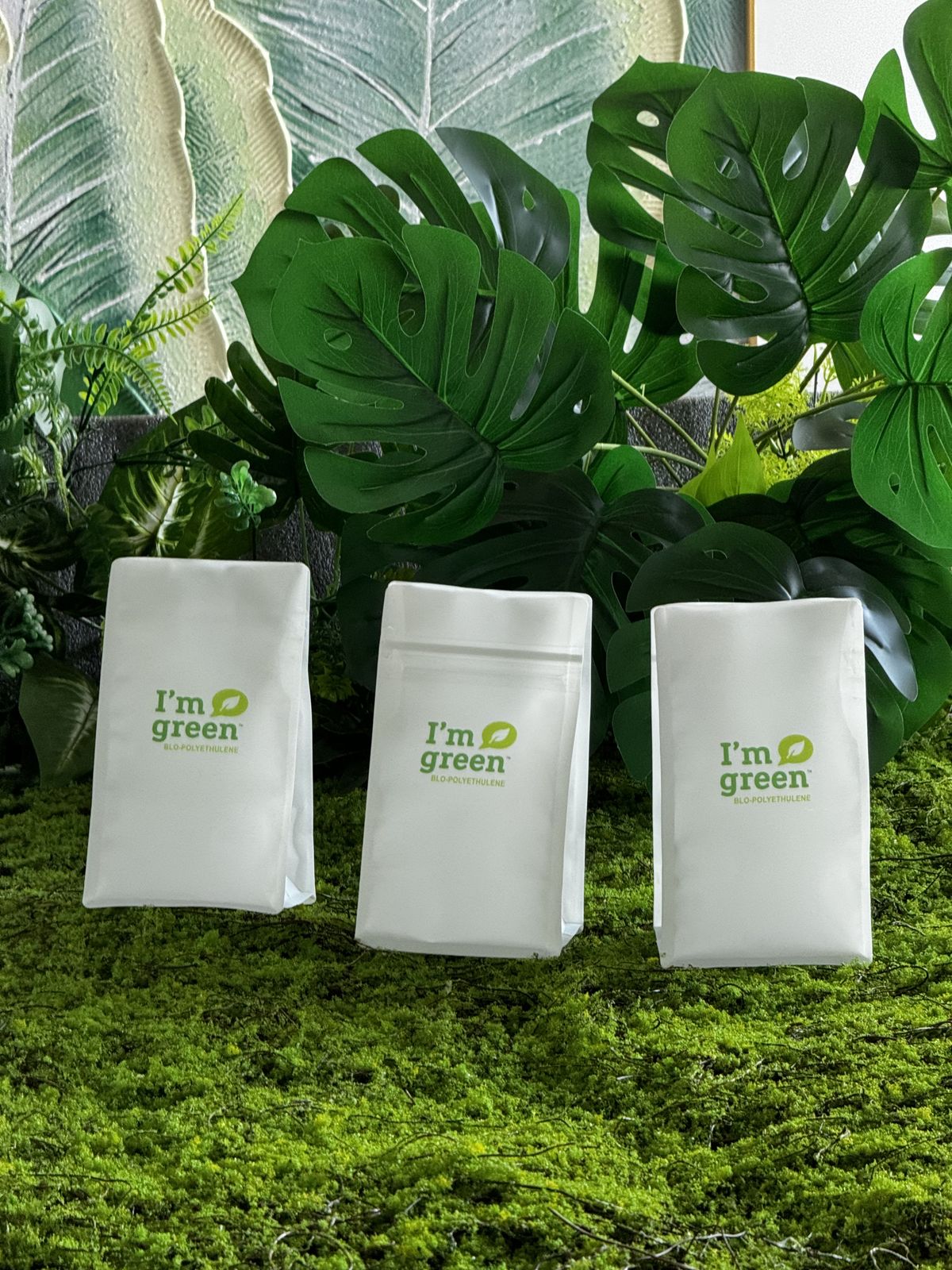
Ecosential Kraft Mailer Bag
Heavy-duty recycled kraft paper mailer bags with self-sealing adhesive strips.
Read Guide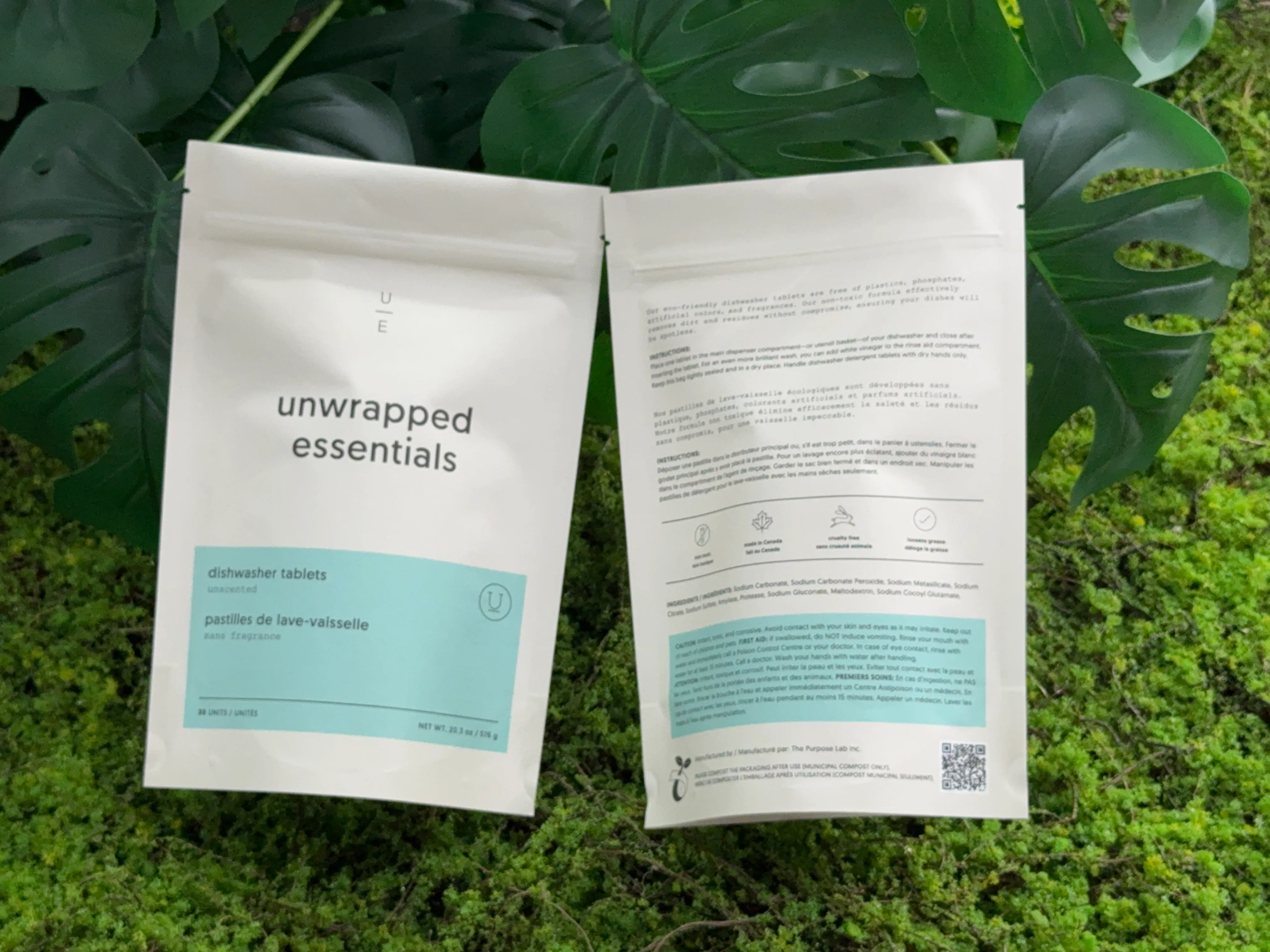
High-Barrier Spouted Purée Pouch
Spouted pure-PE packaging for organic baby food and purées.
Read Guide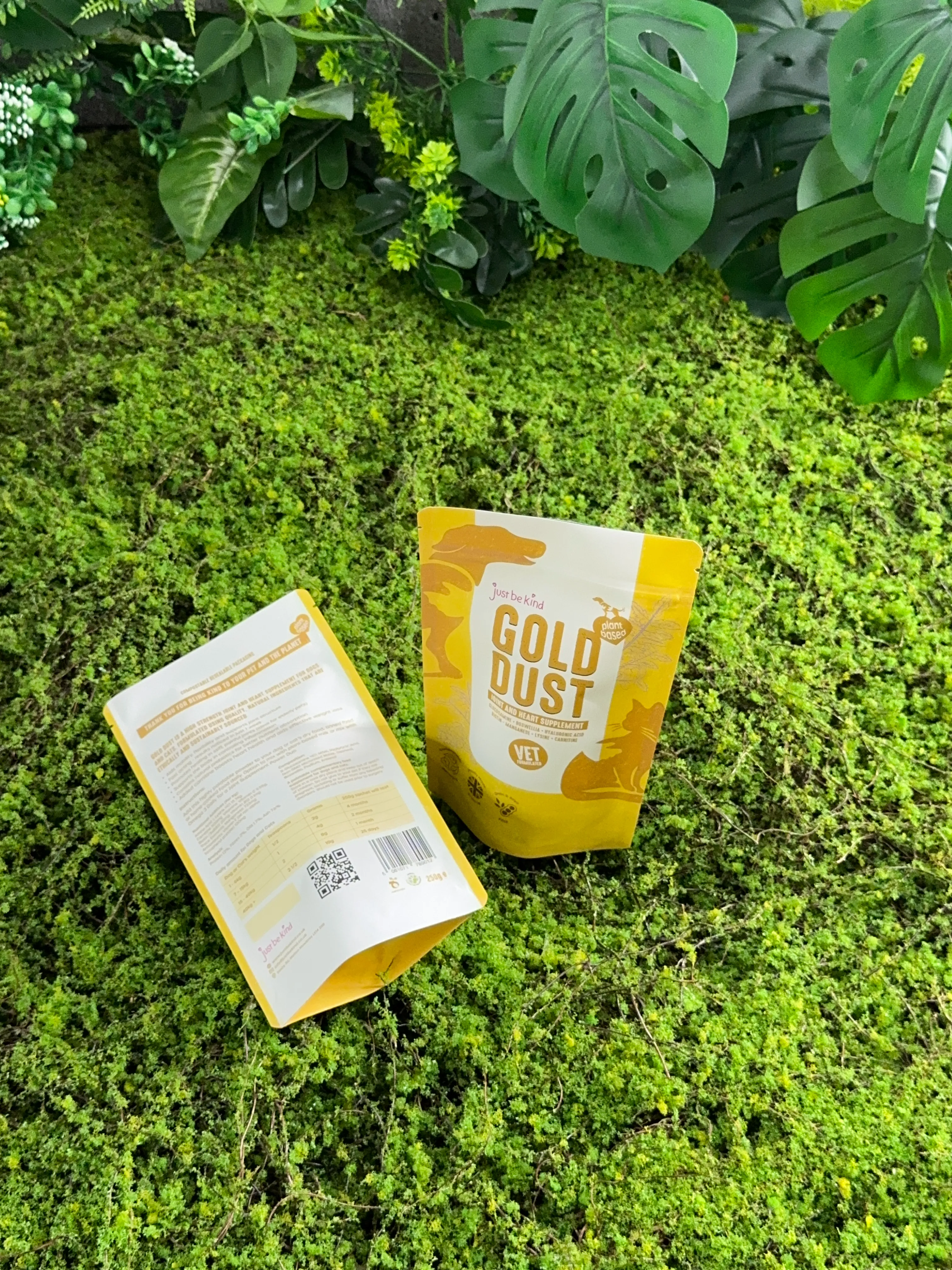
Holographic High-Luxe Box
Corrugated shipping mailers with vibrant holographic foil designs.
Read Guide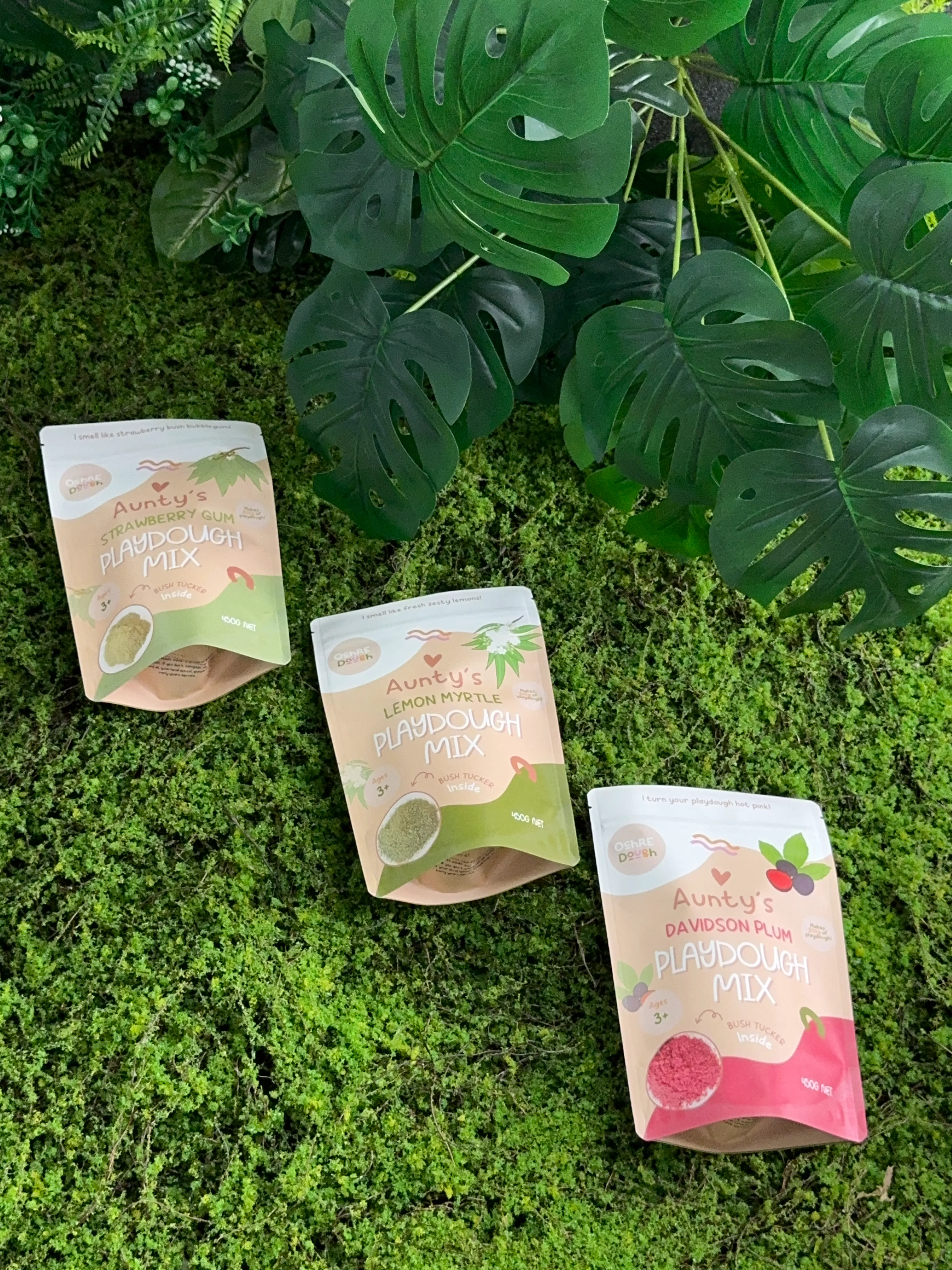
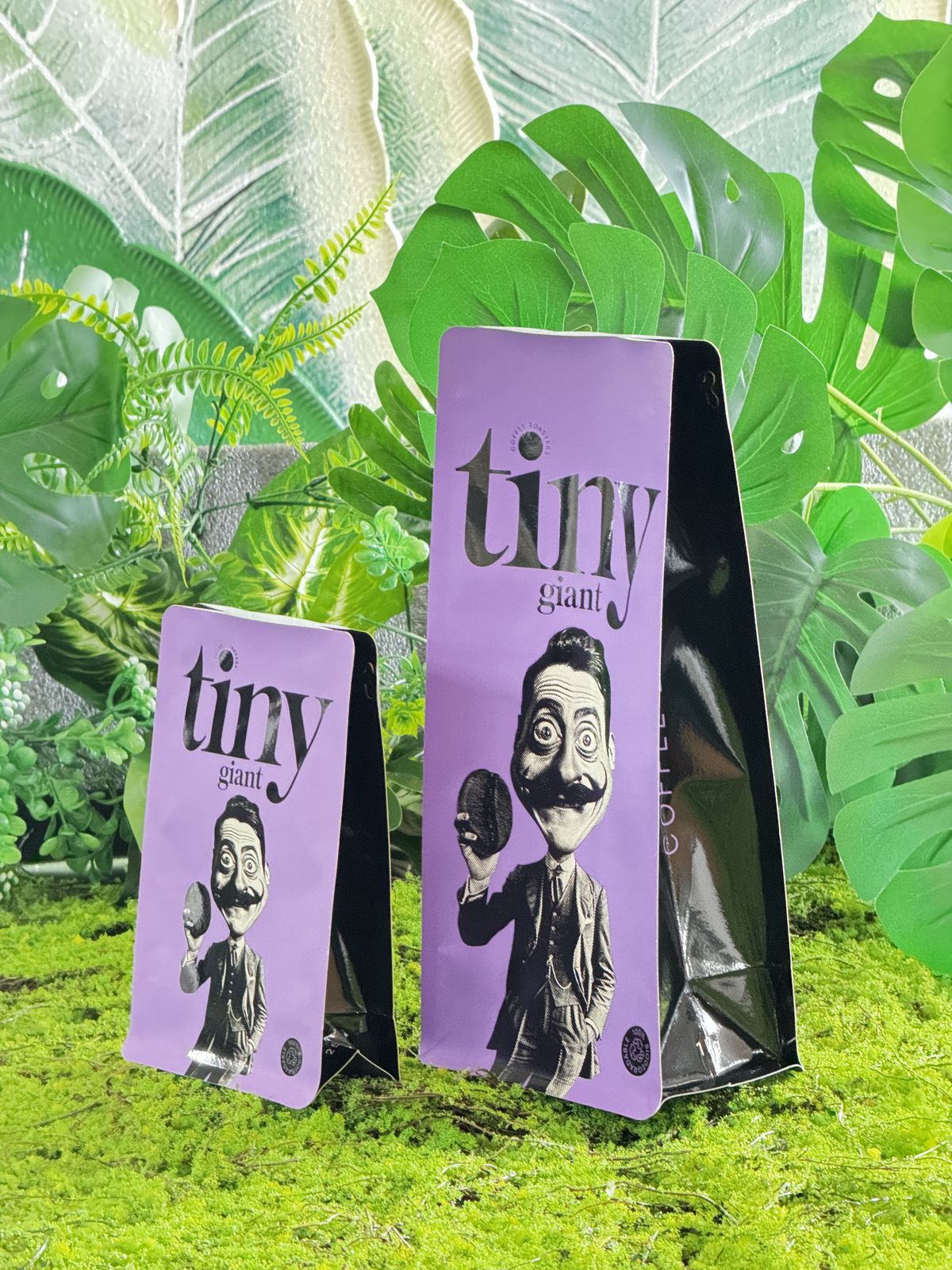
Premium Glossy Coffee Pouch
Vibrant high-gloss digital printing on recyclable barrier films.
Read Guide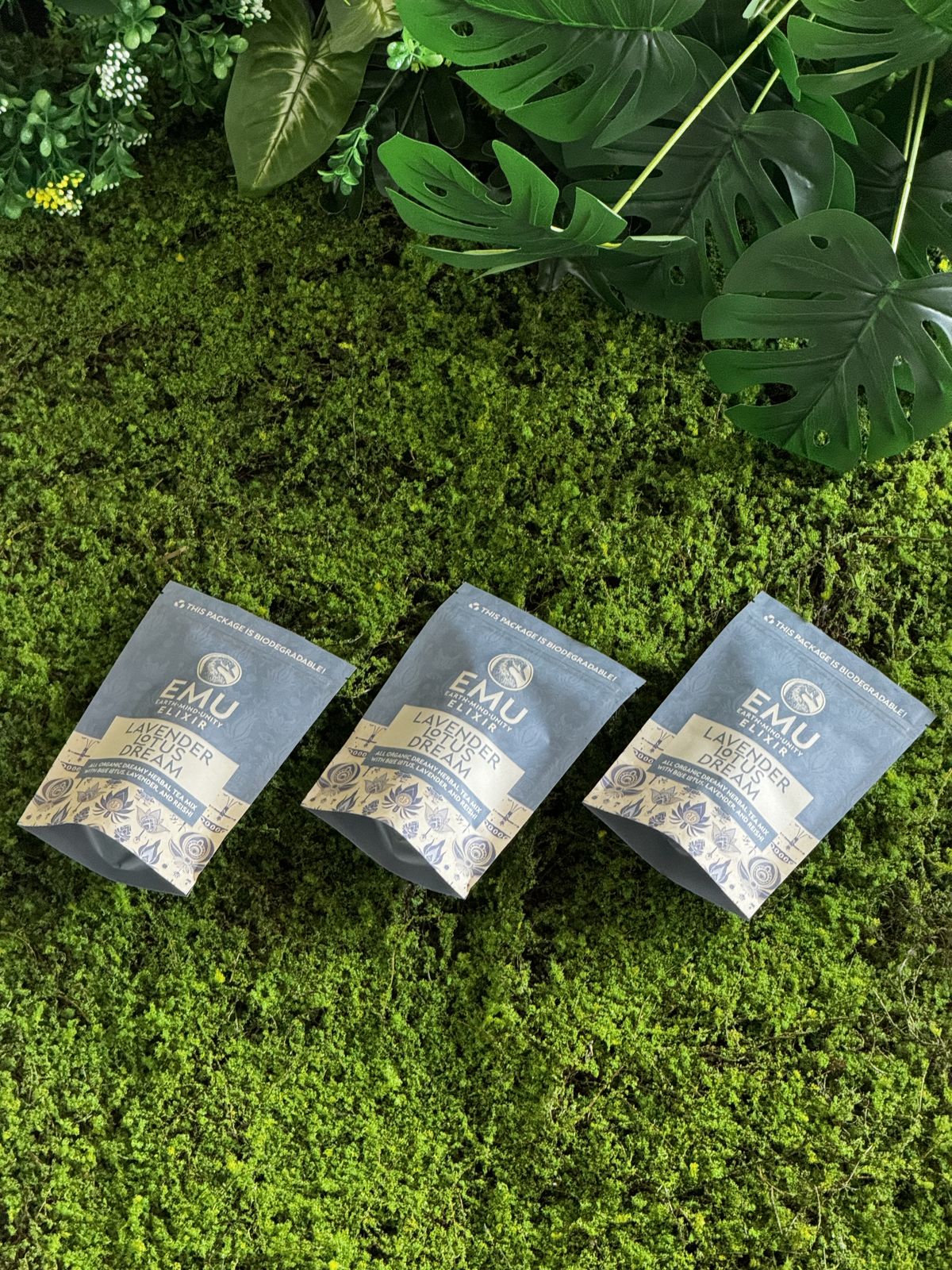
Bio-PE SugarCane Supplement Bag
Sugarcane-derived bioplastics helping brands reduce carbon emissions.
Read Guide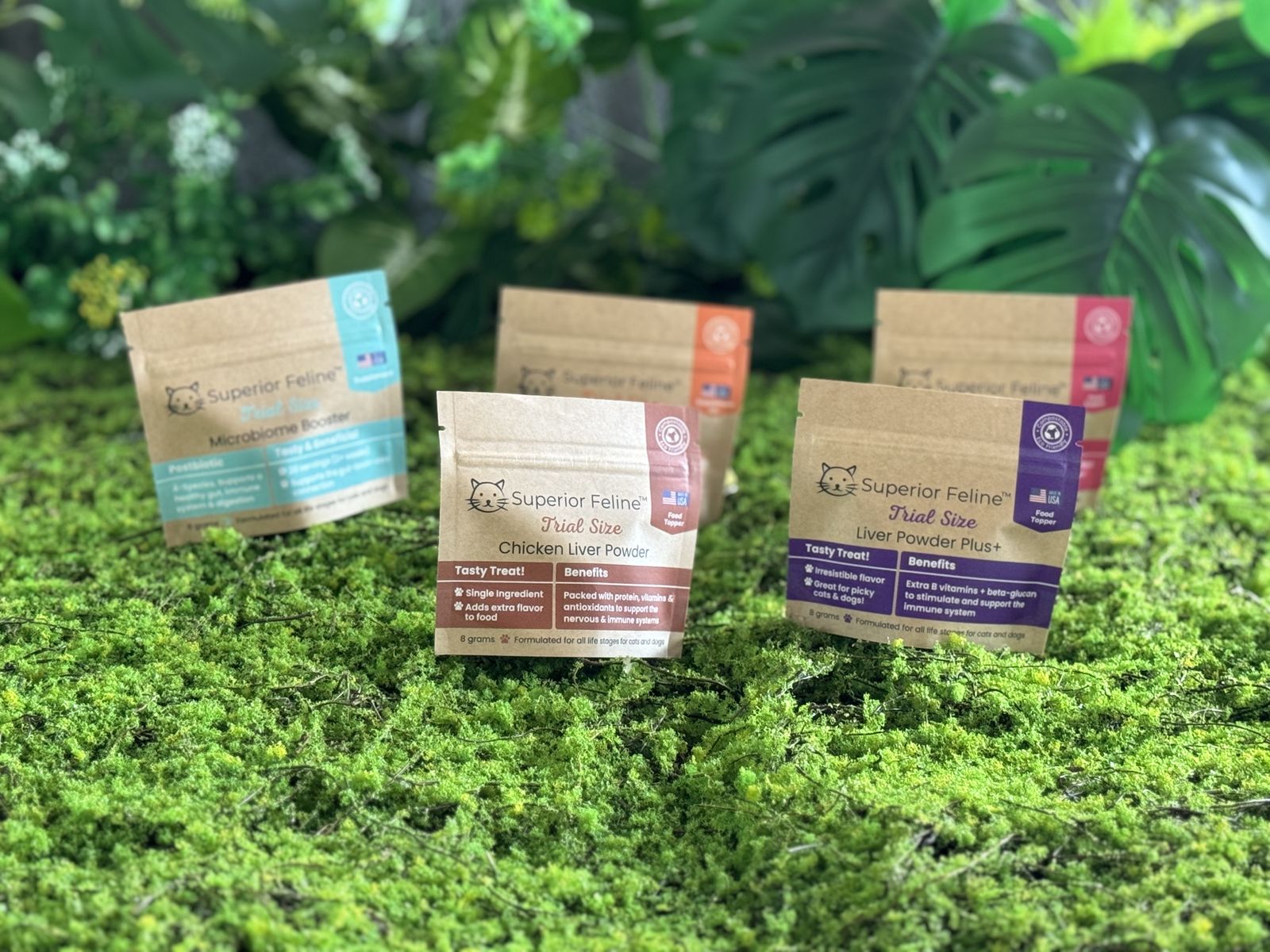
Clear-Window Compostable Pouch
Compostable kraft stand-up pouch featuring a clear plant-based window.
Read Guide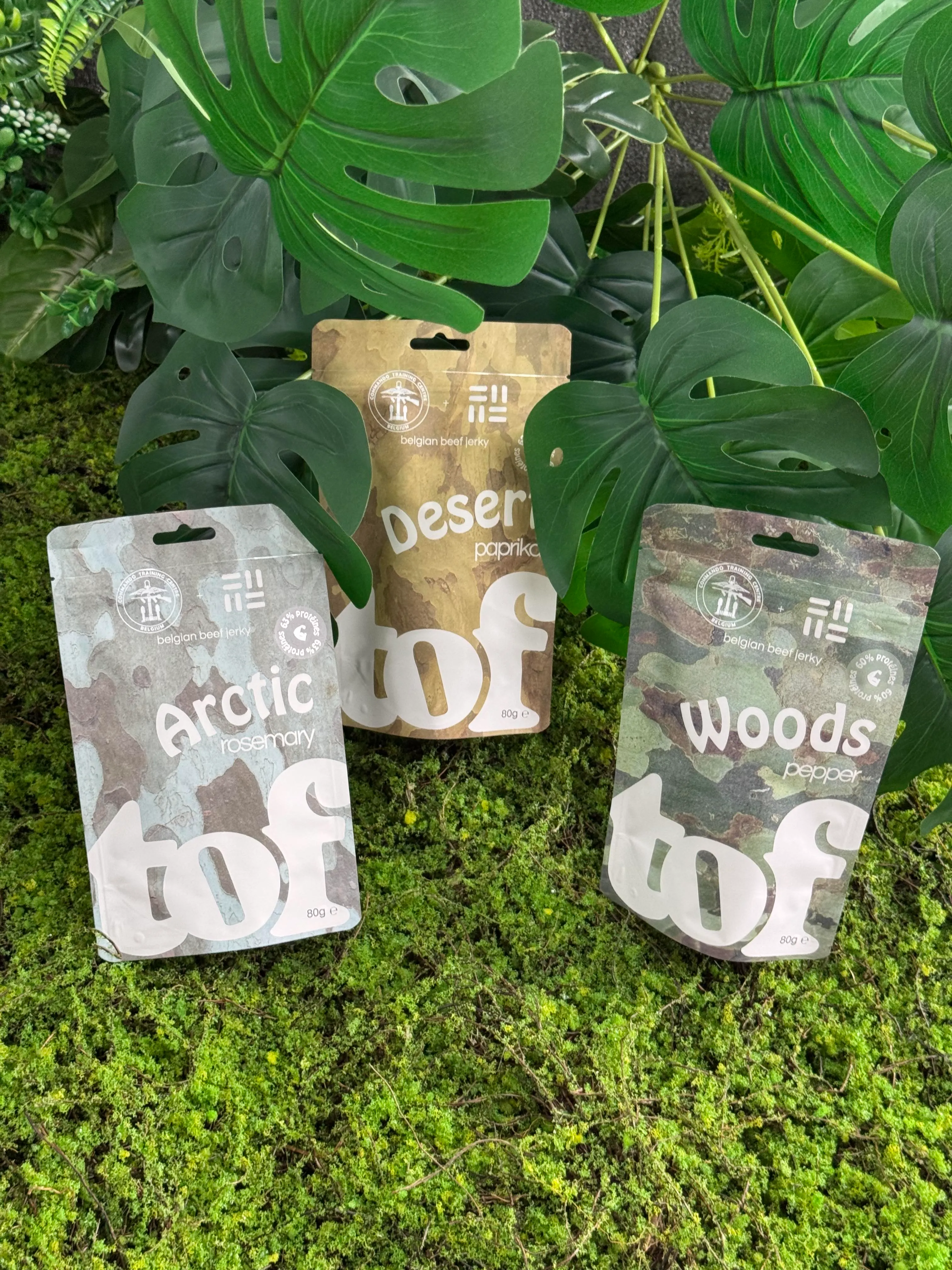
High-Barrier Spouted Purée Pouch
Heavy-duty laminated spouted pouch with tamper-evident caps for liquids and purees.
Read Guide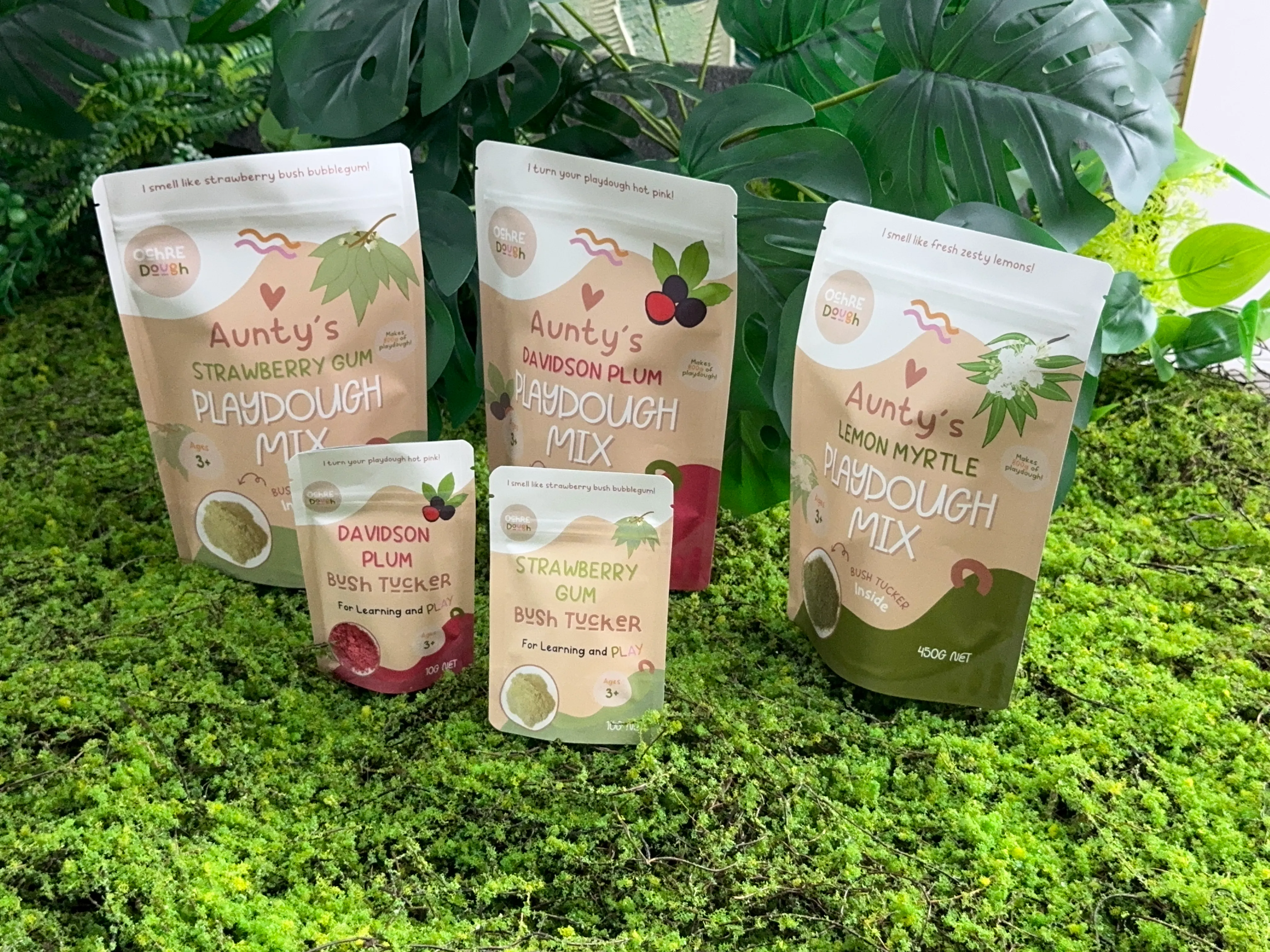
Corrugated Kraft Shipping Mailer
Rigid biodegradable cardboard shipping mailers with double adhesive.
Read Guide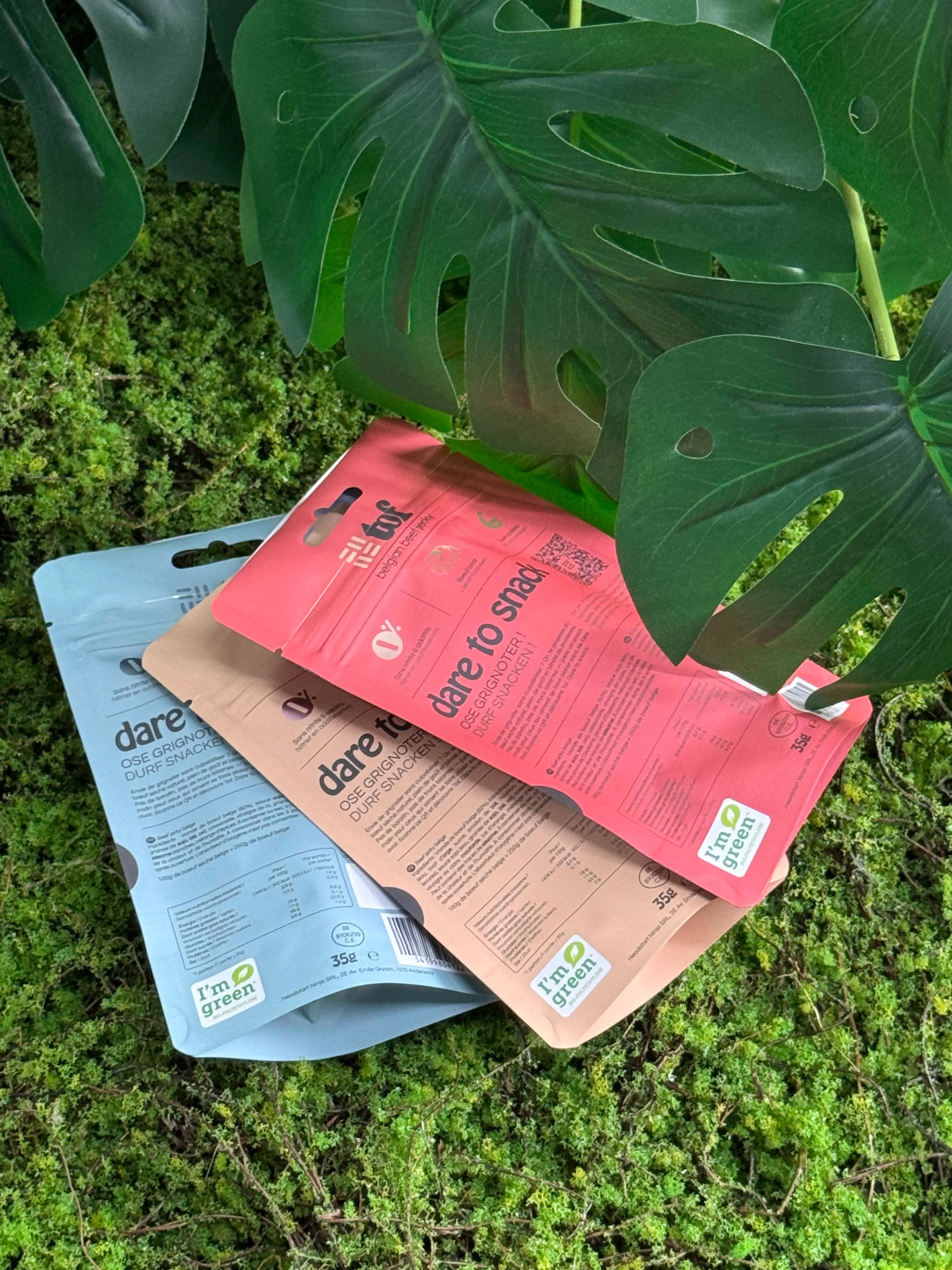
Eco-Luxe Matte Box & Pouch Set
Vibrant custom-printed rigid boxes paired with matching barrier stand-up pouches.
Read Guide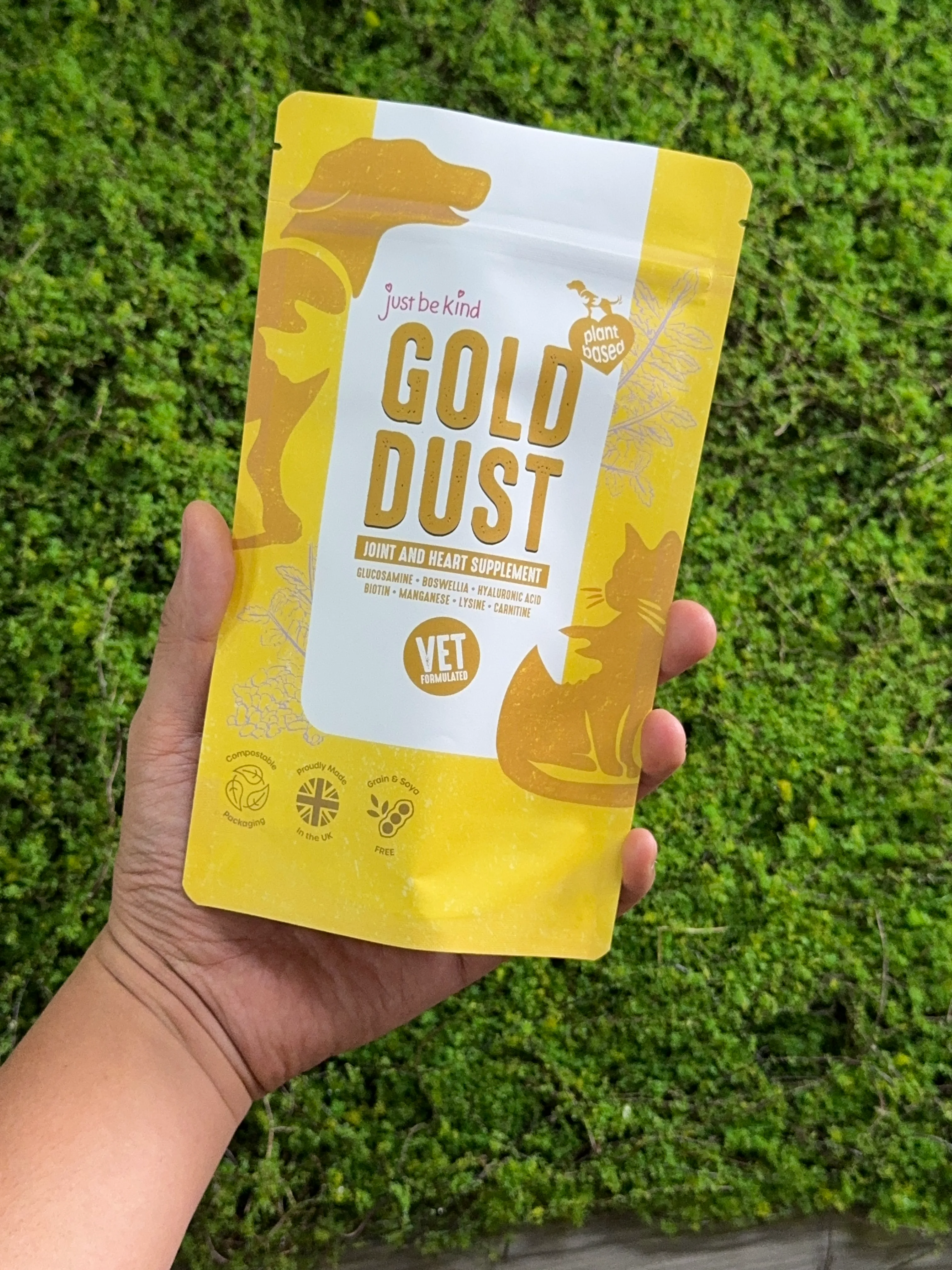
Eco-Friendly Pet Treat Bag
Puncture-resistant laminations designed for shelf longevity and grease-resistance.
Read Guide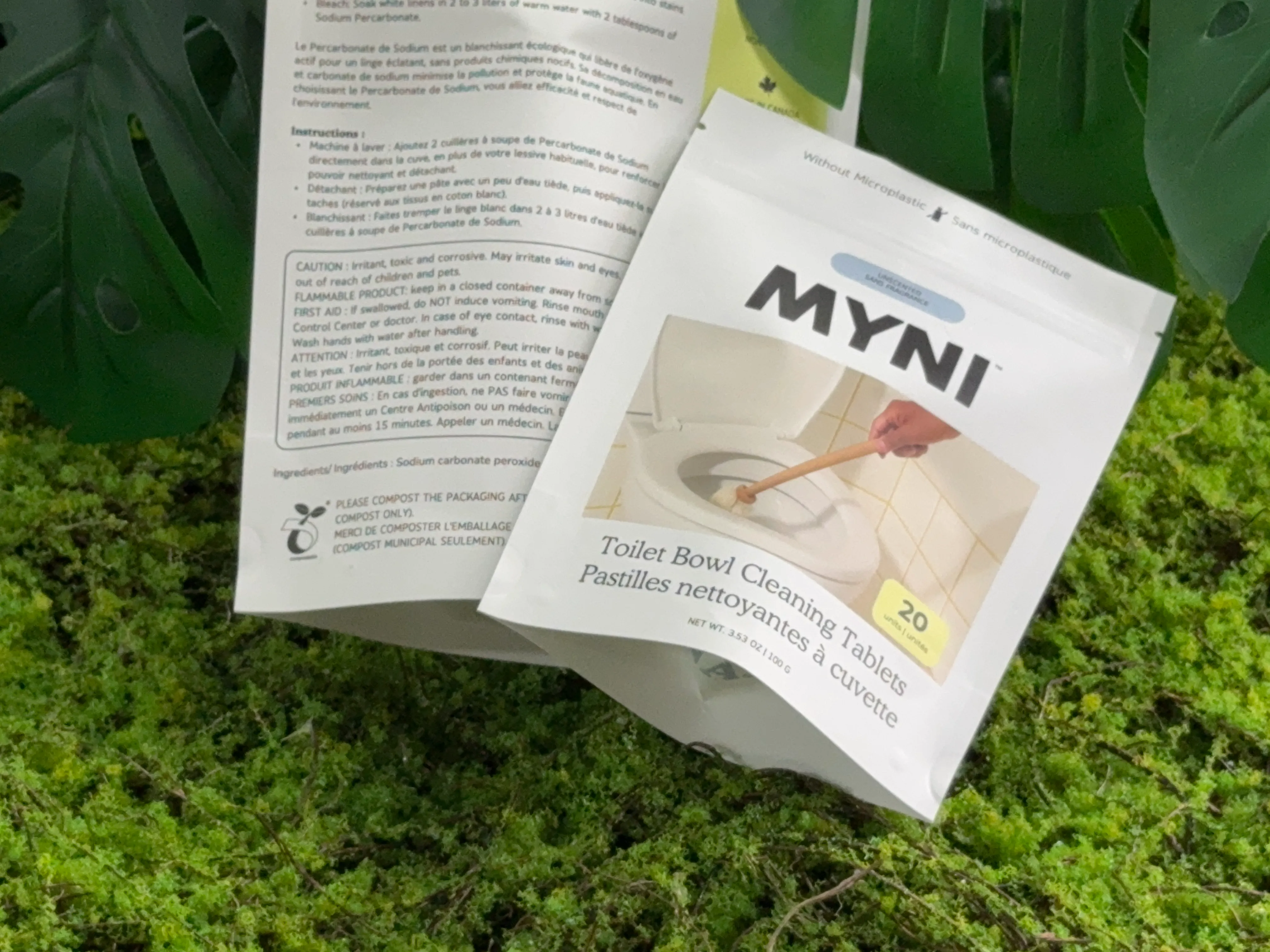
Mono-PE Circular Supplement Bag
Recyclable matte mono-PE supplement bag with heavy-duty zipper.
Read Guide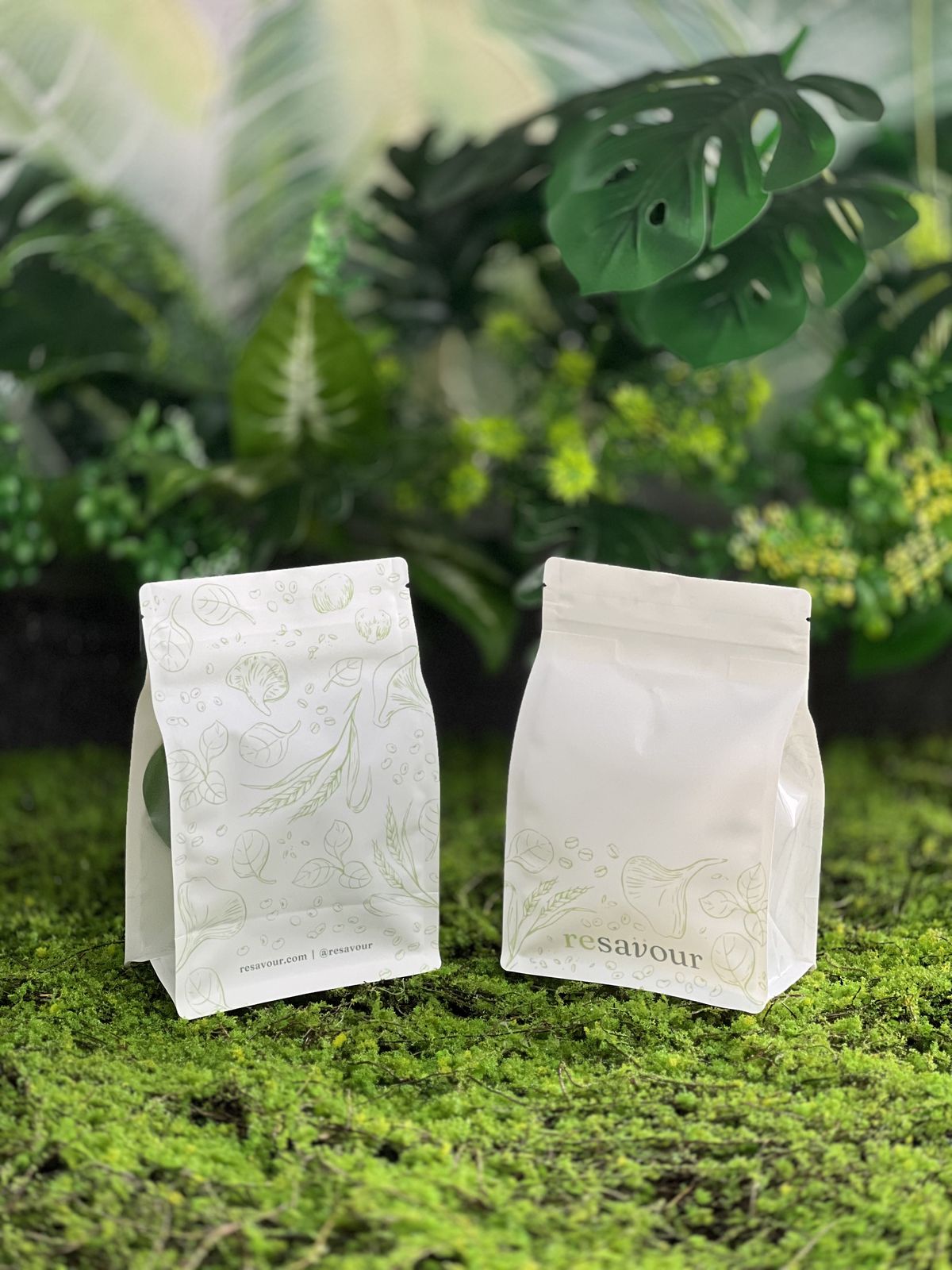
Kraft Flat-Bottom Tea Pouch
Earthy, organic kraft outer layers with certified compostable barrier lining.
Read Guide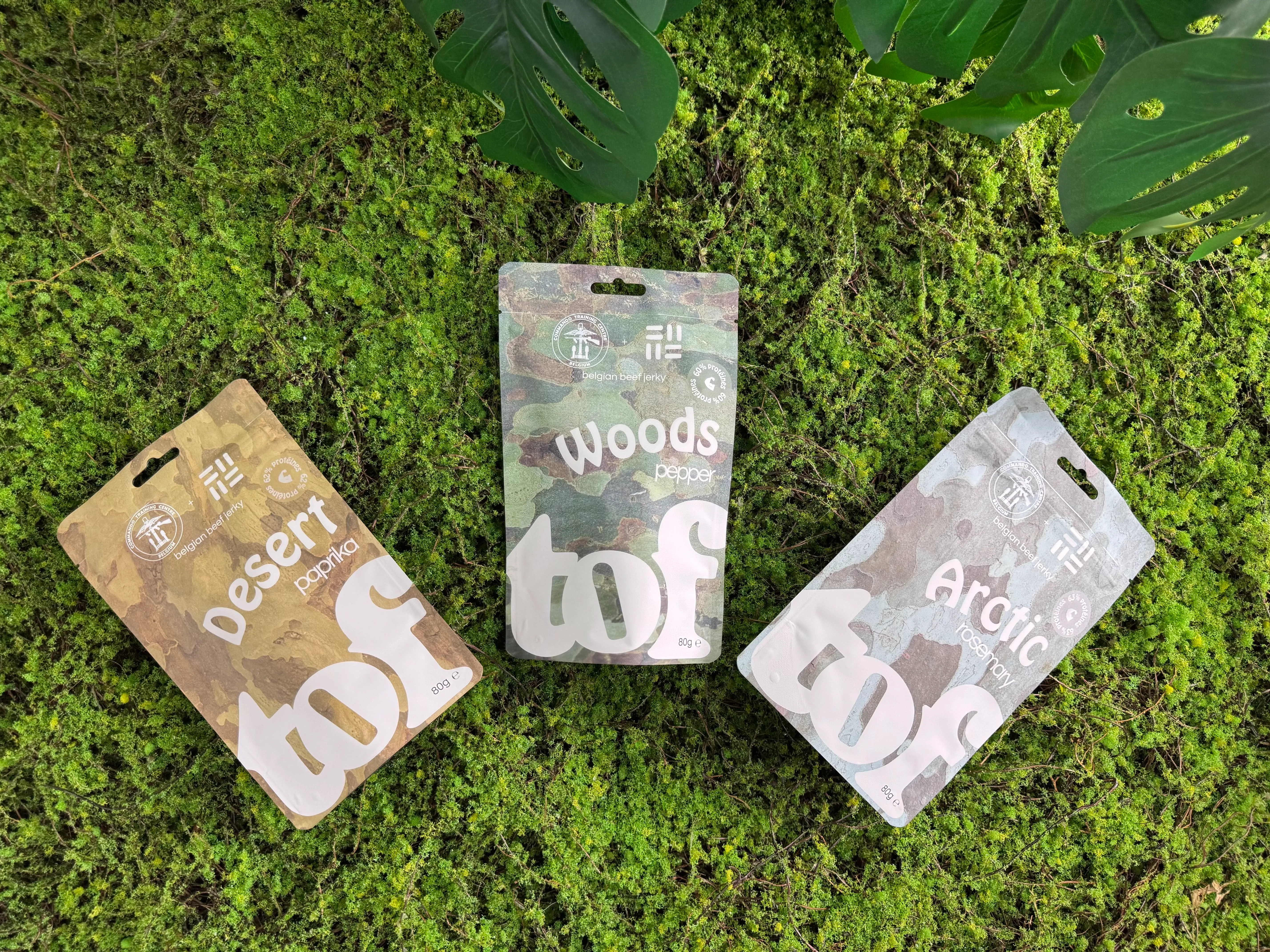
Luxury Holographic Supplement Bag
Stunning holographic foil printing on heavy supplement packaging with press-to-close zipper.
Read Guide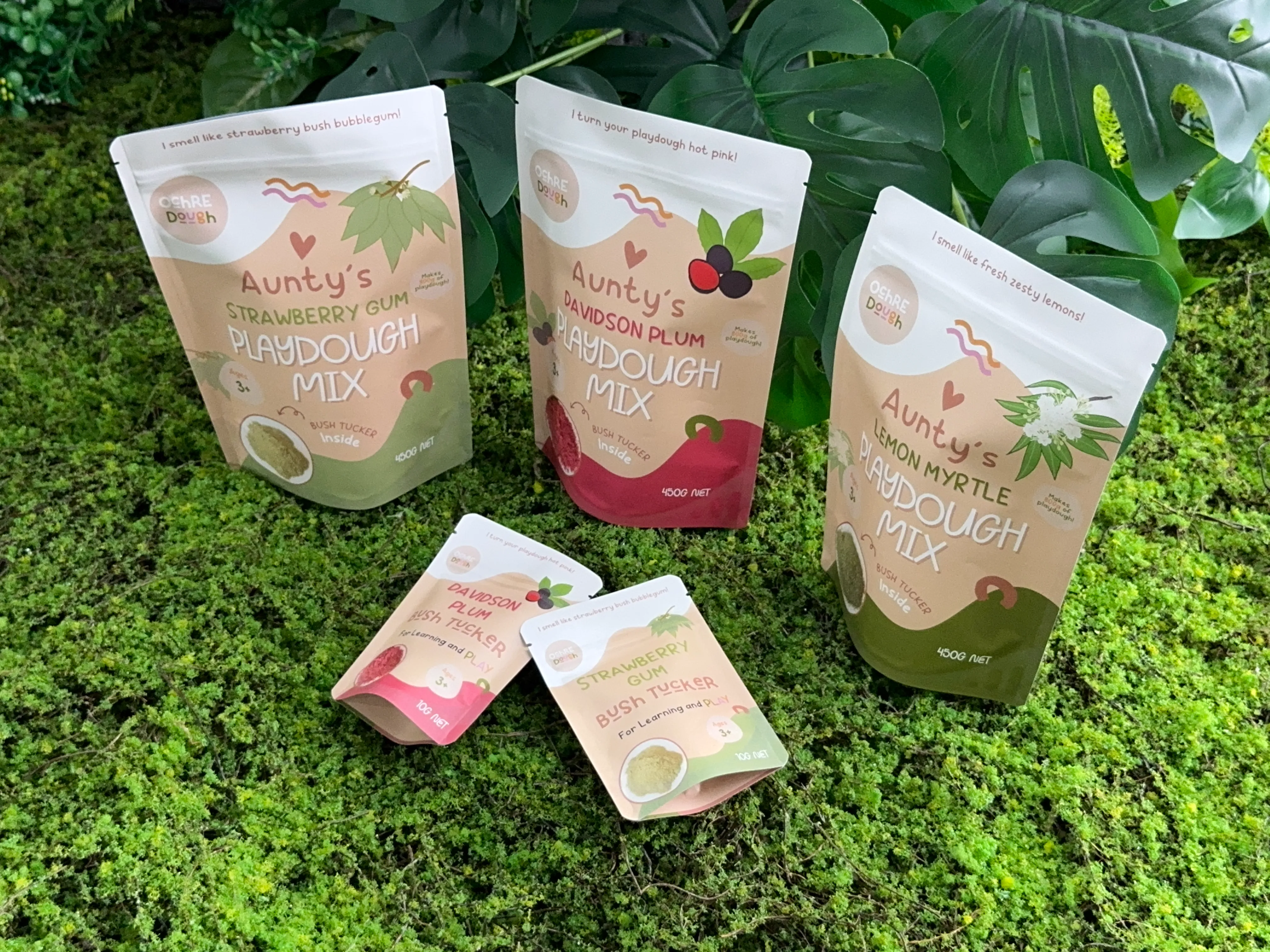
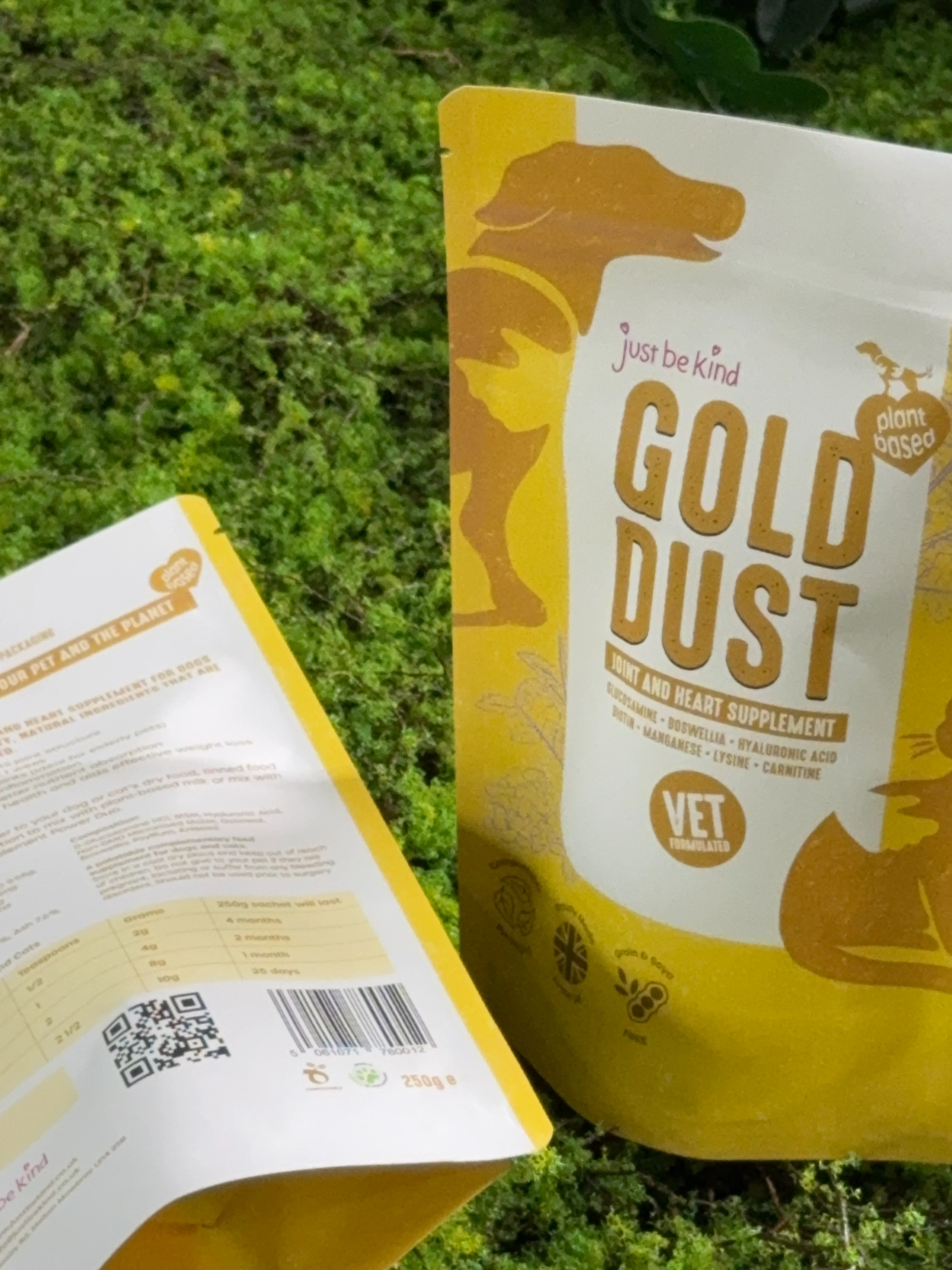
Gusseted Side Coffee Pouch
Expandable side gussets with quad seal structure for stable shelf layout.
Read Guide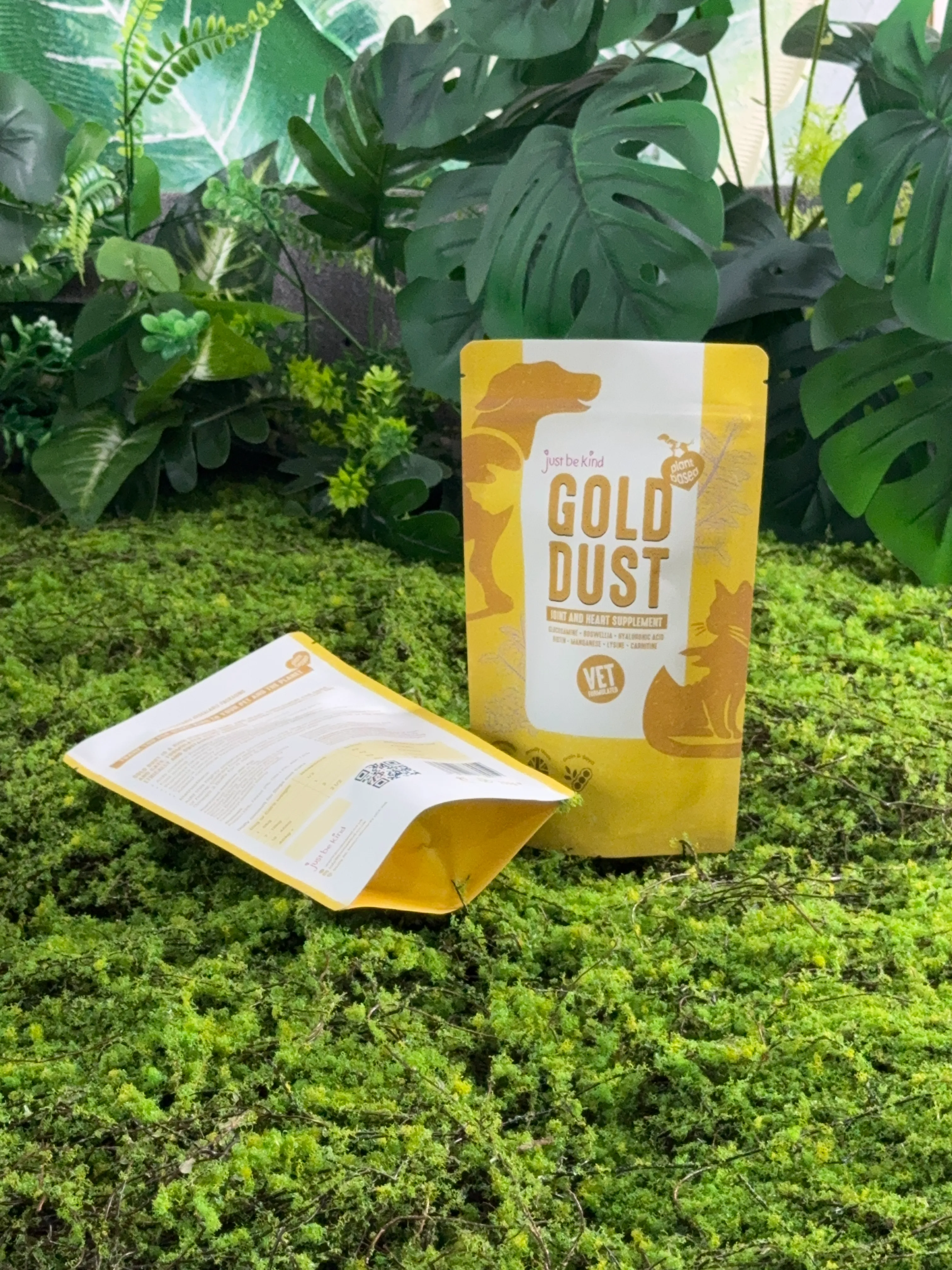
Home Compostable Nuts Pouch
TÜV OK Compost HOME certified stand-up pouch for organic snacks.
Read Guide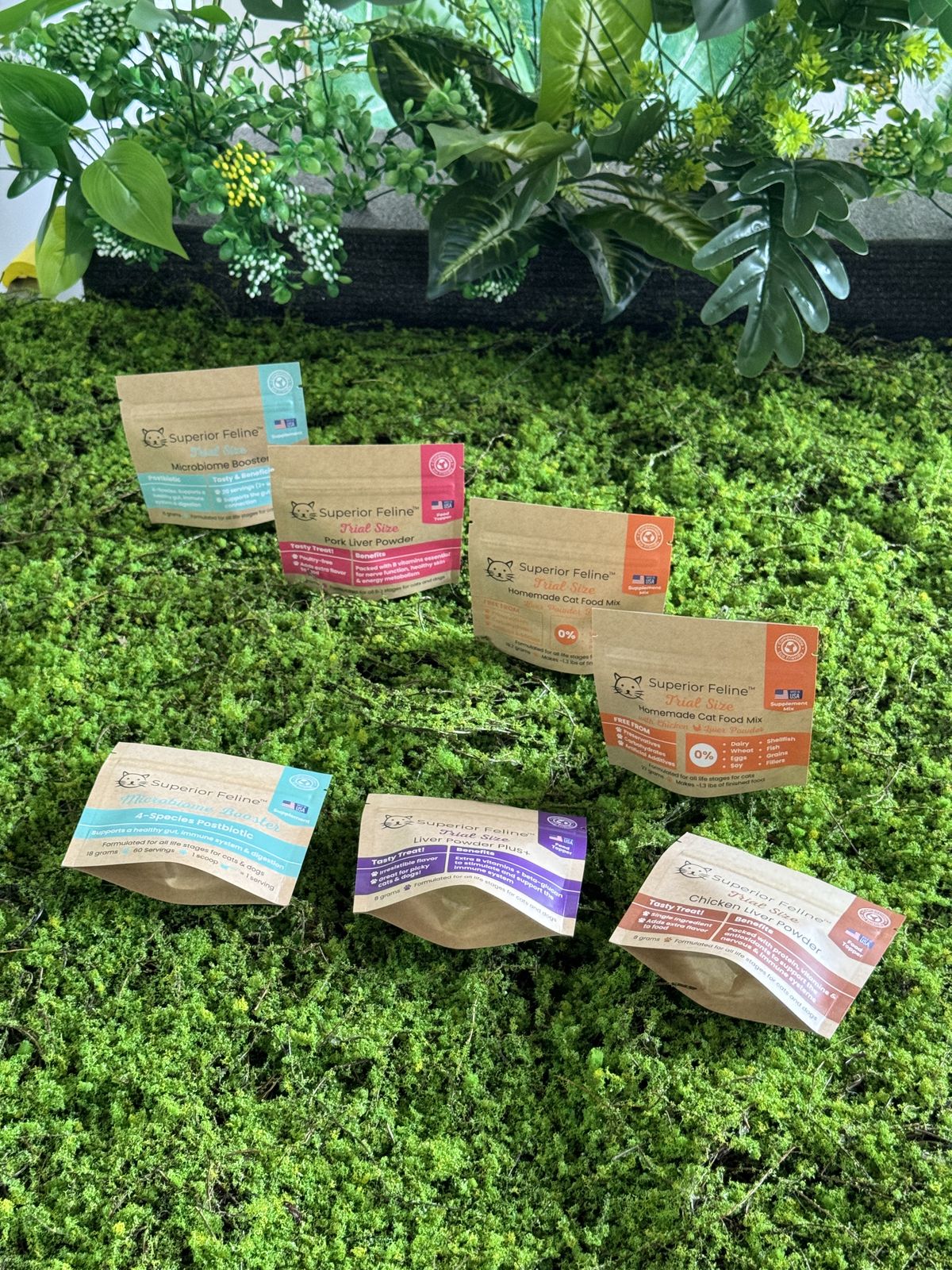
Metallic Luxury Stand-Up Pouch
Premium metalized lining providing ultra-high moisture and oxygen barriers.
Read Guide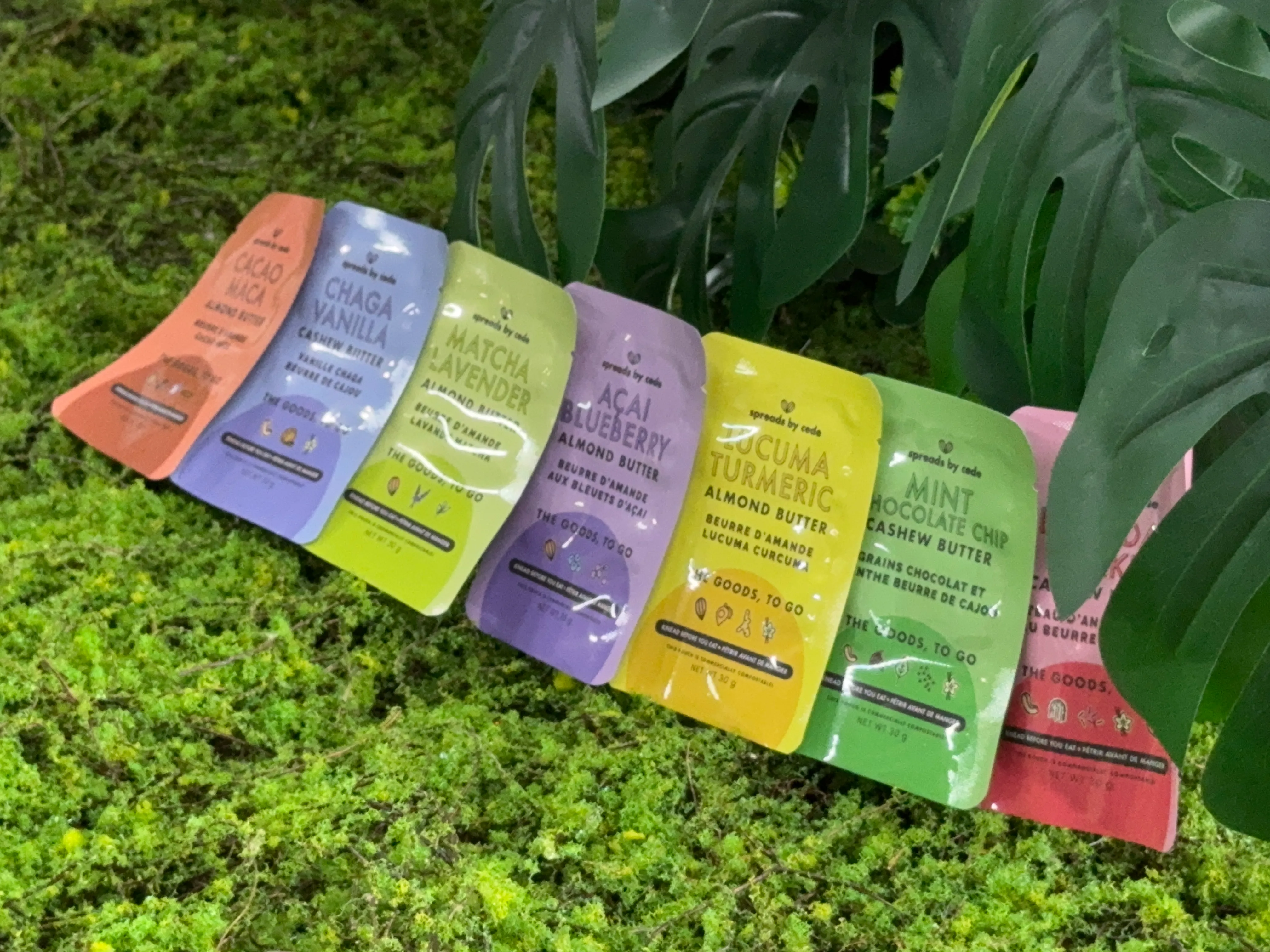
Holographic Metallic Gift Pouch
Shimmering holographic stand-up bag with premium aroma barrier.
Read Guide
Clear-Front Compostable Pouch
Clear barrier front structure showcasing gourmet coffee beans.
Read Guide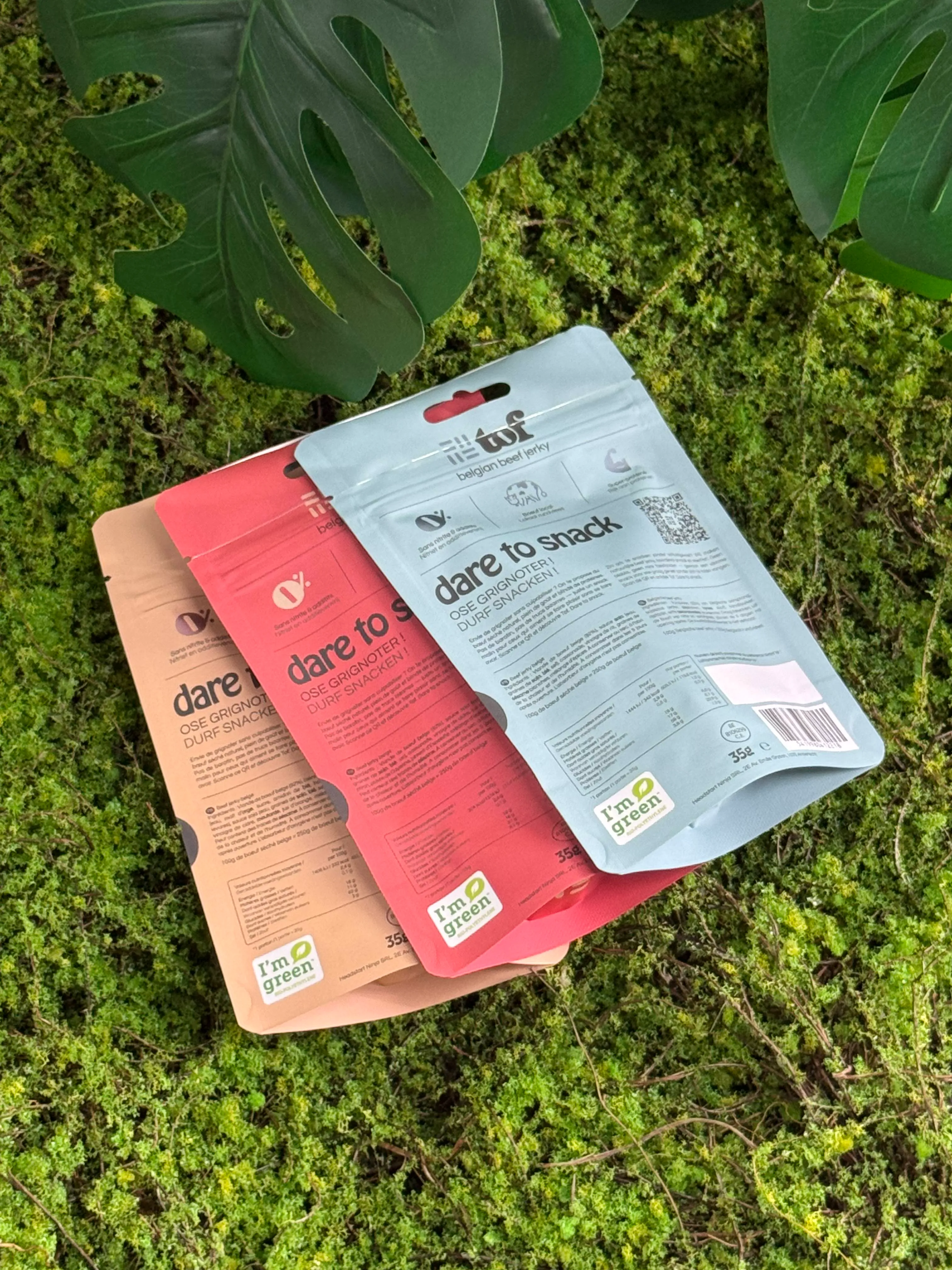
Premium Kraft Paper Flat-Bottom Bag
Block bottom bag with organic kraft outer layer and compostable high-barrier lining.
Read Guide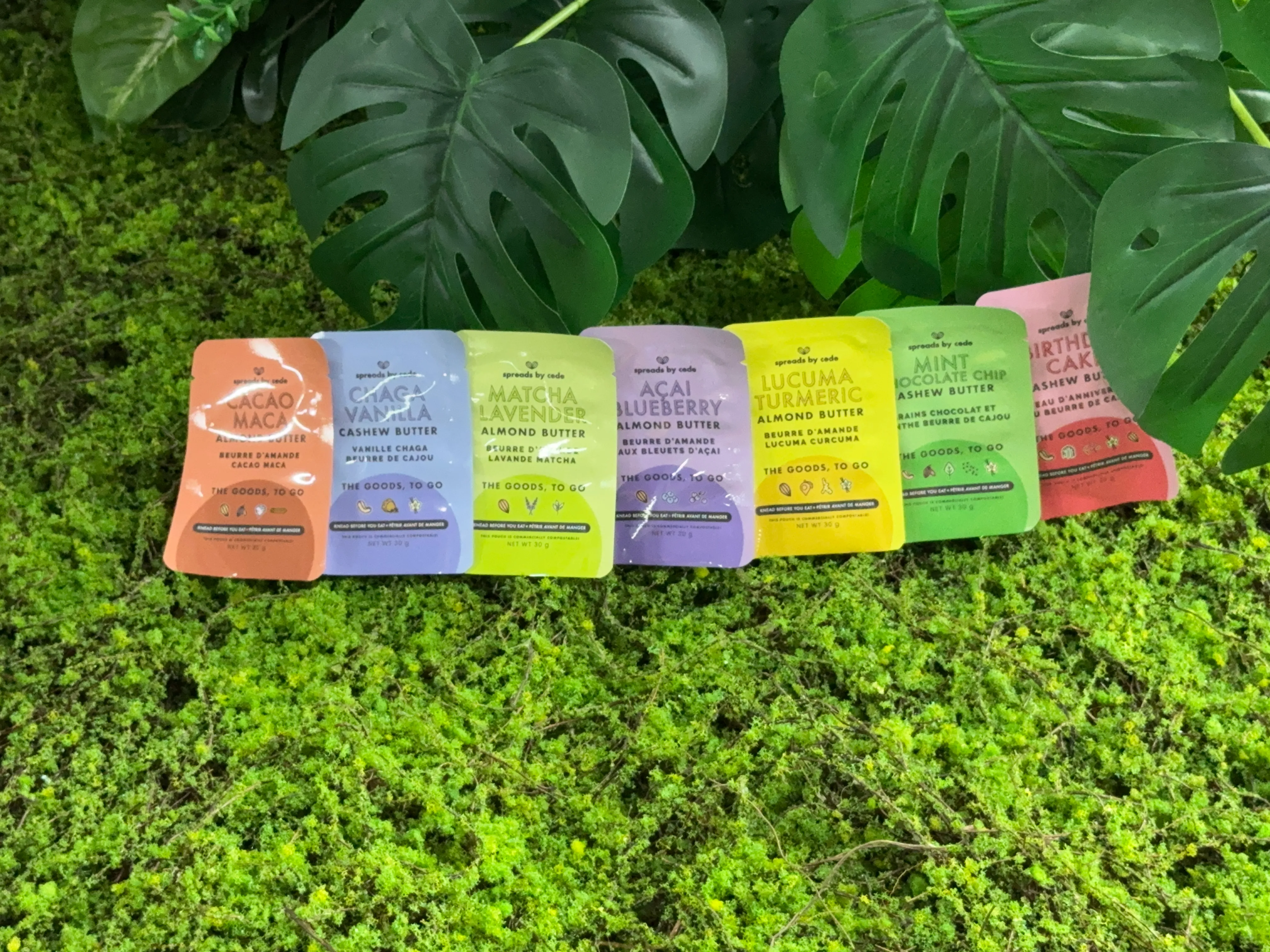
Matte Black Custom Coffee Bag
Modern matte black flat bottom bag featuring front pocket zipper.
Read Guide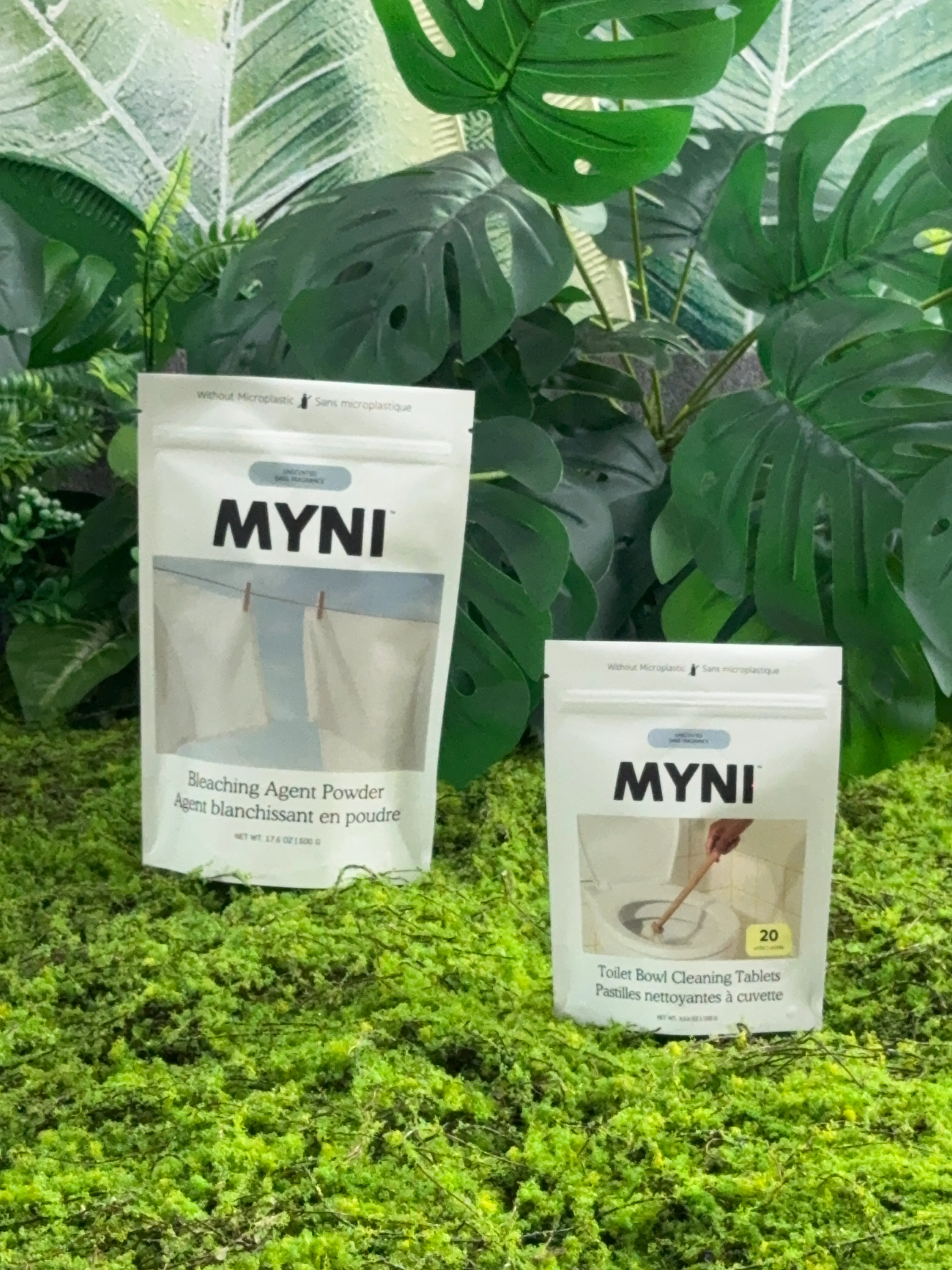
PCR Recycled Plastic Pouch
Incorporating post-consumer recycled plastics into structural layers.
Read Guide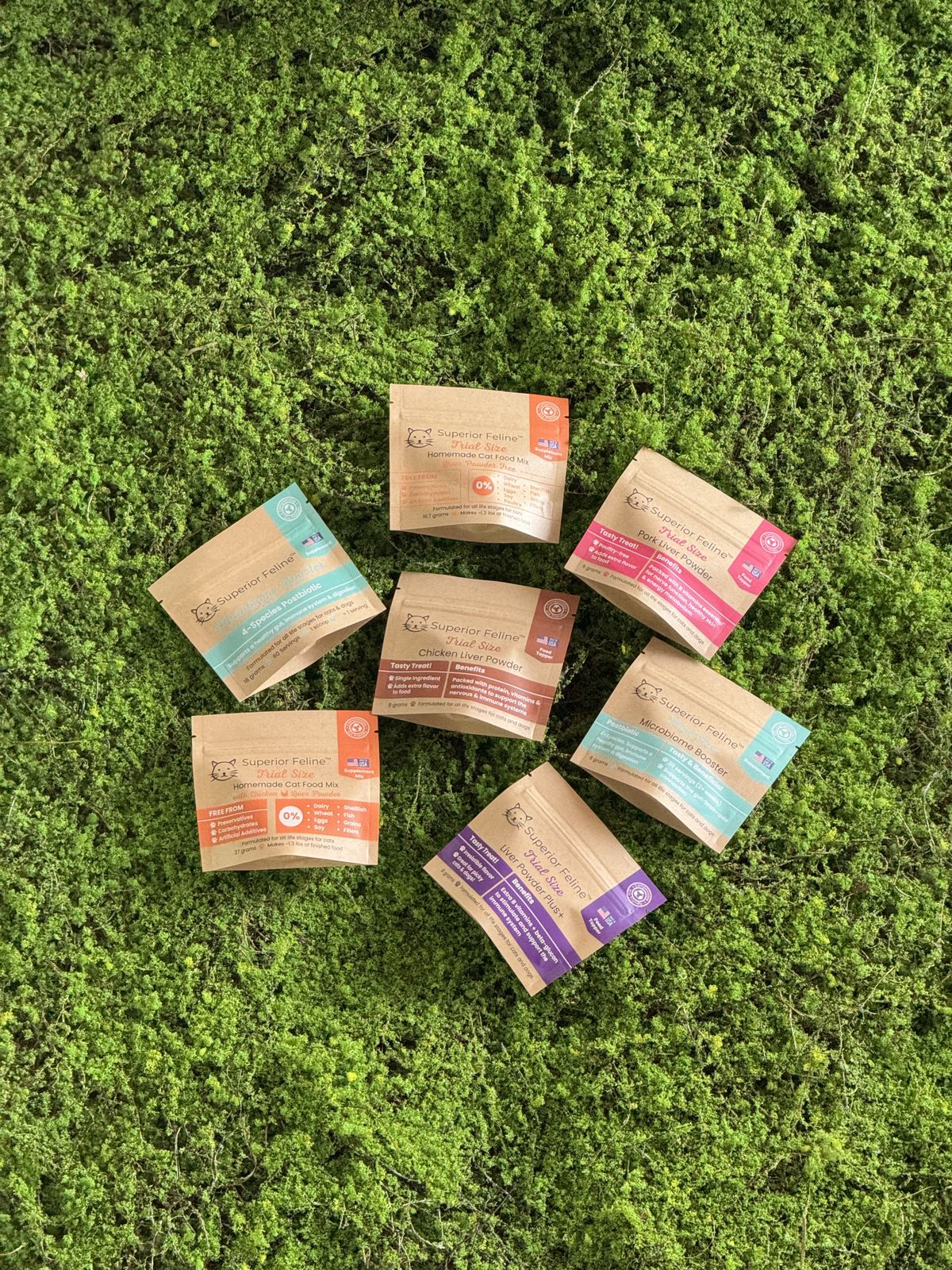
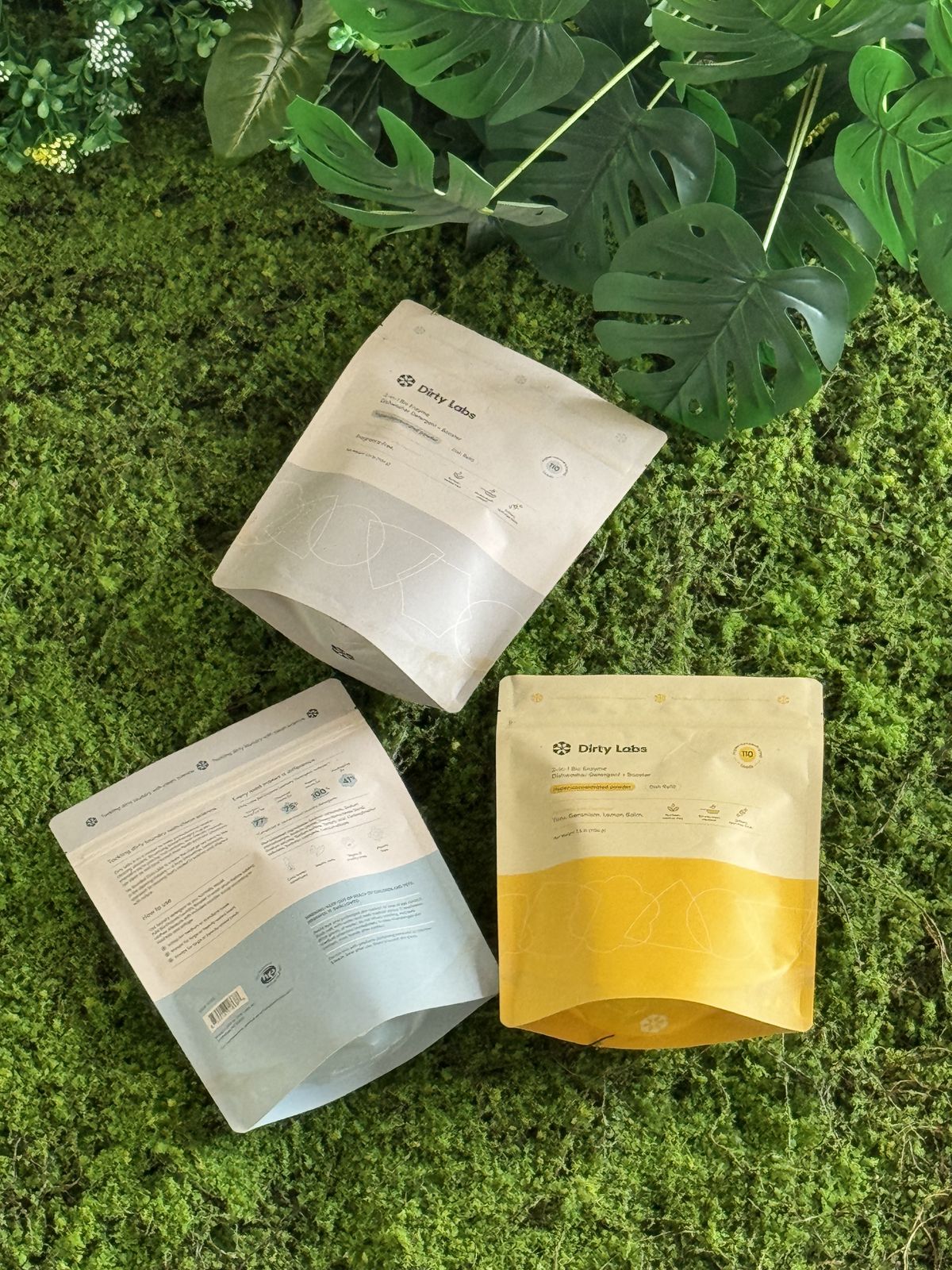
Spouted Juice & Liquid Pouch
Heavy-duty laminated structures with rigid spouts for leakproof transit.
Read Guide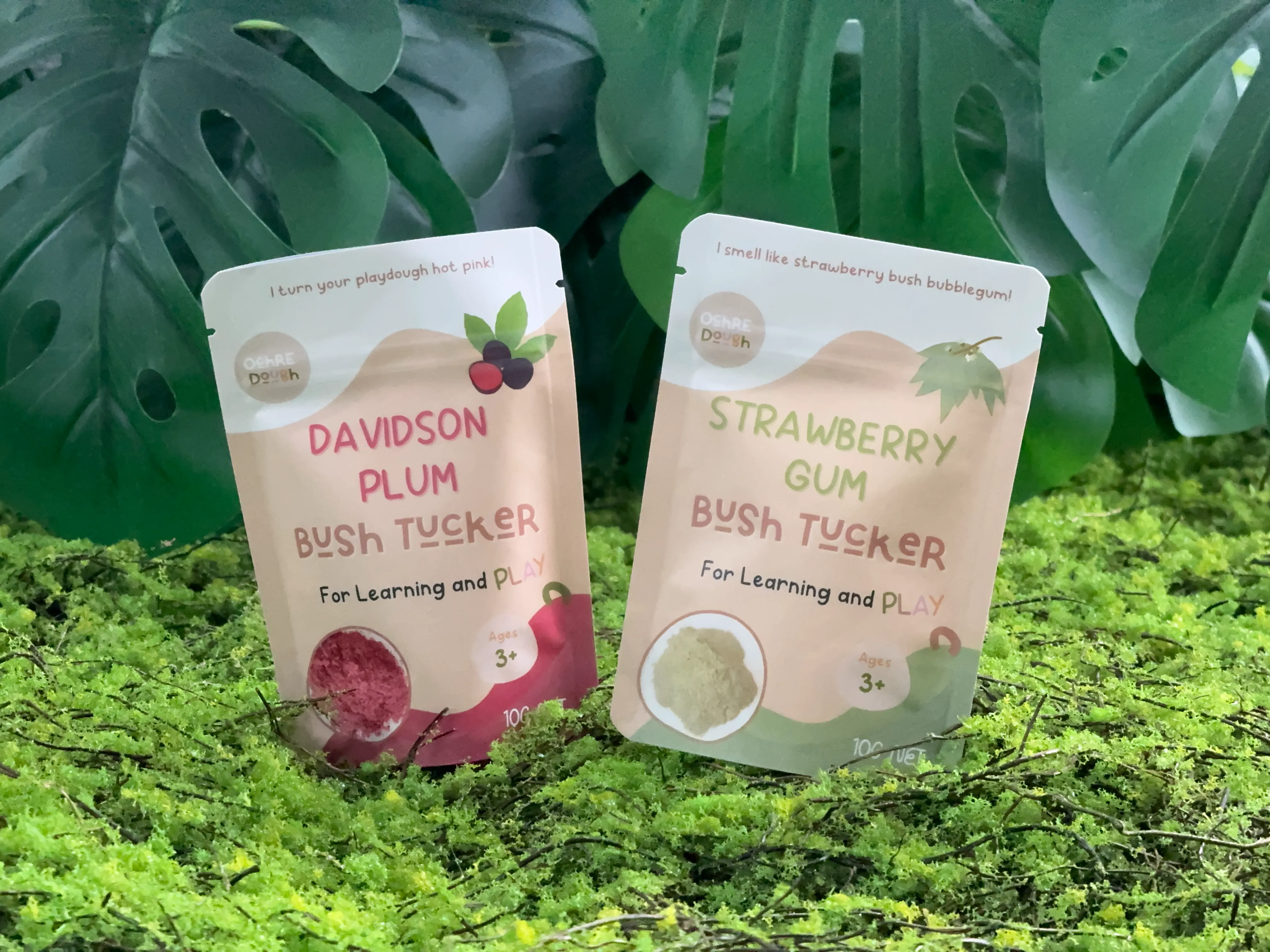
Eco-Friendly Recycled Kraft Mailer
Heavy-duty recycled kraft mailing bags featuring self-sealing double adhesive strips.
Read GuideSee Our Know How
Explore our comprehensive knowledge base on sustainable materials, packaging specifications, and D2C strategies.
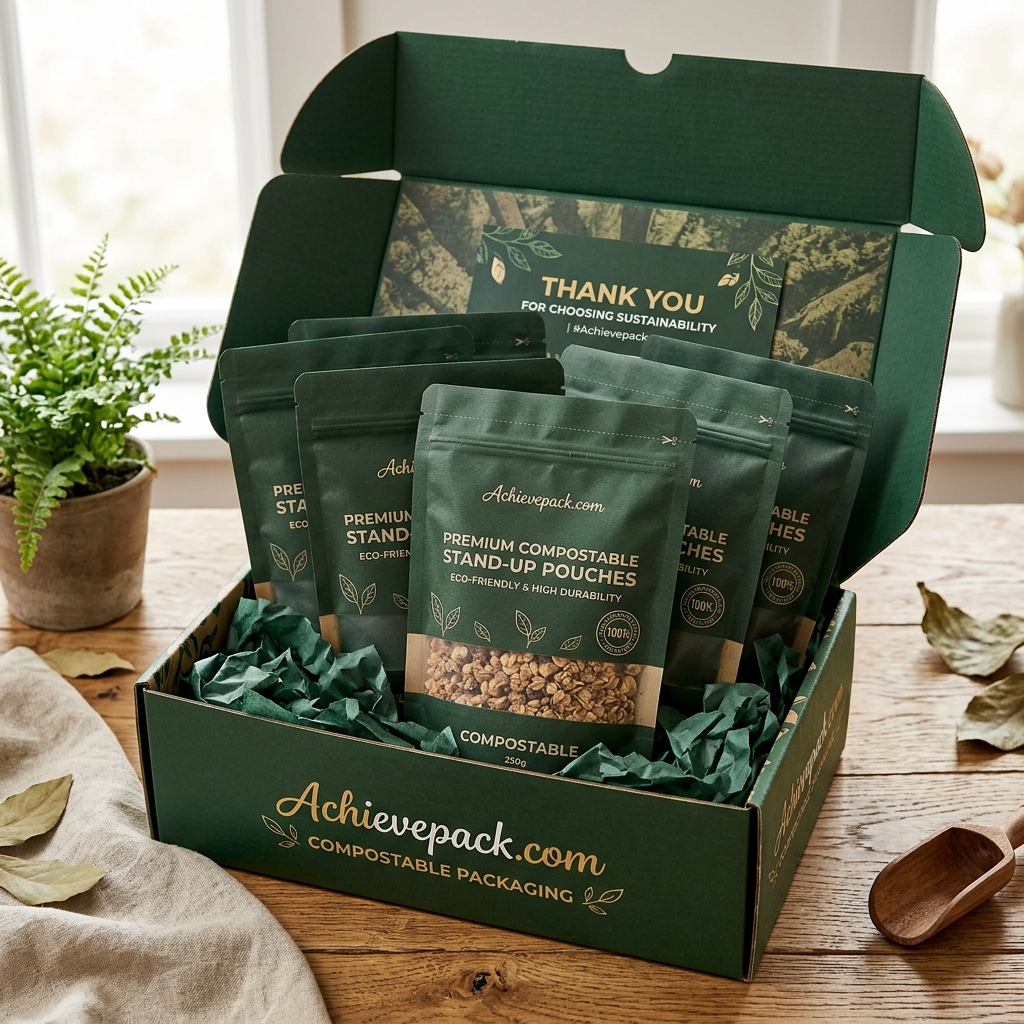
Ecommerce Brand Packaging
Optimizing mailers, shipping boxes, and secondary pouches for D2C transit safety.
Read Guide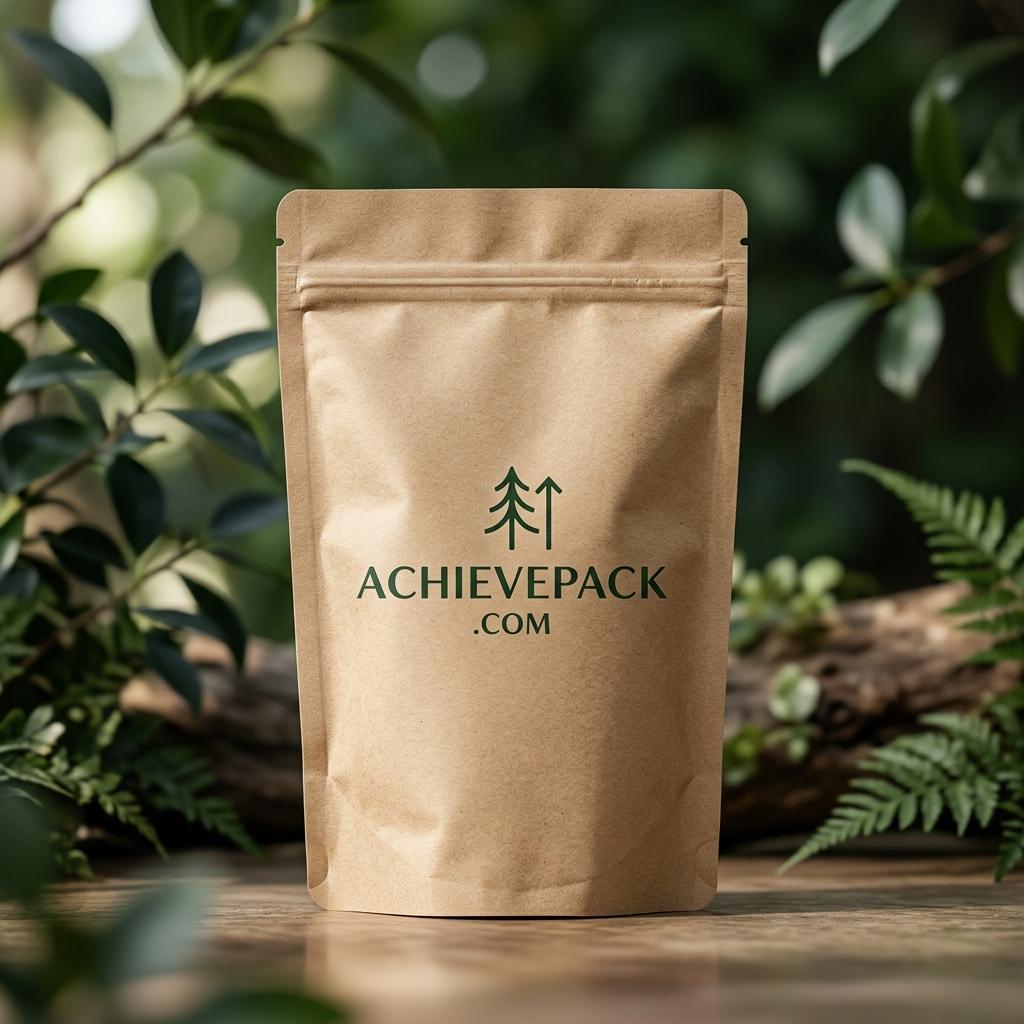
Minimalist D2C Branding
Designing clean packaging layouts that reduce ink waste and capture consumer interest.
Read Guide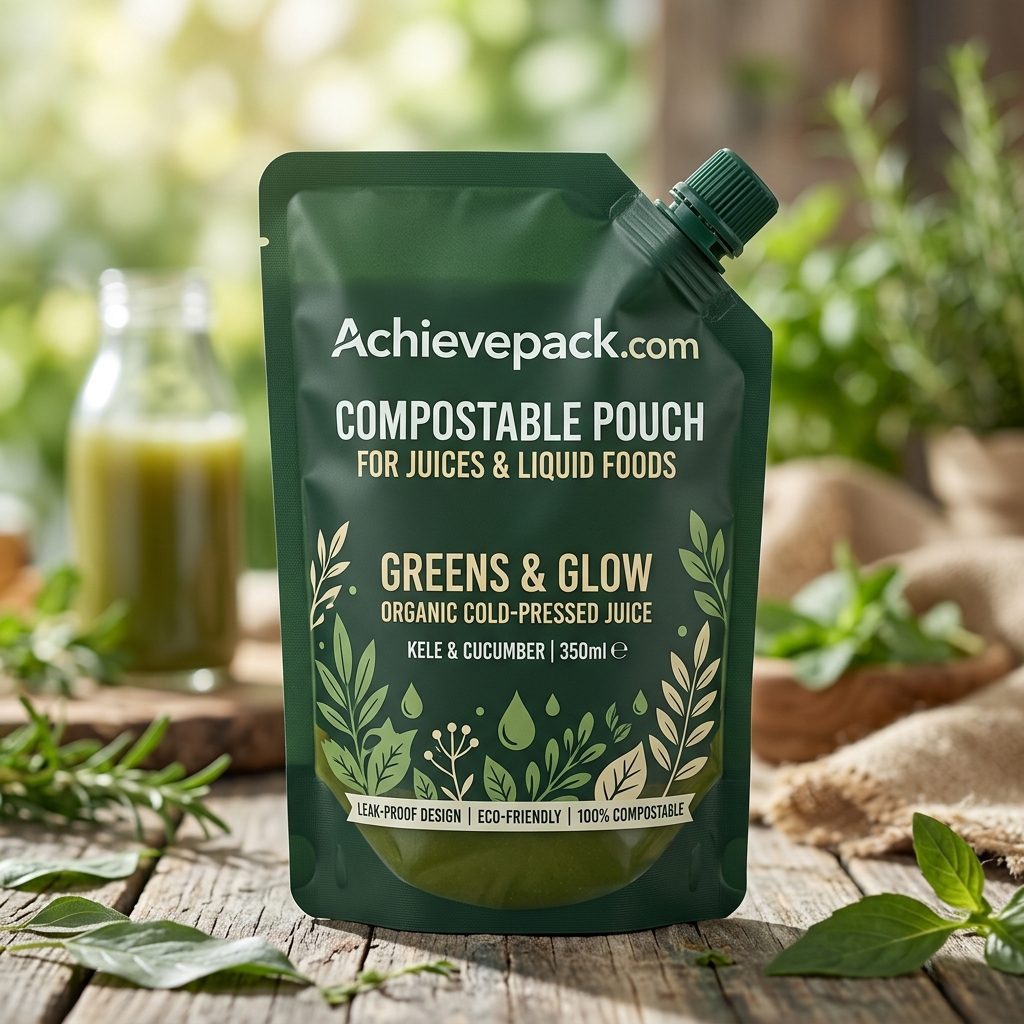
Spouted Liquid Pouches
Flexible bottle-shaped pouches with fitment caps designed to hold cosmetics, drinks, and purees.
Read Guide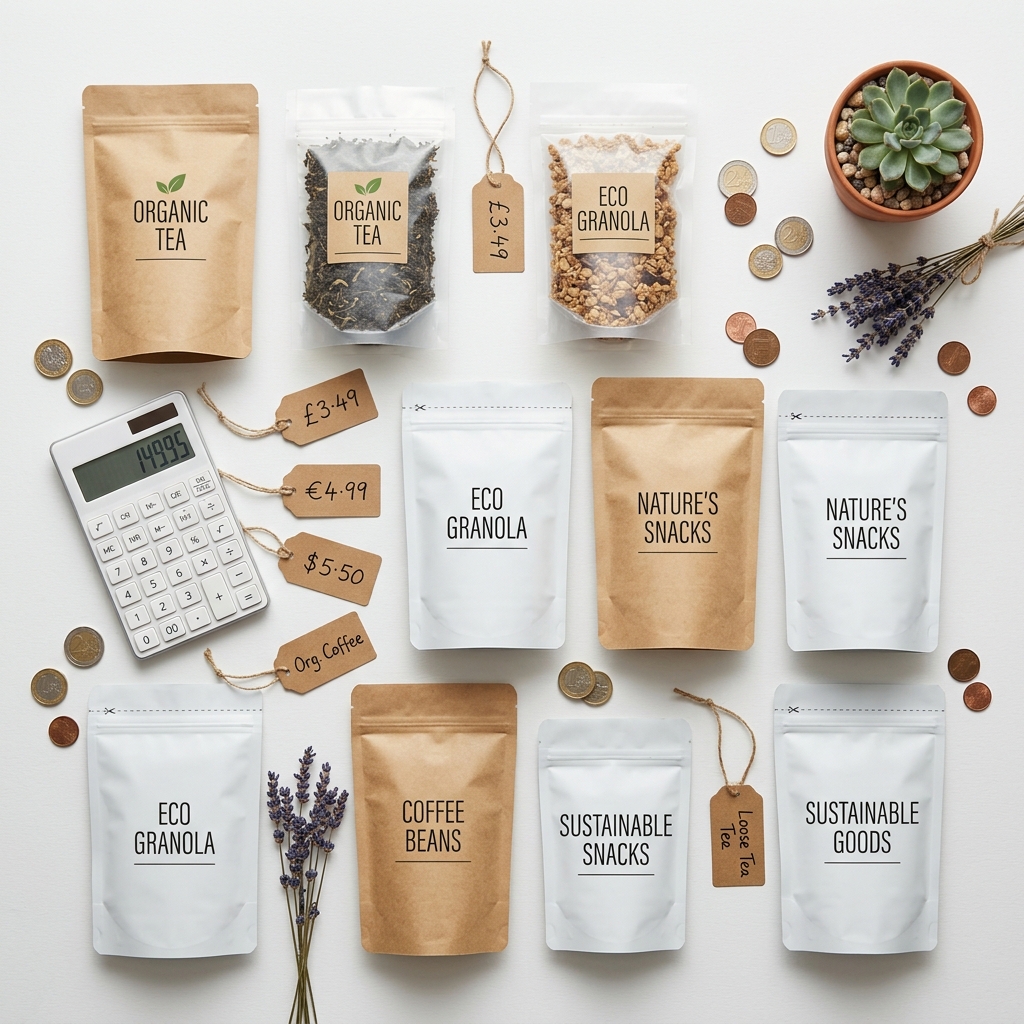
Packaging Cost Guide
Complete breakdown of plate charges, setup fees, material costs, and wholesale volume tiers.
Read Guide
Pet Treats Case Study
Developing high-volume pet food pouches with puncture-resistant layers and durable zippers.
Read Guide
Eco Packaging Mistakes
Avoid common design and material selection errors that disrupt commercial supply chains.
Read Guide
Compostable Zippers
How biodegradable press-to-close zippers preserve freshness without polluting composting streams.
Read Guide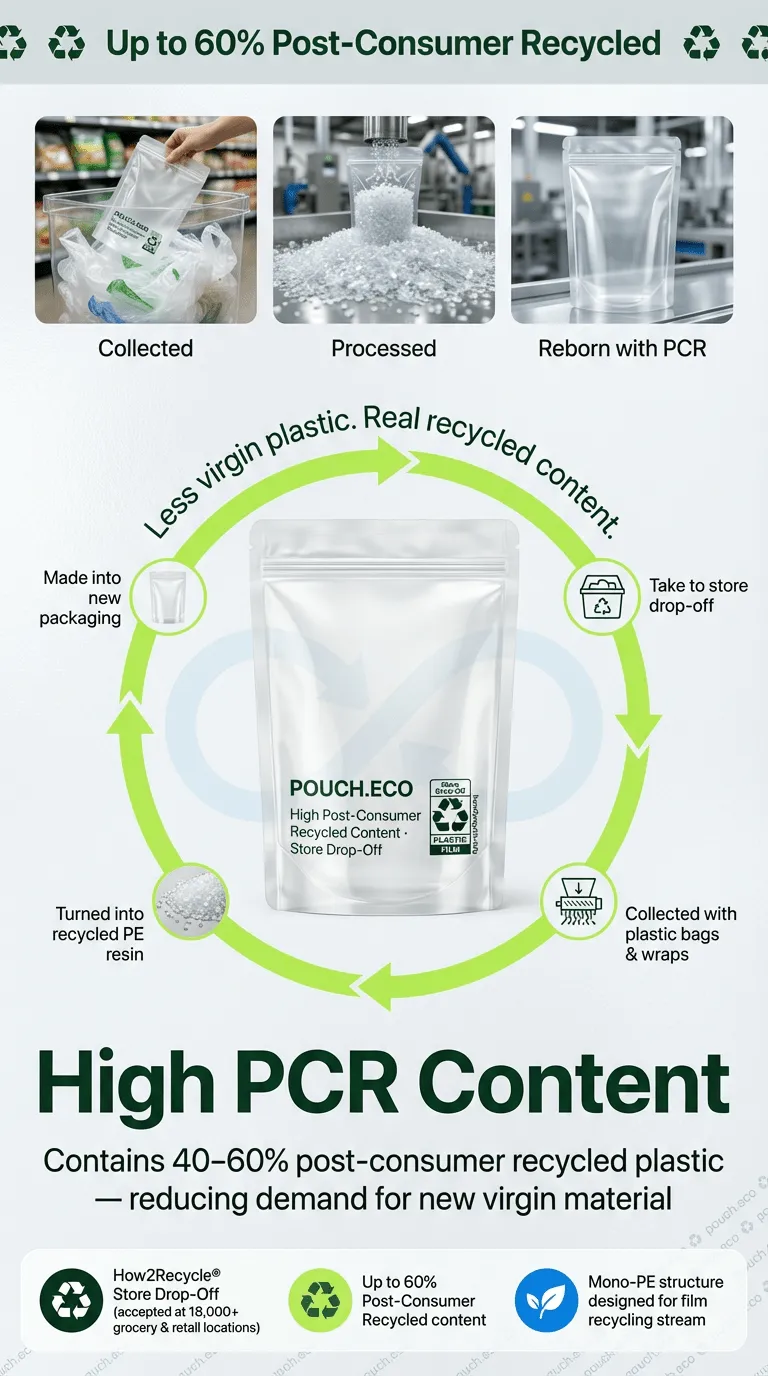
Post-Consumer Recycled
Reusing plastic ocean waste and curbside recyclables to fabricate premium composite barrier films.
Read Guide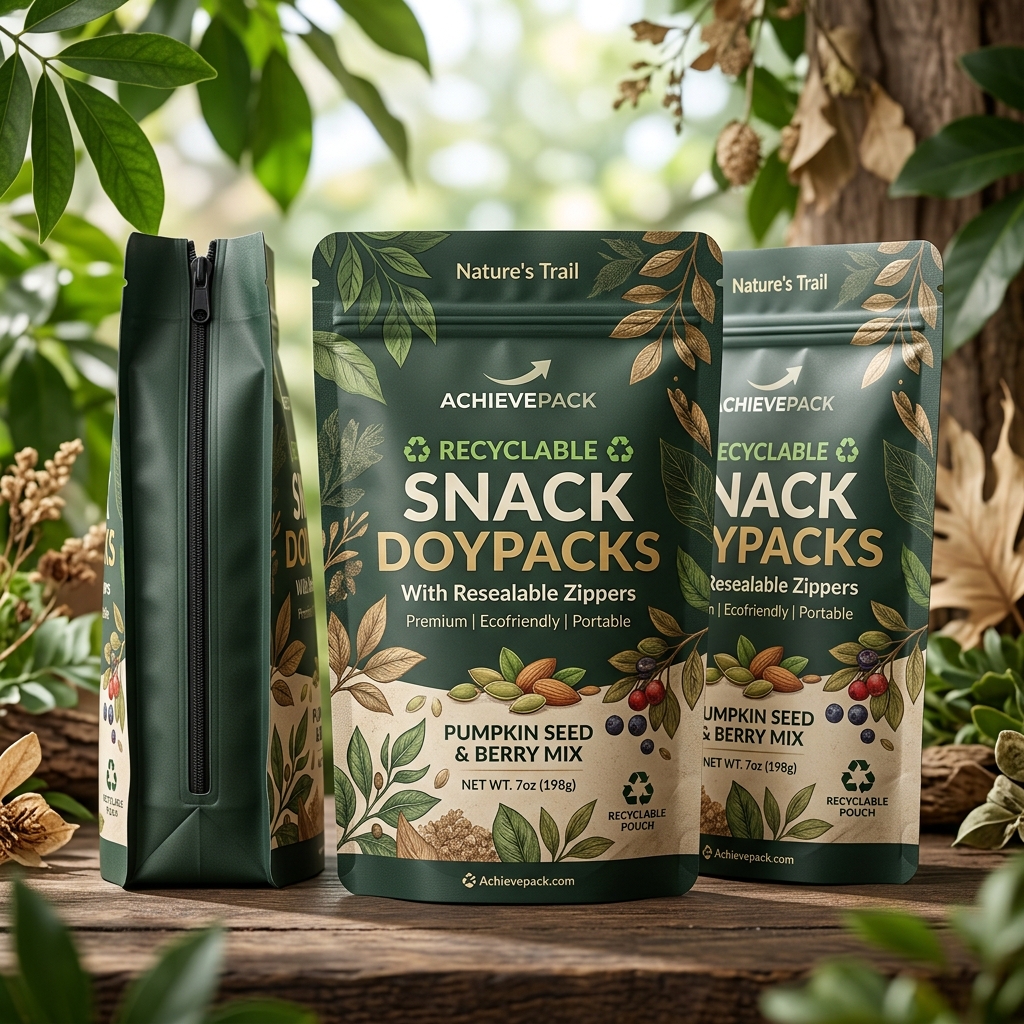
Recyclable Snacks Pouch
Preserving chips and granola freshness using EVOH-coated recyclable polyethylene structures.
Read Guide
Chocolate Brand Case Study
Eco-luxe chocolate brand showcases premium rigid box and compostable pouch designs.
Read Guide
Coffee Roastery Case Study
How a specialty Seattle roastery shifted to 100% compostable bags without dropping speed.
Read Guide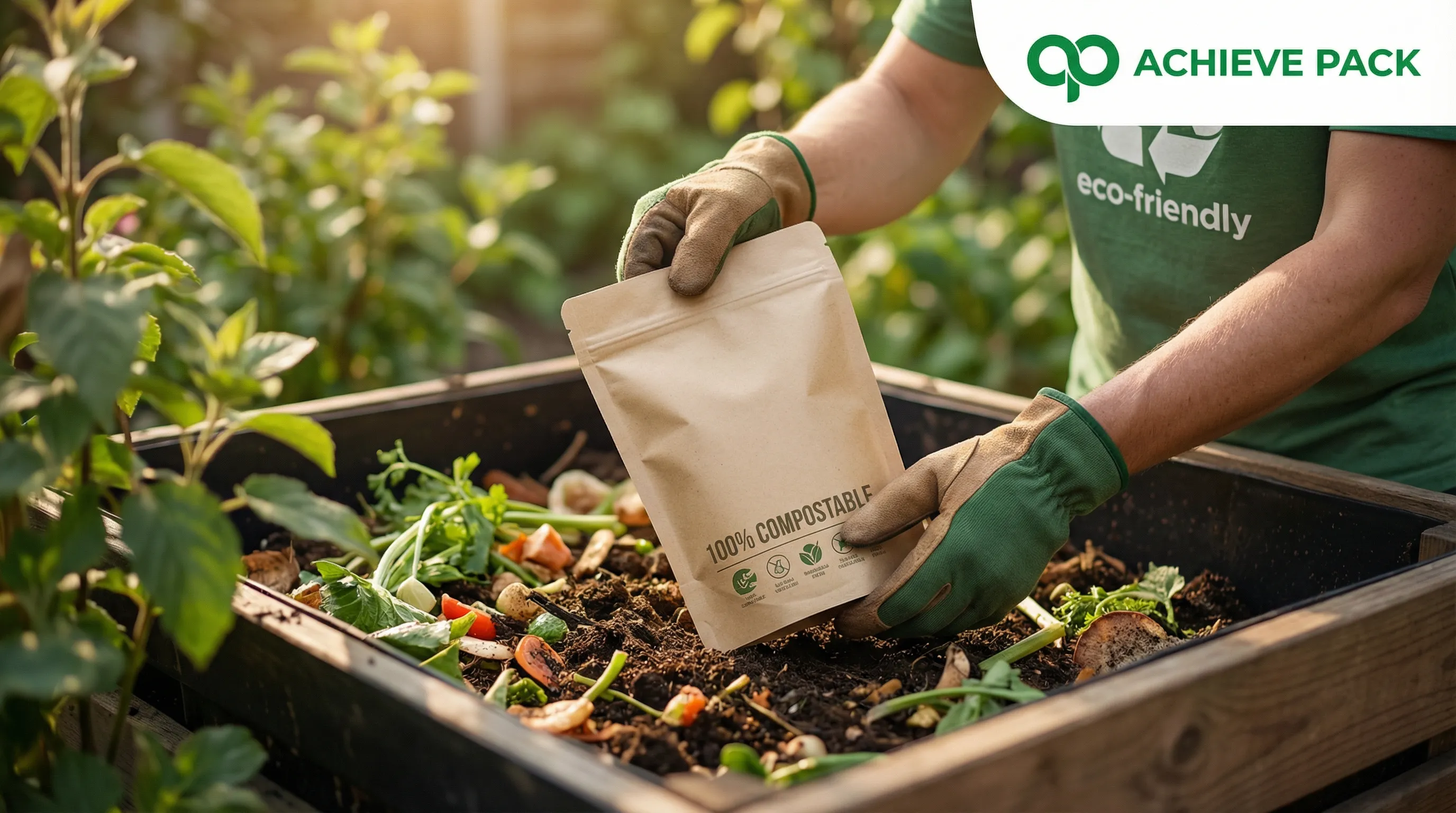
Foil Stamping Recyclability
Assessing the impact of hot and cold foil stamping on paperboard and plastic recycling.
Read Guide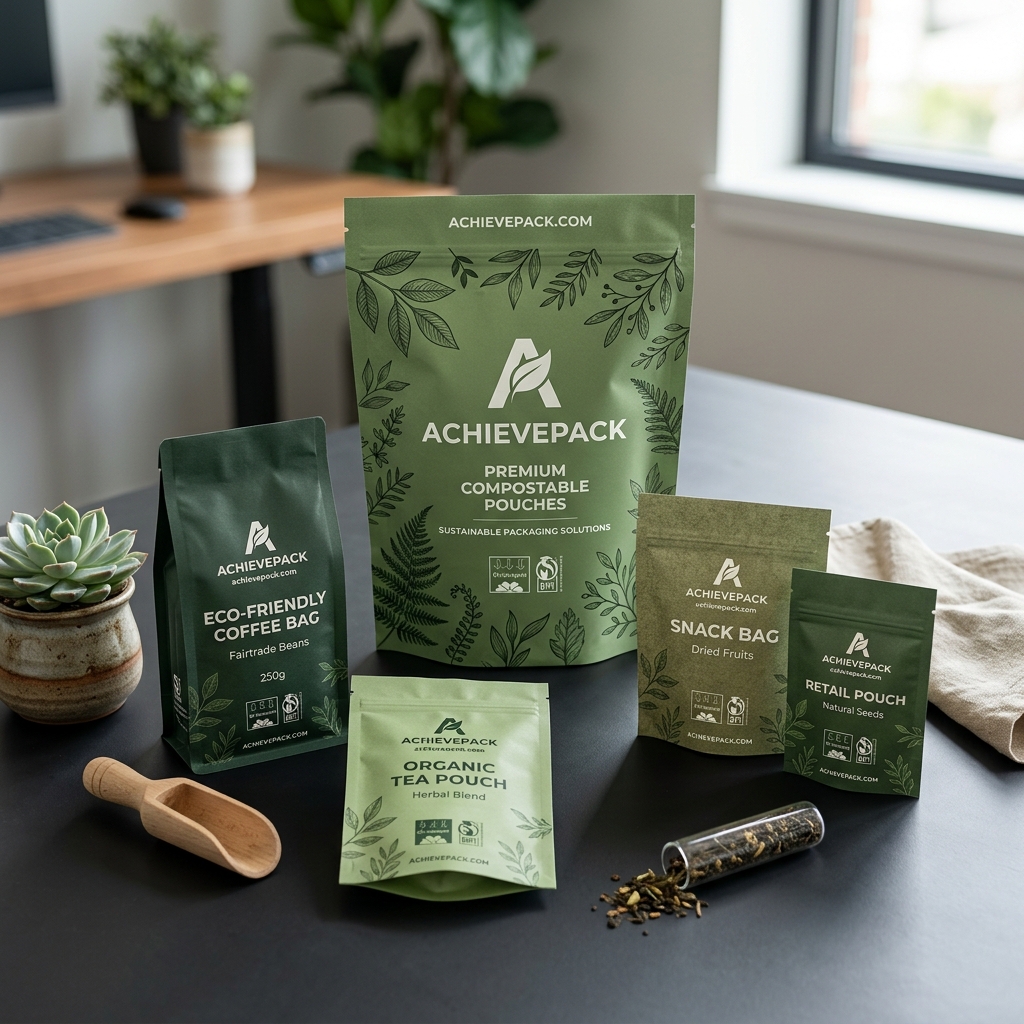
Startup Founder Solutions
Low MOQ, design support, and rapid prototyping workflows for launching products.
Read Guide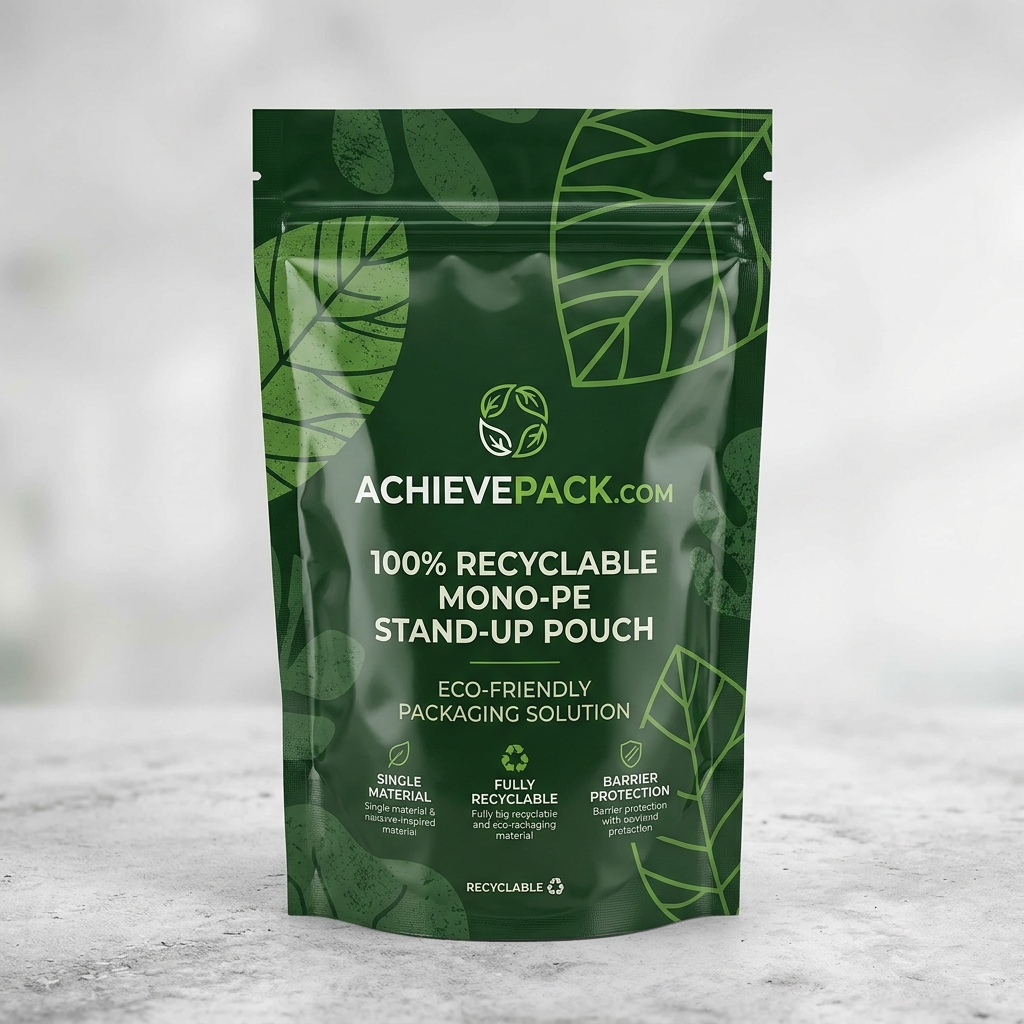
Mono-Material PE Guide
Technical deep-dive on single-polymer laminates that fulfill circular economy requirements.
Read Guide
EU PPWR Compliance
Understanding the new European Union packaging regulations and recycling requirements.
Read Guide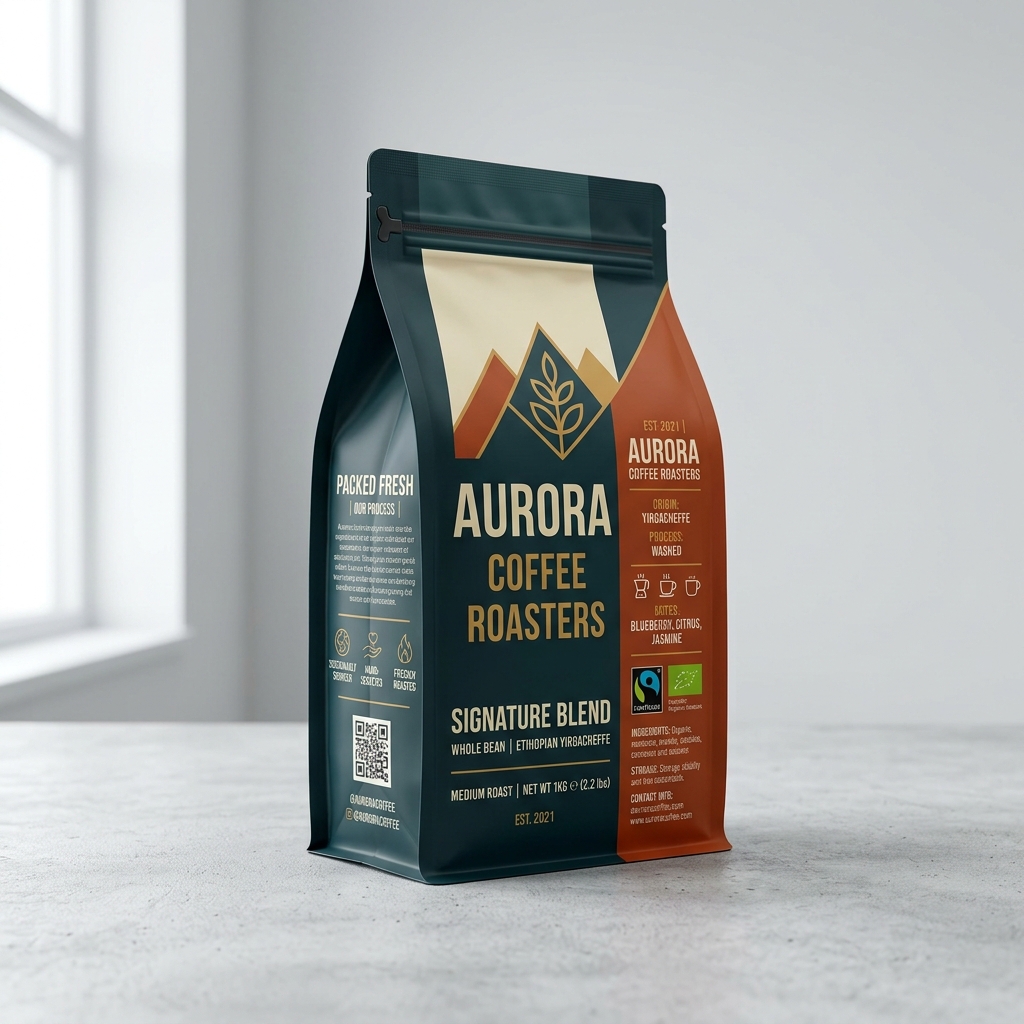
Flat Bottom Bags
Maximum stability with five printable panels, ideal for heavy coffee beans and dry pet food.
Read Guide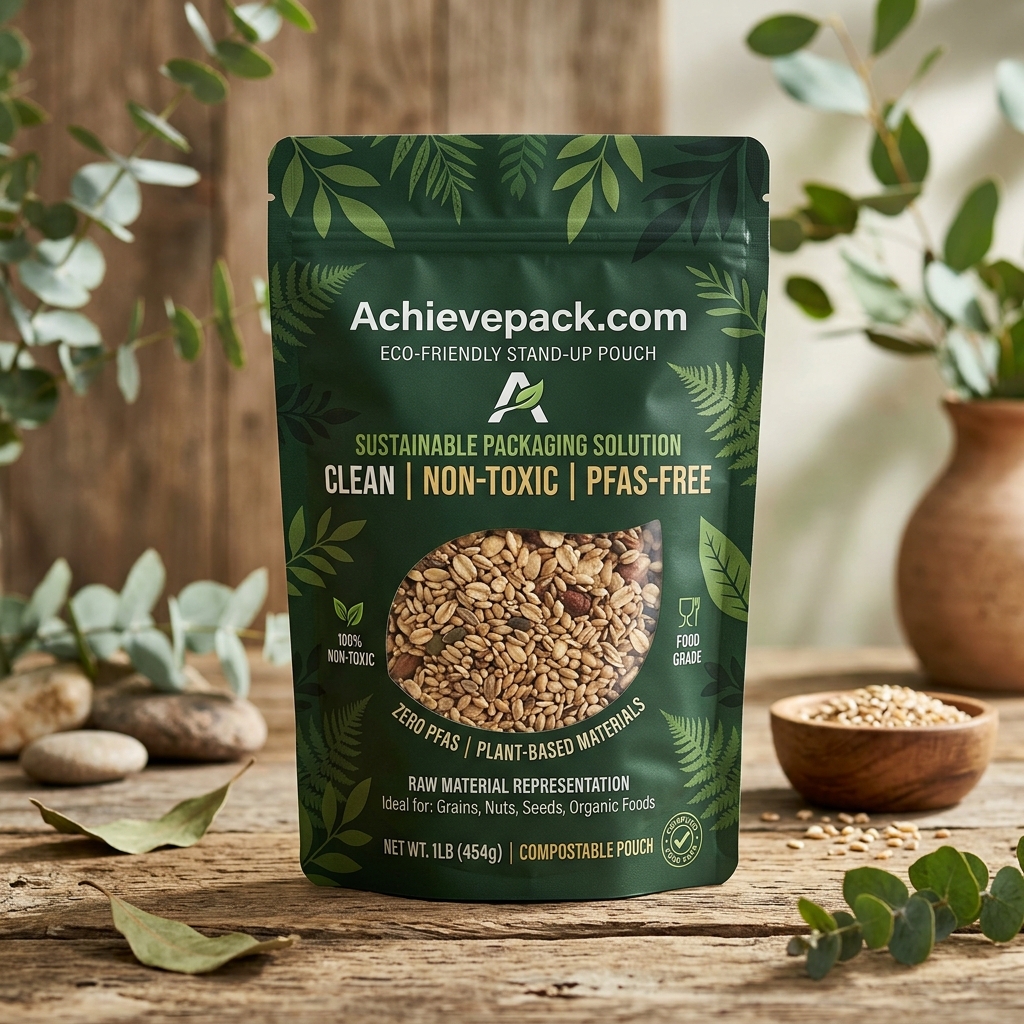
PFAS-Free Food Packaging
Ensuring compliance with local environmental acts by utilizing PFAS-free barriers.
Read Guide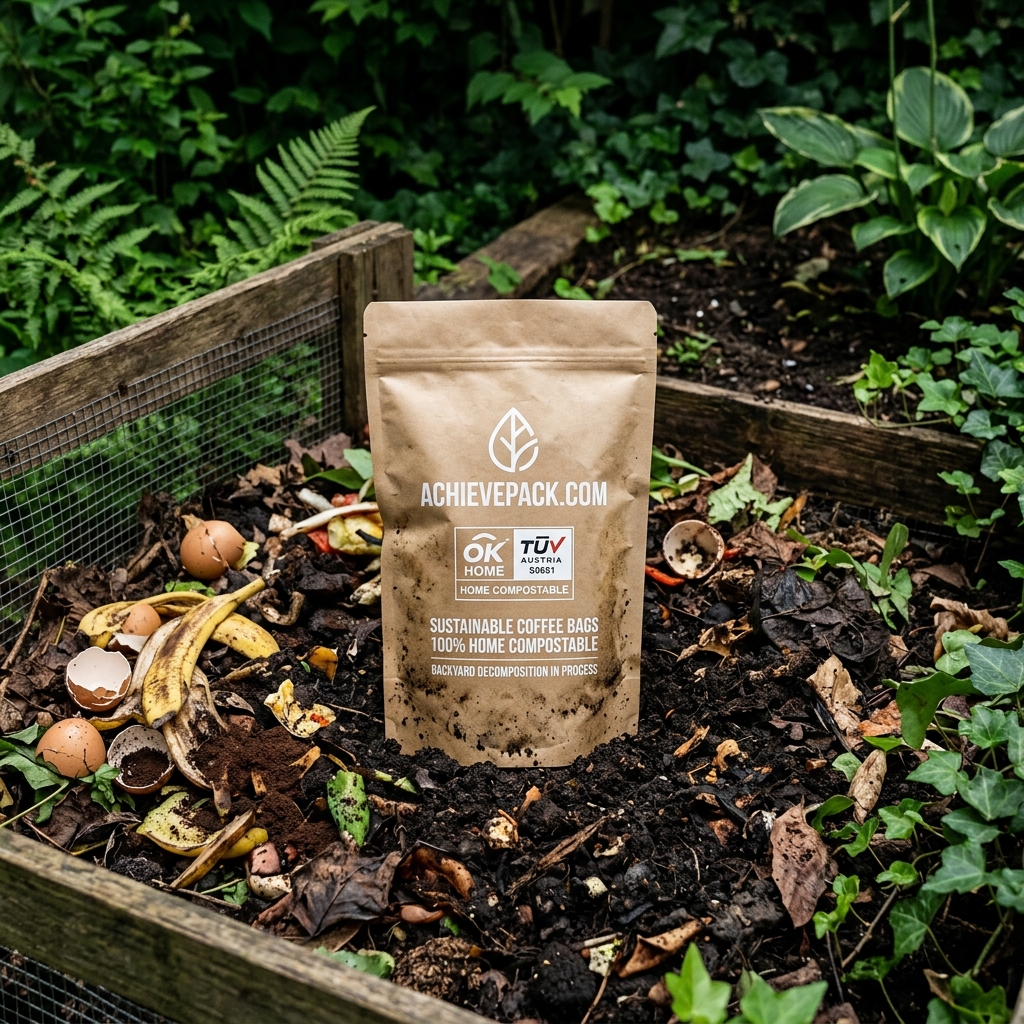
Home Compostable Coffee
Integrating plant-based degassing valves and compostable films to create home-friendly coffee bags.
Read Guide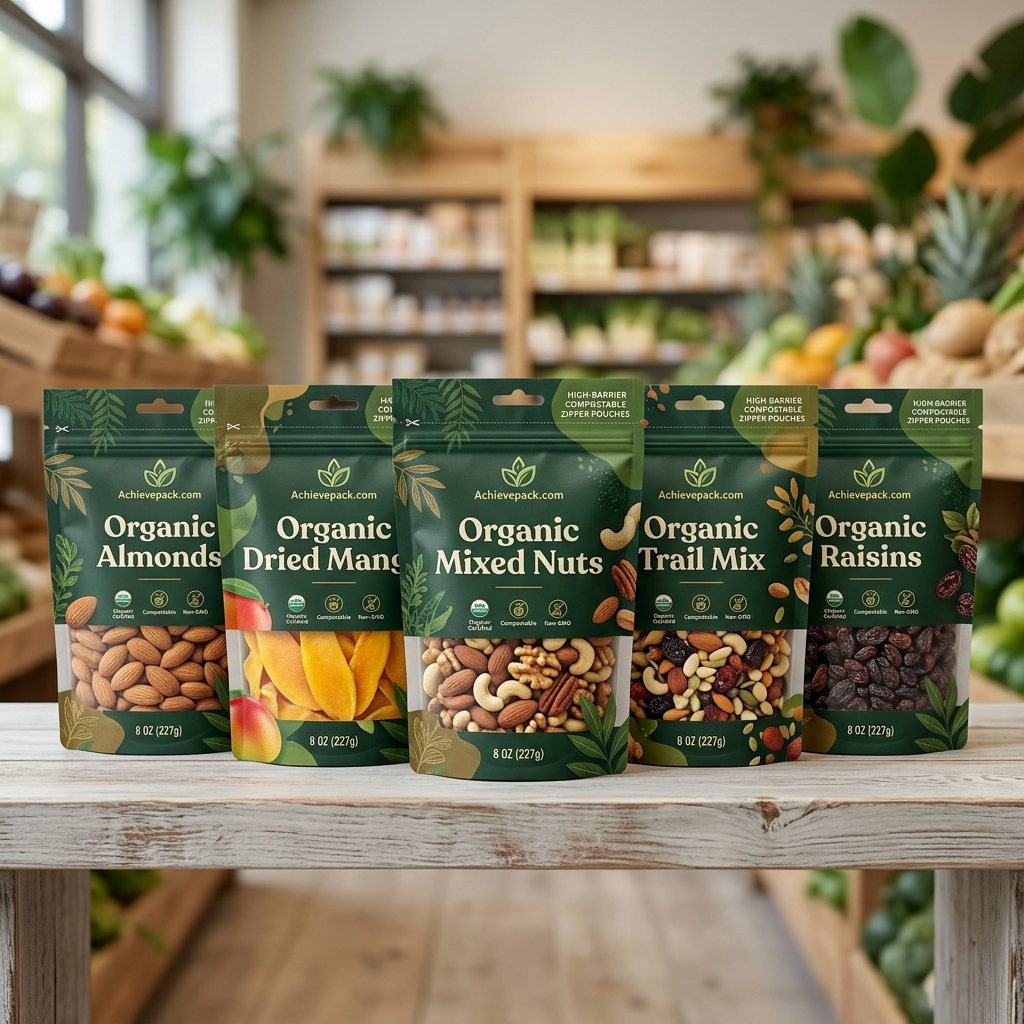
Snack Brand Packaging
Lightproof and air-tight pouches to maintain crispness and extend retail shelf life.
Read Guide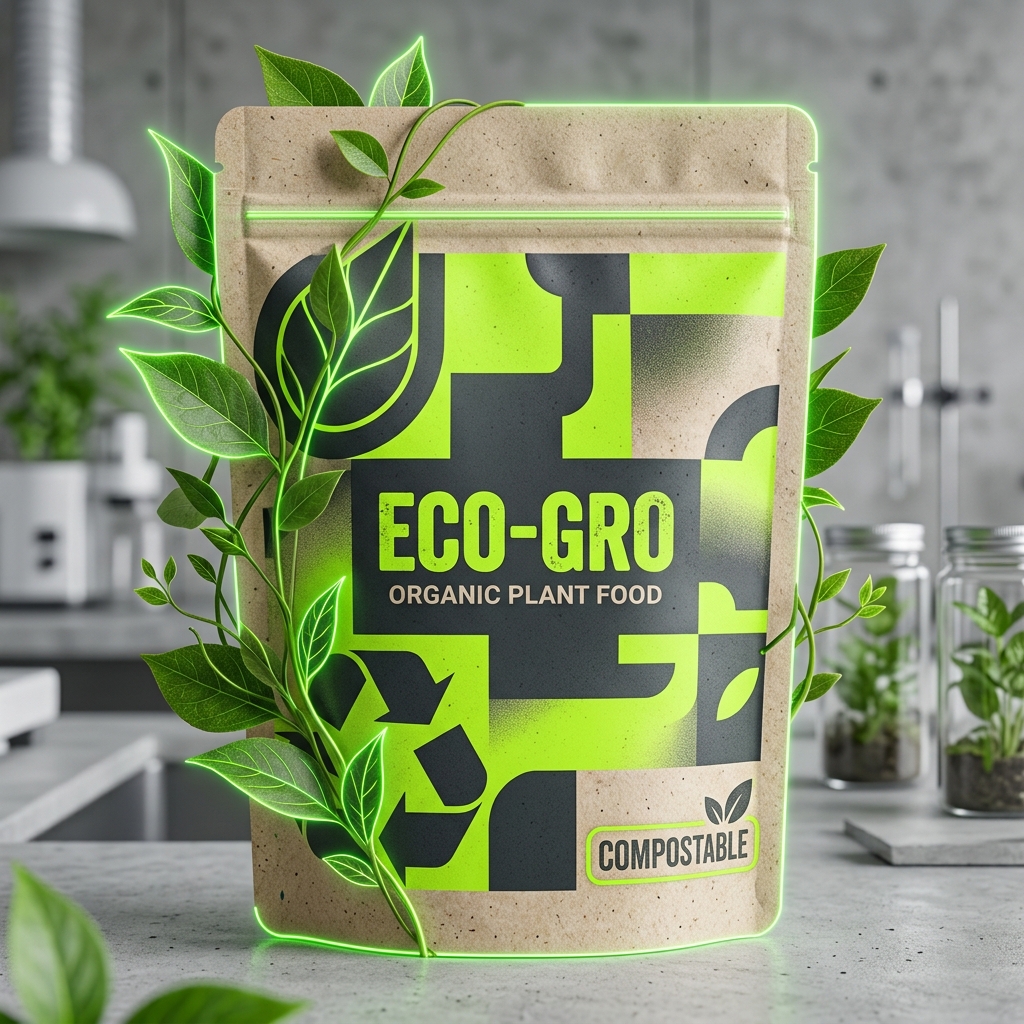
Compostable Materials
Overview of organic starch-based polymers and plant cell membranes that biodegrade safely.
Read Guide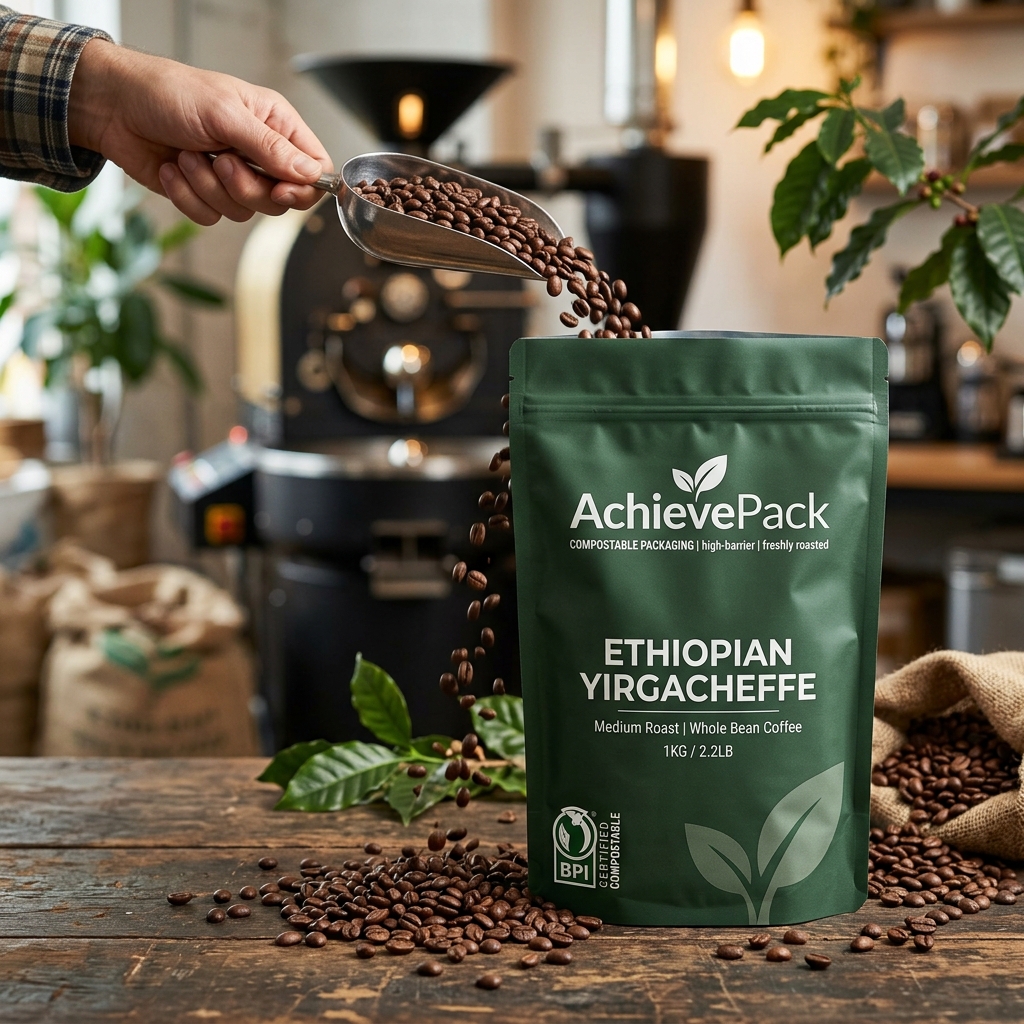
Coffee Roaster Packaging
High-barrier foil stand-up and flat bottom bags equipped with degassing valves.
Read Guide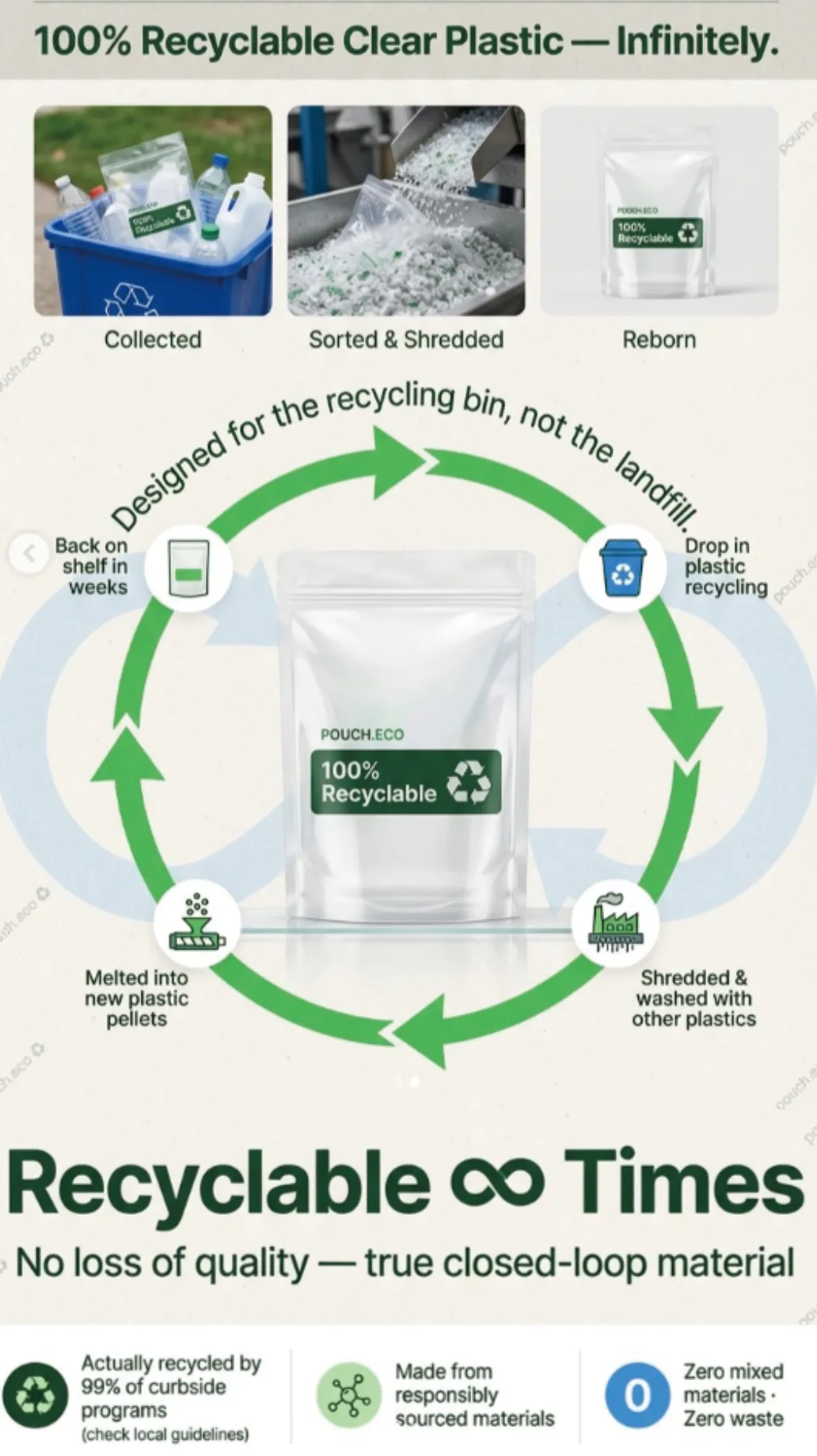
Recyclable Mono-PE
Engineered single-polymer films with EVOH barrier that qualify for standard recycling streams.
Read Guide
Tea Brand Case Study
Transitioning to plastic-free kraft bags to align with clean label values.
Read Guide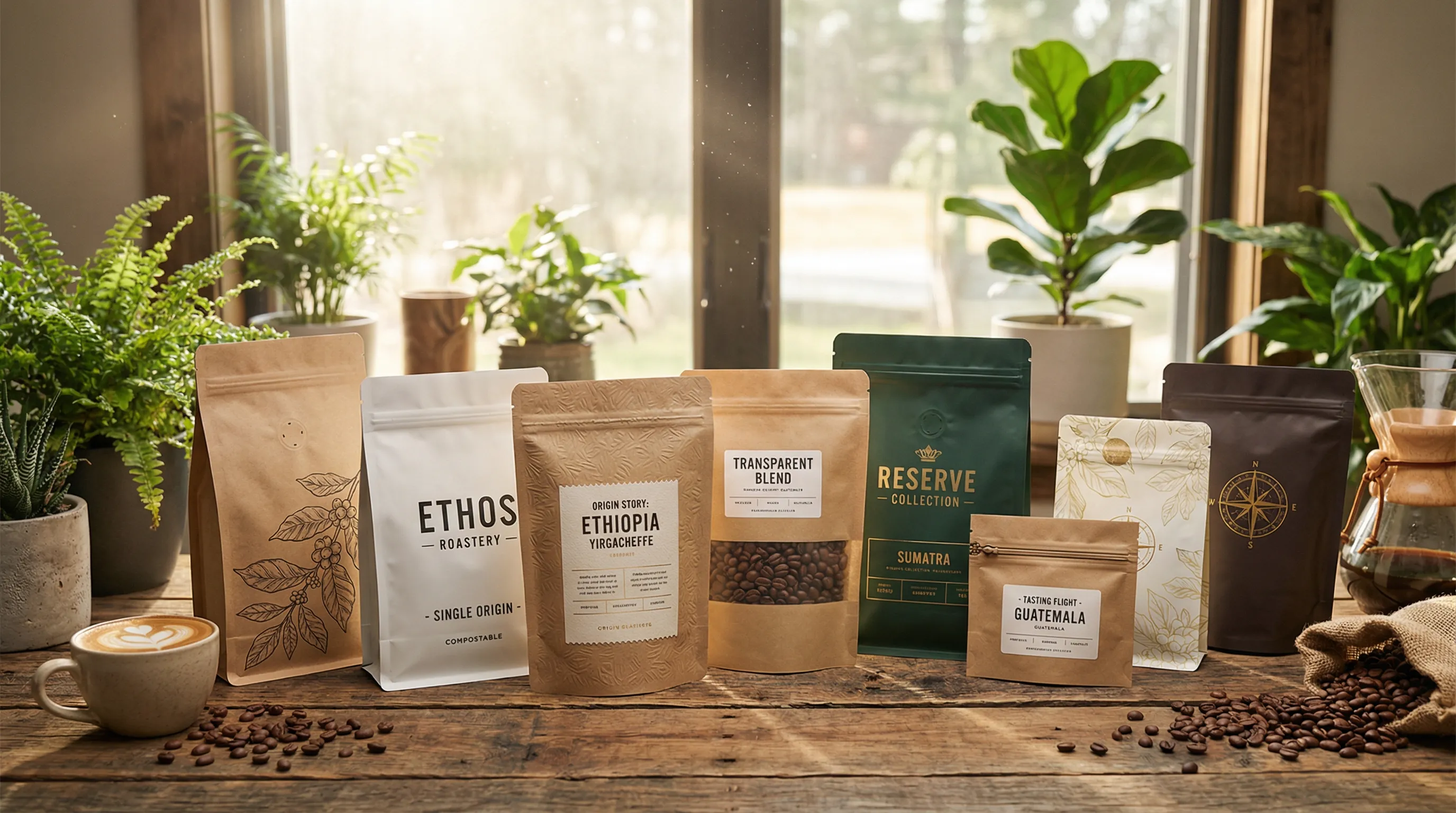
USA Coffee Bags Market
US retail trends in organic specialty coffee packaging and eco-friendly packaging rules.
Read Guide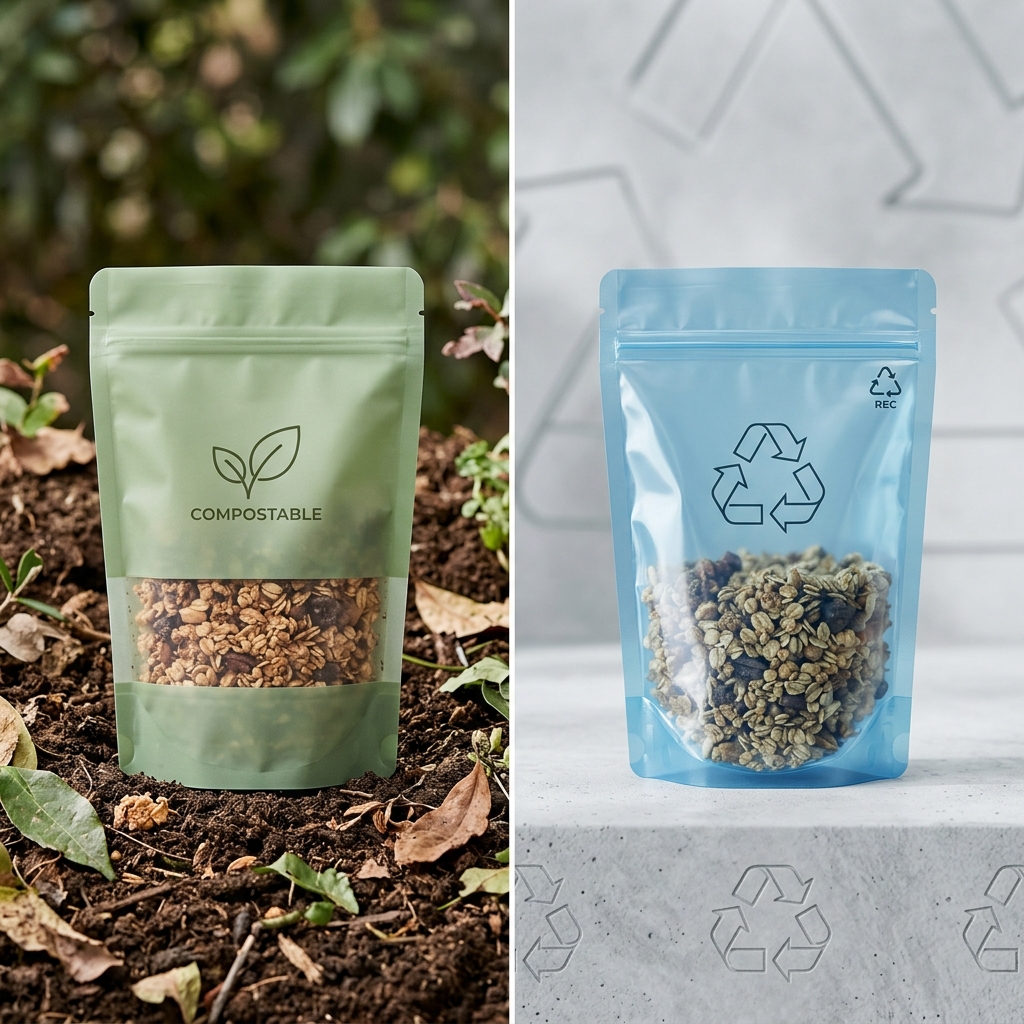
Compostable vs Recyclable
Deciding between circular plastic recovery and organic composting paths for your packaging.
Read Guide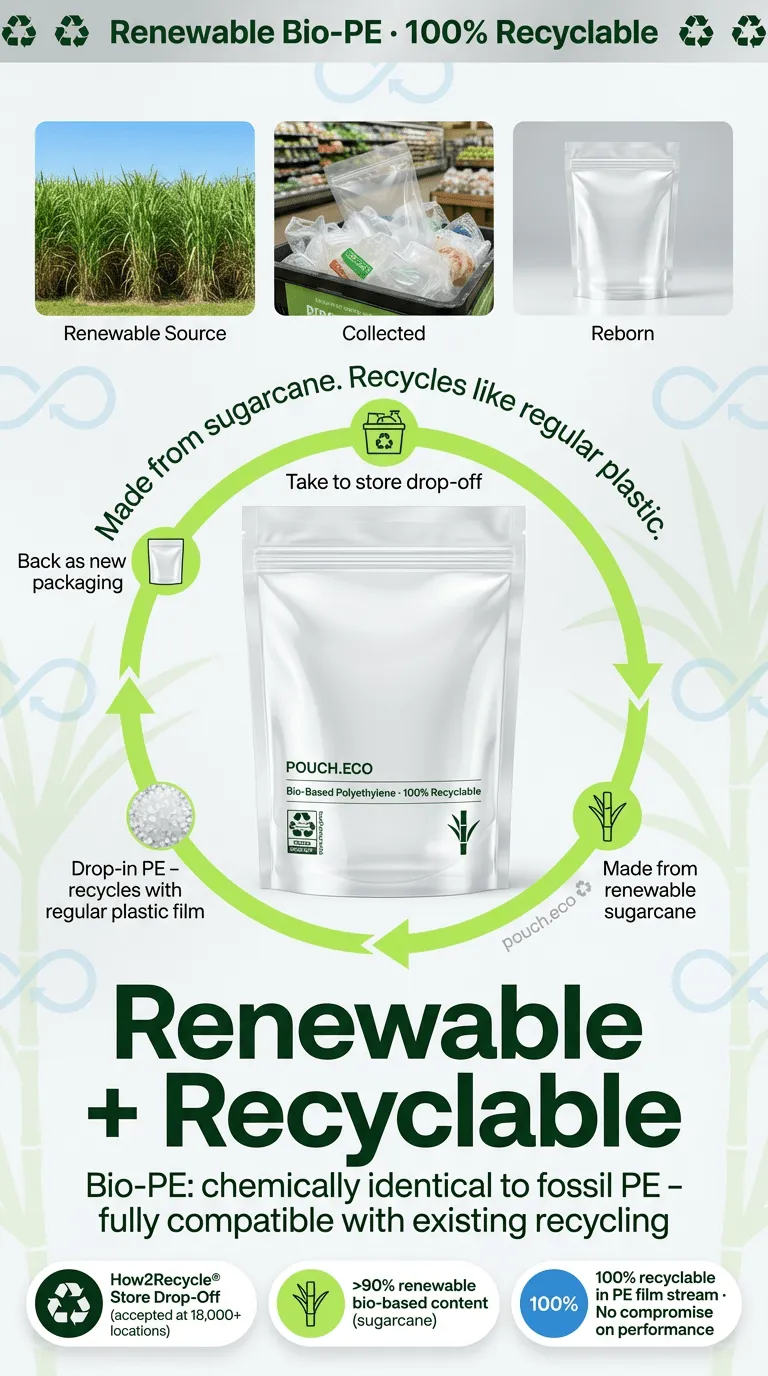
Sugarcane Bio-PE
Plant-based polyethylene films derived from sugarcane that reduce carbon footprint.
Read Guide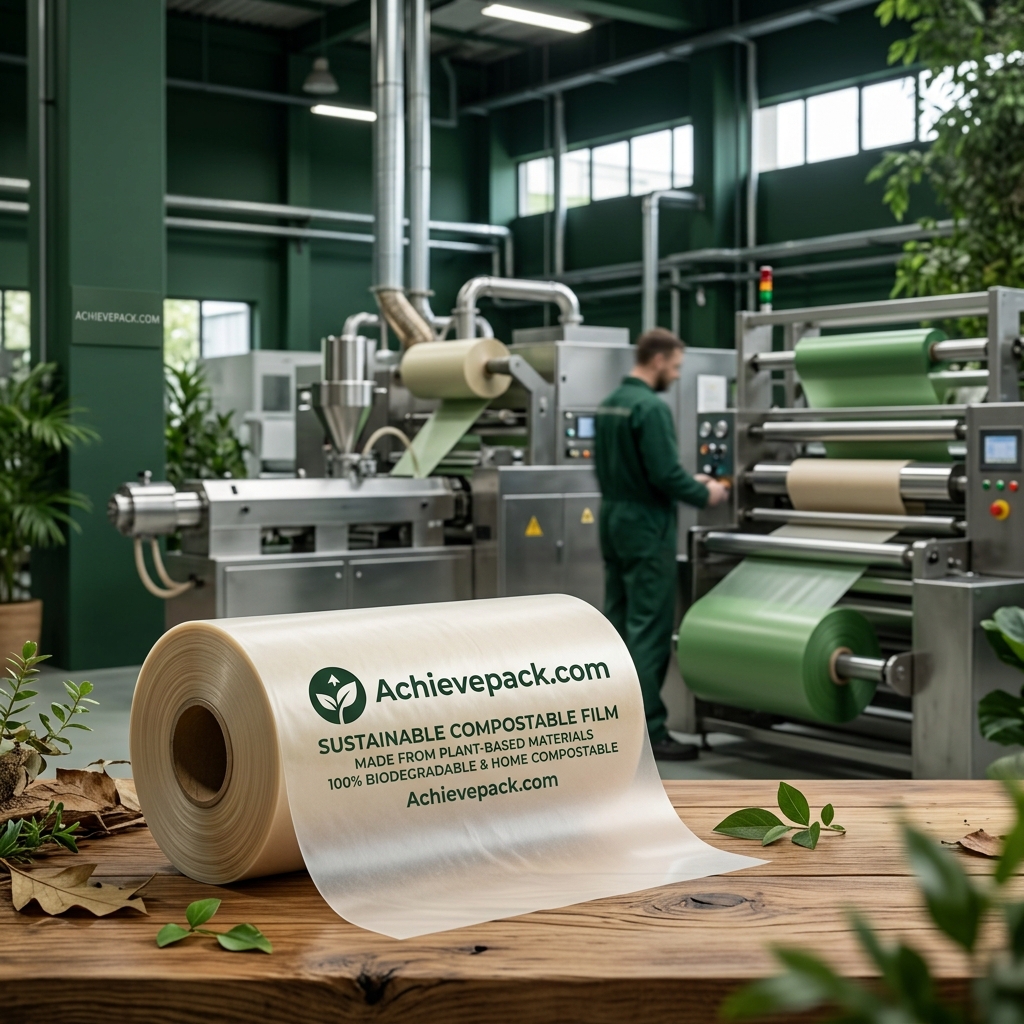
USA Compostable Standards
Guidelines on ASTM D6400 certification, BPI labels, and local state labeling mandates.
Read Guide
Stand Up Pouches
The classic retail packaging format with bottom gusset and custom resealable zippers.
Read Guide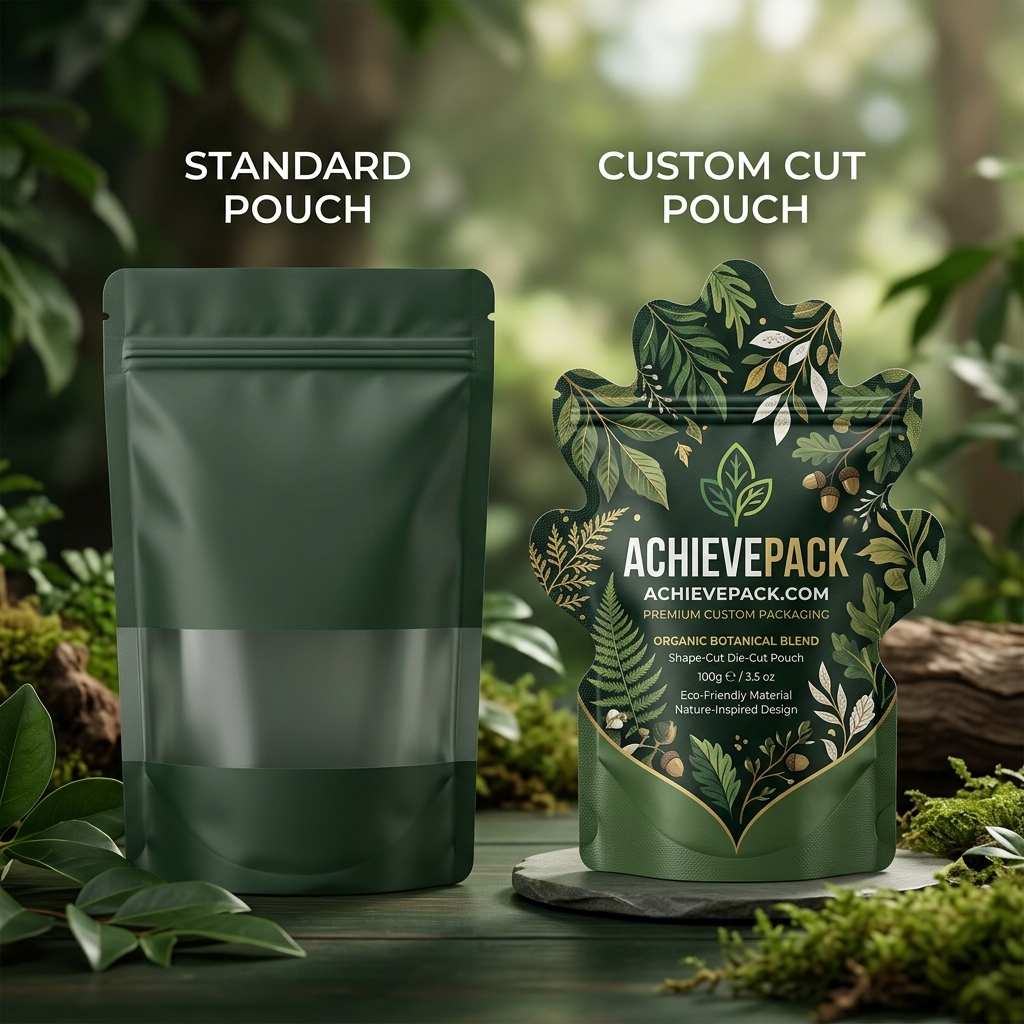
Custom Printed Boxes
Sturdy corrugated cardboard boxes, mailers, and custom retail displays with custom finishes.
Read Guide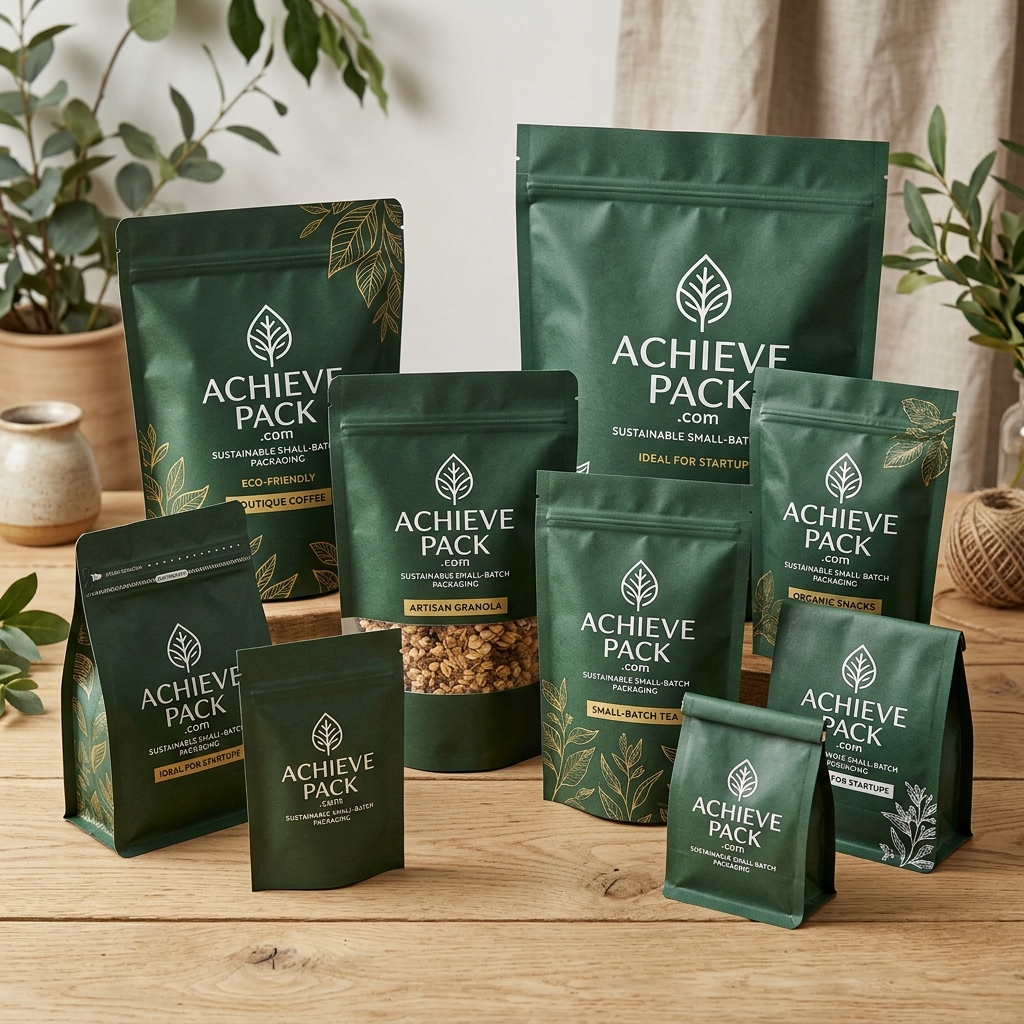
Low MOQ Startup Tips
Strategic advice on split-shipping, template reuse, and digital runs for multi-SKU brands.
Read Guide