High-Barrier Liquid Lamination Technology
Packaging liquids, drinks, and alcoholic beverages in flexible biopolymer films requires advanced lamination engineering to prevent hydrolysis, leakage, and barrier degradation. Traditional bioplastics absorb moisture, but our proprietary multi-layer compostable lamination shields product shelf-life for up to 12 months.
Liquid Lamination Material Profile:
- →Outer Layer (MDO-PLA): High-tensile, heat-resistant printing layer that acts as the primary canvas for digital prints.
- →Middle Layer (Met-Cellulose): Vacuum-metallized bio-cellulose film providing elite OTR (< 0.5 cc/m²/day) and WVTR (< 0.8 g/m²/day) gas locks.
- →Sealant Layer (High-density PLA/PBS Blend): Hydrolysis-resistant inner film that withstands organic liquid compounds, acids, and alcohol up to 15% ABV.
Heat-Sealed & Spouted Seam Engineering
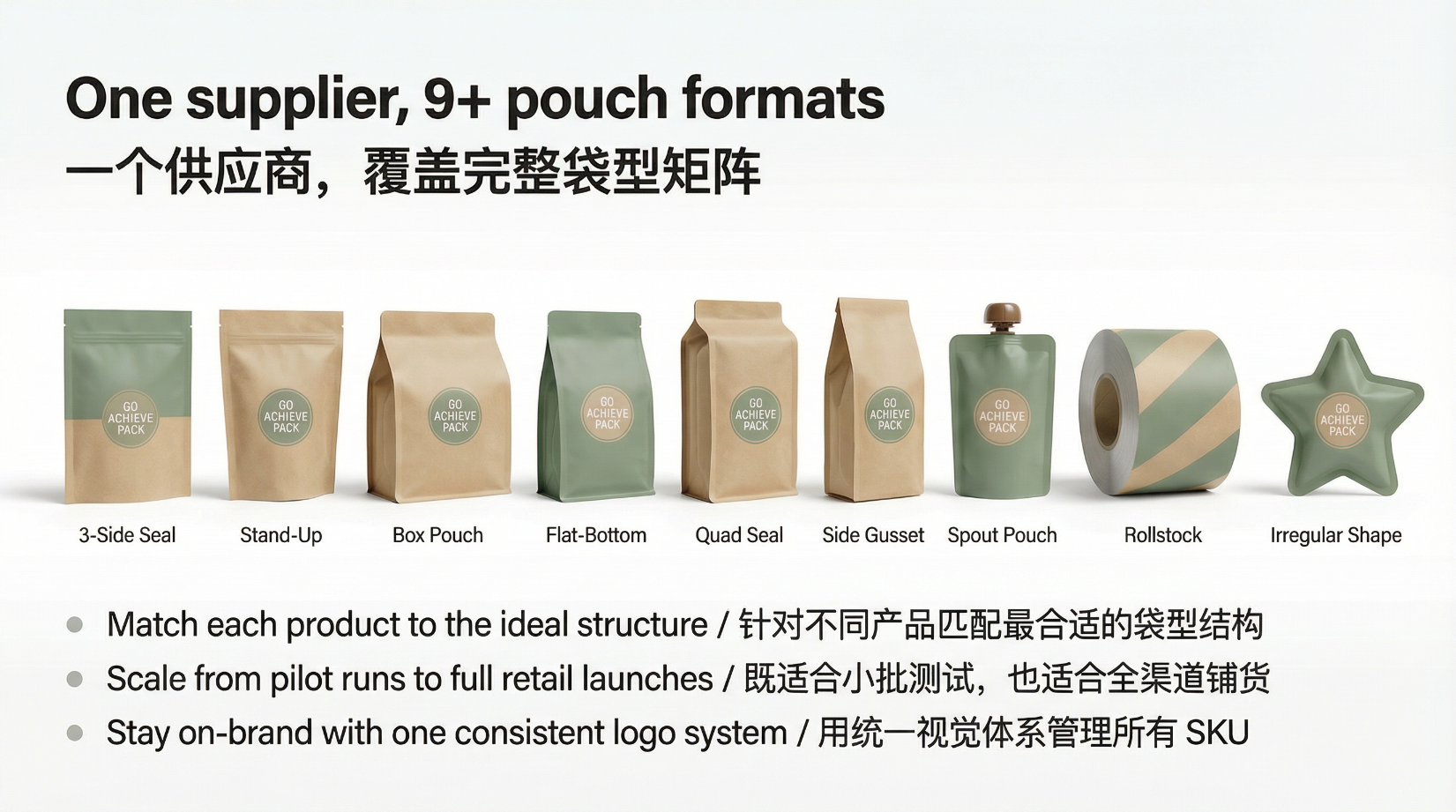
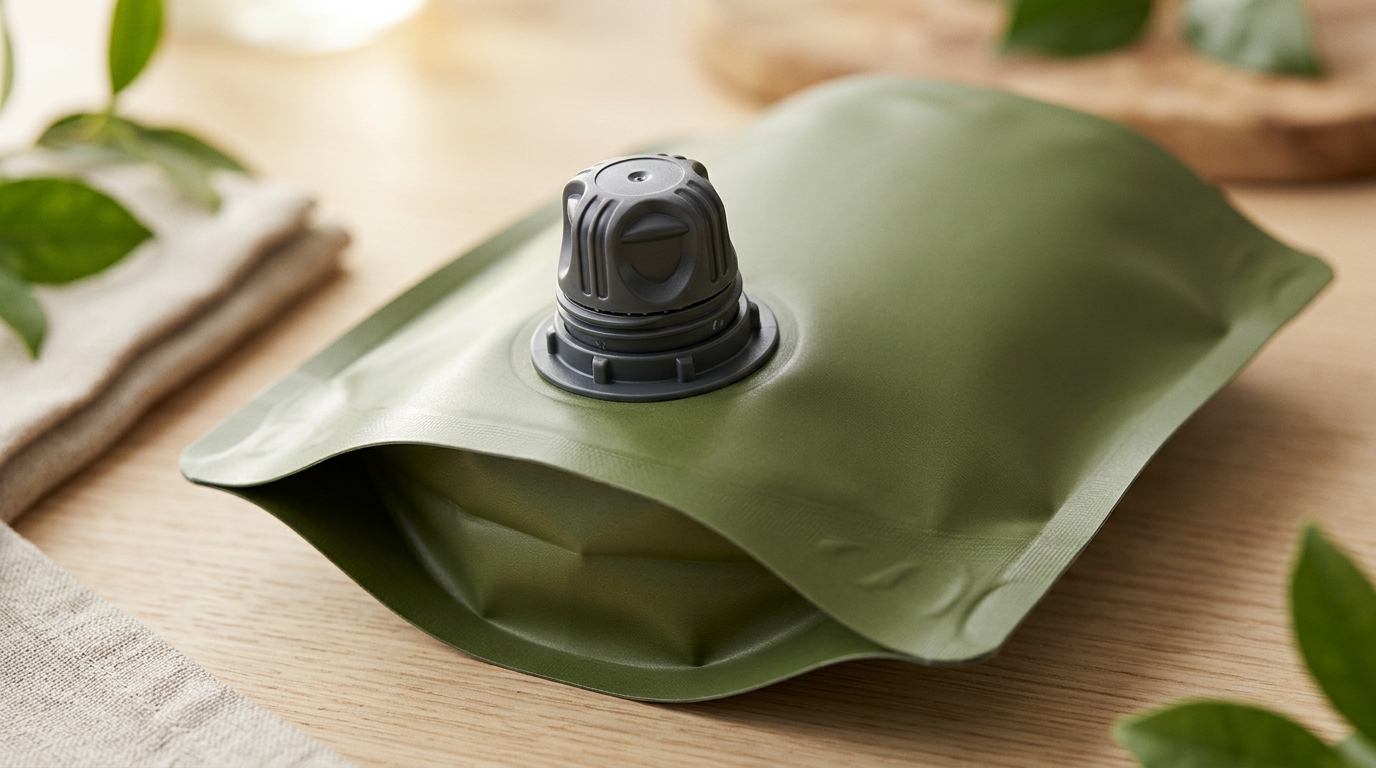
Standard pouches fail at the corners when loaded with heavy liquids. Our factory implements 3-side sealed pouch construction with reinforced 8mm hermetic seams. This ensures zero capillary leakage, even under commercial pressure filing.
Sealing Tolerance Parameters
- ✓ Optimal Sealing Temp: 135°C - 150°C
- ✓ Hermetic Pressure Seal: 3.5 bar
- ✓ Seam Width: 8mm - 10mm (reinforced)
- ✓ Corner seal radius to prevent puncture points
Liquid Applications
- ✓ Organic Fruit Juices & Smoothies
- ✓ Liquid Concentrates & Coffee Syrups
- ✓ Wine, Cocktails & RTD Alcoholic Beverages
- ✓ Liquid Soap & Cleaning Product Refills
Zero-Failure Drop & Burst Test Logs
Crawlers and B2B buyers require real-world validation data. The following log records our 100% compostable 3-side sealed liquid pouches subjected to ASTM testing standards:
Technical Verification Log
5 Common Drink Liquid Pouch Problems (And Solutions)
Don't let poor packaging compromise your beverage. Here are the top 5 pain points and how AchievePack engineering solves them.
1. Leaking at the Seams or Spout
Problem: Weak seals cause liquids to leak during transit or storage.
Solution: We use reinforced heat sealing and a dual-layer barrier for maximum durability.
2. Punctures During Transit
Problem: Sharp objects or rough handling can easily puncture standard pouches.
Solution: A high-tensile strength nylon (BOPA) layer prevents tearing and punctures.
3. Oxygen & UV Degradation
Problem: Exposure to light and oxygen ruins the flavor and shelf life of drinks.
Solution: Our pouches feature AL (Aluminum foil) or EVOH layers for ultimate barrier protection.
4. Difficulty in Pouring
Problem: Poorly designed spouts lead to spilling or choking hazards.
Solution: We integrate ergonomic, anti-choke spouts for smooth and safe liquid flow.
5. Pouches Not Standing Upright
Problem: Improper bottom gussets cause pouches to tip over on store shelves.
Solution: Precision bottom gusset engineering ensures a stable, self-standing profile.
Volume Cost Structure for Liquid Pouches
Our flexible manufacturing lines support low-MOQ test batches for beverage startup launches, scaling to bulk gravure wholesale runs:
| Quantity | Digital Print (100 - 1,000 pcs) | Gravure Print (10,000+ pcs) |
|---|---|---|
| 250ml Liquid Pouch | $0.45 - $0.65 / pc | $0.18 - $0.25 / pc |
| 500ml Liquid Pouch | $0.55 - $0.78 / pc | $0.24 - $0.32 / pc |
| 1L Liquid Pouch | $0.70 - $0.98 / pc | $0.35 - $0.45 / pc |
AchievePack Eco Material Specifications
Direct-Factory Certified Sustainable Laminates
AchievePack designs and manufactures five classes of circular flexible barrier packaging materials. These options help brand owners meet regulatory standards (like EU PPWR and state-level laws) without sacrificing barrier performance or shelf-life.
1. Curbside Recyclable Mono-PE
Made from 100% Polyethylene (LDPE #4). This single-polymer structure is fully recyclable through European/UK curbside collection and USA Store Drop-Off networks. Optional EVOH coatings (<5% total weight) deliver extreme oxygen and moisture barriers without compromising the recycling stream.
2. Heat-Resistant Recyclable Mono-PP
Formulated from single-polymer Polypropylene (PP #5), providing excellent optical clarity, high rigidity, and thermal tolerance. Engineered specifically to survive hot-fill processes, pasteurization, retort cooking, and microwave sterilization lines.
3. Certified Compostable Biopolymers
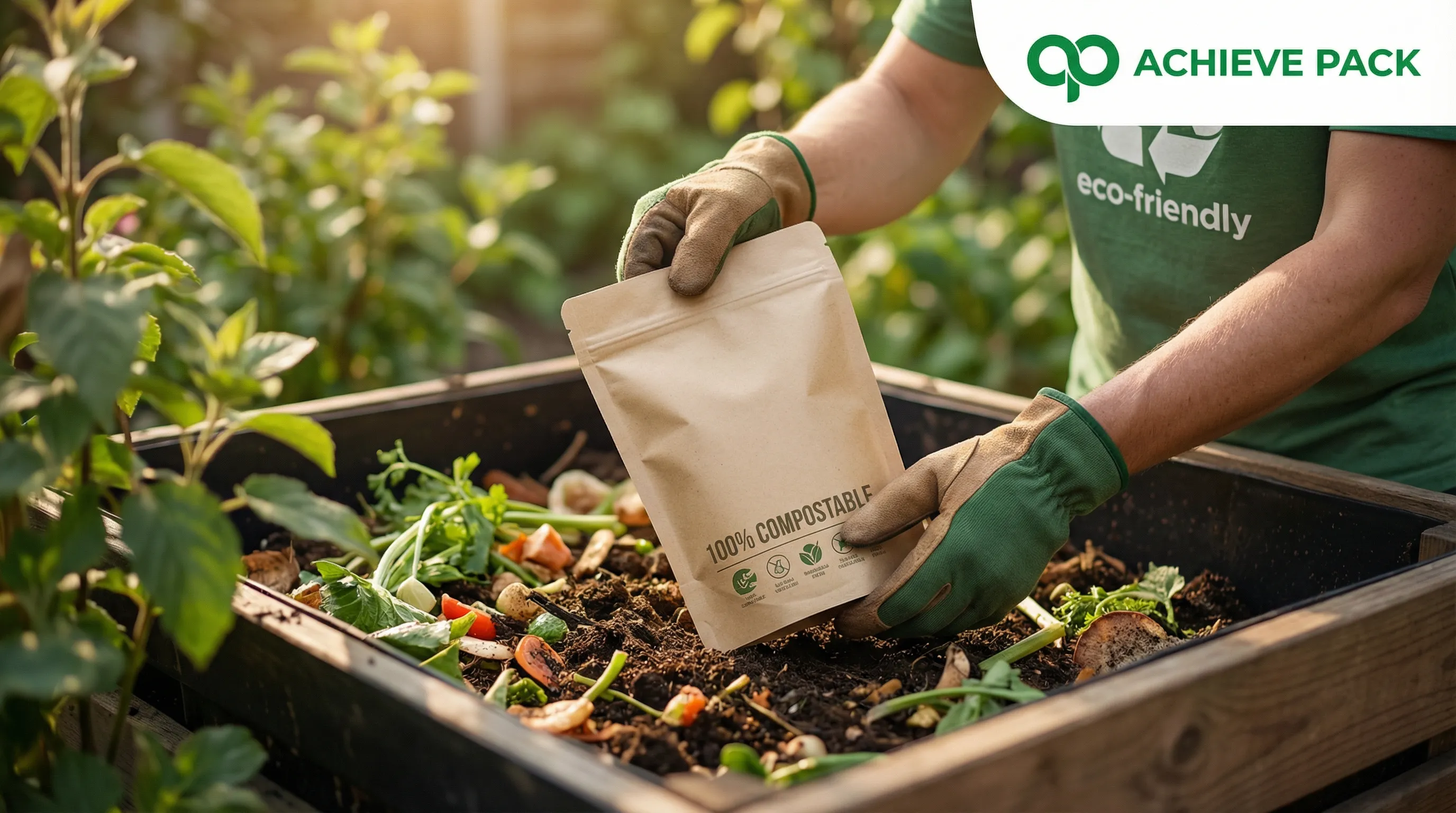
Constructed from plant-derived biopolymers including natural Kraft paper, NatureFlex cellulose, and certified PLA/PBAT/PHA sealable blends. Extensively tested and certified under ASTM D6400 (USA) and EN 13432 (EU) to degrade into organic soil nutrients within 180 days.
4. PCR (Post-Consumer Recycled) Polymers
Integrates GRS-certified post-consumer recycled plastic resins into the laminate structure. Helps brands reduce dependence on virgin fossil resources, lower carbon footprints, and completely bypass plastic packaging taxes in global regions.
5. Carbon-Negative Sugarcane Bio-PE
Sourced from sugarcane bio-PE that acts exactly like petroleum PE. Captures atmospheric CO₂ during sugarcane growth, delivering carbon-negative performance while remaining 100% recyclable in standard PE sorting streams (#4).
Biopolymer Lab Validation & Compostability Proof
We don't make vague green claims. Our biopolymers (NatureFlex, PLA/PBAT) are batch-tested to verify 100% biodegradation in home and industrial composting within 180 days with zero toxic ecotoxicity residues.
Compostable Barrier (OTR)
Tested barrier layers (NK/NatureFlex) ensuring moisture and aroma protection.
Organic Chemical Purity
Exceeds EN 13432 criteria for organic safety and clean soil composting.
Biopolymer Sealing Window
Narrowed sealing temperature range preventing biopolymer deformation or thermal burn.
TÜV OK Compost HOME
Guarantees complete organic degradation in backyard compost bins within 26 weeks.
Puncture Strength (ASTM F1306)
Ensures biopolymer bag walls resist puncture during manual handling and packing.
Tensile Strength (ASTM D882)
Ensures biopolymer bags support products securely without structural stretch.