Emissions Cut.
Soil Enriched.
Composted.
> Diverting FOGO waste streams.
> Methane emission mitigation.
> 20%+ soil moisture retention.
> Certified organic soil feed.
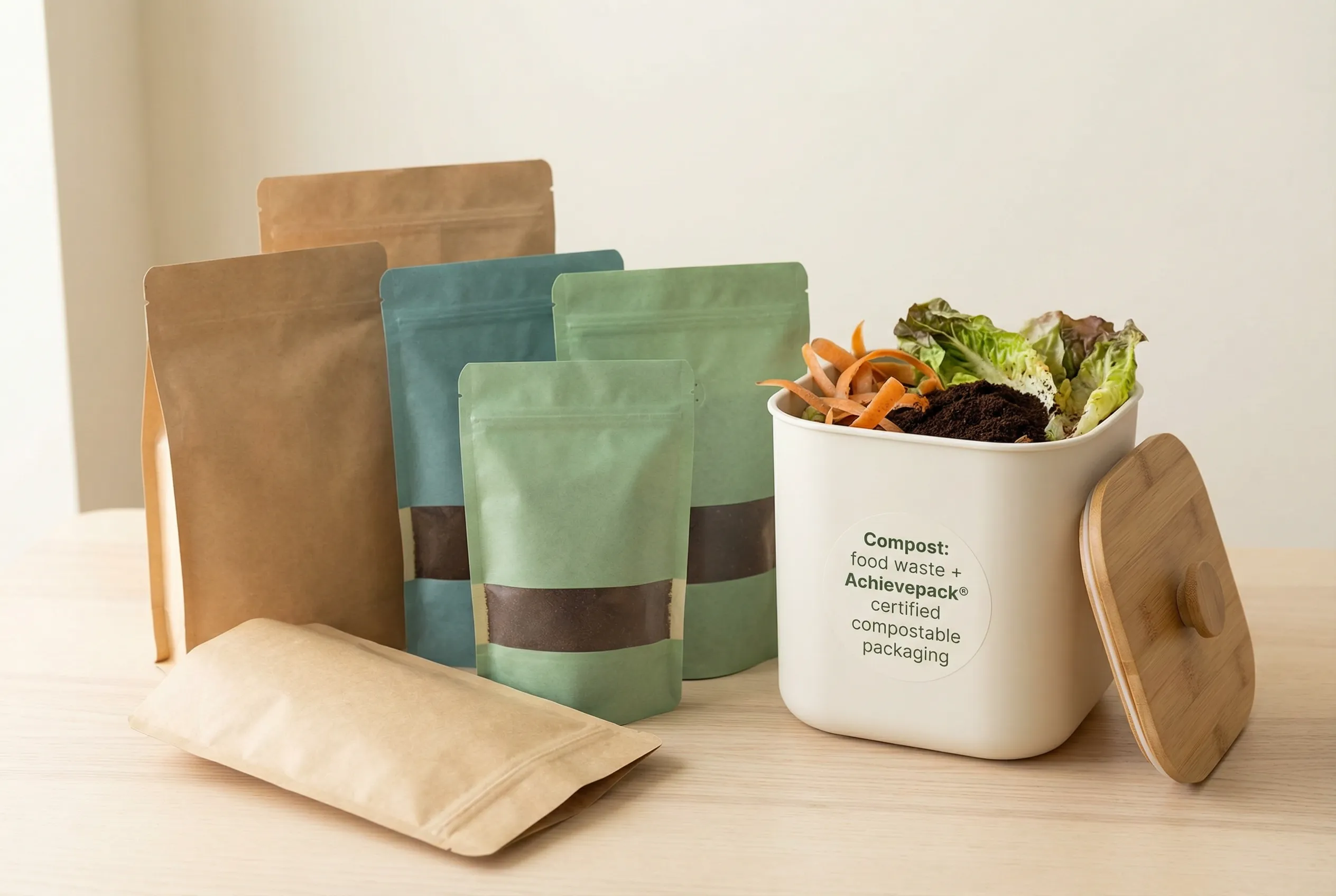
Key Environmental Benefits
Zero Landfill Waste
Organic waste is diverted from active landfills, reducing municipal load and avoiding anaerobic pockets that lock away carbon resources.
Methane Mitigation
Aerobic composting avoids landfill methane emissions (which are 28x more greenhouse potent than standard CO2 over a 100-year cycle).
Soil Moisture Yield
Adding organic compost enriches topsoils and increases water retention by approximately 20%, heavily reducing irrigation needs.
Backyard vs. Industrial Facility Composting
Knowing the operational scale defines the success of your brand's end-of-life packaging story:
Backyard Composting (Home)
Ambient temperature bins. Processes standard kitchen scraps, leaves, and TUV OK Compost HOME certified packaging over 6-12 months.
Industrial Facilities (Commercial)
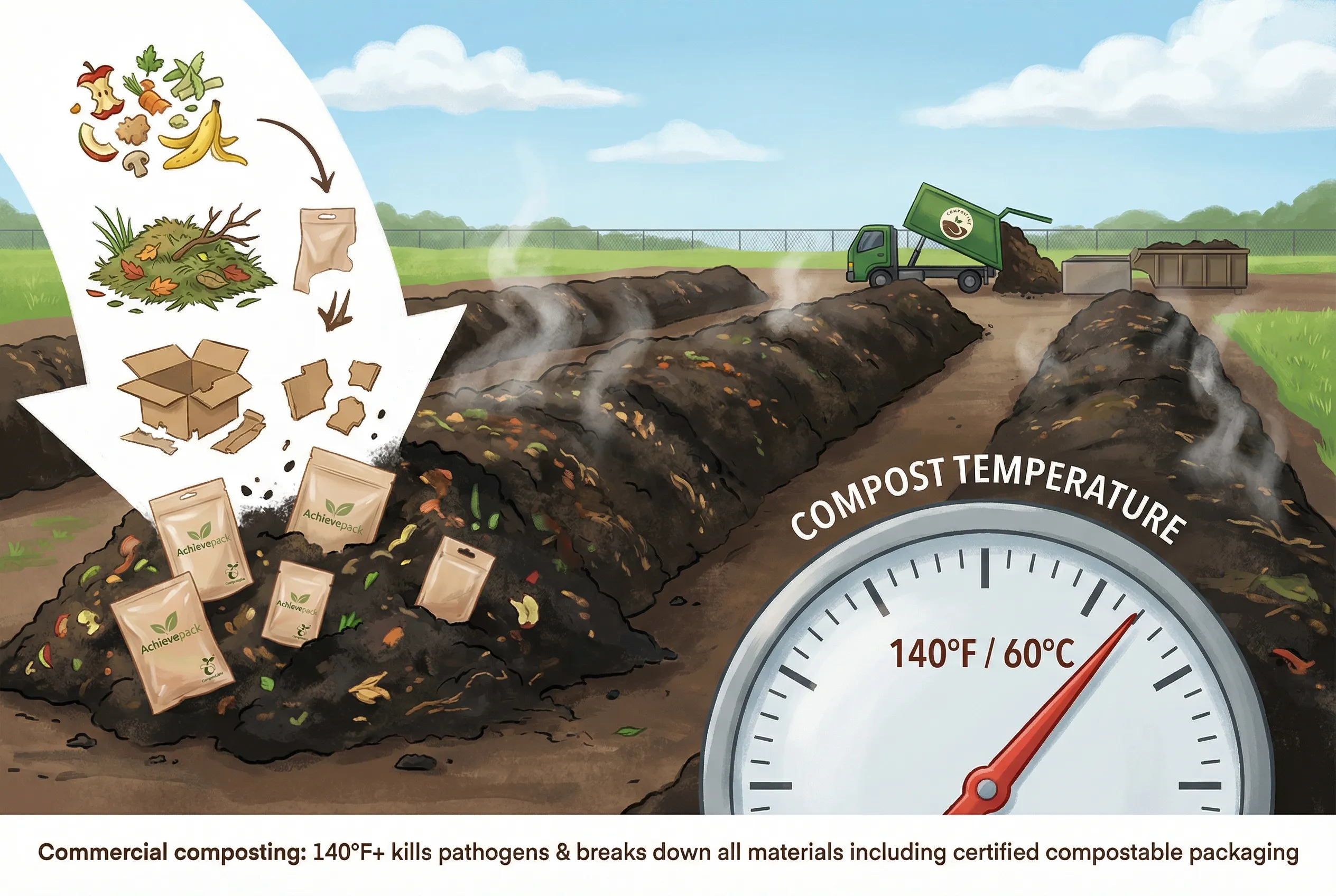
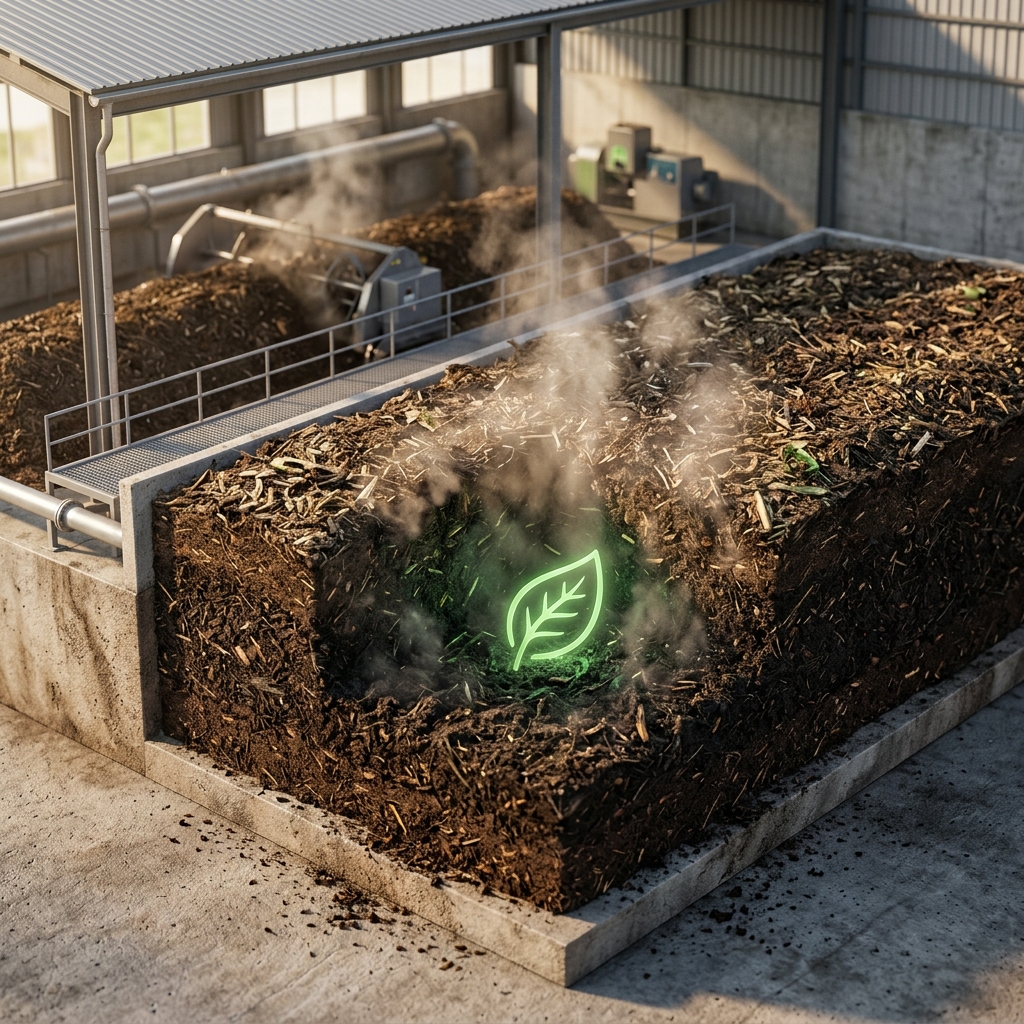
Controlled windrows exceeding 140°F (60°C). Safely decomposes tough certified bioplastics (PLA/PBAT), starches, and FSC papers in 90-180 days.
Circularity Specs Matrix
90-180 Day Biodegradation
Designed to fully disintegrate inside industrial composting windrows, turning entirely into organic soil amendment without leaving trace polymers.
Solvent-Free Adhesive
Processed using advanced solvent-free adhesive layers that meet stringent EN 13432 guidelines for chemical purity and compost safety.
Non-GMO Plant Biomass
Derived from renewable agricultural feedstocks such as corn-starch and sugarcane, reducing reliance on conventional fossil fuels.
Circular Carbon Pathway
Diverts soiled packaging from landfills where anaerobic decomposition would otherwise release high-impact methane emissions.
How Compostable Packaging Enriches Our Eco-Systems
Composting organic material is a natural, elegant solution to massive landfill accumulation. When food residues are left inside standard multi-layer PE packaging, those materials cannot be recycled and must be sent to landfill or incinerated.
By utilizing certified compostable stand-up bags, roasters, snack brands, and retailers enable their consumers to compost both the residual food waste and the bag together. In commercial windrows, these organic polymers break down alongside yard waste, developing highly fertile organic compost that is returned to enrich agricultural fields.
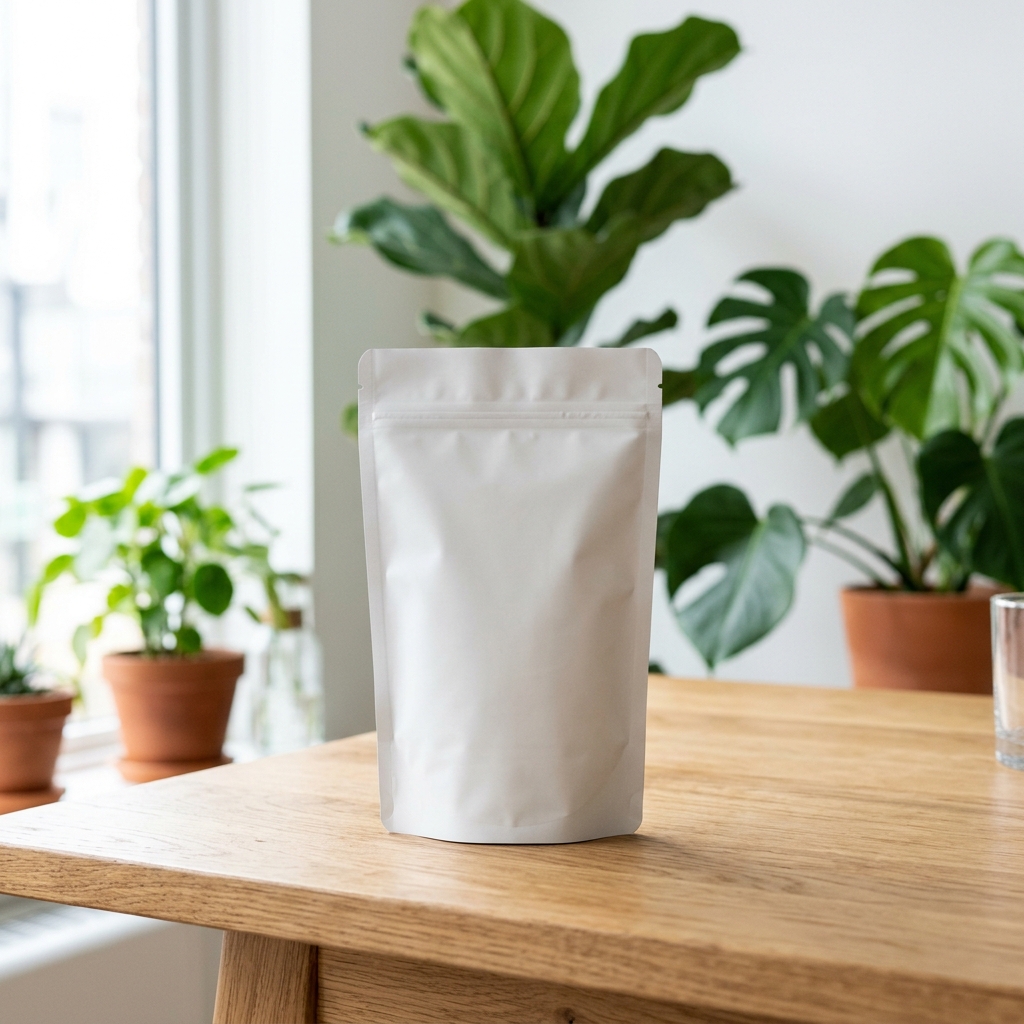
Supporting Regional Infrastructure
As cities worldwide deploy organic waste collection (FOGO - Food Organics and Garden Organics) programs, compostable packaging is gaining active support. Direct collaborations between sustainable manufacturers, local composting facilities, and brand managers ensure maximum waste diversion rates.
5 Common Composting Problems (And Solutions)
1. Non-Compostable Contamination
Mixing traditional plastics with organic waste ruins compost quality. Solution: Standardize on certified compostable packaging.
2. Inadequate Moisture Levels
Too dry halts decomposition; too wet causes anaerobic rotting. Solution: Automated moisture monitoring and balancing carbon-to-nitrogen ratios.
3. Poor Aeration
Lack of oxygen slows the process and produces methane. Solution: Regular turning or forced-air systems to maintain aerobic conditions.
4. Slow Degradation Rates
Some materials take too long to break down. Solution: Optimal temperature management and using highly disintegrable bio-plastics.
5. Pathogen Survival
Low temperatures fail to kill harmful bacteria. Solution: Maintaining thermophilic temperatures (>55°C) for sustained periods.
Procurement & Circularity FAQ
Clear, honest answers to help your procurement managers make informed decisions.
Start Your Custom Run
Certified compostable packaging with startup-friendly MOQ starting from 500 units.
For high-volume retail supply contracts (10,000+ units), custom rotogravure cylinder sets, or enterprise corporate quotes, please visit our enterprise portal: achievepack.com/composting/composting-benefits →